
Canada
Cape Breton Island, Nova Scotia
Sea-sculpted highlands, living Celtic fiddling traditions, and wild Atlantic drama.
Plan & book
Sort your Cape Breton Island, Nova Scotia trip in one place.
We point you to the booking tools we'd actually use — live prices, no markup. Or let us build the day-by-day plan around you first, then book.
Connected to mainland Nova Scotia by the Canso Causeway, Cape Breton Island feels like a remote North Atlantic realm defined by rugged coastal highlands, deep Scottish and Acadian roots, and sweeping ocean drives. The island anchors Canada's premier road journey—the Cabot Trail—paired with cliffside trails, live ceilidhs, and fresh lobster catches pulled straight from cold Atlantic waters.
5 to 6 days
Mid-July through early October.
Build your own trip with these prebuilt itineraries
Each one is a tested, day-by-day plan for Cape Breton Island, Nova Scotia — start here, then make it yours.
7 Days of Highlands Trekking & Rugged Coastlines in Cape Breton Island
An active outdoor immersion prioritizing remote backcountry trails, cliffside paths, sea kayaking, and wildlife spotting
5 Days on the Cabot Trail & Coastal Highlands in Cape Breton Island
Classic road trip covering iconic Cabot Trail coastal lookouts, highland hikes, and Acadian harbor villages
3 Days in the Heart of Cape Breton: Celtic Culture & Baddeck in Cape Breton Island
A weekend loop focused on traditional fiddle music, Gaelic heritage, Bras d'Or Lake, and historical highlights
Cape Breton offers unvarnished coastal geography without the manufactured gloss found in many major road-trip corridors. The 298-kilometer Cabot Trail hugs plunging sea cliffs in Cape Breton Highlands National Park, while inland towns like Mabou and Baddeck protect authentic Gaelic fiddling culture and deep Mi'kmaq maritime history.
Where to stay
Getting there
Getting around
Food & drink
What it costs
Skip it if
Skip Cape Breton Island if you rely entirely on public transit, demand high-density urban nightlife, or struggle with winding, two-lane coastal driving.
When to go
Summer delivers warm hiking temperatures and bustling harbor seafood boils, but late September into early October brings fiery autumn highlands and world-class fiddle sessions during Celtic Colours. Winter and spring bring severe road hazards and near-total seasonal closures.
Peak (July to August)
All ceilidhs, tours, and seasonal coastal cafes are fully running, but accommodation along the Cabot Trail books out 4 to 6 months ahead.
Shoulder (September to mid-October)
Peak foliage explodes in late September, crowds thin out, and October hosts the Celtic Colours festival; expect crisp air and fewer open dining spots.
Low (November to May)
Heavy snowfall, icy mountain passes, and dense coastal fog cause widespread road hazards; majority of tourist lodges and restaurants remain closed.
Neighborhoods
Where you stay shapes the trip. Here's how to think about it.
Chéticamp
Brisk Acadian fishing town perched between Gulf waters and the western highlands.
Best for:Sunset seekers, hikers targeting the Skyline Trail, and seafood lovers
Don't miss:Dinner at L'Abri cafe followed by pastries from Aucoin Bakery.
Baddeck
Gentle lakeside resort village steeped in sailboat docks and historic estates.
Best for:First-timers wanting a walkable base with upscale dining and easy highway access
Don't miss:The Alexander Graham Bell National Historic Site on the shores of Bras d'Or Lake.
Ingonish
Rugged Atlantic-facing coastal hub framed by dramatic headlands and ocean surf.
Best for:Beachcombers, golfers at Highlands Links, and eastern highland explorers
Don't miss:Hiking Middle Head Trail along the rocky peninsula splitting two bays.
Mabou & The Musical Coast
Rolling green hills resonant with living Gaelic traditions and fiddling pubs.
Best for:Traditional Celtic music purists and cyclists riding coastal rail corridors
Don't miss:A pint and live fiddle set at The Red Shoe Pub in Mabou.
Dingwall & Aspy Bay
Sparsely populated northern ocean hideaway surrounded by salt marshes and barrier beaches.
Best for:Travelers seeking absolute solitude off the primary tourist grid
Don't miss:Strolling the long barrier sands at Cabots Landing Provincial Park.
Destination intelligence
Updated 9/14/2026The structured record we plan every Cape Breton Island, Nova Scotia itinerary from.
Walkability
Low. Towns like Baddeck and Chéticamp have short walkable main streets, but reaching trailheads, beaches, and restaurants requires driving.
Transit quality
Very poor. Regional bus routes are minimal and cannot be used to explore the Cabot Trail or national park highlights.
Car needed
Yes. A personal or rental car is non-negotiable for visiting Cape Breton Island.
Ideal duration
5 to 6 days
Minimum useful
3 days
Peak season
July to August (warm weather, open attractions, daily music sessions, bustling harbors).
Shoulder season
September to mid-October (spectacular autumn foliage, crisp hiking conditions, and the Celtic Colours International Festival).
Low season
November through May (harsh maritime winters, snow-covered mountain passes, and extensive seasonal closures).
Best for
Common mistakes
- Attempting to drive the entire Cabot Trail in a single day without stopping for inland hikes or scenic lookouts.
- Visiting in late spring before seasonal businesses, seafood huts, and state historical sites open in mid-to-late June.
- Failing to reserve rental cars and accommodations months ahead for July, August, and Celtic Colours in October.
- Assuming Sydney is the main hub for hiking; Sydney is an industrial-commercial base, not an idyllic national park outpost.
Best nearby
How to plan it
- Do not book a single hotel base for the entire trip; split your nights between Baddeck and either Chéticamp or Ingonish to avoid doubling back on mountain passes.
- If landing at Halifax Stanfield International Airport, budget roughly 3.5 to 4 hours of driving just to cross the Canso Causeway onto Cape Breton Island.
- Hike the Skyline Trail late in the afternoon for magical Gulf of St. Lawrence sunsets and better chances of spotting roaming highland moose.
- Stop at The Dancing Goat Cafe in Margaree Valley for sandwiches and porch bread on your way from the west coast to Baddeck.
- Check ceilidh schedules at community halls and the Celtic Music Interpretive Centre in Judique rather than waiting for formal theater performances.
Questions
More in Canada
Kelowna
Canada
Sun-drenched vineyards, lakeside living, and pine-scented benchlands in British Columbia’s interior.
Whitehorse
Canada
The subarctic wilderness capital where boreal trails meet gold rush frontier culture
Yellowknife, Northwest Territories, Canada
Canada
The subarctic aurora capital perched on the ancient Canadian Shield.
Churchill, Manitoba
Canada
The subarctic frontier for wild polar bears, estuary belugas, and uninterrupted auroras.
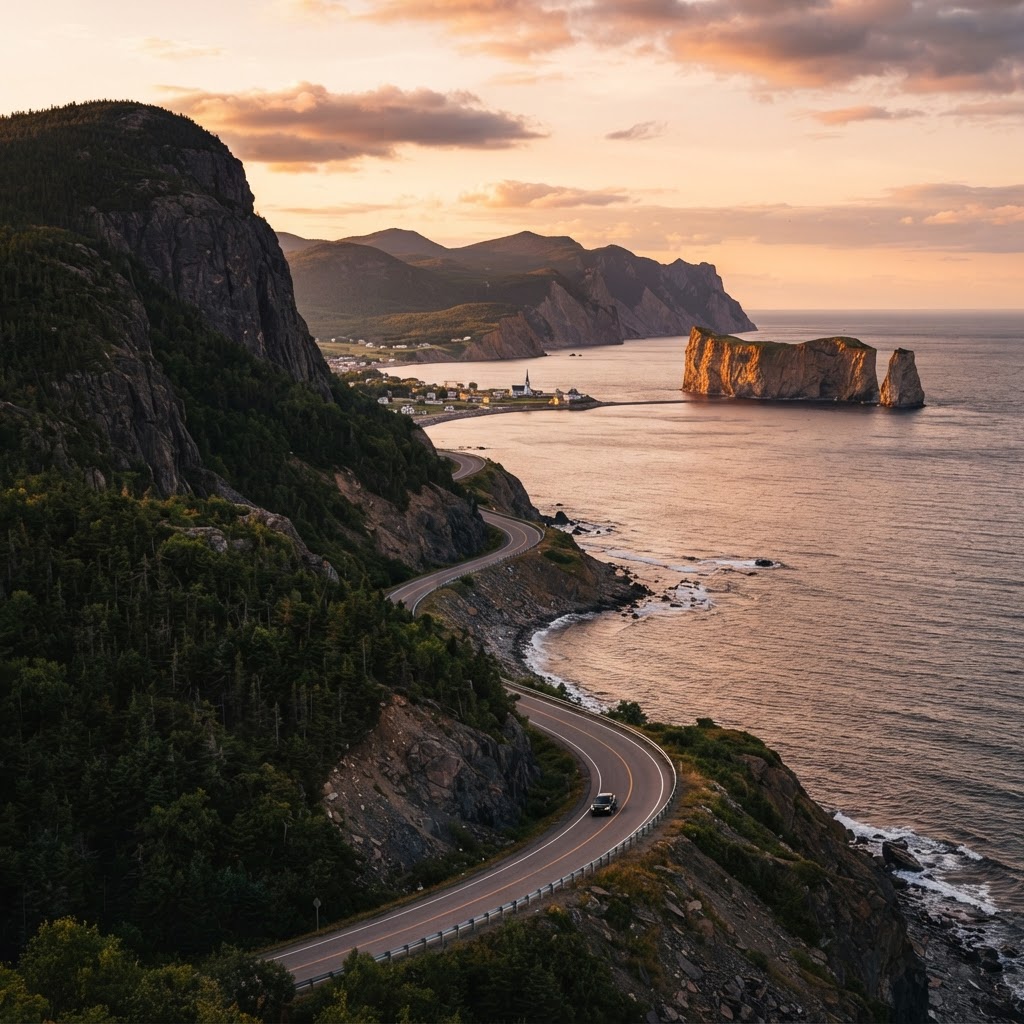
Gaspé Peninsula (Gaspésie), Quebec
Canada
End-of-the-world sea cliffs, ancient Appalachian spines, and winding coastal highways.
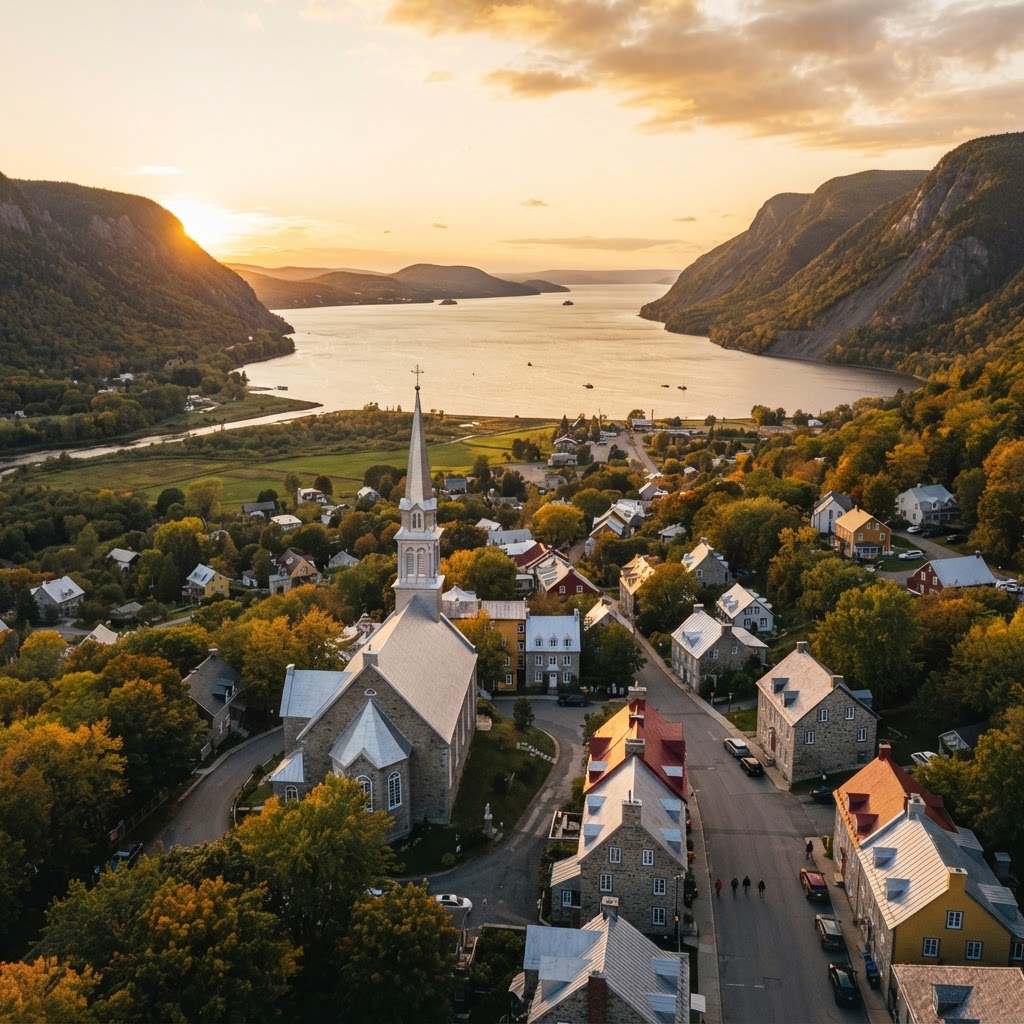
Charlevoix
Canada
Ancient meteorite crater where Laurentian peaks plunge straight into the St. Lawrence.
Readymade itineraries
Start from a tested template — then make it yours.
Ready to book
Lock in your Cape Breton Island, Nova Scotia trip
Everything in one place. We may earn a small commission — it never costs you more.
Plan a trip to Cape Breton Island, Nova Scotia
Pick a length and we'll build a day-by-day plan around how you travel — neighborhoods clustered, budget-aware, and editable.
Get better at planning trips like this
Occasional notes on planning smarter — no spam, unsubscribe anytime.
Plan a trip to Cape Breton Island, Nova Scotia
Turn this guide into a day-by-day plan built around your pace, your group, and your budget.
Build my Cape Breton Island, Nova Scotia trip