Canada
Whitehorse
The subarctic wilderness capital where boreal trails meet gold rush frontier culture
Plan & book
Sort your Whitehorse trip in one place.
We point you to the booking tools we'd actually use — live prices, no markup. Or let us build the day-by-day plan around you first, then book.
Set along the roaring Yukon River against a backdrop of spruce-clad valleys and jagged peaks, Whitehorse serves as the cultural and logistical nerve center of Canada's northwest. Originally a crucial staging post for the Klondike Gold Rush, it has matured into a compact northern city where urban bakeries and craft breweries coexist with genuine wilderness. Travelers come either under the endless daylight of the summer midnight sun or to chase the green ribbon of the aurora borealis during sub-zero subarctic winters.
4 to 5 days
Best time
Late August through September for autumn colors and comfortable aurora chasing, or February to March for prime snowy subarctic adventures.
Build your own trip with these prebuilt itineraries
Each one is a tested, day-by-day plan for Whitehorse — start here, then make it yours.
4-Day Winter Aurora & Subarctic Adventure
Nightly northern lights viewing, dog sledding, and cold-weather wildlife encounters
5-Day Yukon Wilderness & Klondike Road Trip in Whitehorse
Outdoor trail running, alpine hiking, and regional scenic drives along the South Klondike corridor
3 Days in Whitehorse for First-Timers in Whitehorse
First-time city highlights, Gold Rush history, and local hot springs
Whitehorse delivers immediate access to untamed subarctic wilderness without sacrificing reliable heating, walkable dining, or artisanal creature comforts. You can hike the basalt edges of Miles Canyon in the morning, tour the historic paddlewheeler SS Klondike in the afternoon, and soak in geothermal hot springs under the northern lights by night. It is the premier launchpad for iconic northern road trips down the Alaska and Klondike Highways.
Where to stay
Getting there
Getting around
Food & drink
What it costs
Things to do
Book tours & tickets in WhitehorseSkip it if
Skip Whitehorse if you are seeking a fast-paced urban vacation filled with high-end luxury designer shopping, mega-museums, or extensive subway-style public transit. It is also not suitable for winter travelers unwilling to bundle into heavy expedition-grade outerwear.
When to go
Summer offers 19+ hours of daylight and peak alpine access, but late winter delivers stable snow for dog sledding alongside crisp northern lights without the brutal minus-forty snaps of December.
Peak (June to August & Feb to March)
Summer brings midnight sun, wildflower blooms, and open hiking passes; late winter delivers peak aurora displays, snowshoeing, and the Yukon Quest spirit. Book lodging months ahead for both.
Shoulder (Late August to September)
The smartest window for balanced travel: brilliant crimson tundra foliage, open highways, manageable temperatures, and dark nighttime skies that let you catch the northern lights without extreme winter cold.
Low (April to May & late Oct to Nov)
Mud breakup in spring and pre-winter freeze-up in autumn leave trails slushy, scenic routes messy, and tourist operators temporarily closed.
Neighborhoods
Where you stay shapes the trip. Here's how to think about it.
Downtown Whitehorse
Compact northern grid where pioneer-era clapboard meets modern artisan coffee roasters and riverfront parks
Best for:first-timers, culture seekers, car-free dining
Don't miss:The Millennium Trail river loop starting by the SS Klondike, followed by sourdough pastries at Baked Cafe on Main Street.
Riverdale
Quiet residential pocket immediately east across the Yukon River, tucked directly against steep clay cliffs
Best for:trail runners, paddlers, nature lovers
Don't miss:Watching migrating Chinook salmon from the underwater viewing windows at the Whitehorse Fishway.
Takhini Hot Springs Road / Ibex Valley
Off-grid rural corridor carved through boreal forest, with big-sky views and wilderness lodges
Best for:aurora chasers, wellness seekers, wildlife lovers
Don't miss:A late-night thermal soak beneath the northern lights at Eclipse Nordic Hot Springs.
Schwätka Lake & Chadburn Lake Road
Outdoor recreation playground fringed by deep turquoise glacial waters and floatplane docks
Best for:hikers, mountain bikers, kayakers
Don't miss:Crossing the suspension footbridge at Miles Canyon to hike the basalt rim trail toward the historic Canyon City site.
Destination intelligence
Updated 9/14/2026The structured record we plan every Whitehorse itinerary from.
Walkability
High within the compact Downtown grid and along the Millennium Trail; very low for attractions beyond the city perimeter.
Transit quality
Limited; city transit buses operate on restricted weekday schedules and reduced weekend hours, geared toward locals rather than visitors.
Car needed
Yes; a car or guided excursion is required to reach Miles Canyon, hot springs, wildlife preserves, and dark-sky viewing areas.
Ideal duration
4 to 5 days
Minimum useful
3 days
Peak season
June through August for 24-hour midnight sun, wildflowers, and alpine hiking; late January through March for prime aurora displays and dog sledding.
Shoulder season
Late August through September for vibrant autumn tundra colors and the earliest dark night skies for northern lights without deep winter cold.
Low season
April to May during mud season breakup, and late October to November when freeze-up brings gray conditions and early trail slush.
Best for
Common mistakes
- Expecting to see the aurora borealis between late May and early August when the midnight sun provides 24 hours of light
- Failing to reserve a rental car months in advance during peak summer and winter aurora seasons
- Underestimating winter temperatures, which can drop below minus 30 degrees Celsius and require specialized subarctic parkas and insulated boots
- Staying entirely within the downtown core without venturing out to surrounding territorial trail networks and lakes
Best nearby
How to plan it
- Stay in Downtown Whitehorse if you value walking to dinners at Wood Street Ramen and morning coffee, but choose a Takhini Valley lodge if your primary goal is stepping outside your door to watch the aurora.
- Do not attempt driving to Dawson City as a casual day trip; it is a 6-hour drive each way on northern highways and demands at least two dedicated overnight days.
- Book your vehicle rental at Erik Nielsen Whitehorse International Airport months in advance—fleet capacity is strictly limited and sells out entirely during summer road-trip season.
- Pair your Whitehorse stay with a full-day loop down the South Klondike Highway to Carcross Desert and Emerald Lake for some of the Yukon's sharpest alpine scenery.
Questions
More in Canada

Cape Breton Island, Nova Scotia
Canada
Sea-sculpted highlands, living Celtic fiddling traditions, and wild Atlantic drama.
Kelowna
Canada
Sun-drenched vineyards, lakeside living, and pine-scented benchlands in British Columbia’s interior.
Yellowknife, Northwest Territories, Canada
Canada
The subarctic aurora capital perched on the ancient Canadian Shield.
Churchill, Manitoba
Canada
The subarctic frontier for wild polar bears, estuary belugas, and uninterrupted auroras.
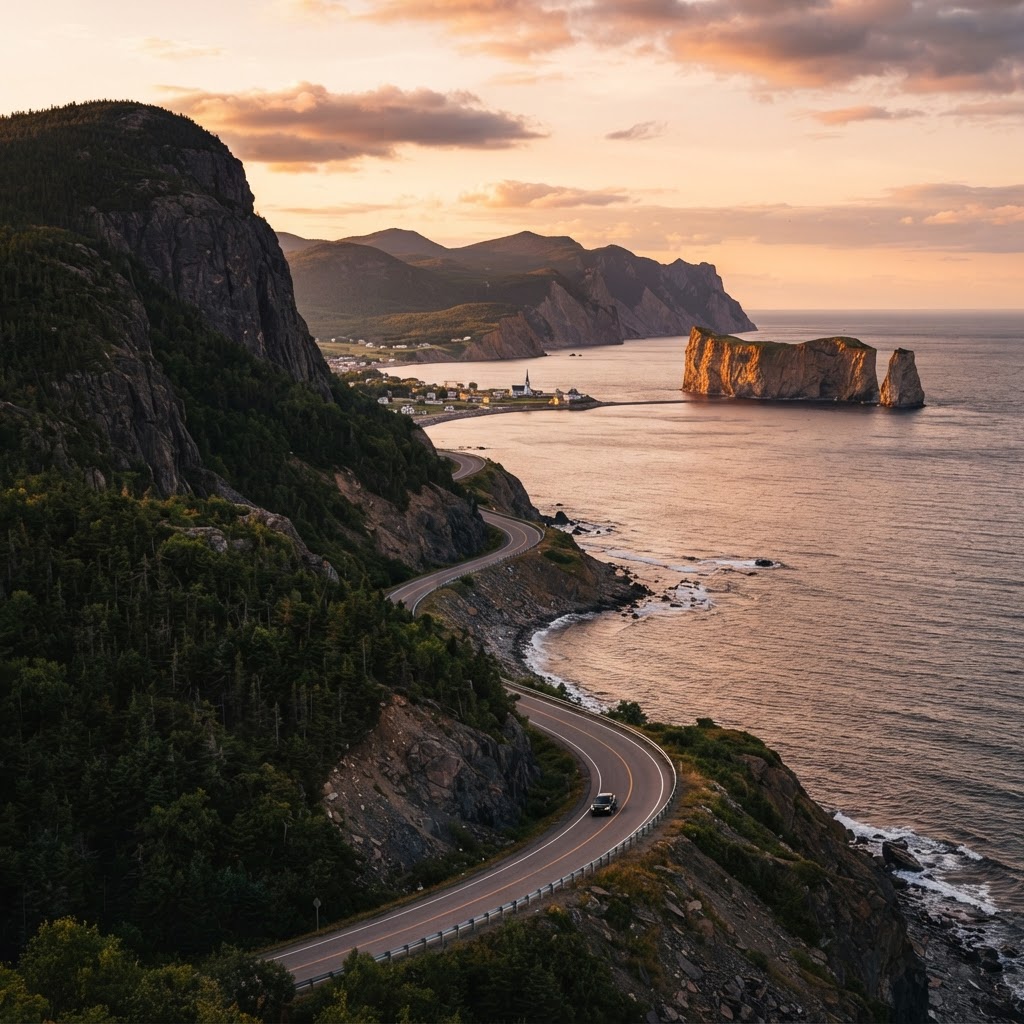
Gaspé Peninsula (Gaspésie), Quebec
Canada
End-of-the-world sea cliffs, ancient Appalachian spines, and winding coastal highways.
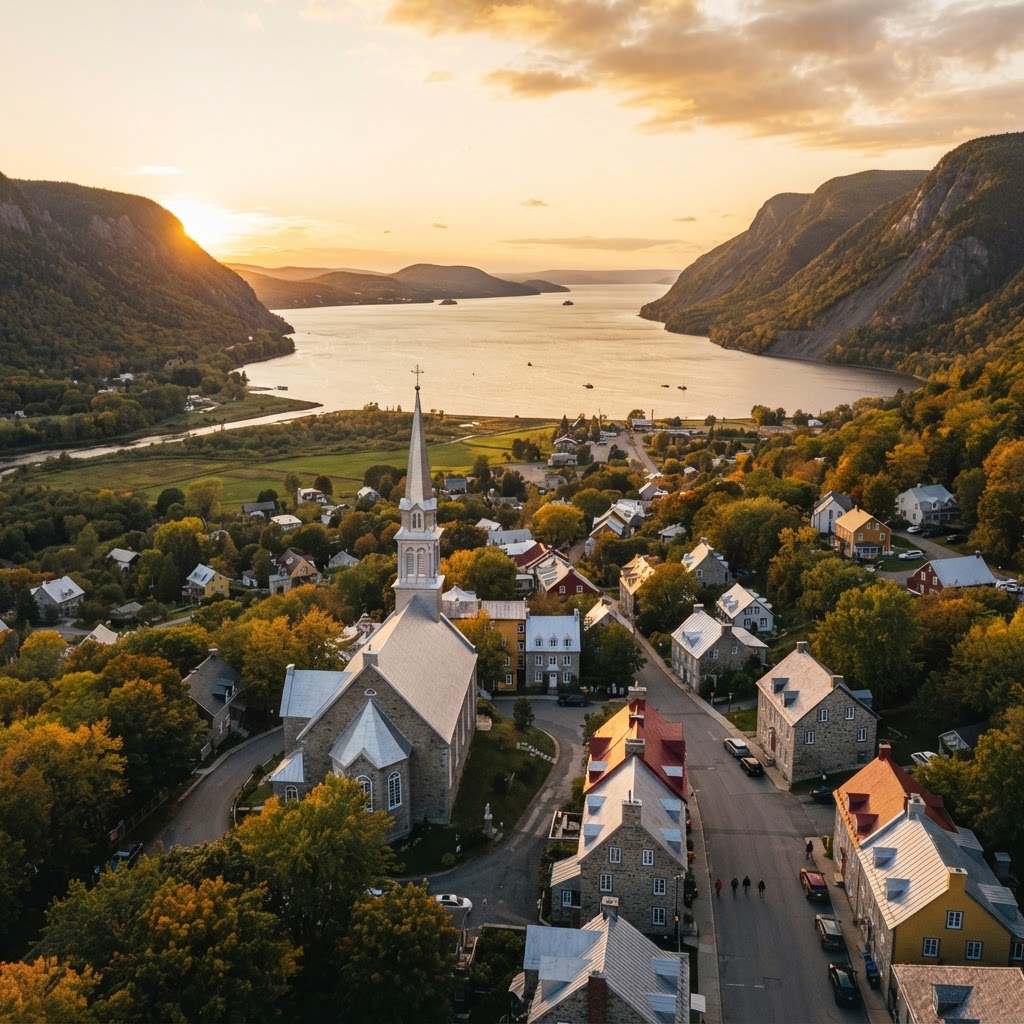
Charlevoix
Canada
Ancient meteorite crater where Laurentian peaks plunge straight into the St. Lawrence.
Readymade itineraries
Start from a tested template — then make it yours.
Ready to book
Lock in your Whitehorse trip
Everything in one place. We may earn a small commission — it never costs you more.
Plan a trip to Whitehorse
Pick a length and we'll build a day-by-day plan around how you travel — neighborhoods clustered, budget-aware, and editable.
Get better at planning trips like this
Occasional notes on planning smarter — no spam, unsubscribe anytime.
Plan a trip to Whitehorse
Turn this guide into a day-by-day plan built around your pace, your group, and your budget.
Build my Whitehorse trip