Canada
Churchill, Manitoba
The subarctic frontier for wild polar bears, estuary belugas, and uninterrupted auroras.
Plan & book
Sort your Churchill, Manitoba trip in one place.
We point you to the booking tools we'd actually use — live prices, no markup. Or let us build the day-by-day plan around you first, then book.
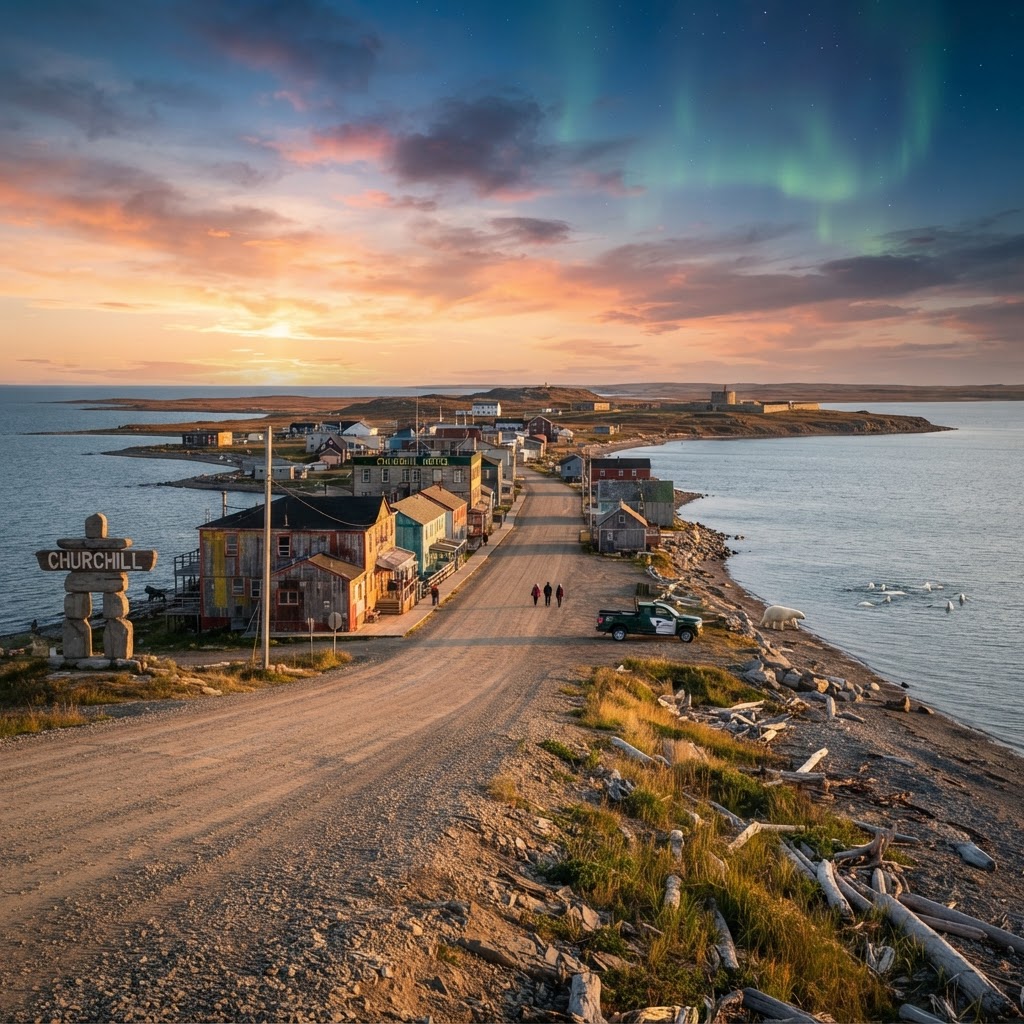
Perched on the southwest edge of Hudson Bay without road access, Churchill is a gritty, utilitarian frontier town transformed into the wildlife viewing capital of North America. Depending on your arrival window, you are either riding massive Tundra Buggies across tidal flats while dozens of polar bears wait for sea ice to freeze, kayaking among tens of thousands of curious beluga whales in the Churchill River, or watching the auroral oval swirl directly overhead in sub-zero winter darkness.
5 to 6 days
Best time
Mid-October to mid-November for peak polar bears; late July to mid-August for belugas; February to March for the northern lights.
Build your own trip with these prebuilt itineraries
Each one is a tested, day-by-day plan for Churchill, Manitoba — start here, then make it yours.
5 Days of Autumn Polar Bears & Tundra Photography in Churchill
Prime autumn migration focused on polar bears, arctic foxes, and tundra rover expeditions
6 Days of Summer Belugas & Coastal Tundra Bloom in Churchill
Warm-season marine adventure centered on kayak encounters with beluga pods, birding, and tundra flora
4 Days of Subarctic Deep Winter Aurora Chasing in Churchill
Deep-freeze winter excursion under the auroral oval featuring dog sledding and dome aurora viewing
No other subarctic hub provides wild apex-predator encounters and marine mammal interactions with this degree of proximity and infrastructure. During October and November, hungry polar bears pace the coastline just meters from purpose-built tundra vehicles. In July and August, warm river estuaries fill with roughly 60,000 beluga whales that rub alongside Zodiacs and kayaks. It is an extreme, raw wilderness trip operating out of a tiny rail town where safety dictates checking street corners for bears.
Where to stay
Getting there
Getting around
Food & drink
What it costs
Things to do
Book tours & tickets in Churchill, ManitobaSkip it if
Skip Churchill if you require resort-style luxury infrastructure, hate rigid tour-guide timetables, or are traveling on a strict budget. If you cannot tolerate sub-zero temperatures, harsh winds, or strict safety precautions regarding roaming wildlife, head to Banff or Jasper instead.
When to go
Churchill offers three distinct natural spectacles that rarely overlap. Fall commands sky-high prices and massive advance bookings for bear congregations, mid-summer delivers warmer days and teeming whale estuaries with manageable crowds, while late winter strips away wildlife viewing in exchange for sub-zero, dark-sky aurora conditions.
Peak (Fall: October – November)
Hundreds of polar bears gather on the Hudson Bay coast waiting for the sea ice to freeze. Expect sub-zero winds, limited daylight, fully booked lodging a year ahead, and highest prices across expeditions.
Summer (July – August)
Tens of thousands of beluga whales arrive in the Churchill River estuary to feed and calve. Tundra blooms with wildflowers, temperatures hover around 10–15°C (50–60°F), biting insects peak, and bears are sporadically seen along the shoreline.
Shoulder (June & September)
June brings rapid snowmelt and arriving migratory birds, while September offers vibrant autumn tundra foliage. Polar bear encounters are hit-or-miss and buggy operations are largely offline.
Low / Winter (December – April)
Deep Arctic freeze with temperatures dropping below -30°C. Hudson Bay is solid ice so polar bears are far offshore hunting seals; trips focus almost exclusively on night aurora borealis viewing and dogsledding.
Destination intelligence
Updated 9/14/2026The structured record we plan every Churchill, Manitoba itinerary from.
Walkability
Low to Moderate; the town core is small and compact, but walking along the rocky coastline or alone after dark is dangerous due to roaming polar bears.
Transit quality
Low; there is no municipal public transit system. All mobility relies on tour group transport, hotel shuttles, or local taxis.
Car needed
No; there is no road network connecting to southern Canada, and regional car rental options are extremely limited and unnecessary compared to guided expedition logistics.
Ideal duration
5 to 6 days
Minimum useful
4 days
Peak season
October to November for polar bear gathering on Hudson Bay shore; July to August for beluga whale calving in the Churchill River.
Shoulder season
June and September, offering quiet birdwatching and late summer transitions, though polar bear sightings are sporadic.
Low season
December to April, characterized by intense sub-zero freeze, deep snowpack, and focused purely on northern lights viewing.
Best for
Common mistakes
- Attempting to see polar bears, belugas, and northern lights on a single visit; their prime peak seasons are mutually exclusive.
- Booking accommodations and tours less than 6 to 9 months ahead for the late autumn polar bear migration.
- Wandering along the Hudson Bay coastline or past unlit town streets after dark without licensed guides or bear monitors.
- Failing to bring heavy bug netting and insect repellent for summer beluga tours when mosquitoes and blackflies peak.
Best nearby
How to plan it
- Book your October/November polar bear trip 9 to 12 months ahead; hotel rooms and buggy permits sell out before summer begins.
- Pad your transit with at least one overnight in Winnipeg on both ends to protect against subarctic flight delays on Calm Air.
- Decide your priority before picking dates: July/August for belugas and zodiacs, October/November for sparring bears on the tundra, February/March for uninterrupted dark-sky auroras.
- Do not walk past the edge of town or toward the rocky beach alone without a local guide or bear monitor carrying deterrents.
- If traveling on a tighter budget, choose July over October: summer accommodations are marginally easier to secure and beluga day boat charters cost significantly less than peak-season Tundra Buggies.
Questions
More in Canada
Cape Breton Island, Nova Scotia
Canada
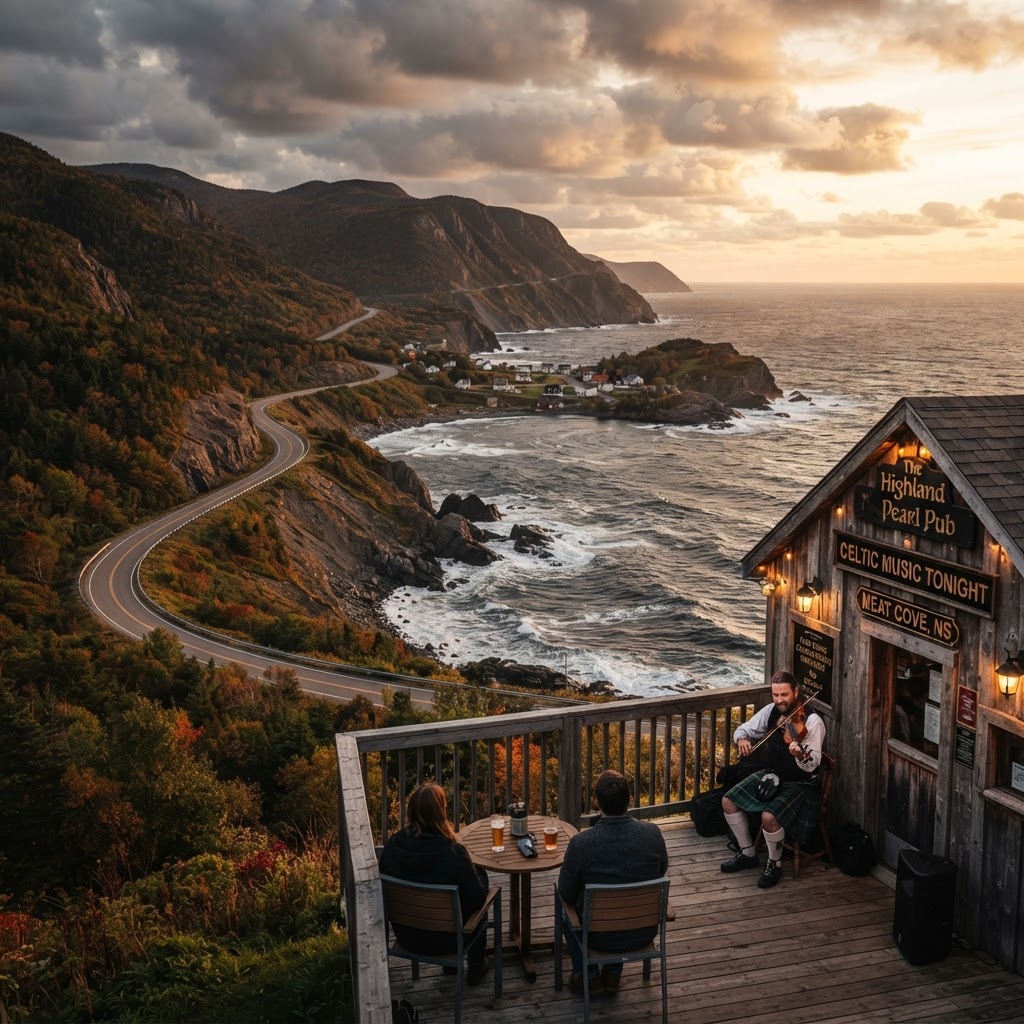
Sea-sculpted highlands, living Celtic fiddling traditions, and wild Atlantic drama.

Kelowna
Canada
Sun-drenched vineyards, lakeside living, and pine-scented benchlands in British Columbia’s interior.
Whitehorse
Canada
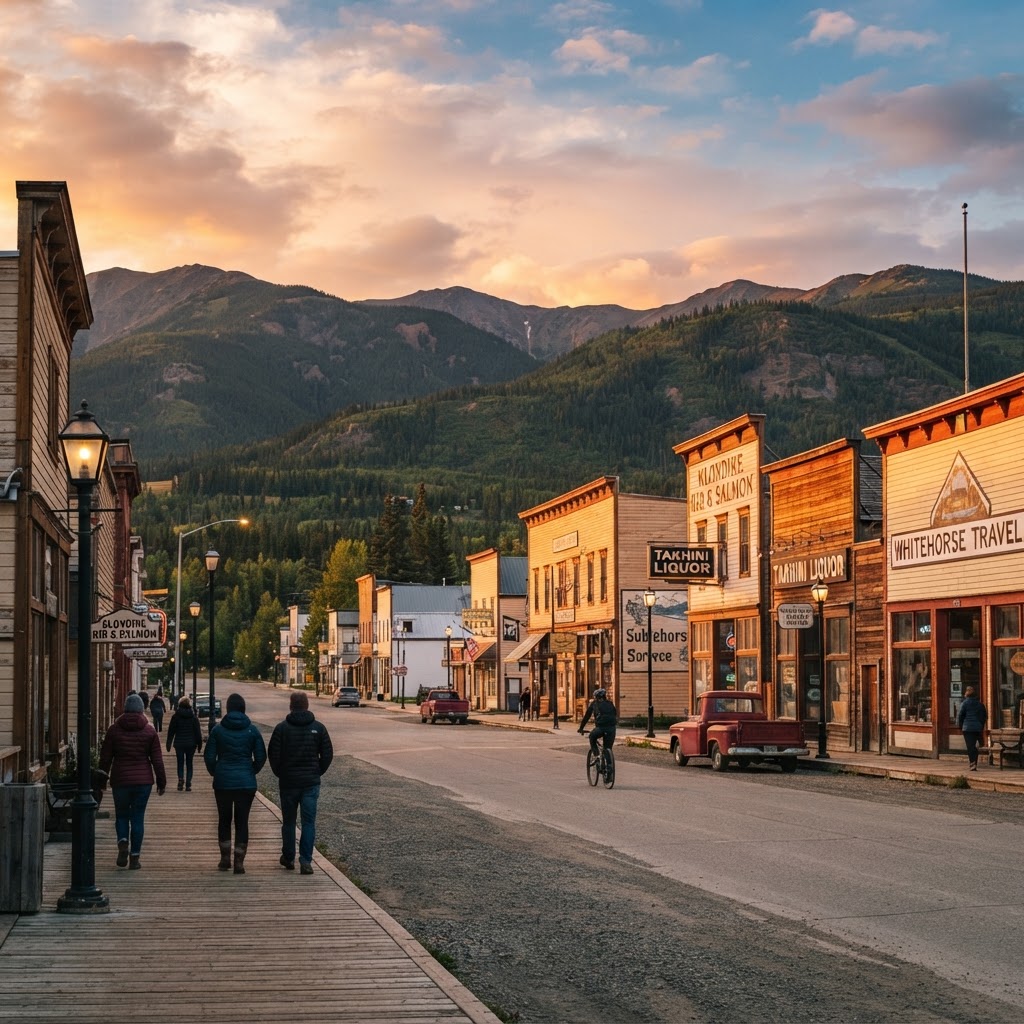
The subarctic wilderness capital where boreal trails meet gold rush frontier culture
Yellowknife, Northwest Territories, Canada
Canada
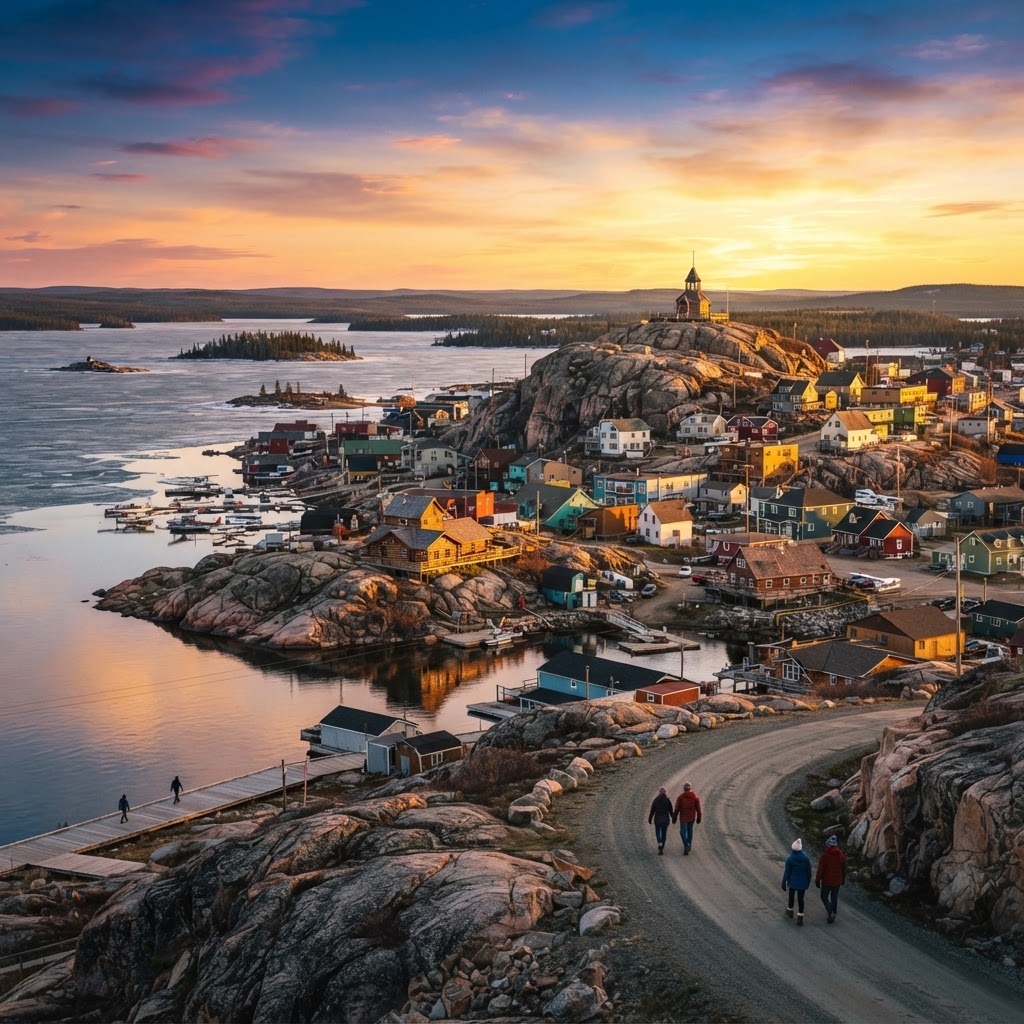
The subarctic aurora capital perched on the ancient Canadian Shield.
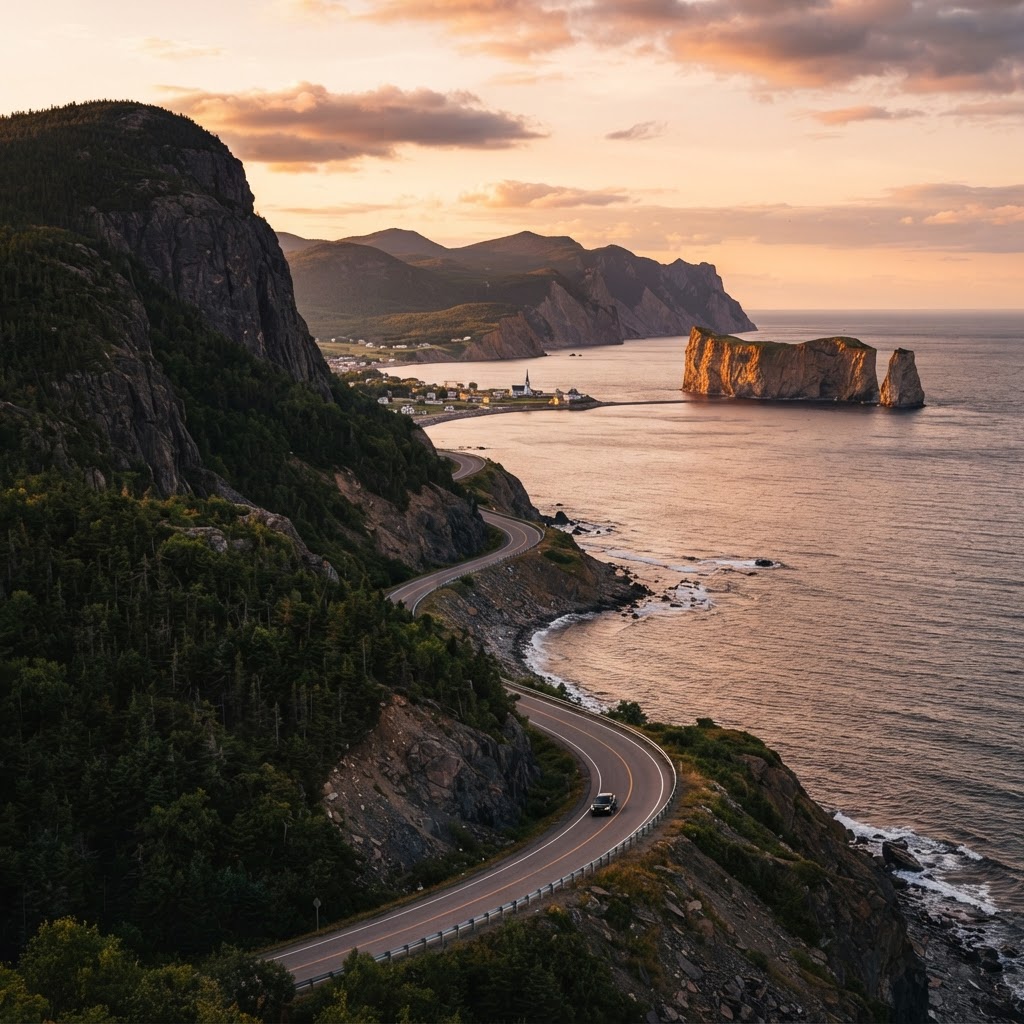
Gaspé Peninsula (Gaspésie), Quebec
Canada
End-of-the-world sea cliffs, ancient Appalachian spines, and winding coastal highways.
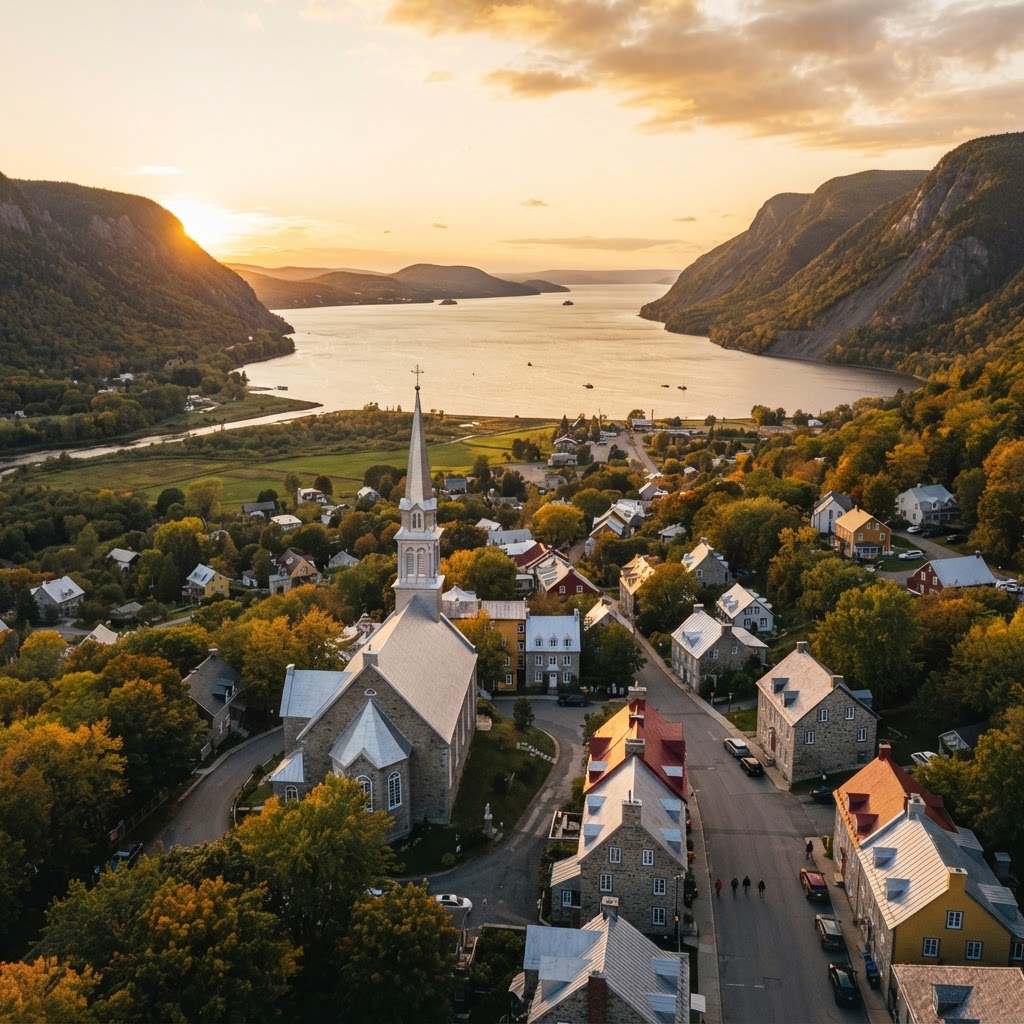
Charlevoix
Canada
Ancient meteorite crater where Laurentian peaks plunge straight into the St. Lawrence.
Readymade itineraries
Start from a tested template — then make it yours.
Ready to book
Lock in your Churchill, Manitoba trip
Everything in one place. We may earn a small commission — it never costs you more.
Plan a trip to Churchill, Manitoba
Pick a length and we'll build a day-by-day plan around how you travel — neighborhoods clustered, budget-aware, and editable.
Get better at planning trips like this
Occasional notes on planning smarter — no spam, unsubscribe anytime.
Plan a trip to Churchill, Manitoba
Turn this guide into a day-by-day plan built around your pace, your group, and your budget.
Build my Churchill, Manitoba trip