Spain
Córdoba, Spain
Caliphate stone, whitewashed patio courtyards, and southern Spain's most layered historic core.
Plan & book
Sort your Córdoba, Spain trip in one place.
We point you to the booking tools we'd actually use — live prices, no markup. Or let us build the day-by-day plan around you first, then book.
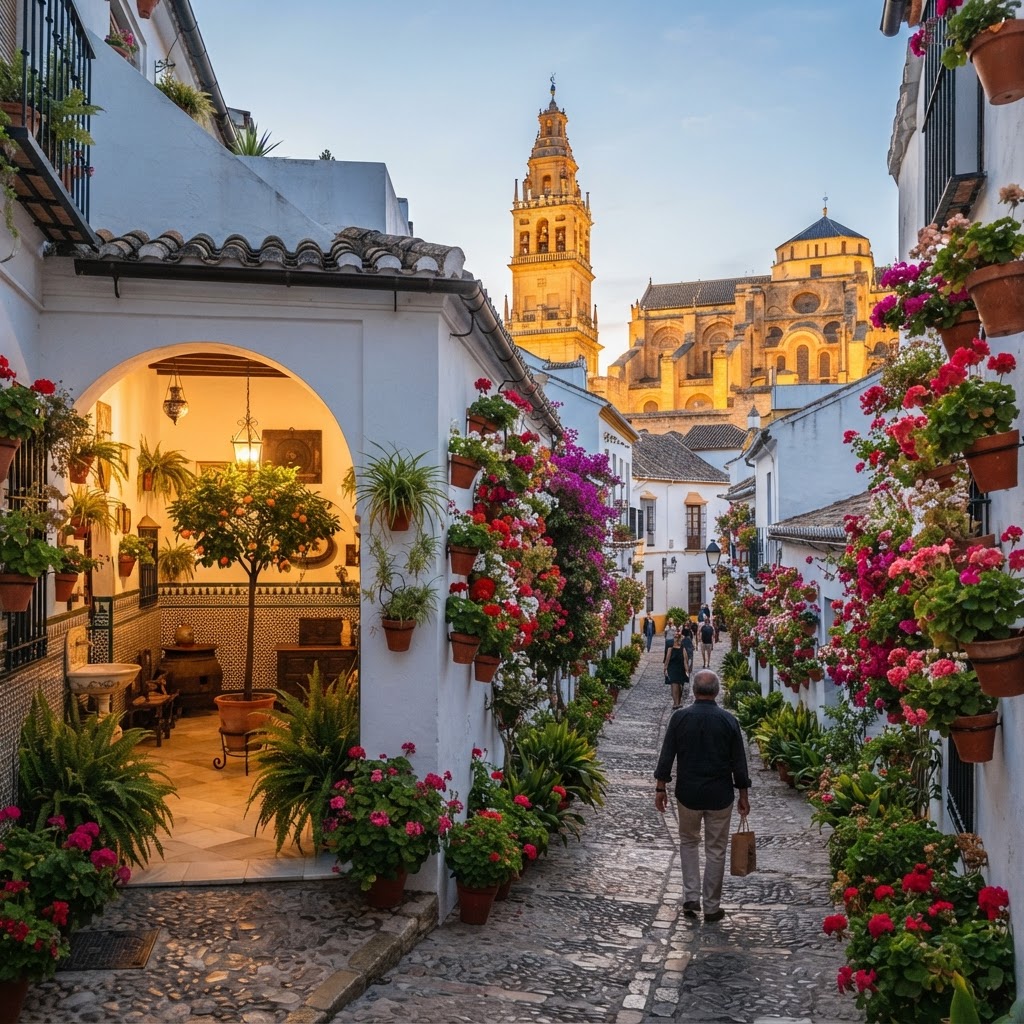
Córdoba is defined by its astonishing historical density. At its height in the 10th century, it was the intellectual and cultural capital of Islamic Spain and Western Europe, an epicenter of philosophy, medicine, and architecture. Today, its historic center spans labyrinthine whitewashed alleys, quiet residential courtyards decorated with cascading geraniums, and the extraordinary Mezquita-Catedral—an 8th-century forest of two-tiered Moorish arches framing a 16th-century Renaissance cathedral nave. While most travelers brush through on a four-hour day trip detour between Madrid and Seville, Córdoba rewards those who stay overnight to experience its tranquil stone plazas and quiet tapas taverns after the day crowds retreat.
2 to 3 days
Late March to May, or October.
Build your own trip with these prebuilt itineraries
Each one is a tested, day-by-day plan for Córdoba, Spain — start here, then make it yours.
3 Days in Córdoba: Patios, Tapas & Local Life in Córdoba
A slower-paced cultural and culinary route exploring neighborhood taverns, local patios, and vibrant plazas
3 Days in Córdoba: Umayyad Heritage & Palaces in Córdoba
Deep-dive Islamic history and architecture, including Medina Azahara, Alcázar, and iconic courtyards
2 Days in Córdoba: The Classic Historic Immersion in Córdoba
First-time architectural highlights, Mezquita exploration, and illuminated evenings in the historic quarter
Go for the Mezquita-Catedral alone, which stands alongside the Alhambra as the most important Islamic monument in Western Europe. But stay for the quiet intimacy: while Seville is grand and theatrical, Córdoba is introverted, centered around hidden courtyards, quiet river walks along the Guadalquivir, centuries-old taverns pouring crisp Montilla-Moriles wines, and an exceptionally compact historic core that can be thoroughly explored on foot without ever stepping onto public transit.
Where to stay
Getting there
Getting around
Food & drink
What it costs
Things to do
Book tours & tickets in Córdoba, SpainSkip it if
Skip staying overnight if your Andalusian trip is already under five days total—in that case, Seville and Granada demand priority. Skip also if you require beaches, high-energy late-night clubbing, or cannot tolerate walking on steep or uneven cobblestones in hot weather.
When to go
Spring brings fragrant orange blossoms and the legendary Patio Festival, though May lodging rates are the highest of the year. October replicates the mild 23°C to 26°C sightseeing temperatures with noticeably fewer crowds and manageable hotel rates.
Peak (April to May)
Sublime flower blooms, the Fiesta de los Patios, and the Feria de Córdoba; book accommodations 4 to 6 months ahead and expect peak pricing.
Shoulder (March, June, September to October)
Comfortable daytime warmth and pleasant evening strolls; occasional late-September heatwaves, but far easier tavern and site reservations.
Low (July to August & November to February)
Midsummer is punishingly hot (regularly 40°C+) with afternoon shuttering; winter is crisp (12°C–16°C), quiet, and offers tremendous hotel value.
Neighborhoods
Where you stay shapes the trip. Here's how to think about it.
La Judería
Cobbled alleys, whitewashed facades, and postcard courtyards wrapped tightly around the Mezquita.
Best for:First-timers, short stays, and travelers who want key historical sights right on their doorstep
Don't miss:The 14th-century Sinagoga de Córdoba, one of only three original medieval synagogues surviving in Spain.
San Basilio (Alcázar Viejo)
A tranquil, village-like enclave famed for competition-level residential courtyards dripping in geraniums.
Best for:Patio enthusiasts, romantic wanderers, and travelers seeking quiet residential charm away from day-trippers
Don't miss:Visiting the year-round open courtyards along Calle San Basilio without festival crowds.
Santa Marina & San Agustín
Aristocratic and literary northern quarters anchored by quiet stone plazas and stately palacios.
Best for:Slow travelers, garden lovers, and repeat visitors who want a refined, unhurried pace
Don't miss:Palacio de Viana, exploring its 12 interconnected renaissance courtyards and aristocratic art collections.
Centro & Plaza de las Tendillas
Brisk commercial boulevards, local shopping, and vibrant traditional tapas bars where modern locals actually meet.
Best for:Practical transit ease, modern amenities, evening buzz, and travelers who prefer everyday Spanish energy over museum-town aesthetics
Don't miss:The restored 1st-century Templo Romano ruins glowing under spotlights beside the town hall.
Destination intelligence
Updated 9/14/2026The structured record we plan every Córdoba, Spain itinerary from.
Walkability
Excellent. The entire historic district is compact and pedestrian-oriented, though cobbled stones require sensible walking shoes.
Transit quality
High. The AVE high-speed train connects seamlessly to Madrid and across Andalusia; inside the city center, walking and affordable taxis cover everything.
Car needed
Not required. A car is an active hindrance within Córdoba. Only rent one if driving onward through the white hill towns of the Subbéticas.
Ideal duration
2 to 3 days
Minimum useful
1 full day (with overnight)
Peak season
April to May. Perfect weather, the legendary Fiesta de los Patios (early May), and the Feria de Córdoba bring peak crowds and accommodation rates.
Shoulder season
March, June, September, and October. Manageable crowds and pleasant temperatures for outdoor sightseeing.
Low season
July to August (extreme inland heat) and November to February (cool, quiet, and very economical).
Best for
Common mistakes
- Treating Córdoba as merely a 3-hour luggage-locker stop on the train between Madrid and Seville, missing the magic of its quiet evenings and illuminated monuments.
- Visiting in July or August, when inland Andalusian heat regularly hits 40°C to 45°C (104°F to 113°F) and closes the city down during midday.
- Renting a car while staying in the historic quarter; narrow medieval alleys and strict resident-only driving restrictions make driving impossible and parking expensive.
- Skipping Medina Azahara due to the 15-minute taxi ride outside the city center.
- Dining at tourist-trap restaurants with picture menus facing the Mezquita walls instead of walking 10 minutes east into Santa Marina or San Lorenzo.
Best nearby
See what a trip to Spain actually costs. Travel Budget Co.
How to plan it
- Book an overnight stay instead of a luggage-locker day trip so you can cross the Roman Bridge at dusk when the stone ramparts light up.
- Schedule your Mezquita entry for either 8:30 AM (free hour) or the final 4:30 PM slot to experience the forest of stone arches without megaphone tour groups.
- Pair Córdoba with Seville via the 40-minute AVE train; do not attempt to rent a car to transit between the two city centers.
- Reserve lunch at a traditional tavern serving salmorejo and rabo de toro at 2:00 PM; dining schedules are strictly Andalusian and kitchens close firmly by 4:30 PM.
- Catch the dedicated daily shuttle bus from Paseo de la Victoria if visiting Medina Azahara, located 8 km outside the urban core, rather than attempting regional public transit.
Questions
More in Spain
Pamplona, Spain
Spain
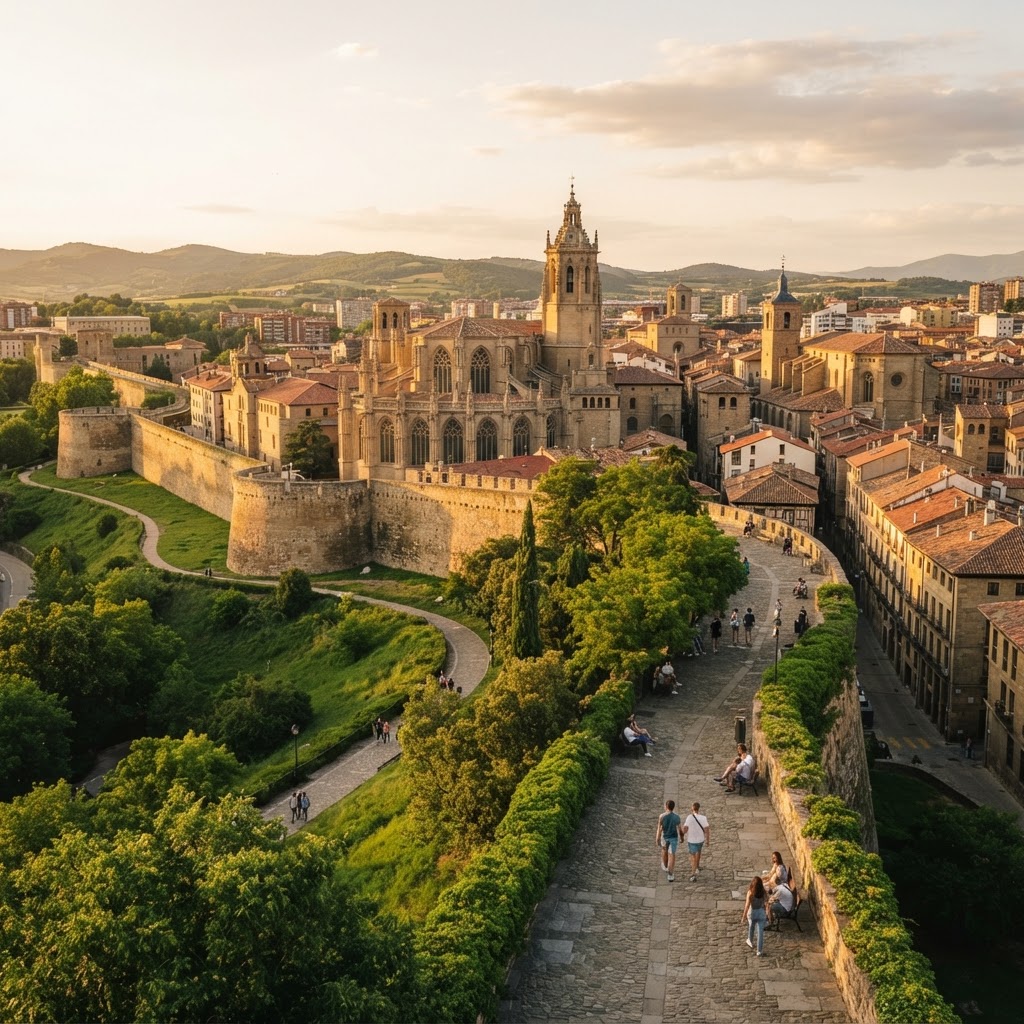
Beyond the bull run: a walkable fortress city of world-class pintxos, gothic cloisters, and verdant ramparts.
Segovia, Spain
Spain
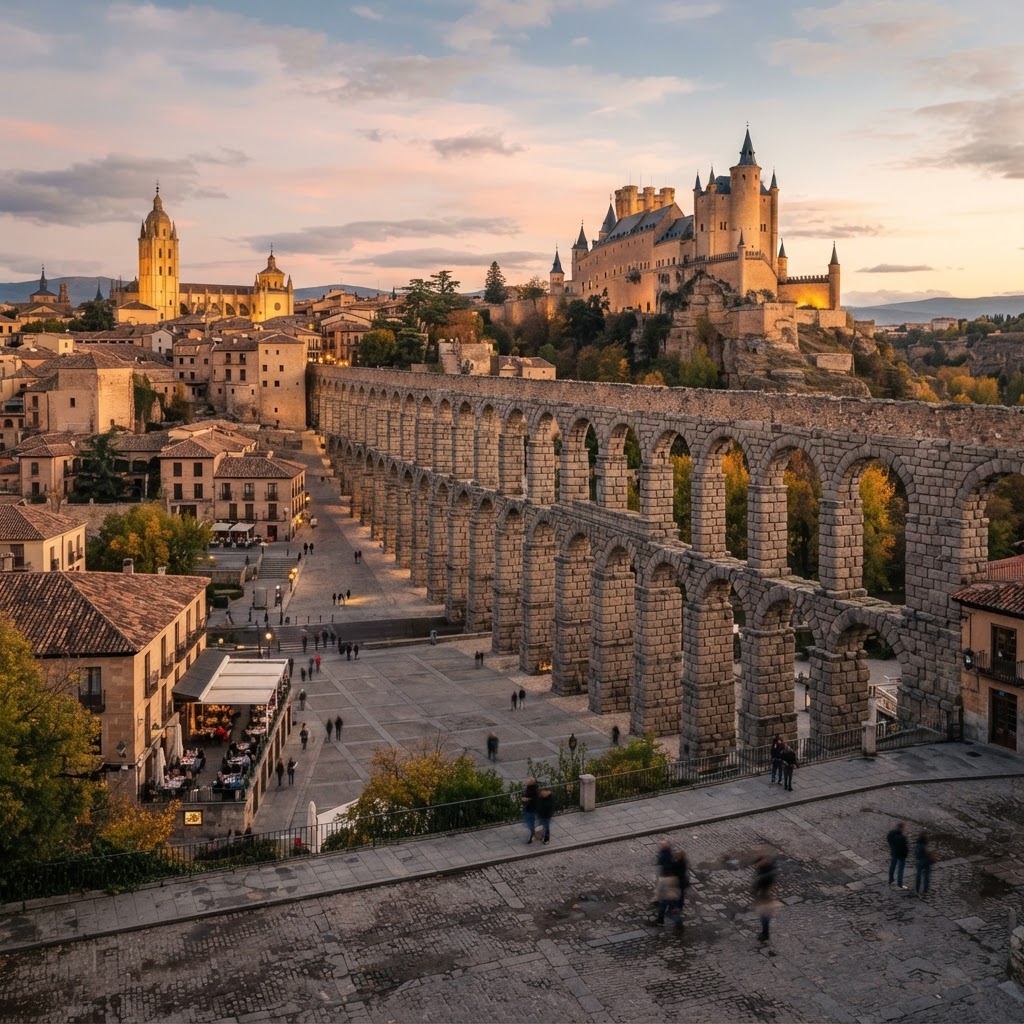
Roman engineering, fairytale fortresses, and slow-roasted suckling pig just thirty minutes from Madrid
Santiago de Compostela, Galicia, Spain
Spain
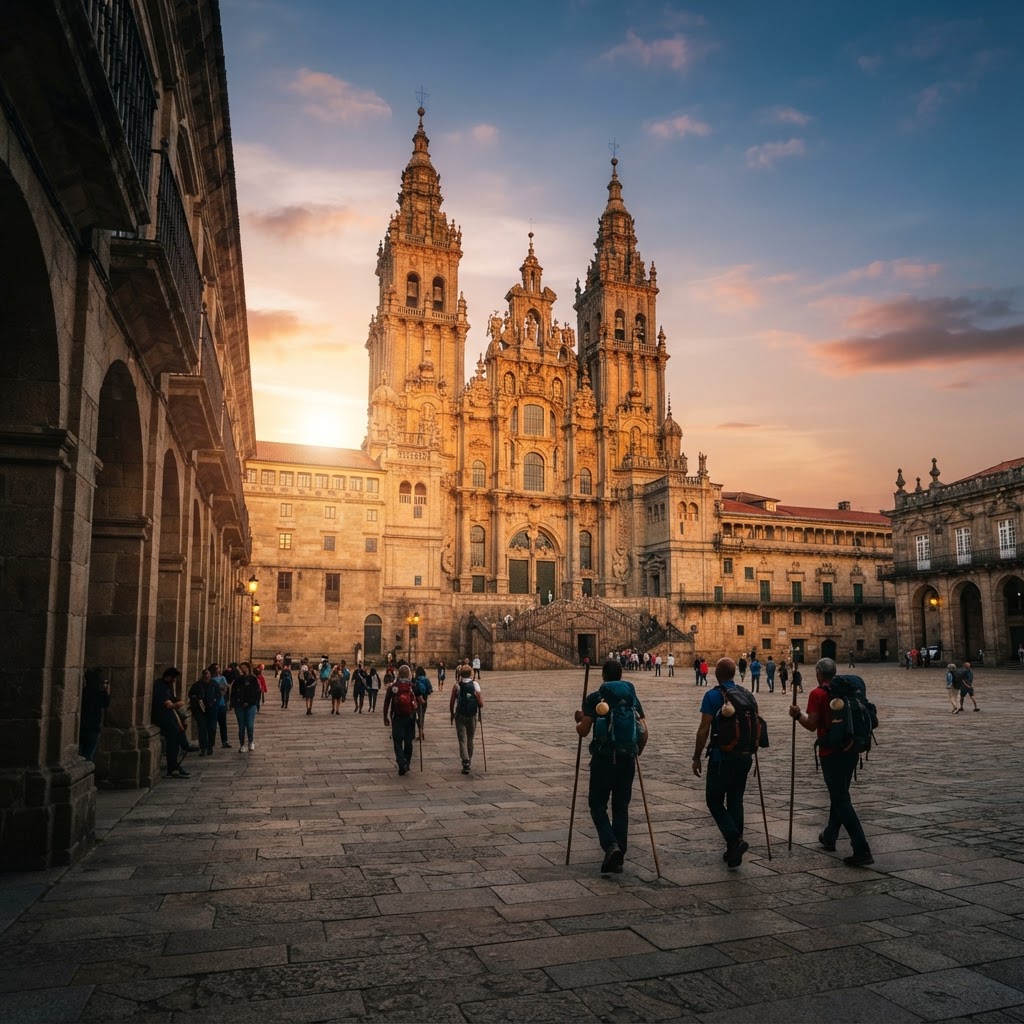
Granite arcades, triumphant pilgrim squares, and Spain's most storied seafood capital.
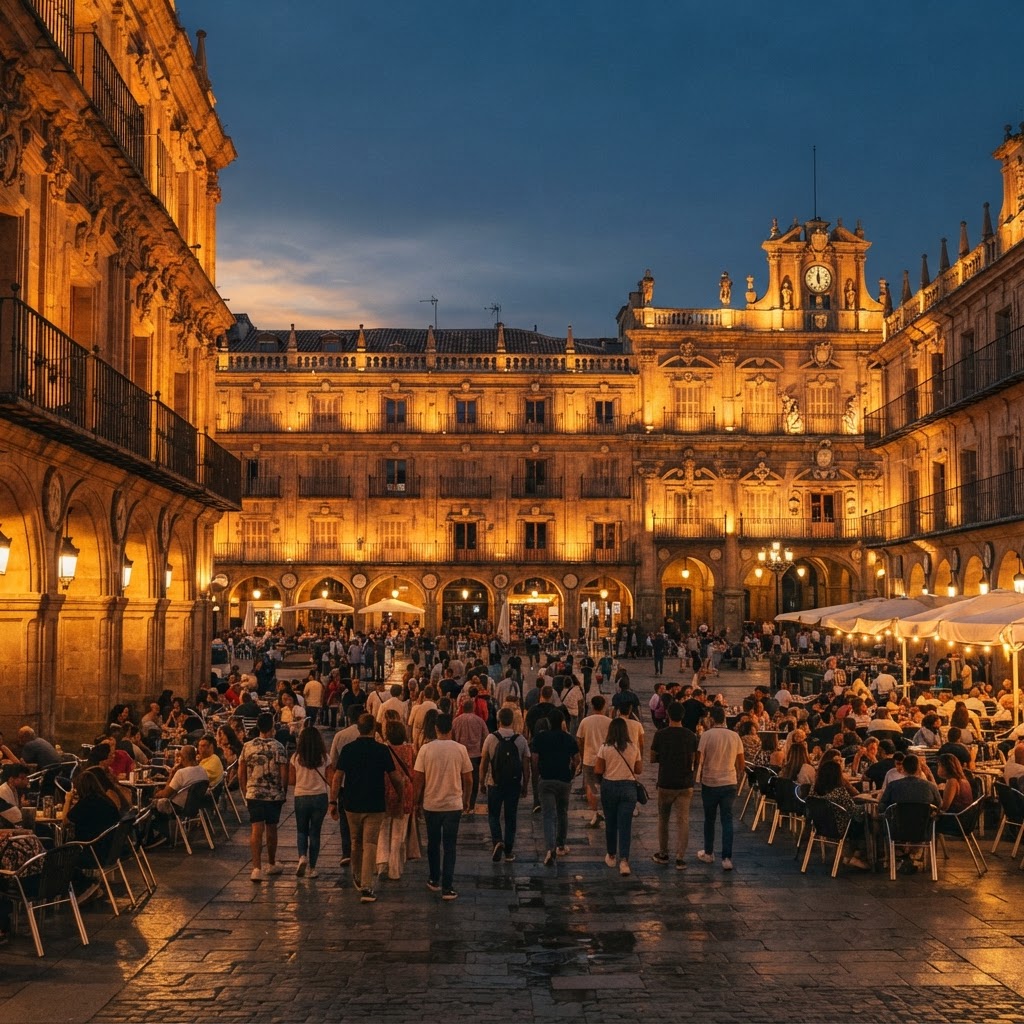
Salamanca
Spain
Spain's golden sandstone intellectual capital with an unrivaled late-night plaza culture.
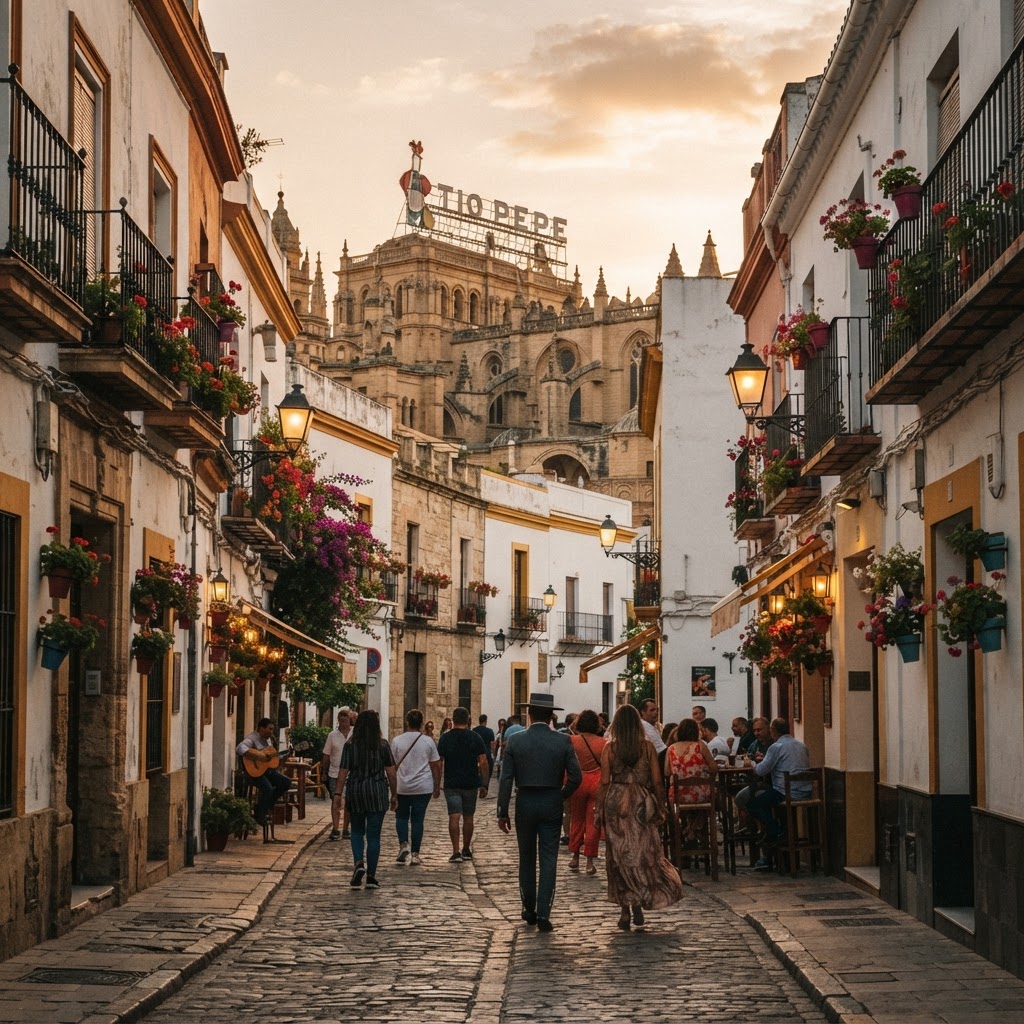
Jerez de la Frontera
Spain
The cradle of pure flamenco, cathedral-like sherry bodegas, and unfiltered Andalusian life.
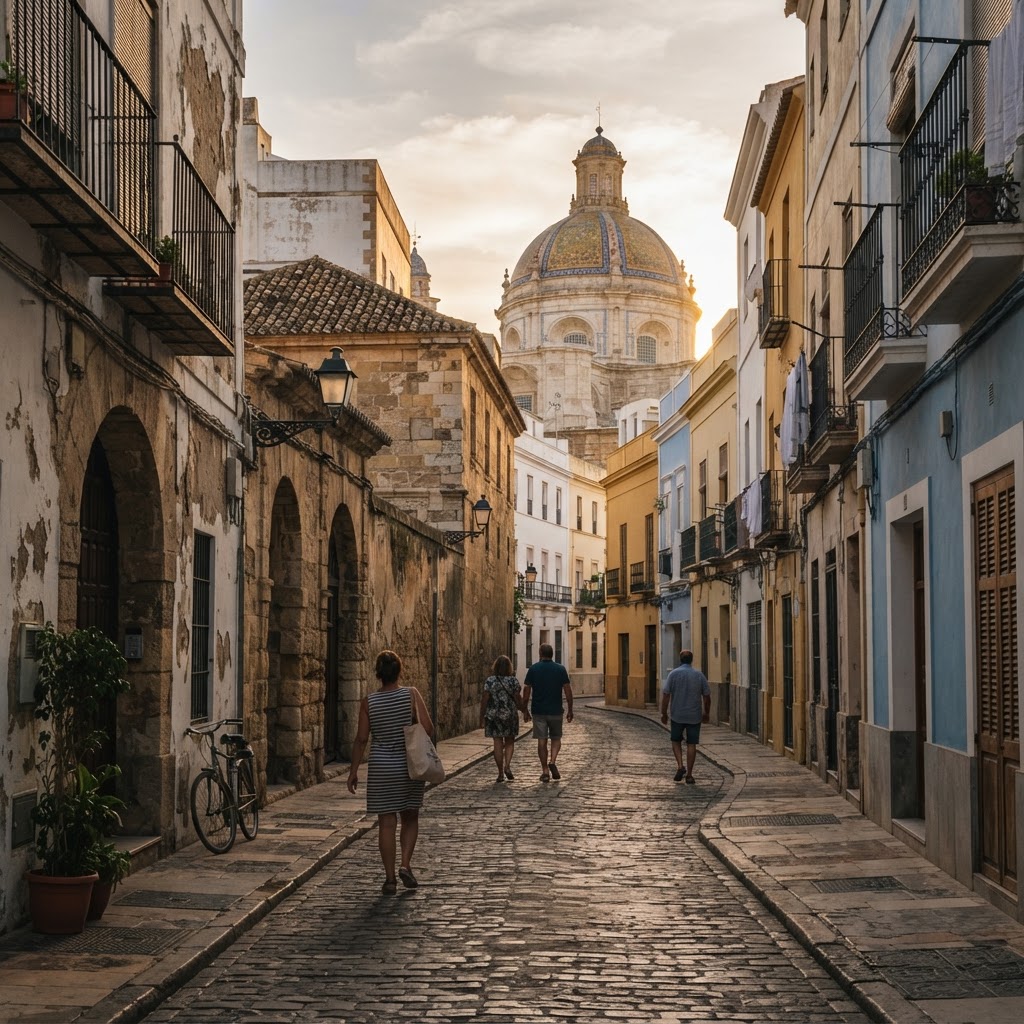
Cádiz
Spain
Europe’s oldest continuously inhabited port, stripped of pretension and wrapped in sea air
Readymade itineraries
Start from a tested template — then make it yours.
Ready to book
Lock in your Córdoba, Spain trip
Everything in one place. We may earn a small commission — it never costs you more.
Plan a trip to Córdoba, Spain
Pick a length and we'll build a day-by-day plan around how you travel — neighborhoods clustered, budget-aware, and editable.
Get better at planning trips like this
Occasional notes on planning smarter — no spam, unsubscribe anytime.
Plan a trip to Córdoba, Spain
Turn this guide into a day-by-day plan built around your pace, your group, and your budget.
Build my Córdoba, Spain trip