Spain
Alicante, Spain
A breezy coastal citadel where real Spanish street life outshines the resort strip
Plan & book
Sort your Alicante, Spain trip in one place.
We point you to the booking tools we'd actually use — live prices, no markup. Or let us build the day-by-day plan around you first, then book.
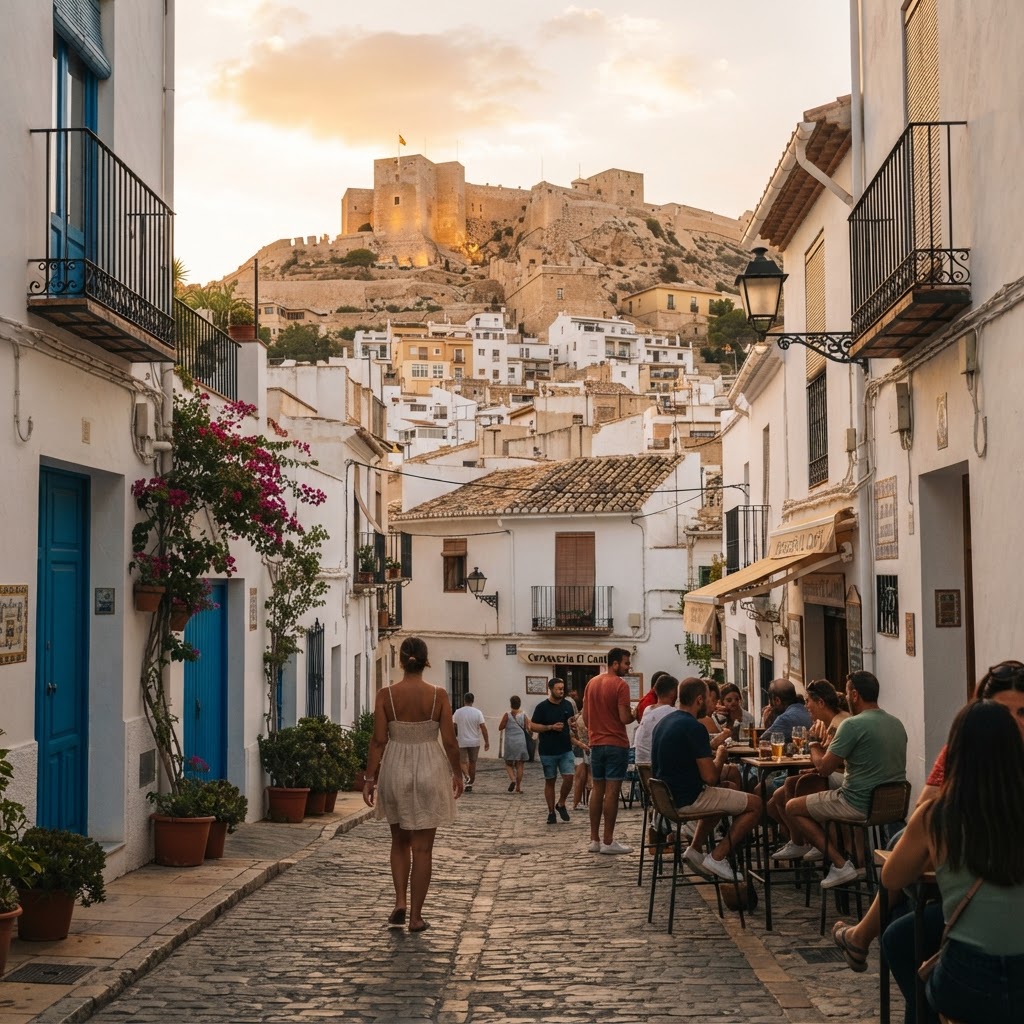
Alicante is often unfairly treated as merely an airport runway for northern European beachgoers heading to Benidorm, but the city itself is an authentic, deeply livable Mediterranean haven. Anchored by the dramatic Mount Benacantil and its towering Castillo de Santa Bárbara, it merges a lively Spanish tapas culture with an accessible city beach and an atmospheric old quarter. It is uncomplicated, sunny over 300 days a year, and completely unpretentious.
3 days
Best time
May to early June and late September to October
Build your own trip with these prebuilt itineraries
Each one is a tested, day-by-day plan for Alicante, Spain — start here, then make it yours.
5 Days in Costa Blanca: Coastal Tram & Island Escapes in Alicante
A relaxed, car-free exploration using transit to reach Tabarca Island, coastal coves, and the whitewashed seaside towns along the northern TRAM line.
3 Days in Alicante: Beaches, Castle & Coastal Tram in Alicante
The classic first-timer balance of urban culture, marina promenades, and a scenic tram excursion out to the expansive Playa de San Juan.
2 Days of Tapas & Coastal Walks in Alicante
A breezy weekend escape focused on historic Santa Cruz alleys, the Santa Bárbara fortress, and authentic midday arroz tastings.
Alicante offers the easiest urban beach break in Spain: you can ride the high-speed AVE train straight into the city center, walk through the whitewashed alleys of Barrio de Santa Cruz, feast on authentic arroz a banda at Mercado Central, and step onto the sand of Playa del Postiguet without ever opening a ride-hailing app or renting a car.
Where to stay
Getting there
Getting around
Food & drink
What it costs
Things to do
Book tours & tickets in Alicante, SpainSkip it if
Skip Alicante if you are looking for world-class grand art museums (head to Madrid), intense high-energy architectural sight-hopping (choose Barcelona), or completely untouched, quiet fishing hamlets without tourism infrastructure.
When to go
You skip the scorching midsummer humidity and resort crowds while retaining warm sea temperatures, long outdoor dining hours, and comfortable walking weather across Mount Benacantil.
Peak (Mid-June through August)
High heat, dense beach crowds on Playa del Postiguet, elevated hotel rates, and lively late-night energy.
Shoulder (April to early June, September through October)
Optimal balance of warm sunshine, swimmable Mediterranean waters, open terraces, and easy restaurant availability.
Low (November through March)
Pleasant, sunny daytime temperatures around 16–19°C ideal for hiking and culture, though sea bathing is off the table.
Neighborhoods
Where you stay shapes the trip. Here's how to think about it.
Barrio Santa Cruz (El Barrio)
Whitewashed hillside village winding steeply up Mount Benacantil with ceramic tiles, potted geraniums, and late-night tapas bars.
Best for:First-timers, photographers, and evening bar crawls
Don't miss:The climb through the narrow stepped alleys up to the Ermita de Santa Cruz at dusk for panoramic coastal views.
Centro Tradicional
Refined 19th-century urban grid packed with bakeries, boutique shopping, bustling plazas, and daily market life.
Best for:Food-focused travelers, walkers, and urban explorers
Don't miss:Saturday afternoon aperitivo and market tapas inside and around Mercado Central on Avenida Alfonso El Sabio.
Ensanche Diputación & Puerto
Polished seaside district framing the palm-lined Explanada de España, high-end apartments, and the recreational marina.
Best for:Couples, luxury stays, and rail travelers needing proximity to the terminal
Don't miss:An early evening stroll along the wavy marble mosaic pavement of the Explanada de España toward Canalejas Park.
Playa de San Juan & Cabo de las Huertas
Sprawling, open coastal stretch lined with residential towers, wide golden sands, and rocky Mediterranean coves.
Best for:Families, beach purists, and travelers prioritizing swimming over city sights
Don't miss:The rugged nature walking path linking the secluded swimming coves of Cabo de las Huertas away from the tower blocks.
Destination intelligence
Updated 9/14/2026The structured record we plan every Alicante, Spain itinerary from.
Walkability
High. The entire historic district, marina, and city beach are easily crossed on foot.
Transit quality
Good. High-frequency urban buses and the scenic coastal TRAM make navigating the city and northern beaches painless.
Car needed
No. A rental car is an active hindrance in the center and only useful for exploring inland mountain villages like Guadalest.
Ideal duration
3 days
Minimum useful
2 days
Peak season
Mid-June through August (intense summer heat, humidity, packed beaches, and high hotel rates).
Shoulder season
April to early June and September through October (ideal swimming conditions, warm sun, and manageable crowds).
Low season
November through March (mild, quiet winter weather with temperatures around 16–19°C, perfect for hiking and terrace dining).
Best for
Common mistakes
- Ordering paella or arroz dishes for dinner at seafront tourist terraces where it is invariably microwaved or reheated from frozen.
- Renting a car for a city-centric stay, which brings expensive underground parking fees and difficult historic zone navigation.
- Assuming Playa del Postiguet is the only beach; the wide, golden sands of Playa de San Juan are a straightforward 20-minute tram ride away on the L4.
- Visiting in late July and August if you dislike suffocating humidity and crowded holidaymakers; late spring and early autumn are vastly superior.
Best nearby
See what a trip to Spain actually costs. Travel Budget Co.
How to plan it
- Stay in Centro Tradicional or lower Barrio Santa Cruz if you want to walk to dinner and the beach without using transit.
- Choose Playa de San Juan instead of the center only if lounging on a wide beach all day is your priority over authentic city dining.
- Take the TRAM Line 1 or 3 north to the vibrant, pastel-painted coastal fishing town of Villajoyosa for a zero-hassle day trip.
- Pre-book the 45-minute ferry out to Isla de Tabarca from the marina for a morning of rocky snorkeling and Caldero rice, but skip it on windy days.
- Schedule your climb to Castillo de Santa Bárbara for early morning or golden hour to avoid mid-day heat radiating off the stone ramparts.
Questions
More in Spain
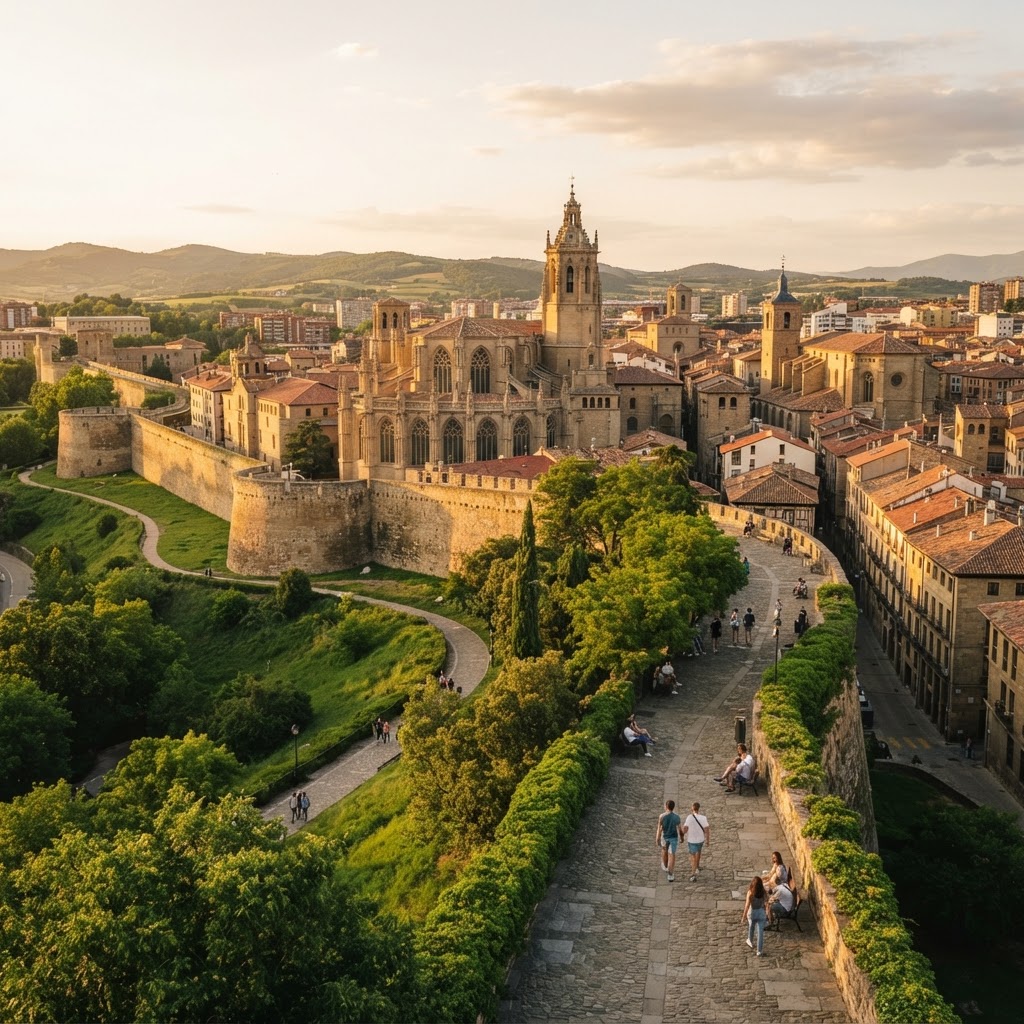
Pamplona, Spain
Spain
Beyond the bull run: a walkable fortress city of world-class pintxos, gothic cloisters, and verdant ramparts.
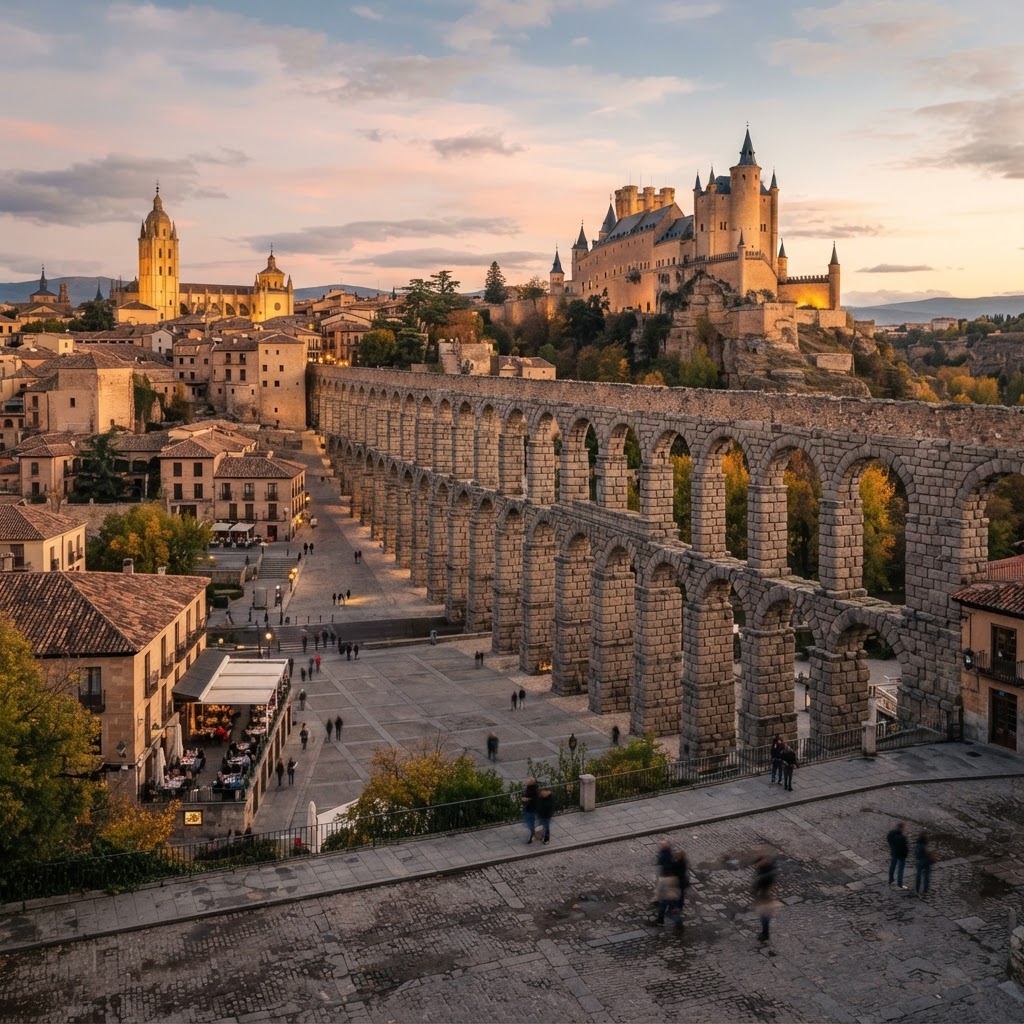
Segovia, Spain
Spain
Roman engineering, fairytale fortresses, and slow-roasted suckling pig just thirty minutes from Madrid
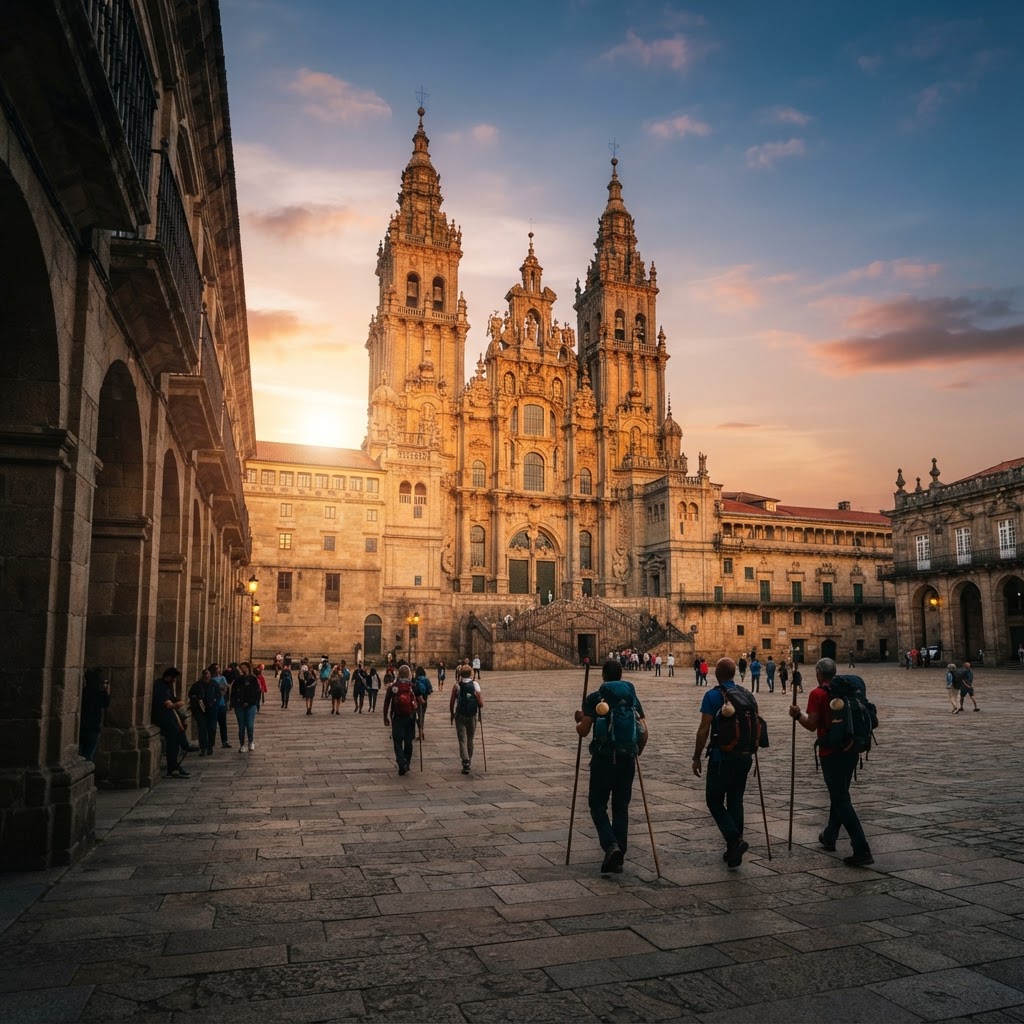
Santiago de Compostela, Galicia, Spain
Spain
Granite arcades, triumphant pilgrim squares, and Spain's most storied seafood capital.
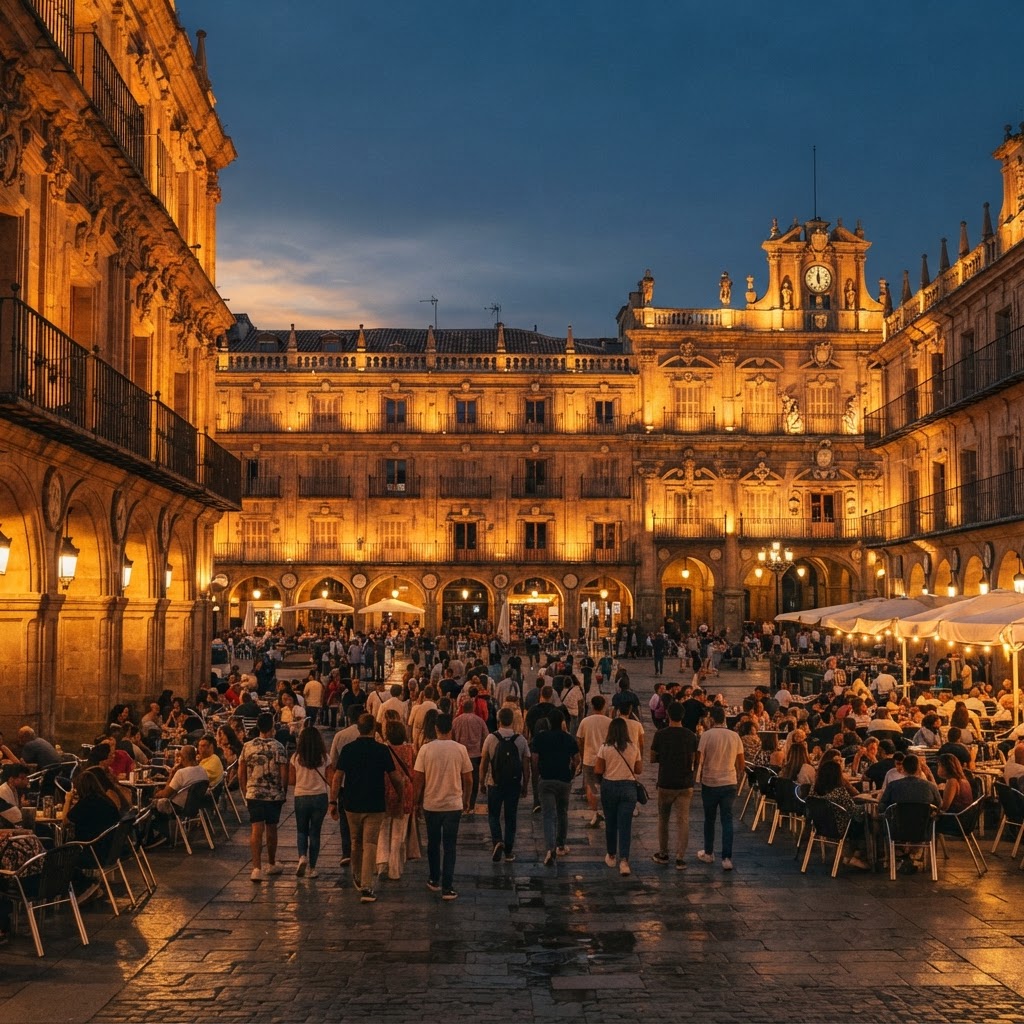
Salamanca
Spain
Spain's golden sandstone intellectual capital with an unrivaled late-night plaza culture.
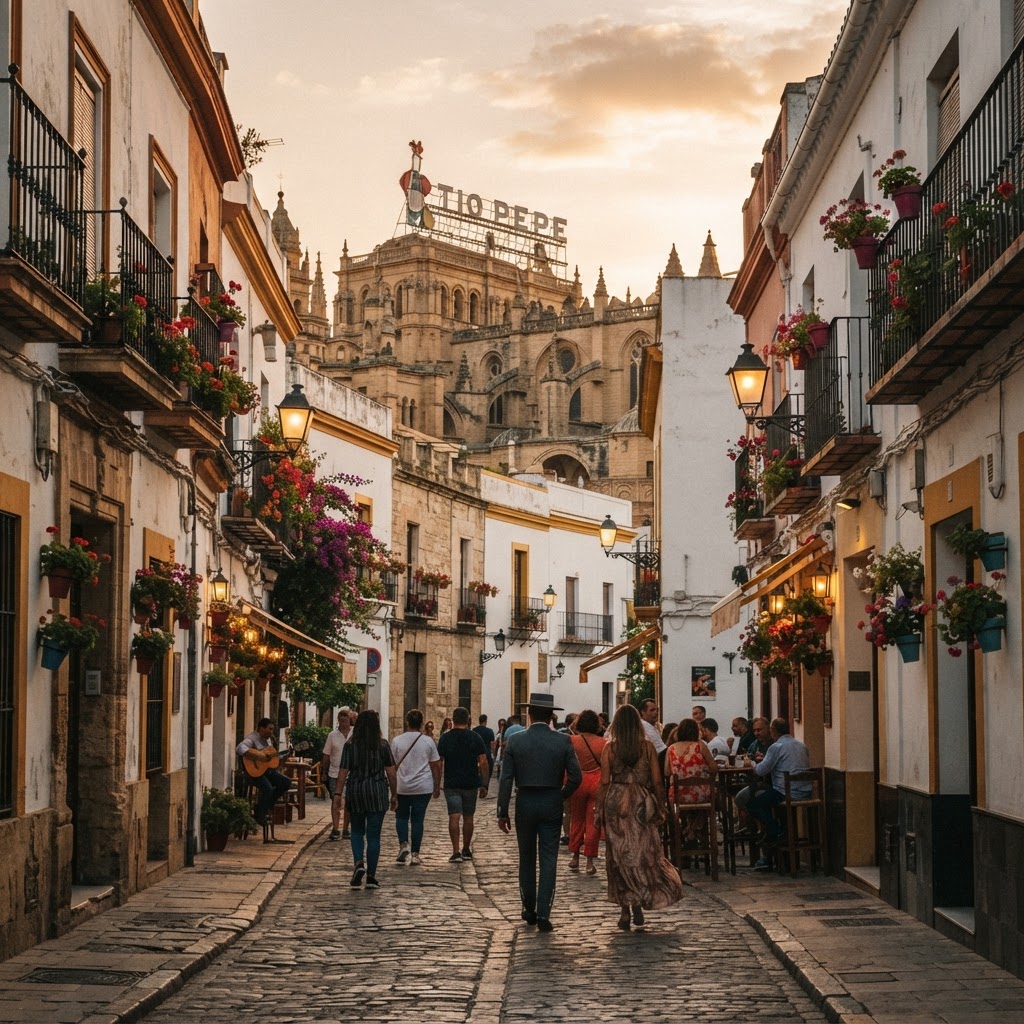
Jerez de la Frontera
Spain
The cradle of pure flamenco, cathedral-like sherry bodegas, and unfiltered Andalusian life.
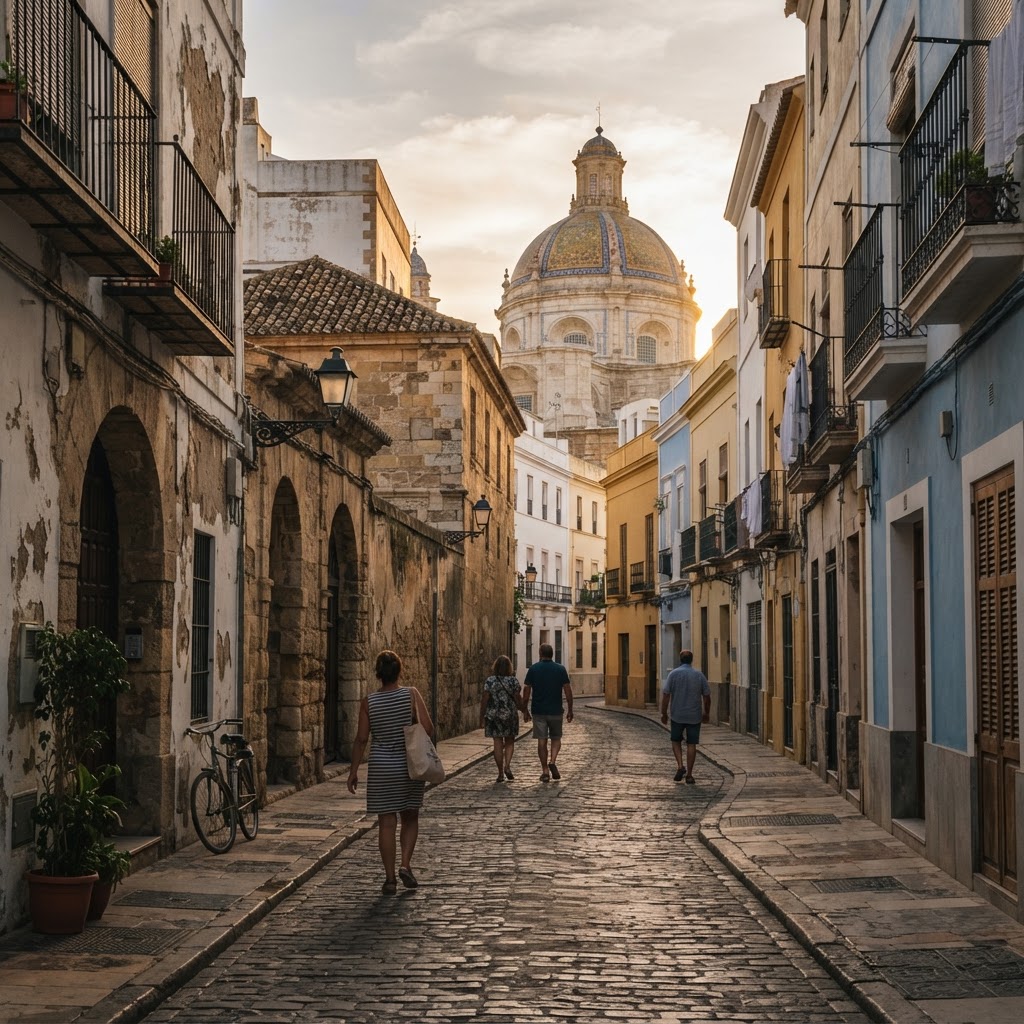
Cádiz
Spain
Europe’s oldest continuously inhabited port, stripped of pretension and wrapped in sea air
Readymade itineraries
Start from a tested template — then make it yours.
Ready to book
Lock in your Alicante, Spain trip
Everything in one place. We may earn a small commission — it never costs you more.
Plan a trip to Alicante, Spain
Pick a length and we'll build a day-by-day plan around how you travel — neighborhoods clustered, budget-aware, and editable.
Get better at planning trips like this
Occasional notes on planning smarter — no spam, unsubscribe anytime.
Plan a trip to Alicante, Spain
Turn this guide into a day-by-day plan built around your pace, your group, and your budget.
Build my Alicante, Spain trip