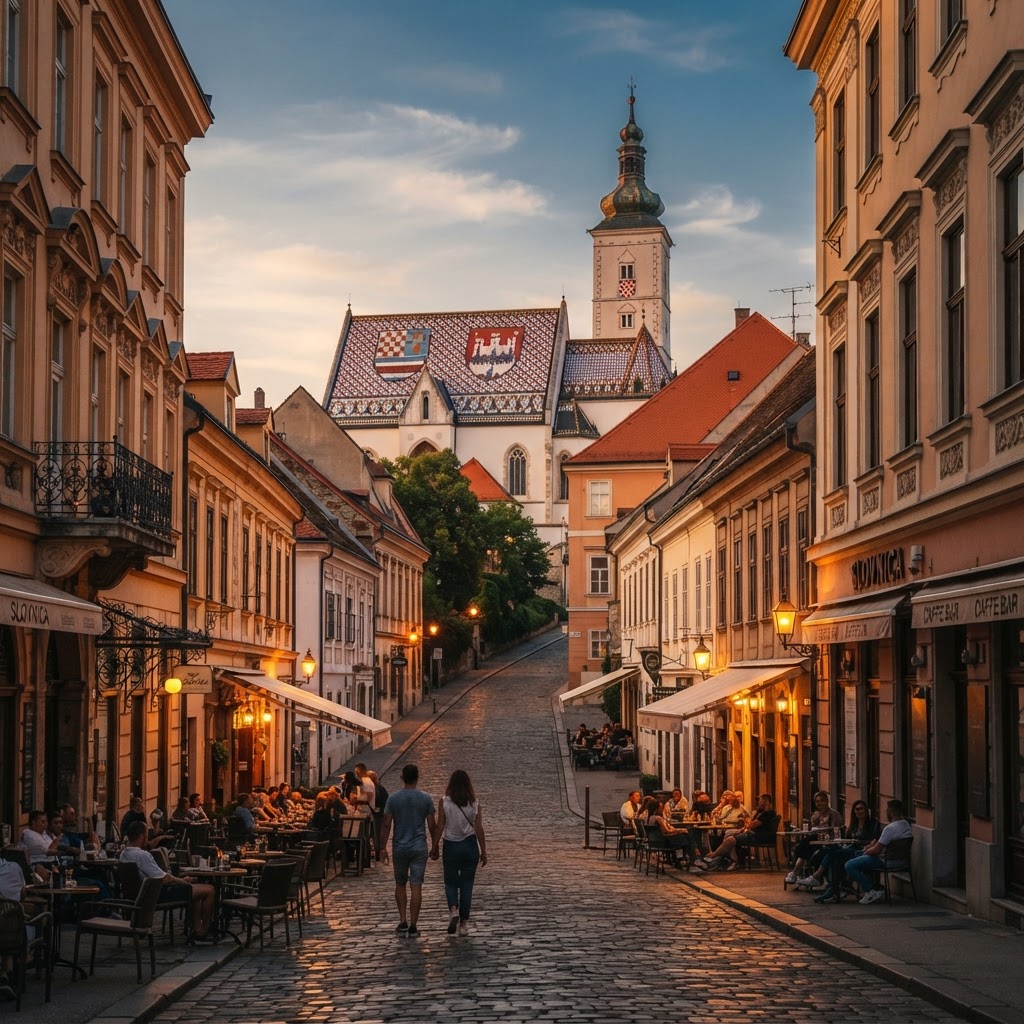
Croatia
Zagreb
Austro-Hungarian elegance meets lingering Balkan cafe culture, free from cruise-ship congestion.
Plan & book
Sort your Zagreb trip in one place.
We point you to the booking tools we'd actually use — live prices, no markup. Or let us build the day-by-day plan around you first, then book.
Zagreb is frequently treated as an afterthought or a logistics waypoint for travelers headed straight to the Dalmatian coast, but it stands as Croatia's cultural and intellectual anchor. Shaped by Habsburg architecture, a distinct cafe-dwelling social ritual, and a quirky contemporary arts scene, it trades Mediterranean crowds for leafy park ribbons, lively open-air farmer markets, and affordable dining.
2 to 3 days
Best time
May to June or September to October for idyllic patio weather and active street culture.
Build your own trip with these prebuilt itineraries
Each one is a tested, day-by-day plan for Zagreb — start here, then make it yours.
4 Days in Zagreb: City Culture & Nature Day Trips in Zagreb
Relaxed metropolitan exploration paired with Mount Medvednica hiking and Samobor day trips
3 Days in Zagreb: Art, Architecture & Design in Zagreb
Austro-Hungarian heritage, Secessionist facades, contemporary galleries, and vibrant flea markets
2 Days in Zagreb: The Essential Urban Walk in Zagreb
Historic core highlights, quintessential cafe culture, and quirky museums on foot
Zagreb offers an authentic slice of everyday Central European urban life that the coastal towns of Split and Dubrovnik lose to cruise ships and peak-summer tourism. Here, public squares exist for residents rather than tourist buses, the specialty coffee scene along pedestrian passages is genuinely world-class, and offbeat cultural institutions sit beside manicured 19th-century park ribbons like the Green Horseshoe.
Where to stay
Getting there
Getting around
Food & drink
What it costs
Things to do
Book tours & tickets in ZagrebSkip it if
Skip Zagreb if your Croatian vacation is strictly about sandy beaches, island hopping, and sailing; Zagreb is over 150 kilometers inland with zero maritime climate.
When to go
Spring and early autumn offer mild temperatures perfect for walking between Upper and Lower Town without the stifling summer heat. You avoid the August local exodus while sidestepping winter chill, though December is worth considering if you want world-class Christmas markets.
Peak (May-Jun, Sep-Oct & Dec)
Crisp sunny days, outdoor cafe life at full throttle, and vibrant festive crowds filling park chalets during December Advent. Hotel prices peak in these windows.
Shoulder (Apr & Nov)
Fewer travelers and cheaper boutique stays, though weather can alternate between brisk sunshine and gray rain. Indoor museums and coffee halls remain lively.
Low (Jan-Mar & late Jul-Aug)
Winter brings cold snaps and early closures. Mid-to-late summer is hot and surprisingly deserted as locals head south to the Adriatic, causing several independent cafes and kitchens to shut for annual leave.
Neighborhoods
Where you stay shapes the trip. Here's how to think about it.
Gornji Grad (Upper Town)
Historic, medieval cobblestone alleys, gas lanterns lit by hand, and panoramic hill perches.
Best for:Romantics, architecture buffs, and history lovers seeking quiet evenings.
Don't miss:The checkered tile roof of St. Mark's Church and the poignant relics inside the Museum of Broken Relationships.
Donji Grad (Lower Town)
Habsburg grand boulevards, Austro-Hungarian grandeur, buzzing street cafes, and lush urban park squares.
Best for:First-timers, museum hoppers, and travelers who want flat walking access to everything.
Don't miss:Strolling the 'Green Horseshoe' park ribbon from Zrinjevac Park down to the Art Pavilion and Botanical Garden.
Tkalčićeva & Kaptol
Sprawling outdoor cafe terraces by day transitioning into a bustling strip of craft beer halls and wine bars at night.
Best for:Social travelers, foodies, and evening drink seekers.
Don't miss:Early morning produce and local cheese runs at Dolac Market before snagging an espresso on Tkalčićeva's cafe strip.
Britanski Trg (British Square) & West End
Artsy, residential ease with local specialty coffee joints and relaxed neighborhood bakeries.
Best for:Repeat visitors and slow travelers who prefer a low-key, local rhythm.
Don't miss:The Sunday morning open-air antique and flea market hosted right in the center of Britanski Trg.
Novi Zagreb
Sprawling socialist modernism, wide avenues, gritty street art, and monumental residential blocks across the Sava River.
Best for:Contemporary art enthusiasts and brutalist architecture scouts.
Don't miss:Exploring the bold avant-garde exhibitions and the iconic Carsten Höller double slide at the Museum of Contemporary Art (MSU).
Destination intelligence
Updated 9/14/2026The structured record we plan every Zagreb itinerary from.
Walkability
High
Transit quality
High
Car needed
No
Ideal duration
2 to 3 days
Minimum useful
24 to 36 hours
Peak season
May to June and September to October (plus December for the Advent Christmas market)
Shoulder season
April and November
Low season
January to March and late July to August (when summer heat drives locals to the coast and city venues reduce hours)
Best for
Common mistakes
- Treating the city solely as a 3-hour airport layover before rushing to Plitvice or the coast
- Renting a rental car to explore the historic core; parking is scarce, strictly monitored, and central zones are pedestrianized
- Buying tram tickets directly from the driver with large cash notes instead of stocking up on cheap multi-ride tickets at Tisak street kiosks
- Attempting to rush an afternoon coffee; Zagreb cafe culture is a seated, deliberate two-hour social custom
Best nearby
How to plan it
- Base yourself in Donji Grad near Zrinjevac if you hate hauling luggage up historic cobblestone hills and steps.
- Schedule your market run to Dolac before 11:30 AM; stalls pack up by early afternoon, leaving the square bare.
- Do not book a car rental pickup inside the city center; choose an airport or bus terminal depot on the day you leave for the coast.
- Take tram line 8 or 14 north from the center to visit Hermann Bollé's neo-Renaissance arcades at Mirogoj Cemetery on a crisp morning.
- Pair a weekend trip here with an overland stop at Plitvice Lakes National Park on your way south to Split or Zadar.
Questions
More in Croatia
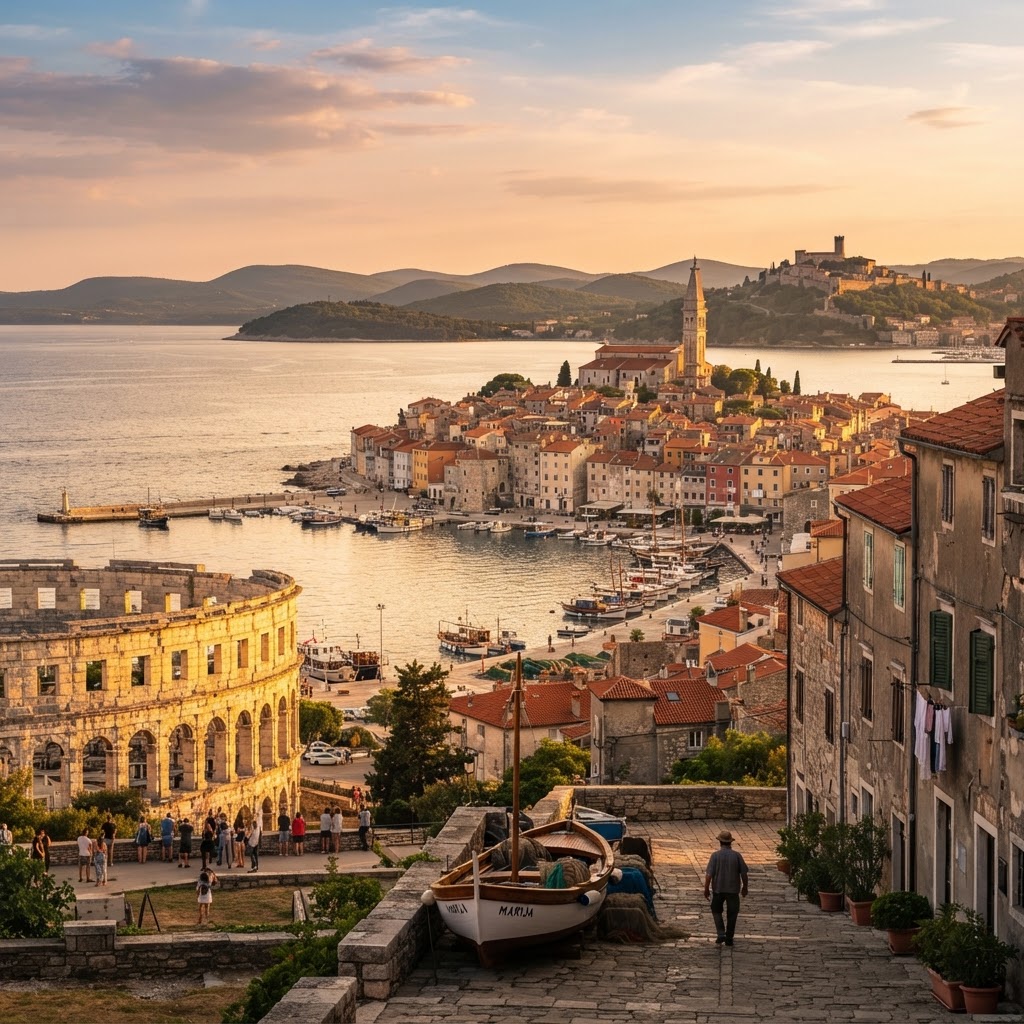
Istria
Croatia
Venetian fishing ports, Roman amphitheatres, and truffle-scented interior hill towns.
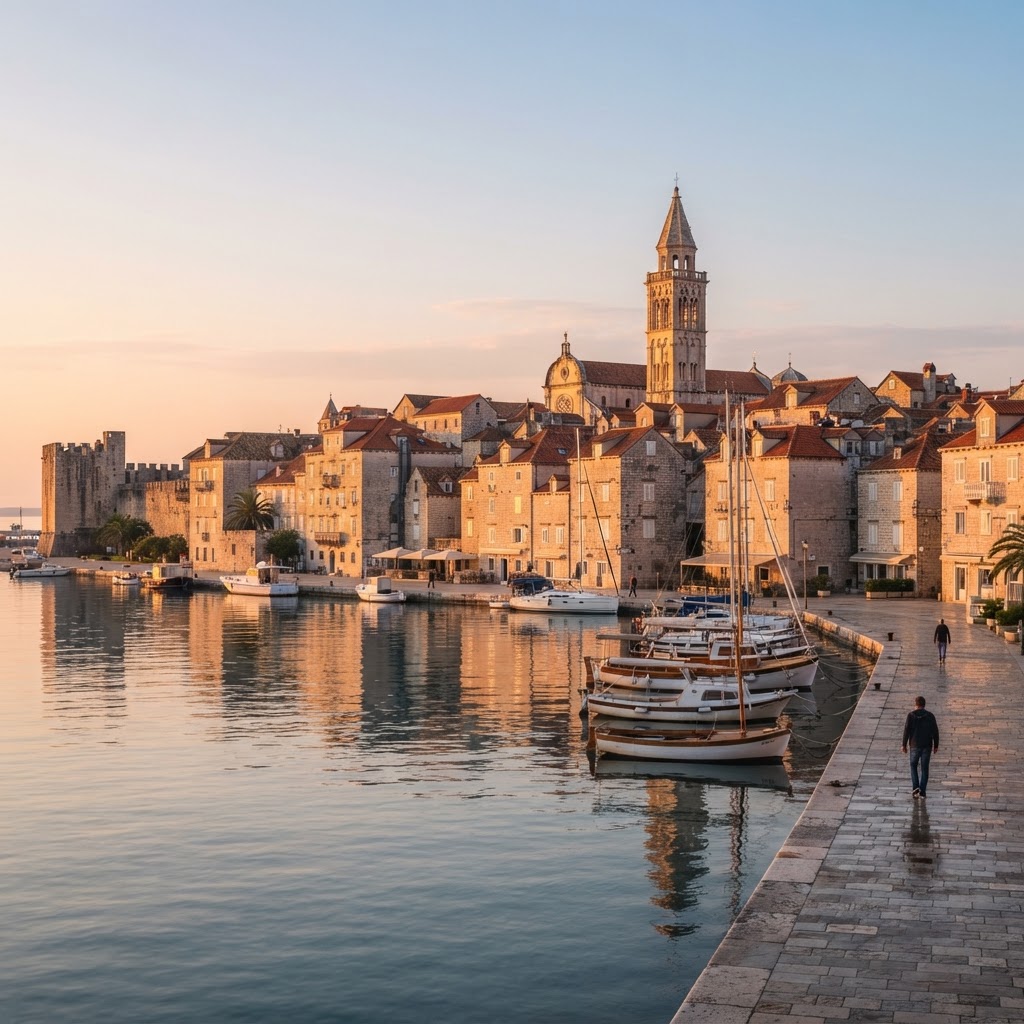
Trogir, Croatia
Croatia
A compact UNESCO-listed island fortress with Venetian stone, quiet mornings, and easy Adriatic access.
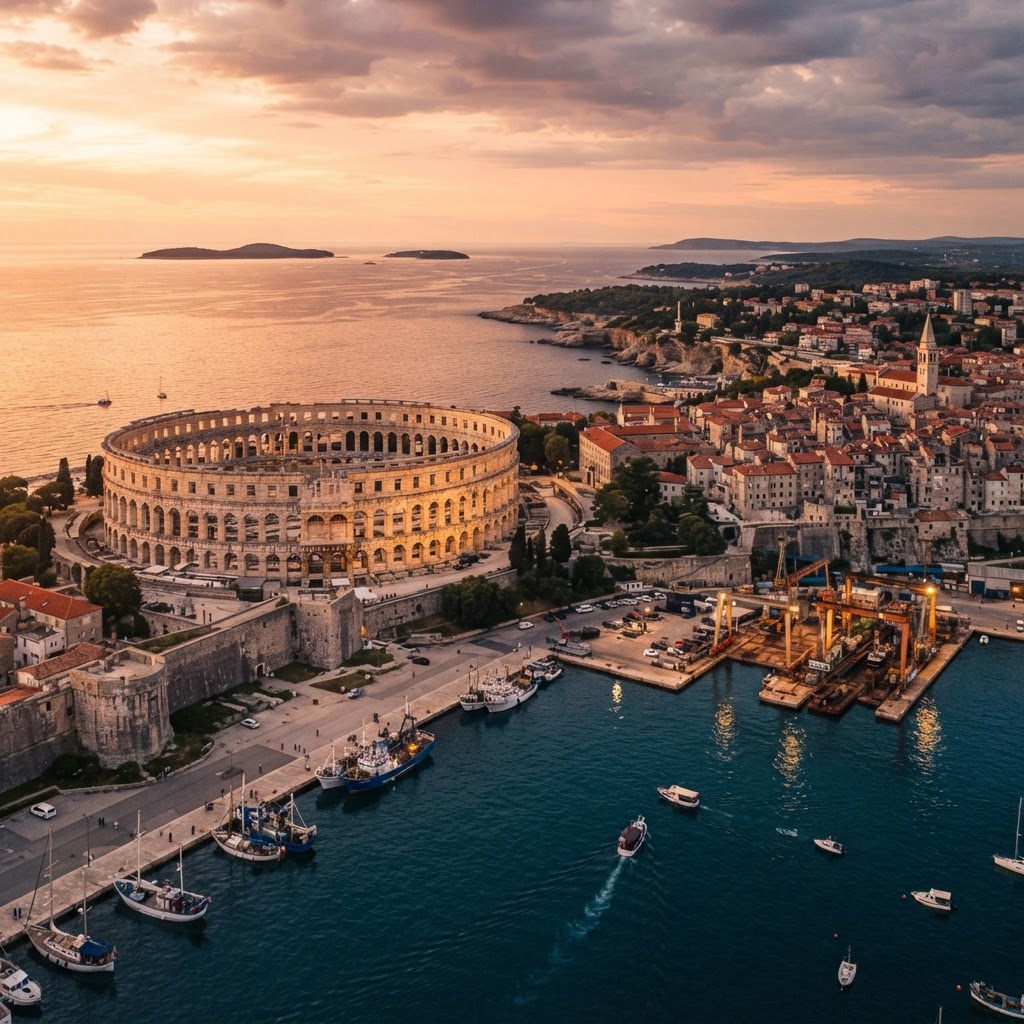
Pula, Croatia
Croatia
Roman engineering, rugged coves, and working-port authenticity anchor Istria's southern tip.
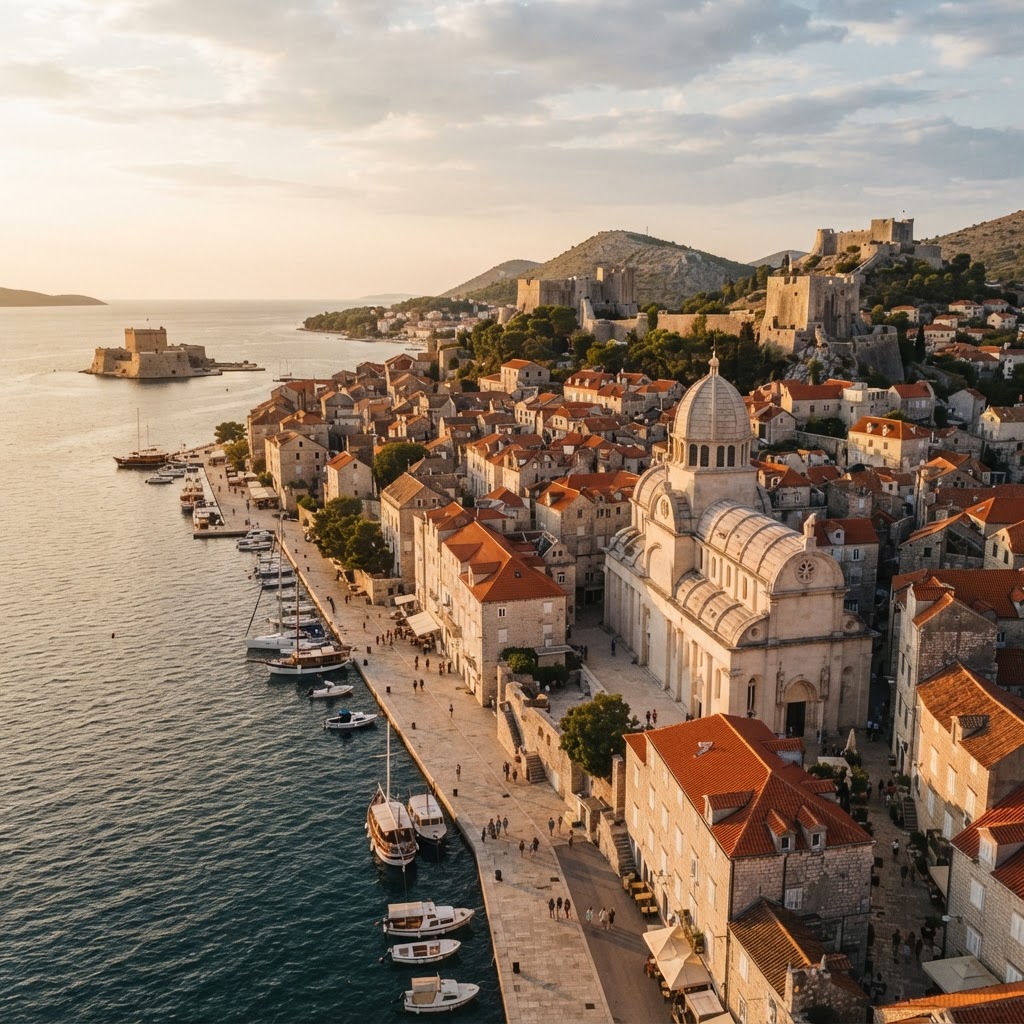
Šibenik
Croatia
Two UNESCO monuments, four Venetian fortresses, and zero cruise ship throngs.
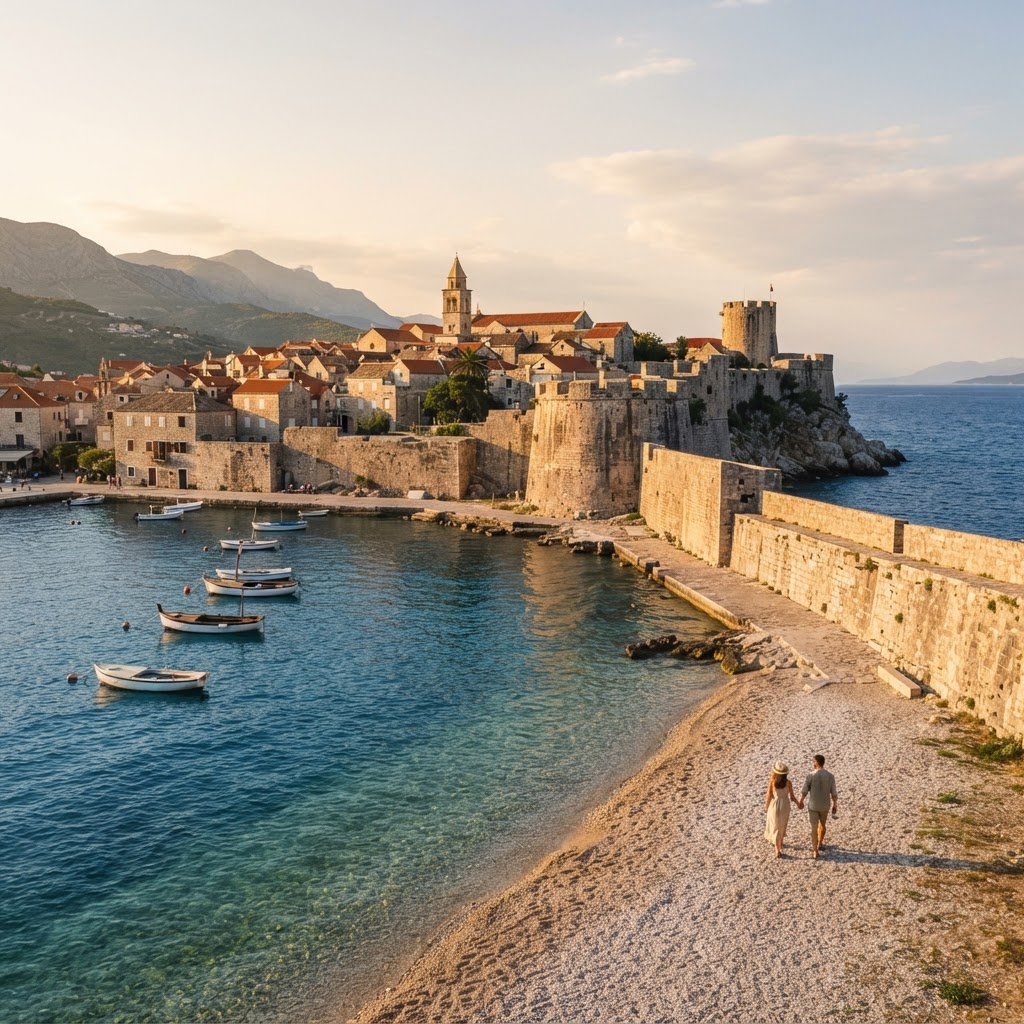
Korčula, Croatia
Croatia
Venetian stone ramparts, hyper-local indigenous wines, and secluded pebble coves without Hvar's party scene.
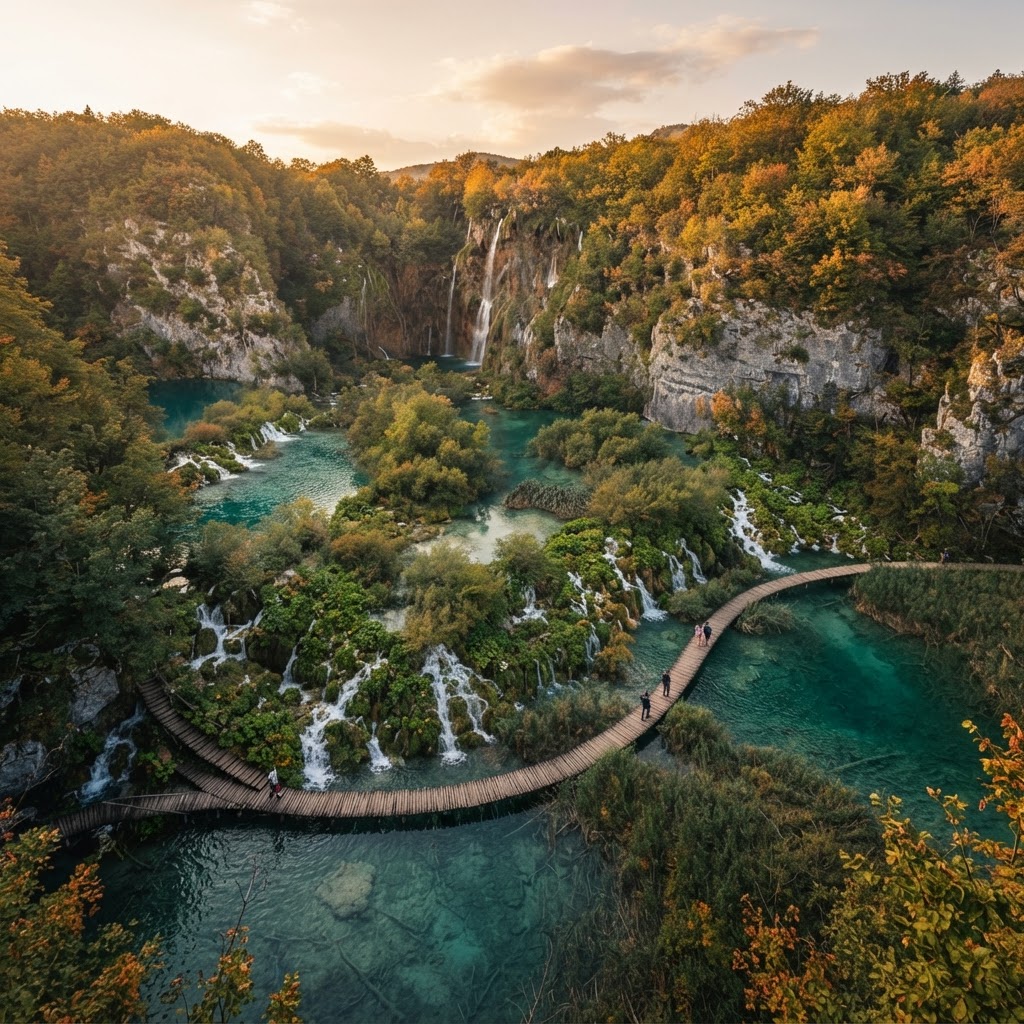
Plitvice Lakes
Croatia
Sixteen stepped travertine basins, cascading falls, and raw karst landscape.
Readymade itineraries
Start from a tested template — then make it yours.
Ready to book
Lock in your Zagreb trip
Everything in one place. We may earn a small commission — it never costs you more.
Plan a trip to Zagreb
Pick a length and we'll build a day-by-day plan around how you travel — neighborhoods clustered, budget-aware, and editable.
Get better at planning trips like this
Occasional notes on planning smarter — no spam, unsubscribe anytime.
Plan a trip to Zagreb
Turn this guide into a day-by-day plan built around your pace, your group, and your budget.
Build my Zagreb trip