Croatia
Pula, Croatia
Roman engineering, rugged coves, and working-port authenticity anchor Istria's southern tip.
Plan & book
Sort your Pula, Croatia trip in one place.
We point you to the booking tools we'd actually use — live prices, no markup. Or let us build the day-by-day plan around you first, then book.
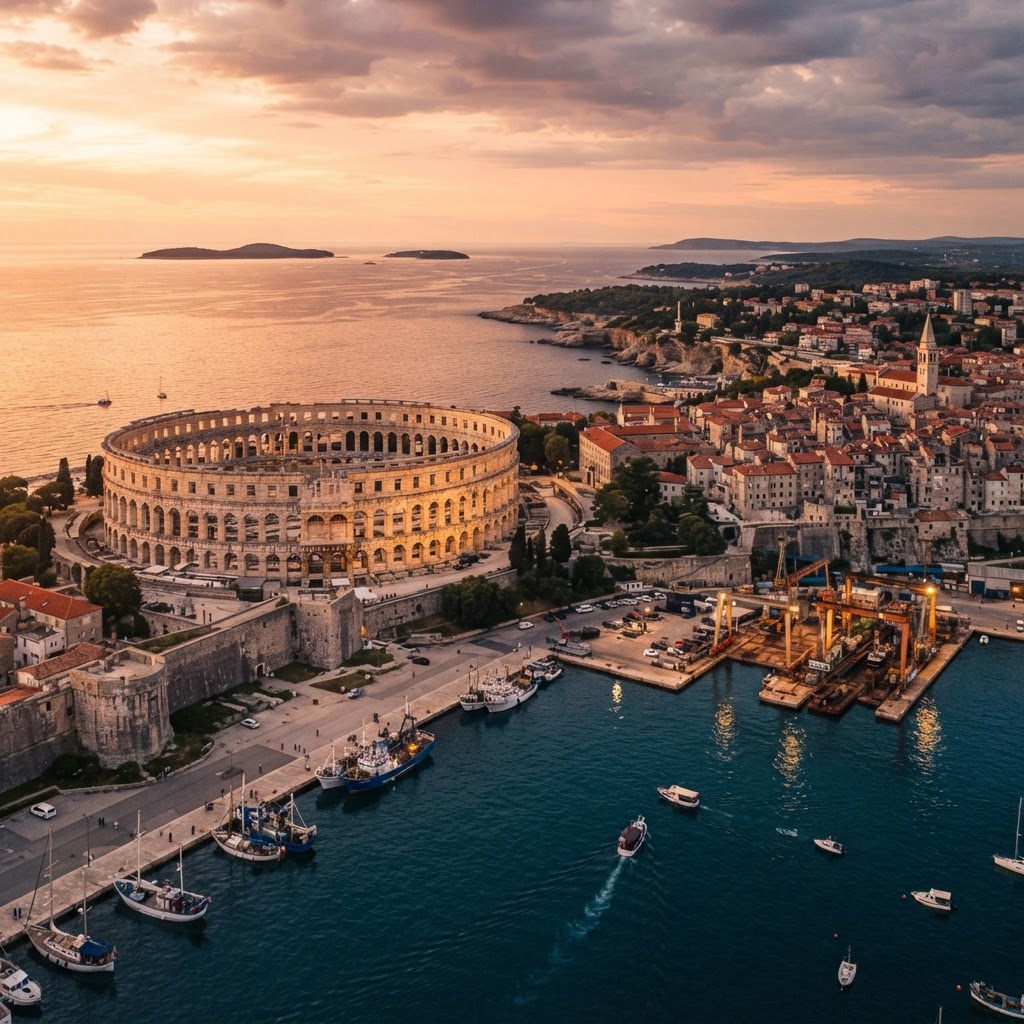
Pula is Istria’s largest city and commercial heart, defined by a 2,000-year-old Roman amphitheater rising directly over a functioning Adriatic shipping port. Unlike its polished, Venetian-styled neighbor Rovinj, Pula maintains an unvarnished urban rhythm where shipyard cranes frame ancient limestone temples. It serves as both an open-air classical history showcase and the primary springboard for the sea caves and limestone cliffs of the southern Istrian peninsula.
2 to 3 days
Best time
June or September offer warm seas, outdoor Arena events, and zero peak-summer gridlock.
Build your own trip with these prebuilt itineraries
Each one is a tested, day-by-day plan for Pula, Croatia — start here, then make it yours.
5 Days Istrian Road Trip Base in Pula
Regional exploration using affordable Pula as a base to discover medieval hill towns and coastal parks
3 Days of Coastal Cliffs & Kayaking in Pula
Active outdoor escape combining city heritage with Cape Kamenjak cliff jumping and sea caves
2 Days of Ancient Rome & Coastal Charm in Pula
First-time city highlights focusing on Roman ruins, Zerostrasse tunnels, and local seafood
Go to experience one of the world's most intact Roman amphitheaters without museum velvet ropes, followed by immediate access to wild Adriatic swimming. While most travelers view Pula merely as a regional transit hub or a two-hour day trip, lingering rewards you with lower lodging costs than elsewhere in Istria, thriving open-air food markets, and the cliff jumping and sea coves of Cape Kamenjak and Stoja right at your doorstep.
Where to stay
Getting there
Getting around
Food & drink
What it costs
Things to do
Book tours & tickets in Pula, CroatiaSkip it if
Skip staying in Pula if you demand a picture-perfect, pastel-colored Venetian postcard village with polished marble streets; Rovinj is far better suited for that romantic aesthetic. Also skip it if you require wide sandy beaches directly outside your hotel door.
When to go
July and August pack the Arena and beaches while driving prices to regional highs. Shoulder months keep sea temperatures around 21 to 24°C, lower accommodation rates by 30 to 40%, and make exploring open-air Roman ruins comfortable without mid-day heat exhaustion.
Peak (July–August)
High heat (often above 30°C), crowded beaches, festival crowds at the Pula Film Festival, and peak hotel pricing. Book lodging months ahead.
Shoulder (May–June & September–October)
The sweet spot. Swimmable sea temperatures through early October, comfortable sightseeing temperatures, and fewer cruise tour buses.
Low (November–April)
Quiet and often rainy. The working city stays open, but coastal ferry lines, beach concessions, and seasonal resort hotels shut down.
Neighborhoods
Where you stay shapes the trip. Here's how to think about it.
Old Town (Stari Grad)
Living Roman monument district with pedestrian cobblestones, outdoor cafes, and working harbor views.
Best for:First-timers, history buffs, and travelers wanting a car-free urban stay
Don't miss:The underground galleries of the Pula Arena and the Temple of Augustus on the Forum
Verudela
Seaside pine peninsula dedicated to full-service beach resorts, rocky coves, and water activities.
Best for:Families, resort travelers, and summer swimmers who want direct Adriatic access
Don't miss:Swimming off the white pebbles at Hawaii Beach (Havajka) and visiting the aquarium inside Austro-Hungarian Fort Verudela
Stoja
Laid-back residential fringe blending local family homes, campsites, and dramatic limestone sea cliffs.
Best for:Active travelers, cliff jumpers, sea kayakers, and budget travelers
Don't miss:Kayaking into the sea cave at Galebove Stijene (Seagull's Rocks)
Kaštanjer & Gregovica
Everyday working-class Croatian neighborhoods uphill from the amphitheater with easy vehicle access.
Best for:Road-trippers with rental cars seeking affordable apartments and hassle-free parking
Don't miss:Picking up morning produce and Istrian olive oil at the century-old green market (Tržnica Pula) at the base of the hill
Destination intelligence
Updated 9/14/2026The structured record we plan every Pula, Croatia itinerary from.
Walkability
High within the Old Town center; low for reaching surrounding coastal peninsulas without a bus or bicycle.
Transit quality
Moderate; the local Pulapromet bus network handles city and beach routes well, but regional rail connections are poor.
Car needed
Not needed for the city center itself, but necessary if you plan to explore Cape Kamenjak or interior Istrian hill towns.
Ideal duration
2 to 3 days
Minimum useful
1 day
Peak season
July to August: hot temperatures, packed Arena film and music festivals, full beach resorts, and premium accommodation rates.
Shoulder season
May to June and September to October: mild warm seas, empty Roman monuments, comfortable walking weather, and lower lodging prices.
Low season
November to April: quiet, rainy, many seasonal beach hotels and seaside restaurants closed, though the core city remains operational.
Best for
Common mistakes
- Treating Pula purely as an airport transit point and missing the underground Zerostrasse tunnels and vibrant morning green market.
- Driving a rental car into the narrow Stari Grad pedestrian zones where parking is restricted and heavily fined.
- Expecting pristine sandy beaches; Istrian swimming requires water shoes for limestone slabs, pebbles, and sea urchins.
- Visiting in July or August without pre-booking dinner at renowned seafood konobas like Batelina.
Best nearby
How to plan it
- Stay in Old Town if you do not have a car, but stay in Stoja or Verudela if you want morning swims right outside your door.
- Do not try to visit Cape Kamenjak without sturdy water shoes; the limestone sea shelves are razor-sharp and sea urchins are common.
- Pair a morning walk through the Pula Arena with an afternoon trip to Fažana (15 minutes north) to catch the ferry to Brijuni National Park.
- Skip driving into the Old Town center between 10 AM and 6 PM in summer; use the large Karolina parking lot near the amphitheater instead of circling narrow one-way streets.
- Reserve an evening table along Ulica Sergijevaca or near the Forum well ahead during July and August festival nights.
Questions
More in Croatia
Istria
Croatia
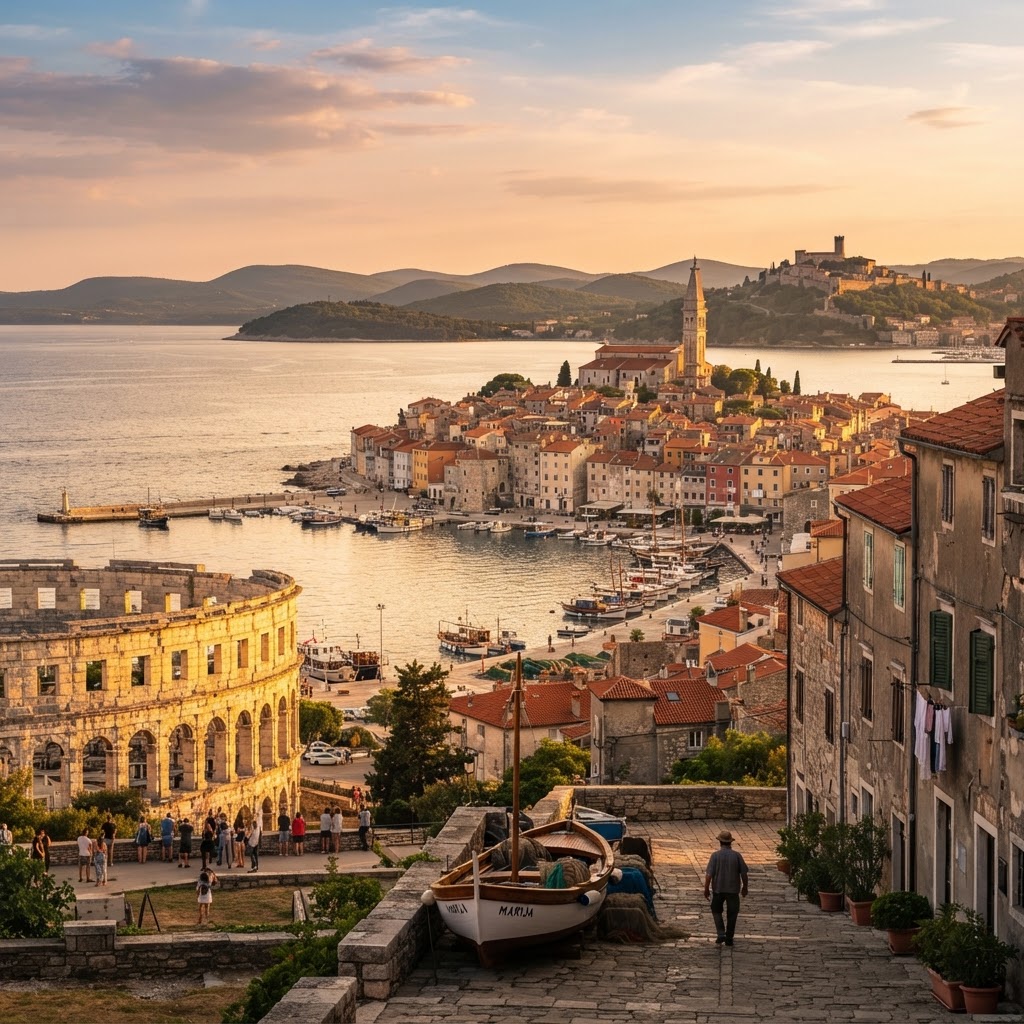
Venetian fishing ports, Roman amphitheatres, and truffle-scented interior hill towns.
Trogir, Croatia
Croatia
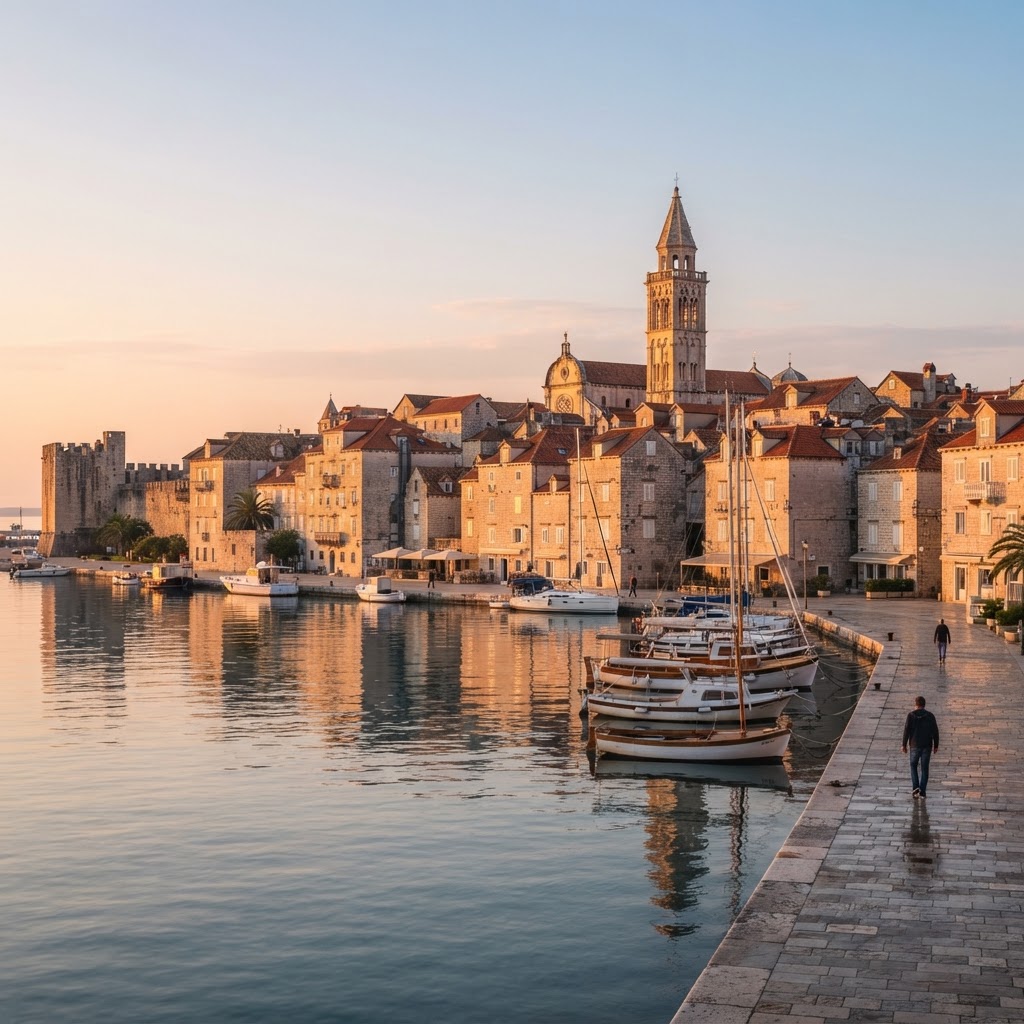
A compact UNESCO-listed island fortress with Venetian stone, quiet mornings, and easy Adriatic access.
Šibenik
Croatia
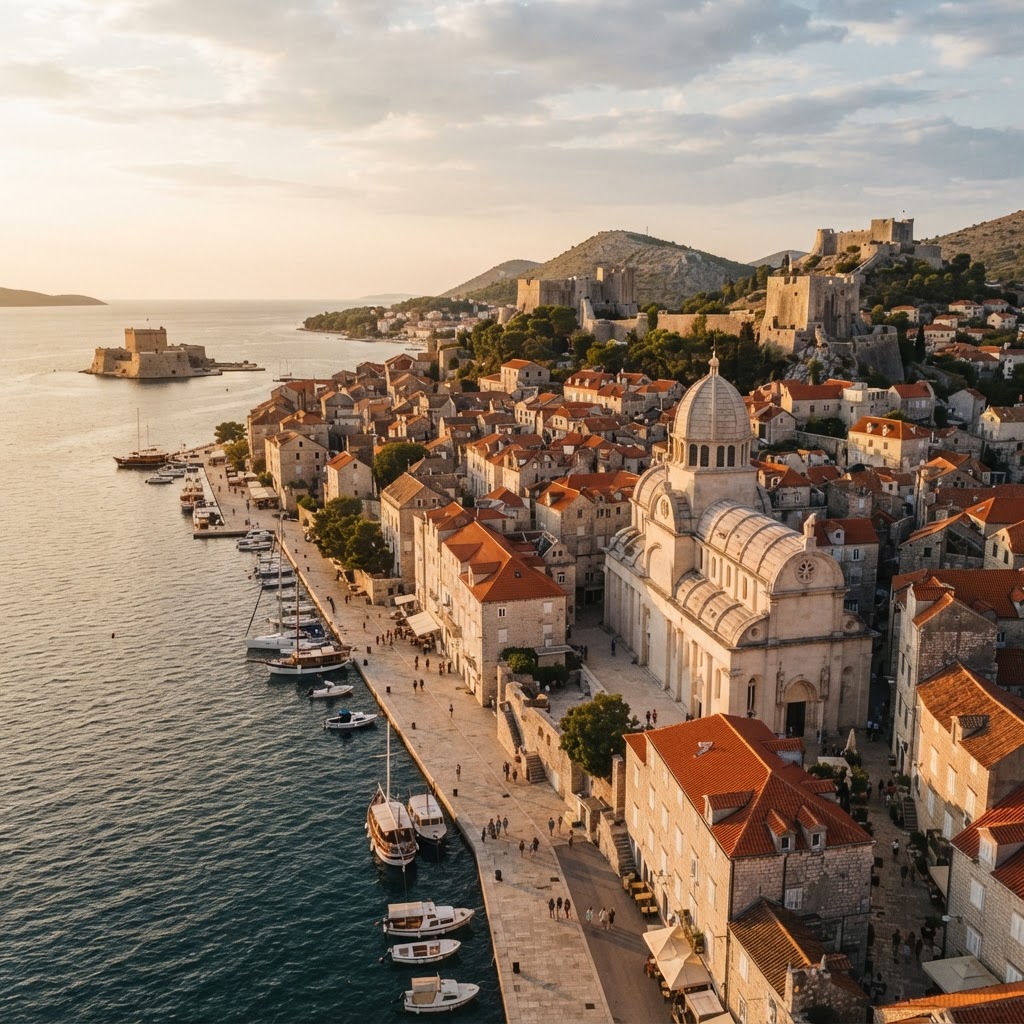
Two UNESCO monuments, four Venetian fortresses, and zero cruise ship throngs.
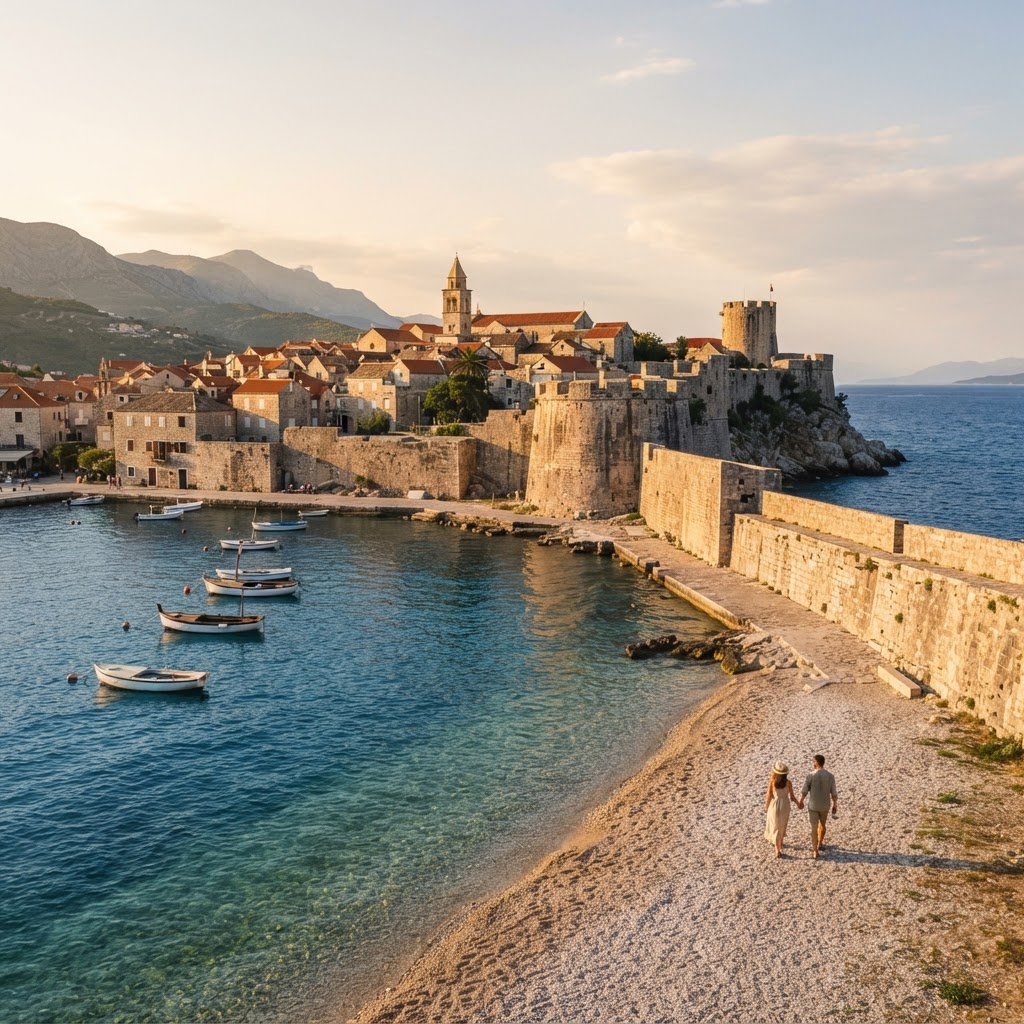
Korčula, Croatia
Croatia
Venetian stone ramparts, hyper-local indigenous wines, and secluded pebble coves without Hvar's party scene.
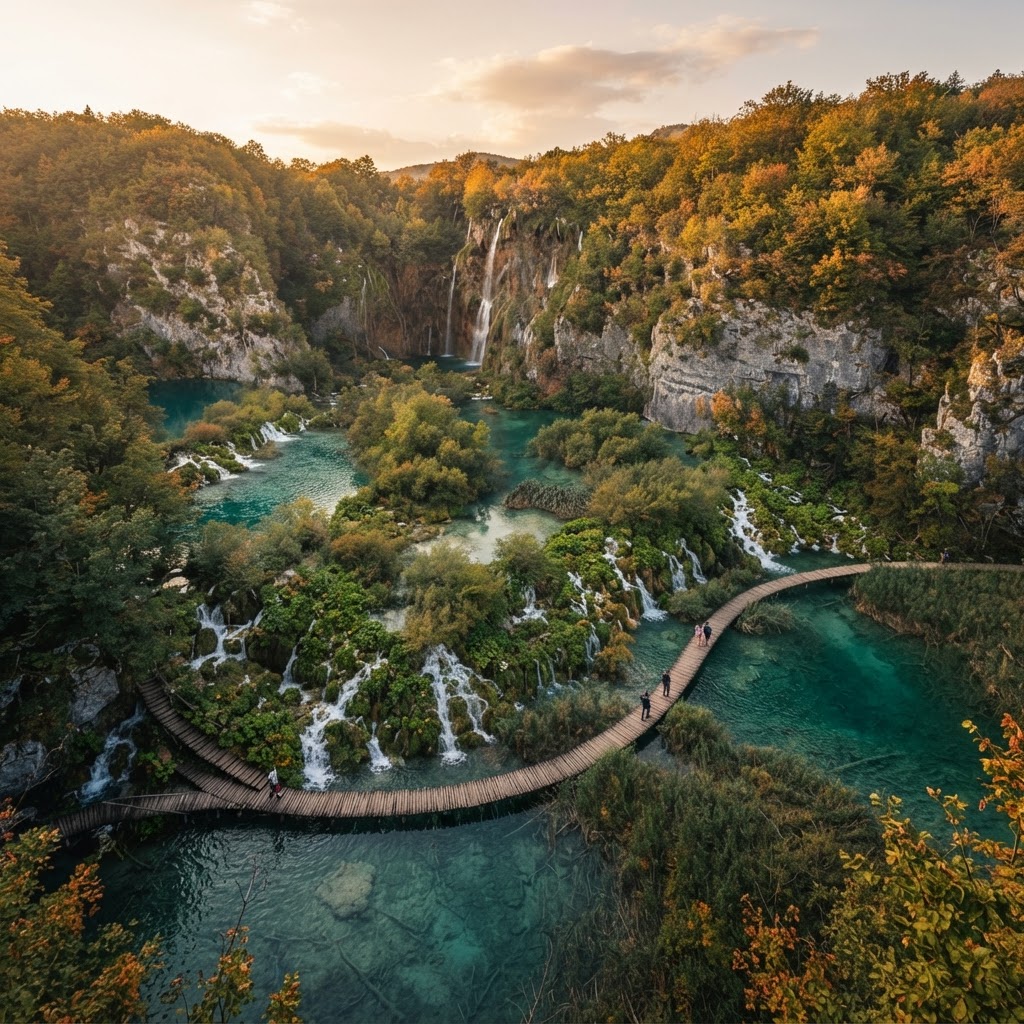
Plitvice Lakes
Croatia
Sixteen stepped travertine basins, cascading falls, and raw karst landscape.
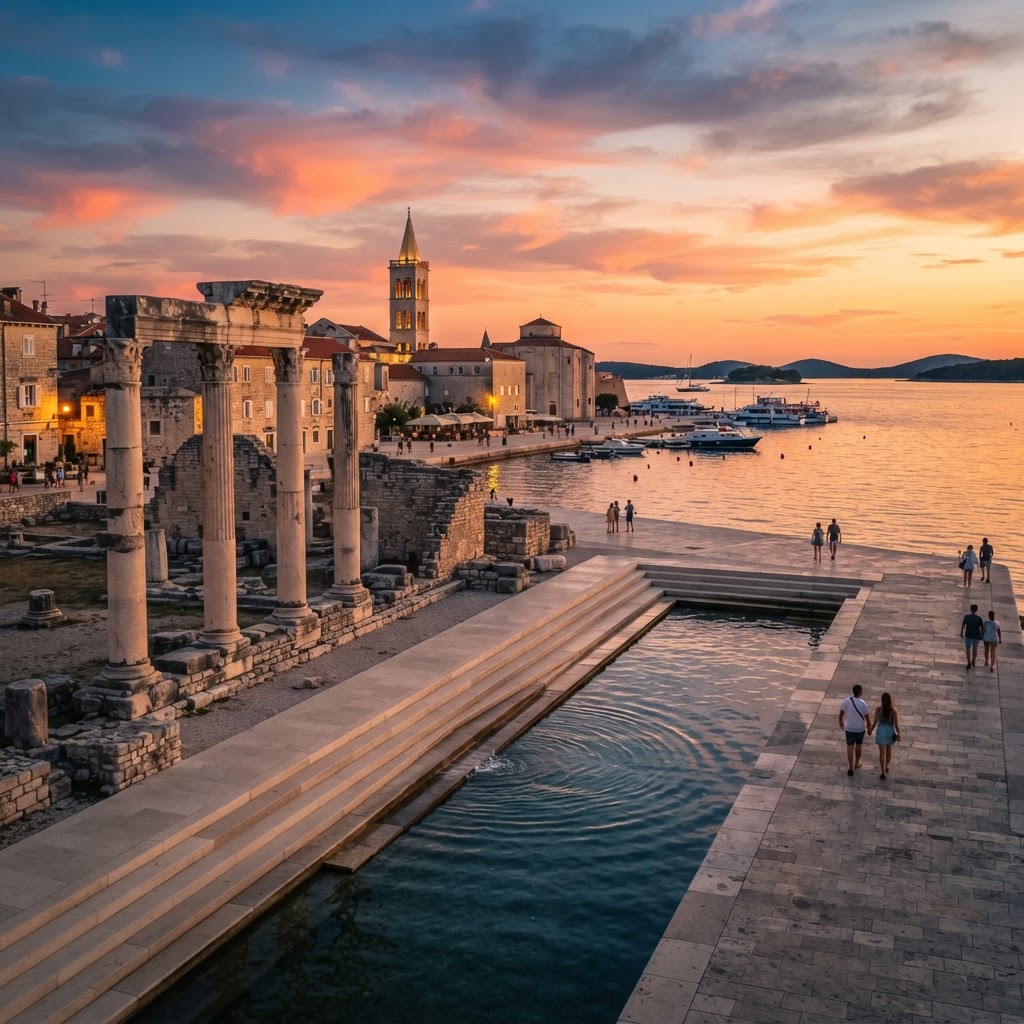
Zadar, Croatia
Croatia
Roman ruins, hypnotic waterfront soundscapes, and northern Dalmatia's premier coastal base.
Readymade itineraries
Start from a tested template — then make it yours.
Ready to book
Lock in your Pula, Croatia trip
Everything in one place. We may earn a small commission — it never costs you more.
Plan a trip to Pula, Croatia
Pick a length and we'll build a day-by-day plan around how you travel — neighborhoods clustered, budget-aware, and editable.
Get better at planning trips like this
Occasional notes on planning smarter — no spam, unsubscribe anytime.
Plan a trip to Pula, Croatia
Turn this guide into a day-by-day plan built around your pace, your group, and your budget.
Build my Pula, Croatia trip