Croatia
Šibenik
Two UNESCO monuments, four Venetian fortresses, and zero cruise ship throngs.
Plan & book
Sort your Šibenik trip in one place.
We point you to the booking tools we'd actually use — live prices, no markup. Or let us build the day-by-day plan around you first, then book.
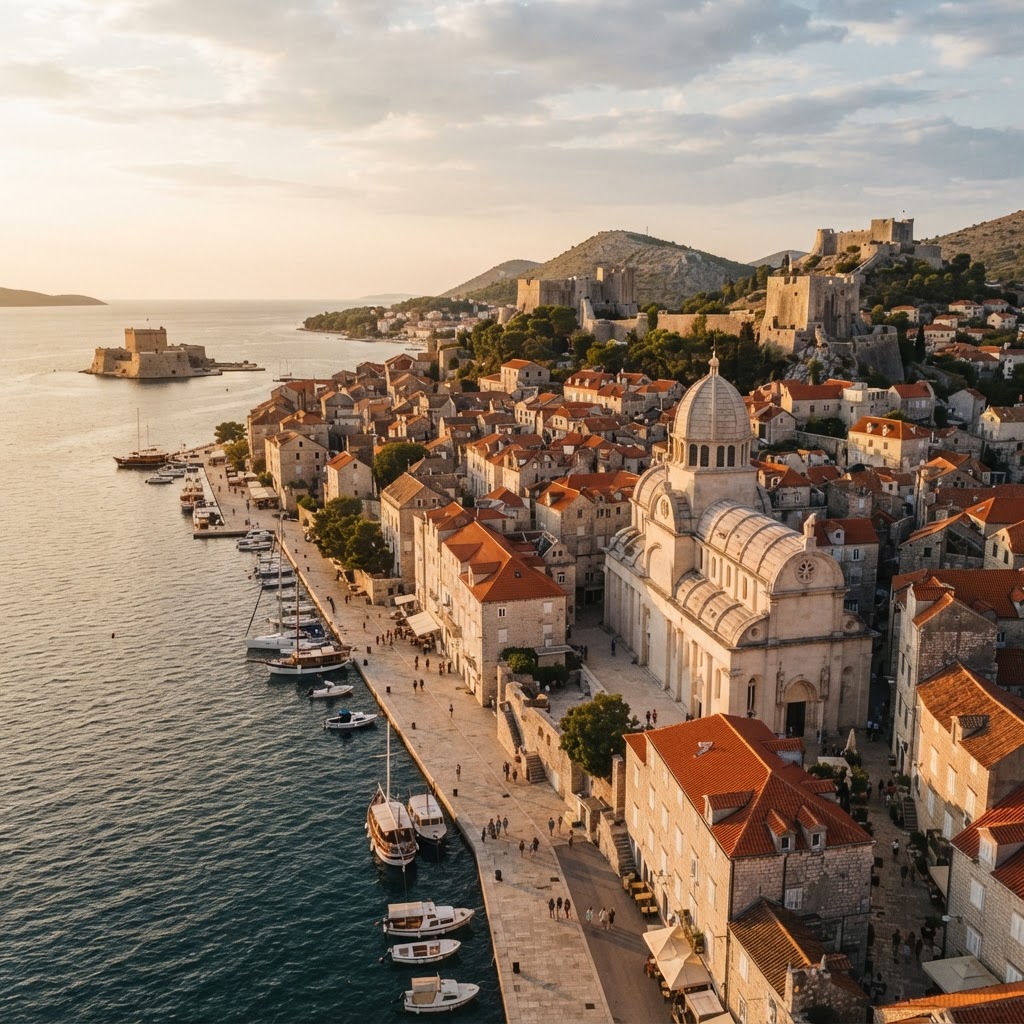
Perched along the Krka river estuary where freshwater cuts into the Adriatic, Šibenik is uniquely Croatian: founded not by Romans or Illyrians, but by native Croats in the 10th century. While Split and Dubrovnik grapple with cruise passenger congestion, Šibenik remains an atmospheric stone labyrinth defined by sheer limestone staircases, the monumental craftsmanship of Juraj Dalmatinac at the Cathedral of St. James, and a defensive ring of fortresses watching over the St. Anthony Channel.
3 days
Best time
May to June or September to October.
Build your own trip with these prebuilt itineraries
Each one is a tested, day-by-day plan for Šibenik — start here, then make it yours.
4 Days of Coastal Heritage & Island Hopping in Šibenik
Car-free regional discovery combining medieval city life, local ferries to nearby islands, and coastal cuisine
3 Days in Šibenik: Fortresses & National Parks in Šibenik
The ideal classic balance of old town culture, fortress views, and a day trip to Krka waterfalls
2 Days of UNESCO Heritage & Fortresses in Šibenik
Historic core exploration, stone stair alleyways, UNESCO cathedral, and fortress architecture
Go for authentic coastal Dalmatian culture without wall-to-wall tour groups. Šibenik balances high architectural pedigree—such as the Cathedral of St. James, built entirely of interlocking stone without mortar—with an active, lived-in community. It also doubles as the ideal gateway to Krka National Park and the car-free islets of Zlarin and Prvić.
Where to stay
Getting there
Getting around
Food & drink
What it costs
Things to do
Book tours & tickets in ŠibenikSkip it if
Skip staying in the Old Town if you have severe mobility limitations or rely on strollers, as the historic core is comprised almost entirely of steep steps and slippery limestone. Also skip Šibenik if your trip requires sandy beaches and a high-energy nightclub circuit, which are better served by destinations like Hvar or Novalja.
When to go
Shoulder months offer comfortable 22°C to 26°C weather for tackling Šibenik's relentless stone stairs, warm water for swimming at Banj Beach, and unhurried access to the fortresses. High summer turns the exposed stone alleys into heat sinks, while late autumn brings sea transit shutdowns.
Peak (July–August)
Expect sweltering daytime temperatures on exposed stone climbs, peak accommodation rates, and crowds around Krka, balanced by open-air concerts at St. Michael's Fortress and full ferry schedules.
Shoulder (May–June & September–October)
The ideal window. Sea temperatures are warm enough for swimming, the Krka shuttle boats run regularly without peak queues, and walking the steep fortresses is comfortable.
Low (November–April)
Atmospheric, exceptionally quiet, and inexpensive, but excursion boats to St. Nicholas Fortress halt, ferry runs are curtailed, and many family-run konobas shutter for winter.
Neighborhoods
Where you stay shapes the trip. Here's how to think about it.
Stari Grad (Old Town)
Car-free, multi-tiered maze of polished limestone steps, arches, and quiet squares beneath medieval walls.
Best for:First-timers, architecture buffs, and light-packers traveling without rolling luggage.
Don't miss:The 71 sculpted stone heads lining the exterior frieze of the Cathedral of St. James on Trg Republike Hrvatske.
Dolac
Former fisherman's quarter hugging the waterline below St. Michael's Fortress with relaxed quayside konobas.
Best for:Sunset dining, waterfront strolls, and travelers wanting historic charm without climbing hundreds of interior steps.
Don't miss:An early evening glass of local Babić red wine at a quayside terrace watching boats navigate the St. Anthony Channel.
Crnica
Residential coastal district immediately north of the center with easy road access and pebble bathing spots.
Best for:Swimmers, travelers with rental cars needing hassle-free parking, and visitors wanting quiet mornings.
Don't miss:Swimming at Banj Beach with uninterrupted postcard views back across the water to the Old Town skyline and fortresses.
Mandalina Peninsula
Modernized maritime hub dominated by the D-Resort and mega-yacht marina opposite the historic center.
Best for:Luxury travelers, yachting guests, and anyone wanting full resort amenities away from stone stairwells.
Don't miss:The sunset view looking northwest toward the St. Anthony Channel fortifications from the marina promenade.
Plišac & Station Quarter
Practical, flatter urban district directly south of the center around the bus station and ferry pier.
Best for:Short stays, day-trippers relying strictly on regional buses to Krka, and travelers with heavy roller bags.
Don't miss:The morning catch and local seasonal figs at the central green market (Gradska Tržnica) near the bus hub.
Destination intelligence
Updated 9/14/2026The structured record we plan every Šibenik itinerary from.
Walkability
Excellent inside the Old Town for able-bodied travelers, though physically demanding due to hundreds of historic stone steps. Incline ramps are virtually nonexistent in the center.
Transit quality
Moderate. Regional bus networks efficiently connect the town station to Split, Zadar, and Krka National Park (Lozovac), while daily Jadrolinija boats link to nearby islands.
Car needed
No. The historic center is pedestrianized, and nearby attractions like Krka or the islands are easily accessed via scheduled buses and ferries.
Ideal duration
3 days
Minimum useful
1 day
Peak season
July to August: hot temperatures, vibrant fortress music festivals, and full ferry schedules, offset by elevated lodging prices and daytime heat on stone climbs.
Shoulder season
May to June and September to October: the sweet spot with sea temperatures suitable for swimming, manageable temperatures for fortress walks, and minimal congestion.
Low season
November to April: quiet and atmospheric, but boat excursions to St. Nicholas Fortress halt and many restaurants reduce operating hours.
Best for
Common mistakes
- Treating Šibenik as a two-hour driving pitstop between Split and Zadar rather than an overnight destination.
- Bringing heavy wheeled rollaboard suitcases into an Old Town apartment without checking how many stair flights separate the drop-off point from the doorway.
- Renting a car to tour the city center; parking outside the pedestrian boundary is scarce and strictly monitored.
- Attempting to hike directly to St. Nicholas' Fortress on foot instead of catching the official excursion boat from the Riva.
Best nearby
How to plan it
- Stay outside the city walls in Crnica or near the bus depot if traveling with heavy rolling suitcases; Old Town staircases will break wheels.
- Pair your fortress visits: the admission ticket for St. Michael’s Fortress typically includes entry to Barone Fortress if used within seven days.
- Book your table at Pelegrini at least 3 to 4 weeks ahead during summer if you want a terrace setting facing the Cathedral of St. James.
- Catch the 09:00 morning bus to Skradin to enter Krka National Park via the river ferry before organized tour coaches arrive from Split.
- Skip high-noon fortress climbs between June and August; schedule St. Michael’s or Barone after 18:00 for golden-hour views and cooler stone terraces.
Questions
More in Croatia
Istria
Croatia
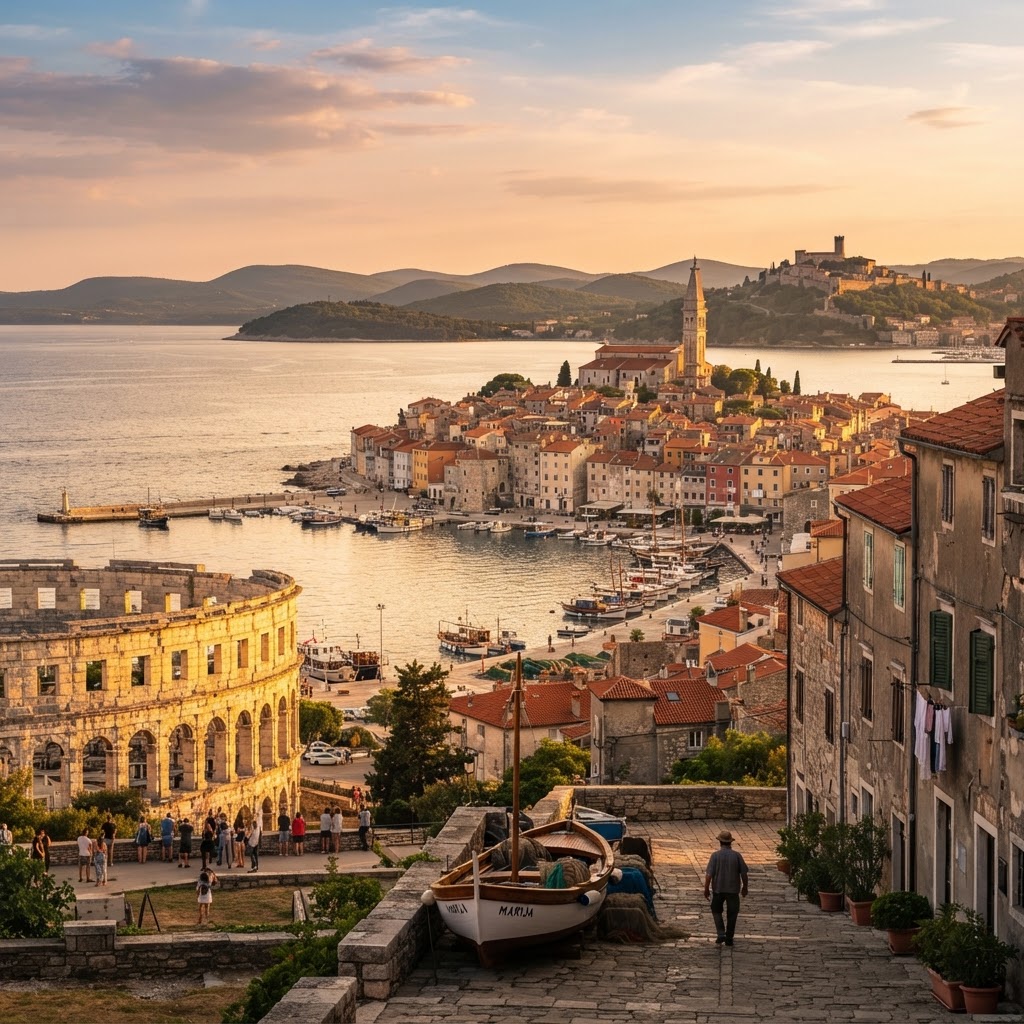
Venetian fishing ports, Roman amphitheatres, and truffle-scented interior hill towns.
Trogir, Croatia
Croatia
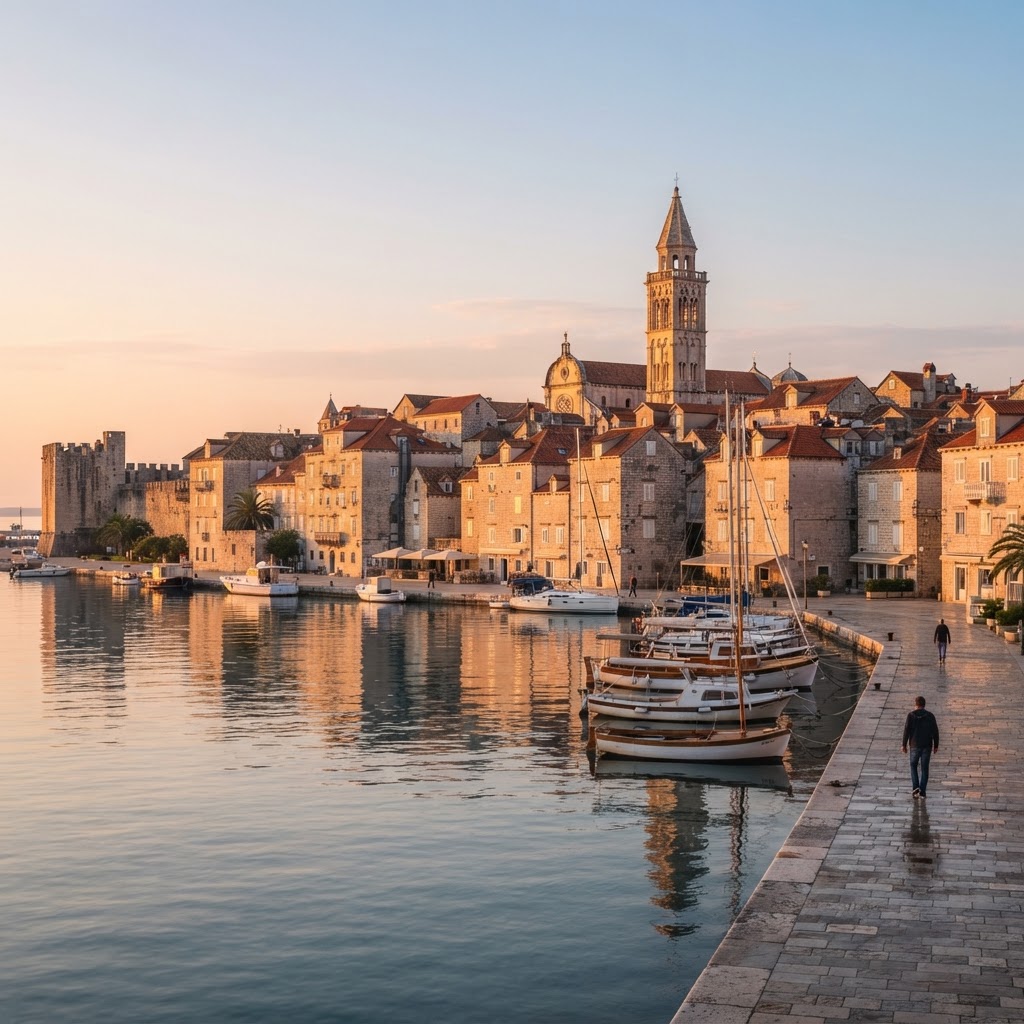
A compact UNESCO-listed island fortress with Venetian stone, quiet mornings, and easy Adriatic access.
Pula, Croatia
Croatia
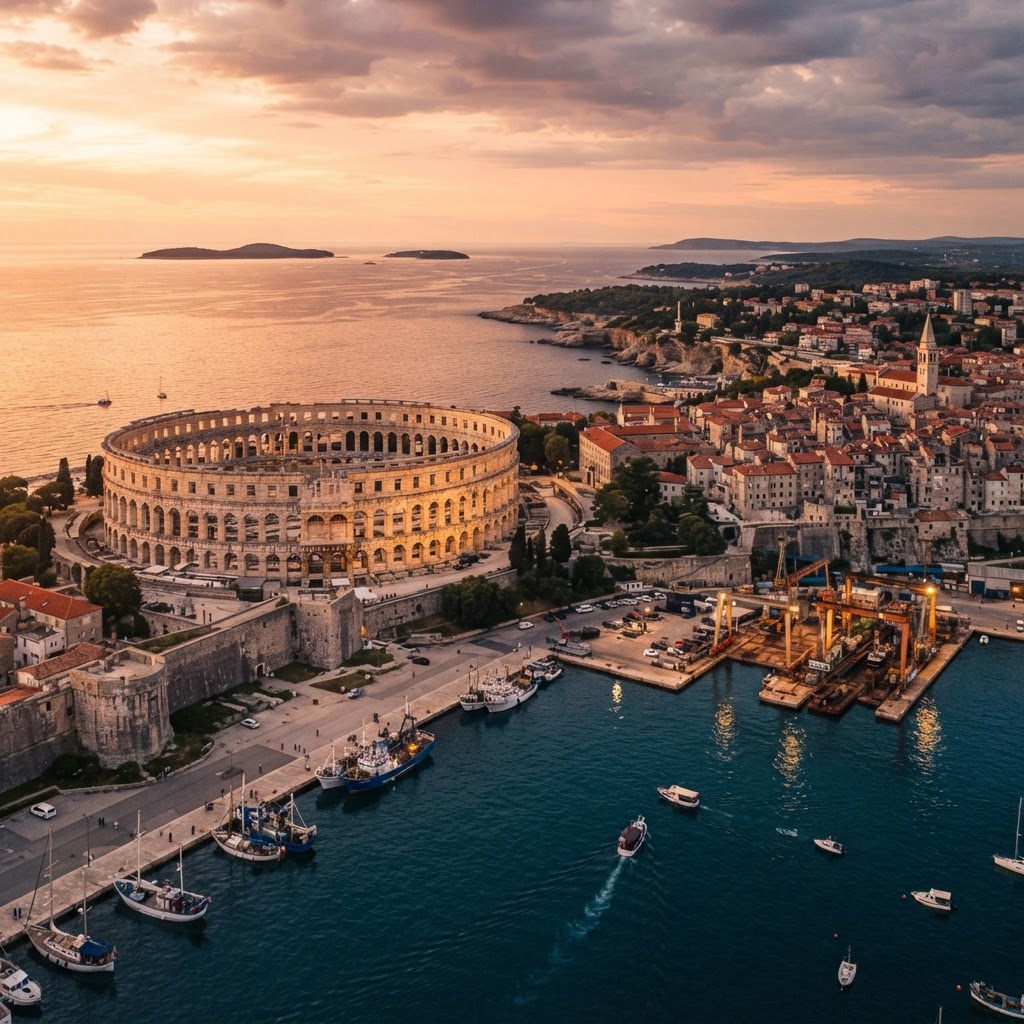
Roman engineering, rugged coves, and working-port authenticity anchor Istria's southern tip.
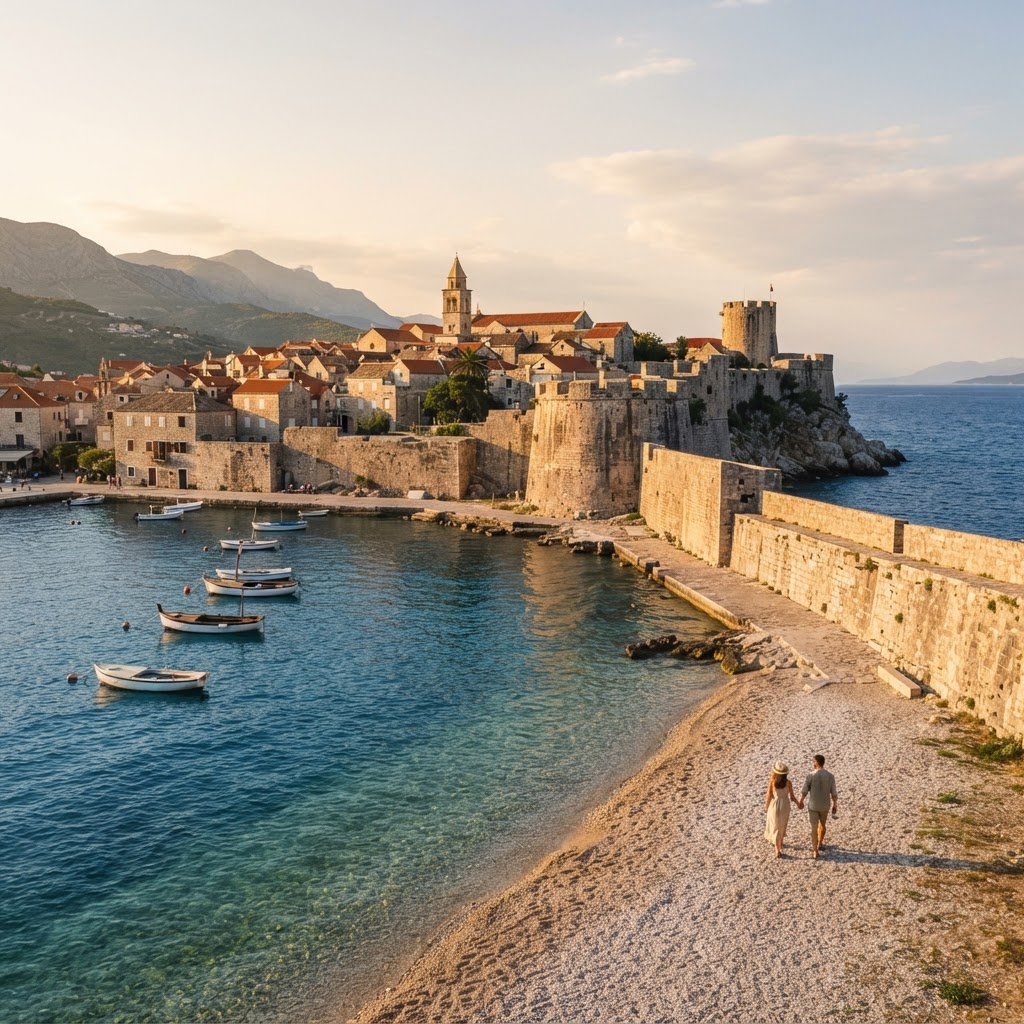
Korčula, Croatia
Croatia
Venetian stone ramparts, hyper-local indigenous wines, and secluded pebble coves without Hvar's party scene.
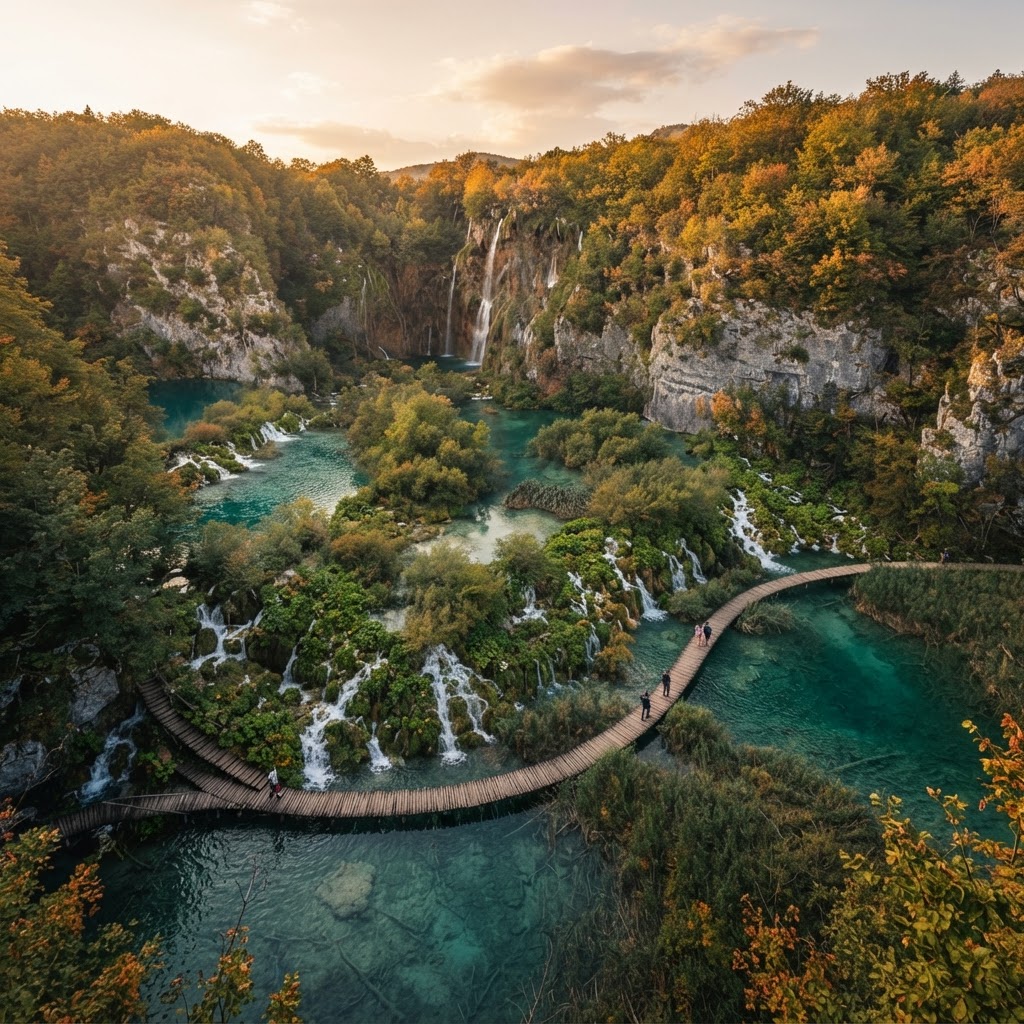
Plitvice Lakes
Croatia
Sixteen stepped travertine basins, cascading falls, and raw karst landscape.
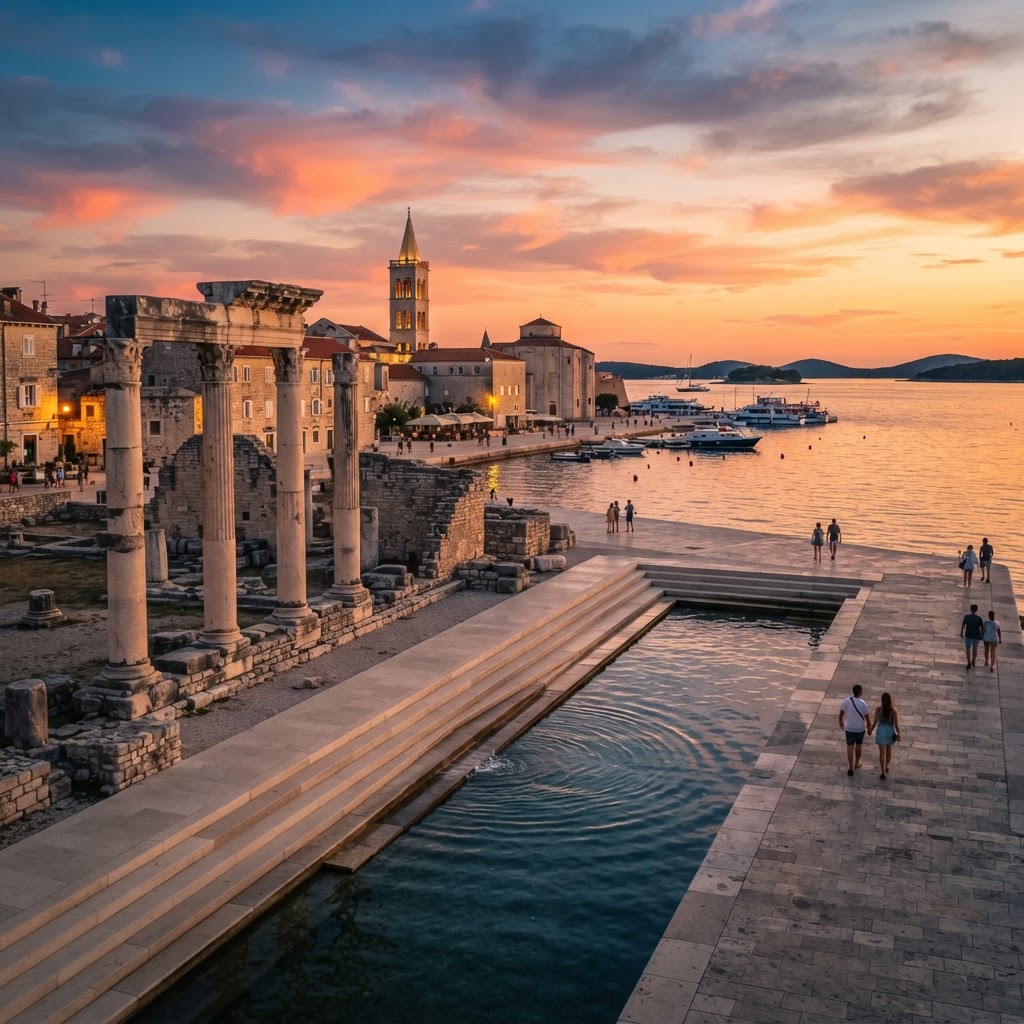
Zadar, Croatia
Croatia
Roman ruins, hypnotic waterfront soundscapes, and northern Dalmatia's premier coastal base.
Readymade itineraries
Start from a tested template — then make it yours.
Ready to book
Lock in your Šibenik trip
Everything in one place. We may earn a small commission — it never costs you more.
Plan a trip to Šibenik
Pick a length and we'll build a day-by-day plan around how you travel — neighborhoods clustered, budget-aware, and editable.
Get better at planning trips like this
Occasional notes on planning smarter — no spam, unsubscribe anytime.
Plan a trip to Šibenik
Turn this guide into a day-by-day plan built around your pace, your group, and your budget.
Build my Šibenik trip