Croatia
Trogir, Croatia
A compact UNESCO-listed island fortress with Venetian stone, quiet mornings, and easy Adriatic access.
Plan & book
Sort your Trogir, Croatia trip in one place.
We point you to the booking tools we'd actually use — live prices, no markup. Or let us build the day-by-day plan around you first, then book.
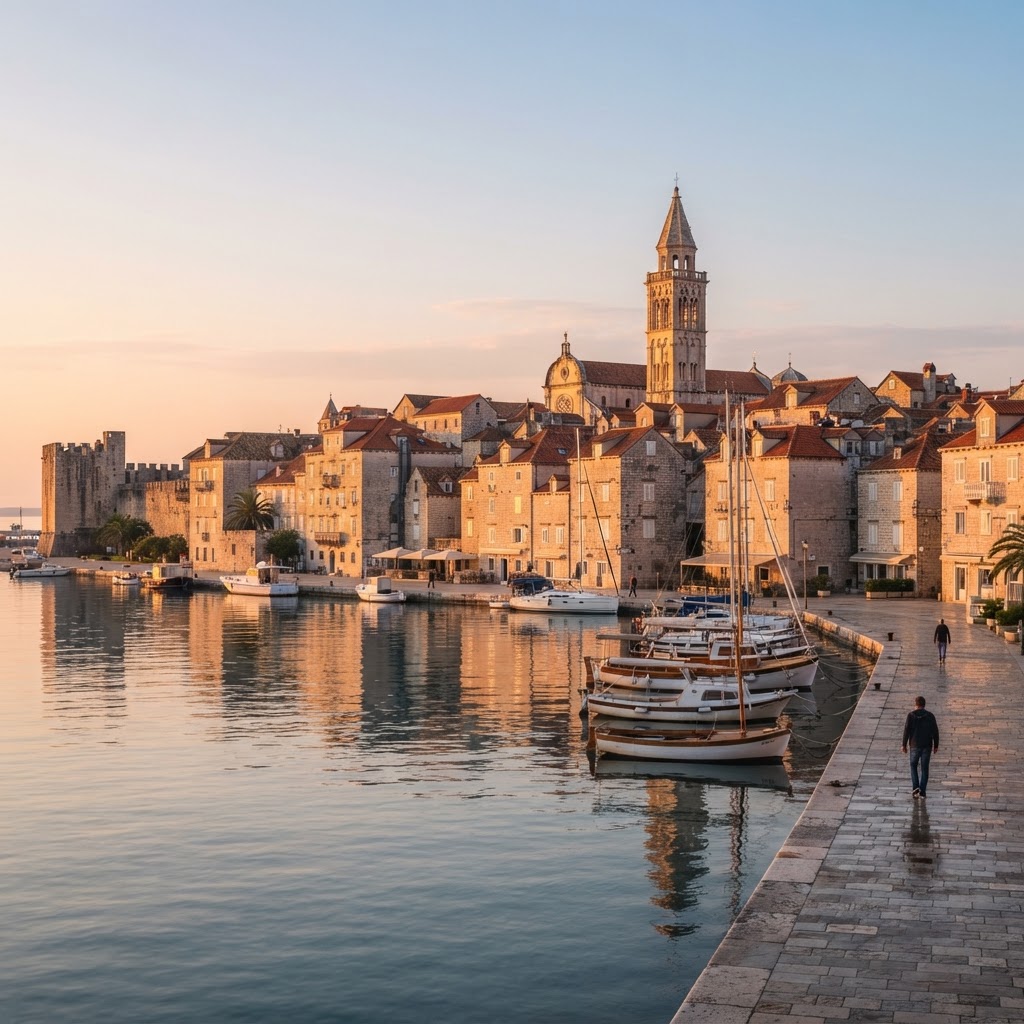
Set on a tiny island connected by bridges to the Dalmatian mainland and Čiovo Island, Trogir packs over two millennia of urban continuity into an area you can traverse on foot in ten minutes. It concentrates Romanesque, Gothic, Renaissance, and Baroque stone architecture without the sprawling urban chaos of Split.
2 days
Best time
May to June or September to October
Build your own trip with these prebuilt itineraries
Each one is a tested, day-by-day plan for Trogir, Croatia — start here, then make it yours.
3 Days in Trogir: Sailing & Coastal Day Trips in Trogir
Sailing and boat excursion base exploring surrounding island lagoons and Split while bypassing car traffic
2 Days in Trogir: Slower Pace & Coastal Bays in Trogir
Classic relaxed exploration blending UNESCO heritage sites with local water-taxi trips to nearby Čiovo beaches
1 Day in Trogir: Medieval Highlights in Trogir
First-time architectural and historic core highlights exploring car-free limestone alleys and evening konobas
Trogir delivers the architectural weight of Dubrovnik and Split in a fraction of the footprint. Staying overnight lets you experience the polished limestone streets, Radovan's portal on the cathedral, and waterside konobas after the tour buses return to Split at 16:00.
Where to stay
Getting there
Getting around
Food & drink
What it costs
Things to do
Book tours & tickets in Trogir, CroatiaSkip it if
Skip staying overnight if you require major nightlife, massive beach resort infrastructure, or rely on mainline trains; choose Split or Makarska instead.
When to go
Shoulder months provide warm Adriatic swimming temperatures and lively open-air dining without the overwhelming midday tour bus congestion and scorching 35°C stone heat of midsummer.
Peak (July to August)
Sweltering temperatures and peak room rates. Day-trippers crowd the narrow alleys from 10:00 to 17:00, and bridge traffic across to Čiovo crawls, though evenings on the Riva are atmospheric.
Shoulder (May to June & September to October)
The prime window. Sea temperatures are ideal for swimming, Bura Line boats run dependable schedules to Split, and the marble streets regain their quiet neighborhood rhythm by late afternoon.
Low (November to April)
Intensely tranquil with brisk coastal winds. Most excursion boats and tourist-oriented waterfront restaurants shutter completely, though authentic bakeries and local konobas cater to residents.
Neighborhoods
Where you stay shapes the trip. Here's how to think about it.
Old Town (Historic Islet)
Car-free medieval stone labyrinth enclosed by sea walls and polished marble alleys.
Best for:First-timers, architecture buffs, and romantic weekenders
Don't miss:Climbing the bell tower of the Cathedral of St. Lawrence for views over the tiled rooftops to the channel.
Čiovo Island (Okrug Gornji & Saldun)
Bustling resort coastline with pebble coves, beach clubs, and waterfront pines just across the bridge.
Best for:Beach lovers, families, and travelers seeking full-service apartment rentals
Don't miss:Taking the regular boat taxi directly from Copacabana Beach back into Trogir's Riva at dusk.
Mainland Waterfront & Travarica
Practical modern harbour hub hosting the open-air green market, ferry docks, and mainland parking.
Best for:Road-trippers with rental cars and travelers who want seamless regional bus links
Don't miss:Picking up fresh figs, local honey, and smoked pršut at the morning Trogir Green Market.
Donji Seget (Seget Donji)
Laid-back former fishing village set along a continuous coastal walkway just west of town.
Best for:Slow travelers and couples wanting boutique waterfront quiet without island bottlenecks
Don't miss:Walking the scenic seaside promenade (Šetnica) straight into Trogir's western gate for dinner.
Destination intelligence
Updated 9/14/2026The structured record we plan every Trogir, Croatia itinerary from.
Walkability
Exceptional. The historic core is completely pedestrianized, flat, and takes roughly 10 minutes to cross from end to end.
Transit quality
Moderate. Direct regional buses connect smoothly to Split and the nearby airport; regional trains do not run here, but frequent local boats link surrounding bays.
Car needed
Not required. A car is an active liability on the Old Town island due to pedestrian restrictions and parking bottlenecks.
Ideal duration
2 days
Minimum useful
half-day
Peak season
July to August. High temperatures, packed alleys during midday boat excursion hours, and high accommodation rates.
Shoulder season
May to June and September to October. Ideal sea and air temperatures, active ferry lines, and quiet evenings after 17:00.
Low season
November to April. Extremely quiet; many waterfront eateries and seasonal excursion boats shut down, though the core town functions normally.
Best for
Common mistakes
- Renting a car and attempting to drive directly to an Old Town hotel; the island is car-free, and parking outside the gates in summer is congested and strictly enforced.
- Visiting only as a midday bus-tour stop when stone alleys are packed and heat radiates off the limestone.
- Trying to drive across the old bridge to Čiovo during peak summer morning/evening traffic rather than using pedestrian paths or water ferries.
- Paying premium prices for indifferent food directly on the central Riva when authentic family konobas sit two lanes back inside the stone grid.
Best nearby
How to plan it
- Stay on the Old Town island if you prioritize atmosphere and waking up inside the medieval core; stay in Seget Donji or mainland Travarica if you have a rental car you need to park.
- Pair Trogir with Šibenik or Krka National Park rather than staying in downtown Split if you want a calmer, less crowded Dalmatian base.
- Do not attempt to drive across the old Čiovo bridge during July and August rush hours; take the newer mainland bypass bridge or use the passenger water taxis.
- Climb the Cathedral of St. Lawrence bell tower before 10:30 to beat both the coastal heat and the tour-group queues.
- Take the Bura Line boat to Split for a day trip instead of driving or taking the crowded coastal commuter bus.
Questions
More in Croatia
Istria
Croatia
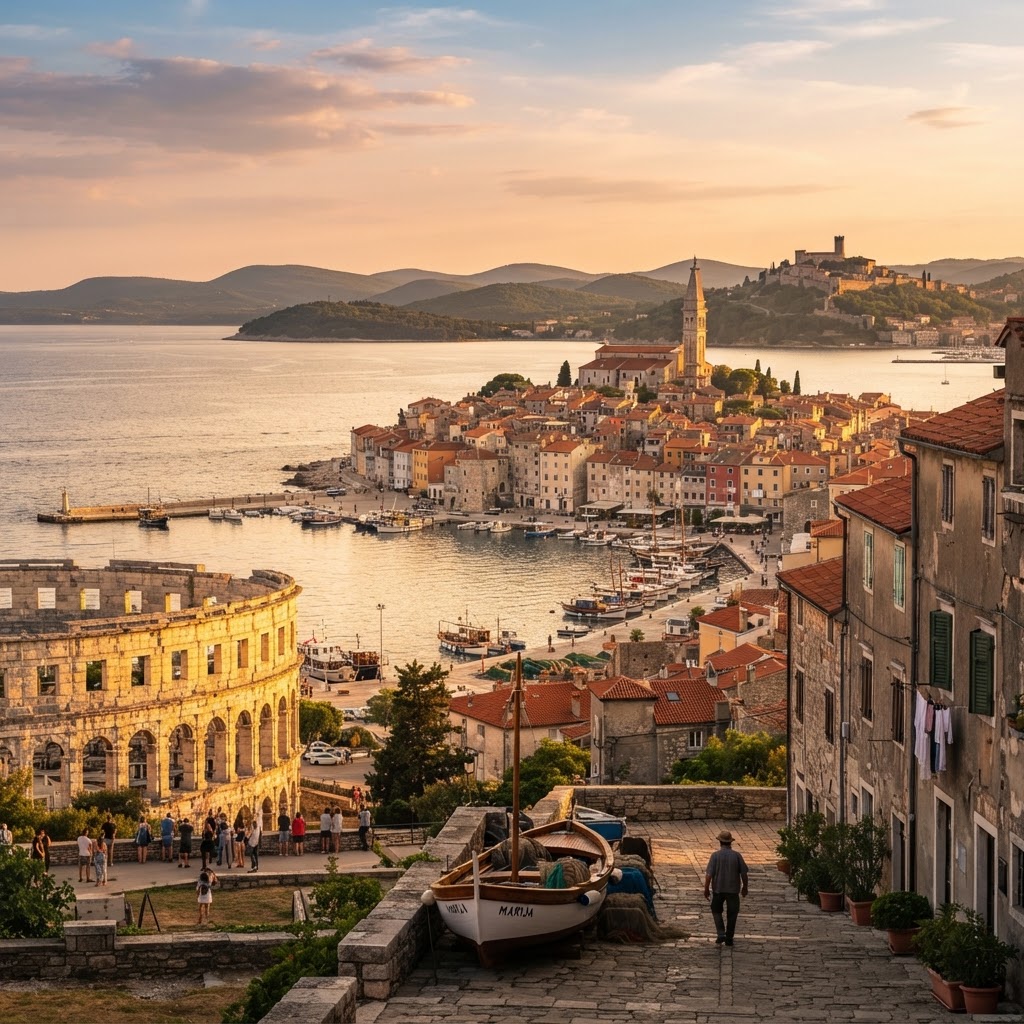
Venetian fishing ports, Roman amphitheatres, and truffle-scented interior hill towns.
Pula, Croatia
Croatia
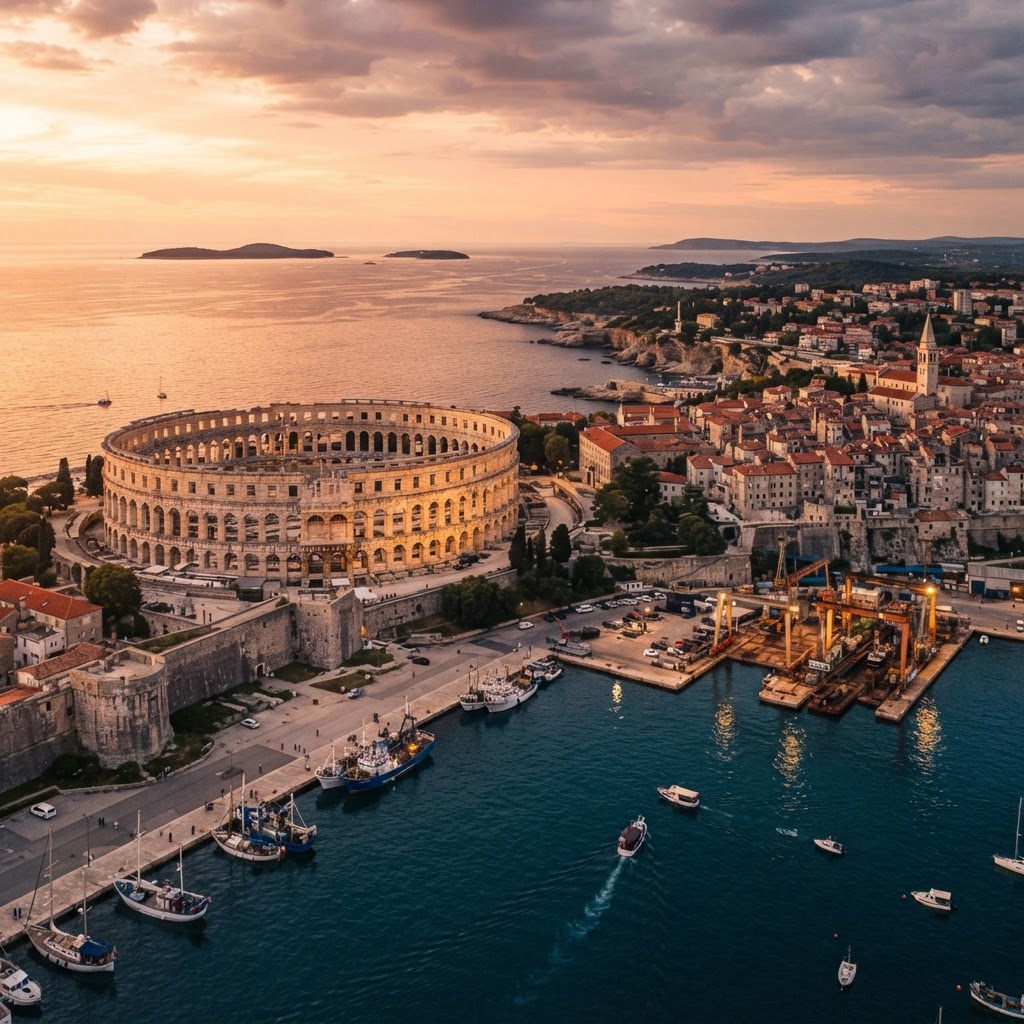
Roman engineering, rugged coves, and working-port authenticity anchor Istria's southern tip.
Šibenik
Croatia
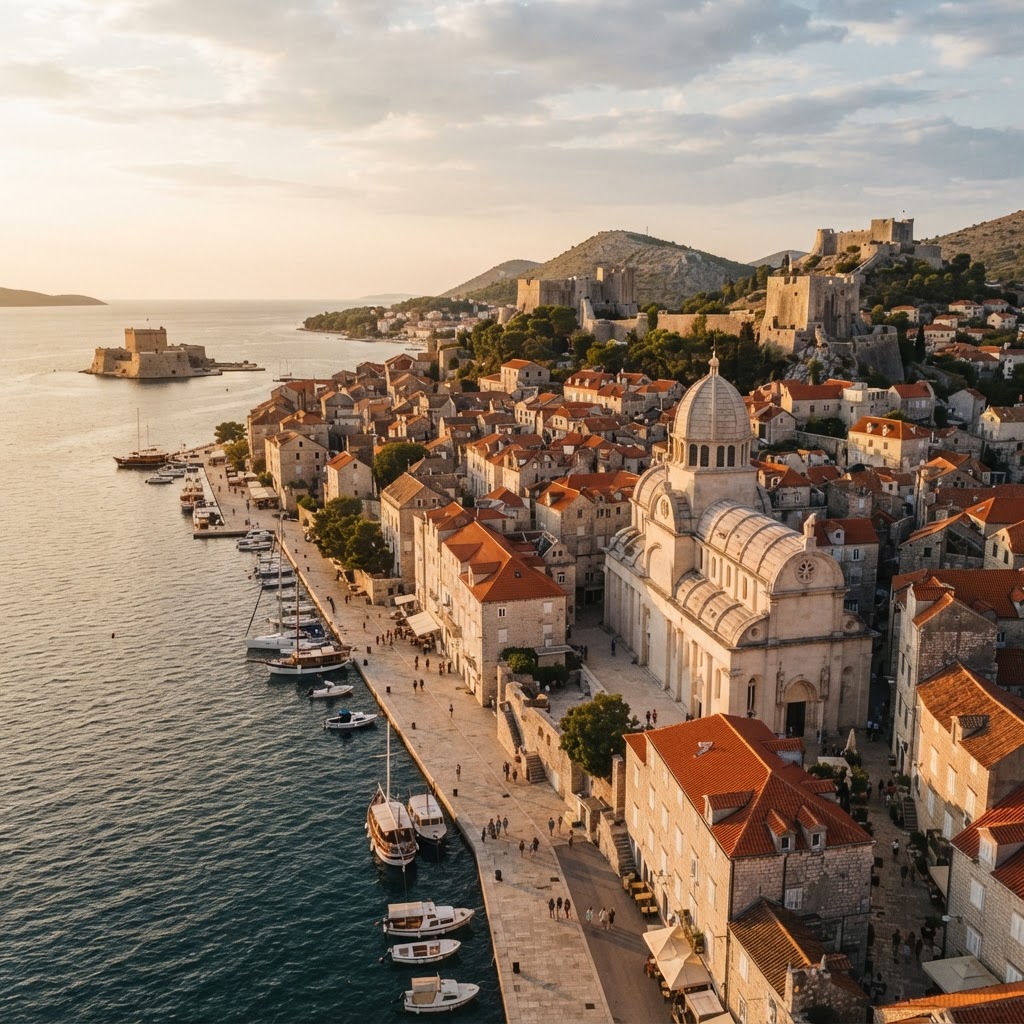
Two UNESCO monuments, four Venetian fortresses, and zero cruise ship throngs.
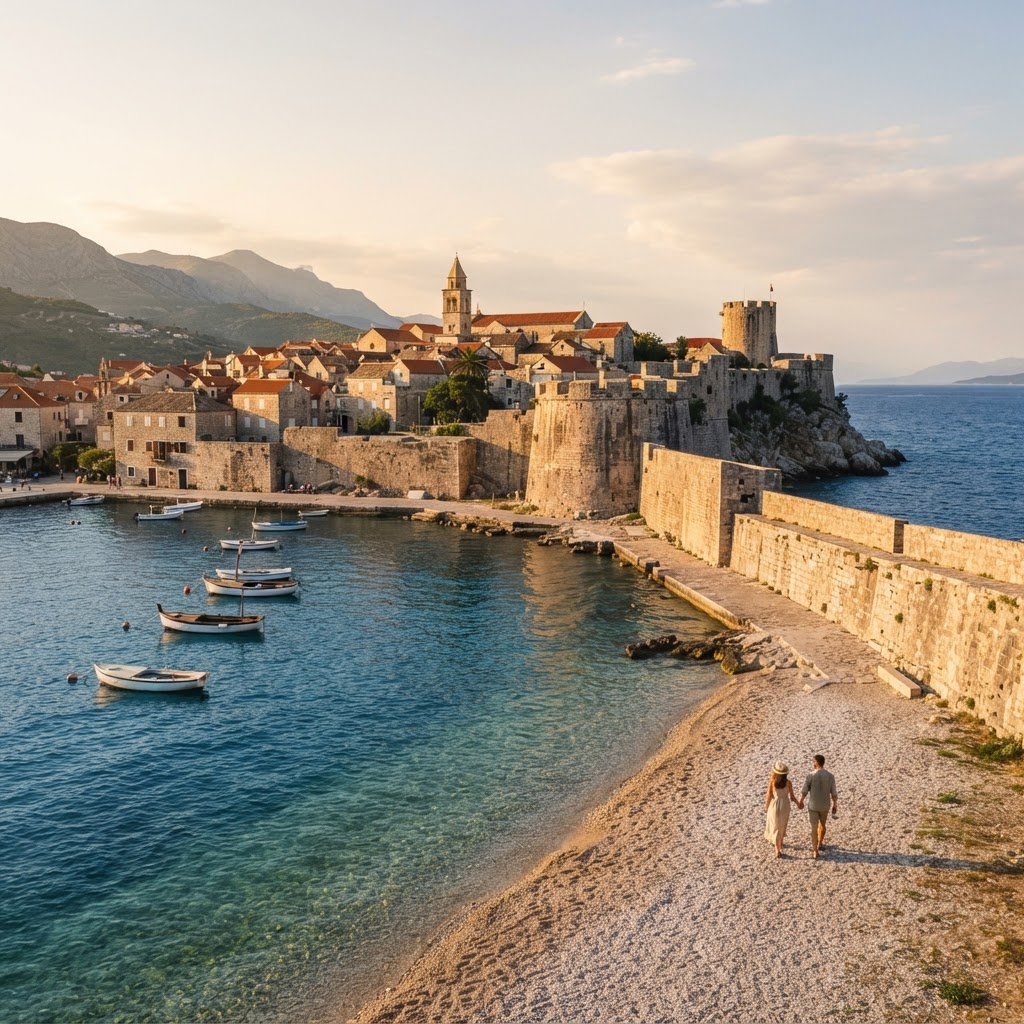
Korčula, Croatia
Croatia
Venetian stone ramparts, hyper-local indigenous wines, and secluded pebble coves without Hvar's party scene.
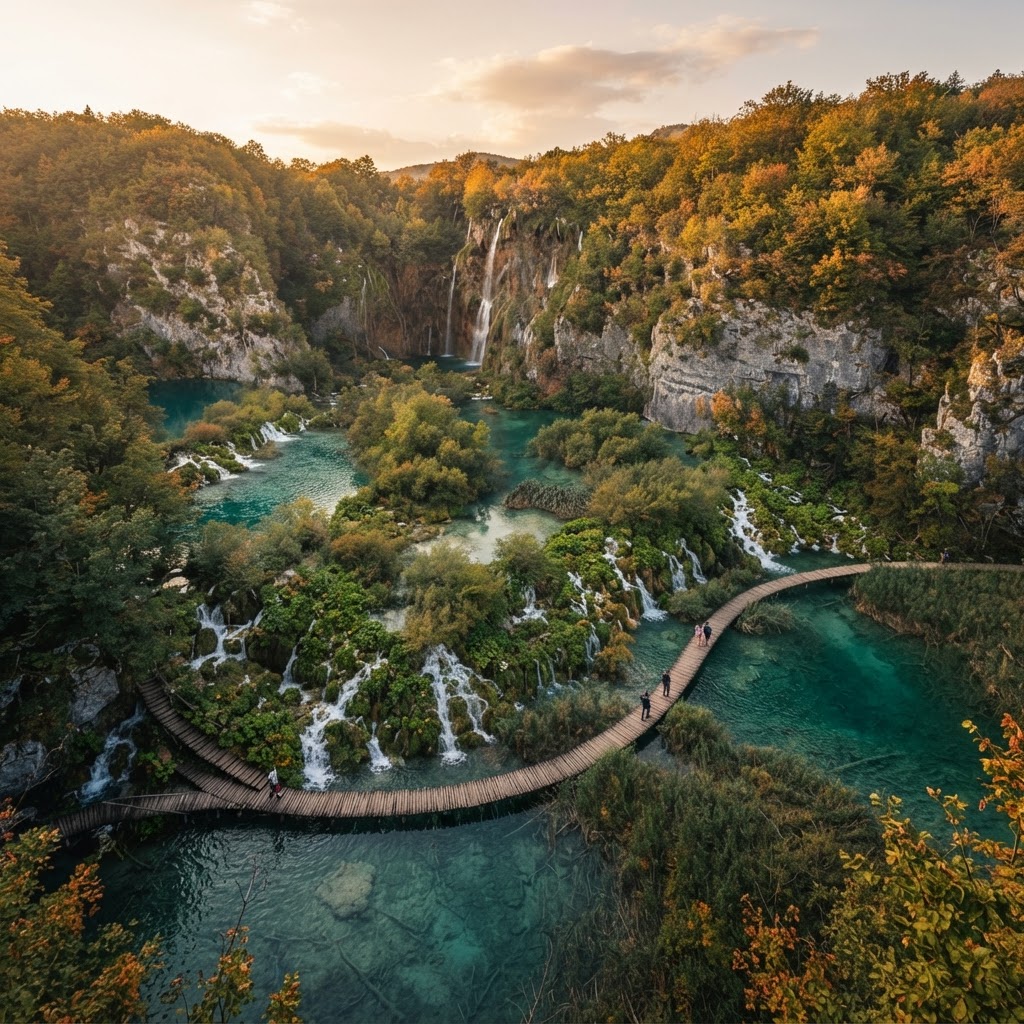
Plitvice Lakes
Croatia
Sixteen stepped travertine basins, cascading falls, and raw karst landscape.
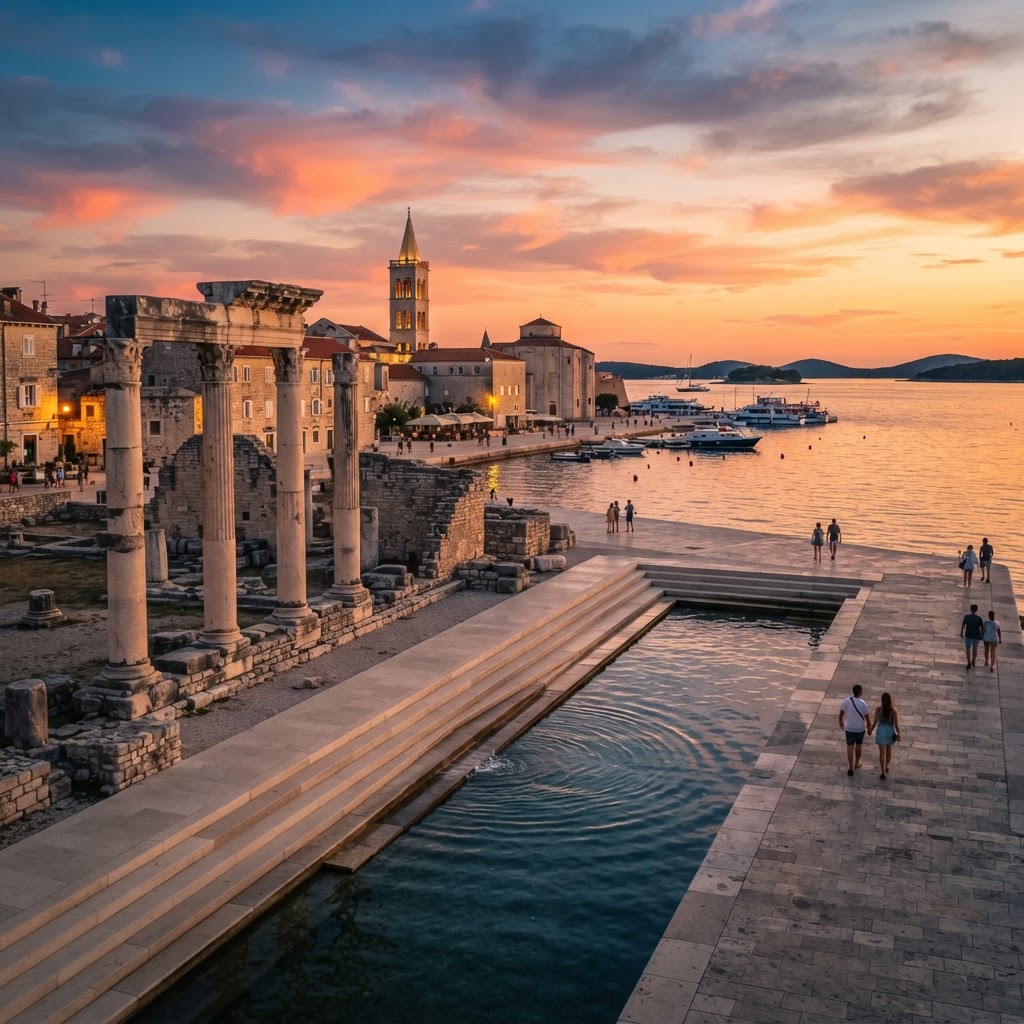
Zadar, Croatia
Croatia
Roman ruins, hypnotic waterfront soundscapes, and northern Dalmatia's premier coastal base.
Readymade itineraries
Start from a tested template — then make it yours.
Ready to book
Lock in your Trogir, Croatia trip
Everything in one place. We may earn a small commission — it never costs you more.
Plan a trip to Trogir, Croatia
Pick a length and we'll build a day-by-day plan around how you travel — neighborhoods clustered, budget-aware, and editable.
Get better at planning trips like this
Occasional notes on planning smarter — no spam, unsubscribe anytime.
Plan a trip to Trogir, Croatia
Turn this guide into a day-by-day plan built around your pace, your group, and your budget.
Build my Trogir, Croatia trip