Italy
Verona
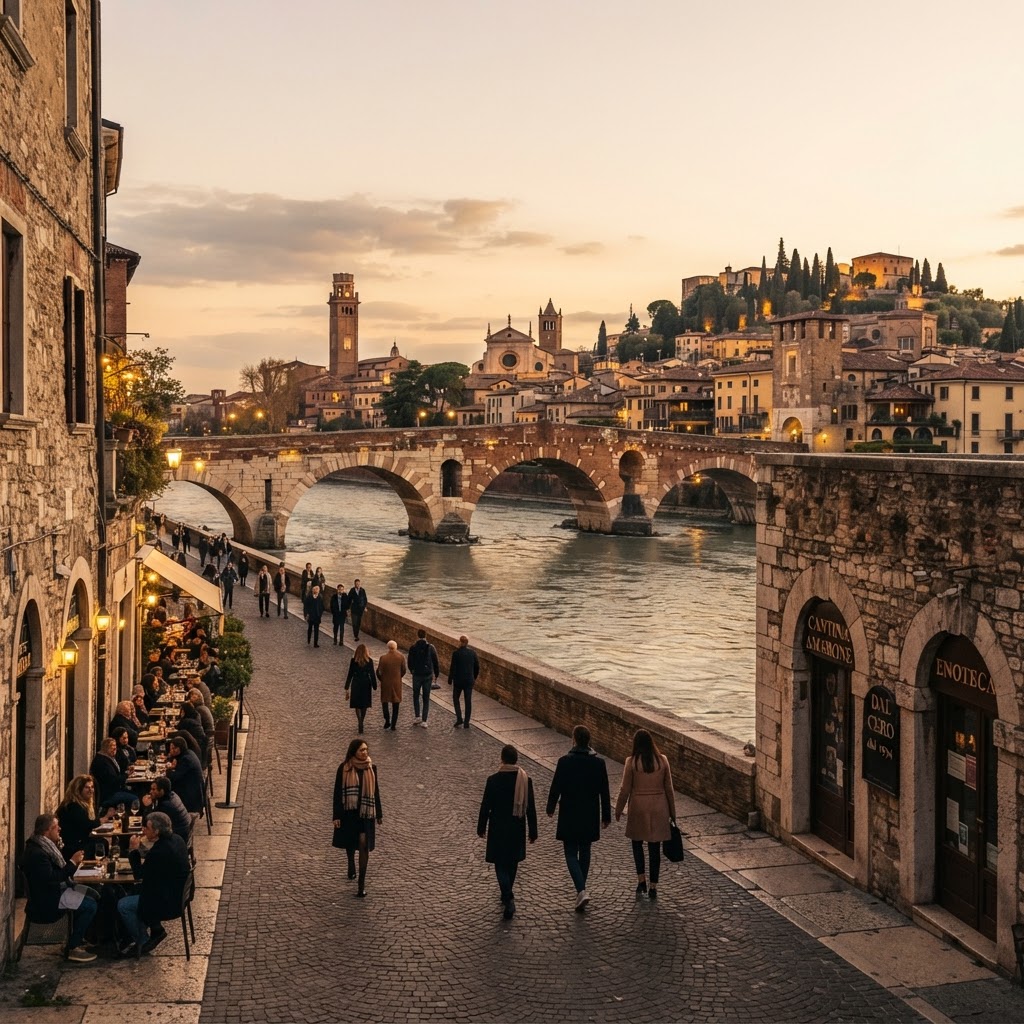
Roman stone, Amarone cellars, and riverfront evening passeggiata without Venice's crushing crowds.
Plan & book
Sort your Verona trip in one place.
We point you to the booking tools we'd actually use — live prices, no markup. Or let us build the day-by-day plan around you first, then book.
Cradled inside a dramatic double bend of the Adige River, Verona delivers northern Italian urban grace at human scale. Far from being merely the literary backdrop for Shakespeare's star-crossed lovers, it functions as a vibrant commercial and cultural crossroads boasting one of the world's best-preserved 1st-century Roman amphitheaters, pink-hued Veronese marble paving, and a regional culinary culture rooted in the Valpolicella vineyards. It provides all the civic refinement of Milan and the historic texture of Venice, minus the logistical exhaustion.
3 days
Best time
Mid-April to May or late September to October
Build your own trip with these prebuilt itineraries
Each one is a tested, day-by-day plan for Verona — start here, then make it yours.
5 Days: Verona & Valpolicella Wine Escape in Verona
Combining the historic city core with vineyard tastings in Valpolicella and rail excursions across the Veneto
3 Days: Classic Verona & Art Immersion in Verona
A leisurely pedestrian route covering Castelvecchio, hidden river viewpoints, and local osterie culture
2 Days: Roman Monuments & Opera Evenings in Verona
Historic city center highlights, Roman ruins, and twilight dining after day-trip crowds disperse
Verona offers a complete immersion in classic northern Italian life within a walkable, pedestrianized core. You visit for open-air summer opera under the stars at the 2,000-year-old Arena di Verona, long lunches accompanied by structured Amarone della Valpolicella, and sunset aperitivi perched above Roman ruins at Castel San Pietro. It serves as an effortless urban base that connects effortlessly by rail to Lake Garda, Venice, and Bologna.
Where to stay
Getting there
Getting around
Food & drink
What it costs
Things to do
Book tours & tickets in VeronaSkip it if
Skip Verona if you demand gritty, cosmopolitan nightlife, massive international modern art institutions, or a sprawling metropolis. If your itinerary already features multiple quiet historic walled towns and you have only five days in Italy, prioritize major transport hubs instead.
When to go
Spring and autumn bypass the oppressive river-valley summer humidity and hotel rate surges driven by the Verona Opera Festival, while keeping outdoor dining and Valpolicella harvest day trips fully viable.
Peak (Mid-June to early September)
Sweltering heat and packed squares driven by the open-air opera season; hotels command maximum rates and dinner reservations inside Centro Storico become non-negotiable weeks in advance.
Shoulder (April to May and mid-September to October)
Optimal walking temperatures, open terrace dining, grape harvesting across Valpolicella, and manageable midday foot traffic before the peak performance crowds arrive.
Low (November to February)
Brisk temperatures, damp river chill, and early twilight, offset by deeply discounted boutique hotels and peaceful alleys, except during the bustling December Christmas markets around Piazza dei Signori.
Neighborhoods
Where you stay shapes the trip. Here's how to think about it.
Centro Storico
Paved pink marble alleys, lively open piazzas, and heavy foot traffic within steps of antiquity.
Best for:first-timers and short-stay weekenders
Don't miss:Catching late-afternoon aperitivo under the frescoed facades of Piazza delle Erbe.
San Zeno
Quiet residential elegance centered around an austere Romanesque piazza with genuine neighborhood trattorias.
Best for:food-focused travelers and repeat visitors seeking peace
Don't miss:The bronze doors and Mantegna altarpiece inside the Basilica di San Zeno Maggiore.
Veronetta
Bohemian, student-infused quarter across the Adige River filled with hillside gardens, vintage shops, and natural wine bars.
Best for:budget-conscious travelers, solo explorers, and evening wine bar crawlers
Don't miss:Strolling the terraced cypress pathways and Renaissance labyrinth at Giardino Giusti.
Borgo Trento
Leafy early-20th-century residential enclave marked by grand Liberty-style villas just northwest of the historic curve.
Best for:travelers seeking upscale boutique stays with easy parking access
Don't miss:Walking across the fortified red-brick spans of Ponte Scaligero toward Castelvecchio at golden hour.
Cittadella
Functional, wide-boulevard district bridging the high-speed rail terminal with the ancient gateway arches.
Best for:rail commuters, opera-goers needing late-night departures, and pragmatic budgeters
Don't miss:Passing beneath the towering 14th-century Portoni della Bra into the historic gateway.
Destination intelligence
Updated 9/14/2026The structured record we plan every Verona itinerary from.
Walkability
Excellent. The entire historic district inside the Adige River curve is compact, flat, and paved with smooth local marble, making walking the primary and most practical mode of transit.
Transit quality
Good. Verona Porta Nuova is one of northern Italy's premier rail hubs with direct high-speed links in all directions; local city buses connect the station efficiently to the historic gates.
Car needed
No. A car is an expensive liability in the city center due to strict ZTL zones and costly perimeter parking. Rent a vehicle only on the day you depart for rural Valpolicella vineyards or the Dolomites.
Ideal duration
3 days
Minimum useful
1 day
Peak season
Mid-June through early September (the open-air Verona Opera Festival fills hotels and restaurants, paired with hot summer temperatures).
Shoulder season
April to May and late September to October (mild weather, comfortable walking conditions, wine harvest activities in nearby Valpolicella, and manageable crowd levels).
Low season
November through February (chilly winter fog along the river and shorter daylight hours, but low hotel rates and completely empty squares outside the Christmas market period).
Best for
Common mistakes
- Queuing for an hour to rub the bronze statue of Juliet beneath the reconstructed 1930s balcony at Casa di Giulietta instead of visiting the Roman ruins or Castelvecchio.
- Driving into the Centro Storico and triggering automated ZTL traffic cameras with your rental car.
- Visiting on a day trip between Venice and Milan without staying overnight to experience the city after tour bus crowds depart.
- Failing to book Arena opera tickets months in advance for peak summer weekend productions.
Best nearby
See what a trip to Italy actually costs. Travel Budget Co.
How to plan it
- Stay in Centro Storico if you want step-out access to morning markets, but book in Veronetta if you prefer quieter evenings and lower lodging rates.
- Pair Verona with Venice or Bologna by high-speed Frecciarossa rail rather than changing hotels every night; the station connections take under an hour.
- Do not try to cram Lake Garda and a Valpolicella wine tour into the same day—each requires its own transit logistics and distinct pacing.
- Book Arena opera performance tickets and Castelvecchio museum slots two to four weeks ahead during peak summer to avoid sell-outs and entry lines.
- Skip the congested queue into Juliet's courtyard entirely; invest your daylight hours climbing the steps up to Castel San Pietro for the river panoramas instead.
Questions
More in Italy
Lake Garda
Italy
Fjord-like northern crags, southern olive groves, and lake life without the Como theater
Portofino
Italy
A pocket-sized Riviera cove where lingering beats sightseeing.
Pisa
Italy
Beyond the leaning marble: a lively university city of riverside palaces and quiet piazzas.
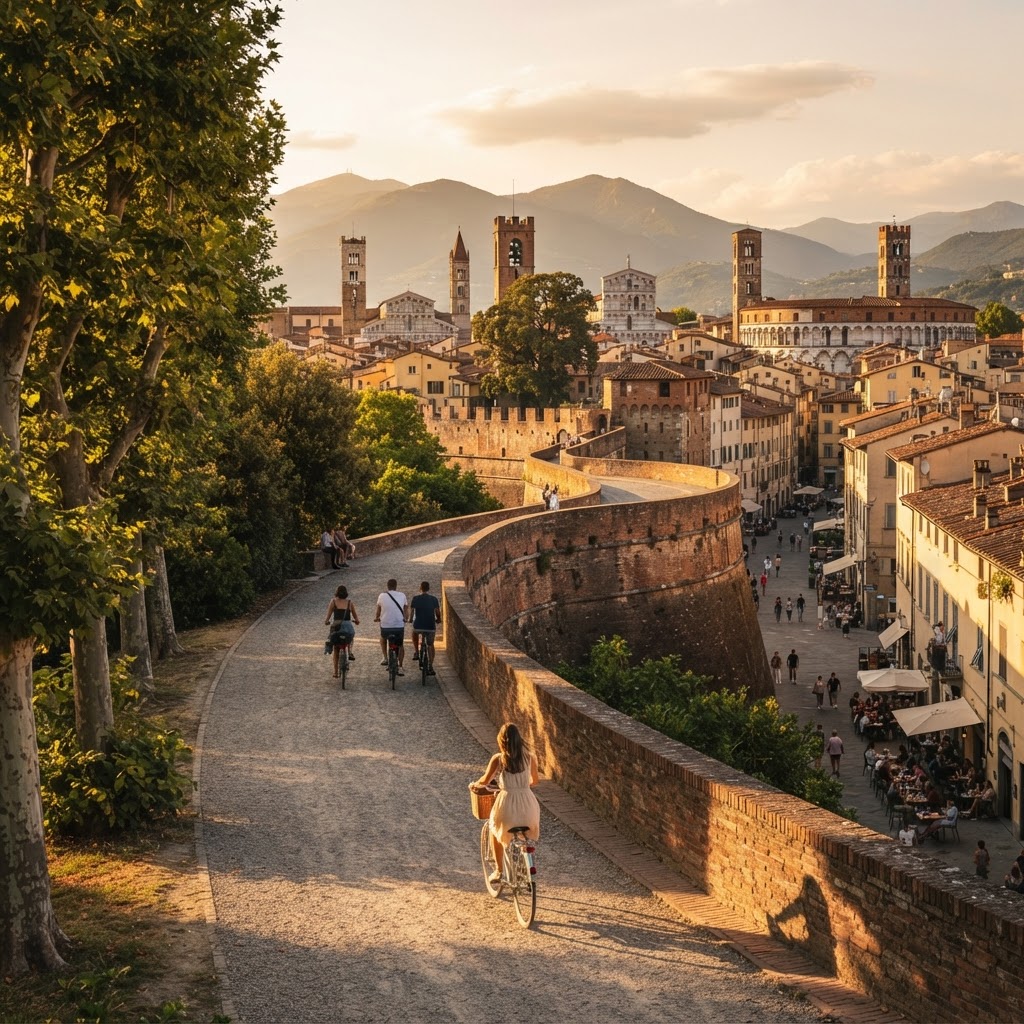
Lucca, Italy
Italy
A graceful, walled Tuscan oasis made for cycling ramparts and unhurried aperitivi.
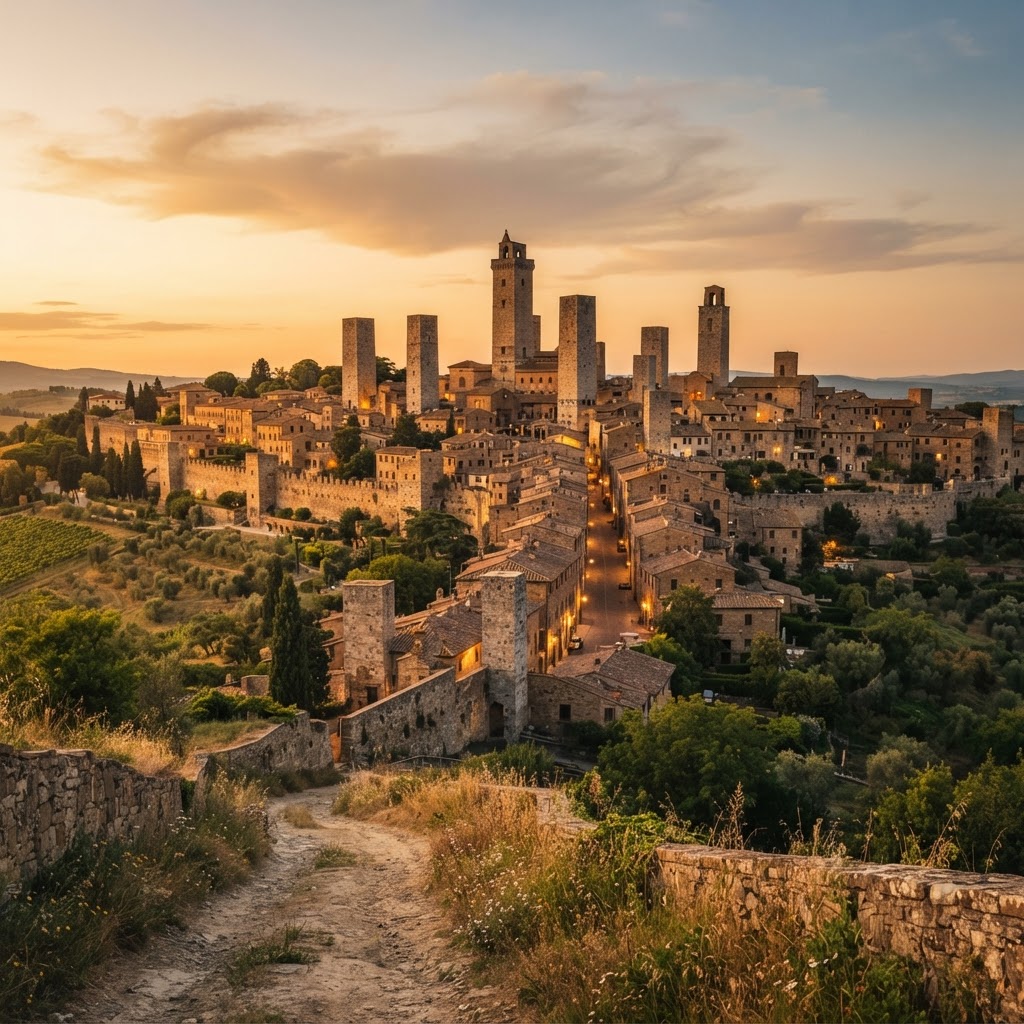
San Gimignano
Italy
Tuscany's medieval Manhattan, magical only when the day-trippers vanish
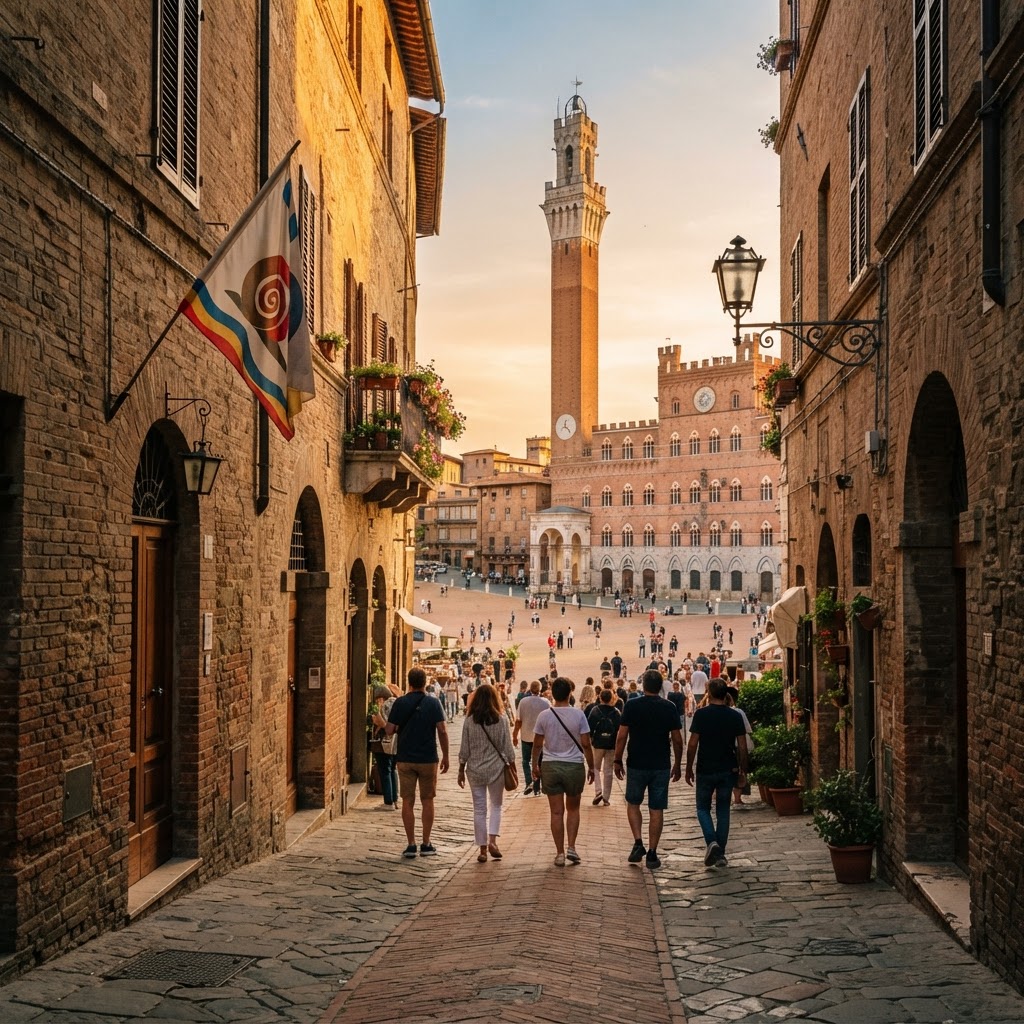
Siena, Tuscany, Italy
Italy
Gothic brick alleys, neighborhood contrada pride, and Italy's most dramatic medieval square
Readymade itineraries
Start from a tested template — then make it yours.
Ready to book
Lock in your Verona trip
Everything in one place. We may earn a small commission — it never costs you more.
Plan a trip to Verona
Pick a length and we'll build a day-by-day plan around how you travel — neighborhoods clustered, budget-aware, and editable.
Get better at planning trips like this
Occasional notes on planning smarter — no spam, unsubscribe anytime.
Plan a trip to Verona
Turn this guide into a day-by-day plan built around your pace, your group, and your budget.
Build my Verona trip