India
Varanasi, Uttar Pradesh, India Itinerary: How Many Days + Sample Plans
India's sacred epicenter where ritual, mortality, and daily life collide along the Ganges.
Traveler rating
Loved by cultural purists and religious history scholars.
Plan & book
Sort your Varanasi, Uttar Pradesh, India trip in one place.
We point you to the booking tools we'd actually use — live prices, no markup. Or let us build the day-by-day plan around you first, then book.
Pick your trip length
How many days do you need in Varanasi, Uttar Pradesh, India?
Each of these opens a full day-by-day plan you can make your own.
- 2 days — Two days — the essentials, no rushing.
- 3 days — Three days — the icons plus one neighborhood.
- 4 days — Four days — a full city without sprinting.
- 5 days — Five days — room for a day trip.
- 7 days — A week — the city at a human pace.
- With Kids trip — Shorter days, earlier dinners, what to skip.
- For Couples trip — Two-person pacing with evenings built in.
- Solo trip — A plan that works well on your own.
- Food trip — Meals and markets as the anchors.
- Outdoors trip — Nature, walks and open air.
- Culture trip — History, museums and the streets around them.
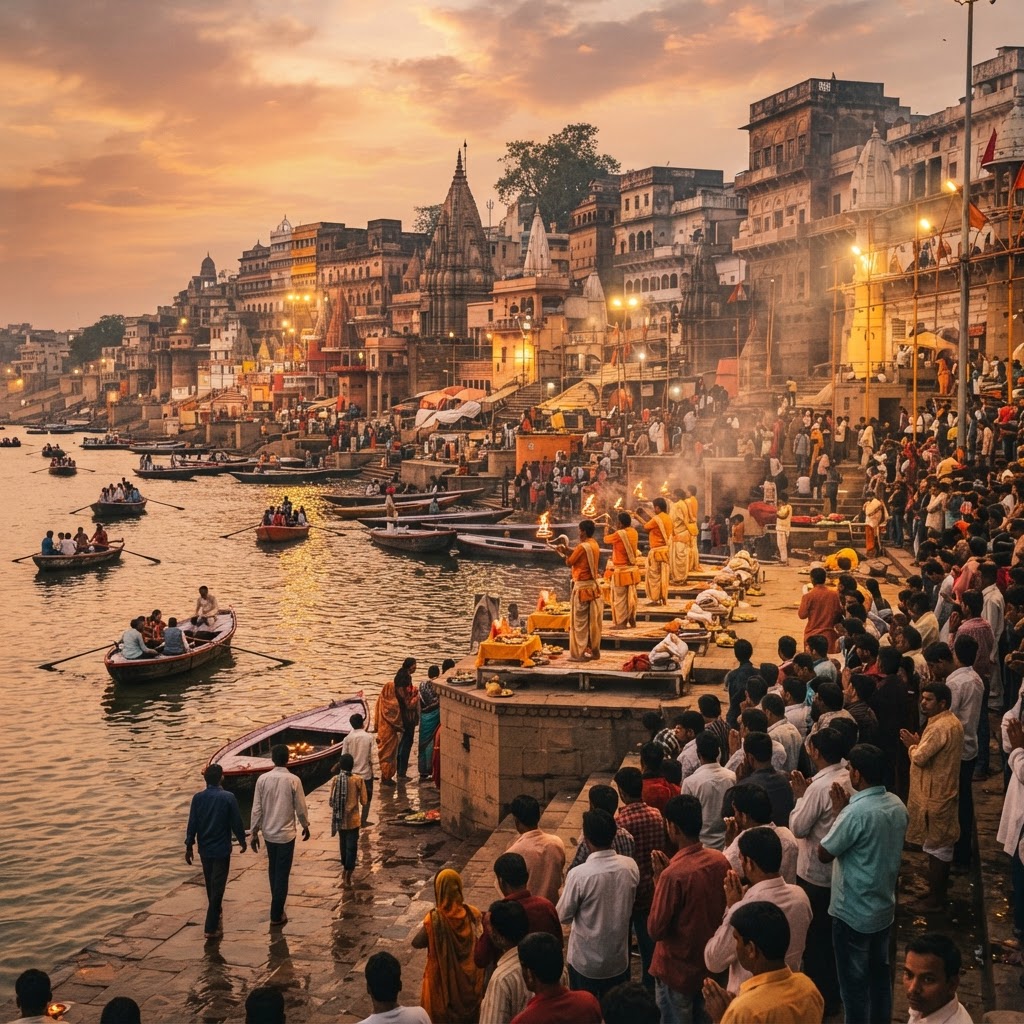
Varanasi (also known as Kashi or Benares) is one of the world's oldest continuously inhabited cities and the spiritual nucleus of Hinduism. Situated on the west bank of the Ganges River, it is an unapologetically raw sensory immersion defined by sweeping stone riverfront steps (ghats), labyrinthine medieval alleys (galis), evening fire-rituals, and continuous open-air funeral pyres. Visiting Varanasi is less about checking off monuments and more about witnessing intimate human life cycles and devotional traditions that have remained structurally unchanged for millenia.
3 days
Best time
November to February for crisp, walkable mornings and bearable afternoons along the exposed stone steps.
Build your own trip with these prebuilt itineraries
Each one is a tested, day-by-day plan for Varanasi, Uttar Pradesh, India — start here, then make it yours.
2 Days: Sacred Riverfront & Old City Essence in Varanasi
Fast-paced immersion in the iconic ghats, sunrise boat rituals, evening Ganga Aarti, and the historic galis
3 Days: Heritage, Mystics & Sarnath in Varanasi
The classic spiritual and historical route balancing intense ghat explorations with the Buddhist ruins of Sarnath and local street culinary traditions
5 Days: Deep Cultural Immersion & Living Traditions
Slow-paced exploration focused on classical music, silk weaving workshops, lesser-visited southern ghats, and documentary photography
Go for an unvarnished encounter with living spiritual antiquity that exists nowhere else on earth. The dawn boat glide along the Ganges past 80-plus ghats—watching pilgrims bathe as mist lifts over historic palace facades—is an unmatched visual and cultural experience. The nightly Ganga Aarti fire offering at Dashashwamedh Ghat and the stark confrontation with mortality at the sacred burning ghats like Manikarnika make Varanasi an essential stop for anyone seeking to understand the spiritual marrow of India.
Where to stay
Getting there
Getting around
Food & drink
What it costs
Skip it if
Skip Varanasi if you cannot tolerate unvarnished street chaos, intense crowds, pungent odors, and the constant, public presence of death and mourning rituals. It is also poorly suited for travelers with severe mobility limitations or heavy wheeled luggage, as the Old City requires navigating steep, irregular stone staircases and slick, cow-dotted corridors inaccessible to wheelchairs or motor vehicles.
When to go
Daytime temperatures between 15°C and 25°C make walking the several miles of riverfront steps feasible. Summer temperatures exceed 42°C and turn the stone ghats into ovens, while monsoons fully submerge the walkways, eliminating foot passage between river points.
Peak (November–February)
Clear skies, chilly morning fog, and seasonal winter sweets like Malaiyyo; expect maximum pilgrim density around Dashashwamedh Ghat and premium rates at riverside havelis.
Shoulder (October & March)
October dries out after the rains, while March delivers warm festival energy around Holi; daytime sun is intense but crowds are lighter than mid-winter.
Low (April–September)
April to June brings brutal dry heat reaching above 42°C, while July to September monsoon floods submerge the lower ghats, cutting off walking routes and suspending small rowboats.
Neighborhoods
Where you stay shapes the trip. Here's how to think about it.
Assi Ghat & Nagwa
Spacious, artsy riverfront enclave populated by academics, long-stayers, and sunrise yoga practitioners.
Best for:First-timers, solo travelers, and anyone wanting river proximity without the asphyxiating crowds of the central ghats
Don't miss:Subah-e-Banaras morning music and Vedic recitations at Assi Ghat, followed by lemon tea and apple pie at Open Hand Cafe.
Old City & Dashashwamedh Ghat
Frenetic, medieval pedestrian labyrinth vibrating with continuous pilgrim traffic, temple bells, and funeral processions.
Best for:Backpackers with light luggage, street photographers, and purists wanting to wake up inside the spiritual epicenter
Don't miss:Thick, hand-churned lassi served in terracotta cups at Blue Lassi Shop, tucked deep inside the galis near Manikarnika Ghat.
Cantonment (Cantt)
Sprawling colonial-era cantonment lined with wide tree-lined boulevards, walled hotel compounds, and corporate calm.
Best for:Luxury travelers prioritizing resort amenities, quiet nights, pool facilities, and reliable vehicle drop-offs
Don't miss:Dining within the manicured estate gardens of Taj Ganges before heading into the historic core.
Gurudham Colony & Bhelupur
Upscale residential buffer zone bridging the chaos of the riverfront and the accessibility of outer roadways.
Best for:Couples, families, and boutique hotel seekers who require direct vehicle drop-offs and quiet nights without long commutes
Don't miss:Morning walks to Durga Kund Temple followed by savory kachori-sabzi from local neighbourhood halwais.
Destination intelligence
Updated 10/6/2026The structured record we plan every Varanasi, Uttar Pradesh, India itinerary from.
Walkability
High along the continuous river ghats and inside the car-free Old City galis, though surfaces are steep, uneven, and crowded; low across the wider vehicular city due to heavy traffic and broken sidewalks.
Transit quality
Basic. There is no metro; getting around depends on an extensive, chaotic fleet of battery e-rickshaws, shared auto-rickshaws, and traditional cycle-rickshaws, alongside point-to-point rail links.
Car needed
Strictly no. A personal or rental car is a major liability; the historic core is physically impassable to standard motor vehicles, and city traffic is congested.
Ideal duration
3 days
Minimum useful
2 days
Peak season
November to February (Cool, crisp daytime temperatures between 15°C and 25°C, comfortable for walking the ghats and enjoying seasonal sweets like Malaiyyo).
Shoulder season
October and March (Warm but tolerable shoulder periods; March brings colorful Holi festivities along the riverbanks).
Low season
April to September (Brutal dry summer heat with temperatures exceeding 42°C from April to June, followed by heavy monsoon floods submerging lower ghat steps through September).
Best for
Common mistakes
- Attempting to take a regular taxi to a hotel booked deep in the ghat alleys without realizing Godowlia is barricaded to four-wheelers.
- Taking photographs or pointing video cameras at the cremation fires at Manikarnika or Harishchandra Ghat, which is deeply offensive and strictly prohibited.
- Booking a hotel in the distant Cantonment area when your main goal is exploring the river, trapping yourself in 2 hours of daily gridlock.
- Falling for rogue 'burning ghat guides' demanding cash donations for sandalwood pyre funds.
- Bathing in or sipping the water of the Ganges, which carries substantial biological and industrial contamination despite its religious sanctity.
Best nearby
See what a trip to India actually costs. Travel Budget Co.
How to plan it
- Base yourself in Assi Ghat if you want walkable river access without the continuous vehicular blockades and luggage chaos of Godowlia Crossing.
- Schedule your Ganges boat excursion for dawn rather than midday; morning light reveals active river ablutions and the water is significantly calmer than during the evening Aarti rush.
- Do not attempt Sarnath on the same day as your Kashi Vishwanath Temple Darshan; navigating security queues and crossing city traffic in an e-rickshaw will drain your energy.
- Pre-book any Kashi Vishwanath Temple 'Sugam Darshan' passes online via the official trust portal several weeks early to bypass standard multi-hour queues.
Questions
More in India
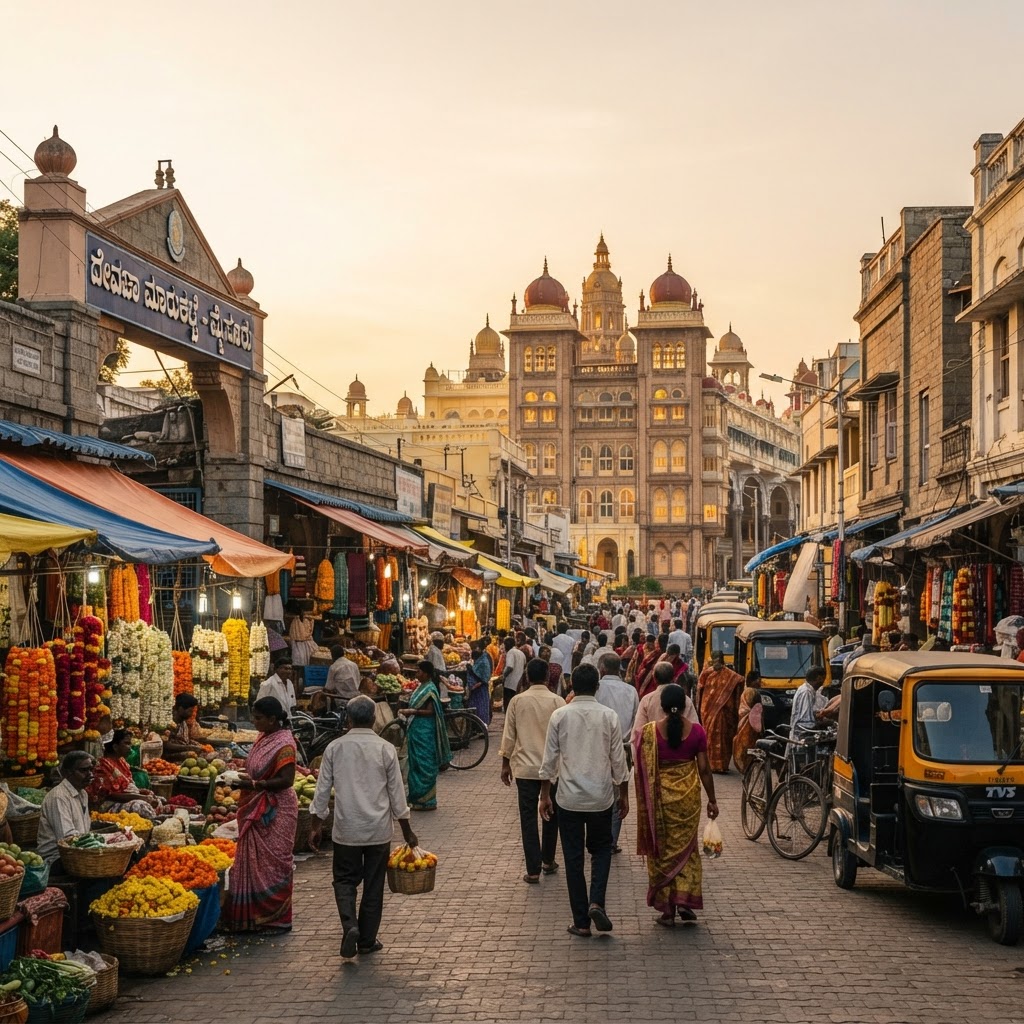
Mysore (Mysuru)
India
Wadiyar royal heritage, fragrant markets, and world-capital Ashtanga yoga minus metro sprawl.
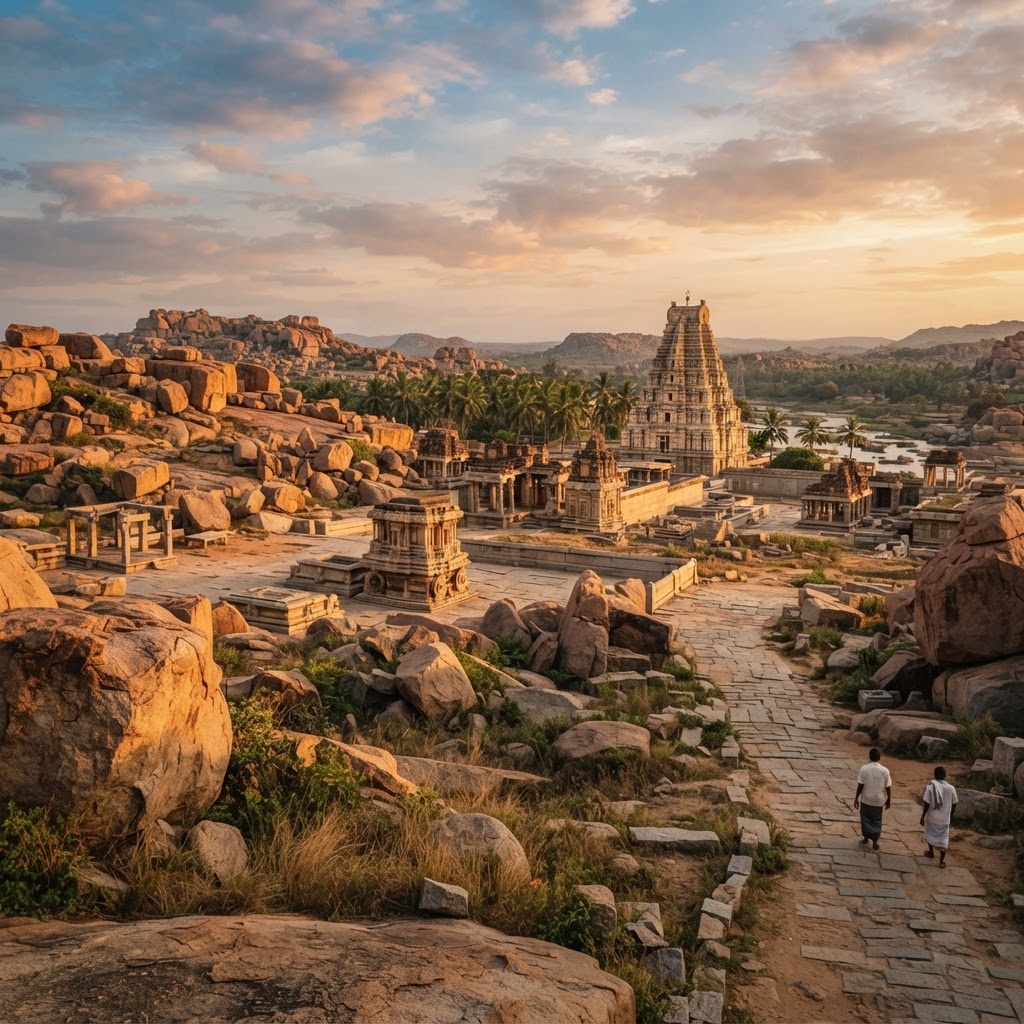
Hampi, India
India
A surreal expanse of granite boulders and ruined 14th-century Vijayanagara imperial monuments
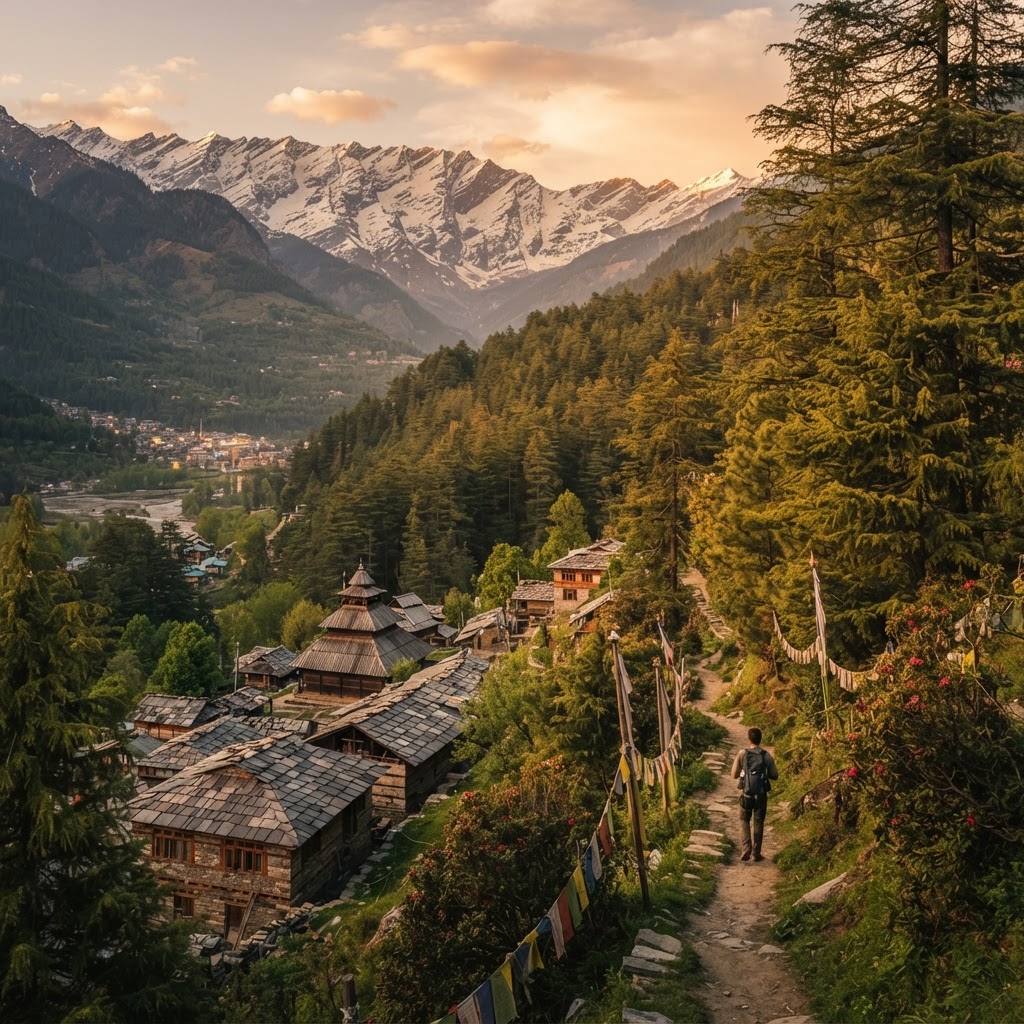
Manali, Himachal Pradesh
India
Beyond Mall Road gridlock lies pine-forested alpine trails and Himalayan high-pass gateways.
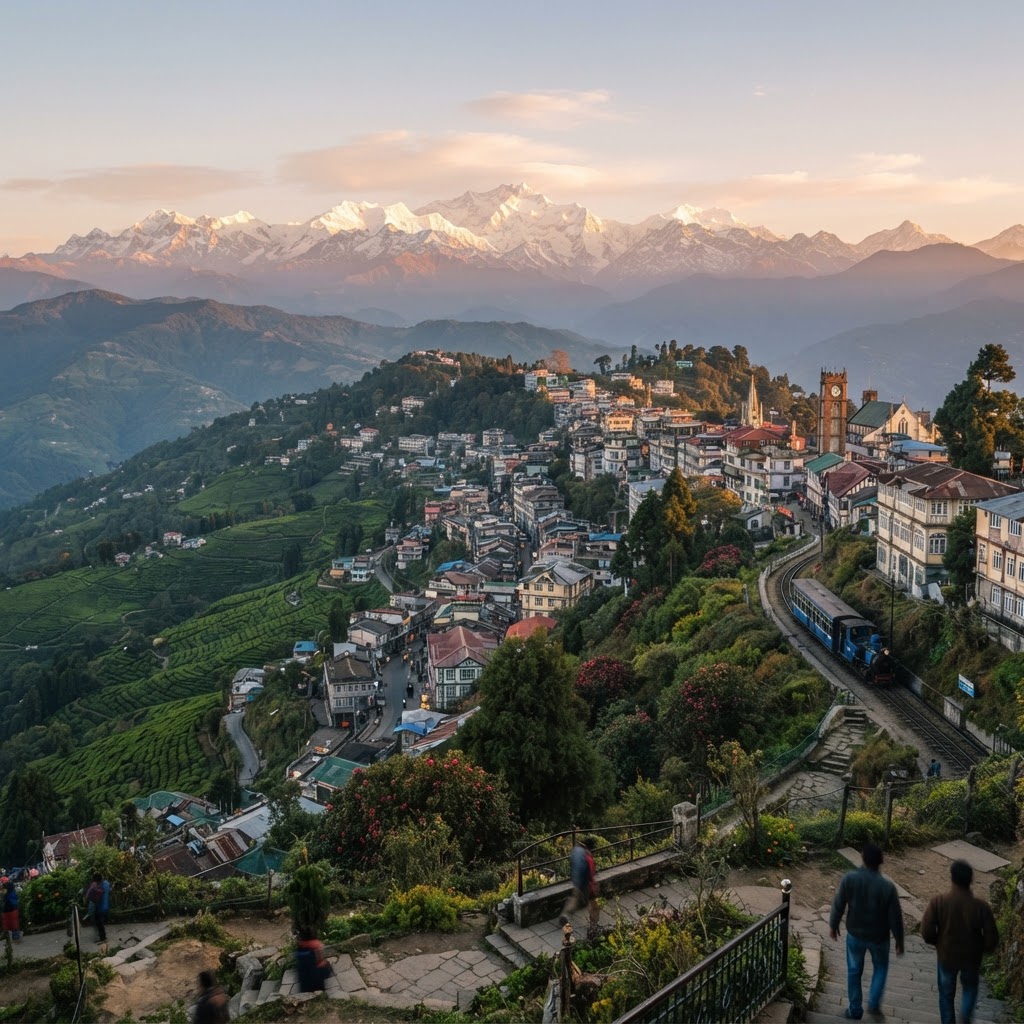
Darjeeling, West Bengal, India
India
Steep colonial ridge lines, first-flush tea estates, and dawn views of Kangchenjunga.
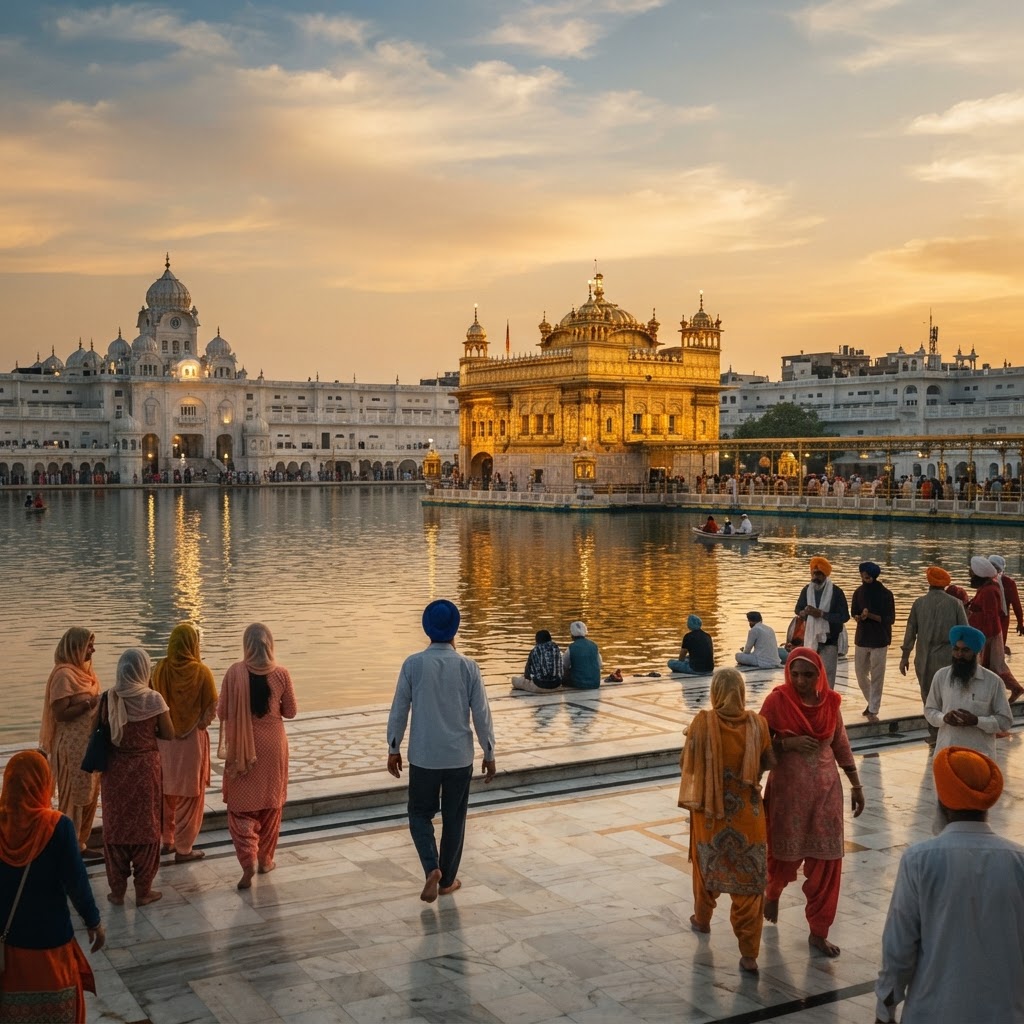
Amritsar, Punjab, India
India
The spiritual heart of Punjab, forged in sacred tradition, profound history, and unbeatable culinary culture.
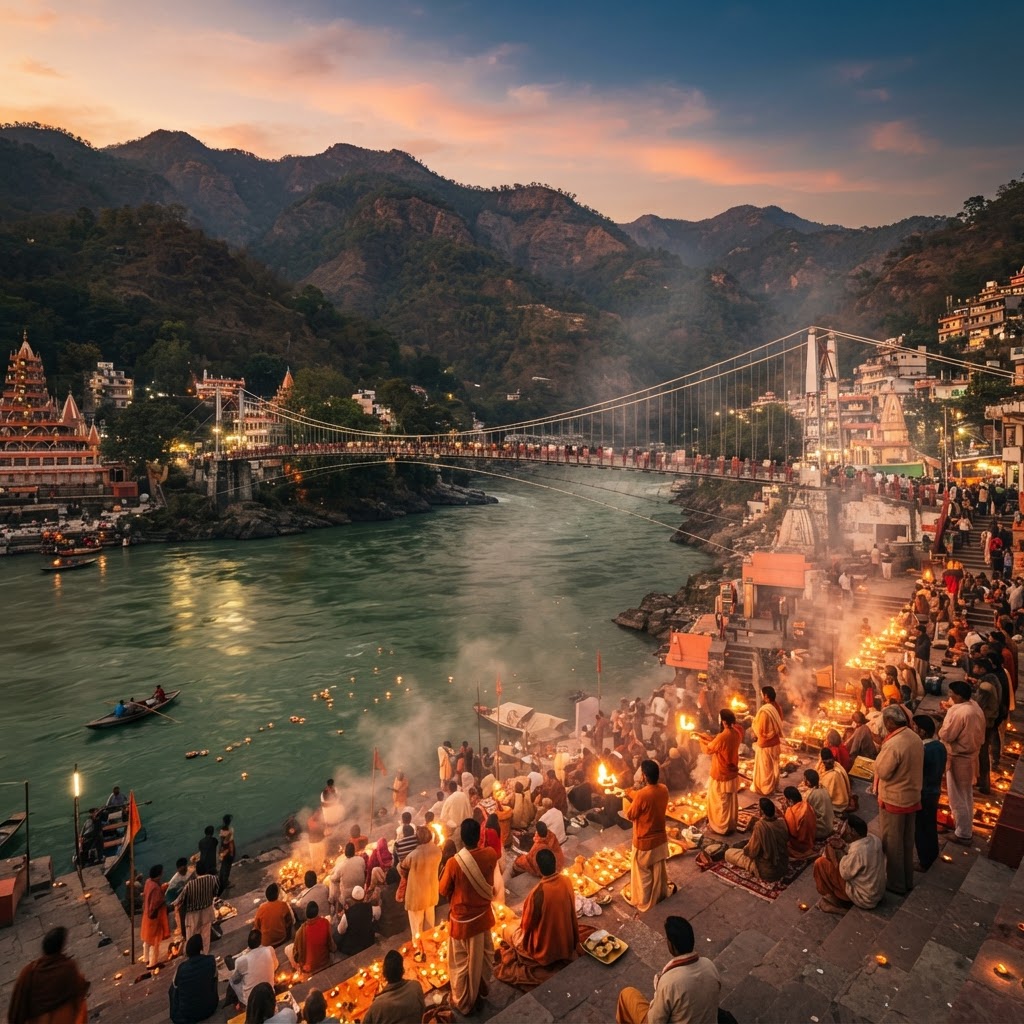
Rishikesh
India
Where Himalayan whitewater meets evening ashram chants on the Ganges
Readymade itineraries
Start from a tested template — then make it yours.
Ready to book
Lock in your Varanasi, Uttar Pradesh, India trip
Everything in one place. We may earn a small commission — it never costs you more.
Plan a trip to Varanasi, Uttar Pradesh, India
Pick a length and we'll build a day-by-day plan around how you travel — neighborhoods clustered, budget-aware, and editable.
Get better at planning trips like this
Occasional notes on planning smarter — no spam, unsubscribe anytime.
Plan a trip to Varanasi, Uttar Pradesh, India
Turn this guide into a day-by-day plan built around your pace, your group, and your budget.
Build my Varanasi, Uttar Pradesh, India trip