India
Hampi, India
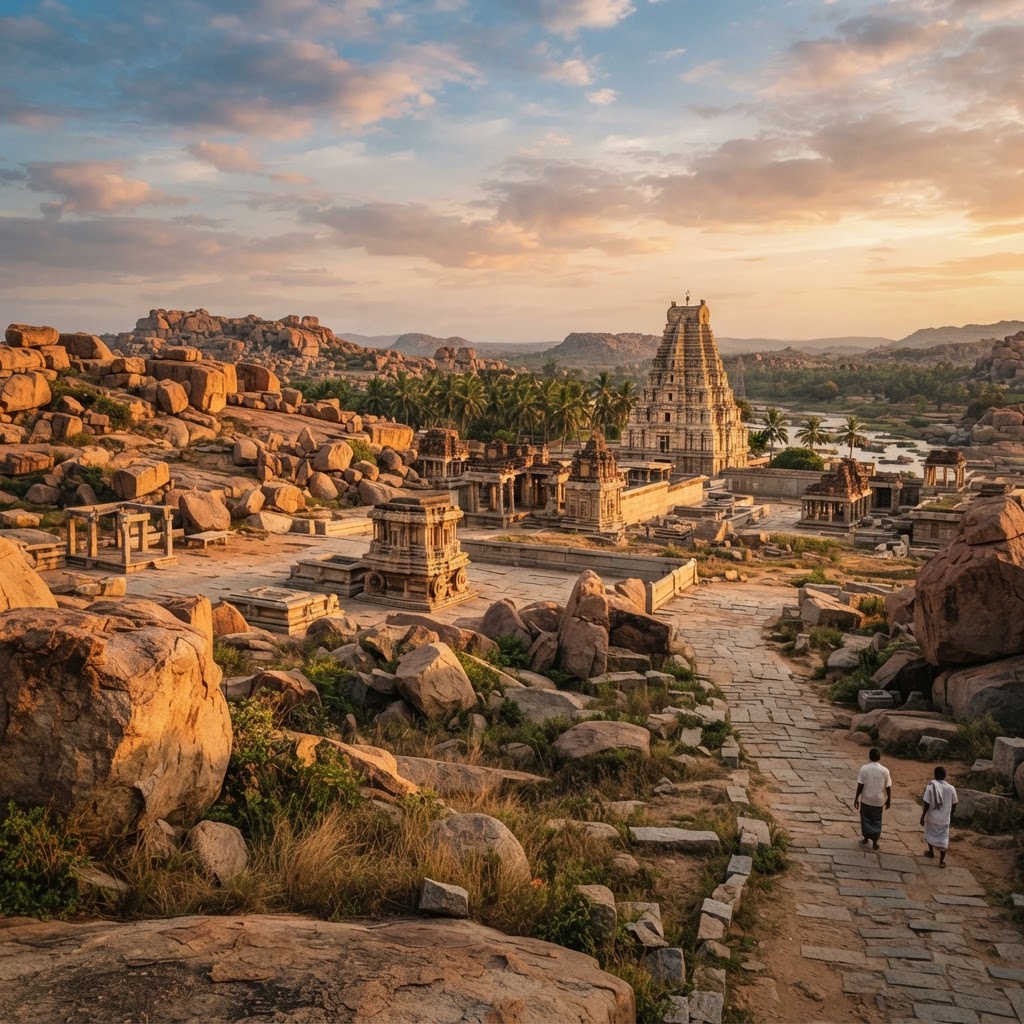
A surreal expanse of granite boulders and ruined 14th-century Vijayanagara imperial monuments
Plan & book
Sort your Hampi, India trip in one place.
We point you to the booking tools we'd actually use — live prices, no markup. Or let us build the day-by-day plan around you first, then book.
Hampi is a UNESCO World Heritage landscape along the Tungabhadra River, where massive ochre boulders meet the carved stone ruins of the 14th-century Vijayanagara Empire. Unlike manicured heritage parks, the ruins span over 40 square kilometers of living agricultural land, active pilgrimage shrines, and granite hills. The southern side anchors the core archaeological zones—the sacred riverside and the imperial royal enclosure—while the northern riverbank unfolds into rural villages, paddy fields, and rocky climbs. It is an extraordinary open-air historical site that demands slow exploration, heat tolerance, and substantial walking.
3 to 4 days
Best time
November to February for dry, moderate weather that permits full-day trekking among unshaded granite.
Build your own trip with these prebuilt itineraries
Each one is a tested, day-by-day plan for Hampi, India — start here, then make it yours.
4 Days in Hampi: Ruins, Boulders & Active Exploration in Hampi
A slower-paced, outdoor-focused adventure featuring sunrise hill hikes, bouldering, scooter-based village excursions, and unhurried heritage photography.
3 Days in Hampi: Complete South & North Bank Circuit in Hampi
The definitive classic balance between the majestic south-bank archaeological wonders and the relaxed, boulder-strewn landscape across the river.
2 Days in Hampi: Ancient Vijayanagara Highlights in Hampi
A focused, fast-paced dive into the essential South Bank ruins, temples, and Royal Enclosure monuments using hired auto-rickshaws.
Hampi offers an uncurated immersion into one of medieval India's wealthiest empires, set across a stark geological terrain found nowhere else on the subcontinent. You can wander uncrowded 500-year-old market colonnades at sunrise, examine intricate Dravidian stone carvings at the Vittala and Virupaksha temples, and watch the Tungabhadra River cut through boulder-strewn hills without theme-park ropes keeping you at bay. It combines monumental architecture, living Hindu pilgrimage traditions, and quiet rural scenery in a single footprint.
Where to stay
Getting there
Getting around
Food & drink
What it costs
Things to do
Book tours & tickets in Hampi, IndiaSkip it if
Skip Hampi if you cannot handle uneven terrain, steep granite steps, and prolonged sun exposure, as accessibility for travelers with limited mobility is extremely restricted across the ruins. Also skip if your priority is nightlife, resort-style poolside lounging, or a fine-dining culinary trip, as the town is dry, vegetarian, and early-to-sleep.
When to go
Granite boulders act like thermal batteries in Hampi; winter daytime highs stay around 28°C to 32°C, meaning you can walk between temple complexes without severe heat exhaustion. Peak season brings higher guesthouse rates and temple crowds, but low summer temperatures exceed 42°C, which halts outdoor exploration by 9:30 AM.
Peak (October to March)
Crisp mornings, manageable midday heat, and clear skies. Monument sites and rickshaws are busy, and hotel rates reach their ceiling—especially around the annual Hampi Utsav and year-end holidays.
Shoulder (July to September)
The monsoon paints the arid boulder valley vibrant emerald and cools the ambient air, but granite climbs become hazardous and slick, and high river currents frequently halt coracle crossings.
Low (April to June)
Brutal Deccan summer heat consistently topping 40°C to 45°C. Open stone complexes become furnace-like thermal traps, rendering all unshaded walking between 10:00 AM and 4:30 PM punishing.
Neighborhoods
Where you stay shapes the trip. Here's how to think about it.
Hampi Bazaar & Sacred Centre
Living temple town bustling with pilgrim activity, local chai stalls, and ancient stone streets
Best for:First-timers, temple-goers, and dawn photographers
Don't miss:The golden-hour silhouette climb up Hemakuta Hill overlooking the active Virupaksha Temple gopuram
Kamalapura
Quiet administrative hamlet serving as the direct logistical gateway to the royal ruins
Best for:Travelers prioritizing comfort, air-conditioned upscale hotels, and archaeology depth
Don't miss:The ASI Archaeological Museum and immediate early morning access to the Royal Enclosure before bus tours arrive
Sanapur & Hippie Island North
Laid-back rural countryside framed by bright green rice paddies, cliff jumps, and scooter roads
Best for:Slow travelers, boulderers, backpackers, and café loungers
Don't miss:Renting a 125cc scooter to circle Sanapur Lake and catching sunset from the rock formations behind the reservoir
Anegundi
Quiet, fortified heritage village predating Vijayanagara, rich with rural artisan workshops and mythology
Best for:Heritage purists, cultural travelers, and seekers of village tranquility
Don't miss:The 575-step dawn ascent up Anjaneya Hill (Monkey Temple) for a 360-degree panorama of the boulder valley
Destination intelligence
Updated 9/14/2026The structured record we plan every Hampi, India itinerary from.
Walkability
Moderate within individual ruin clusters, but low overall. Site complexes (like the Royal Enclosure and Vittala Temple) require miles of walking on unpaved rock, but traveling between clusters requires wheels.
Transit quality
Limited. There is no metro or city tram. Local transport relies on shared or private auto-rickshaws, rented scooters, and sporadic KSRTC buses running between Hospet and Kamalapura.
Car needed
Not required. A private car or hiring an auto-rickshaw for the day handles the South Bank monuments effortlessly, while a rented scooter is ideal for the North Bank.
Ideal duration
3 to 4 days
Minimum useful
2 full days
Peak season
October to March. Daily temperatures stay between 18°C and 32°C with dry skies, making all-day walking and hill climbs realistic. The annual Hampi Utsav takes place during this window.
Shoulder season
July to September. The monsoon turns the dry boulder landscape lush green with flowing rivers and fewer tourists, though intermittent downpours can make granite surfaces slick.
Low season
April to June. Extreme summer heat frequently exceeds 40°C (104°F), making midday outdoor temple exploration grueling and potentially unsafe.
Best for
Common mistakes
- Attempting Hampi as a rushed day trip from Bengaluru or Goa; the transit is punishing and you miss early morning and late evening light when the temperature drops.
- Failing to carry adequate drinking water and sun protection; the granite ruins provide almost no shade and ambient heat radiating off the stones causes rapid dehydration.
- Staying on the North Bank without realizing the primary archaeological sites (Vittala, Royal Enclosure) are on the South Bank, which can require a long detour by road when river coracles are not running.
- Visiting in April or May, when temperatures regularly cross 40°C (104°F), turning stone pavements scorching hot and outdoor temple walks painful.
- Relying solely on digital payments; network reception among the granite ridges can be patchy, and many auto-rickshaw drivers and small dining spots take cash only.
Best nearby
See what a trip to India actually costs. Travel Budget Co.
How to plan it
- Dedicate one uninterrupted sunrise to Hemakuta Hill or Matanga Hill to watch morning light break over the Tungabhadra valley before temple gates open.
- Do not attempt both sides of the Tungabhadra River in a single morning; the road detour across the bridge takes 35 minutes each way, so group all South Bank monuments on one day and North Bank sites on another.
- Walk the riverside boulder path from the Bazaar to Vittala Temple at 7:30 AM rather than taking the battery cart from the parking lot—you will pass hidden carved pavilions like the Achyutaraya Temple that most vehicles bypass.
- Reserve government-run KSTDC Mayura Bhuvaneshwari in Kamalapura or private heritage resorts like Evolve Back at least 6 to 8 weeks ahead if traveling between December and January.
- Plan a mid-day siesta between 12:30 PM and 3:30 PM even in winter; explore sheltered museum galleries or linger at an open-air café in Sanapur while the midday sun is high.
Questions
More in India
Mysore (Mysuru)
India
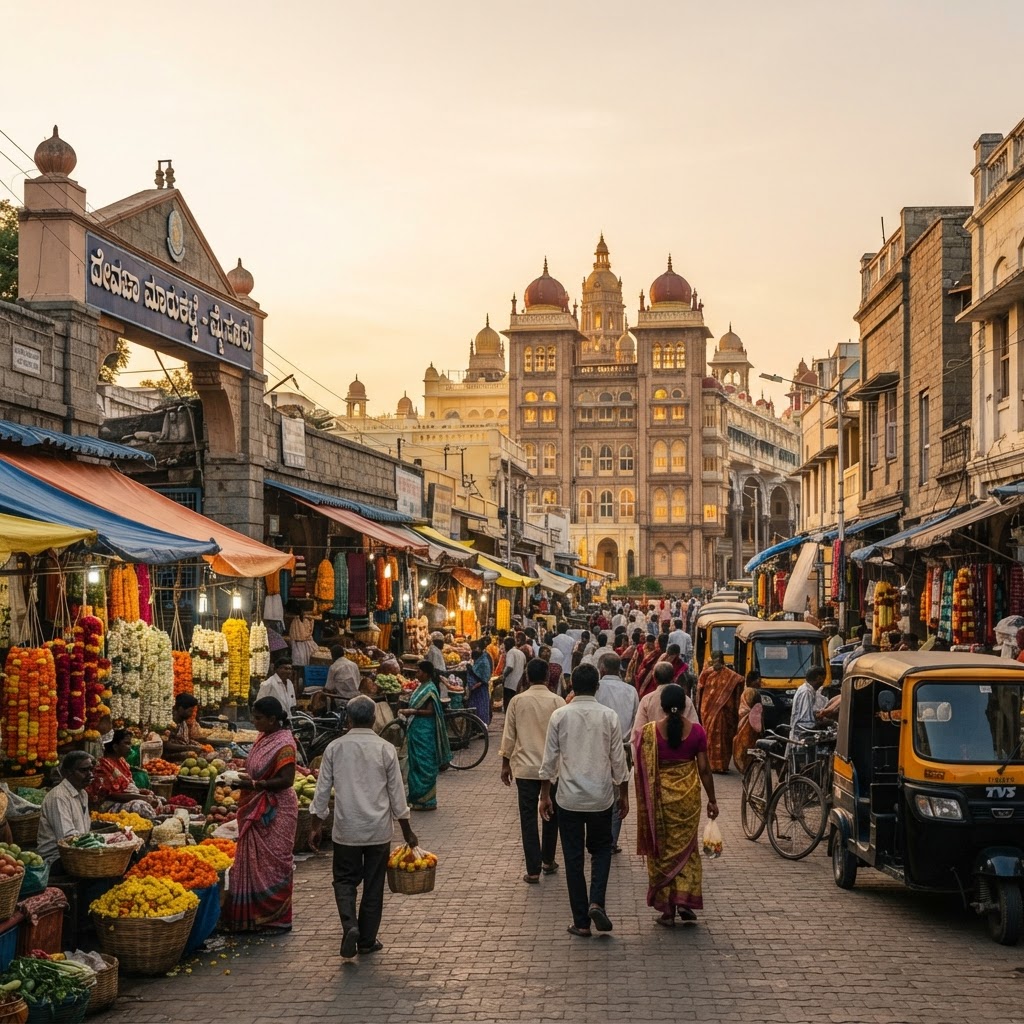
Wadiyar royal heritage, fragrant markets, and world-capital Ashtanga yoga minus metro sprawl.
Manali, Himachal Pradesh
India
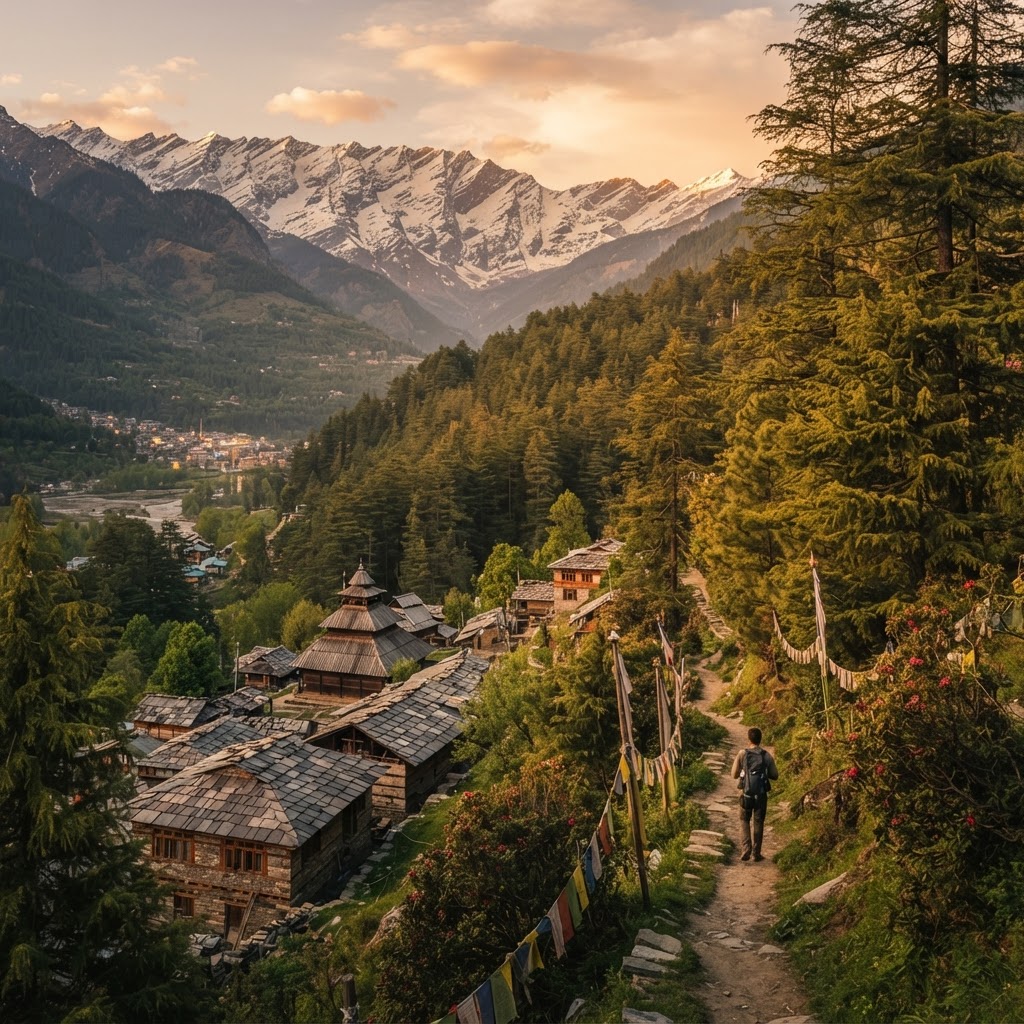
Beyond Mall Road gridlock lies pine-forested alpine trails and Himalayan high-pass gateways.
Darjeeling, West Bengal, India
India
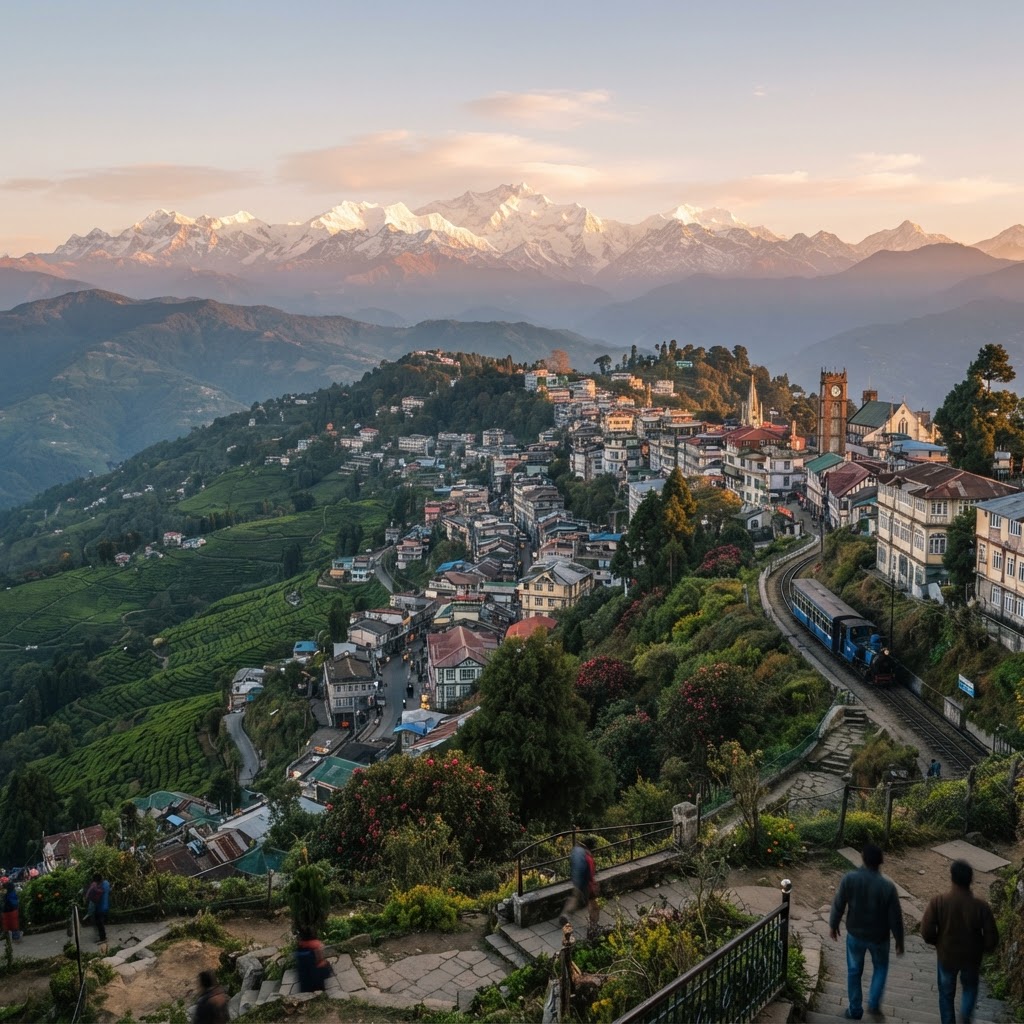
Steep colonial ridge lines, first-flush tea estates, and dawn views of Kangchenjunga.
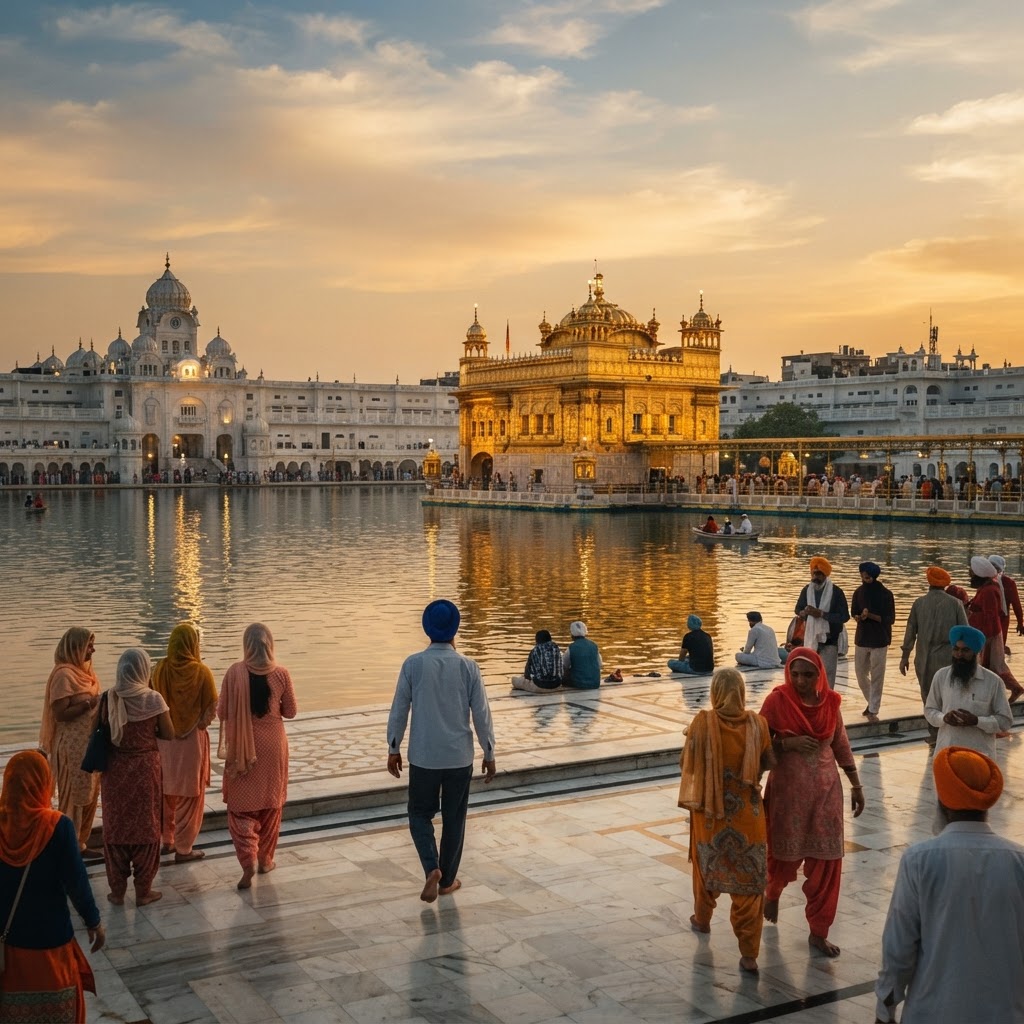
Amritsar, Punjab, India
India
The spiritual heart of Punjab, forged in sacred tradition, profound history, and unbeatable culinary culture.
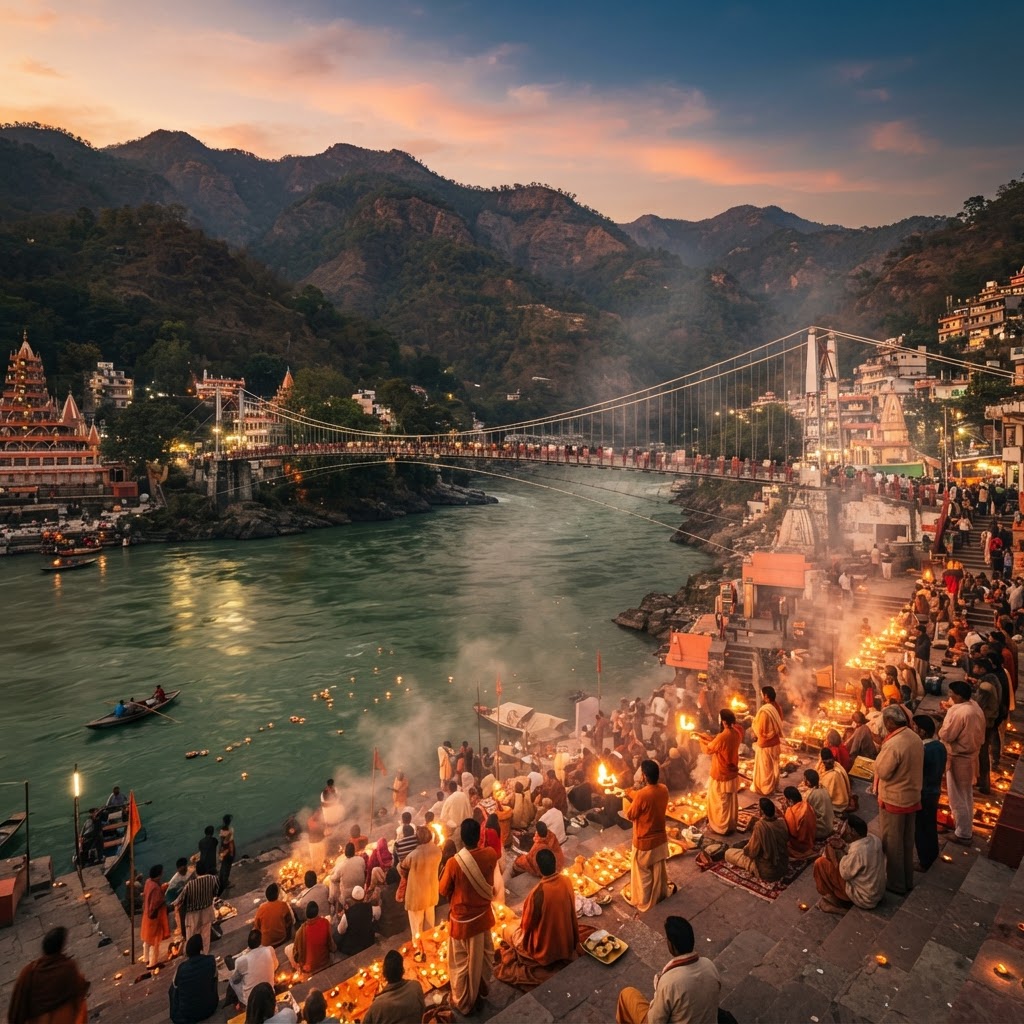
Rishikesh
India
Where Himalayan whitewater meets evening ashram chants on the Ganges
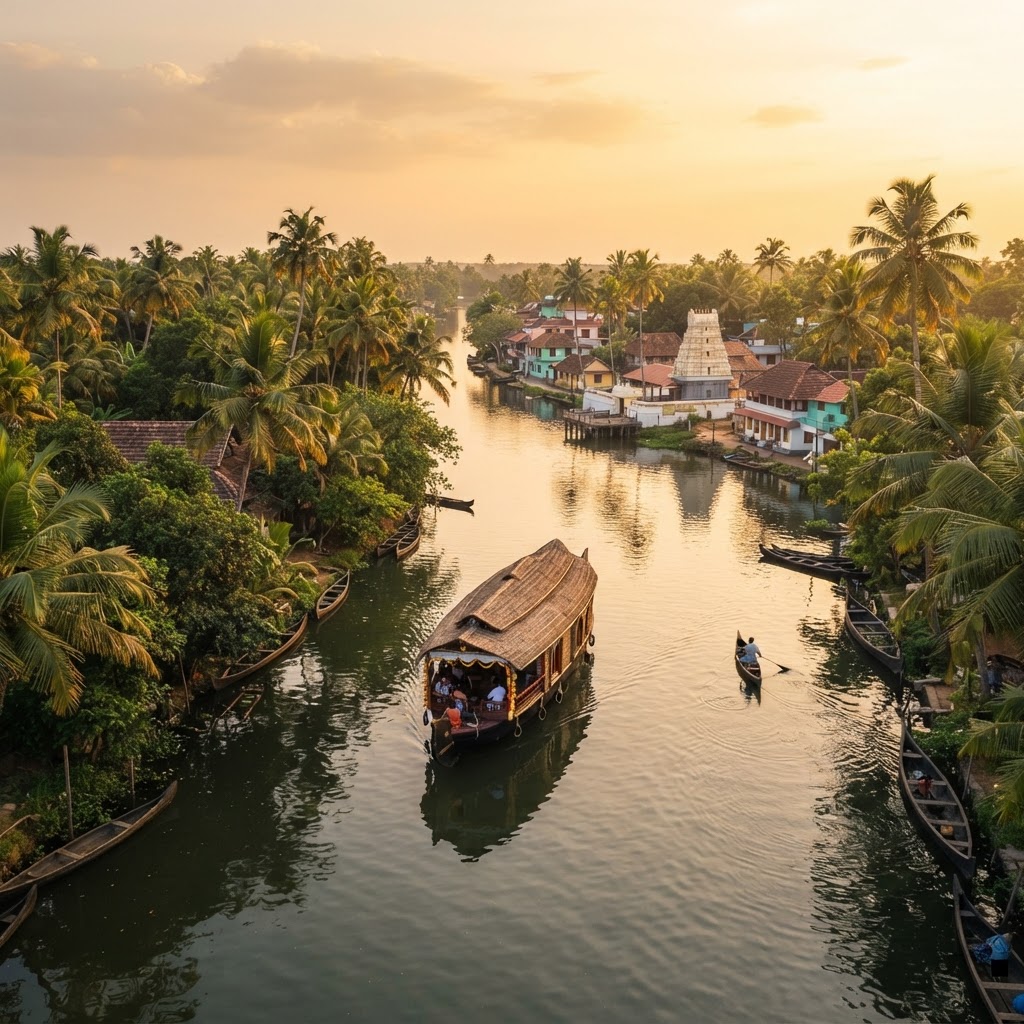
Kerala Backwaters, India
India
A sprawling 900-kilometer labyrinth of palm-fringed lagoons, quiet village canals, and slow-paced water life
Readymade itineraries
Start from a tested template — then make it yours.
Ready to book
Lock in your Hampi, India trip
Everything in one place. We may earn a small commission — it never costs you more.
Plan a trip to Hampi, India
Pick a length and we'll build a day-by-day plan around how you travel — neighborhoods clustered, budget-aware, and editable.
Get better at planning trips like this
Occasional notes on planning smarter — no spam, unsubscribe anytime.
Plan a trip to Hampi, India
Turn this guide into a day-by-day plan built around your pace, your group, and your budget.
Build my Hampi, India trip