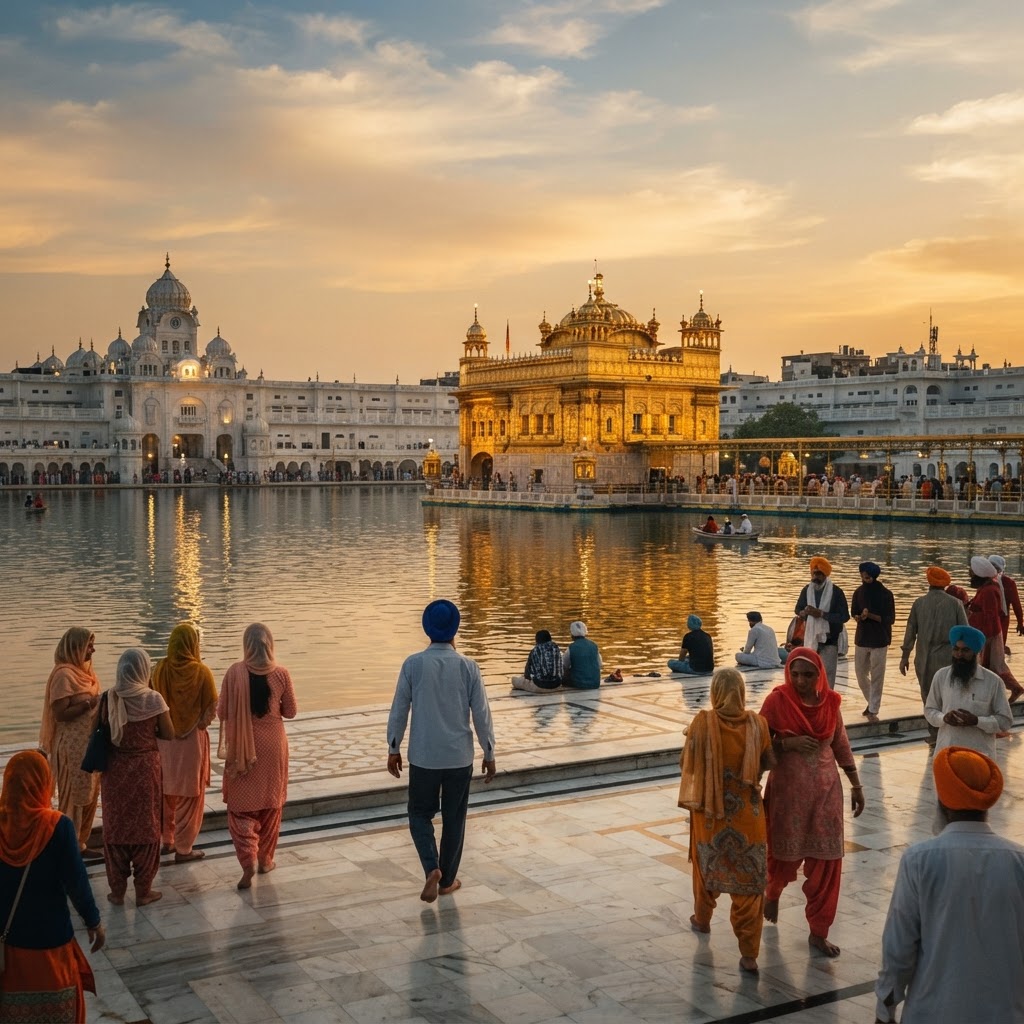
India
Amritsar, Punjab, India
The spiritual heart of Punjab, forged in sacred tradition, profound history, and unbeatable culinary culture.
Plan & book
Sort your Amritsar, Punjab, India trip in one place.
We point you to the booking tools we'd actually use — live prices, no markup. Or let us build the day-by-day plan around you first, then book.
Amritsar is an emotionally intense, architecturally profound city anchored by Harmandir Sahib (the Golden Temple), the spiritual nexus of the Sikh faith. Beyond the shimmering waters of the Amrit Sarovar, the city serves as a living witness to modern South Asian history through the Partition Museum and Jallianwala Bagh, while offering one of northern India's most celebrated street food cultures.
3 days
Best time
November to February delivers crisp, sunny days and cool nights perfect for walking and outdoor ceremonies.
Build your own trip with these prebuilt itineraries
Each one is a tested, day-by-day plan for Amritsar, Punjab, India — start here, then make it yours.
4 Days in Amritsar: Deep History & Borderlands in Amritsar
In-depth Partition narratives, colonial history, village cultural immersion, and border outposts
3 Days in Amritsar: Culinary Heritage & Punjabi Flavors in Amritsar
Iconic dhabas, heritage Old City street foods, and sacred langar culinary traditions
2 Days in Amritsar: Spiritual & Historic Highlights in Amritsar
Essential monuments, Golden Temple day-and-night rituals, and the Wagah Border spectacle
To experience the radical hospitality and spiritual clarity of Harmandir Sahib and its 24-hour community kitchen (Guru-Ka-Langar), confront poignant twentieth-century history at the Partition Museum, and eat peerless slow-cooked dal makhani and crisp tandoor-baked kulchas right where they originated.
Where to stay
Getting there
Getting around
Food & drink
What it costs
Things to do
Book tours & tickets in Amritsar, Punjab, IndiaSkip it if
Skip Amritsar if you are seeking a relaxed resort vacation, quiet nature retreats, or cannot tolerate high sensory density, congested traffic, and emotional historical sites.
When to go
Winter brings comfortable daytime temperatures between 10°C and 22°C (50°F to 72°F) ideal for crossing marble temple paths barefoot, but hotel rates peak around gurpurabs and December holidays. Avoid May and June, where scorching heat above 40°C (104°F) makes daytime sightseeing physically grueling.
Peak (October to March)
Crisp air, blooming rural mustard fields, and cold nights; heavy pilgrim volumes require booking heritage hotels weeks in advance.
Shoulder (July to September)
Monsoon downpours and thick humidity reduce street foot traffic, though downpours are brief compared to coastal India.
Low (April to June)
Brutal dry heat topping 42°C (108°F) turns outdoor walking into an ordeal; hotel rates drop significantly.
Neighborhoods
Where you stay shapes the trip. Here's how to think about it.
Heritage Street & Golden Temple Precinct
Sacred, deeply active, and pedestrian-only with constant hymns playing and pilgrim foot traffic.
Best for:First-timers, pilgrims, and travelers wanting step-outside access to Harmandir Sahib
Don't miss:The Palki Sahib night procession inside Harmandir Sahib and morning kulchas at Bhai Kulwant Singh Kulchian.
Ranjit Avenue
Modern, organized, and upscale commercial district with leafy streets, contemporary cafés, and business hotels.
Best for:Business travelers, families requiring modern amenities, and anyone needing respite from Old City chaos
Don't miss:Dining at the craft microbreweries and modern North Indian restaurants clustered in D-Block.
Cantonment (The Mall Road & Court Road)
Colonial-era wide boulevards, quiet green avenues, and historic dining institutions.
Best for:Heritage enthusiasts, luxury hotel seekers, and food travelers wanting classic dhabas
Don't miss:A sit-down meal of dal makhani and butter chicken at the original Kesar Da Dhaba branch or Crystal Restaurant on Queens Road.
Katras of the Walled City (Hall Bazaar & Katra Jaimal Singh)
Frenetic, dense medieval market grid filled with cycle rickshaws, textile shops, and frying snacks.
Best for:Culinary explorers, textile shoppers looking for authentic Phulkari embroidery, and photographers
Don't miss:Navigating Katra Jaimal Singh for authentic Phulkari shawls followed by a glass of hand-churned lassi at Ahuja Milk Centre.
Destination intelligence
Updated 9/14/2026The structured record we plan every Amritsar, Punjab, India itinerary from.
Walkability
Moderate. The Old City Heritage Street zone is pedestrian-only and ideal for walking, but the rest of the urban grid is heavily motorized, crowded, and better navigated by auto-rickshaw.
Transit quality
Moderate. The city operates a dedicated Bus Rapid Transit System (BRTS) and ubiquitous cycle/auto-rickshaws, backed by reliable domestic rail connectivity.
Car needed
No. Self-driving is strongly discouraged due to extreme road congestion and pedestrianized heritage areas; hired private cars with drivers are recommended solely for Wagah Border trips.
Ideal duration
3 days
Minimum useful
2 days
Peak season
October to March, bringing cool, comfortable daytime temperatures and brisk evenings suitable for walking tours and outdoor ceremonies.
Shoulder season
July to September, characterized by monsoon rains, elevated humidity, and fewer crowds.
Low season
April to June, when intense summer heat regularly exceeds 40°C (104°F), making afternoon walking unbearable.
Best for
Common mistakes
- Attempting to self-drive or rent a car; local traffic is dense, roads are narrow, and parking near attractions is virtually non-existent.
- Visiting the Golden Temple only once in the middle of the day; the experience completely transforms at 4:00 AM and 10:00 PM during ceremonial transitions.
- Failing to bring a head scarf or modest attire; heads must remain covered and legs covered on temple premises, and shoes must be surrendered at token counters.
- Leaving too late for the Wagah Border ceremony; the stands fill rapidly, security checks are thorough, and bags/backpacks are prohibited inside the stadium area.
- Packing a tight Western meal schedule; leave ample digestive leeway for Amritsar's dense, butter- and ghee-rich culinary heavyweights.
Best nearby
See what a trip to India actually costs. Travel Budget Co.
How to plan it
- Visit Harmandir Sahib twice: once at dawn for quiet reflection and again after dark to witness the temple illuminated against the Amrit Sarovar.
- Stay in the Cantonment or Ranjit Avenue if you value soundproofing, elevators, and vehicle drop-offs directly at your hotel door.
- Group the Golden Temple, Jallianwala Bagh, and the Partition Museum into the same half-day; they sit within a five-minute walk along pedestrian Heritage Street.
- Do not schedule an afternoon flight or train right after Wagah Border; highway traffic and border crowds mean you will not return to town before 7:30 PM.
- Budget at least 90 unhurried minutes inside the Town Hall Partition Museum; the archival voice recordings and oral histories require emotional focus.
Questions
More in India
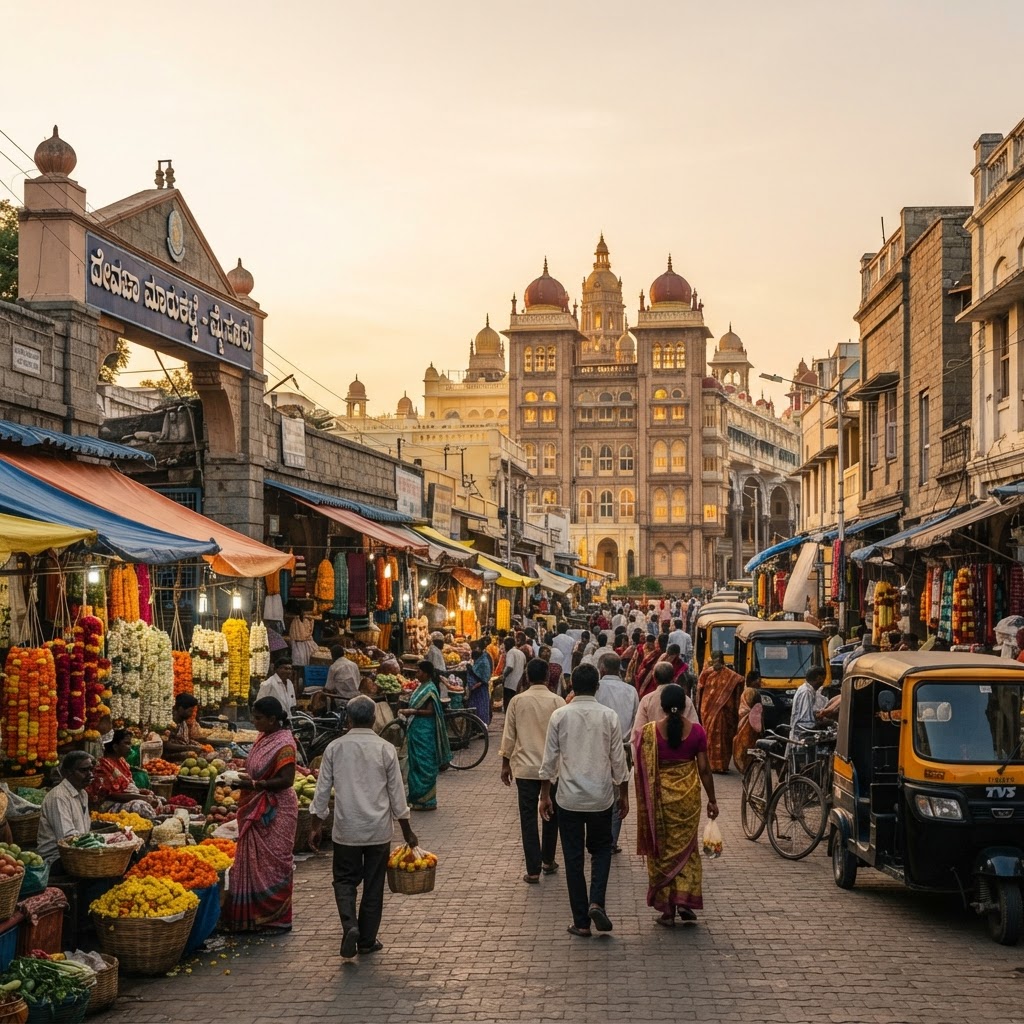
Mysore (Mysuru)
India
Wadiyar royal heritage, fragrant markets, and world-capital Ashtanga yoga minus metro sprawl.
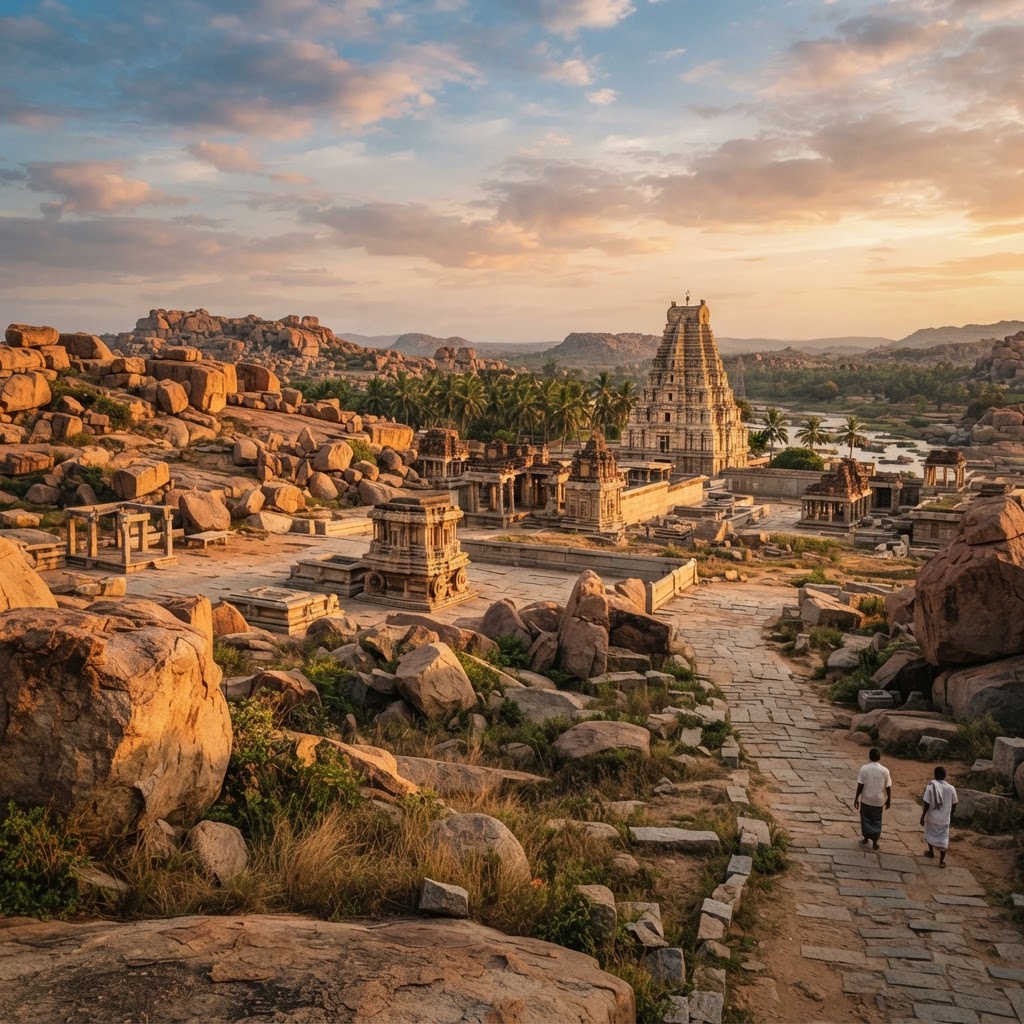
Hampi, India
India
A surreal expanse of granite boulders and ruined 14th-century Vijayanagara imperial monuments
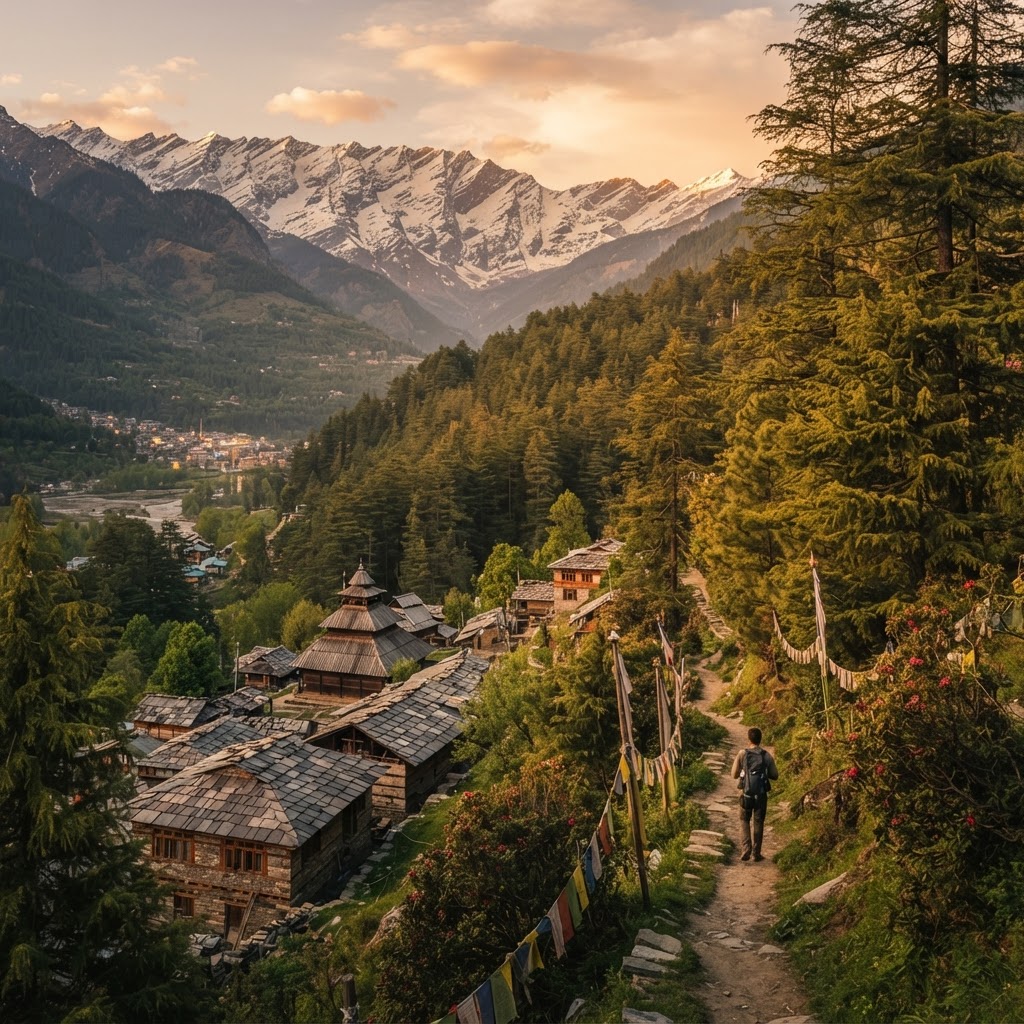
Manali, Himachal Pradesh
India
Beyond Mall Road gridlock lies pine-forested alpine trails and Himalayan high-pass gateways.
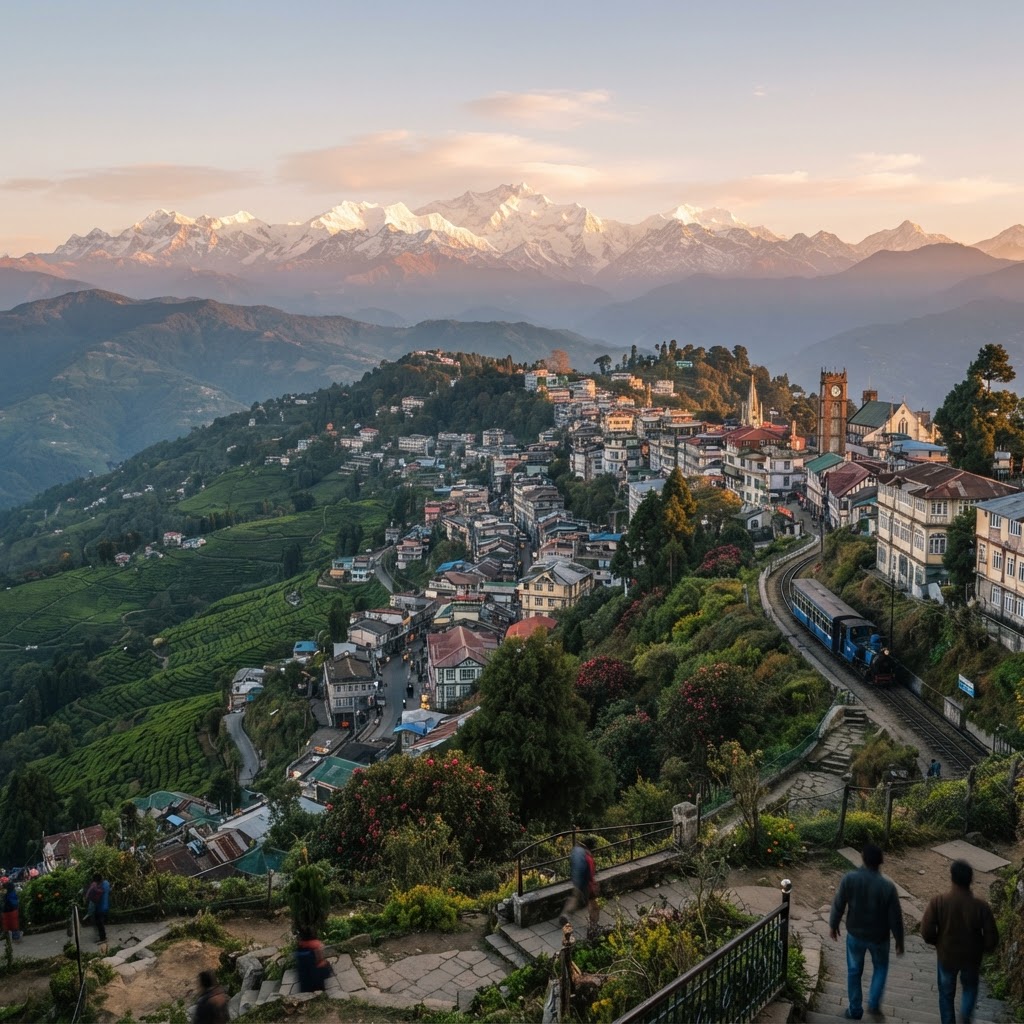
Darjeeling, West Bengal, India
India
Steep colonial ridge lines, first-flush tea estates, and dawn views of Kangchenjunga.
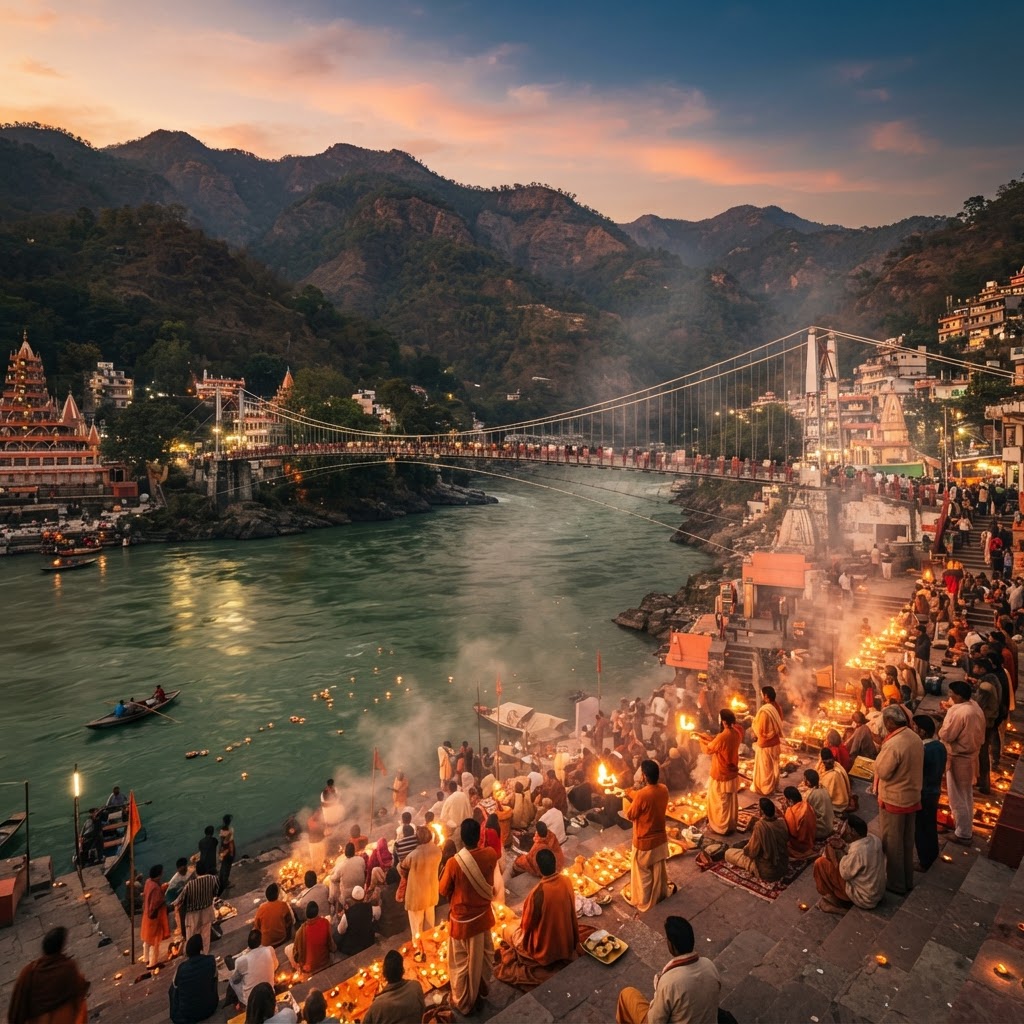
Rishikesh
India
Where Himalayan whitewater meets evening ashram chants on the Ganges
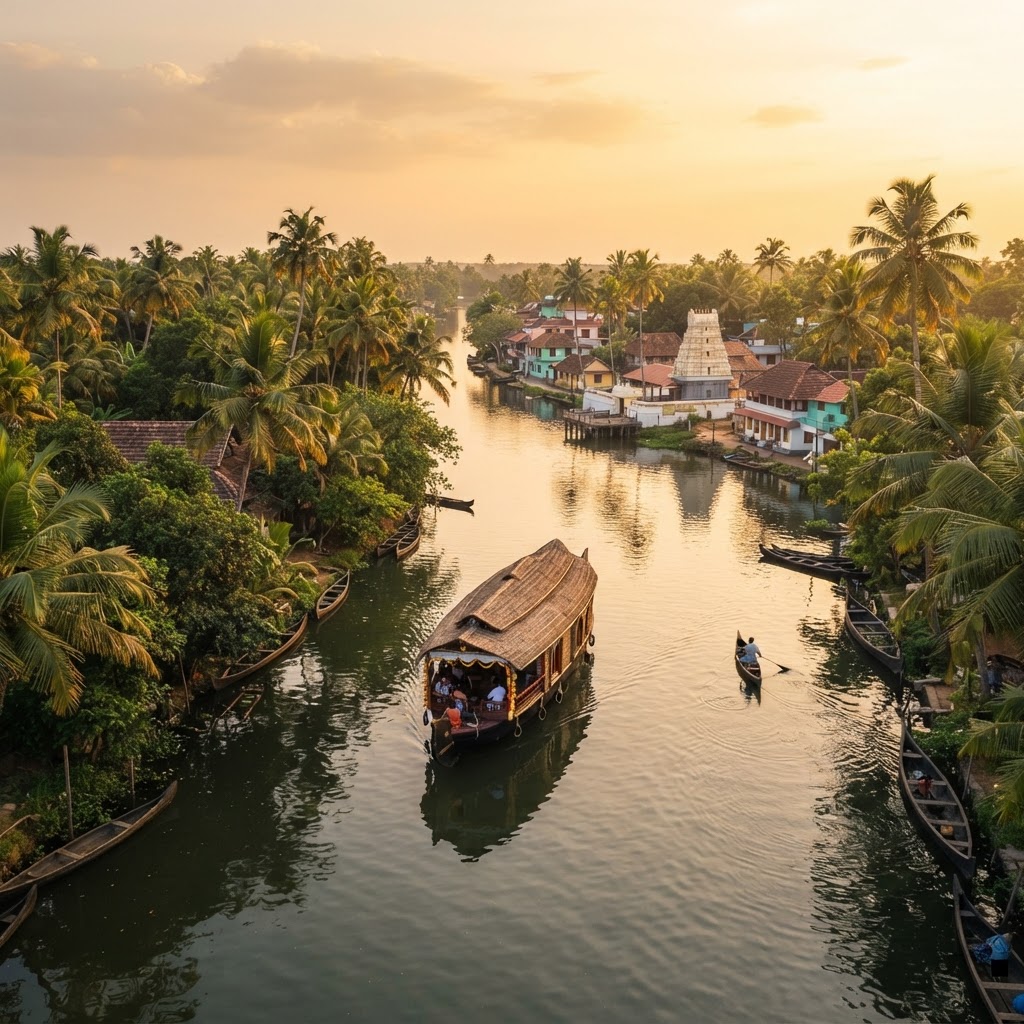
Kerala Backwaters, India
India
A sprawling 900-kilometer labyrinth of palm-fringed lagoons, quiet village canals, and slow-paced water life
Readymade itineraries
Start from a tested template — then make it yours.
Ready to book
Lock in your Amritsar, Punjab, India trip
Everything in one place. We may earn a small commission — it never costs you more.
Plan a trip to Amritsar, Punjab, India
Pick a length and we'll build a day-by-day plan around how you travel — neighborhoods clustered, budget-aware, and editable.
Get better at planning trips like this
Occasional notes on planning smarter — no spam, unsubscribe anytime.
Plan a trip to Amritsar, Punjab, India
Turn this guide into a day-by-day plan built around your pace, your group, and your budget.
Build my Amritsar, Punjab, India trip