India
Mysore (Mysuru)
Wadiyar royal heritage, fragrant markets, and world-capital Ashtanga yoga minus metro sprawl.
Plan & book
Sort your Mysore (Mysuru) trip in one place.
We point you to the booking tools we'd actually use — live prices, no markup. Or let us build the day-by-day plan around you first, then book.
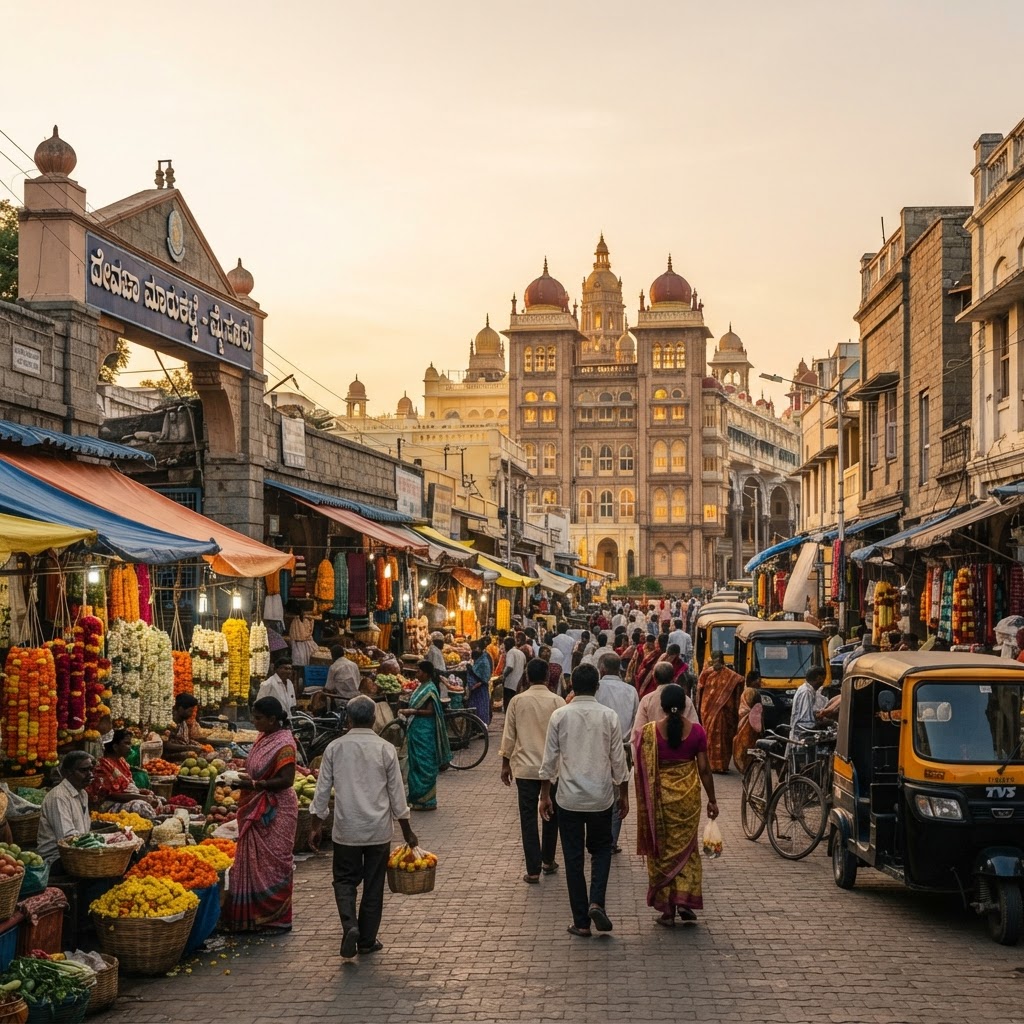
Mysore (officially Mysuru) is Karnataka’s cultural epicenter, offering a remarkably civilized contrast to Bengaluru’s tech corridors. Defined by Henry Irwin’s Indo-Saracenic palace, piles of kumkum powder in Devaraja Market, and quiet residential lanes lined with heritage raintrees, Mysore maintains an unhurried Southern Indian pace. It acts as both the global training ground for serious Ashtanga yoga practitioners and an architectural gateway to Hoysala temple ruins and sandalwood craftsmanship.
3 days
Best time
October to February for crisp, sunny mornings and cool evenings with zero monsoon disruptions.
Build your own trip with these prebuilt itineraries
Each one is a tested, day-by-day plan for Mysore (Mysuru) — start here, then make it yours.
5 Days in Mysore: Ashtanga Yoga, Artisan Crafts & Slow Living in Mysore
A slow-paced immersive stay rooted in the cafe and wellness scene of Gokulam, sandalwood and silk artisan visits, and daily yoga sessions
3 Days in Mysore: Temples, Palaces & Historic Day Trips in Mysore
A comprehensive cultural route adding day excursions to historic Srirangapatna and the intricate Hoysala architecture of Somnathpur
2 Days in Mysore: Royal Highlights & Heritage Tiffin in Mysore
Classic essential heritage including Mysore Palace, Chamundi Hill, vibrant Devaraja Market, and authentic South Indian tiffin culture
Go for India’s most visually decadent royal palace, an old-world market where flower garlands and essential oils dominate commerce, and a relaxed streetscape that is genuinely welcoming to independent travelers. Mysore gives you deep architectural history, distinctive regional cuisine (from butter-laden masala dosas to cardamom-scented Mysore Pak), and leafy residential neighborhoods without the suffocating traffic of Bengaluru or Mumbai.
Where to stay
Getting there
Getting around
Food & drink
What it costs
Things to do
Book tours & tickets in Mysore (Mysuru)Skip it if
Skip Mysore if you are seeking late-night clubbing, coastal beach culture, or high-octane modern cosmopolitan nightlife—head to Bengaluru, Mumbai, or Goa instead. Skip it also if your itinerary is already overloaded with North Indian Golden Triangle palaces and you lack interest in South Indian dynastic history, Hoysala stone sculpture, or yoga study.
When to go
Winter temperatures hover between 15°C and 30°C, making midday market walks and bare-foot stone temple exploration comfortable; the major tradeoff is Dasara festival season (typically October), which drives hotel rates up threefold and overwhelms the central palace avenues with dense domestic crowds.
Peak (October to February)
Pleasant, dry weather and evening breezes; expect major crowds and steep hotel surcharges during the 10-day Dasara celebration, but sublime conditions otherwise.
Shoulder (March to May & September)
March through May climbs past 35°C, demanding early-morning palace visits; September brings crisp green landscapes as the southwest monsoon winds down.
Low (June to August)
Heavy southwest monsoon downpours disrupt outdoor walking and stone temple day trips, though homestays and heritage hotels offer deep value discounts.
Neighborhoods
Where you stay shapes the trip. Here's how to think about it.
Lakshmipuram
Tree-lined residential refinement balancing quiet heritage guesthouses, private gardens, and central access.
Best for:First-timers, architecture buffs, and heritage seekers
Don't miss:The antique-filled verandah and royal lineage architecture around the Royal Orchid Metropole.
Gokulam
Low-slung, breezy global wellness enclave anchored by the KPJAYI yoga institute, garden cafes, and long-stay shalas.
Best for:Ashtanga yoga practitioners, solo travelers, and digital nomads
Don't miss:Pour-over South Indian beans and sourdough toast at local roasteries along 3rd and 4th Stage.
Mandi Mohalla & Devaraja Market
High-octane commercial pulse buzzing with flower garlands, perfumed attar, spice mounds, and early-morning cart trade.
Best for:Street photographers, culinary travelers, and market walkers
Don't miss:The early-morning betel leaf auctions and the towering conical pyramids of colored kumkum inside Devaraja Market.
Nazarbad
Quiet institutional greenery and expansive colonial-era compounds flanked by Chamundi Hill vistas.
Best for:Families, luxury travelers, and those wanting serene city retreats
Don't miss:An unhurried lap around Karanji Lake's butterfly park and walk-through aviary before midday heat.
Jayalakshmipuram & Vani Vilas Mohalla
Affluent local dining corridor filled with classic vegetarian tiffin joints, modern bakeries, and silk boutiques.
Best for:Food-focused travelers and shoppers wanting authentic neighborhood life
Don't miss:Crisp bene dosa paired with filter coffee at neighborhood institution joints along Kalidasa Road.
Destination intelligence
Updated 9/14/2026The structured record we plan every Mysore (Mysuru) itinerary from.
Walkability
Moderate. Specific neighborhoods like Gokulam and Devaraja Market are highly walkable, but connecting between different major city districts requires an auto-rickshaw or taxi.
Transit quality
Good. Reliable auto-rickshaws and cabs through Ola/Uber are ubiquitous, and short-haul express trains link seamlessly to Bengaluru.
Car needed
No. Self-driving is discouraged due to chaotic Indian city traffic. Cabs, app-based auto-rickshaws, and private hired drivers for day trips to Somnathpur or Srirangapatna are very affordable.
Ideal duration
3 days
Minimum useful
2 days
Peak season
October to February: cool, crisp winter days with temperatures averaging 15°C to 30°C; includes the massive, 10-day Dasara festival celebrations.
Shoulder season
March to May & September: warm spring days before the intense heat, and late monsoon breaks with lush green landscapes.
Low season
June to August: monsoon season bringing heavy rainfall downpours that can disrupt outdoor temple visits and walking excursions.
Best for
Common mistakes
- Treating Mysore as an exhausting day trip from Bengaluru; doing so wastes 5-7 hours in transit and forces you to miss early morning markets and evening palace illuminations.
- Buying synthetic perfume oils or faux sandalwood souvenirs from street touts outside palace gates instead of purchasing certified products from the Karnataka Soaps and Detergents Ltd showroom.
- Visiting Mysore Palace in the midday heat on a weekend when queue times peak; enter right at the 10:00 AM opening on a weekday for a manageable visit.
- Attempting to walk between dispersed sights like Chamundi Hill, Gokulam, and the Palace under direct sun rather than using low-cost auto-rickshaws.
- Expecting wild late-night bar scenes; Mysore is a traditional heritage and university town where daily life winds down relatively early.
Best nearby
See what a trip to India actually costs. Travel Budget Co.
How to plan it
- Base yourself in Lakshmipuram if you want classic architectural charm and walkable breakfast tiffins, or choose Gokulam if your daily rhythm revolves around yoga shalas and third-wave cafes.
- Pair your city stay with an eastern morning run to Somnathpur (35 km) to inspect the 13th-century Hoysala Chennakeshava Temple carvings before midday tour buses arrive.
- Never attempt Chamundi Hill on a festival weekend morning unless you are prepared for hours-long queue bottlenecks; instead, climb the 1,000 stone steps at 6:00 AM on a weekday alongside local walkers.
- Buy Mysore Palace tickets online in advance to bypass the erratic general entry queues at the South and Varaha gates.
- Schedule your Devaraja Market exploration between 7:00 AM and 9:00 AM, when vendors assemble pristine stacks of marigolds, jasmine garlands, and green plantains before tourist footfall builds.
Questions
More in India
Hampi, India
India
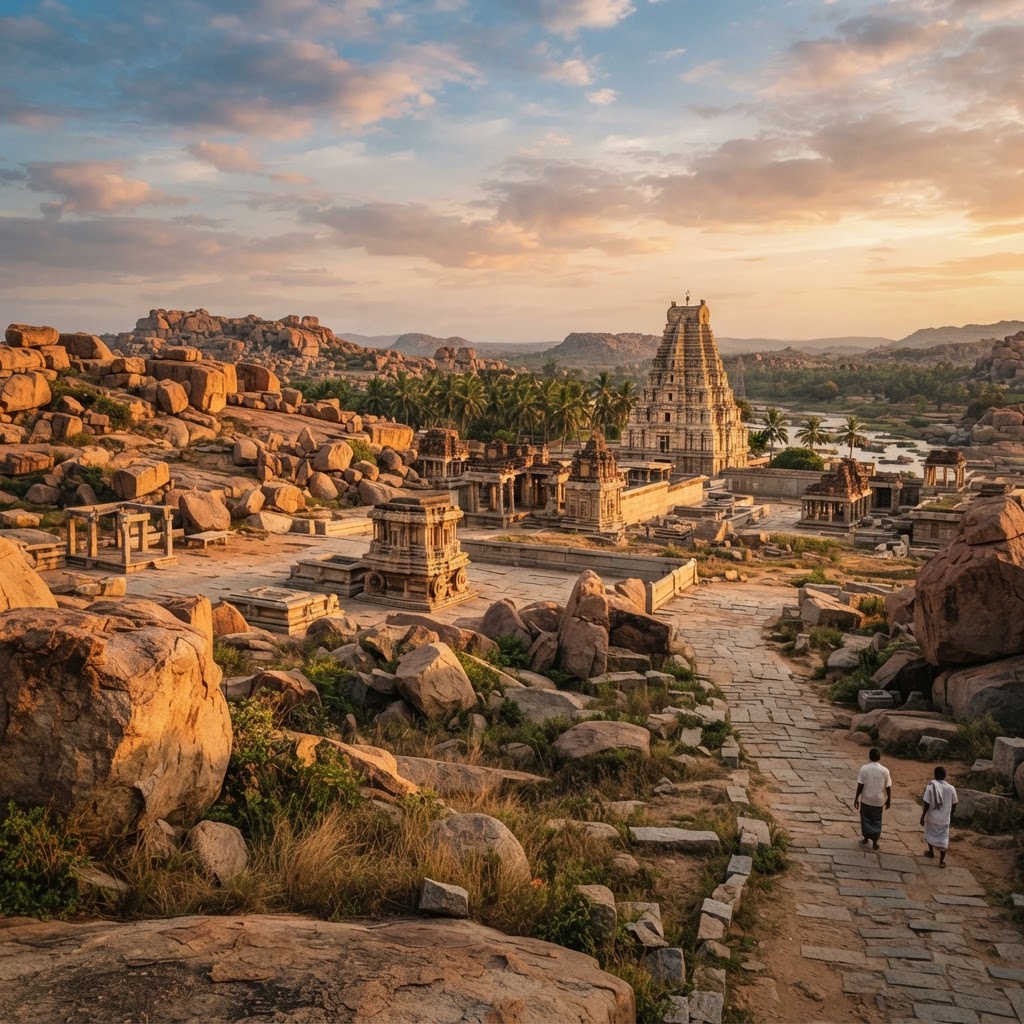
A surreal expanse of granite boulders and ruined 14th-century Vijayanagara imperial monuments
Manali, Himachal Pradesh
India
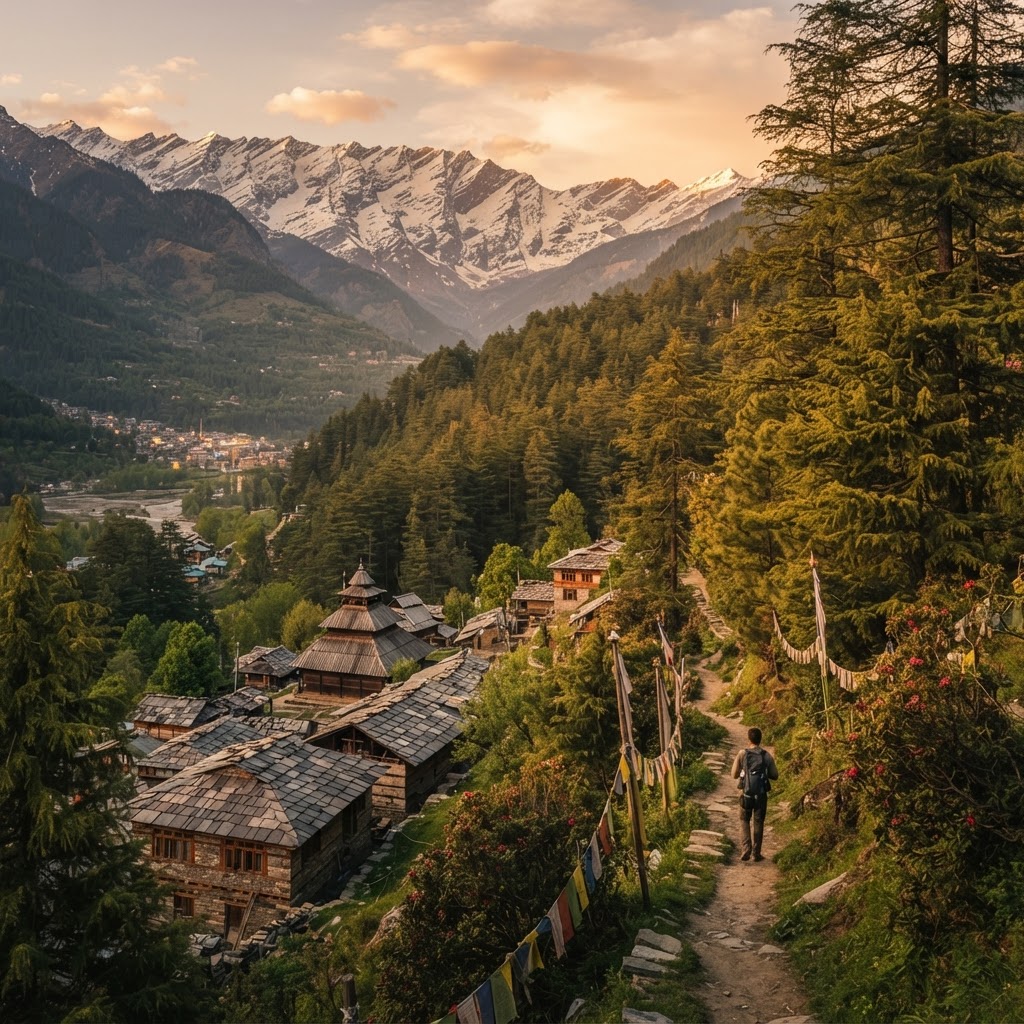
Beyond Mall Road gridlock lies pine-forested alpine trails and Himalayan high-pass gateways.
Darjeeling, West Bengal, India
India
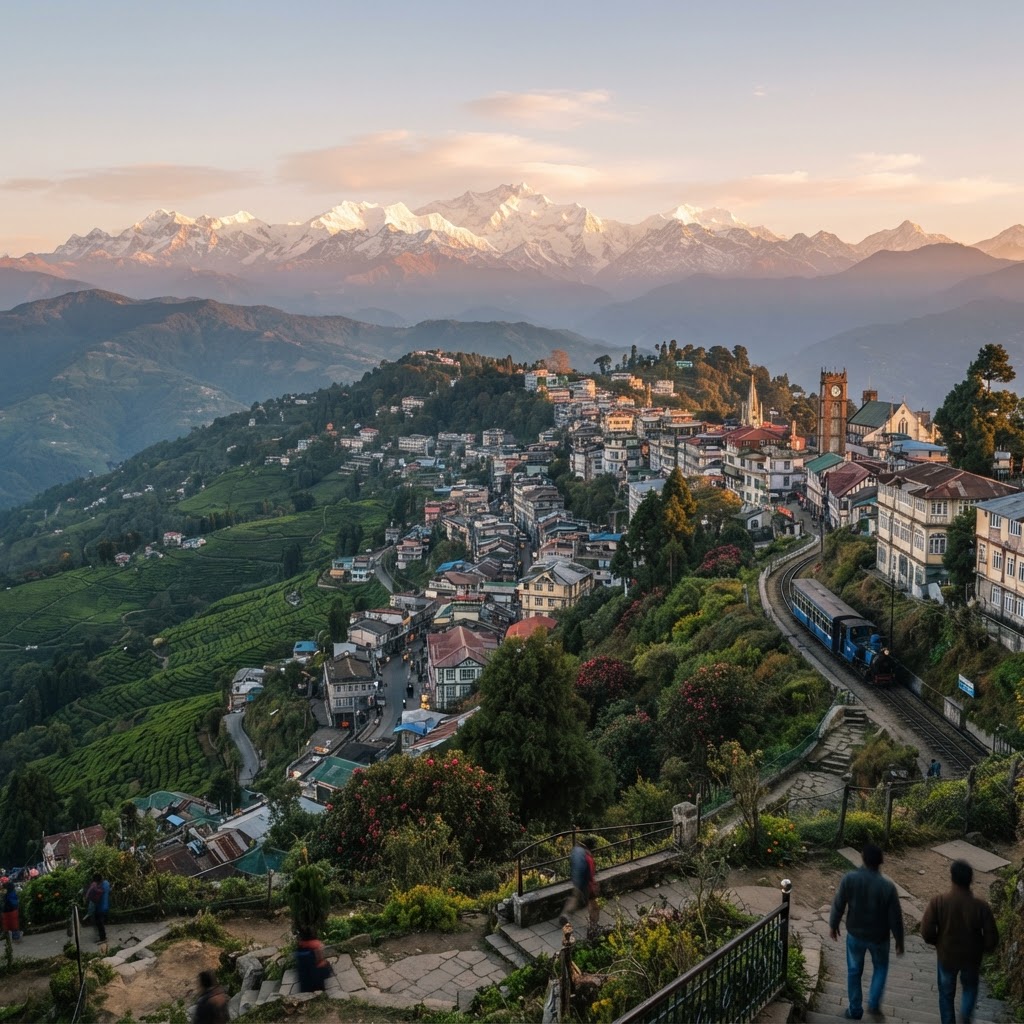
Steep colonial ridge lines, first-flush tea estates, and dawn views of Kangchenjunga.
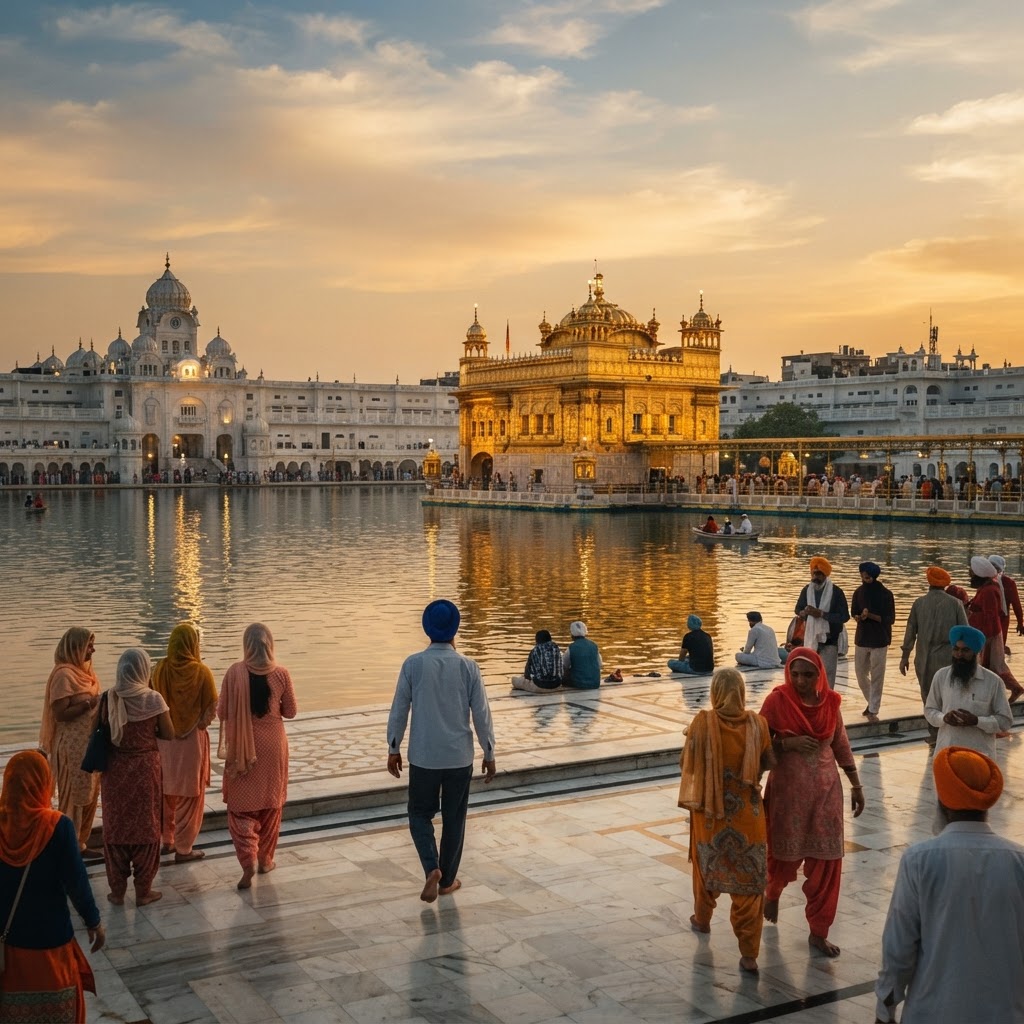
Amritsar, Punjab, India
India
The spiritual heart of Punjab, forged in sacred tradition, profound history, and unbeatable culinary culture.
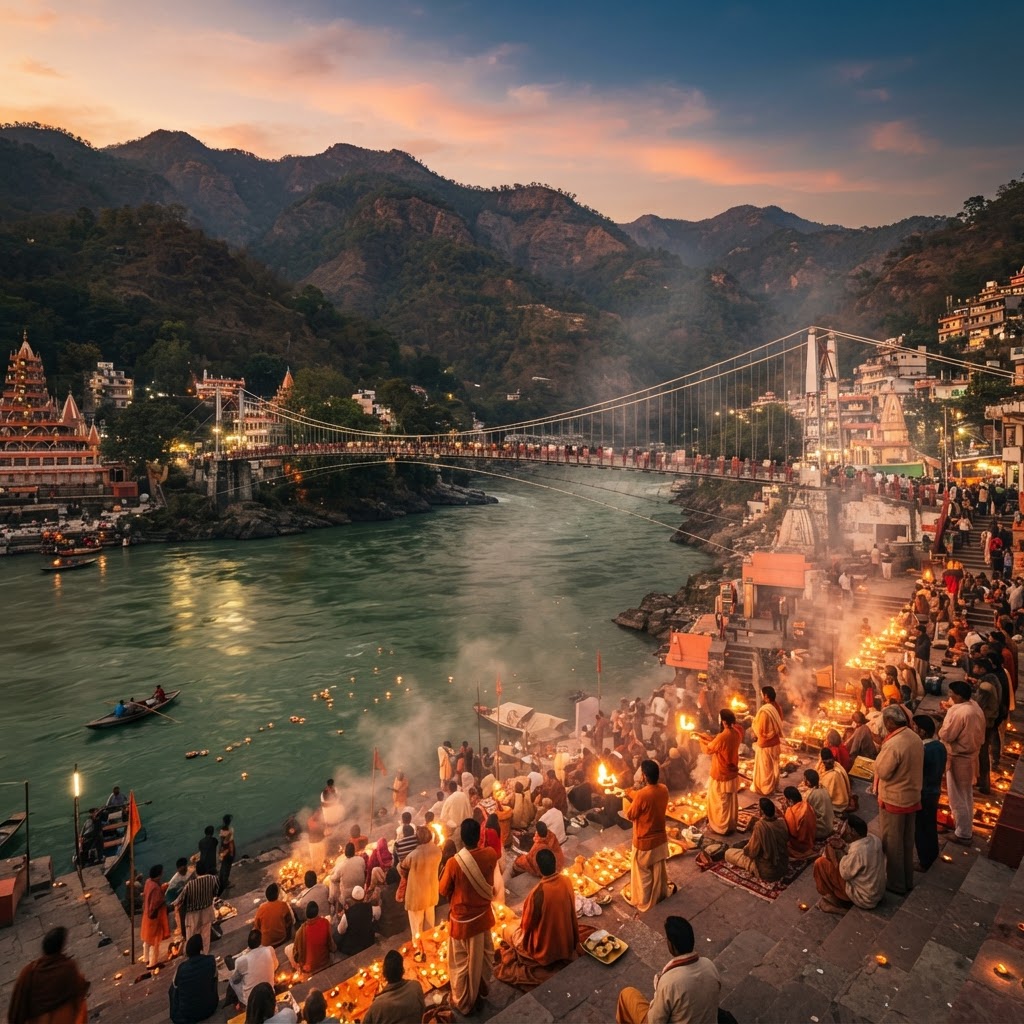
Rishikesh
India
Where Himalayan whitewater meets evening ashram chants on the Ganges
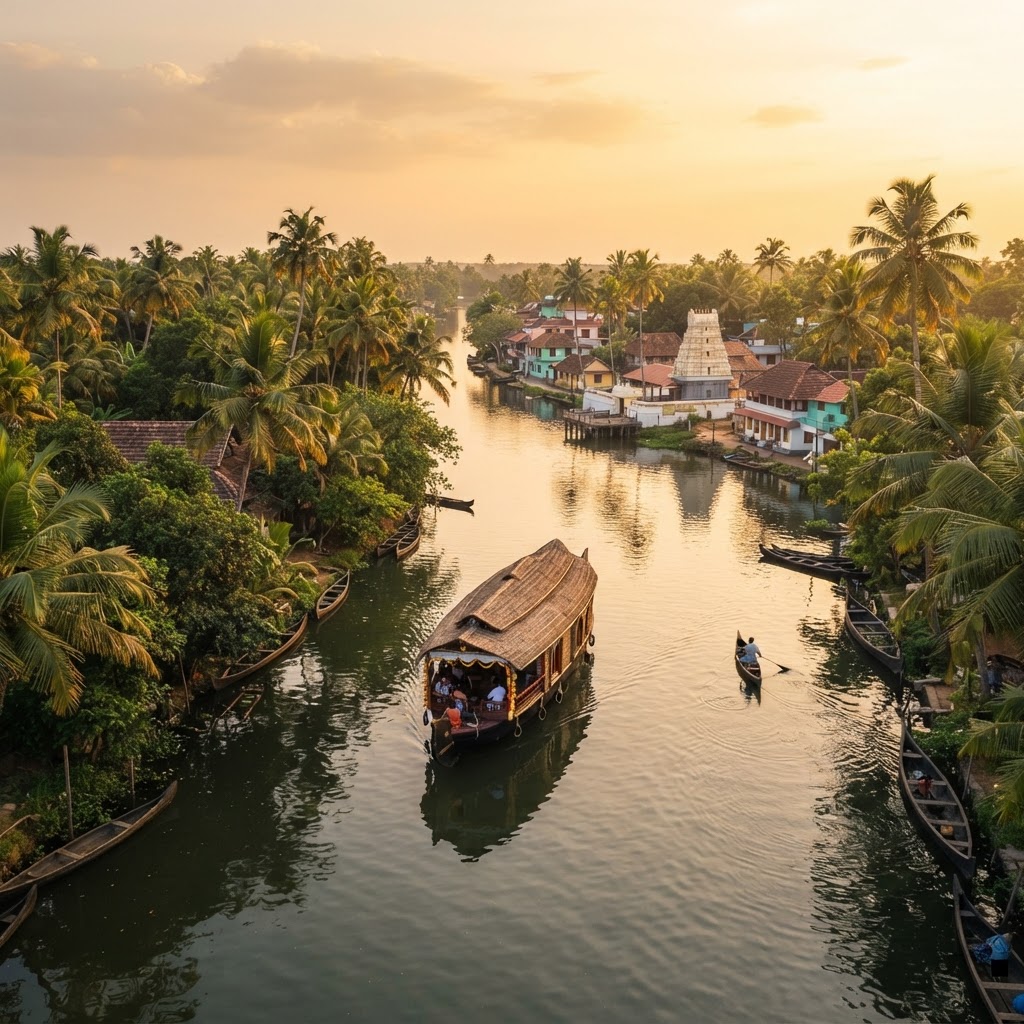
Kerala Backwaters, India
India
A sprawling 900-kilometer labyrinth of palm-fringed lagoons, quiet village canals, and slow-paced water life
Readymade itineraries
Start from a tested template — then make it yours.
Ready to book
Lock in your Mysore (Mysuru) trip
Everything in one place. We may earn a small commission — it never costs you more.
Plan a trip to Mysore (Mysuru)
Pick a length and we'll build a day-by-day plan around how you travel — neighborhoods clustered, budget-aware, and editable.
Get better at planning trips like this
Occasional notes on planning smarter — no spam, unsubscribe anytime.
Plan a trip to Mysore (Mysuru)
Turn this guide into a day-by-day plan built around your pace, your group, and your budget.
Build my Mysore (Mysuru) trip