India
Rishikesh
Where Himalayan whitewater meets evening ashram chants on the Ganges
Plan & book
Sort your Rishikesh trip in one place.
We point you to the booking tools we'd actually use — live prices, no markup. Or let us build the day-by-day plan around you first, then book.
Set in the Shivalik foothills where the emerald Ganges tumbles out of the Himalayas into northern India's plains, Rishikesh operates on two distinct gears. One belongs to sadhus, ancient ashrams, and ritual fire ceremonies on stone ghats; the other to Class IV whitewater rafters, boutique cafes, and yoga seekers. It is strictly vegetarian and alcohol-free, offering an atmospheric, grounded Himalayan retreat without the extreme isolation of higher mountain passes.
4 to 5 days
Best time
October to mid-November and March to April provide the ultimate balance of clear Himalayan skies and pristine river conditions.
Build your own trip with these prebuilt itineraries
Each one is a tested, day-by-day plan for Rishikesh — start here, then make it yours.
5 Days of Yoga, Ashrams & Spiritual Immersion in Rishikesh
Mindful and reflective route centered on daily ashram yoga classes, meditation caves, Beatles Ashram history, and evening Ganga aarti
4 Days of Tapovan Living & Slow Travel in Rishikesh
Relaxed solo-friendly journey focused on cafe culture, sound healing, ayurvedic wellness, and exploring pedestrian ghats at a gentle pace
3 Days of Whitewater & Foothill Adventure in Rishikesh
Adrenaline-focused trip highlighting Ganges whitewater rafting, cliff jumping, Himalayan foothill hikes, and riverside camping
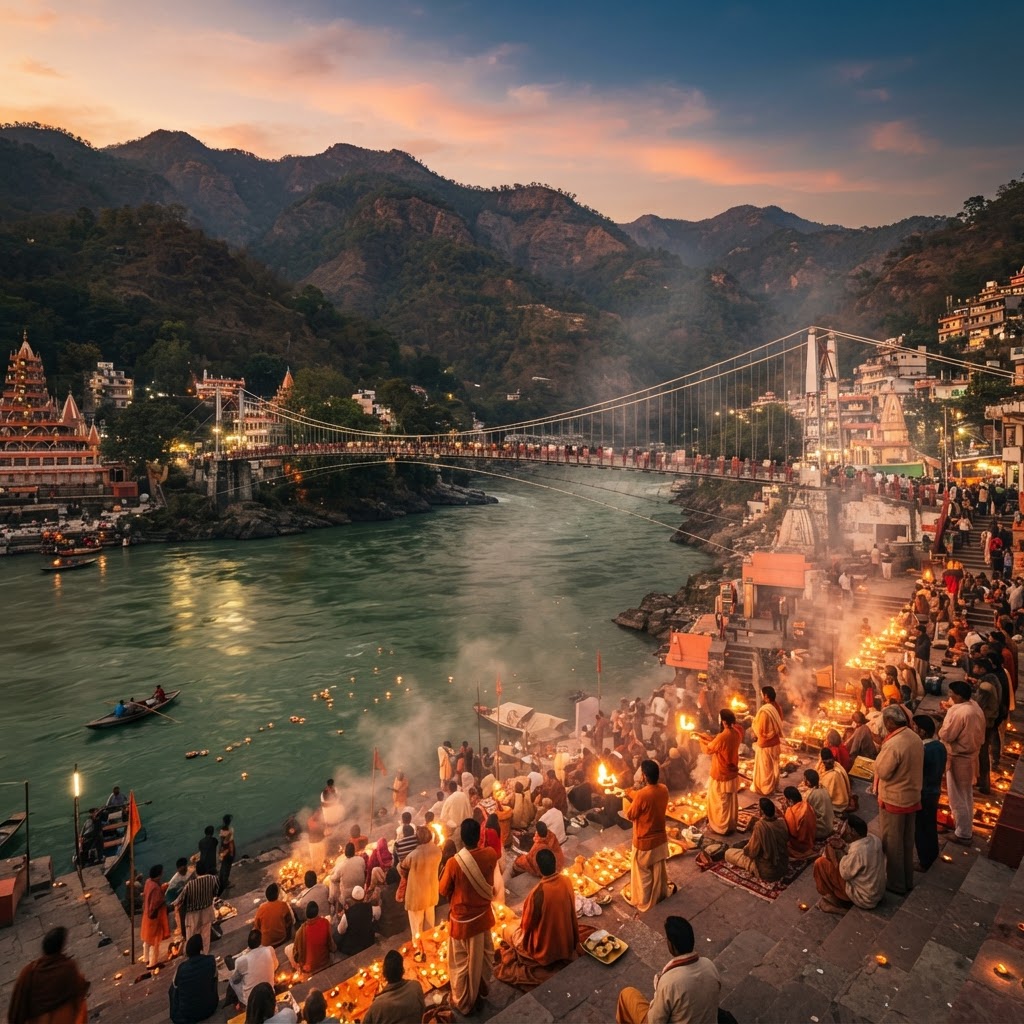
Rishikesh delivers India at a more contemplative frequency. Unlike Varanasi, the Ganges here flows swift, cold, and clean directly from glacial sources. You can meditate at dawn in a stone pavilion, run Class III and IV rapids through Kaudiyala or Shivpuri by midday, and join thousands sitting beside the riverside lamps of Parmarth Niketan for evening Ganga Aarti.
Where to stay
Getting there
Getting around
Food & drink
What it costs
Things to do
Book tours & tickets in RishikeshSkip it if
Skip Rishikesh if you demand active nightlife, poolside cocktails, and meat-forward dining, or if you have severe mobility limitations that cannot handle steep, uneven cobblestone staircases and pedestrian-only suspension bridges.
When to go
October through November delivers crisp, rain-free air and emerald-green river water ideal for Class III–IV rafting without midwinter chill. March through April offers warm sunlit days and blooming foothill flora, though you must book weeks ahead for the International Yoga Festival. Avoid late spring heatwaves and monsoon floodwaters.
Peak (Oct–Nov & Mar–Apr)
Golden season. Perfect temperatures for open-air pranayama and active rafting; ashrams fill fast and river traffic is at its peak.
Shoulder (Dec–Feb & May)
Winter brings quiet serenity and thick morning river mist, but unheated stone ashram rooms demand thermals. May is hot and dry, dominated by weekend domestic rafters.
Low (Jul–Aug)
Heavy monsoon rains trigger Himalayan mudslides along the Badrinath highway. River rafting is strictly shut down and the Ganges runs brown and turbulent.
Neighborhoods
Where you stay shapes the trip. Here's how to think about it.
Tapovan
Buzzing bohemian ridge filled with rooftop cafes, drop-in yoga shalas, and international backpackers
Best for:Solo travelers, first-timers, digital nomads, and casual yoga students
Don't miss:Catching a sunset smoothie on the terrace at Secret Garden Cafe after a walk up from the river
Swarg Ashram & Ram Jhula
Deeply traditional, pedestrianized riverbank lined with venerable ashrams, spiritual bookshops, and evening prayer bells
Best for:Ashram retreat seekers, silent meditators, and travelers seeking quiet evenings
Don't miss:Sitting on the stone steps of Parmarth Niketan during the daily evening Ganga Aarti fire ceremony
Lakshman Jhula Environs
Atmospheric, steep gorge quarter flanked by vertical multi-tier temples, street bazaars, and river-view bakeries
Best for:Shoppers, temple explorers, and photography enthusiasts
Don't miss:Climbing the thirteen tiers of Trayambakeshwar Temple (Tera Manzil) right at the river bend
Muni Ki Reti
Practical riverside gateway zone where the foothills flatten out into ghats, transit points, and historic spiritual compounds
Best for:Families, visitors with mobility constraints, and short transit stays
Don't miss:The quiet dawn rituals and sadhu bathing ceremonies at Shatrughna Ghat
Shivpuri
Rugged, upstream river canyon of sandy beaches, forested campsites, and rapid-launching stations 16km north
Best for:Whitewater rafters, campers, and outdoor adventure purists wanting escape from urban town noise
Don't miss:Pushing into the Class III Roller Coaster and Golf Course rapids on an early morning river run
Destination intelligence
Updated 9/14/2026The structured record we plan every Rishikesh itinerary from.
Walkability
High within individual pockets like Swarg Ashram and Tapovan, but connecting between them requires steep inclines, walking across suspension footbridges, and navigating busy scooter traffic.
Transit quality
Moderate: rely on inexpensive shared three-wheelers (Vikrams), point-to-point auto-rickshaws, and foot travel. There is no metro or urban rail network.
Car needed
No. A private car is an active hindrance within tourist zones due to impassable pedestrian bridges, bottleneck alleys, and acute parking shortages.
Ideal duration
4 to 5 days
Minimum useful
2 days
Peak season
October to November and March to April (crisp sunny days, cool evenings, perfect water levels for rafting, ideal weather for open-air yoga).
Shoulder season
December to February (crisp and chilly, particularly in unheated ashram rooms, but quiet and serene) and May (warm, dry, but busy with domestic rafters).
Low season
July to August (heavy monsoon rains, high risk of Himalayan landslides, river rafting shut down, brown muddy river waters).
Best for
Common mistakes
- Underestimating Ganges river currents: never swim unsupervised or unchained outside sheltered designated ghat areas.
- Booking a hotel in downtown Rishikesh commercial town instead of the pedestrian-friendly enclave of Tapovan or Swarg Ashram.
- Carrying open bags of fruit or groceries across suspension bridges where aggressive rhesus macaque monkeys frequently snatch items.
- Visiting during the peak July–August Kanwar Yatra or monsoon, when heavy landslides occur, the river turns brown, and rafting operations completely close.
Best nearby
See what a trip to India actually costs. Travel Budget Co.
How to plan it
- Stay in Swarg Ashram if you want immediate dawn access to quiet ghats; choose Tapovan if you prioritize specialty espresso, coworking cafes, and drop-in vinyasa studios.
- Don't try to cross the river during evening aarti rush hour (5:30 PM–7:00 PM)—bridge bottlenecks around Ram Jhula can turn a five-minute walk into a thirty-minute pedestrian crawl.
- Book March stays at least 4 to 6 weeks early to avoid getting priced out by the International Yoga Festival influx.
- Pair your Rishikesh stay with an overnight trip upstream to Devprayag to see the Bhagirathi and Alaknanda rivers merge into the official Ganges.
- Budget a half-day specifically for Chaurasi Kutia (The Beatles Ashram)—rushing through the decaying meditation caves in under two hours misses the atmospheric jungle-reclamation vibe.
Questions
More in India
Mysore (Mysuru)
India
Wadiyar royal heritage, fragrant markets, and world-capital Ashtanga yoga minus metro sprawl.
Hampi, India
India
A surreal expanse of granite boulders and ruined 14th-century Vijayanagara imperial monuments
Manali, Himachal Pradesh
India
Beyond Mall Road gridlock lies pine-forested alpine trails and Himalayan high-pass gateways.
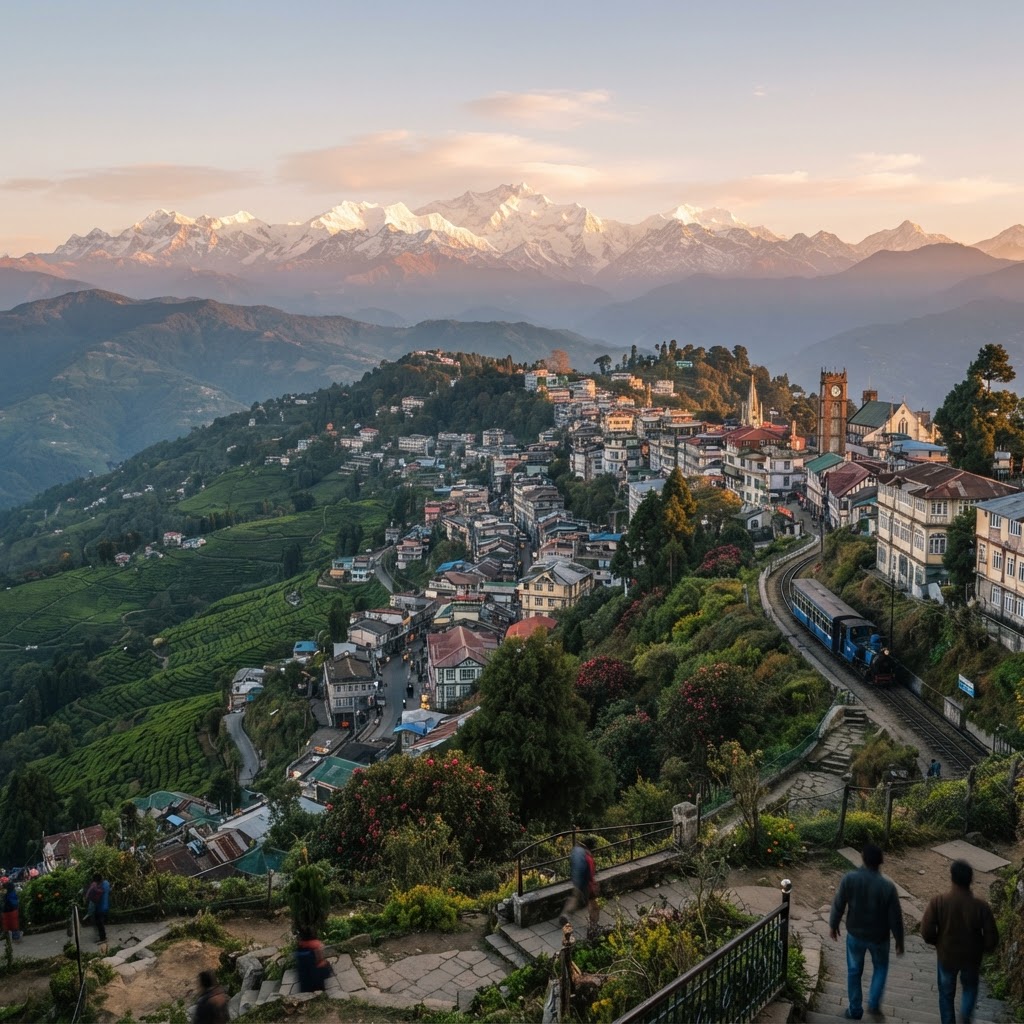
Darjeeling, West Bengal, India
India
Steep colonial ridge lines, first-flush tea estates, and dawn views of Kangchenjunga.
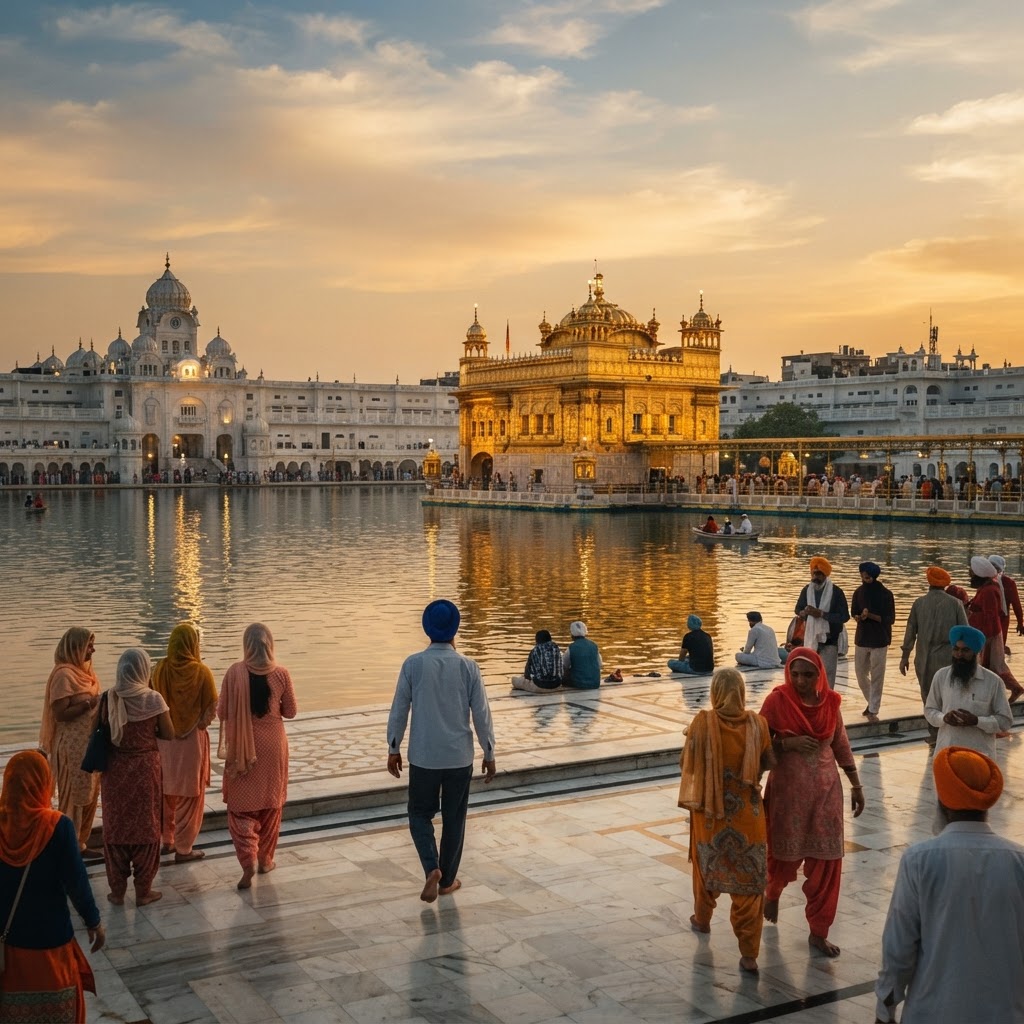
Amritsar, Punjab, India
India
The spiritual heart of Punjab, forged in sacred tradition, profound history, and unbeatable culinary culture.
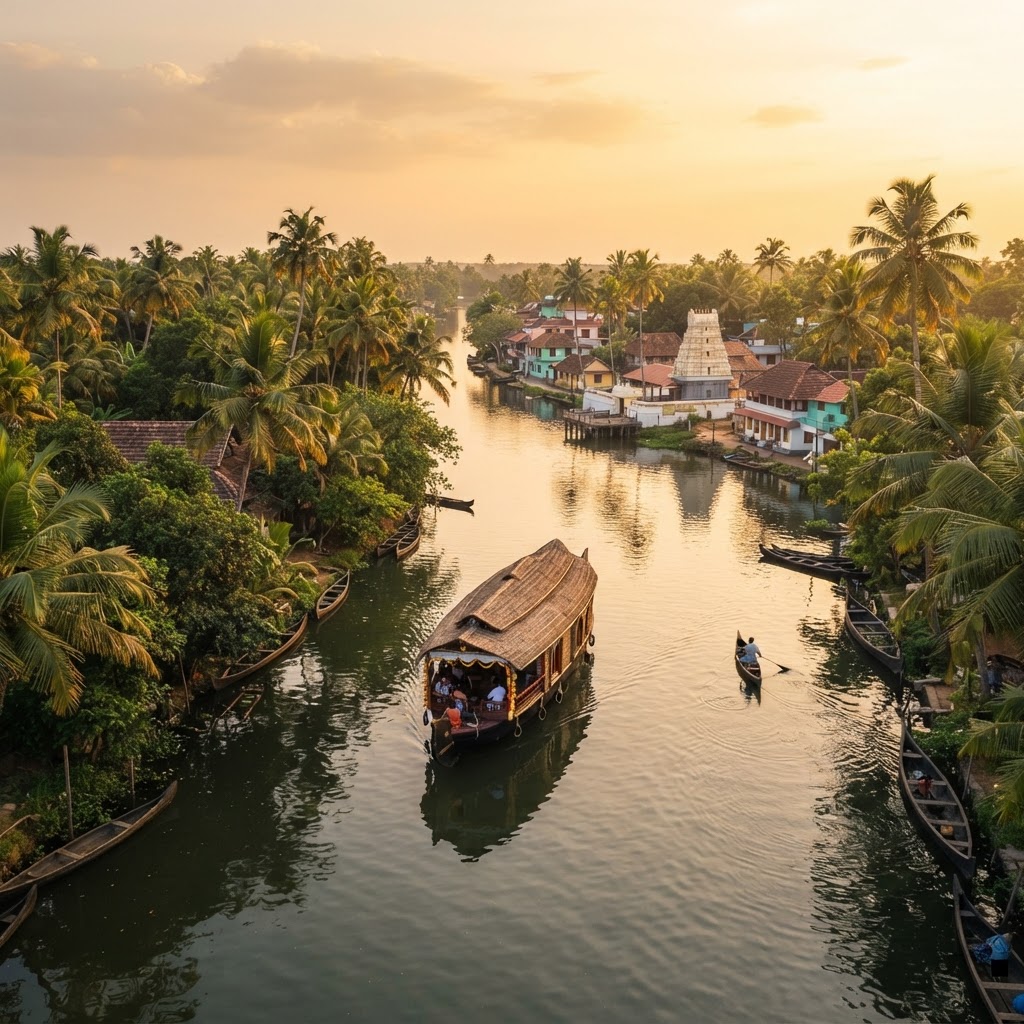
Kerala Backwaters, India
India
A sprawling 900-kilometer labyrinth of palm-fringed lagoons, quiet village canals, and slow-paced water life
Readymade itineraries
Start from a tested template — then make it yours.
Ready to book
Lock in your Rishikesh trip
Everything in one place. We may earn a small commission — it never costs you more.
Plan a trip to Rishikesh
Pick a length and we'll build a day-by-day plan around how you travel — neighborhoods clustered, budget-aware, and editable.
Get better at planning trips like this
Occasional notes on planning smarter — no spam, unsubscribe anytime.
Plan a trip to Rishikesh
Turn this guide into a day-by-day plan built around your pace, your group, and your budget.
Build my Rishikesh trip