Canada
St. John's
North America's rocky eastern edge with maritime pub culture and rugged coastal trails.
Plan & book
Sort your St. John's trip in one place.
We point you to the booking tools we'd actually use — live prices, no markup. Or let us build the day-by-day plan around you first, then book.
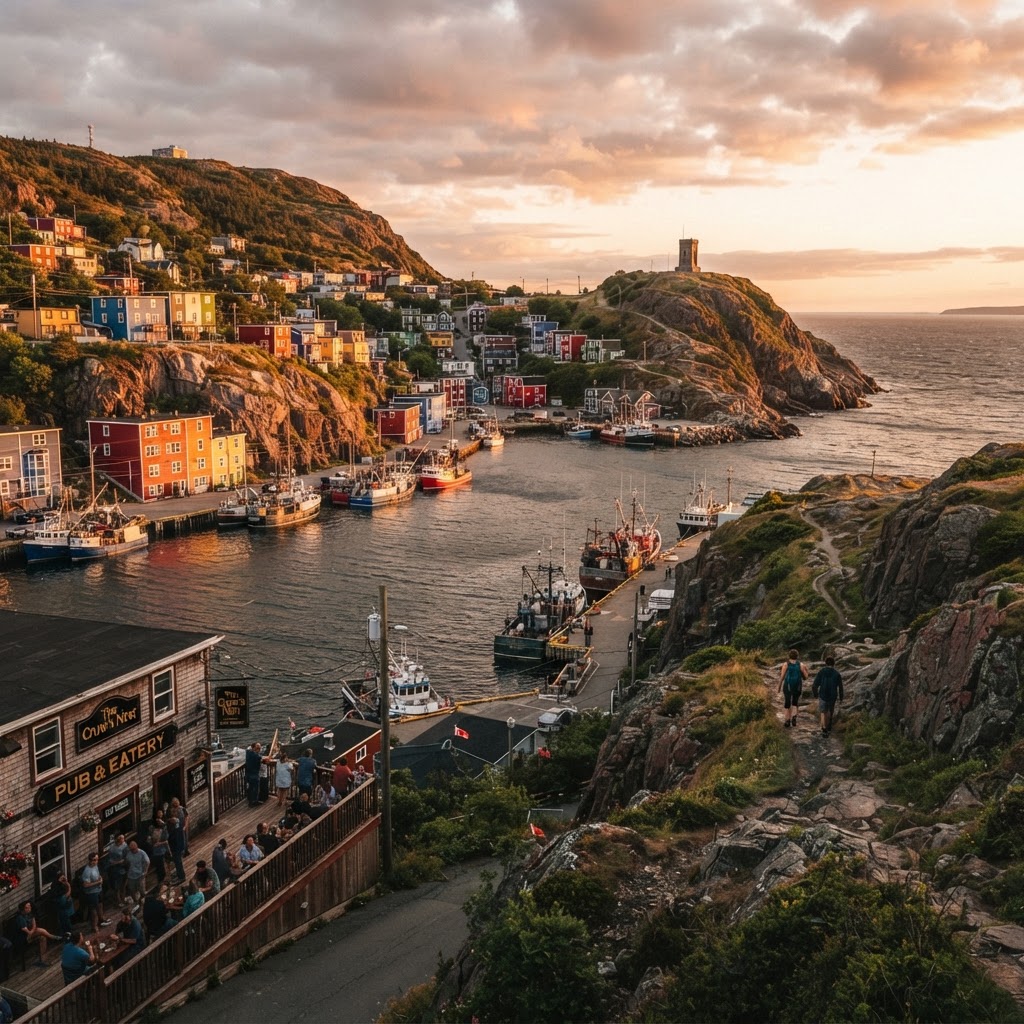
Perched on the granite headlands of the Avalon Peninsula, St. John's feels geographically isolated from the rest of Canada. It combines steep harbor streets lined with candy-colored Victorian row houses ('Jellybean Row') with an unapologetic Atlantic pub scene and immediate access to harsh coastal cliffs.
4 days
Best time
Mid-July to mid-August offers the ideal balance of warmest hiking temperatures, active whale migrations, and reliably open seasonal venues.
Build your own trip with these prebuilt itineraries
Each one is a tested, day-by-day plan for St. John's — start here, then make it yours.
6 Days in St. John's & the Irish Loop in St. John's
An extended coastal road trip pairing city culture with outport exploration, puffin sanctuaries in Witless Bay, and wild hiking along the East Coast Trail.
4 Days in St. John's: The Classic Experience in St. John's
The definitive first-timer balance of historic fishing enclaves like Quidi Vidi, the dramatic cliffs of Cape Spear, and marine wildlife boat tours.
3 Days in St. John's: Historic Core & Coastal Trails in St. John's
A car-free urban exploration focused on downtown heritage, live music on George Street, and rugged coastal walking directly accessible from the Battery and Signal Hill.
St. John's is the rare North American city where rugged wilderness starts at the edge of downtown. You can hike exposed Atlantic cliffs on the North Head Trail at Signal Hill before lunch, then spend the evening listening to traditional Irish-Newfoundland fiddle sessions on George Street or Duckworth Street over plates of cod tongues and locally foraged berries.
Where to stay
Getting there
Getting around
Food & drink
What it costs
Things to do
Book tours & tickets in St. John'sSkip it if
Skip St. John's if you demand guaranteed hot summer sun, dislike hilly walking, or are trying to visit Gros Morne National Park on a brief weekend—Gros Morne is an 8-hour drive across the island.
When to go
St. John's weather is notoriously turbulent; earlier visits run into heavy Atlantic fog and chilly drizzle, while late summer delivers humpback whale activity, dry trail conditions on the East Coast Trail, and vibrant outdoor patios along George Street.
Peak (Late June to Late August)
Expect highs around 16–22°C, puffin colonies at Witless Bay, and lively nightlife, but rental cars book out months ahead and nightly lodging rates hit their ceiling.
Shoulder (May to Early June & September to Mid-October)
May brings prime iceberg watching along the coast with biting wind and freezing rain; September offers crisp autumn hiking on headlands with minimal crowds and stable trail weather.
Low (November to April)
Dominated by intense North Atlantic storms, sleet, deep snow, and thick fog. Regional boat charters and outport museums shut completely until late spring.
Neighborhoods
Where you stay shapes the trip. Here's how to think about it.
Downtown (Water Street & Duckworth Street)
Harborfront energy packed with lively pubs, heritage brick store-fronts, and steep colorful side streets.
Best for:First-timers, pub crawlers, and food lovers who want everything within a five-minute downhill walk.
Don't miss:Catching traditional live folk music at The Ship Pub or grabbing fried cod and chips in McMurdo's Lane at Duke of Duckworth.
The Battery
A precarious cluster of weather-beaten wooden homes clinging to the cliffside entrance of the harbor narrows.
Best for:Photographers, trail hikers, and travelers seeking quiet seclusion right against the Atlantic.
Don't miss:The trailhead for the North Head Trail, navigating narrow boardwalk paths straight toward open ocean cliffs.
Quidi Vidi
A protected historic fishing outport hidden behind the ridge that functions like an independent coastal village.
Best for:Craft beer aficionados, artisan shoppers, and scenic daytime walkers.
Don't miss:Sipping an Iceberg Beer on the deck at Quidi Vidi Brewing Company overlooking the gut and fishing stages.
Georgestown
A leafy, residential enclave of painted clapboard Victorian homes, small parks, and quiet corner bakeries.
Best for:Slow travelers, couples, and returning visitors seeking an authentic neighborhood feel.
Don't miss:Stopping for espresso and freshly baked pastries at Georgestown Cafe & Bakery before walking to The Rooms.
Destination intelligence
Updated 9/14/2026The structured record we plan every St. John's itinerary from.
Walkability
High downtown, with caveats for steep hillside grades and patchy pedestrian infrastructure once outside the historic center.
Transit quality
Basic. Metrobus serves major shopping areas, the university, and the airport, but lacks direct connectivity to regional coastal attractions.
Car needed
Optional if staying exclusively in the downtown core, but essential for exploring Cape Spear, the Irish Loop, and outer outports.
Ideal duration
4 days
Minimum useful
2 days
Peak season
Late June to late August, bringing whale migrations, open patio dining, and the warmest, driest weather.
Shoulder season
May to early June (prime iceberg and shoulder travel window, though still chilly) and September to early October (milder crowds and crisp fall hiking).
Low season
November through April, characterized by intense North Atlantic wind, sleet, snow, and shuttered seasonal tourist operators.
Best for
Common mistakes
- Confusing St. John's, Newfoundland with Saint John, New Brunswick when booking flights and rentals
- Underestimating summer weather volatility; cold coastal drizzle and dense sea fog ('the shroud') can drop temperatures to 10°C (50°F) in July
- Failing to book rental cars months in advance if planning to leave the downtown core
- Expecting easy iceberg sightings from downtown shores; icebergs drift past in late spring and vary wildly year-to-year
Best nearby
How to plan it
- Stay strictly between Water Street and Gower Street if you want walkability to morning cafes and evening traditional sessions without needing a taxi.
- Do not attempt to hike the North Head Trail in poor visibility or driving rain; the exposed cliff edges and steep chain-assisted rock faces demand dry conditions.
- Reserve whale-watching charters departing from Bay Bulls or Witless Bay rather than trying to spot marine life from city wharves.
- Rent a car for just 48 hours to tackle Cape Spear, Petty Harbour, and Ferryland; return it before exploring the downtown center to avoid paying overnight parking fees.
- Book dinner at Portage or Mallard Cottage 3 to 4 weeks ahead if traveling between June and September.
Questions
More in Canada

Cape Breton Island, Nova Scotia
Canada
Sea-sculpted highlands, living Celtic fiddling traditions, and wild Atlantic drama.

Kelowna
Canada
Sun-drenched vineyards, lakeside living, and pine-scented benchlands in British Columbia’s interior.
Whitehorse
Canada
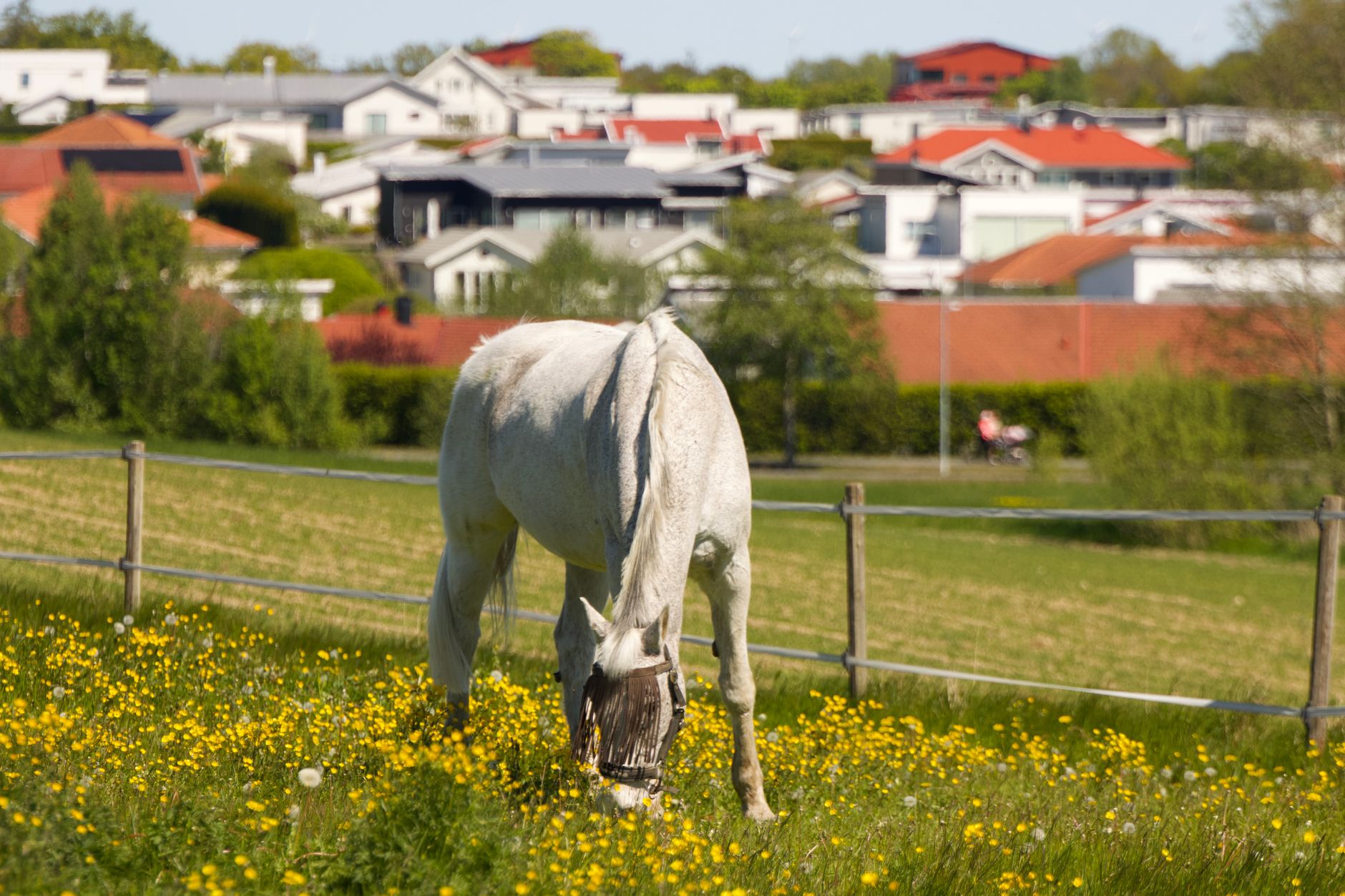
The subarctic wilderness capital where boreal trails meet gold rush frontier culture

Yellowknife, Northwest Territories, Canada
Canada
The subarctic aurora capital perched on the ancient Canadian Shield.
Churchill, Manitoba
Canada
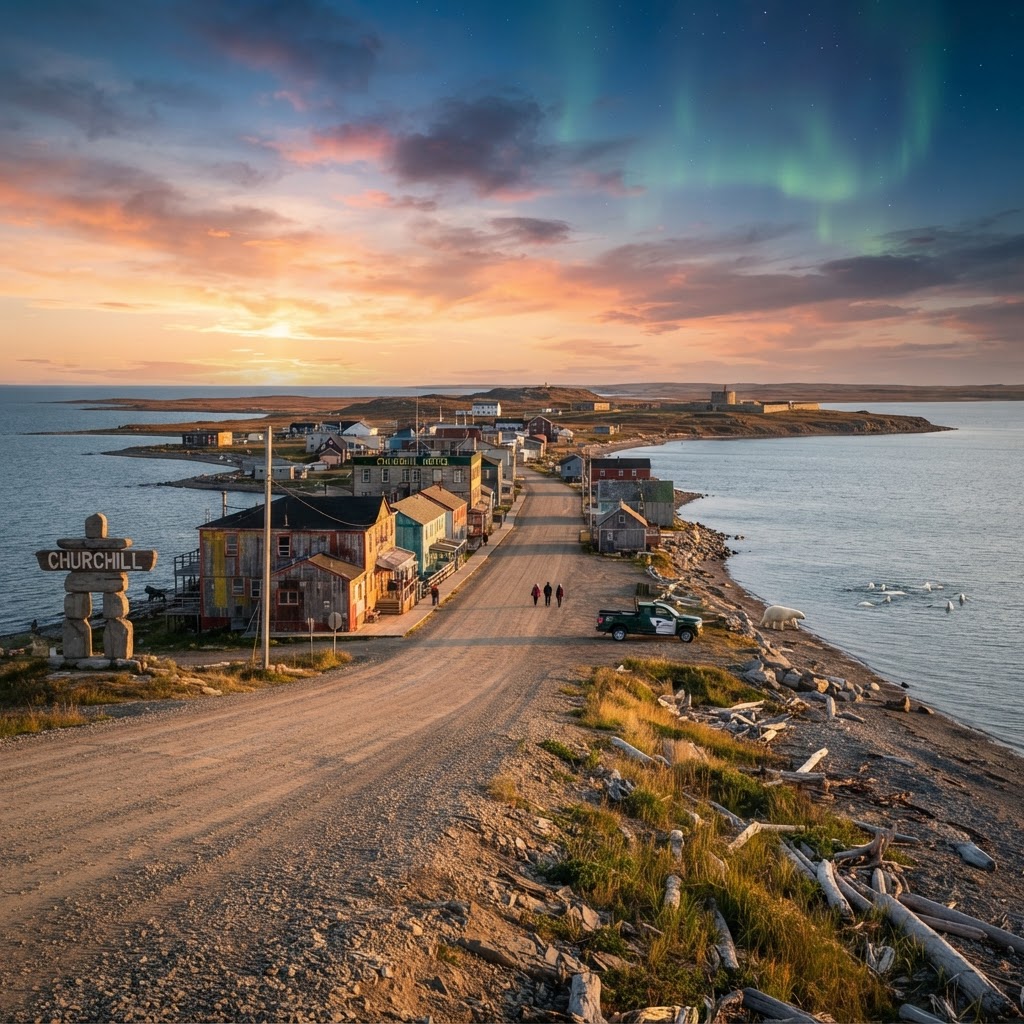
The subarctic frontier for wild polar bears, estuary belugas, and uninterrupted auroras.
Gaspé Peninsula (Gaspésie), Quebec
Canada
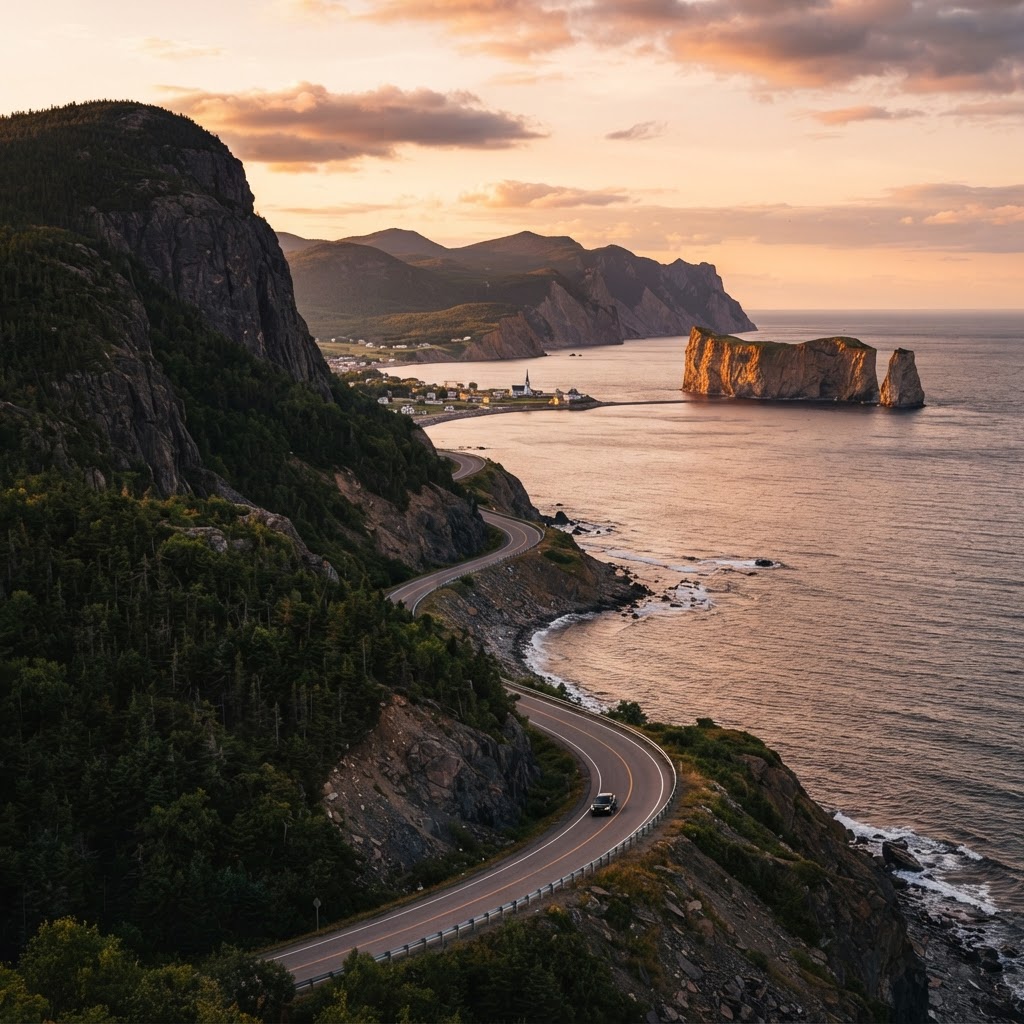
End-of-the-world sea cliffs, ancient Appalachian spines, and winding coastal highways.
Readymade itineraries
Start from a tested template — then make it yours.
Ready to book
Lock in your St. John's trip
Everything in one place. We may earn a small commission — it never costs you more.
Plan a trip to St. John's
Pick a length and we'll build a day-by-day plan around how you travel — neighborhoods clustered, budget-aware, and editable.
Get better at planning trips like this
Occasional notes on planning smarter — no spam, unsubscribe anytime.
Plan a trip to St. John's
Turn this guide into a day-by-day plan built around your pace, your group, and your budget.
Build my St. John's trip