
Croatia
Split Itinerary: How Many Days + Sample Plans
Split is a Roman emperor's retirement palace — Diocletian's, still lived in, with the sea on one side and ferries to the islands on the other.
Traveler rating
Loved by first-timers.
Plan & book
Sort your Split trip in one place.
We point you to the booking tools we'd actually use — live prices, no markup. Or let us build the day-by-day plan around you first, then book.
Pick your trip length
How many days do you need in Split?
Each of these opens a full day-by-day plan you can make your own.
- 2 days — Two days — the essentials, no rushing.
- 3 days — Three days — the icons plus one neighborhood.
- 4 days — Four days — a full city without sprinting.
- 5 days — Five days — room for a day trip.
- 7 days — A week — the city at a human pace.
- With Kids trip — Shorter days, earlier dinners, what to skip.
- For Couples trip — Two-person pacing with evenings built in.
- Solo trip — A plan that works well on your own.
- Food trip — Meals and markets as the anchors.
- Outdoors trip — Nature, walks and open air.
- Culture trip — History, museums and the streets around them.
Split is Croatia's second city — built inside and around Diocletian's Roman palace, a UNESCO site you walk through. The Riva promenade, the palace cellars, and the old town are the experience; the ferries to the islands (Hvar, Brač, Vis) leave from the port. It's the base for sailing the Dalmatian coast.
2–4 days
Best time
May to mid-June and September to early October.
Budget
€80–140 per person per day at mid-range.
Build your own trip with these prebuilt itineraries
Each one is a tested, day-by-day plan for Split — start here, then make it yours.
2 Days: Ancient History and Diocletian's Palace
First-time cultural exploration focusing on Roman history and the Old Town
7 Days: Nature, National Parks, and Gastronomy
A relaxed pace visiting Krka National Park and local vineyards in the countryside
5 Days: Dalmatian Coast and Island Hopping
Active exploration using Split as a base to reach Hvar, Brač, and Vis
Split offers the rare experience of an ancient Roman palace functioning as a living, inhabited downtown rather than an open-air museum. You sip espresso in a 1,700-year-old peristyle courtyard, walk through massive Roman gates to buy figs at the open-air market, and board island ferries steps from the Emperor's front door.
Where to stay
Getting there
Getting around
Food & drink
What it costs
Things to do
Book tours & tickets in SplitSkip it if
Skip staying in central Split if you want secluded sand beaches right outside your door or a quiet, rural coastal retreat—it is a bustling transit hub and port city.
When to go
Peak summer brings relentless heat, cruise ship gridlock, and packed ferries, while early autumn keeps the Adriatic warm enough for swimming without the claustrophobia of July and August.
Peak (July–August)
High heat, lively nightlife, full cruise docks, and highest accommodation rates; book ferries and stays months ahead.
Shoulder (May–June, September–October)
Warm swimming conditions, comfortable temperatures for climbing Marjan Hill, and manageable crowds across the old town.
Low (November–April)
Quiet streets and bargain rates, but cool weather, occasional bura winds, and reduced ferry connections to outer islands.
Neighborhoods
Where you stay shapes the trip. Here's how to think about it.
Grad (Diocletian's Palace & Old Town)
Living Roman monument buzzing with cafes, tour groups, and ancient alleys
Best for:First-timers, architecture buffs, short stays
Don't miss:Entering the Peristyle early in the morning before daytime crowds arrive, and passing through the Roman Podrumi (substructures).
Varoš (Veli Varoš)
Charming, labyrinthine old fishermen's quarter of stone cottages climbing up Marjan Hill
Best for:Walkers, couples, travelers wanting quiet charm close to the center
Don't miss:The winding stone stairways leading to the Prva Vidilica viewpoint overlooking the harbor.
Bačvice
Breezy seaside neighborhood known for its shallow sand bay and energetic nightlife
Best for:Beachgoers, casual diners, nightlife seekers
Don't miss:Watching locals play picigin in the knee-deep surf on Bačvice Beach.
Meje
Upscale, leafy residential stretch running along the southern foot of Marjan Forest Park
Best for:Tranquil stays, museum lovers, swimmers
Don't miss:Visiting the Ivan Meštrović Gallery and dropping down to Kašjuni Beach below the pine cliffs.
Lučac & Radunica
Traditional stone-street neighborhood just east of the palace walls
Best for:Budget-conscious travelers, ferry hoppers
Don't miss:Exploring the historic Radunica street artery lined with local konobas and authentic Dalmatian stone facades.
Money & essentials
Currency
Euro (EUR). Cards accepted; cash for small places.
Language
Croatian. English in tourist areas.
Safety
Very high safety index; normal precautions against pickpocketing around ferry terminals and crowded squares apply.
Budget range
€80–140 per person per day at mid-range.
Tipping
Rounding up or leaving 5–10% at sit-down restaurants is customary for good service; small change is standard at cafes.
How to plan it
- Stay in Varoš or Lučac if you want pedestrian access to the palace without hauling luggage through crowded car-free flagstone corridors.
- Pair Split with an island stay (like Vis or Korčula) rather than doing multiple rushed day-trip catamarans back and forth.
- Don't try to visit both Krka National Park and Hvar on the same weekend—island logistics and mainland bus traffic will burn an entire day in transit.
- Book high-speed catamaran tickets to Hvar or Bol 1–2 weeks ahead during peak summer to avoid being stranded on the dock.
- Climb Marjan Hill early in the morning before 9:00 AM to beat both the Adriatic sun and mid-day tour bus crowds.
Questions
More in Croatia
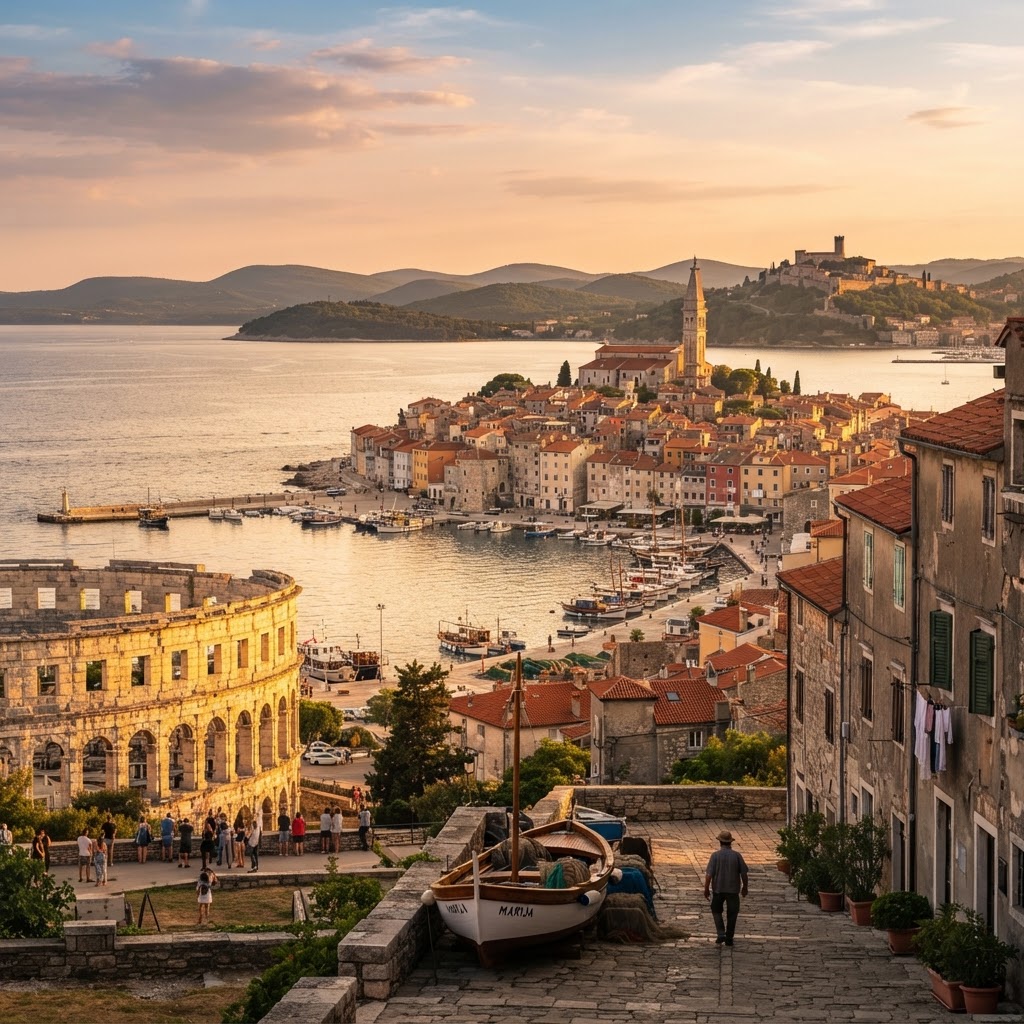
Istria
Croatia
Venetian fishing ports, Roman amphitheatres, and truffle-scented interior hill towns.
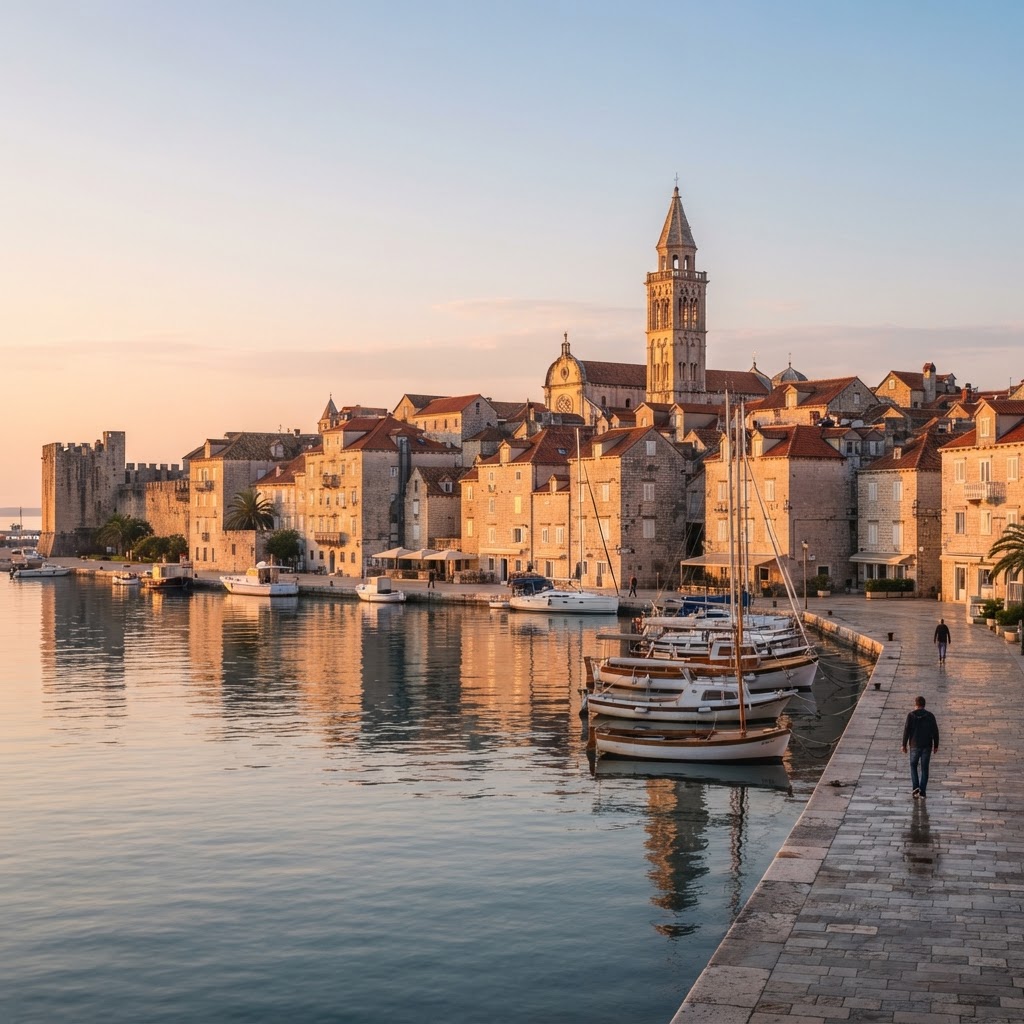
Trogir, Croatia
Croatia
A compact UNESCO-listed island fortress with Venetian stone, quiet mornings, and easy Adriatic access.
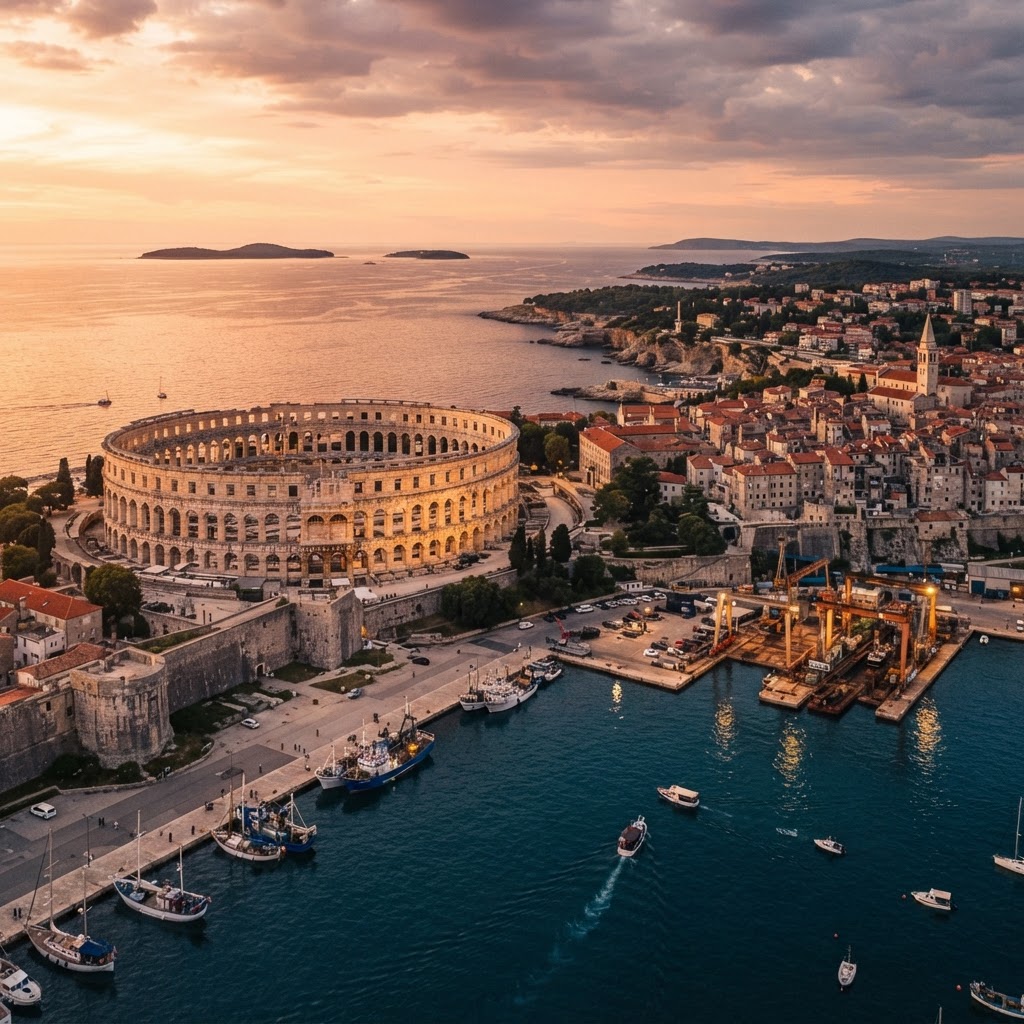
Pula, Croatia
Croatia
Roman engineering, rugged coves, and working-port authenticity anchor Istria's southern tip.
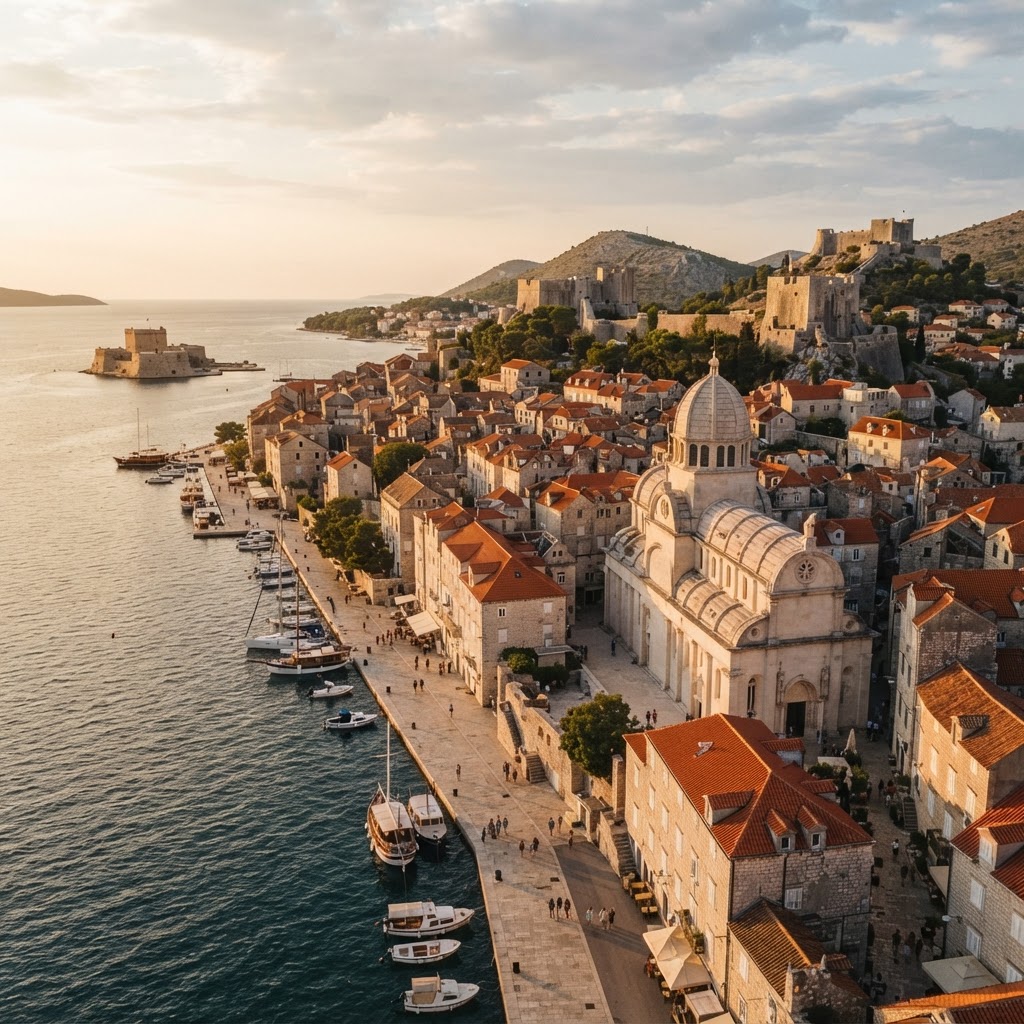
Šibenik
Croatia
Two UNESCO monuments, four Venetian fortresses, and zero cruise ship throngs.
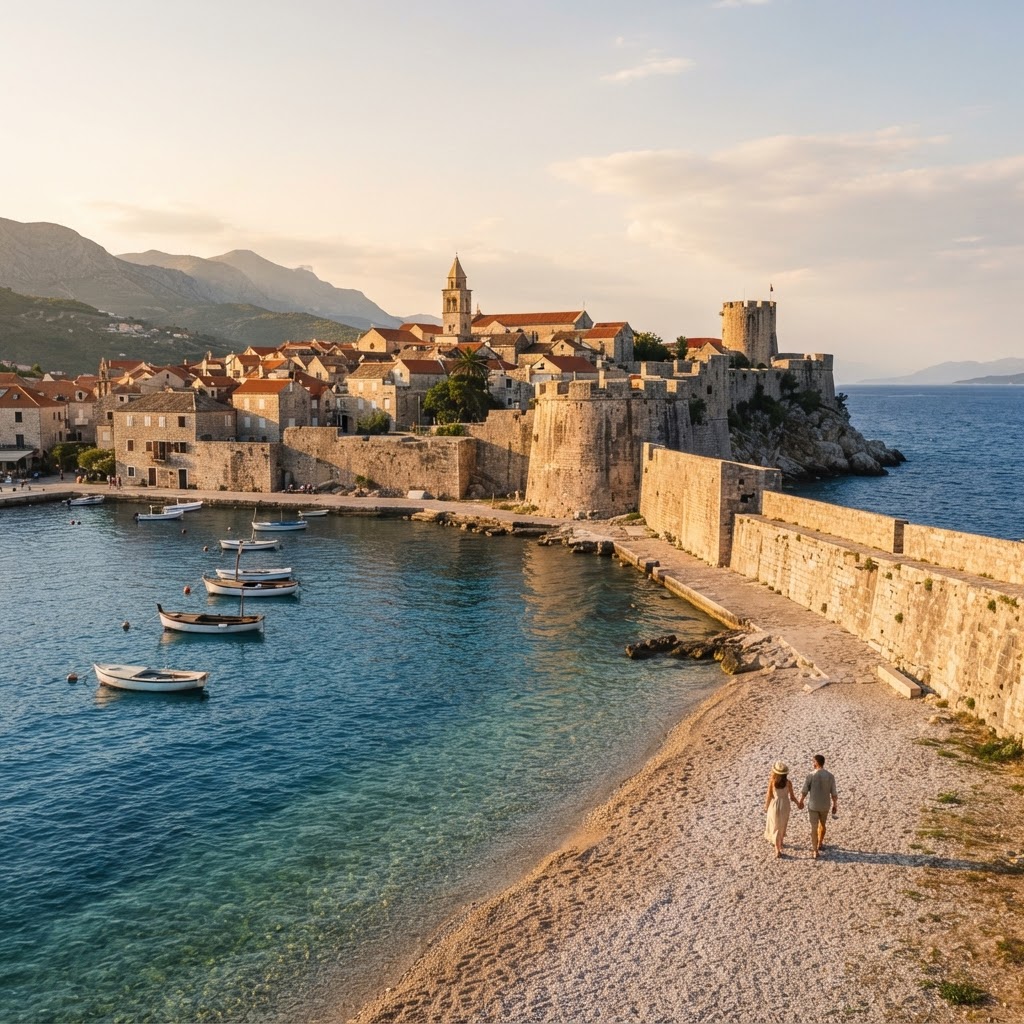
Korčula, Croatia
Croatia
Venetian stone ramparts, hyper-local indigenous wines, and secluded pebble coves without Hvar's party scene.
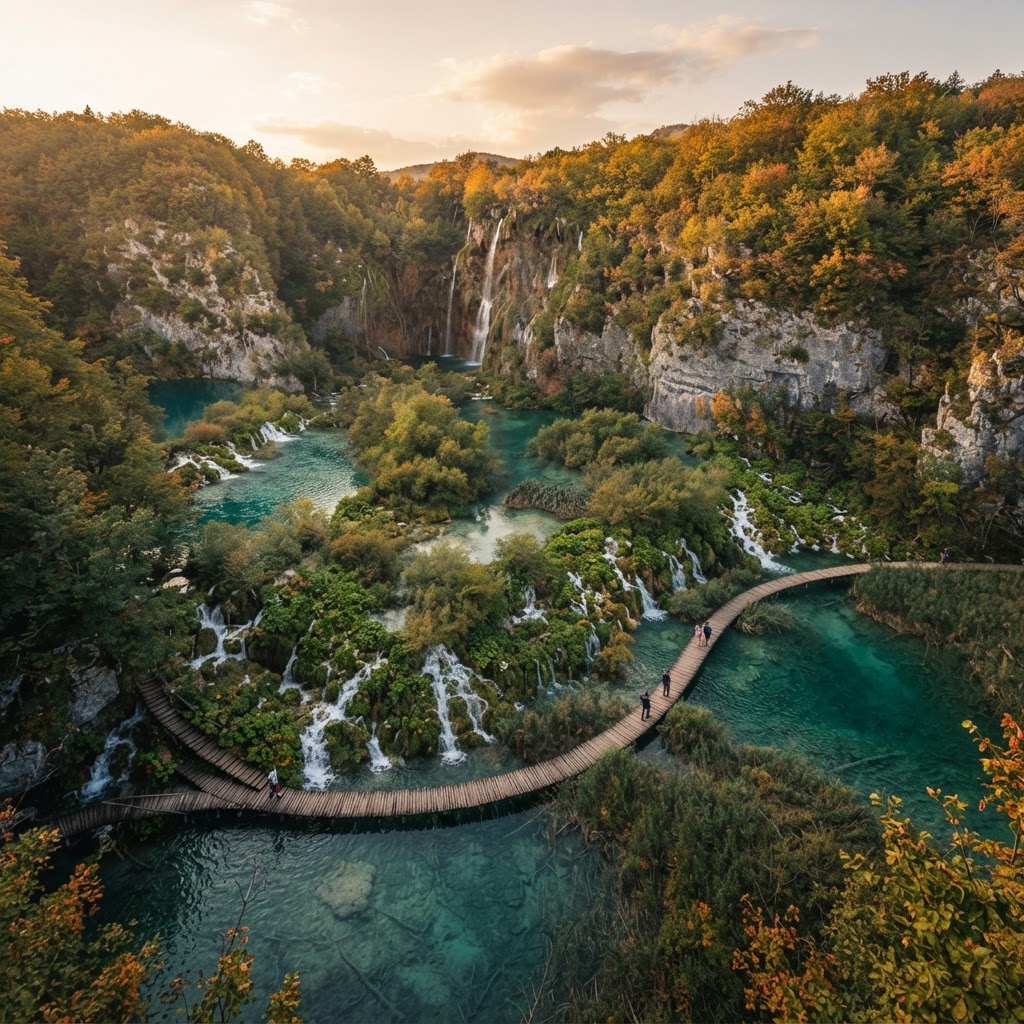
Plitvice Lakes
Croatia
Sixteen stepped travertine basins, cascading falls, and raw karst landscape.
Readymade itineraries
Start from a tested template — then make it yours.
Ready to book
Lock in your Split trip
Everything in one place. We may earn a small commission — it never costs you more.
Plan a trip to Split
Pick a length and we'll build a day-by-day plan around how you travel — neighborhoods clustered, budget-aware, and editable.
Get better at planning trips like this
Occasional notes on planning smarter — no spam, unsubscribe anytime.
Plan a trip to Split
Turn this guide into a day-by-day plan built around your pace, your group, and your budget.
Build my Split trip