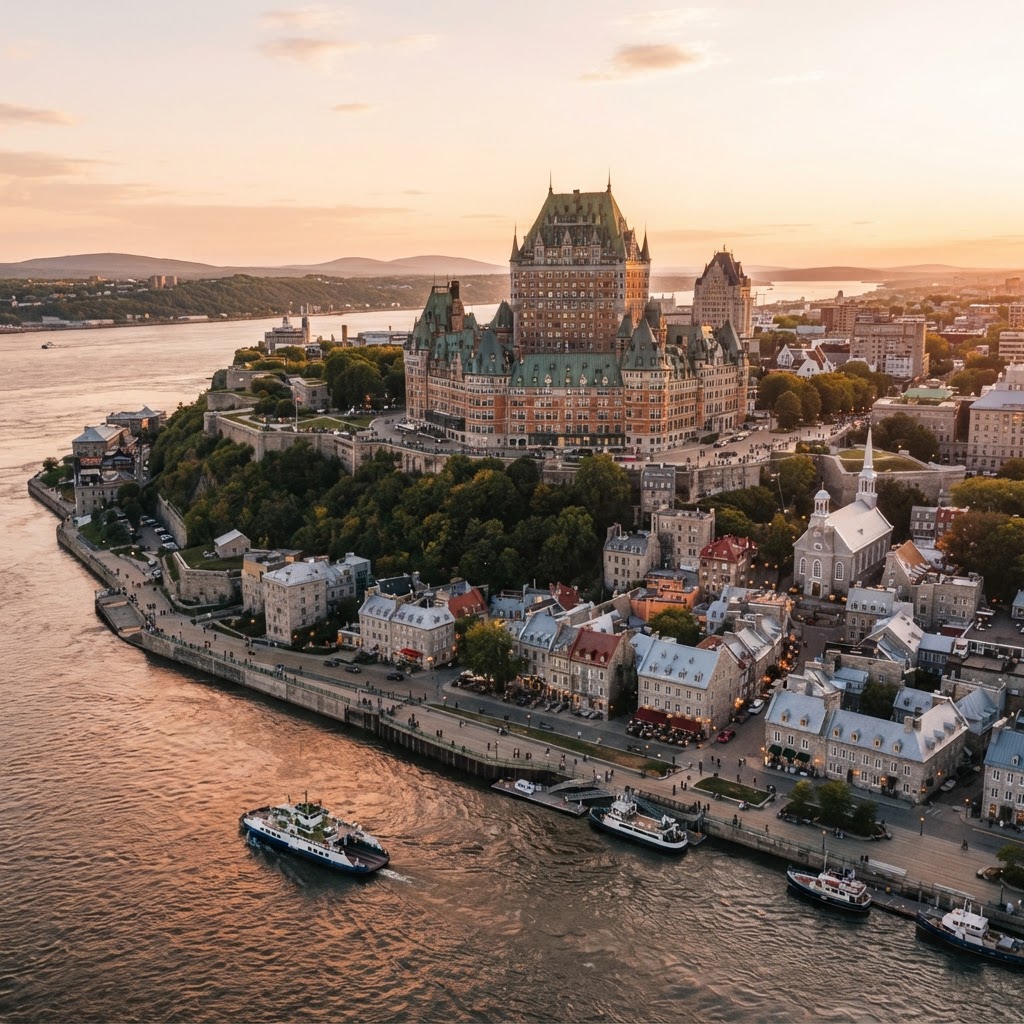
Canada
Quebec City
Fortified 17th-century ramparts, steep cobblestones, and boreal gastronomy perched high above the Saint Lawrence.
Plan & book
Sort your Quebec City trip in one place.
We point you to the booking tools we'd actually use — live prices, no markup. Or let us build the day-by-day plan around you first, then book.
Quebec City is the sole fortified city north of Mexico, structured across distinct topographical terraces: Haute-Ville (Upper Town) balanced atop Cap Diamant within massive stone ramparts, and Basse-Ville (Lower Town) lining the banks of the Saint Lawrence River below. It operates with a distinct French-speaking cultural gravity, pairing intact 17th- and 18th-century stone architecture with an ambitious boreal and terroir-driven restaurant scene. Unlike Montreal's sprawl, Quebec City's core is intensely compact, highly walkable, and marked by dramatic elevation shifts.
3 to 4 days
Build your own trip with these prebuilt itineraries
Each one is a tested, day-by-day plan for Quebec City — start here, then make it yours.
4 Days in Quebec City
Comprehensive culture, museums, Jacques-Cartier National Park nature extension
3 Days in Quebec City
Historic core plus Montmorency Falls and Île d'Orléans culinary loop
2 Days in Quebec City
Old Quebec historic highlights, Petit-Champlain, and classic French-Canadian cuisine
Go for genuine architectural preservation and food sovereignty that feels completely detached from typical North American metropolitan templates. Walking the stone corridors of Vieux-Québec, descending the Breakneck Steps into Place-Royale, and dining on Arctic char, local game, and aged raw-milk cheeses feels closer to Normandy or Saint-Malo than eastern Canada, yet maintains a modern culinary identity forged by local micro-distillers and northern botanicals.
Where to stay
Getting there
Getting around
Food & drink
What it costs
Things to do
Book tours & tickets in Quebec CitySkip it if
Skip or shorten to a swift overnight if you require high-energy, late-night nightlife, massive urban scale, or if you have severe mobility limitations that make steep cobblestone hills and icy stairs exhausting.
Destination intelligence
Updated 9/12/2026The structured record we plan every Quebec City itinerary from.
Walkability
Exceptional within central districts, though demands high stamina for steep staircases and cobblestone grades.
Transit quality
Moderate; the RTC bus network cleanly connects central neighborhoods, but rail transit is absent within the core.
Car needed
No car needed if staying within Old Quebec and central neighborhoods; rent a car only for day trips to Charlevoix or Jacques-Cartier.
Ideal duration
3 to 4 days
Minimum useful
2 days
Peak season
July to August (summer festivals and cruise traffic) and mid-December through February (holiday decor and Winter Carnival).
Shoulder season
May to June (warming weather and quiet patios) and mid-September to October (dramatic Laurentian fall foliage).
Low season
November and late March to April (chilly, transition season with wet snowmelt and muddy trails).
Best for
Common mistakes
- Renting a car while staying inside Old Quebec, where parking runs CAD $30-$50 per night, streets are narrow pedestrian zones, and one-way grids are punishing.
- Underestimating the hill climbs between Basse-Ville and Haute-Ville in slippery winter weather.
- Assuming French fluency is mandatory—while French is the official and everyday language, service staff in central neighborhoods switch seamlessly to English.
- Booking the entire stay within the fortified walls and never stepping into Saint-Roch, Saint-Sauveur, or Montcalm, where locals actually eat and socialize.
Best nearby
More in Canada
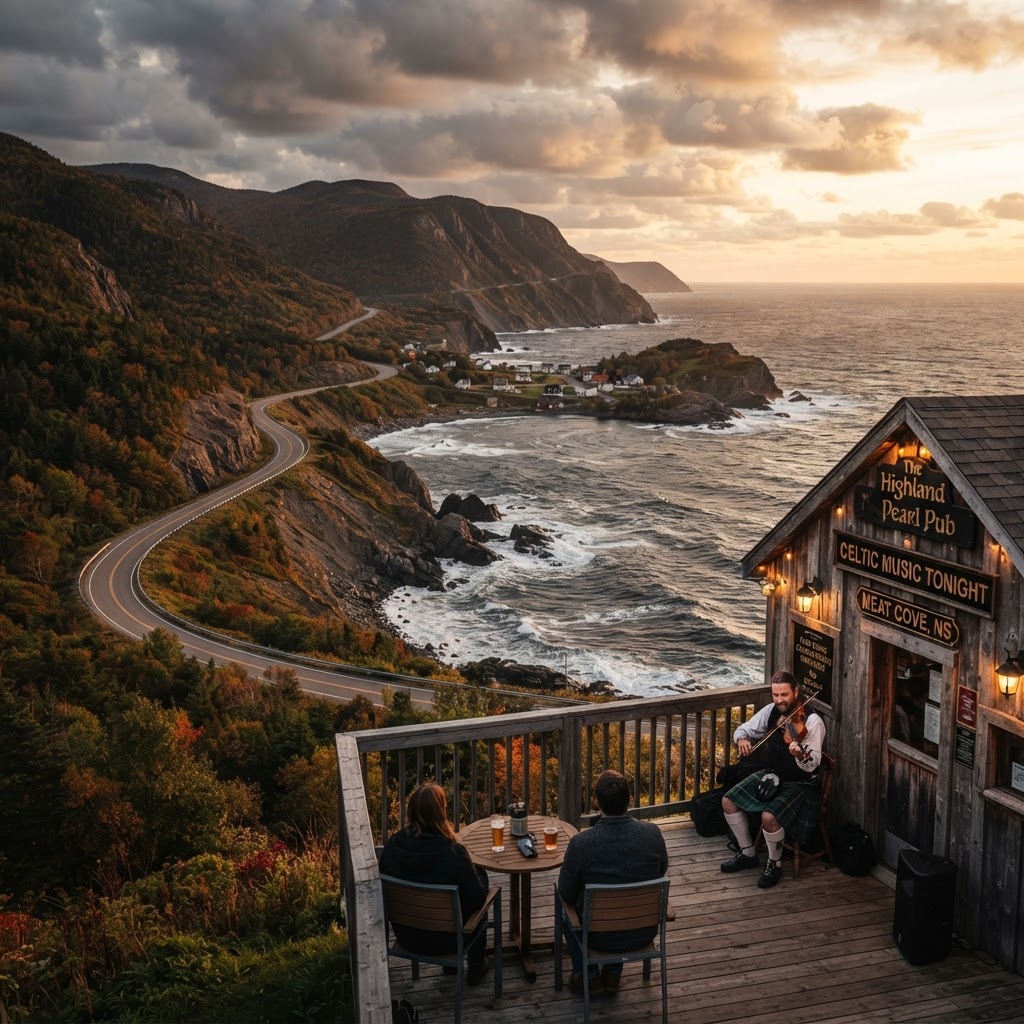
Cape Breton Island, Nova Scotia
Canada
Sea-sculpted highlands, living Celtic fiddling traditions, and wild Atlantic drama.
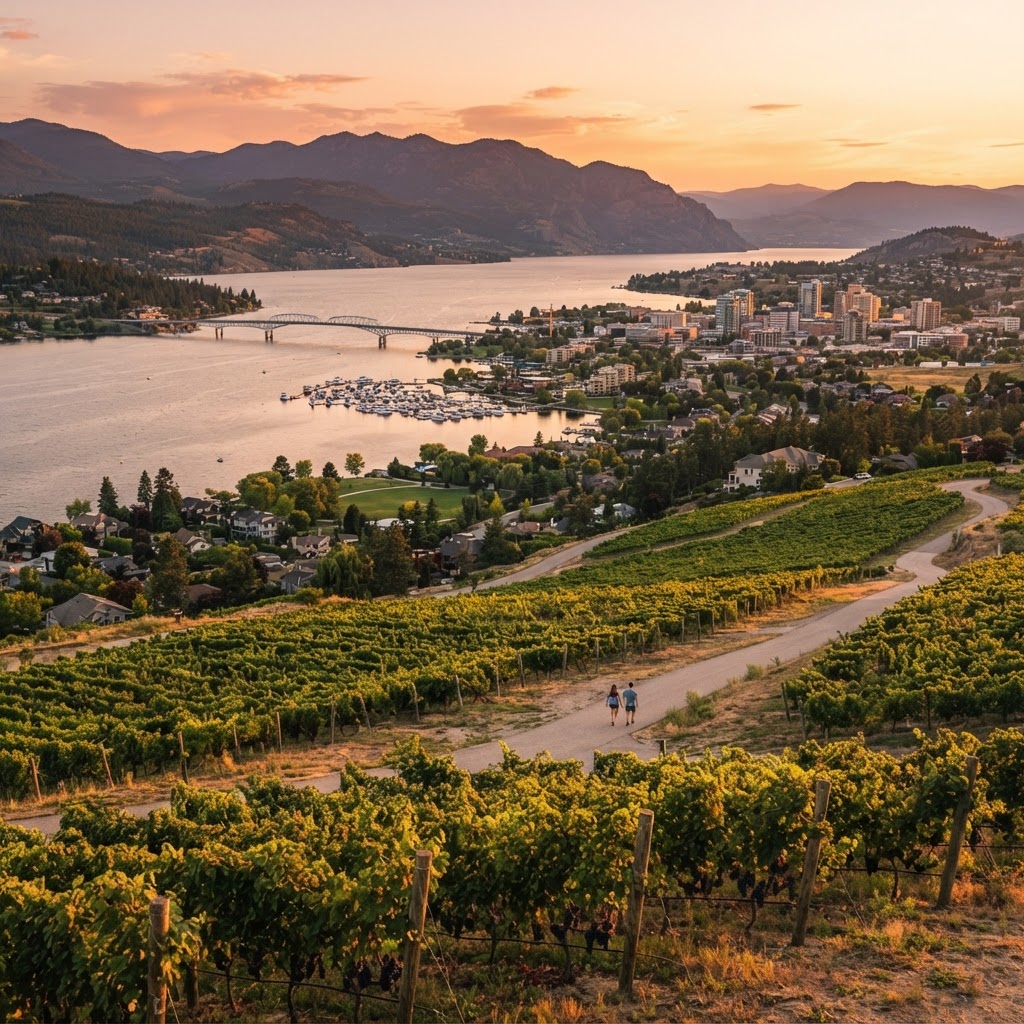
Kelowna
Canada
Sun-drenched vineyards, lakeside living, and pine-scented benchlands in British Columbia’s interior.
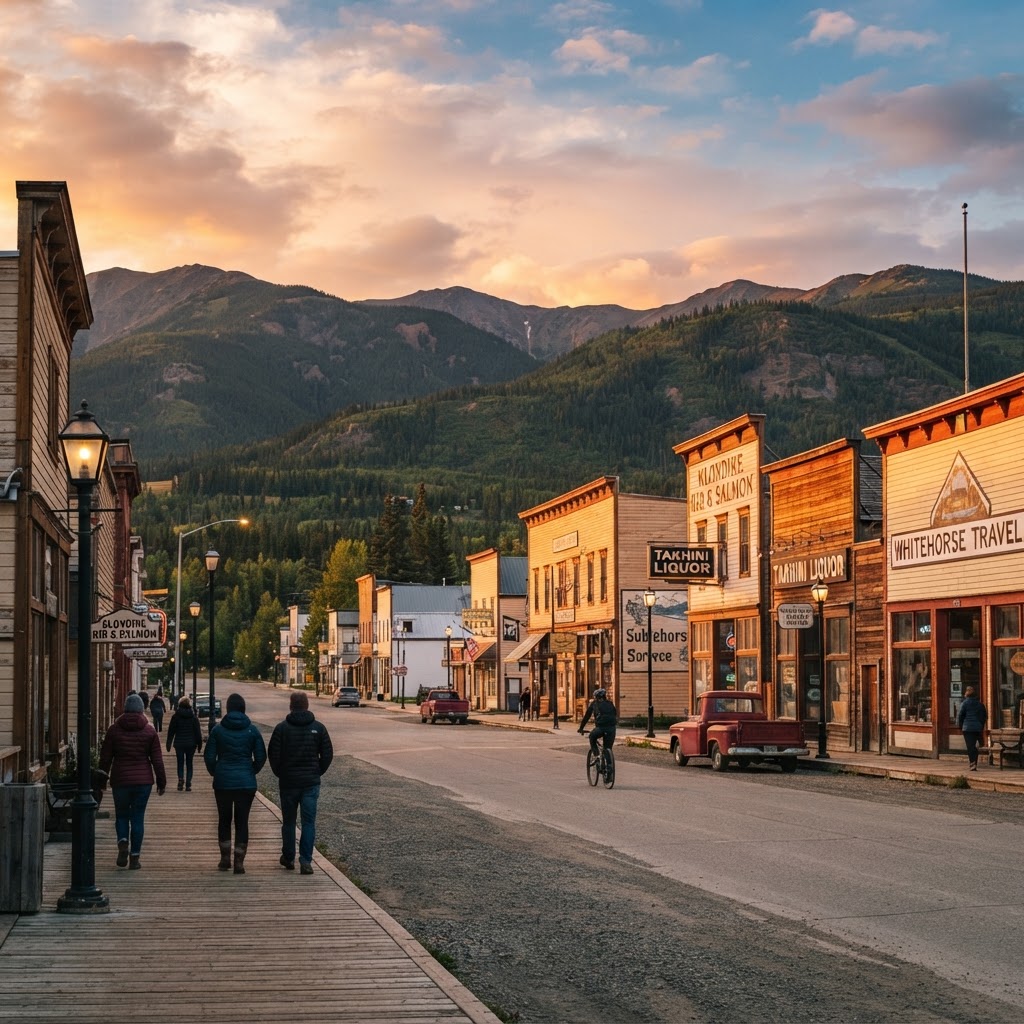
Whitehorse
Canada
The subarctic wilderness capital where boreal trails meet gold rush frontier culture
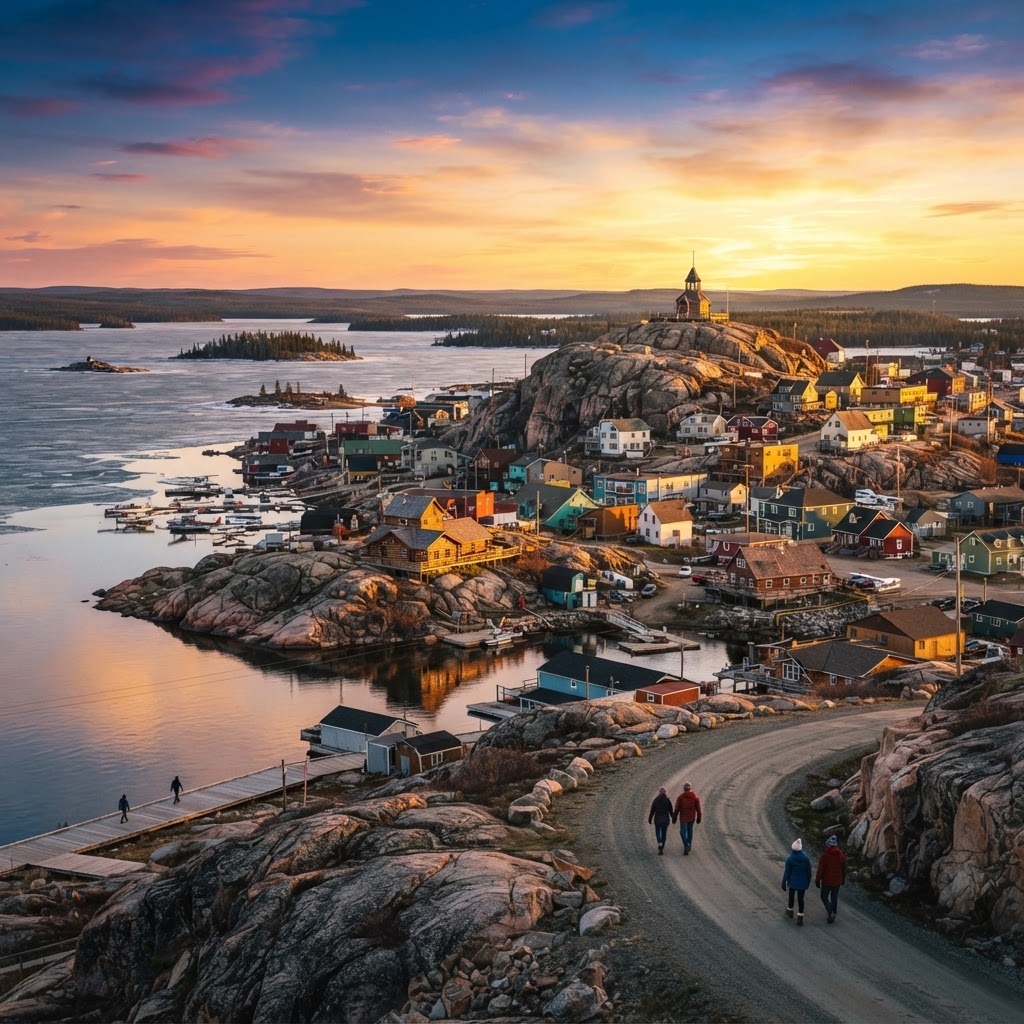
Yellowknife, Northwest Territories, Canada
Canada
The subarctic aurora capital perched on the ancient Canadian Shield.
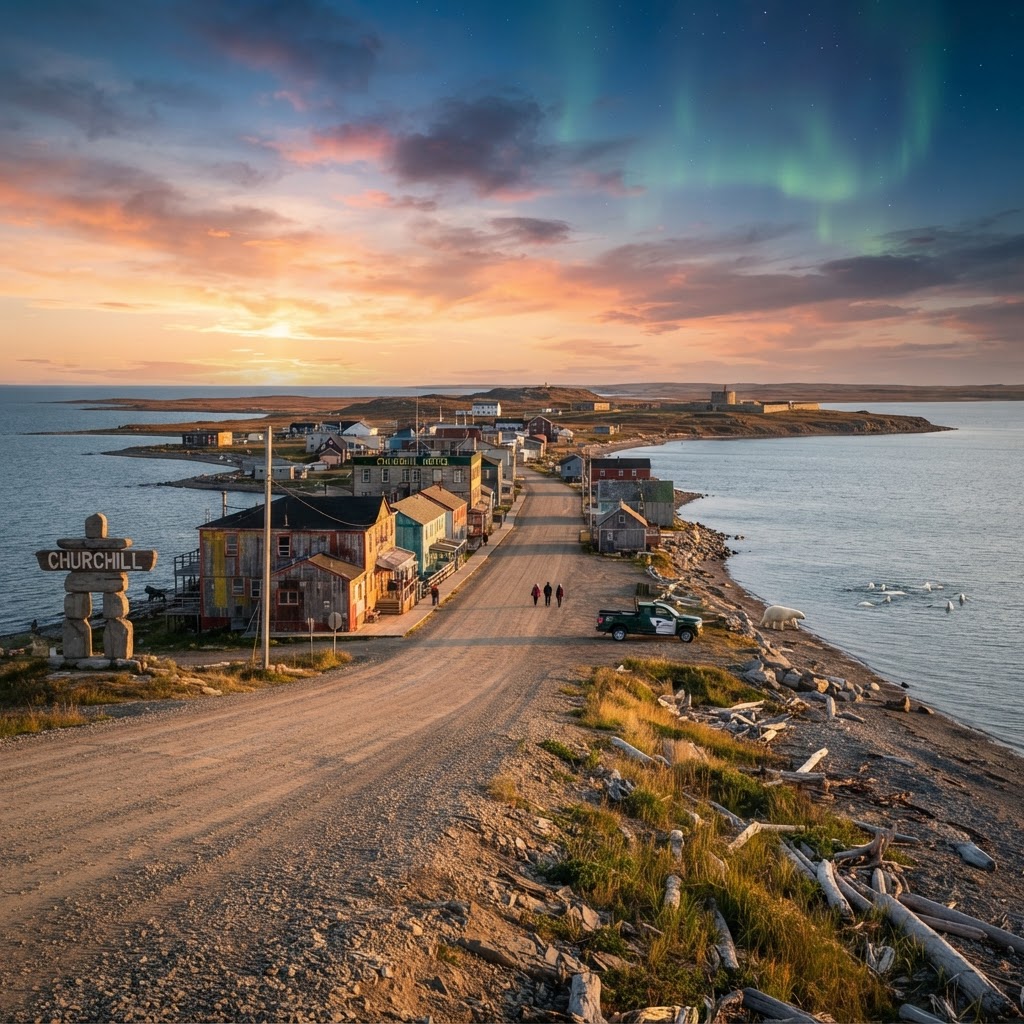
Churchill, Manitoba
Canada
The subarctic frontier for wild polar bears, estuary belugas, and uninterrupted auroras.
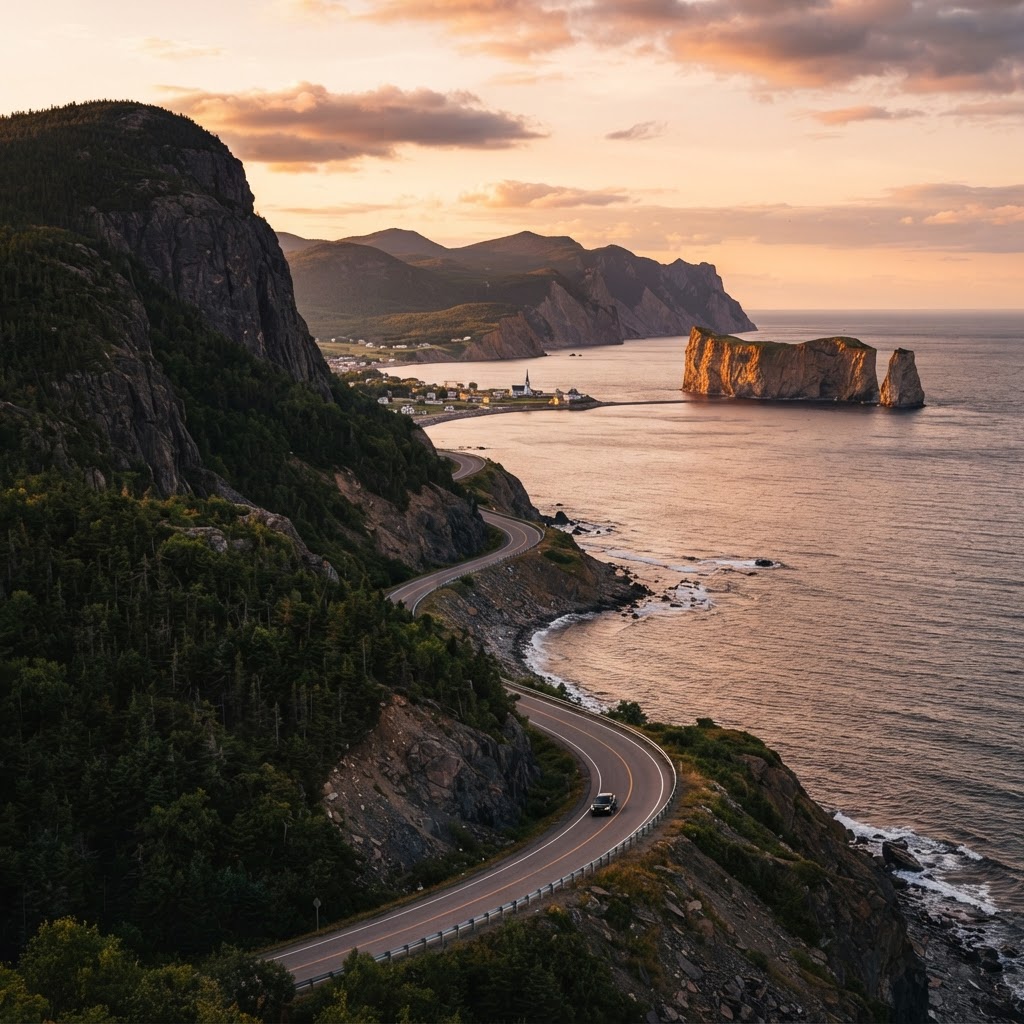
Gaspé Peninsula (Gaspésie), Quebec
Canada
End-of-the-world sea cliffs, ancient Appalachian spines, and winding coastal highways.
Readymade itineraries
Start from a tested template — then make it yours.
Ready to book
Lock in your Quebec City trip
Everything in one place. We may earn a small commission — it never costs you more.
Plan a trip to Quebec City
Pick a length and we'll build a day-by-day plan around how you travel — neighborhoods clustered, budget-aware, and editable.
Get better at planning trips like this
Occasional notes on planning smarter — no spam, unsubscribe anytime.
Plan a trip to Quebec City
Turn this guide into a day-by-day plan built around your pace, your group, and your budget.
Build my Quebec City trip