Italy
Puglia, Italy
Centuries-old masserie, drystone olive groves, and slow Adriatic road-tripping.
Plan & book
Sort your Puglia, Italy trip in one place.
We point you to the booking tools we'd actually use — live prices, no markup. Or let us build the day-by-day plan around you first, then book.
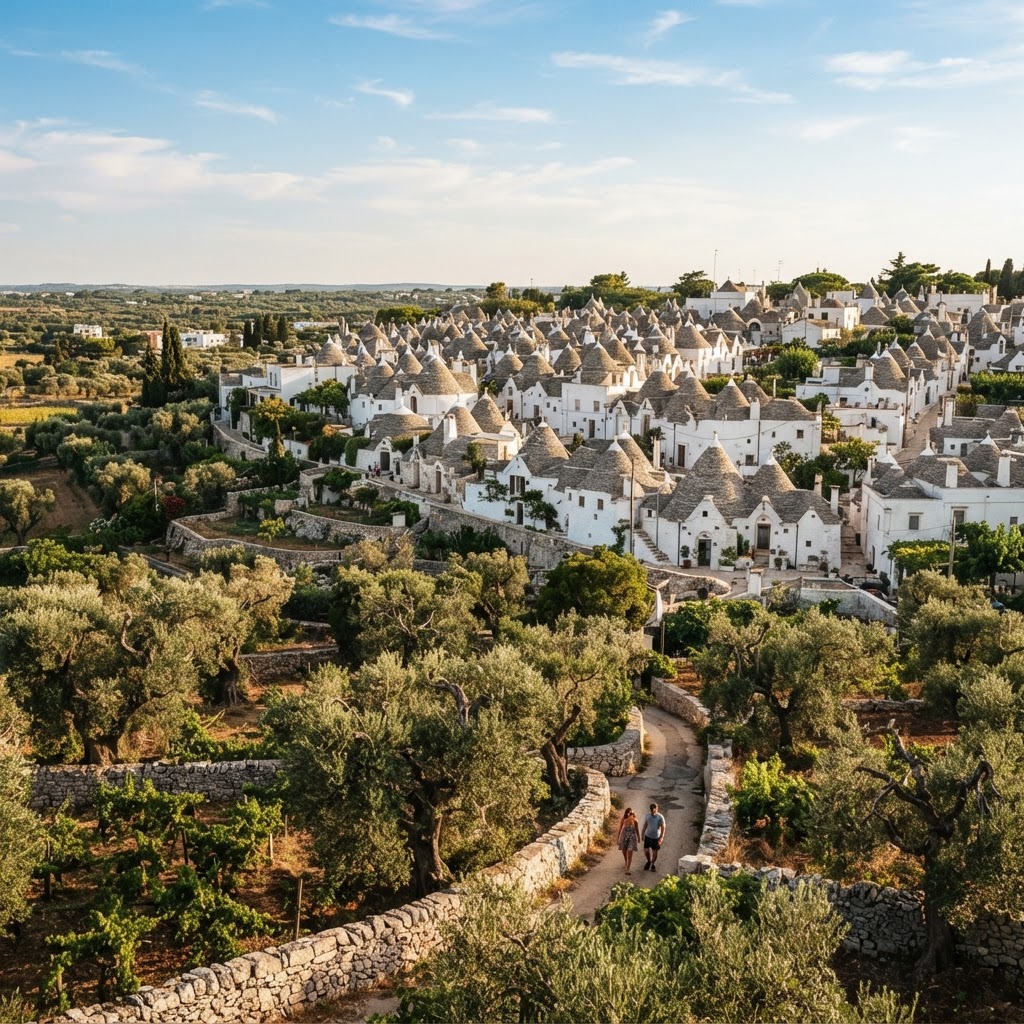
Stretching hundreds of kilometers along the heel of Italy's boot, Puglia trades high-strung city touring for lazy lunches under olive trees, fortified farmhouse stays, and baroque limestone alleys. From the conical drystone trulli of the Valle d'Itria to the dramatic chalky coves of the Salento coast, it is an inherently regional, decentralized destination best explored at an unhurried driving pace.
8-10 days
Build your own trip with these prebuilt itineraries
Each one is a tested, day-by-day plan for Puglia, Italy — start here, then make it yours.
Puglia delivers Italy at an agrarian, regional scale that avoids the museum-queue fatigue of Florence or Rome. The primary draw is the masseria experience—spending mornings poolside at a restored centuries-old fortified agricultural estate, afternoons sampling spicy spaghetti all'assassina or ear-shaped orecchiette, and evenings strolling honey-colored historic quarters where life unfolds on public piazzas. It is also one of the country's most rewarding driving destinations if you favor rural tranquility over dense cultural itineraries.
Where to stay
Getting there
Getting around
Food & drink
What it costs
Things to do
Book tours & tickets in Puglia, ItalySkip it if
Travelers who insist on a car-free vacation without train delays; those seeking world-class museum heavyweights on par with Rome or Florence; and visitors in August looking for empty, untamed sandy beaches without dense rows of paid lido umbrellas.
Destination intelligence
Updated 9/12/2026The structured record we plan every Puglia, Italy itinerary from.
Walkability
Low overall for the region due to large rural distances, though individual town centers (Lecce, Monopoli, Ostuni) are exceptionally walkable on foot once parked.
Transit quality
Fair along the central coastal train corridor (Bari-Polignano-Monopoli-Lecce), but slow, infrequent, and unreliable across inland agricultural valleys.
Car needed
Yes, a car is virtually mandatory to experience the countryside masserie, olive farms, and scattered Valle d'Itria hill towns.
Ideal duration
8-10 days
Minimum useful
4-5 days
Peak season
July to August (extreme summer heat, peak room rates, and packed beaches).
Shoulder season
May to June and September to October (warm swimming weather, quiet town squares, and perfect outdoor dining temperatures).
Low season
November to April (cool, quiet, and atmospheric, though many coastal beach clubs and boutique rural hotels close for winter).
Best for
Common mistakes
- Attempting to cover the entire region—from the Gargano Peninsula down to Santa Maria di Leuca—in less than a week, spending half the vacation on congested two-lane highways.
- Relying solely on public transit while attempting to stay in a rural masseria.
- Visiting in late July and August, when scorching midday heat and massive domestic crowds overwhelm beaches and parking lots.
- Driving directly into protected ZTL (Zona a Traffico Limitato) historic centers and racking up automated camera fines.
- Underestimating the regional riposo (afternoon siesta), when small-town shops, bakeries, and sights shutter firmly between 1:30 PM and 5:00 PM.
Best nearby
See what a trip to Italy actually costs. Travel Budget Co.
More in Italy
Lake Garda
Italy
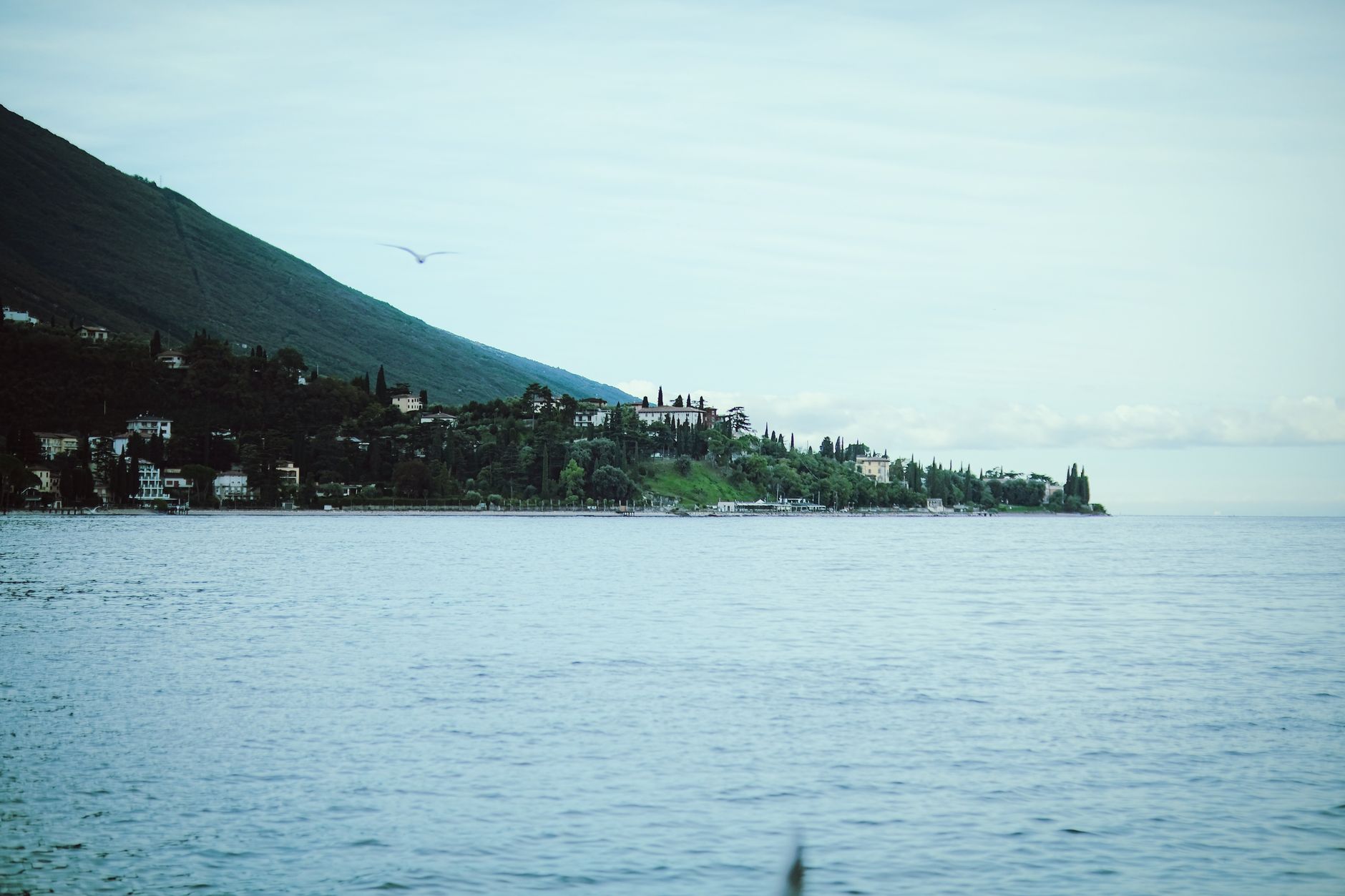
Fjord-like northern crags, southern olive groves, and lake life without the Como theater
Portofino
Italy
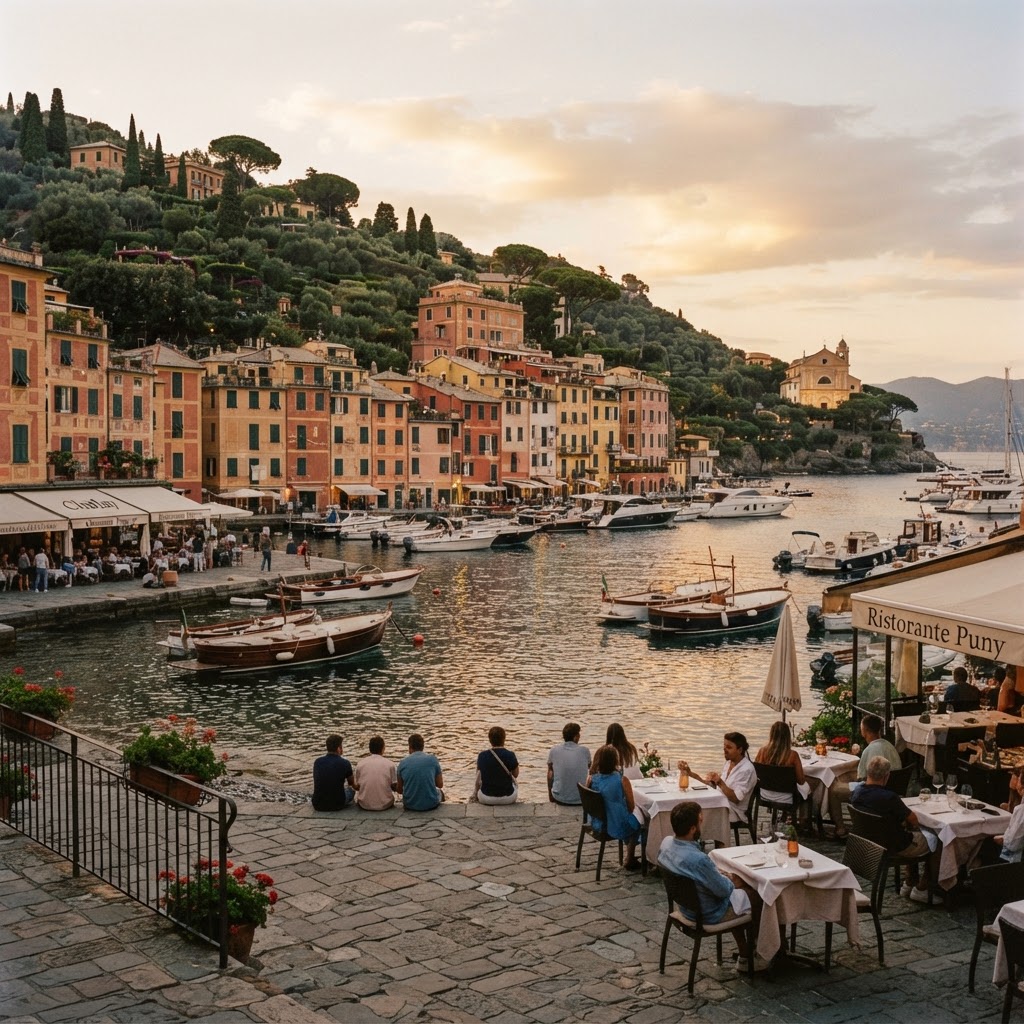
A pocket-sized Riviera cove where lingering beats sightseeing.
Pisa
Italy
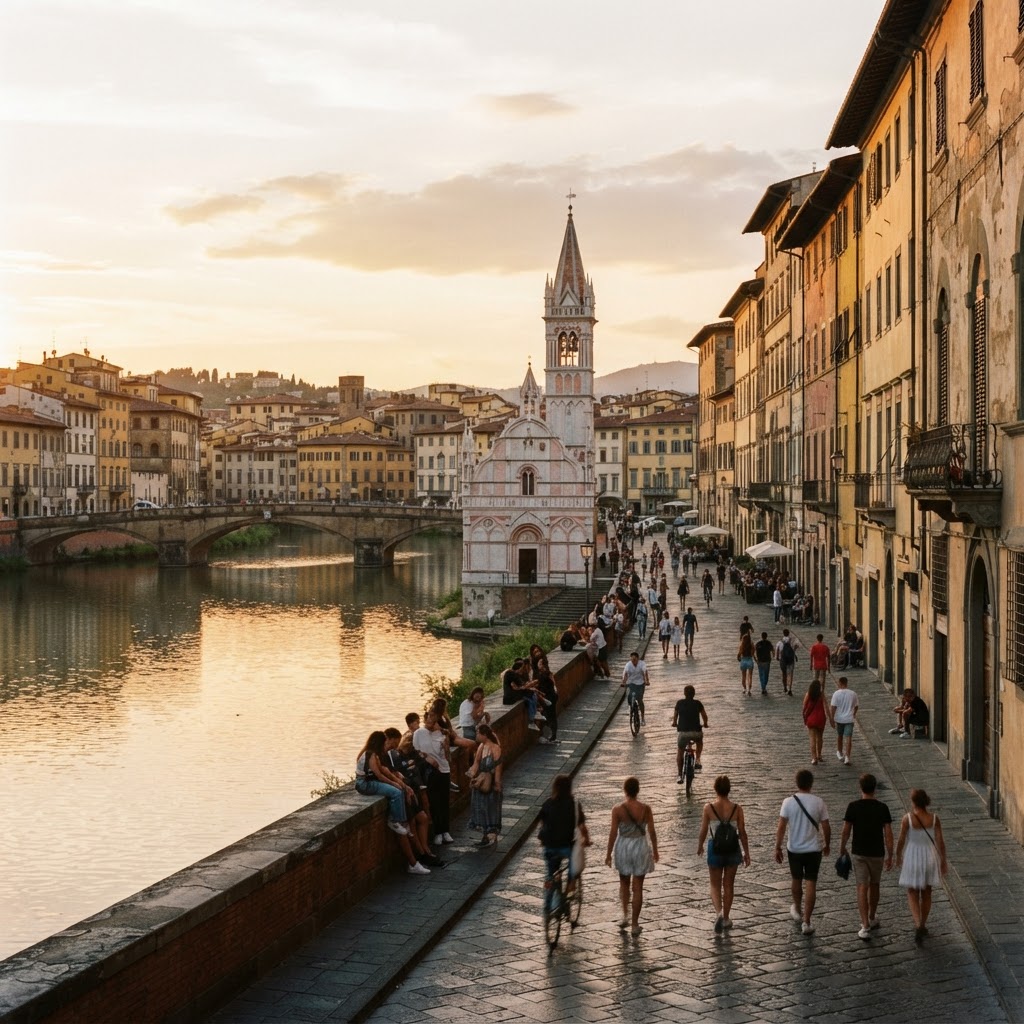
Beyond the leaning marble: a lively university city of riverside palaces and quiet piazzas.
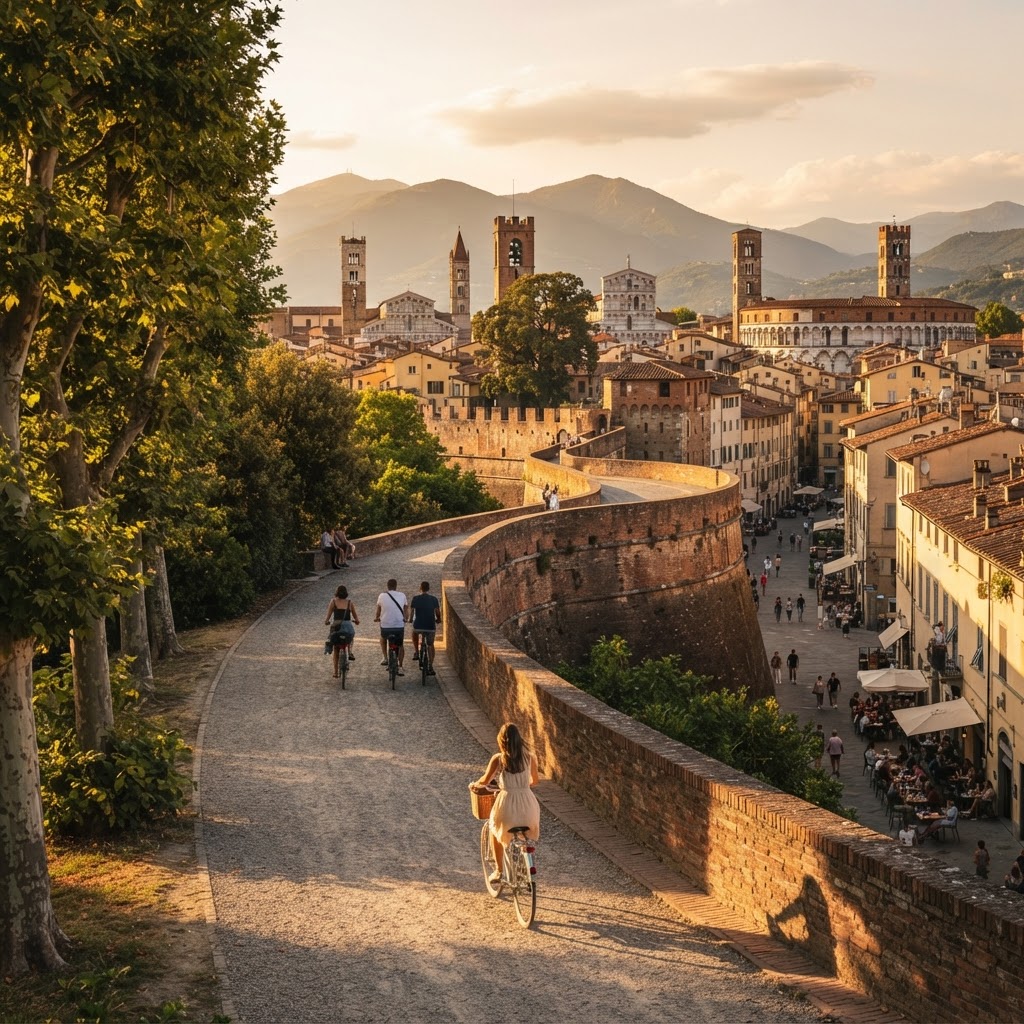
Lucca, Italy
Italy
A graceful, walled Tuscan oasis made for cycling ramparts and unhurried aperitivi.
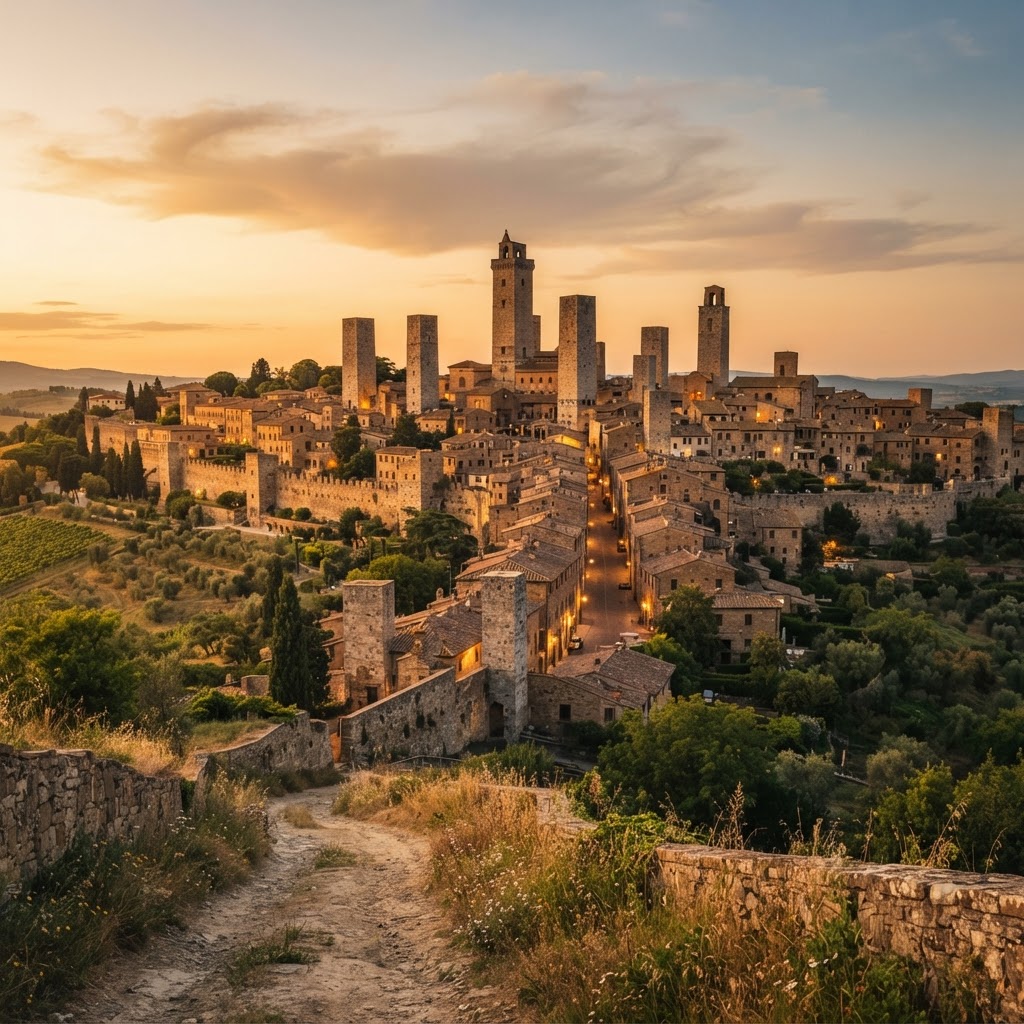
San Gimignano
Italy
Tuscany's medieval Manhattan, magical only when the day-trippers vanish
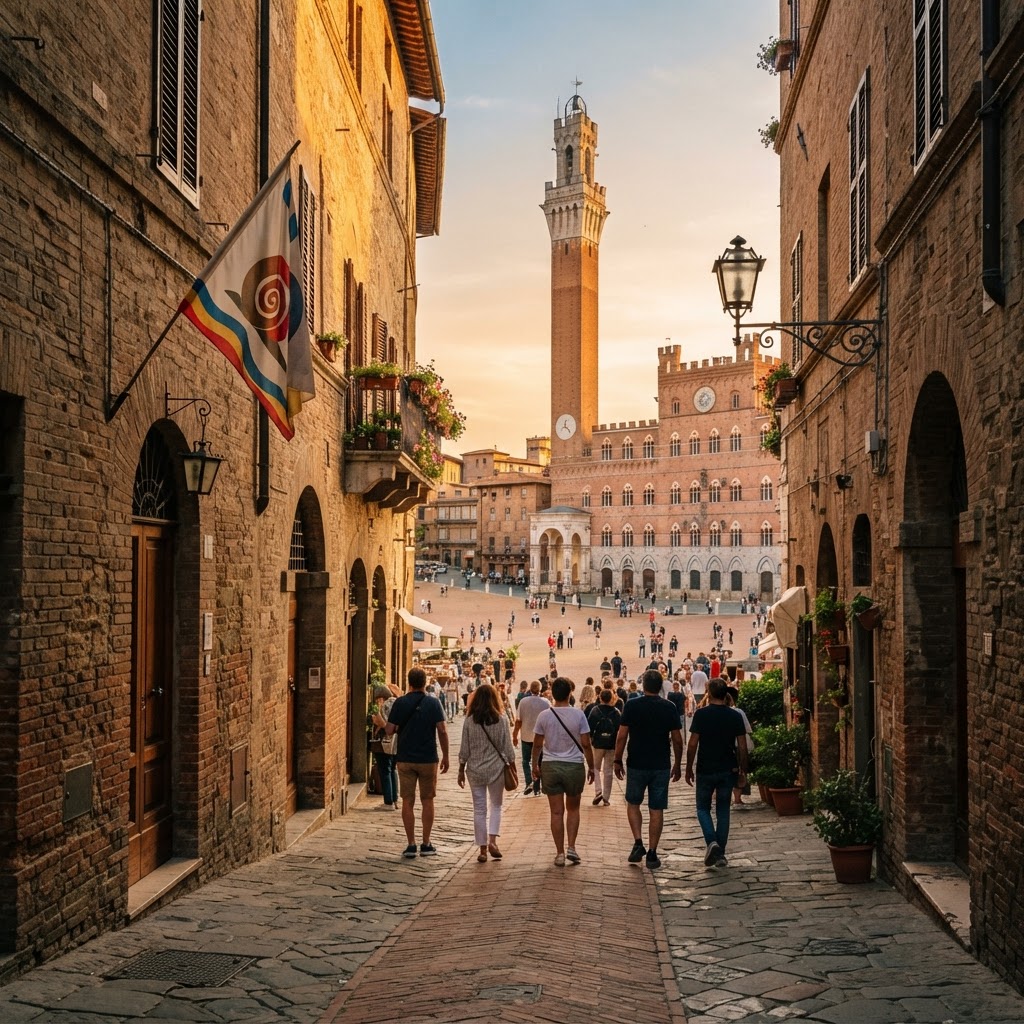
Siena, Tuscany, Italy
Italy
Gothic brick alleys, neighborhood contrada pride, and Italy's most dramatic medieval square
Readymade itineraries
Start from a tested template — then make it yours.
Ready to book
Lock in your Puglia, Italy trip
Everything in one place. We may earn a small commission — it never costs you more.
Plan a trip to Puglia, Italy
Pick a length and we'll build a day-by-day plan around how you travel — neighborhoods clustered, budget-aware, and editable.
Get better at planning trips like this
Occasional notes on planning smarter — no spam, unsubscribe anytime.
Plan a trip to Puglia, Italy
Turn this guide into a day-by-day plan built around your pace, your group, and your budget.
Build my Puglia, Italy trip