Italy
Palermo, Italy
Unfiltered Norman-Arab majesty, frantic open-air markets, and gritty street-level vitality.
Plan & book
Sort your Palermo, Italy trip in one place.
We point you to the booking tools we'd actually use — live prices, no markup. Or let us build the day-by-day plan around you first, then book.
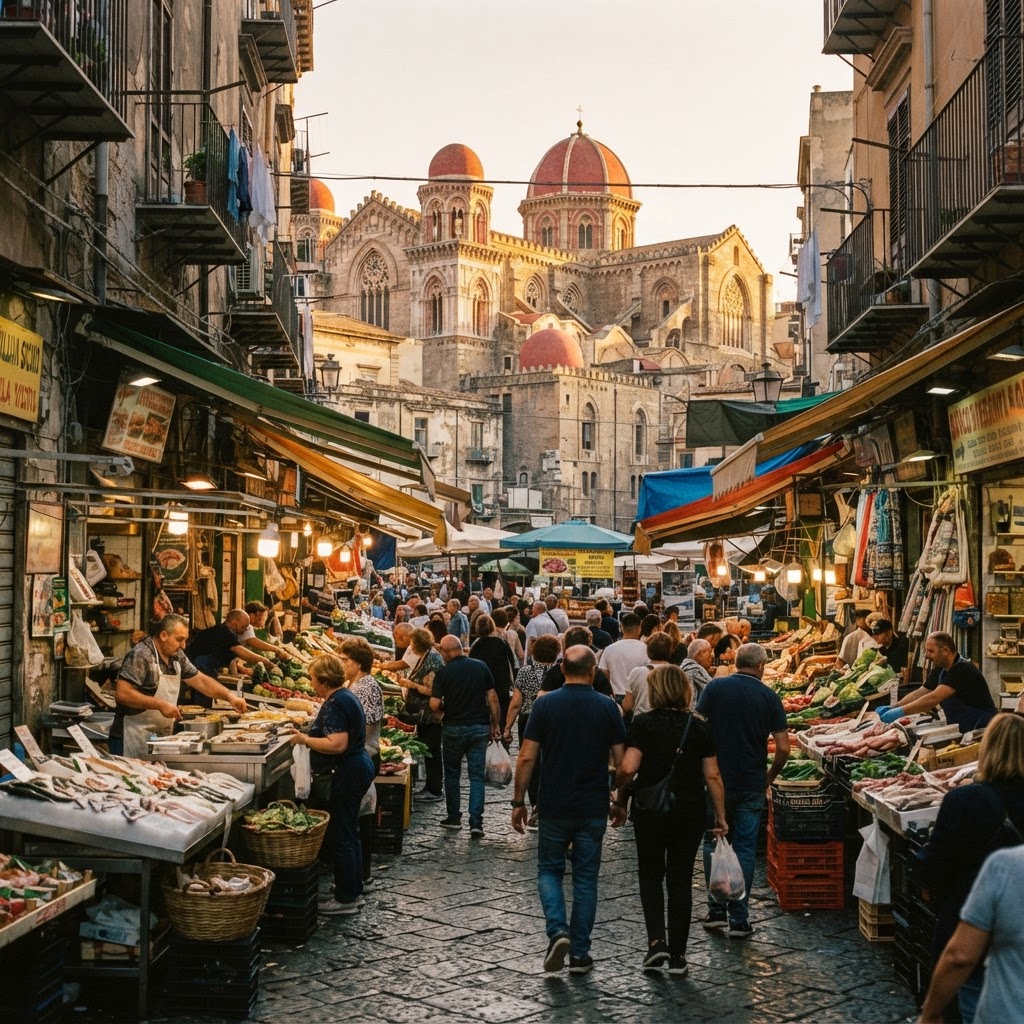
Palermo does not curate itself for delicate sensibilities. Sicily's capital is a cacophonous, sun-baked sprawl where Fatimid-carved wooden ceilings, Byzantine golden mosaics, and decaying Spanish Baroque facades collide. Between the screeching Vespas and market vendors hawking offal in Ballarò, the city rewards travelers who trade manicured museum queues for pungent street stalls and complex layers of Mediterranean history.
4 days
Best time
April to early June or late September to October
Build your own trip with these prebuilt itineraries
Each one is a tested, day-by-day plan for Palermo, Italy — start here, then make it yours.
5 Days in Palermo: City Layers & Coastal Escapes in Palermo
A balanced urban and coastal itinerary combining central Palermo's architectural wonders with regional train escapes to Cefalù and Mondello.
4 Days in Palermo: The Complete Cultural Immersion in Palermo
A comprehensive exploration of Arab-Norman and Baroque architecture, hidden palazzi, and evening cultural life at a relaxed urban pace.
2 Days in Palermo: Street Food & Historic Markets in Palermo
A high-energy weekend focused on the bustling morning street markets, raw culinary traditions, and vibrant walkable historic districts.
Palermo delivers sensory intensity and architectural density unlike anywhere else in southern Europe. Here, UNESCO-inscribed Arab-Norman basilicas sit minutes from centuries-old street food markets running on near-medieval energy, offering world-class culture without northern Italy's polished predictability.
Where to stay
Getting there
Getting around
Food & drink
What it costs
Things to do
Book tours & tickets in Palermo, ItalySkip it if
Travelers expecting immaculate, quiet cobblestone walkways, manicured gardens, or seamless public transit should opt for Ortigia (Siracusa) or Taormina instead. Families with toddlers requiring double strollers will find Palermo's broken sidewalks and chaotic crossings frustrating.
When to go
Spring and autumn deliver comfortable walking temperatures (20–26°C), manageable queues at key heritage sites, and the full energy of outdoor markets without the smothering 38°C heat of high summer.
Peak (July–August)
Oppressive heat often topping 35–40°C, high domestic tourist density, and packed coastal transit; many smaller neighborhood shops close around Ferragosto (mid-August).
Shoulder (April–June, September–October)
The prime window: ideal walking weather, crisp market produce, warm sea temperatures in early autumn, and vibrant aperitivo terraces.
Low (November–March)
Quiet streets, low accommodation prices, and short lines at the Norman Palace, offset by unpredictable coastal rain and shorter daylight hours.
Neighborhoods
Where you stay shapes the trip. Here's how to think about it.
Kalsa (Mandamento Tribunali)
Once war-scarred Arab quarter transformed into an atmospheric evening enclave of open plazas, artisan studios, and wine bars.
Best for:independent travelers, evening strolls, aperitivo culture, and boutique stays
Don't miss:Catching late afternoon shadows in Piazza Marina beneath the giant banyan trees before drinks around Piazza Magione.
Politeama / Libertà
Wide, elegant 19th-century boulevards with neoclassical theaters, high-end shopping, and a calmer, polished urban hum.
Best for:first-timers seeking quiet nights, families, and travelers uncomfortable with raw inner-city decay
Don't miss:An evening passeggiata down Via della Libertà starting from Teatro Politeama Garibaldi.
Albergaria
Unrelenting, gritty, sensory street-market energy centered on Ballarò, framed by monumental Arab-Norman palaces.
Best for:adventurous eaters, street photographers, and travelers who thrive in loud, sensory-heavy environments
Don't miss:The sizzling offal stalls and raw produce vendors along the spine of Mercato di Ballarò mid-morning.
Castellammare (Loggia)
Maritime heritage meets dense alleyways anchored by the Vucciria market, quiet by morning and chaotic with street taverns by night.
Best for:night owls, budget backpackers, and travelers wanting proximity to the harbor and marina
Don't miss:A midnight panelle or stigghiola snack amid the loud makeshift bars packed into Piazza Caracciolo.
Il Capo (Mandamento Monte di Pietà)
Deeply traditional, tight-knit residential quarter defined by its working food market and theatrical Baroque churches.
Best for:culinary explorers who want everyday neighborhood life without polished tourist veneer
Don't miss:Stepping through the Porta Carini directly into Mercato del Capo and visiting the marble interior of Chiesa dell'Immacolata Concezione.
Destination intelligence
Updated 9/14/2026The structured record we plan every Palermo, Italy itinerary from.
Walkability
High in the historic core along pedestrianized corridors like Via Maqueda, but cracked pavements and erratic scooters require constant vigilance.
Transit quality
Mediocre. Urban buses are frequent but prone to traffic delays; regional trains to Cefalù and airport connections are reliable.
Car needed
Strictly avoided. A car inside the city is an expensive liability due to aggressive driving, strict ZTL cameras, and scarce parking. Rent only on departure for touring rural Sicily.
Ideal duration
4 days
Minimum useful
3 days
Peak season
July to August: Crowded, sweltering heat exceeding 35°C (95°F), heavy domestic tourism, and congested coastal routes.
Shoulder season
April to June and September to October: The sweet spot with pleasant 20–26°C weather, vibrant market life, and warm Mediterranean swimming.
Low season
November to February: Mild Mediterranean winter with cooler temperatures (12–16°C), intermittent rain, fewer tourists, and short queues at cultural landmarks.
Best for
Common mistakes
- Renting a car while staying inside central Palermo, which results in steep ZTL fines and extreme parking stress.
- Allocating only one rushed night or day trip, which leaves travelers enduring traffic bottlenecks without absorbing the city's evening atmosphere.
- Ordering cannoli pre-filled in display cases; authentic pastry shops fill the crispy shells to order so the shell stays crunchy.
- Visiting the historic markets like Ballarò and Capo after 2:00 PM when vendors have packed up for the afternoon.
Best nearby
See what a trip to Italy actually costs. Travel Budget Co.
How to plan it
- Dedicate your first morning strictly to Ballarò or Mercato del Capo; these working markets run out of peak energy and fresh seafood by 1:30 PM.
- Book the earliest morning time slot for the Cappella Palatina inside Palazzo dei Normanni to view the Byzantine golden mosaics before bus tours crowd the small chapel interior.
- Do not take a cab or drive to Monreale; catch the AMAT public bus 389 from Piazza Indipendenza to reach the cathedral cloisters without parking headaches.
- Pair your city stay with a low-stress beach excursion by taking the direct 45-minute regional train from Palermo Centrale to Cefalù instead of braving Mondello city buses in high summer.
- Stay in Politeama if street noise disrupts your sleep, or choose Kalsa if you prefer walking directly into natural wine bars and evening piazzas within five minutes.
Questions
More in Italy
Lake Garda
Italy
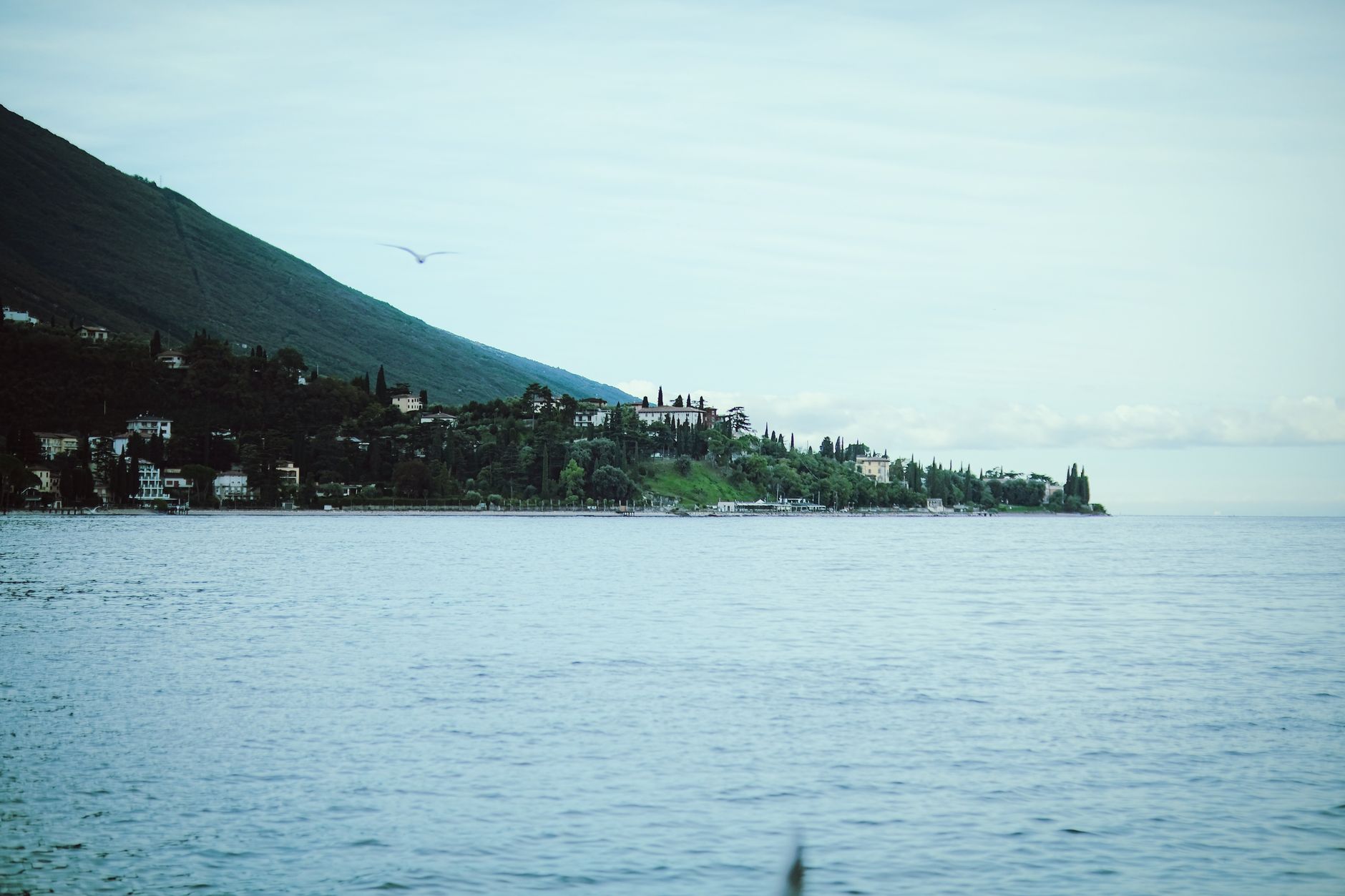
Fjord-like northern crags, southern olive groves, and lake life without the Como theater
Portofino
Italy
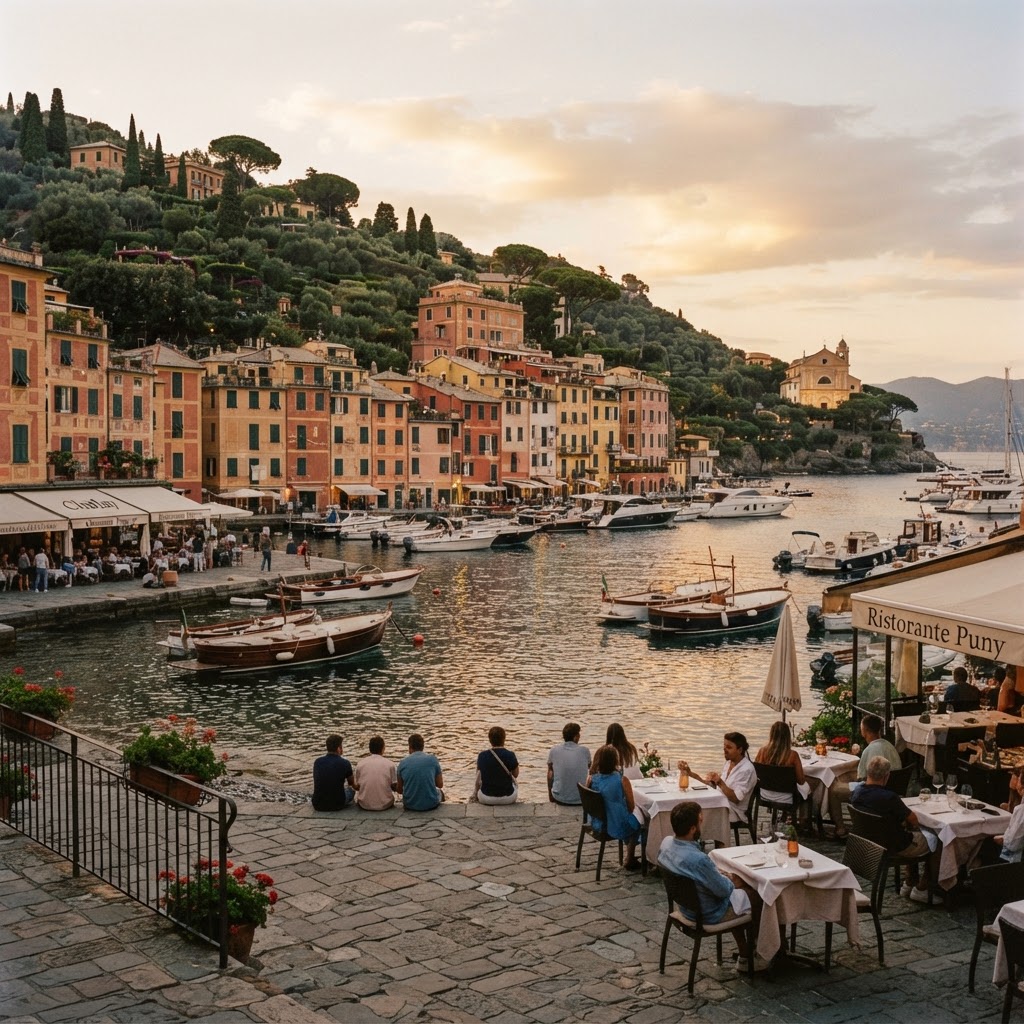
A pocket-sized Riviera cove where lingering beats sightseeing.
Pisa
Italy
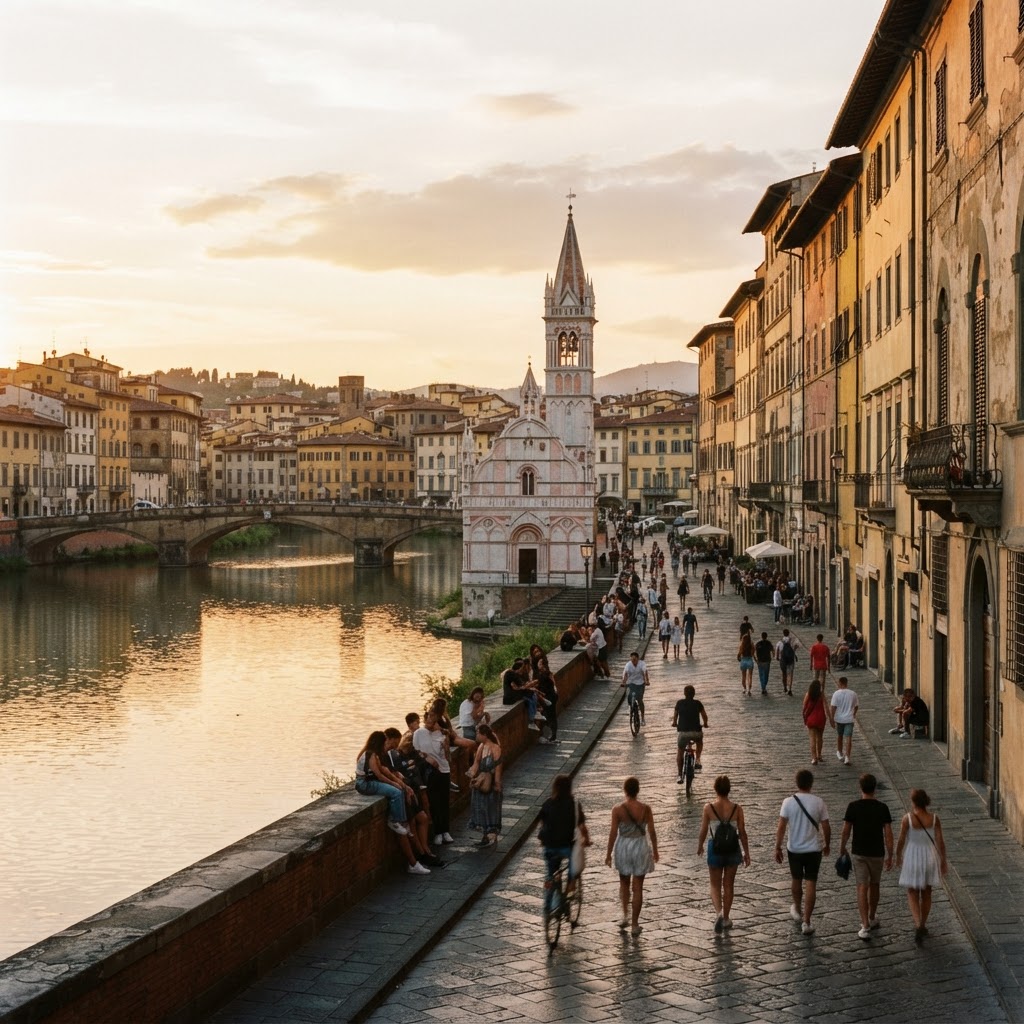
Beyond the leaning marble: a lively university city of riverside palaces and quiet piazzas.
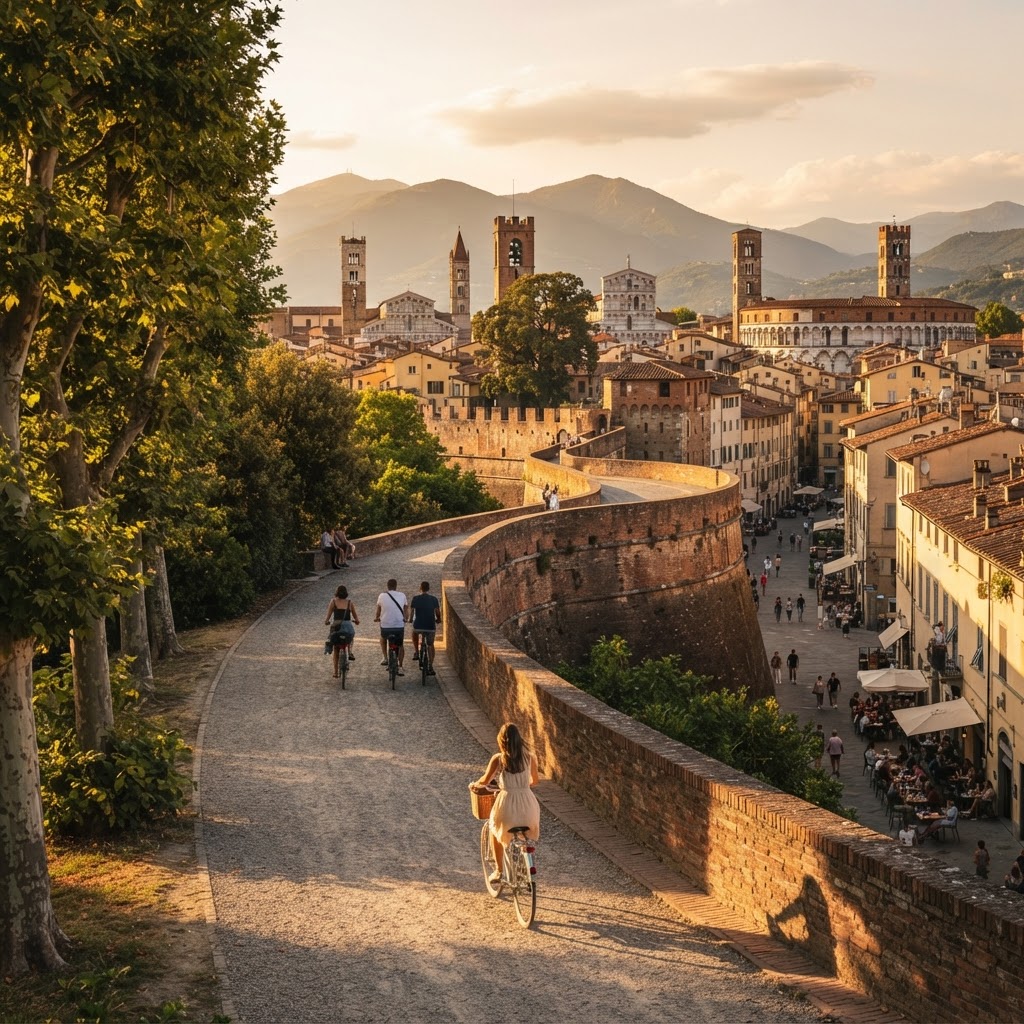
Lucca, Italy
Italy
A graceful, walled Tuscan oasis made for cycling ramparts and unhurried aperitivi.
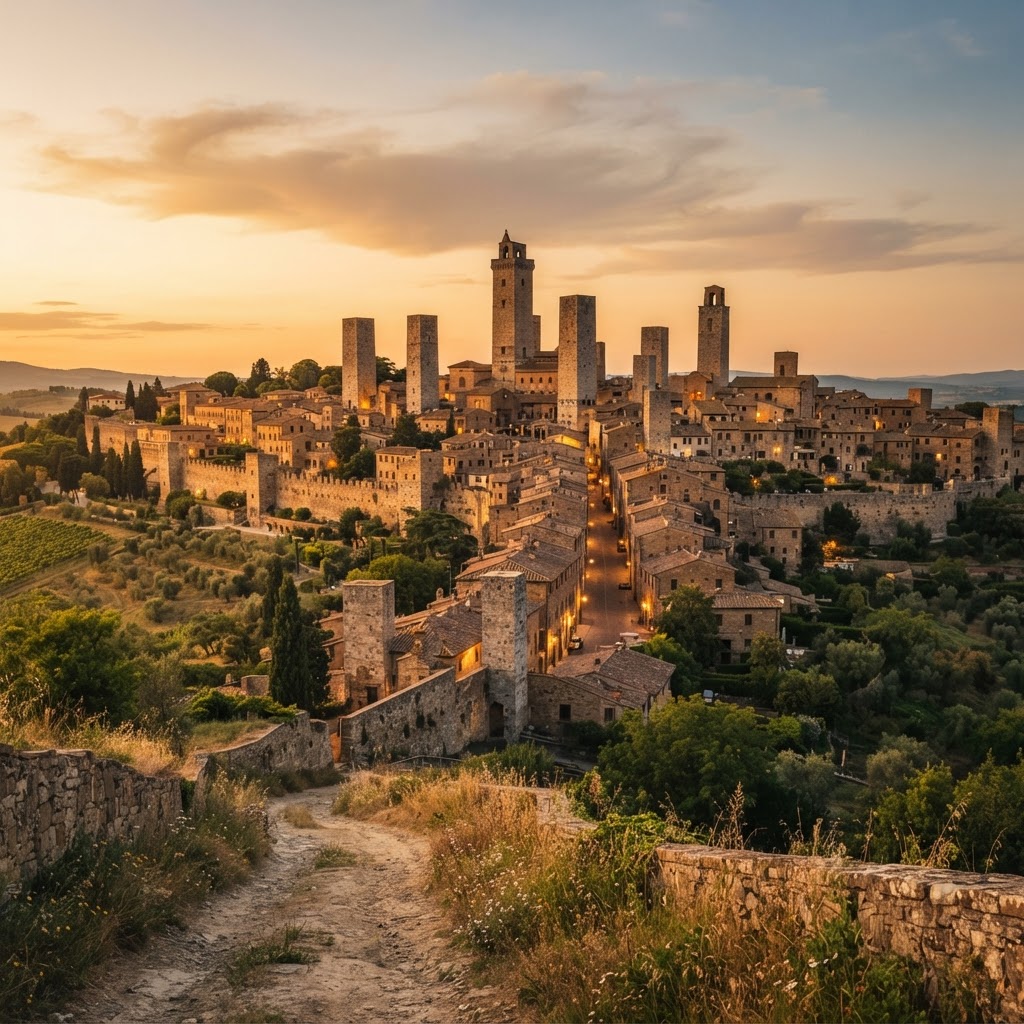
San Gimignano
Italy
Tuscany's medieval Manhattan, magical only when the day-trippers vanish
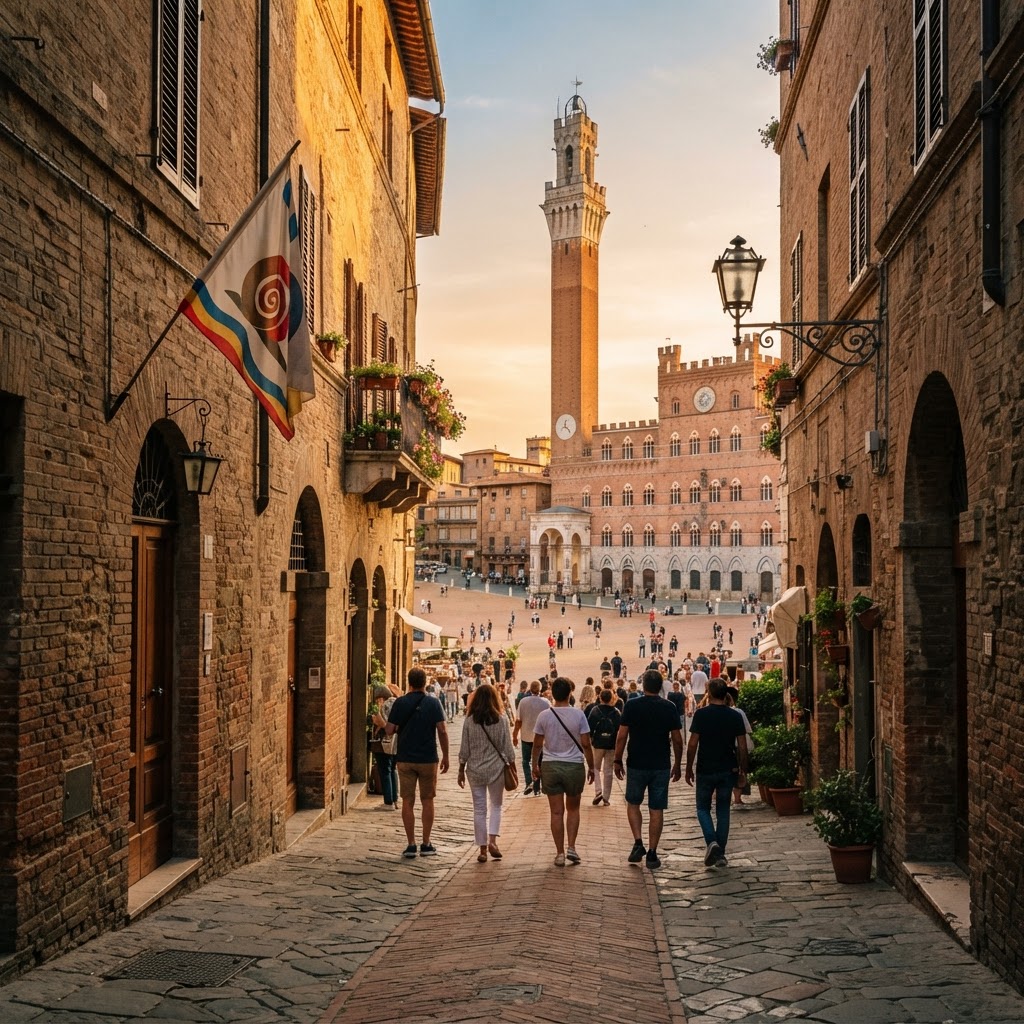
Siena, Tuscany, Italy
Italy
Gothic brick alleys, neighborhood contrada pride, and Italy's most dramatic medieval square
Readymade itineraries
Start from a tested template — then make it yours.
Ready to book
Lock in your Palermo, Italy trip
Everything in one place. We may earn a small commission — it never costs you more.
Plan a trip to Palermo, Italy
Pick a length and we'll build a day-by-day plan around how you travel — neighborhoods clustered, budget-aware, and editable.
Get better at planning trips like this
Occasional notes on planning smarter — no spam, unsubscribe anytime.
Plan a trip to Palermo, Italy
Turn this guide into a day-by-day plan built around your pace, your group, and your budget.
Build my Palermo, Italy trip