India
Mumbai, India Itinerary: How Many Days + Sample Plans
India's sensory, coastal financial capital of Victorian Gothic spires and relentless street life
Traveler rating
Loved by architecture and design enthusiasts.
Plan & book
Sort your Mumbai, India trip in one place.
We point you to the booking tools we'd actually use — live prices, no markup. Or let us build the day-by-day plan around you first, then book.
Pick your trip length
How many days do you need in Mumbai, India?
Each of these opens a full day-by-day plan you can make your own.
- 2 days — Two days — the essentials, no rushing.
- 3 days — Three days — the icons plus one neighborhood.
- 4 days — Four days — a full city without sprinting.
- 5 days — Five days — room for a day trip.
- 7 days — A week — the city at a human pace.
- With Kids trip — Shorter days, earlier dinners, what to skip.
- For Couples trip — Two-person pacing with evenings built in.
- Solo trip — A plan that works well on your own.
- Food trip — Meals and markets as the anchors.
- Outdoors trip — Nature, walks and open air.
- Culture trip — History, museums and the streets around them.
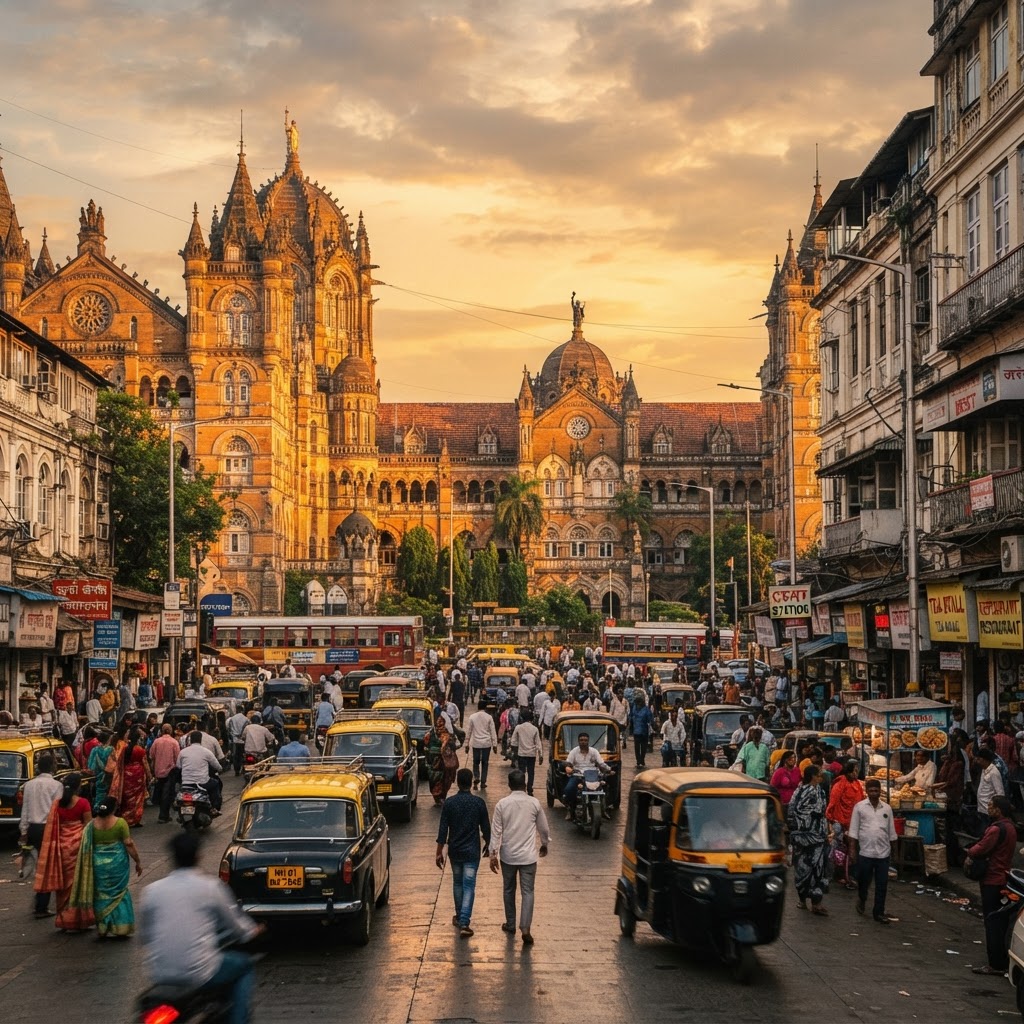
Mumbai is India's financial juggernaut, premier creative powerhouse, and most electrifying coastal metropolis. Clustered along a narrow spit of land jutting into the Arabian Sea, it is a city of sharp visual juxtapositions: UNESCO-listed Victorian Gothic and Art Deco architecture standing alongside thriving informal settlements, upscale cocktail lounges next to bustling Irani cafes, and sea-facing promenades crowded with dusk walkers eating bhelpuri. It demands high sensory tolerance, but offers one of the most rewarding cultural, historical, and culinary experiences on the subcontinent.
4 days
Best time
November through February offers warm, dry days and noticeably cooler, manageable evenings.
Build your own trip with these prebuilt itineraries
Each one is a tested, day-by-day plan for Mumbai, India — start here, then make it yours.
2 Days in Mumbai: Architecture & Urban Energy in Mumbai
A fast-paced weekend dive into Art Deco treasures, historic bazaars, and buzzing contemporary dining pockets
3 Days in Mumbai: South Bombay & Suburban Pulse in Mumbai
First-timer highlights focusing on South Mumbai Victorian-Gothic heritage, seaside promenades, and Bandra's creative buzz
5 Days in Mumbai: Deep Culinary & Cultural Immersion in Mumbai
A slow-paced exploration of regional cuisines, historic communities, modern art galleries, and architectural walks
Go for Mumbai's unmatched urban pulse and layered history. It is home to the world's second-largest concentration of Art Deco buildings outside Miami, monumental British Raj architecture like Chhatrapati Shivaji Maharaj Terminus, an astonishing food scene spanning coastal Mangalorean seafood to century-old Parsi cafes, and a creative economy fueled by Bollywood and modern design studios.
Where to stay
Getting there
Getting around
Food & drink
What it costs
Things to do
Book tours & tickets in Mumbai, IndiaSkip it if
Skip Mumbai if your priority for an India trip is quiet heritage, wildlife safaris, or ancient temple tranquility. It is also not worth adding as a quick 24-hour layover if your primary itinerary is centered around the Golden Triangle (Delhi-Agra-Jaipur) or Kerala, as airport transit and crosstown congestion will swallow your time.
When to go
Mumbai's coastal humidity drops sharply during these months, making extensive foot exploration of South Mumbai and Bandra realistic. You trade off higher hotel rates and busier landmarks for weather that won't exhaust you by noon.
Peak (November–February)
Pleasant daytime temperatures around 30°C (86°F) and lower humidity. Book heritage hotels and destination restaurants weeks in advance.
Shoulder (March–May & October)
March through May brings oppressive, sauna-like heat before the monsoon, while October features the steamy 'October heat' transition. Plan outdoor walks strictly before 10 AM or after dusk.
Low (June–September)
Southwest monsoon delivers heavy, persistent cloudbursts and localized flooding. Ferry trips to Elephanta Caves shut down; pack rain protection and build wide buffers into your daily transit plans.
Neighborhoods
Where you stay shapes the trip. Here's how to think about it.
Colaba
Colonial-era architecture, harbor views, and bustling tourist avenues.
Best for:First-time visitors wanting iconic landmarks within walking distance
Don't miss:The early morning fishing action at Sassoon Dock before crowds assemble around Gateway of India.
Fort & Kala Ghoda
Gothic Victorian streetscapes, contemporary art galleries, and historic Irani cafes.
Best for:Architecture buffs, art lovers, and culture walkers
Don't miss:A walking detour past the Art Deco facades of Oval Maidan and berry pulao at Britannia & Co.
Bandra West (Pali Hill & Ranwar)
Leafy Portuguese-influenced lanes, indie coffee bars, vibrant boutiques, and sea breezes.
Best for:Young creatives, dining hounds, and boutique stay seekers
Don't miss:Wandering Ranwar Village's narrow alleys to spot street art, followed by filter coffee and snacks around Pali Market.
Marine Drive & Churchgate
Expansive coastal promenades lined with sweeping Art Deco apartment blocks.
Best for:Sunset seekers and travelers wanting seaside air with quick transit to South Mumbai
Don't miss:Sitting on the promenade sea wall around dusk with roasted corn as the Queen's Necklace lights turn on.
Lower Parel
Reclaimed industrial cotton mills converted into sleek corporate high-rises and high-end dining hubs.
Best for:Luxury business travelers and cocktail enthusiasts
Don't miss:Dinner and craft cocktails inside the mill compounds of Mathuradas or High Street Phoenix.
Destination intelligence
Updated 10/6/2026The structured record we plan every Mumbai, India itinerary from.
Walkability
Low overall, high within specific pockets. South Mumbai (Fort, Colaba, Marine Drive) and Bandra West (Pali Hill, Ranwar) are delightfully walkable; everything else requires vehicles.
Transit quality
High capacity but intense. The suburban railway is unmatched in volume and speed, the modern metro system is expanding rapidly, and app-based cabs (Uber) are cheap and ubiquitous.
Car needed
Never. Driving yourself in Mumbai traffic is deeply inadvisable; parking is virtually nonexistent and navigation is aggressive. Use rideshares, taxis, and off-peak trains instead.
Ideal duration
4 days
Minimum useful
2 days
Peak season
November through February, when temperatures are relatively mild, humidity drops, and exploring outdoor heritage streets is comfortable.
Shoulder season
March to May and October, marked by scorching heat and soaring humidity before and after the monsoon breaks.
Low season
June through September, the southwest monsoon season, featuring torrential downpours, occasional street flooding, and choppy sea conditions that cancel ferries.
Best for
Common mistakes
- Underestimating North-to-South transit times; crossing from Bandra to Colaba during rush hour can easily consume 90 minutes each way.
- Trying to board the Mumbai suburban train during weekday peak commuter hours (8:00–10:30 AM and 5:30–8:30 PM), which is dangerous and overwhelming for newcomers.
- Looking for auto-rickshaws in Colaba or Fort, where three-wheelers are legally forbidden from operating.
- Visiting between June and September without expecting disruptive monsoon rains that regularly flood roads and halt coastal ferries.
Best nearby
See what a trip to India actually costs. Travel Budget Co.
How to plan it
- Anchor yourself in South Mumbai (Colaba or Fort) if you are staying under three days to keep museum and architectural walking times short.
- Split your stay between Colaba and Bandra West if you have four or more days, avoiding the 45-to-90-minute commute across the city each morning.
- Never cross the city north-to-south during peak business commute hours (8:30–11:00 AM and 5:30–8:30 PM); schedule museum visits or coastal strolls during these windows instead.
- Book heritage tours (such as morning architectural bike rides or ethical Dharavi visits) and high-end restaurant tables at spots like Americano 1 to 2 weeks ahead.
- Skip trying to pack both Elephanta Island and central South Mumbai markets into the same day—the ferry crossing and island climb consume at least five to six hours.
Questions
More in India
Mysore (Mysuru)
India
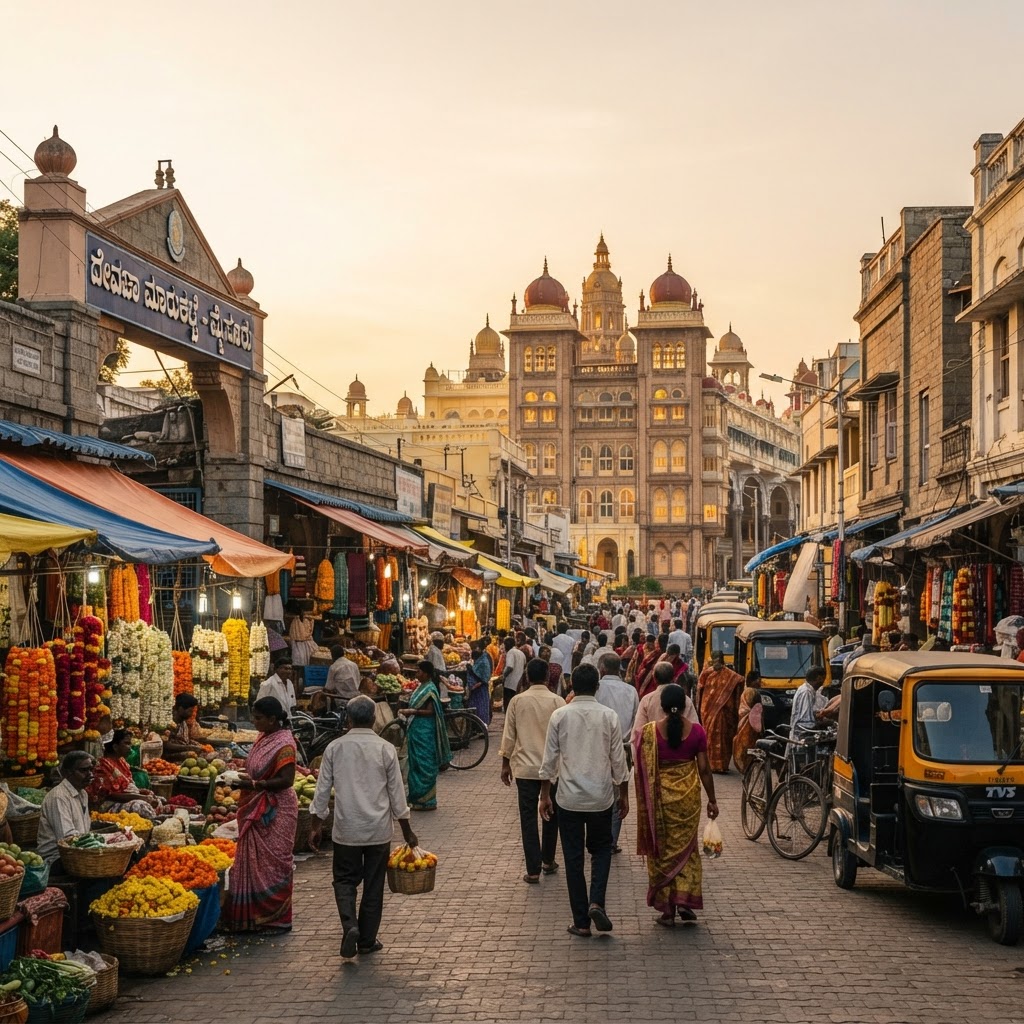
Wadiyar royal heritage, fragrant markets, and world-capital Ashtanga yoga minus metro sprawl.
Hampi, India
India
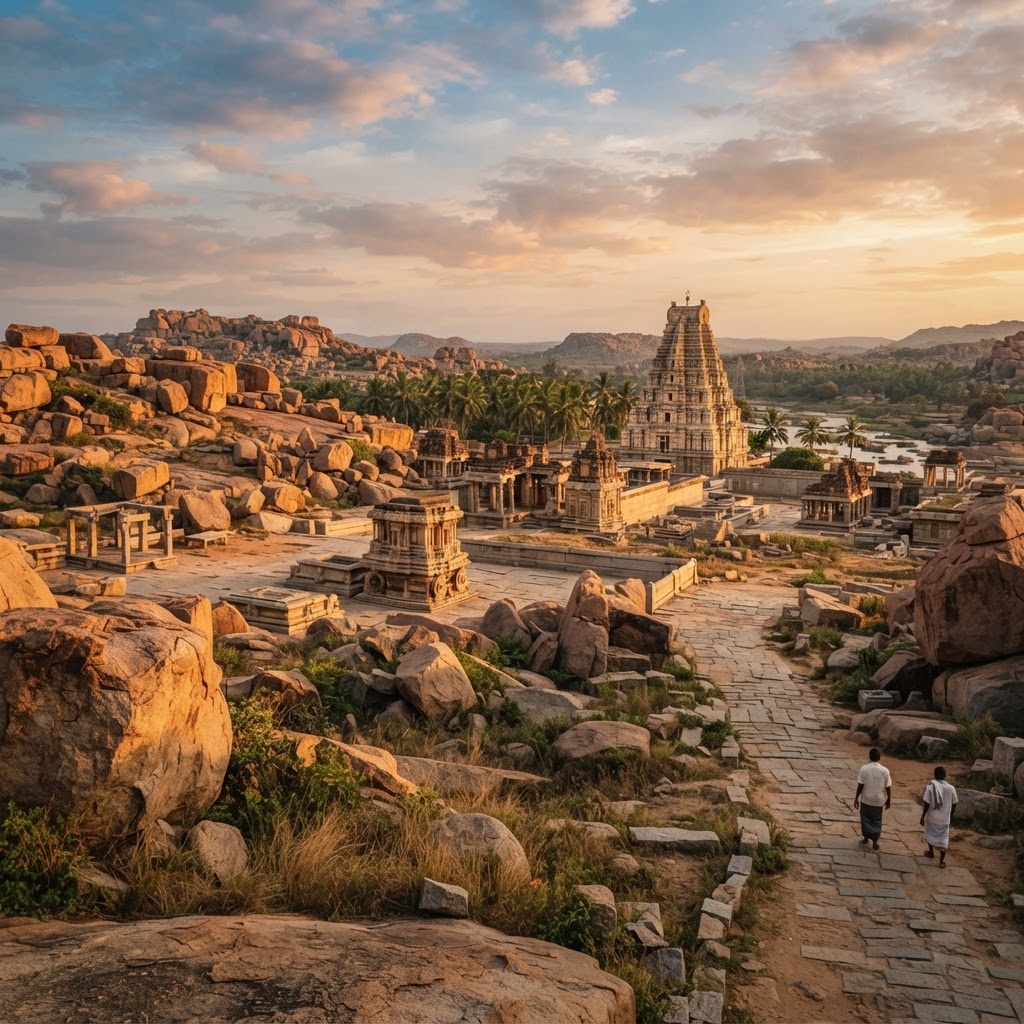
A surreal expanse of granite boulders and ruined 14th-century Vijayanagara imperial monuments
Manali, Himachal Pradesh
India
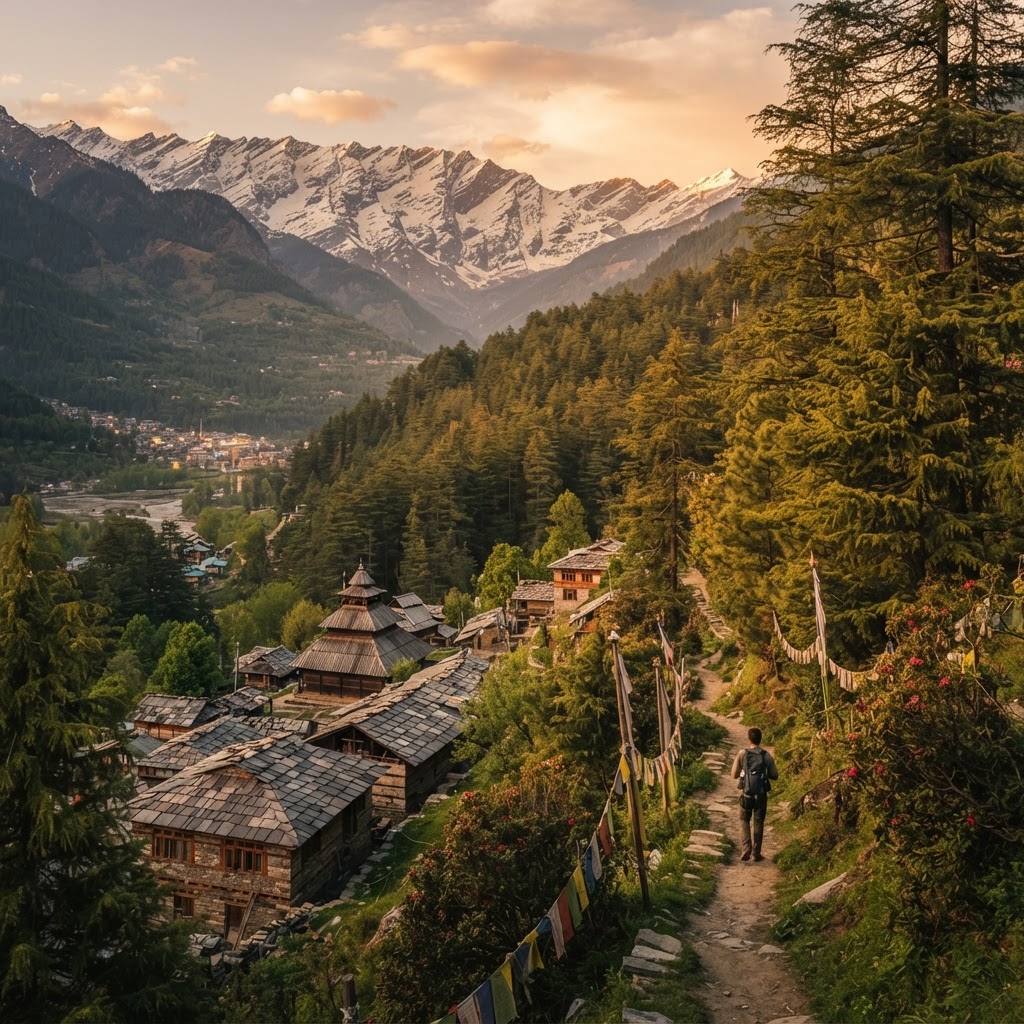
Beyond Mall Road gridlock lies pine-forested alpine trails and Himalayan high-pass gateways.
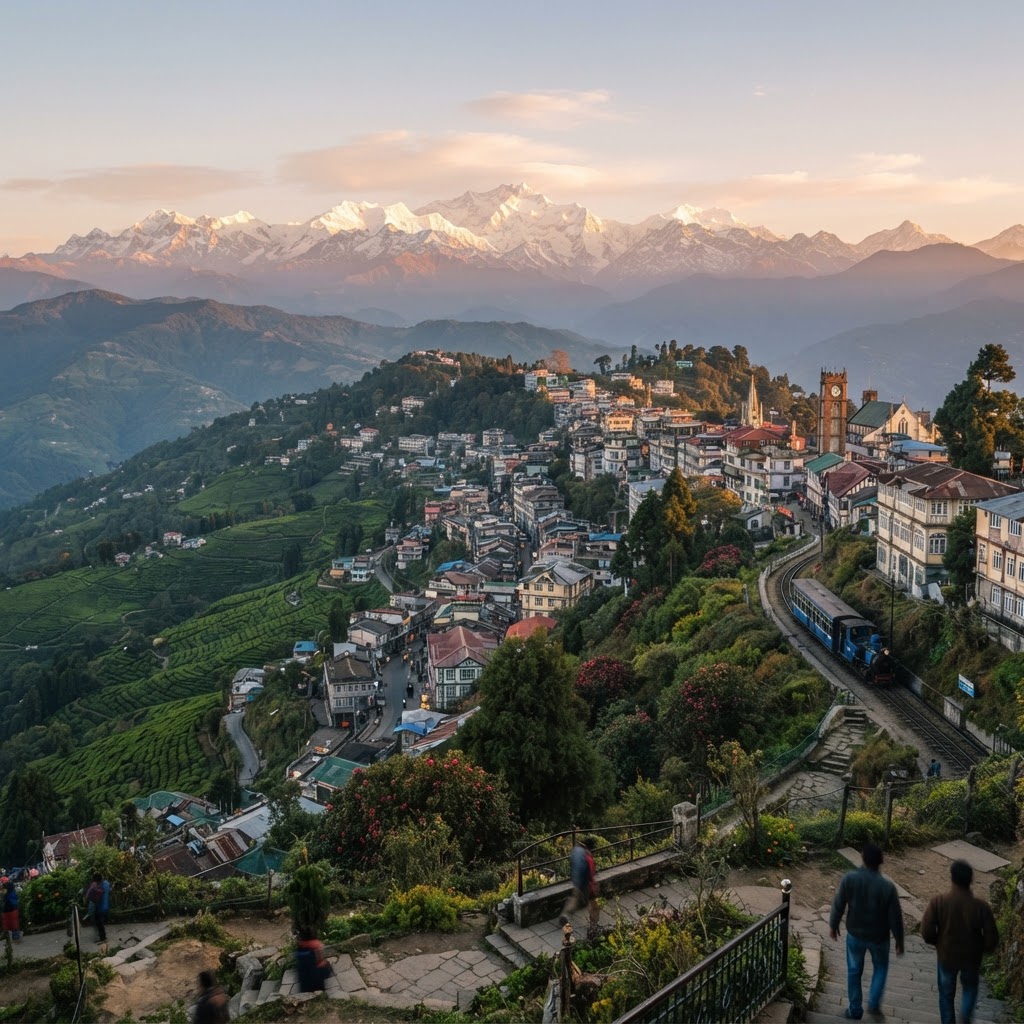
Darjeeling, West Bengal, India
India
Steep colonial ridge lines, first-flush tea estates, and dawn views of Kangchenjunga.
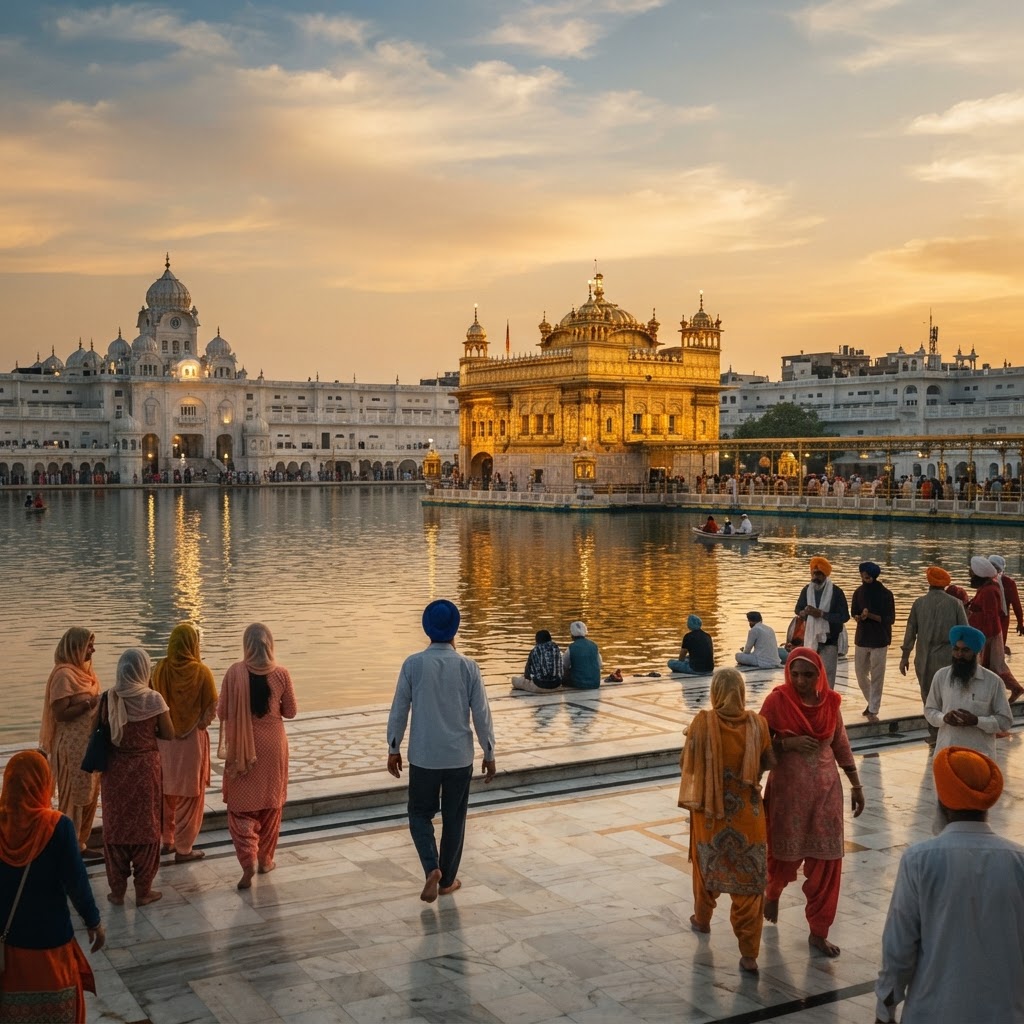
Amritsar, Punjab, India
India
The spiritual heart of Punjab, forged in sacred tradition, profound history, and unbeatable culinary culture.
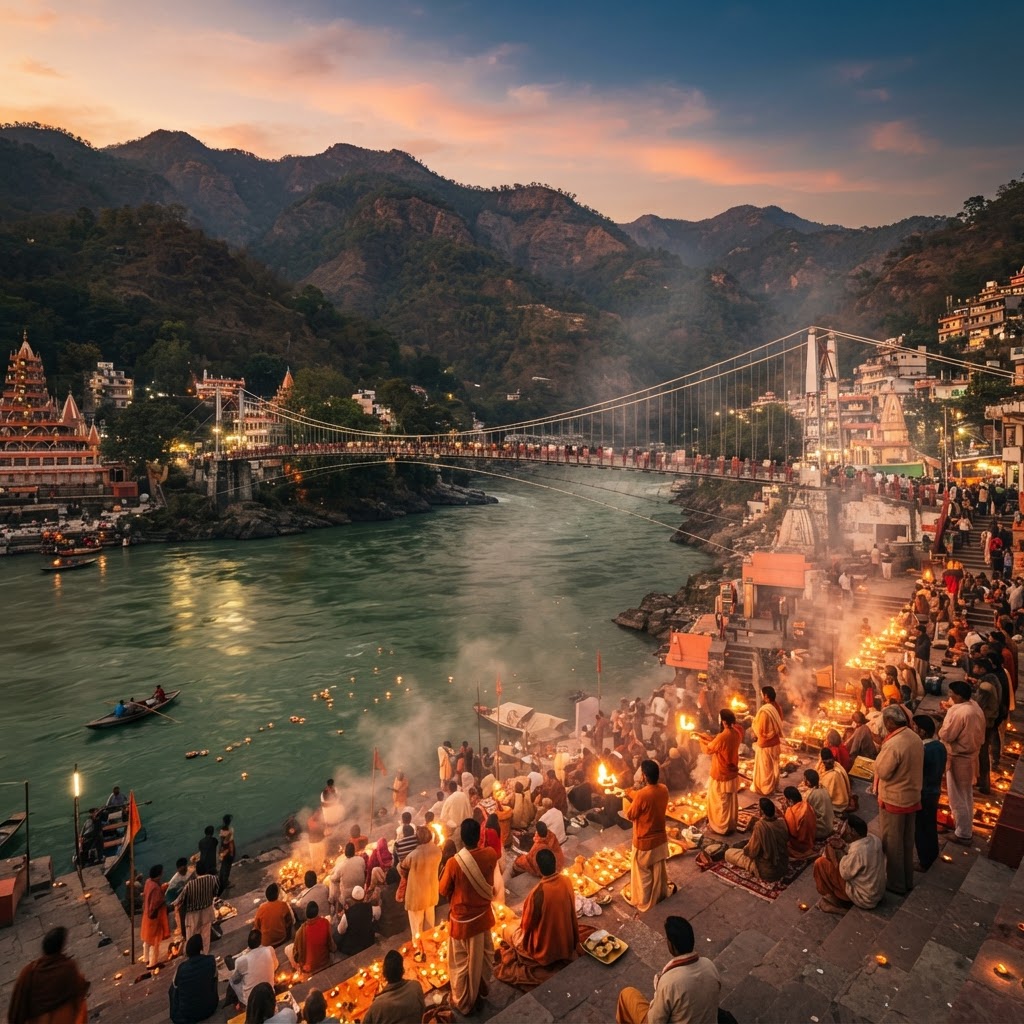
Rishikesh
India
Where Himalayan whitewater meets evening ashram chants on the Ganges
Readymade itineraries
Start from a tested template — then make it yours.
Ready to book
Lock in your Mumbai, India trip
Everything in one place. We may earn a small commission — it never costs you more.
Plan a trip to Mumbai, India
Pick a length and we'll build a day-by-day plan around how you travel — neighborhoods clustered, budget-aware, and editable.
Get better at planning trips like this
Occasional notes on planning smarter — no spam, unsubscribe anytime.
Plan a trip to Mumbai, India
Turn this guide into a day-by-day plan built around your pace, your group, and your budget.
Build my Mumbai, India trip