
Italy
Montefalco, Italy
The fortified balcony of Umbria, anchored by monumental Renaissance frescoes and ferocious Sagrantino wine.
Plan & book
Sort your Montefalco, Italy trip in one place.
We point you to the booking tools we'd actually use — live prices, no markup. Or let us build the day-by-day plan around you first, then book.
Perched 470 meters above the Topino and Clitunno plains, Montefalco is known as the 'Balcony of Umbria' for a reason: its ramparts offer uninhibited panoramic views across the valley toward Assisi, Spello, and Trevi. Beyond the ramparts lies one of Italy's most singular agricultural powerhouses, home to the indigenous Sagrantino grape—a thick-skinned, intensely tannic varietal that produces ink-dark, complex reds that out-muscle even Brunello. The walled town center radiates from the circular Piazza del Comune, packed with enotecas, authentic butcher shops, and churches housing fresco cycles by Benozzo Gozzoli and Perugino. Unlike Chianti's tourist-heavy corridors, Montefalco remains unhurried, rugged, and intensely focused on winemaking and rural Umbrian culinary tradition.
2 to 3 days
Build your own trip with these prebuilt itineraries
Each one is a tested, day-by-day plan for Montefalco, Italy — start here, then make it yours.
Go for a pure, wine-obsessed hill town experience uncorrupted by tour-bus swarms. Montefalco delivers world-class enotourism centered around Montefalco Sagrantino DOCG and Montefalco Rosso, combined with Renaissance art inside the Museo di San Francesco that rivals the major basilicas of central Italy.
Where to stay
Getting there
Getting around
Food & drink
What it costs
Things to do
Book tours & tickets in Montefalco, ItalySkip it if
Skip Montefalco if you do not drink red wine and do not intend to rent a car. Travelers looking for lively nightlife, high-end designer shopping, or extensive public transit links will find it too quiet and isolated.
Destination intelligence
Updated 9/13/2026The structured record we plan every Montefalco, Italy itinerary from.
Walkability
High within the medieval walls; the old town is pedestrian-only and compact, though hilly with cobblestones.
Transit quality
Poor; irregular regional bus service from Foligno station means you cannot rely on public transit for cellar doors.
Car needed
Yes, indispensable for touring the surrounding Sagrantino wine estates and neighboring Umbrian villages.
Ideal duration
2 to 3 days
Minimum useful
1 day (or a focused afternoon and evening)
Peak season
September to October: Grape harvest, wine festivals like Settimana Enologica, clear skies, and lively enotecas.
Shoulder season
April to June: Wildflowers in the valley, pleasant terrace dining weather, and uncrowded tasting rooms.
Low season
November to March: Quiet, damp, and brisk winter months; some seasonal vineyard tasting rooms operate on restricted hours.
Best for
Common mistakes
- Relying on public buses to reach countryside wineries instead of renting a car or hiring a dedicated driver.
- Underestimating Sagrantino’s immense tannins; drinking young, high-alcohol vintages without pairing them with rich, fatty Umbrian food can be palate-shocking.
- Arriving at countryside wineries without advance reservations, especially on weekends.
- Attempting to drive inside the historic center without checking hotel permits, risking automated ZTL (limited traffic zone) camera fines.
Best nearby
See what a trip to Italy actually costs. Travel Budget Co.
More in Italy
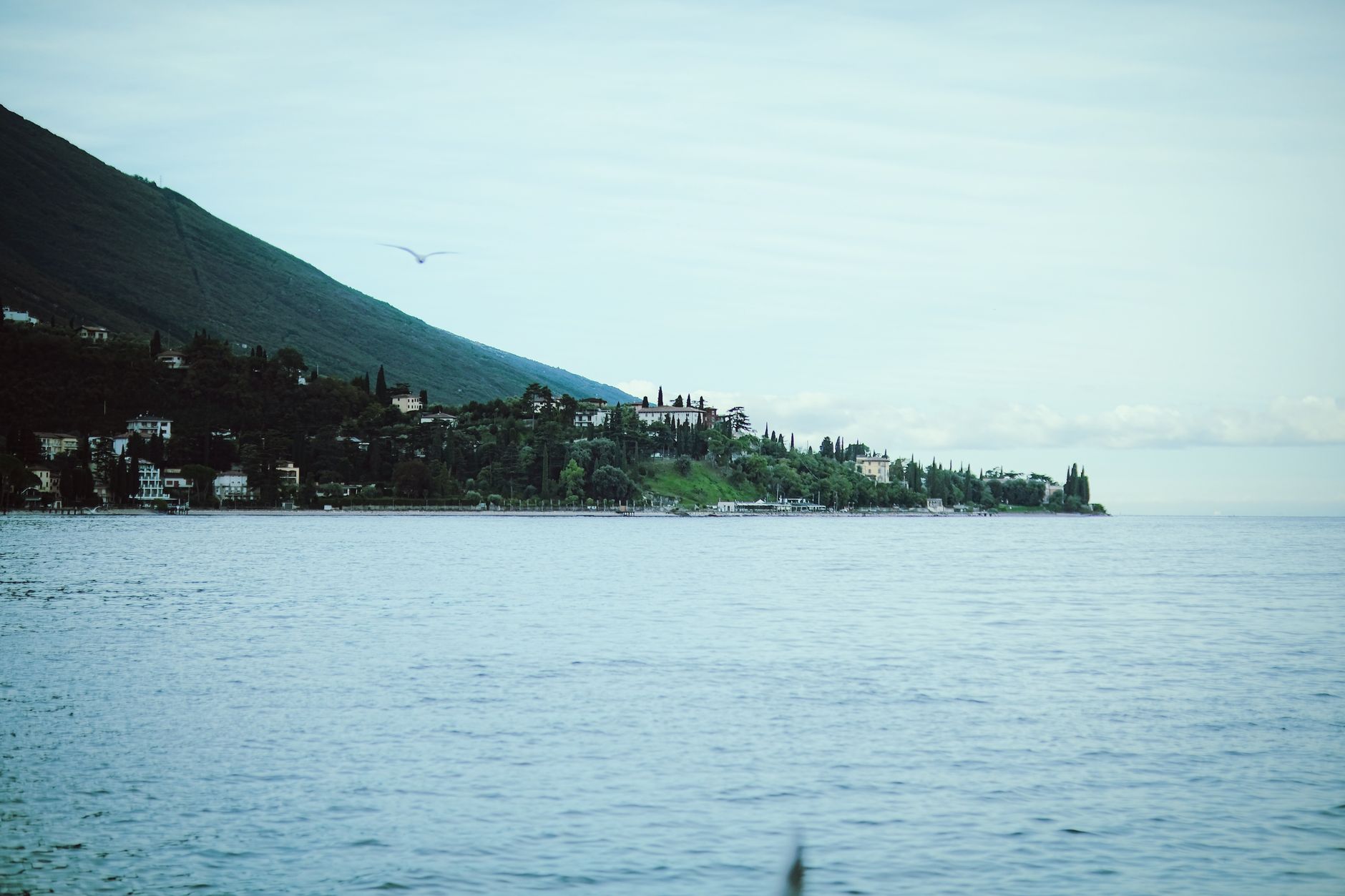
Lake Garda
Italy
Fjord-like northern crags, southern olive groves, and lake life without the Como theater
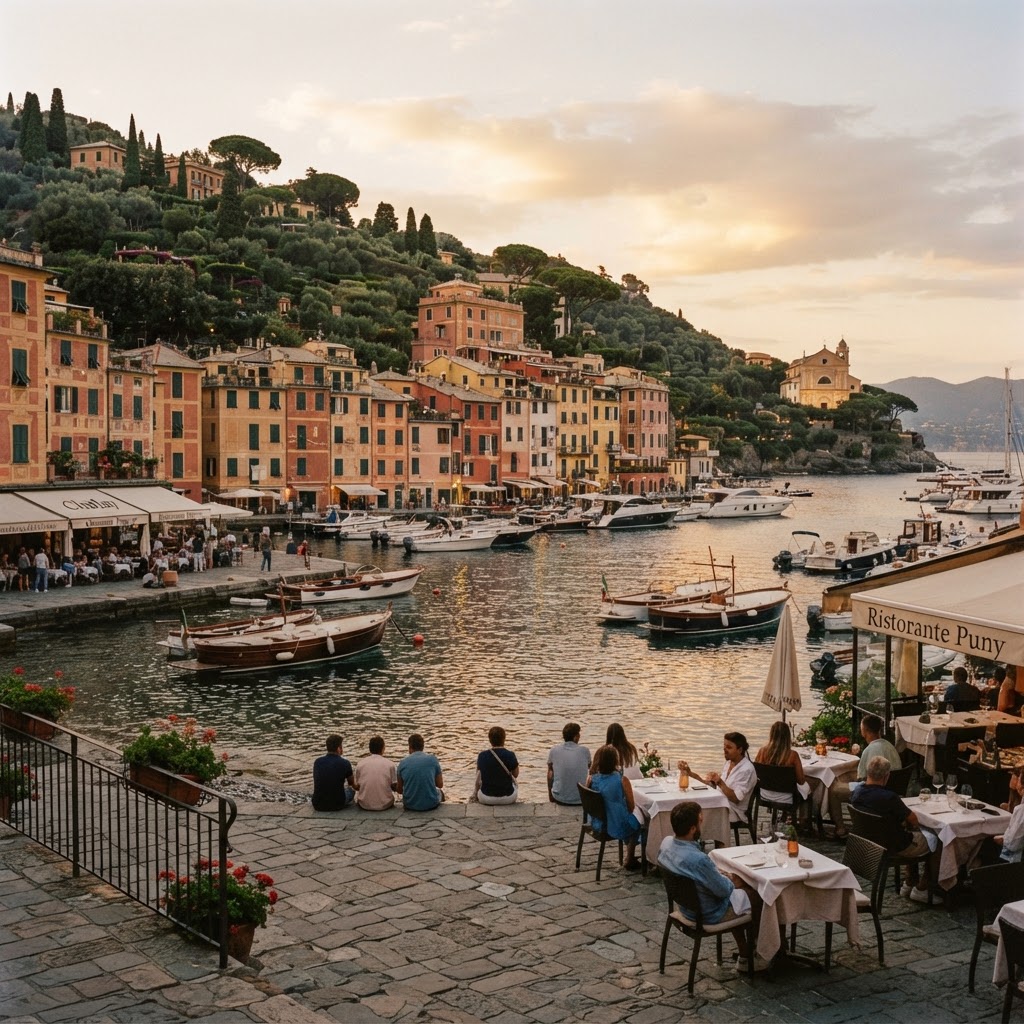
Portofino
Italy
A pocket-sized Riviera cove where lingering beats sightseeing.
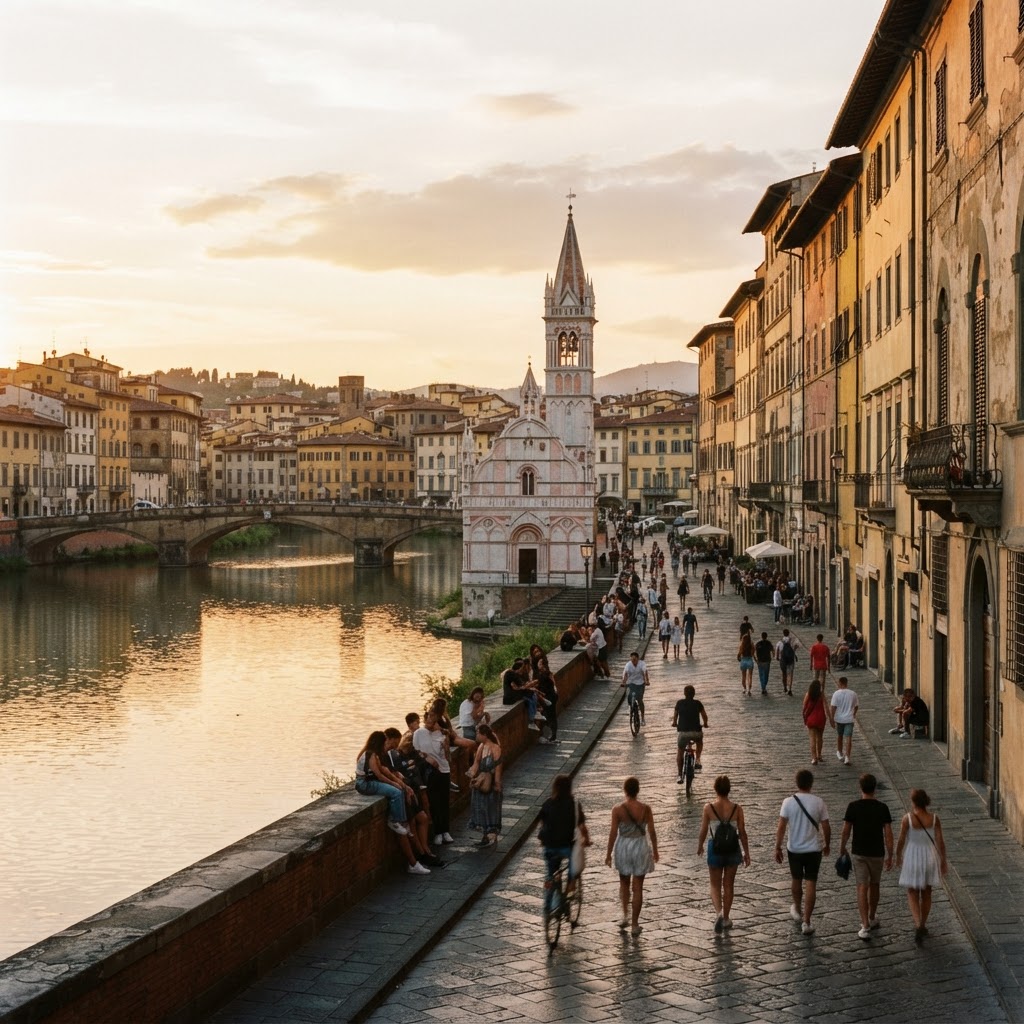
Pisa
Italy
Beyond the leaning marble: a lively university city of riverside palaces and quiet piazzas.
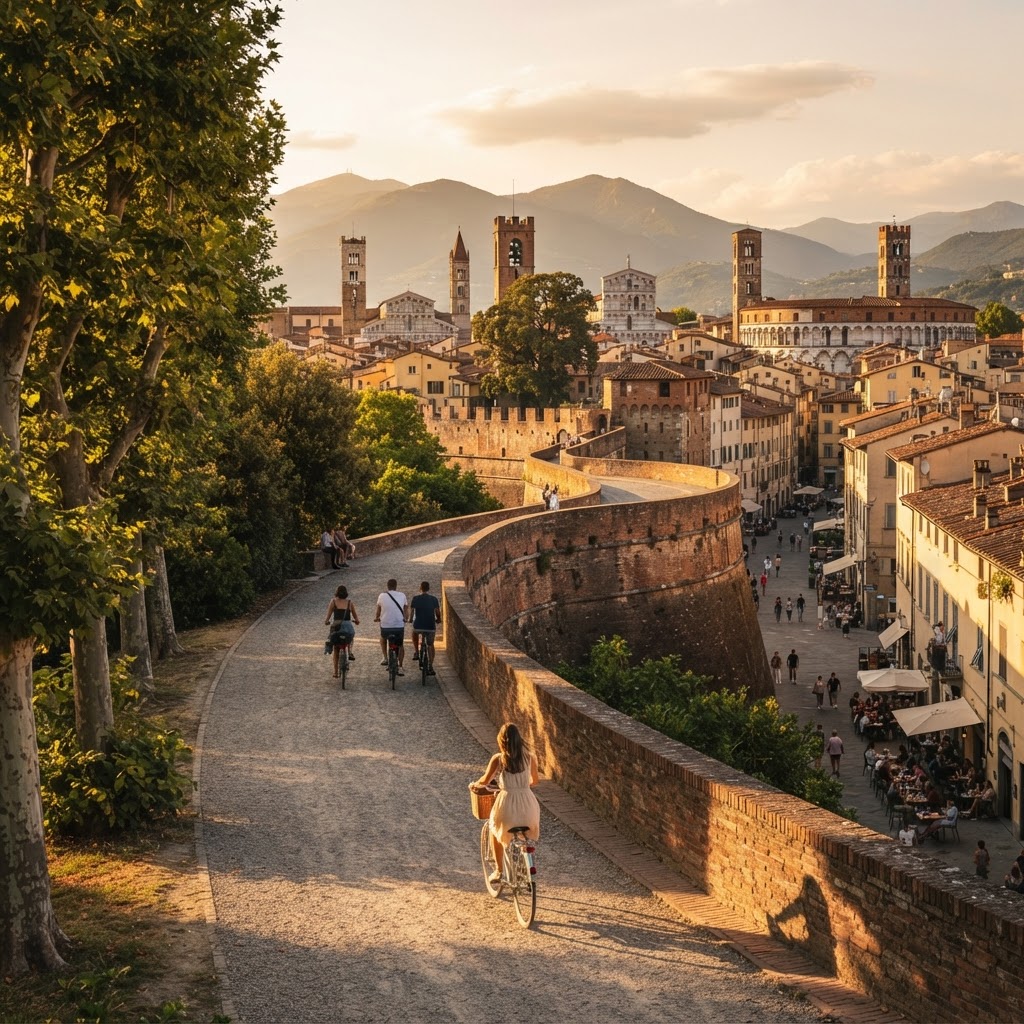
Lucca, Italy
Italy
A graceful, walled Tuscan oasis made for cycling ramparts and unhurried aperitivi.
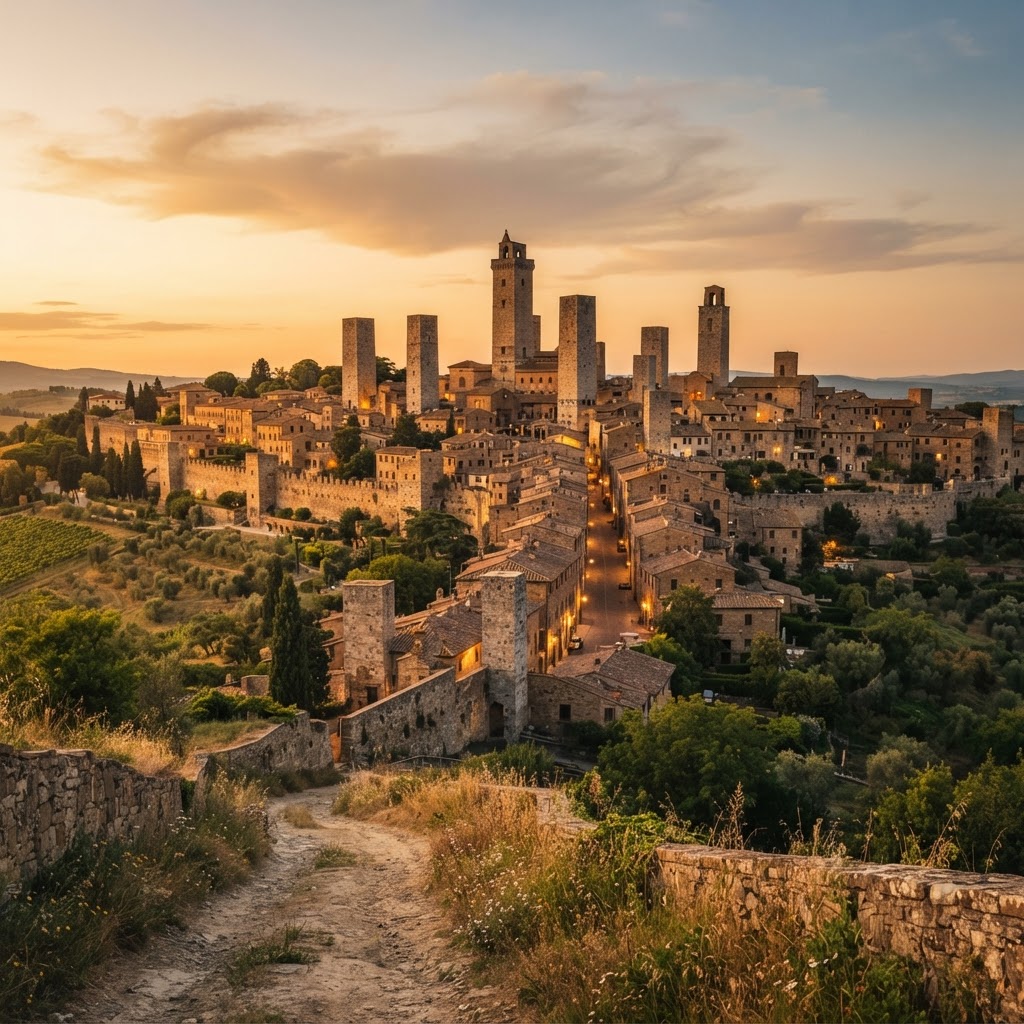
San Gimignano
Italy
Tuscany's medieval Manhattan, magical only when the day-trippers vanish
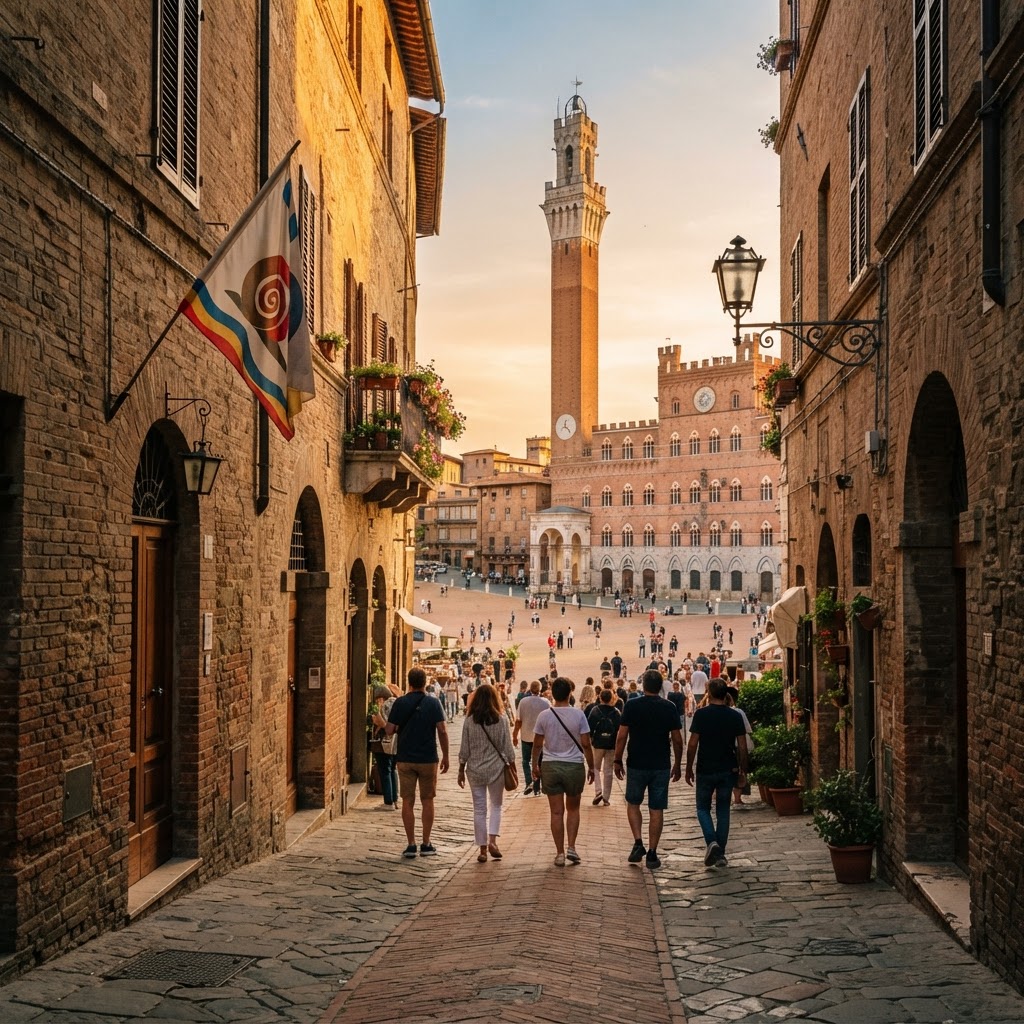
Siena, Tuscany, Italy
Italy
Gothic brick alleys, neighborhood contrada pride, and Italy's most dramatic medieval square
Readymade itineraries
Start from a tested template — then make it yours.
Ready to book
Lock in your Montefalco, Italy trip
Everything in one place. We may earn a small commission — it never costs you more.
Plan a trip to Montefalco, Italy
Pick a length and we'll build a day-by-day plan around how you travel — neighborhoods clustered, budget-aware, and editable.
Get better at planning trips like this
Occasional notes on planning smarter — no spam, unsubscribe anytime.
Plan a trip to Montefalco, Italy
Turn this guide into a day-by-day plan built around your pace, your group, and your budget.
Build my Montefalco, Italy trip