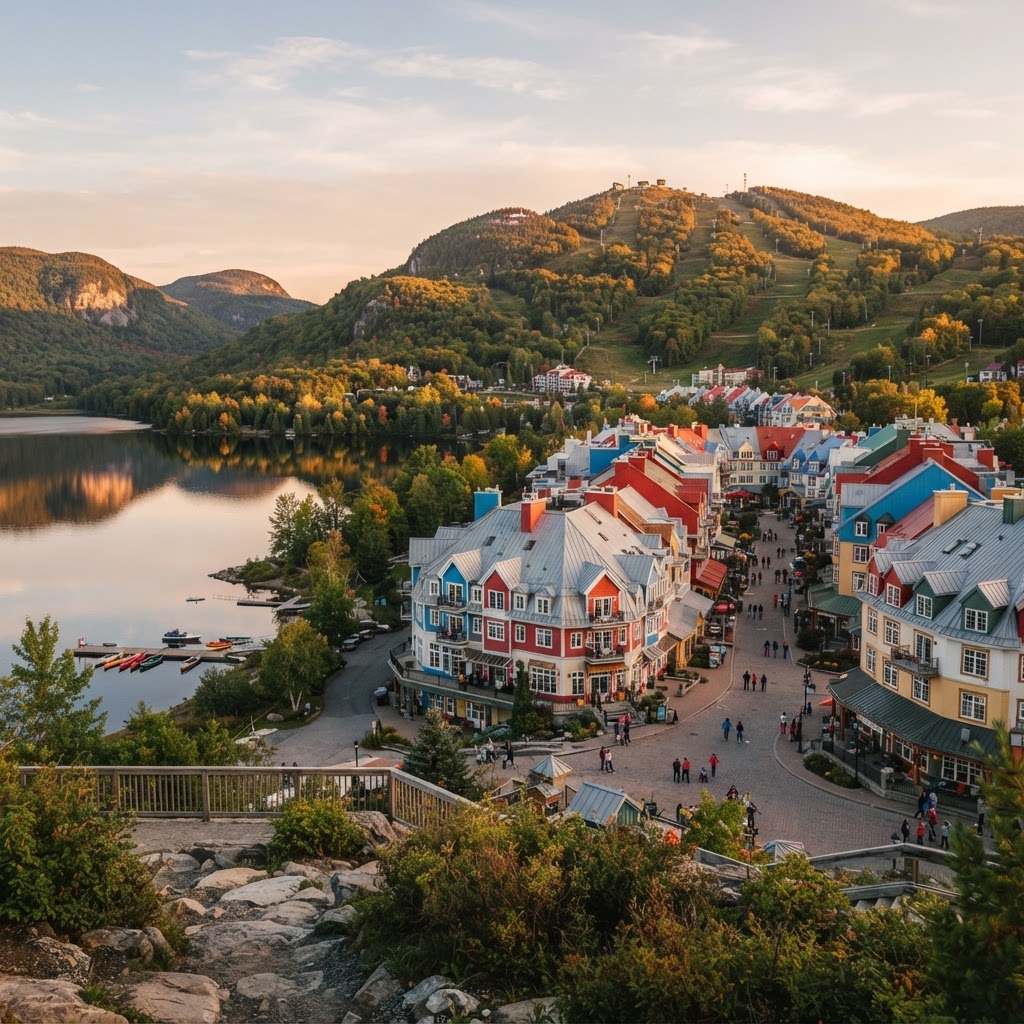
Canada
Mont-Tremblant, Quebec, Canada
Quebec alpine living with dual personalities: ski-resort spectacle and quiet lakeside terroir.
Plan & book
Sort your Mont-Tremblant, Quebec, Canada trip in one place.
We point you to the booking tools we'd actually use — live prices, no markup. Or let us build the day-by-day plan around you first, then book.
Mont-Tremblant is not a single town but three distinct pockets strung across the Laurentian Mountains: the manicured, car-free Pedestrian Village at the mountain's base; the heritage lakeside hamlet of Old Village (Lac Mercier); and the year-round, francophone service hub of Downtown (Saint-Jovite). It delivers the premier ski terrain in Eastern North America alongside summer lake recreation and sprawling boreal wilderness in Parc National du Mont-Tremblant.
4 days
Best time
Late January through February for peak winter powder and cold-weather energy; late September to early October for fiery Laurentian sugar maple foliage.
Build your own trip with these prebuilt itineraries
Each one is a tested, day-by-day plan for Mont-Tremblant, Quebec, Canada — start here, then make it yours.
5 Days in Mont-Tremblant: Ultimate Laurentian Outdoor Adventure in Mont-Tremblant
An active nature and road-trip itinerary designed for visitors with a car, featuring deep backcountry trails in the national park, lake paddling, and regional farm visits.
4 Days in Mont-Tremblant: Complete Mountain & Valley Highlights in Mont-Tremblant
The definitive first-timer balance of world-class resort skiing or hiking, regional culture in the Old Village, and day exploration into Parc National du Mont-Tremblant.
2 Days in Mont-Tremblant: Romantic Alpine Escape in Mont-Tremblant
A cozy couples getaway focusing on slope-side living, hydrotherapy at Scandinave Spa, and French-Canadian dining in the Pedestrian Village and Saint-Jovite.
Tremblant is the only destination in eastern Canada that pairs an expansive 102-trail ski mountain with European-style, car-free village living and a distinct Québécois food and spa culture. In the winter, you ski directly to your door and soak at Scandinave Spa along the Rivière du Diable. In the summer and autumn, the mountain switches seamlessly to downhill biking, lake sports on Lac Tremblant, and vivid fall foliage.
Where to stay
Getting there
Getting around
Food & drink
What it costs
Skip it if
Skip if you are looking for Western alpine scale (deep powder bowls and 3,000-foot vertical drops like Whistler or the Rockies), or if you dislike faux-alpine resort architecture and are strictly hunting for raw backcountry isolation without tourist infrastructure.
When to go
Winter brings guaranteed snow coverage across all four mountain faces but commands premium hotel pricing and weekend lift queues. Fall delivers crisp 15°C hiking conditions and dramatic crimson hillsides without ski-season congestion, whereas spring mud season empties the town.
Peak (Late Dec–mid-March & Mid-Sept–mid-Oct)
Ski slopes and the Pedestrian Village operate at full capacity with steep lodging rates and lively après-ski. Fall foliage weekends jam Route 117 with leaf-peepers; book accommodations 3 to 6 months ahead.
Shoulder (Late June–August & early June)
Summers are pleasantly warm (22–27°C) with open lake swimming at Lac Mercier, mountain biking, and outdoor music festivals. Crowds remain steady on weekends, but weekdays offer good value.
Low (April–mid-May & November)
Known locally as the shoulder thaw and freeze: ski hills close, hiking trails are closed to prevent erosion during spring mud, and many resort restaurants close for seasonal maintenance.
Neighborhoods
Where you stay shapes the trip. Here's how to think about it.
Pedestrian Village (Resort Sector)
Car-free, candy-colored alpine spectacle built directly at the ski lift base, humming with après-ski patios and ski boots clicking on cobblestones.
Best for:Ski-in/ski-out pursuers, first-time winter travelers, families with young children
Don't miss:Taking the free open-air Cabriolet lift over the village rooftops between the upper and lower squares, followed by an outdoor beer at Microbrasserie La Diable.
Old Village (Mont-Tremblant Village / Lac Mercier)
Charming, historic French-Canadian lakeside enclave framed by Victorian gingerbread homes, vintage train track trails, and calm waterfront dining.
Best for:Couples seeking romance away from resort bustle, road-cyclists, quiet lake swimmers
Don't miss:Renting a cruiser to pedal the paved P'tit Train du Nord trail right from the historic train station, followed by dinner at antipasto-focused bistro La Gare.
Downtown (Saint-Jovite)
Authentic, Francophone Laurentian commercial hub focused along Rue de Saint-Jovite, filled with year-round grocers, vintage shops, bakeries, and chef-driven bistros.
Best for:Budget-conscious travelers, foodies avoiding resort price markups, long-stay road-trippers
Don't miss:Grabbing house-baked sourdough and pastries at Boulangerie Le Marquis, then walking the restored heritage architecture along Rue de Saint-Jovite.
Domaine Saint-Bernard
Peaceful 1,500-acre protected ecotourism park bordered by the Rivière du Diable, oriented entirely around silent sports and wildlife preservation.
Best for:Nordic skiers, snowshoers, birdwatchers, stargazers escaping slope crowds
Don't miss:Cross-country skiing the peaceful groomed loop along the Diable River to the Velan Astronomy Pavilion on a clear winter evening.
Versant Soleil & Versant Nord
The quiet, forested backfaces of Mont Tremblant offering steep glades, sunny intermediate slopes, and an unhurried, off-grid mountain atmosphere.
Best for:Advanced powder hounds, glade skiers, travelers seeking secluded mountainside condos
Don't miss:Riding Le Soleil chairlift on cold sunny mornings to carve down Franc Sud before crossing the base over to Casino de Mont-Tremblant via the express gondola.
Destination intelligence
Updated 9/14/2026The structured record we plan every Mont-Tremblant, Quebec, Canada itinerary from.
Walkability
High within the Pedestrian Village and along Rue de Saint-Jovite; low across the greater municipality without taking the free bus.
Transit quality
Moderate; the free municipal bus loop reliably connects the Resort, Old Village, and Downtown, but does not provide direct, flexible access to remote hiking trailheads.
Car needed
Optional for a ski-in/ski-out resort weekend; recommended if visiting Parc National du Mont-Tremblant or touring regional Laurentian farms and villages.
Ideal duration
4 days
Minimum useful
2 days
Peak season
Winter (late December to mid-March) for prime skiing and winter sports; Fall (mid-September to mid-October) for Laurentian fall foliage.
Shoulder season
Summer (late June through August) for lake sports and mountain festivals; early June for quiet hiking.
Low season
April to mid-May (spring mud and ski runoff) and November (pre-snow freeze and maintenance shutdowns).
Best for
Common mistakes
- Staying entirely within the ski resort village and completely missing the authentic local food and calm of Saint-Jovite and Lac Mercier
- Underestimating winter temperatures; Laurentian wind chill in January can plunge well below -25°C (-13°F), requiring heavy technical layers and balaclavas
- Failing to pre-book access to Scandinave Spa Mont-Tremblant and Parc National du Mont-Tremblant on peak holiday weekends
- Renting a large vehicle without confirming underground heated parking at resort hotels, where street parking during snow removal is strictly regulated
Best nearby
How to plan it
- Stay slopeside in the Pedestrian Village if ski-in/ski-out access and après-ski bars are your priority; stay in Old Village or Saint-Jovite if you want better restaurant pricing and quiet nights.
- Don't try to cram downhill skiing at the resort and a full visit to Parc National du Mont-Tremblant into the same day—the national park gate is a separate 30-minute drive north and demands its own dedicated morning.
- Book your Scandinave Spa thermal baths reservation at least 3 weeks ahead if traveling on a winter or fall foliage weekend, or opt for a weekday morning arrival right at opening.
- If skiing on busy weekends, ride the gondola up early and immediately drop onto Versant Nord (the North Side) or Versant Soleil to escape the central south-base lift lines until midday.
- Pair your trip with an overnight or weekend stopover in Montreal, which sits an easy 90-minute drive southeast along Autoroute 15.
Questions
More in Canada

Cape Breton Island, Nova Scotia
Canada
Sea-sculpted highlands, living Celtic fiddling traditions, and wild Atlantic drama.
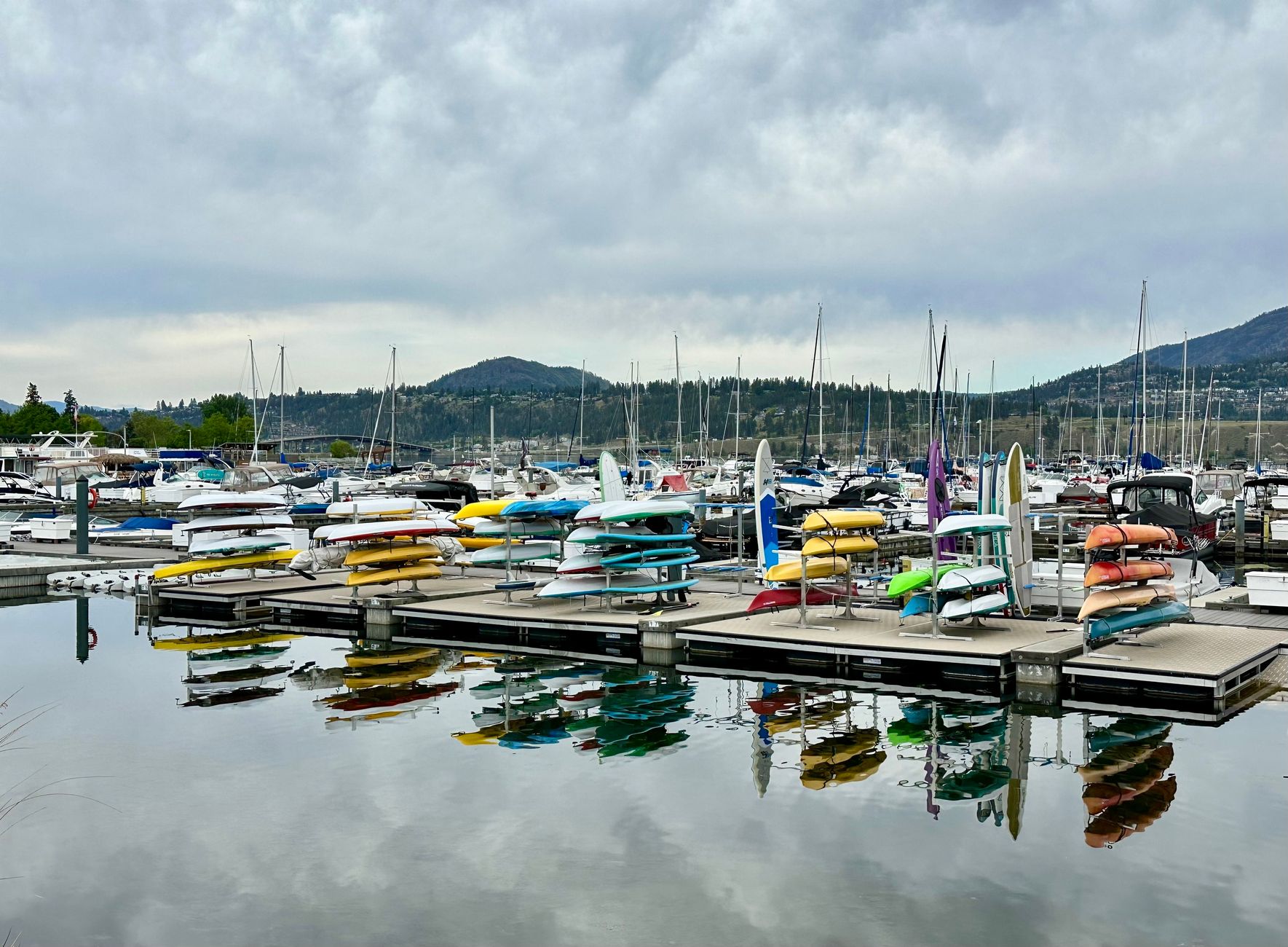
Kelowna
Canada
Sun-drenched vineyards, lakeside living, and pine-scented benchlands in British Columbia’s interior.
Whitehorse
Canada
The subarctic wilderness capital where boreal trails meet gold rush frontier culture
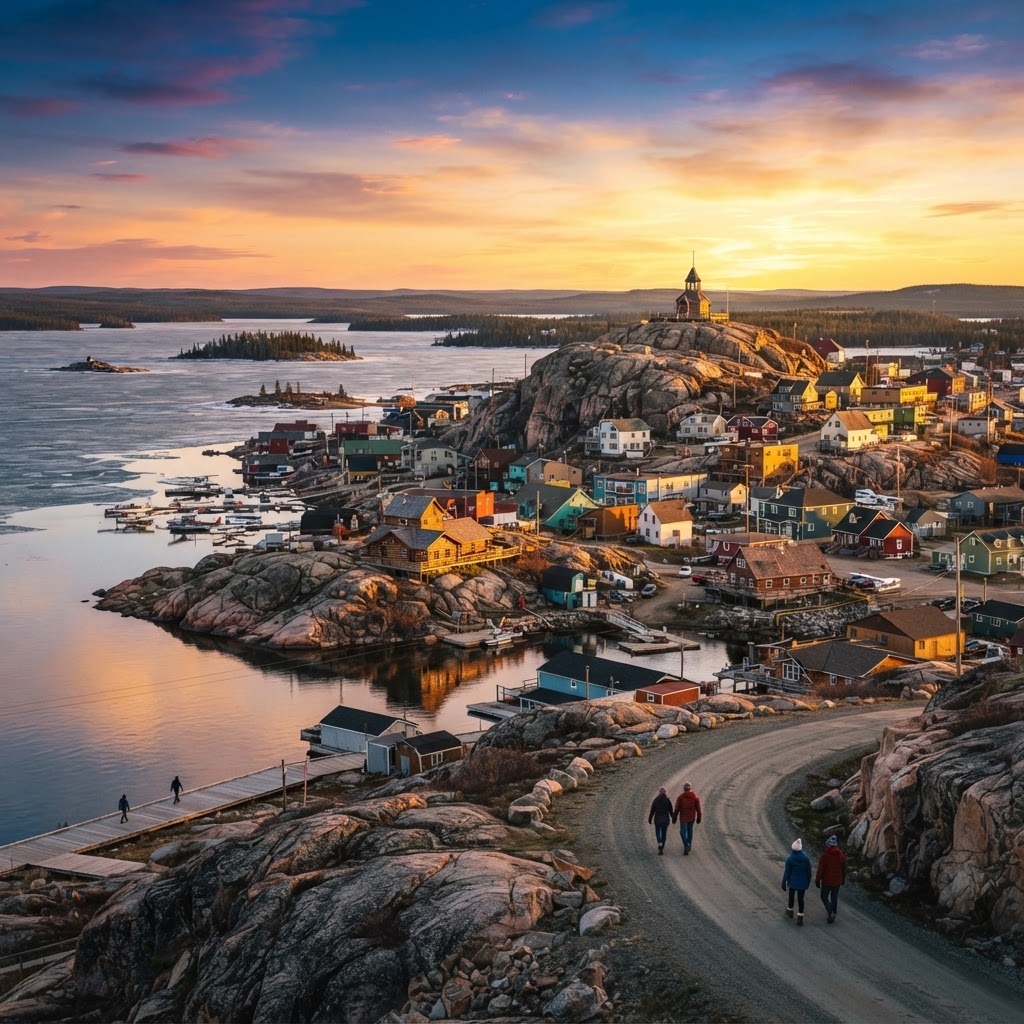
Yellowknife, Northwest Territories, Canada
Canada
The subarctic aurora capital perched on the ancient Canadian Shield.
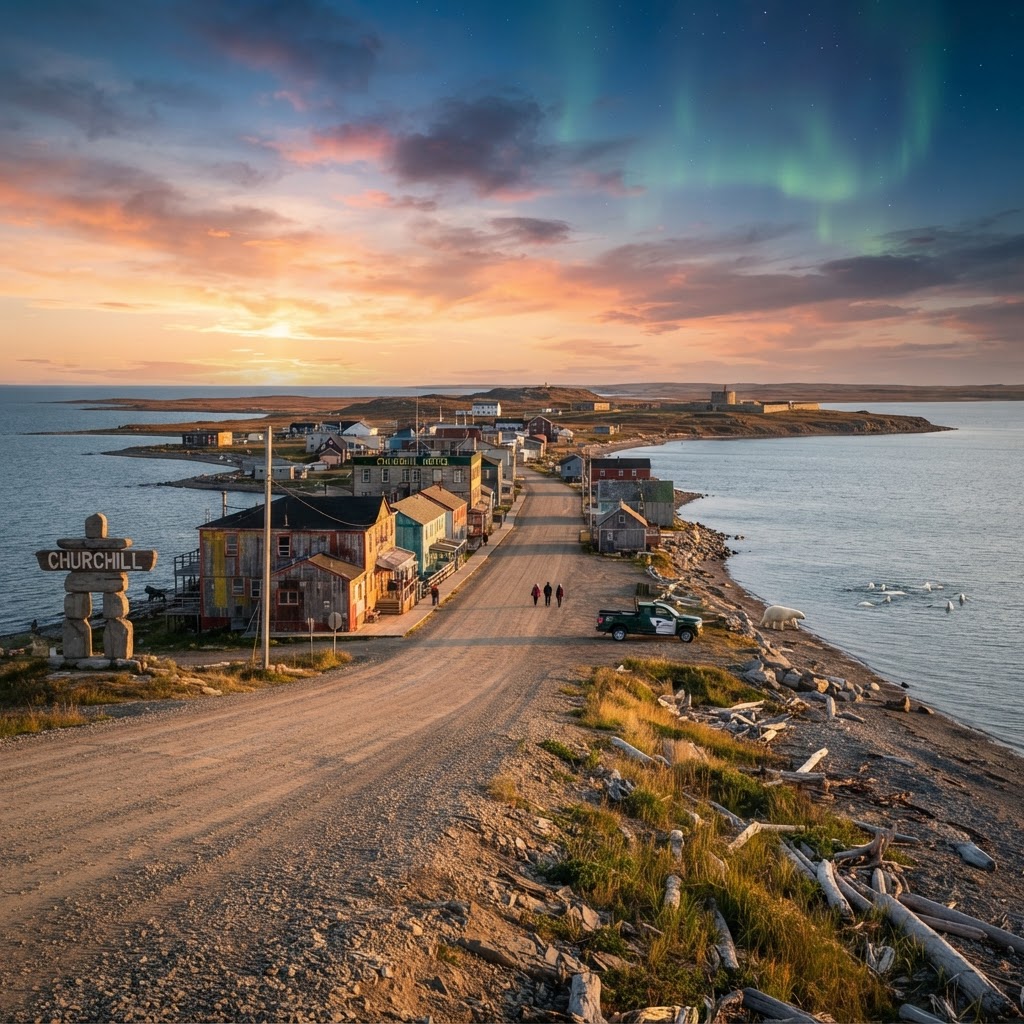
Churchill, Manitoba
Canada
The subarctic frontier for wild polar bears, estuary belugas, and uninterrupted auroras.
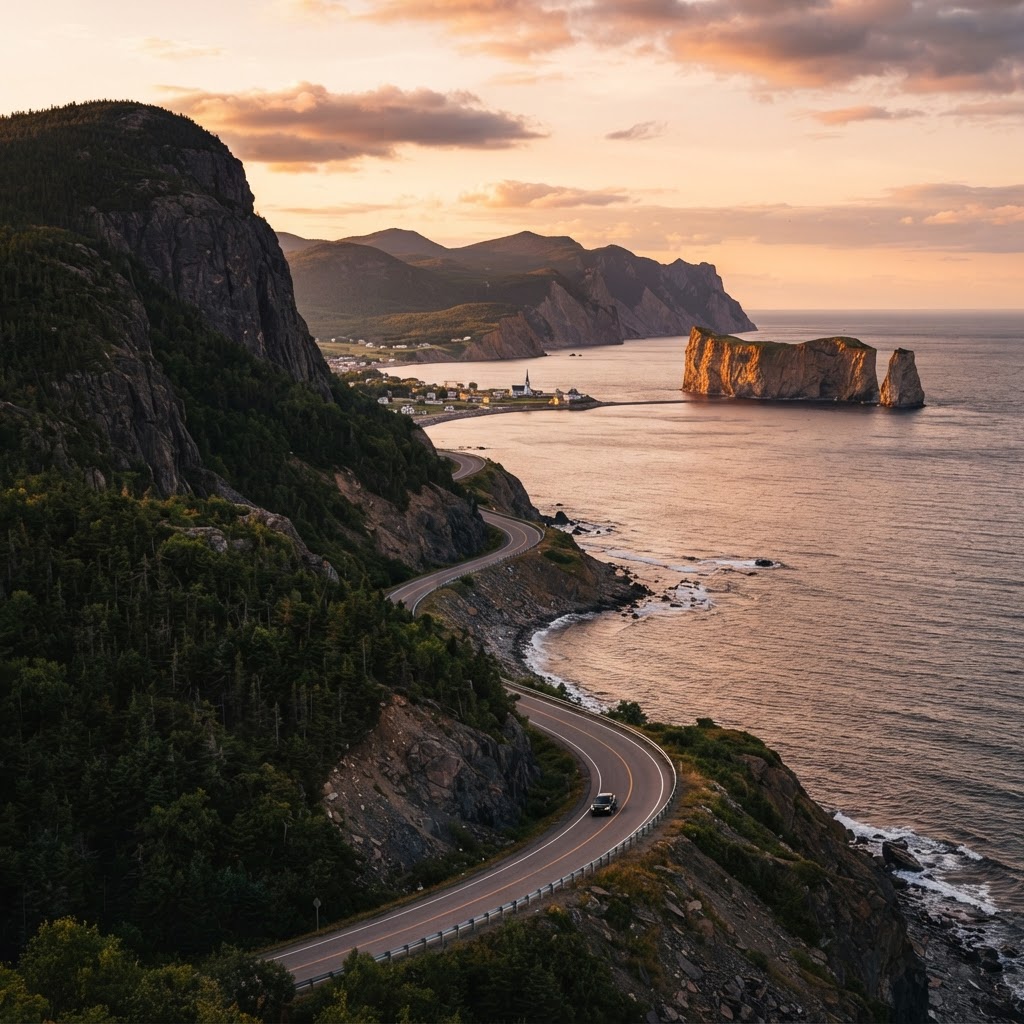
Gaspé Peninsula (Gaspésie), Quebec
Canada
End-of-the-world sea cliffs, ancient Appalachian spines, and winding coastal highways.
Readymade itineraries
Start from a tested template — then make it yours.
Ready to book
Lock in your Mont-Tremblant, Quebec, Canada trip
Everything in one place. We may earn a small commission — it never costs you more.
Plan a trip to Mont-Tremblant, Quebec, Canada
Pick a length and we'll build a day-by-day plan around how you travel — neighborhoods clustered, budget-aware, and editable.
Get better at planning trips like this
Occasional notes on planning smarter — no spam, unsubscribe anytime.
Plan a trip to Mont-Tremblant, Quebec, Canada
Turn this guide into a day-by-day plan built around your pace, your group, and your budget.
Build my Mont-Tremblant, Quebec, Canada trip