
Italy
Milan Itinerary: How Many Days + Sample Plans
The industrial, fashion-forward engine of Northern Italy where Renaissance masterworks meet contemporary design and world-class transit connections.
Traveler rating
Loved by design and contemporary art collectors.
Plan & book
Sort your Milan trip in one place.
We point you to the booking tools we'd actually use — live prices, no markup. Or let us build the day-by-day plan around you first, then book.
Pick your trip length
How many days do you need in Milan?
Each of these opens a full day-by-day plan you can make your own.
- 2 days — Two days — the essentials, no rushing.
- 3 days — Three days — the icons plus one neighborhood.
- 4 days — Four days — a full city without sprinting.
- 5 days — Five days — room for a day trip.
- 7 days — A week — the city at a human pace.
- With Kids trip — Shorter days, earlier dinners, what to skip.
- For Couples trip — Two-person pacing with evenings built in.
- Solo trip — A plan that works well on your own.
- Food trip — Meals and markets as the anchors.
- Outdoors trip — Nature, walks and open air.
- Culture trip — History, museums and the streets around them.
Milan is frequently misunderstood as merely a grey financial capital or a quick transit hub between Rome, Florence, and the lakes. In reality, it is Italy's most cosmopolitan, forward-looking metropolis, trading crumbling postcard romance for world-class design, monumental architecture, Michelin-starred dining, and an effortless aperitivo culture. It is a city that reveals itself best when you look past the tourist crush in Piazza del Duomo into its historic courtyards, sleek contemporary districts, and neighborhood wine bars.
3 to 4 days
Best time
May to early June or late September through October
Build your own trip with these prebuilt itineraries
Each one is a tested, day-by-day plan for Milan — start here, then make it yours.
2 Days in Milan for First-Time Visitors
2 days in milan first time
3 Days in Milan for Design & Fashion
milan design fashion itinerary
3 Days in Milan for Food & Aperitivo
milan food aperitivo itinerary
4 Days in Milan with Lake Day Trips (Como)
milan lake como day trip itinerary
Milan gives you Italy's highest-tier urban experience: Leonardo da Vinci's The Last Supper, the sheer Gothic scale of the Duomo's rooftop terraces, and the cutting-edge galleries of Fondazione Prada. It is also Western Europe's most efficient rail crossroads, letting you base yourself in a deeply sophisticated metropolis while taking 30-to-60-minute day trips to Lake Como, Bergamo, or Bologna without ever touching a rental car.
Where to stay
Getting there
Getting around
Food & drink
What it costs
Things to do
Book tours & tickets in MilanSkip it if
Skip Milan if you are chasing quintessential Tuscan rolling hills, rustic Renaissance hilltowns, or quiet coastal villages. If your Italy trip is limited to 7 days and you want classic historic romance, dedicate your time to Rome and Florence instead of Milan's busier commercial rhythm.
When to go
You bypass the brutal humidity of midsummer and the citywide closures of August, enjoying comfortable outdoor weather for walking without competing with the astronomical room rates of design or fashion trade weeks.
Peak (May-June & Sept-Oct, plus event weeks)
Superb weather for outdoor cafes and rooftop terraces, but room rates surge drastically during Salone del Mobile (April) and Fashion Weeks (February and September).
Shoulder (March-April & late October-November)
Crisp temperatures and manageable lines at cultural landmarks; April outside Design Week offers spring blooms, while November offers lower hotel tariffs and autumn comfort food.
Low (January-February & August)
January brings cold fog, winter sales, and empty galleries outside of Men's Fashion Week. August brings oppressive heat and shuttered family-run trattorias for the Ferragosto holiday.
Neighborhoods
Where you stay shapes the trip. Here's how to think about it.
Brera
Paved pedestrian alleys, upscale art galleries, perfume ateliers, and refined sidewalk aperitivo spots.
Best for:First-timers, art collectors, boutique shoppers, and romantic couples
Don't miss:Pinacoteca di Brera for Renaissance masterpieces like Hayez's The Kiss, followed by a stroll through the tucked-away Orto Botanico di Brera.
Porta Venezia & Palestro
Liberty-style architecture, tree-lined boulevards, indie coffee shops, and an inclusive, relaxed energy.
Best for:Food-focused travelers, LGBTQ+ visitors, and neighborhood strollers wanting distance from the Duomo crush
Don't miss:Villa Necchi Campiglio for mid-century rationalist design and the subterranean Etruscan galleries of Fondazione Luigi Rovati.
Navigli & Porta Ticinese
Canal-side foot traffic, open-air drinking, vintage record stalls, and noisy student-to-young-professional bars.
Best for:Nightlife seekers, evening aperitivo crowds, and vintage thrift enthusiasts
Don't miss:The quiet cobblestone courtyard of Vicolo dei Lavandai before crossing to Bar Basso or a canal-side spritz along Naviglio Grande.
Isola & Porta Nuova
Futuristic glass skyscrapers framing the Bosco Verticale, contrasting with former working-class craft workshops and contemporary bistros.
Best for:Modern architecture fans, cocktail connoisseurs, and contemporary lifestyle travelers
Don't miss:Piazza Gae Aulenti at dusk looking up at the Bosco Verticale, followed by live jazz and cocktails at Blue Note Milano.
Cinque Vie & Sant'Ambrogio
Quiet Roman-era five-way crossroads, antique bookshops, aristocratic palazzi courtyards, and silent residential lanes.
Best for:Slow travelers, design connoisseurs, and history lovers seeking central tranquility
Don't miss:The Romanesque Basilica di Sant'Ambrogio and browsing the high-end craft showrooms along Via Santa Marta.
Destination intelligence
Updated 9/14/2026The structured record we plan every Milan itinerary from.
Walkability
High in the historic core (Duomo, Brera, Navigli), with flat terrain and well-maintained sidewalks, though distances between outer cultural sites like Fondazione Prada require metro or tram links.
Transit quality
Exceptional. Milan's ATM transit system is safe, punctual, and highly integrated, with contactless credit card tap-and-go ticketing on all metro lines, buses, and classic trams.
Car needed
Not required. Driving in Milan is a major hindrance due to severe Area C congestion charges, aggressive traffic, and ZTL restrictions. High-speed rail connects the city to all neighboring regions.
Ideal duration
3 to 4 days
Minimum useful
2 days
Peak season
May to June and September to October, alongside major industry events (Fashion Weeks in February/September and Salone del Mobile in April) which produce peak crowds and record hotel prices.
Shoulder season
March to April (outside Design Week) and late October through November, bringing mild weather, manageable lines, and standard hotel pricing.
Low season
January and February (outside Fashion Week) for cold weather and winter sales; August, when many local-run restaurants and boutiques shutter for the annual Ferragosto holiday.
Best for
Common mistakes
- Assuming you can purchase Last Supper tickets on the day of your visit; they routinely sell out 2 to 3 months in advance.
- Visiting during Milan Fashion Week (February/September) or Salone del Mobile / Design Week (April) without booking hotels months ahead, where rates double or triple and tables are impossible to secure.
- Renting a car in the city center, which leaves you trapped in dense traffic, heavy ZTL (restricted driving) zones, and expensive garages.
- Spending your entire visit exclusively within Piazza del Duomo and Galleria Vittorio Emanuele II, missing the neighborhood textures of Brera, Isola, and Navigli.
Best nearby
Deeper country context: Milan in the Italy Field Guide.
See what a trip to Italy actually costs. Travel Budget Co.
How to plan it
- Anchor your base in Brera or Cinque Vie if you want morning espresso steps from key sites, or near Porta Venezia if you value local wine bars and boutique hotels over tourist proximity.
- Do not group Fondazione Prada and Santa Maria delle Grazie into the same half-day; they sit on opposing ends of the urban transit grid and deserve unhurried museum visits.
- Reserve the Duomo rooftop terrace for sunset via the lift or stairs—the light on the marble spires and view toward the Alps on clear days far outshines the interior nave visit.
- Pair Milan with a low-stress rail day trip: Lake Como is just 60 minutes from Centrale to Varenna, while Bologna's culinary scene is a 65-minute high-speed Frecciarossa ride away.
- Plan around trade weeks: check the calendar to ensure your trip does not accidentally coincide with the Salone del Mobile furniture fair in April, when standard hotels triple their nightly rates.
Questions
More in Italy
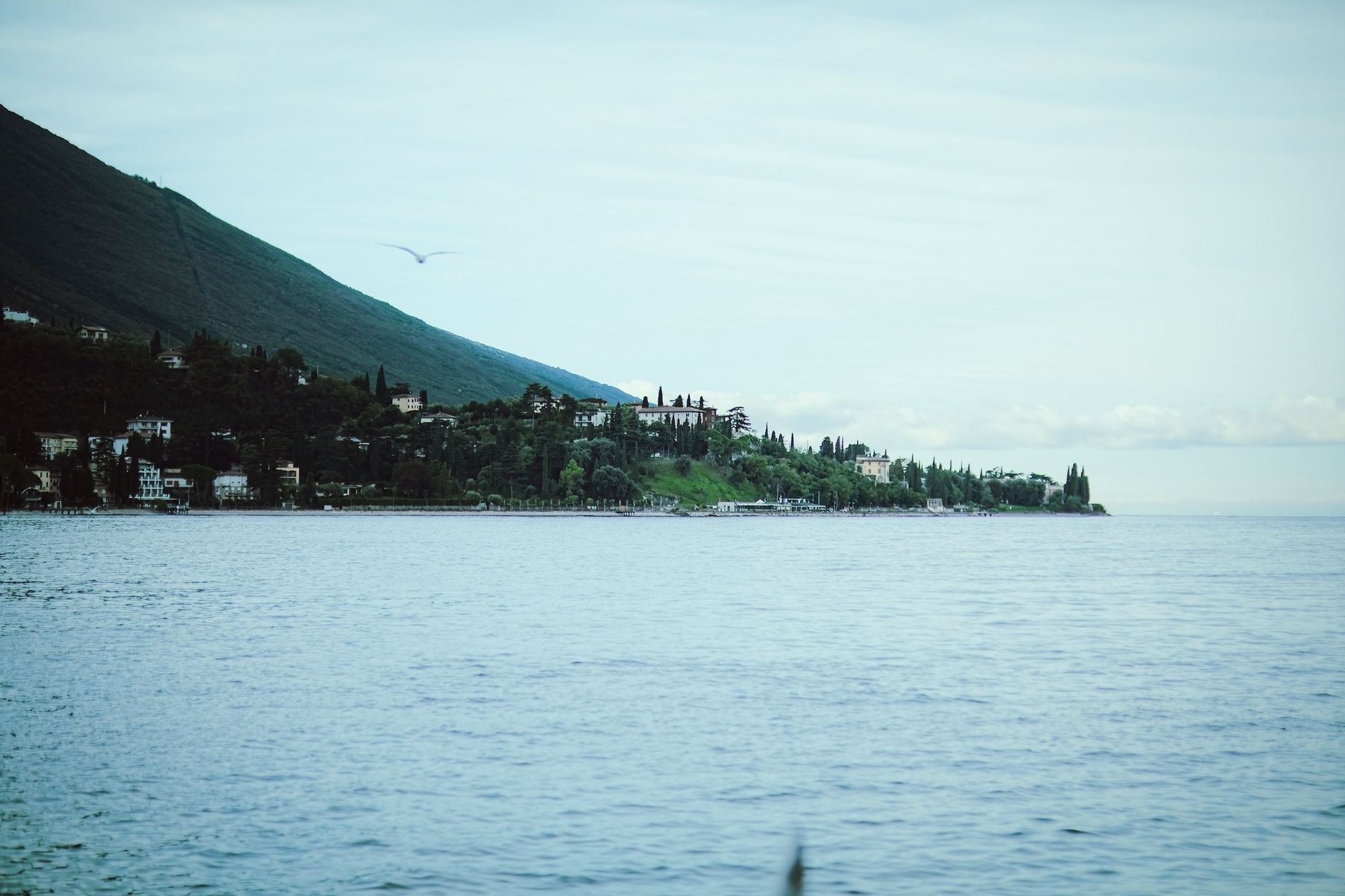
Lake Garda
Italy
Fjord-like northern crags, southern olive groves, and lake life without the Como theater
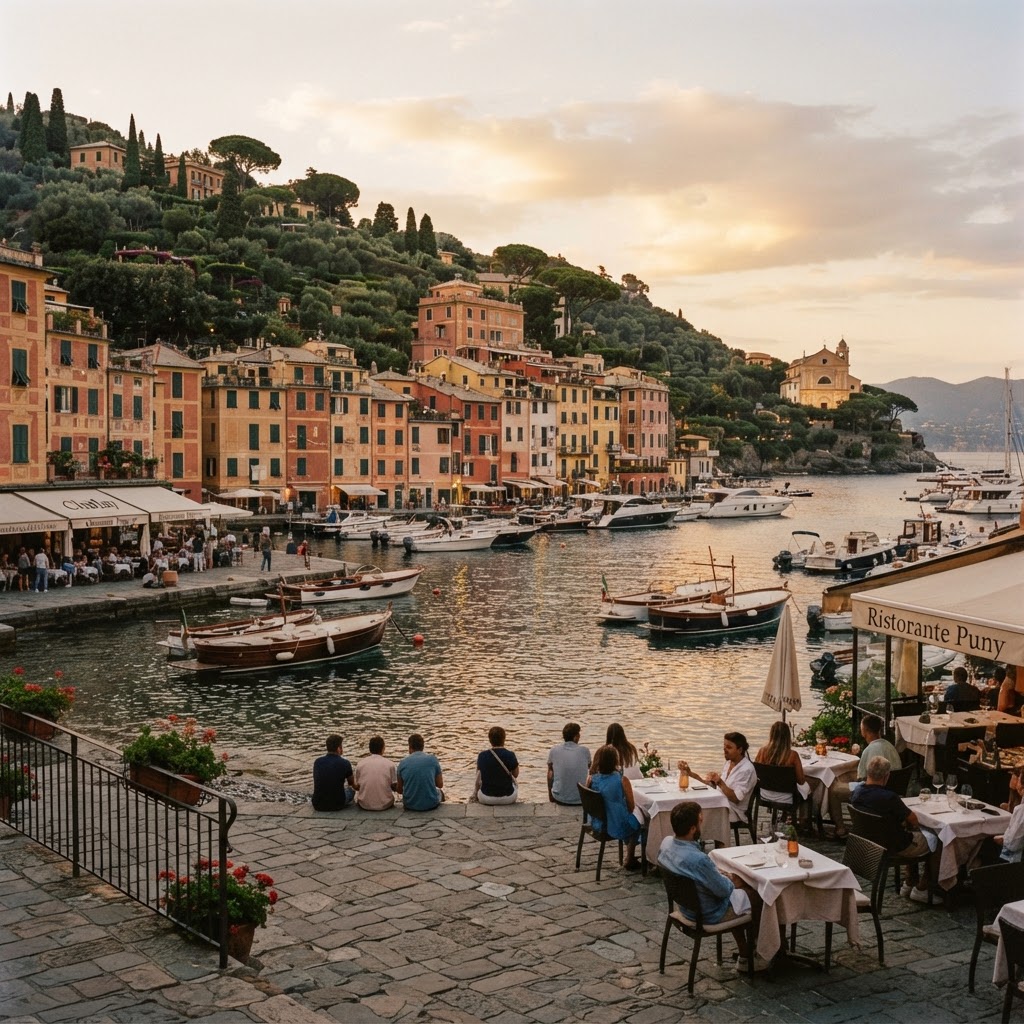
Portofino
Italy
A pocket-sized Riviera cove where lingering beats sightseeing.
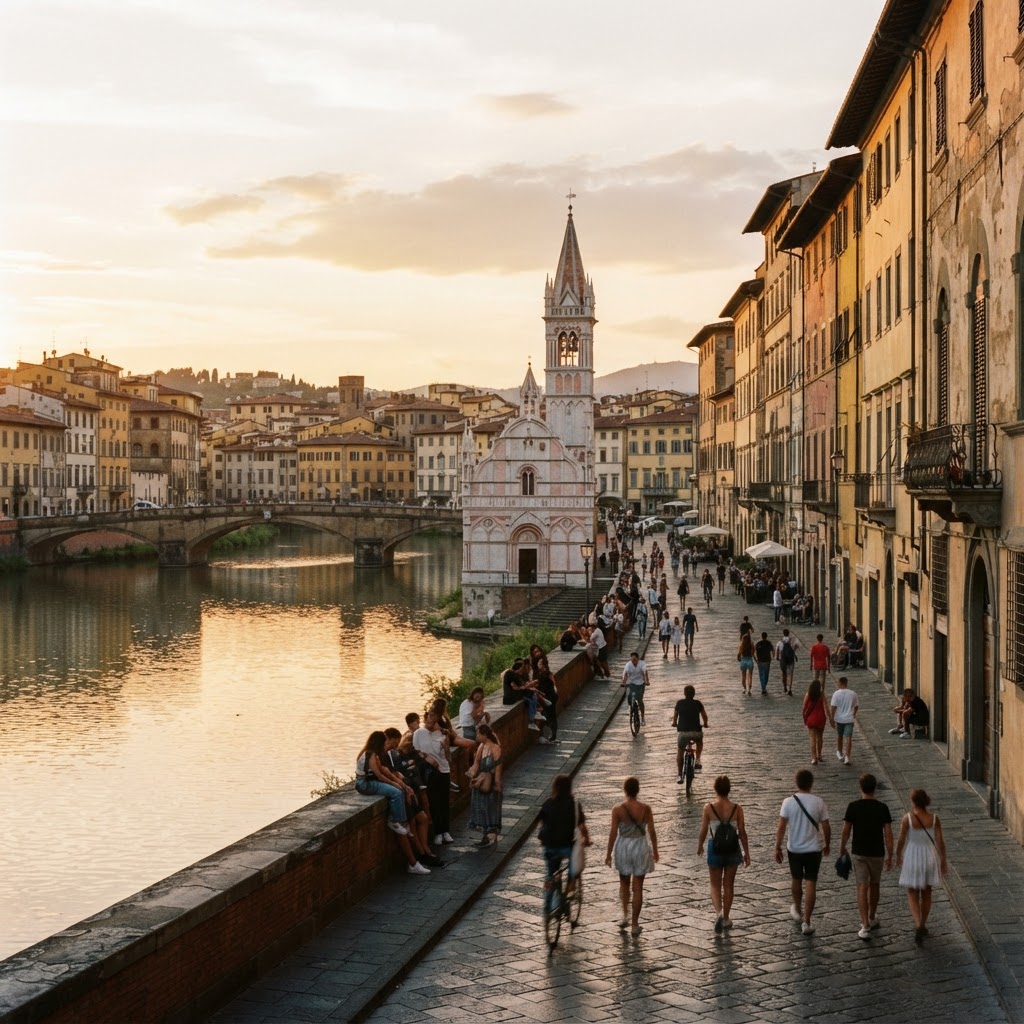
Pisa
Italy
Beyond the leaning marble: a lively university city of riverside palaces and quiet piazzas.
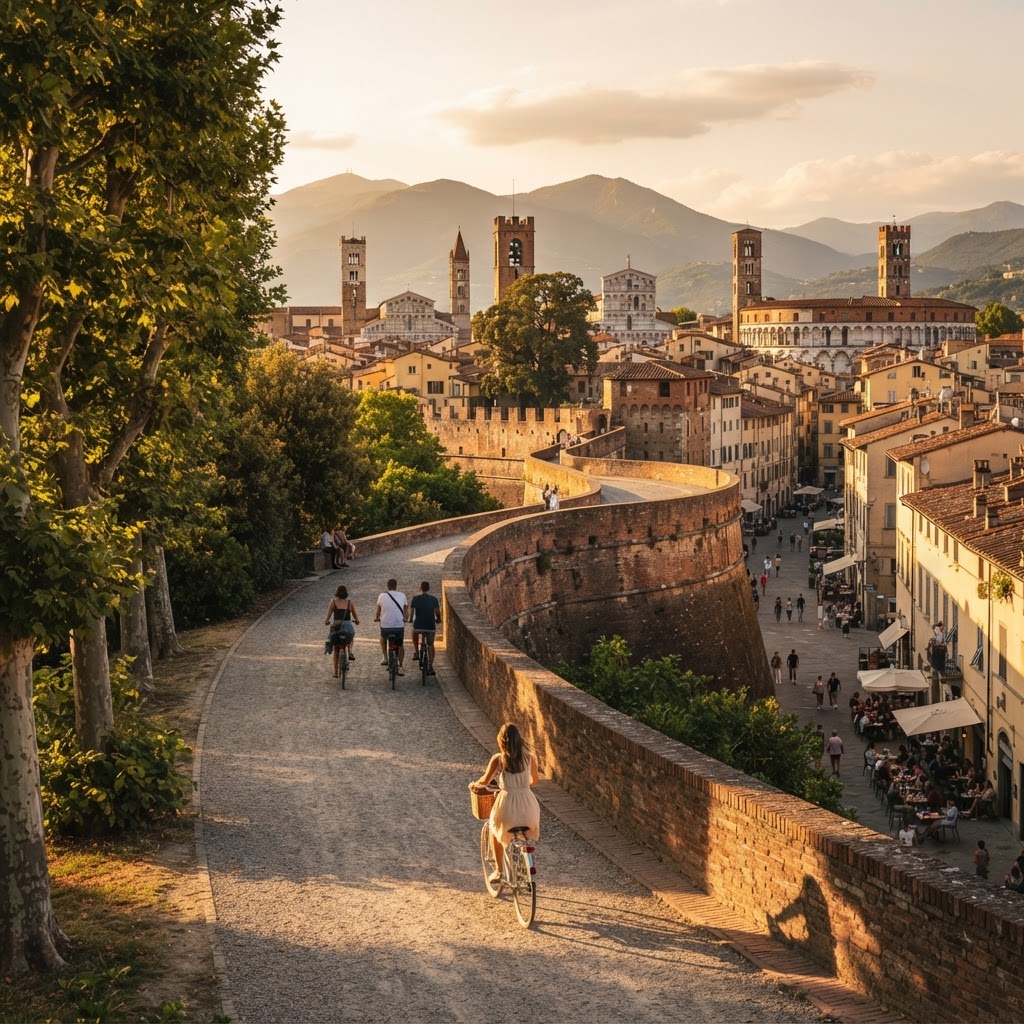
Lucca, Italy
Italy
A graceful, walled Tuscan oasis made for cycling ramparts and unhurried aperitivi.
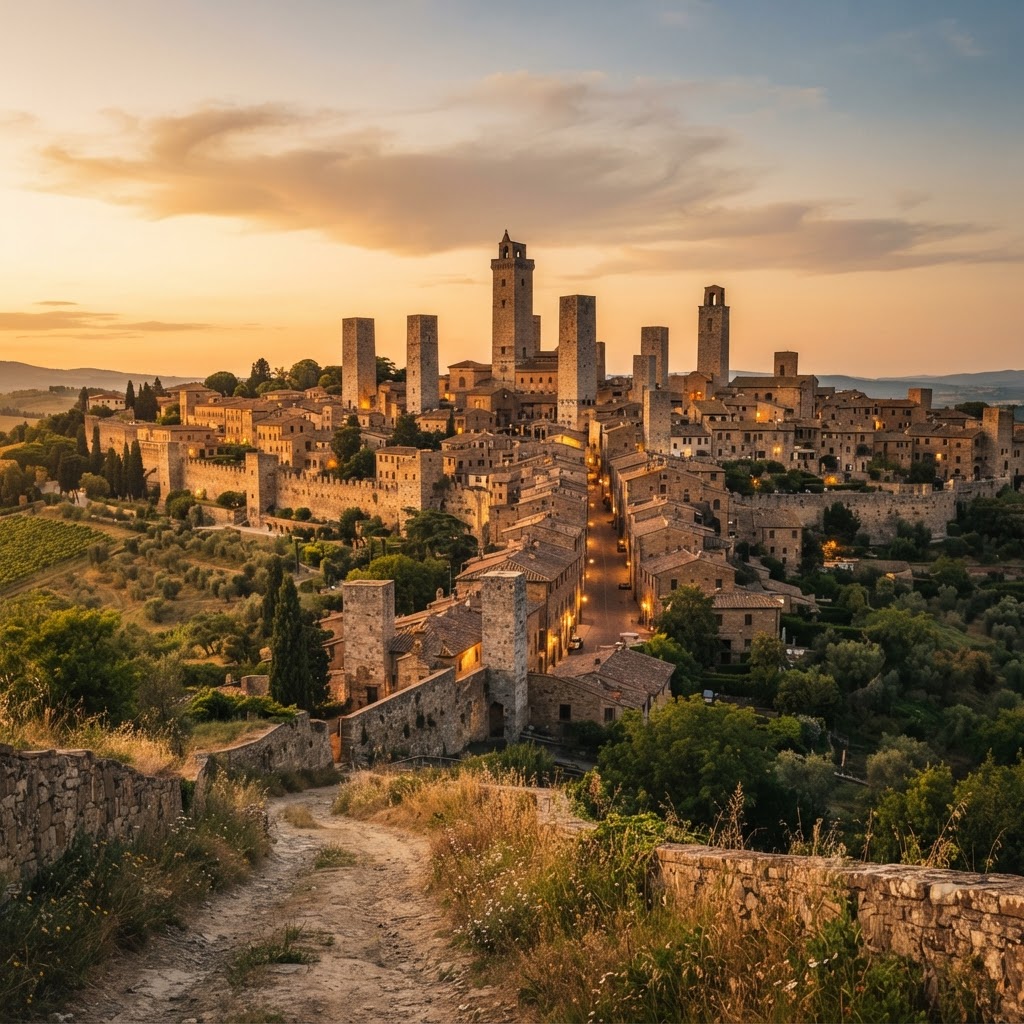
San Gimignano
Italy
Tuscany's medieval Manhattan, magical only when the day-trippers vanish
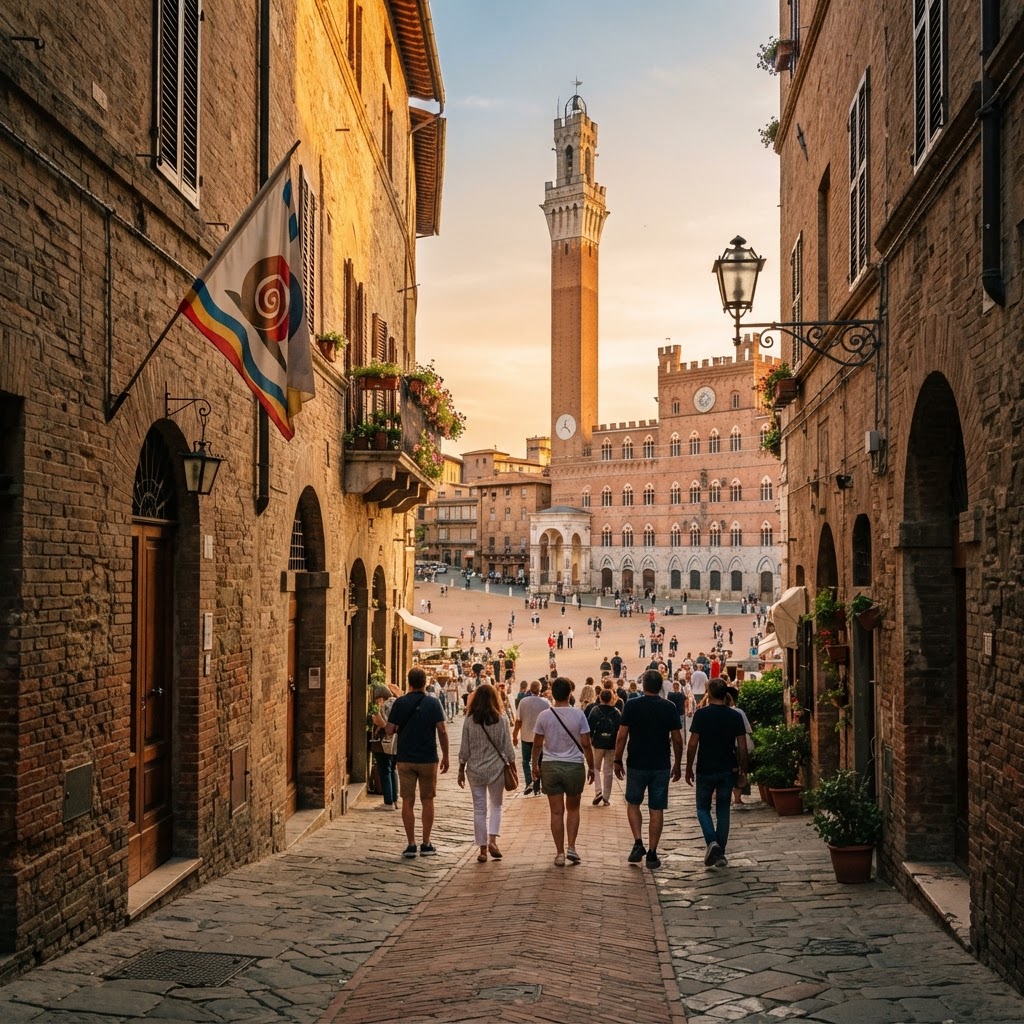
Siena, Tuscany, Italy
Italy
Gothic brick alleys, neighborhood contrada pride, and Italy's most dramatic medieval square
Readymade itineraries
Start from a tested template — then make it yours.
Ready to book
Lock in your Milan trip
Everything in one place. We may earn a small commission — it never costs you more.
Plan a trip to Milan
Pick a length and we'll build a day-by-day plan around how you travel — neighborhoods clustered, budget-aware, and editable.
Get better at planning trips like this
Occasional notes on planning smarter — no spam, unsubscribe anytime.
Plan a trip to Milan
Turn this guide into a day-by-day plan built around your pace, your group, and your budget.
Build my Milan trip