Portugal
Madeira, Portugal
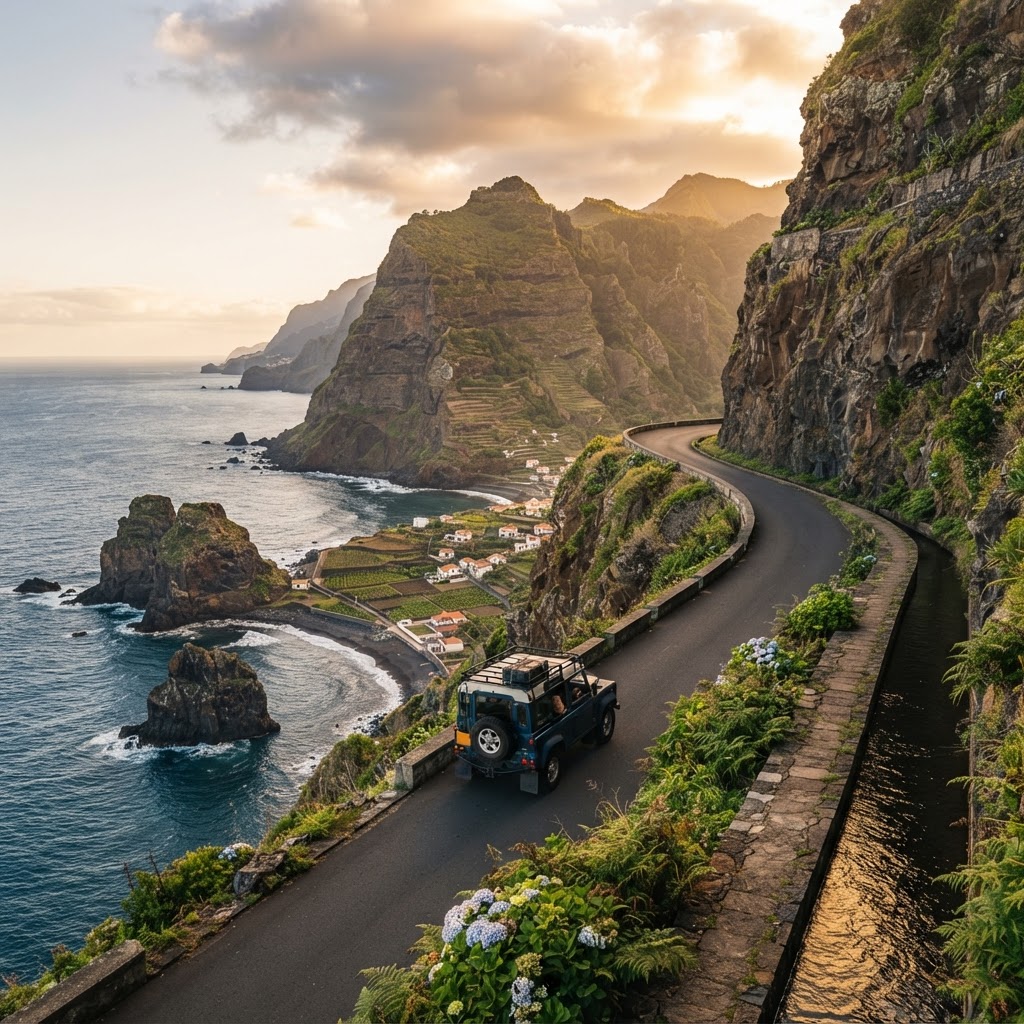
Dramatic volcanic topography, sheer levadas, and microclimates that reward active road-trippers over lazy sunseekers.
Plan & book
Sort your Madeira, Portugal trip in one place.
We point you to the booking tools we'd actually use — live prices, no markup. Or let us build the day-by-day plan around you first, then book.
Rising directly from the Atlantic ocean floor 600 miles southwest of mainland Europe, Madeira is a towering volcanic biome disguised as an autonomous Portuguese territory. It is not an island of long sandy beaches or lazy seaside strolls; it is defined by sheer sea cliffs, UNESCO-protected ancient laurisilva laurel forests, dizzying mountain passes, and century-old irrigation channels (levadas) carved into cliff edges. Funchal serves as a polished, subtropical base of cobbled streets and botanical parks, but the island's true character lives in the clouds above Pico do Arieiro, inside the sea caves of the north shore, and along the mist-draped highland plateaus. Because microclimates shift dramatically within a ten-minute drive, navigating Madeira requires realistic pacing, solid driving confidence, and a readiness to trade beach clubs for hiking boots.
7 to 10 days
Best time
May to June or September to October offer the premier balance of hiking conditions, clear skies, and calm logistics.
Build your own trip with these prebuilt itineraries
Each one is a tested, day-by-day plan for Madeira, Portugal — start here, then make it yours.
10 Days Island Loop & North Coast Road Trip
A slow-paced, split-stay road trip covering wild northern surf coasts, volcanic rock pools, and remote laurisilva valleys
7 Days of Mountain Peaks & Levada Trekking in Madeira
An active, outdoor-focused hiking adventure chasing high-altitude trails, sunrise summits, and rugged coastal cliffs
5 Days in Funchal & South Coast Highlights in Madeira
First-time overview blending botanical gardens, coastal levada walks, local gastronomy, and effortless day trips without extreme driving
Go for hiking routes you cannot replicate elsewhere in Europe—balancing along levada paths cut directly into vertical basalt gorges, trekking above cloud inversions between jagged 1,800-meter peaks, and swimming in natural volcanic ocean pools filled by Atlantic swell. It offers alpine topography paired with subtropical temperatures year-round.
Where to stay
Getting there
Getting around
Food & drink
What it costs
Things to do
Book tours & tickets in Madeira, PortugalSkip it if
Skip Madeira if your ideal island holiday involves sprawling golden sand beaches, walking directly from a hotel lounge chair into calm warm water, or flat, effortless strolls. It is also not suitable for nervous drivers who panic on single-lane vertical switchbacks or travelers dealing with severe vertigo and knee mobility limits on cliff paths.
When to go
Summer brings hot coastal temperatures, heavy peak crowds, and congested mountain trailheads, while winter brings persistent cloud cover and torrential rain to the high peaks. Shoulder months deliver temperate 21°C (70°F) hiking weather, blooming sub-tropical flora, and manageable traffic on narrow mountain switchbacks.
Peak (July–August, Christmas/New Year & Festa da Flor)
Dry and hot on the south coast, but expect peak hotel rates, jammed car parks at Pico do Arieiro, and heavy ferry/cable-car queues.
Shoulder (April–June & September–November)
The sweet spot for active travelers: stable hiking conditions, vibrant endemic flora, warm Atlantic water, and lower accommodation costs.
Low (December–March)
Mild on the southern coast (18–20°C / 64–68°F), but high-elevation trails are frequently fogged in, rain-soaked, or closed due to rockfalls.
Neighborhoods
Where you stay shapes the trip. Here's how to think about it.
Zona Velha (Funchal)
Cobblestone alleys, historic painted doorways, lively tascas, and coastal promenades.
Best for:First-timers and travelers who prioritize walkable dining and Madeira wine bars over resort seclusion.
Don't miss:Dinner along Rua de Santa Maria paired with a glass of dry Sercial Madeira wine, right by the Forte de São Tiago.
Lido & São Martinho (Funchal)
Polished oceanfront strip packed with modern cliffside resorts, lidos, and manicured sea paths.
Best for:Resort-focused travelers and families who want reliable ocean swimming complexes and easy logistics.
Don't miss:Taking the ocean stairs straight into the Atlantic at Complexo Balnear do Lido.
Ponta do Sol
Sun-drenched, cliff-flanked pebble cove lined with pastel cottages and a relaxed cafe culture.
Best for:Couples and road-trippers seeking maximum sunshine and slower village evenings.
Don't miss:Watching the sunset from Cais da Ponta do Sol followed by a craft poncha in the village square.
São Vicente & North Shore
Lush, windswept green valleys flanked by dramatic sea cliffs and rolling Atlantic swells.
Best for:Hikers and landscape photographers prioritizing trail proximity over manicured nightlife.
Don't miss:Walking along the rugged volcanic oceanfront of São Vicente before heading into the ancient laurel forests.
Porto Moniz
Raw, salt-sprayed northwestern outpost defined by churning Atlantic surf and black volcanic rock pools.
Best for:Active adventurers looking to base themselves directly beside the western levadas and highlands.
Don't miss:Taking a morning swim in the natural volcanic rock pools (Piscinas Naturais de Porto Moniz) before tour crowds arrive.
Destination intelligence
Updated 9/14/2026The structured record we plan every Madeira, Portugal itinerary from.
Walkability
Moderate within Funchal's historic core, but demanding everywhere else due to extreme vertical gradients and cobblestones.
Transit quality
Moderate. Functional regional buses link main towns, but are too infrequent and rigid for early trailhead access or remote viewpoints.
Car needed
Strongly recommended for any traveler wanting to hike mountain peaks, explore the north shore, and chase changing weather patterns.
Ideal duration
7 to 10 days
Minimum useful
5 days
Peak season
June through September, plus the Christmas/New Year fireworks festival and the late spring Flower Festival (Festa da Flor).
Shoulder season
April to May and October to November; ideal hiking temperatures, vibrant flora, and manageable crowds.
Low season
January to March; wetter in the north and mountains, though coastal Funchal stays mild with daytime temperatures around 19°C (66°F).
Best for
Common mistakes
- Expecting sandy resort beaches; Madeira is an island of volcanic stone, sheer cliffs, and pebble shores (head to neighboring Porto Santo if vast white sand is a dealbreaker).
- Staying exclusively in Funchal and commuting 90 minutes each way daily across mountain passes to reach trailheads.
- Renting an underpowered, manual budget rental car without comfortable clutch and hill-start capabilities.
- Relying on island-wide weather forecasts instead of checking live regional webcams (NetMadeira) before driving to mountain peaks.
- Starting high-altitude hikes without headlamps, waterproof layers, and pre-booked trail permits or sunrise parking slots.
Best nearby
See what a trip to Portugal actually costs. Travel Budget Co.
How to plan it
- Base yourself in Funchal for your first 3–4 nights for urban dining and easy access, then relocate to Ponta do Sol or São Vicente to eliminate long daily drives to western trails.
- Check live webcam network MadeiraWeb before leaving your hotel; never commit to the drive up to Pico do Arieiro or Bica da Cana without confirming the cloud line.
- Never attempt to combine the Pico do Arieiro to Pico Ruivo traverse and a long levada trek on the same day; mountain elevation shifts demand substantial recovery time.
- Book your rental car and peak-season sunrise trailhead transfers at least 6 to 8 weeks in advance, as local vehicle inventory runs thin during European holiday periods.
Questions
More in Portugal
Óbidos, Portugal
Portugal
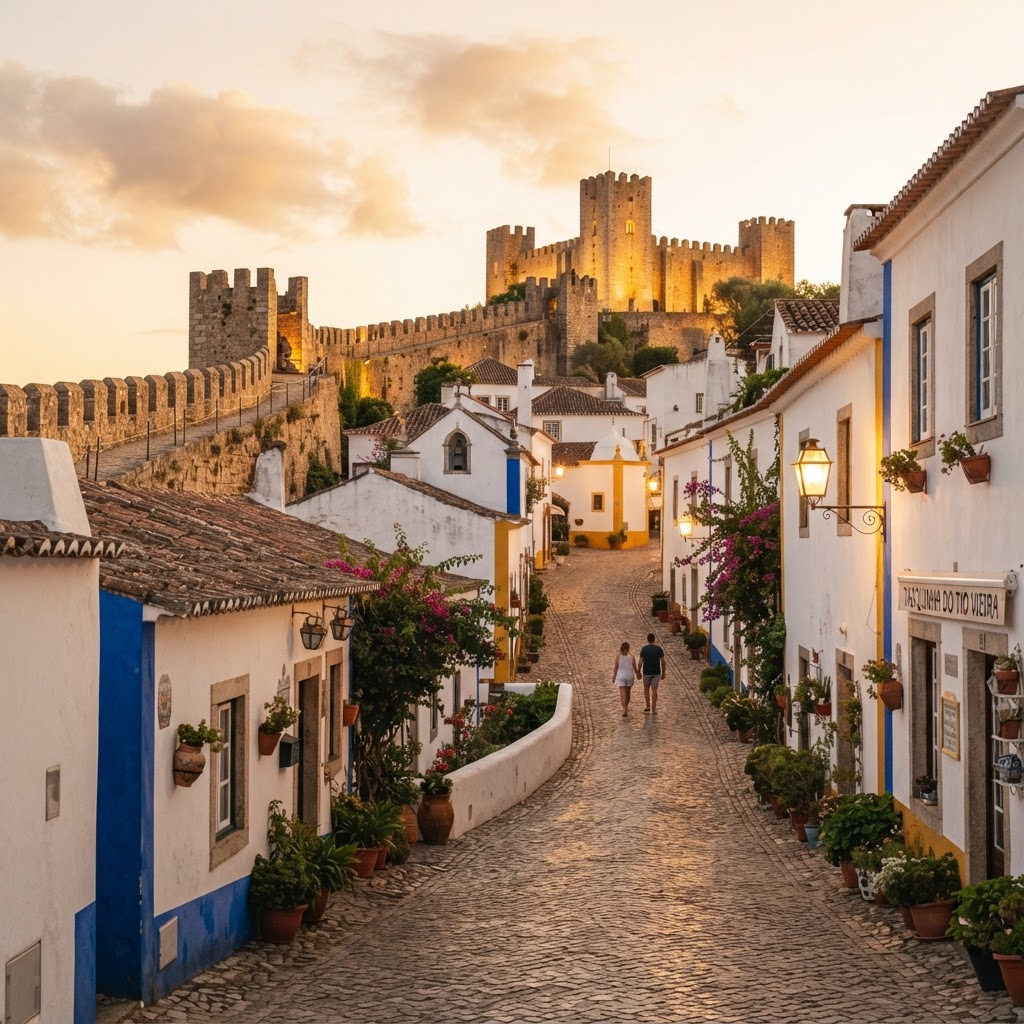
Ramparts, whitewashed lanes, and quiet evenings after the tour coaches depart
Nazaré, Portugal
Portugal
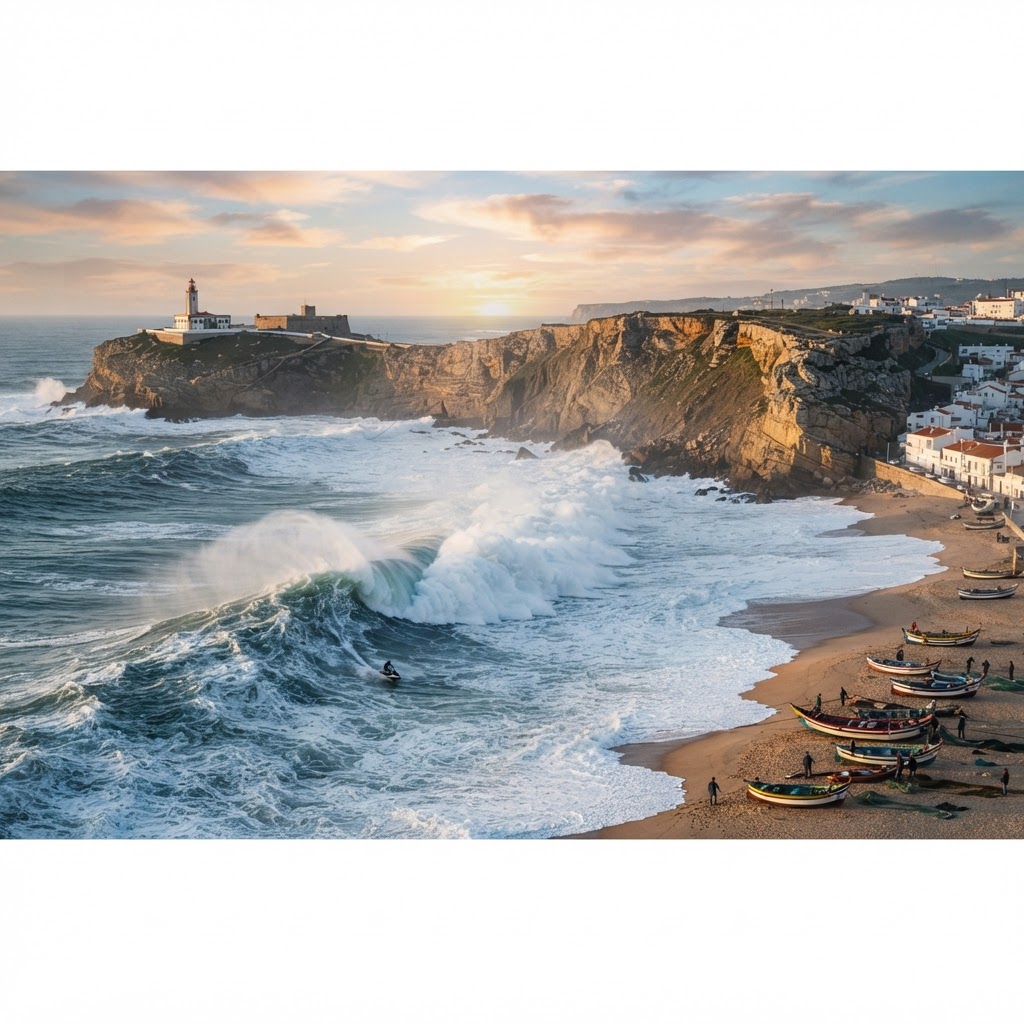
Colossal Atlantic surf, dramatic clifftops, and enduring maritime traditions
Lagos, Portugal
Portugal
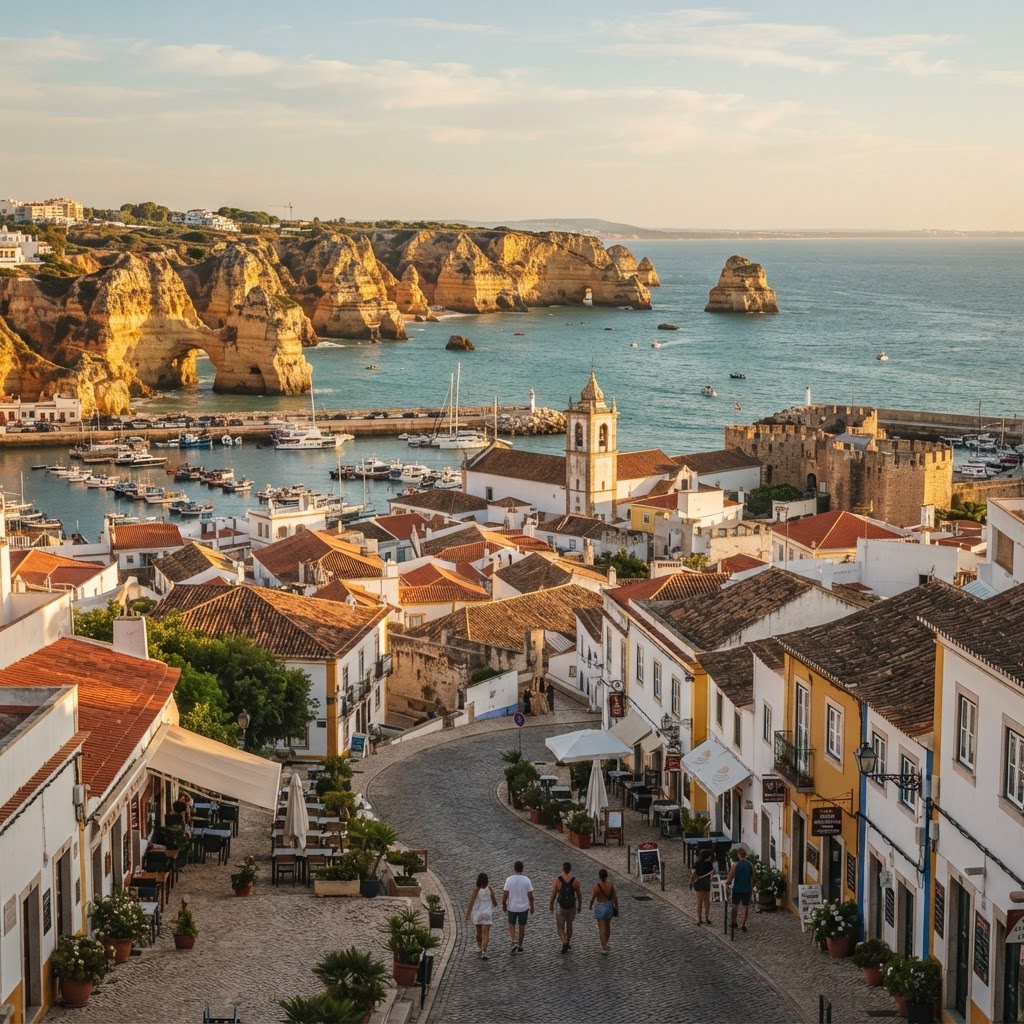
Golden sea stacks, maritime history, and the Algarve’s most walkable coastal hub.
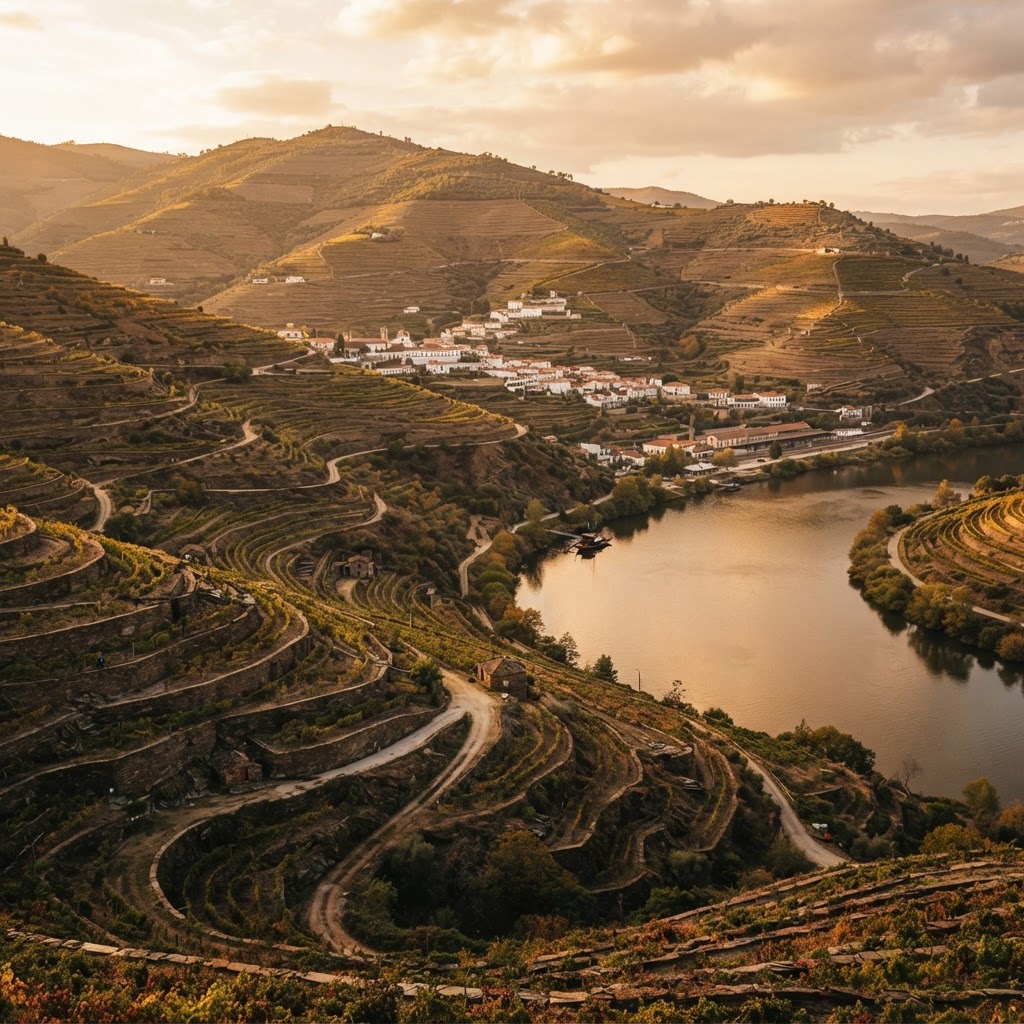
Douro Valley
Portugal
Carved slate terraces, old-vine field blends, and slow river rhythm.
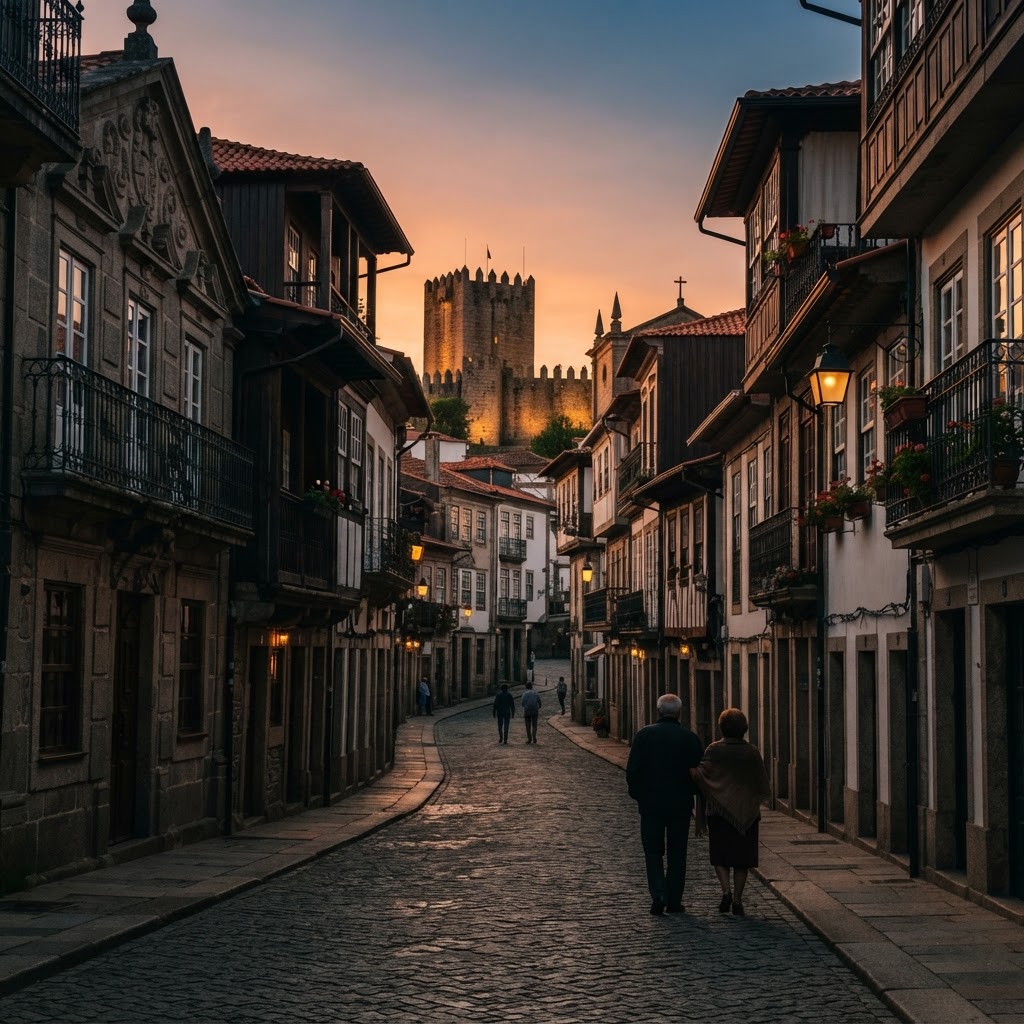
Guimarães, Portugal
Portugal
The granite-and-timber cradle of Portuguese nationhood, best experienced when day-trippers depart.
Readymade itineraries
Start from a tested template — then make it yours.
Ready to book
Lock in your Madeira, Portugal trip
Everything in one place. We may earn a small commission — it never costs you more.
Plan a trip to Madeira, Portugal
Pick a length and we'll build a day-by-day plan around how you travel — neighborhoods clustered, budget-aware, and editable.
Get better at planning trips like this
Occasional notes on planning smarter — no spam, unsubscribe anytime.
Plan a trip to Madeira, Portugal
Turn this guide into a day-by-day plan built around your pace, your group, and your budget.
Build my Madeira, Portugal trip