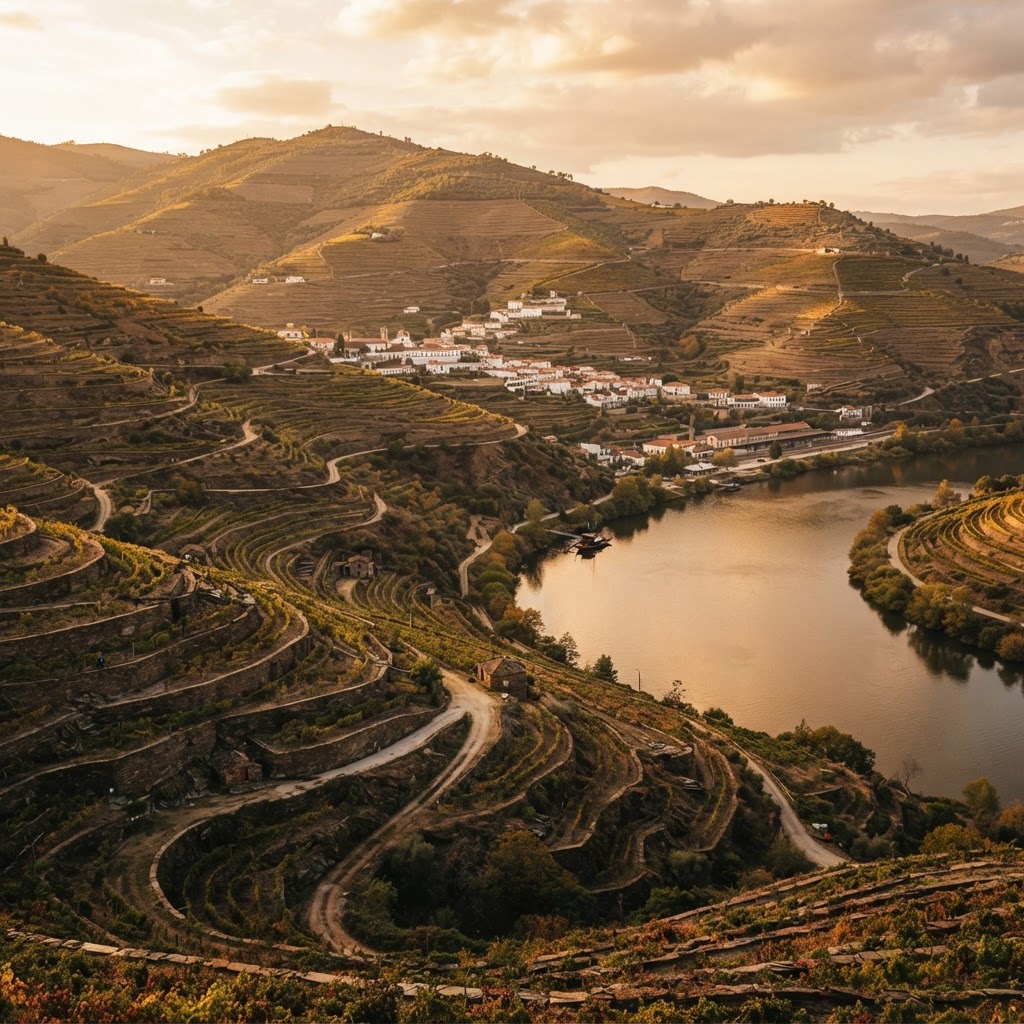
Portugal
Douro Valley
Carved slate terraces, old-vine field blends, and slow river rhythm.
Plan & book
Sort your Douro Valley trip in one place.
We point you to the booking tools we'd actually use — live prices, no markup. Or let us build the day-by-day plan around you first, then book.
The Douro Valley is the world's oldest demarcated wine region, defined by steep schist mountains carved into centuries-old terraces flanking the Douro River. Far from being a mere day excursion from Porto, the valley transforms once day-trippers depart around 5:00 PM, revealing quiet riverside hamlets, intimate estate dinners, and striking stillness.
3 to 4 days
Best time
May to June for emerald terraces without oppressive valley heat, or mid-September to early October for energetic grape harvest and golden foliage.
Build your own trip with these prebuilt itineraries
Each one is a tested, day-by-day plan for Douro Valley — start here, then make it yours.
4 Days in the Douro Valley: Scenic Drives, Gastronomy, and Upper Corgo in Douro Valley
An immersive slow-travel road trip exploring boutique high-altitude estates, panoramic miradouros, and terroir-driven gastronomy
3 Days in the Douro Valley: The Essential Wine Country Escape in Douro Valley
First-timer highlights focusing on premier quintas, scenic river cruising from Pinhão, and regional DOC and Port tastings
2 Days in the Douro Valley: Car-Free Romance by Rail and River in Douro Valley
A relaxed weekend getaway anchored in Pinhão utilizing the Linha do Douro train, rabelo boats, and walkable riverside dining
Go for one of Europe's most dramatic agrarian landscapes, where steep hand-built slate terraces rise hundreds of meters above the winding river. The wine culture here has expanded far beyond classic fortified Port into remarkable DOC Douro reds and crisp, mineral-driven field-blend whites, best enjoyed across leisurely estate lunches overlooking the vines.
Where to stay
Getting there
Getting around
Food & drink
What it costs
Things to do
Book tours & tickets in Douro ValleySkip it if
Skip the Douro if you dislike winding mountain switchbacks, don't drink wine, or need high-energy urban nightlife and walk-out convenience, as valley nights are quiet, rural, and decentralized.
When to go
Summer pushes valley floor temperatures past 40°C (104°F) while trapping heat between schist slopes. May and June balance comfortable outdoor tasting weather with full daylight, whereas September offers active lagar treading at the expense of premium room rates and tight estate reservation windows.
Peak (September to mid-October)
Grape harvest season (vindima). The hills turn bronze, foot-treading is underway in stone lagares, but estates, private boat charters, and hotels command highest pricing and book out months ahead.
Shoulder (April to June & late October)
Crisp mornings, pleasant daytime temperatures in the 20s (°C), and lower visitor counts; spring offers brilliant green terraces, while late October brings quiet autumn foliage.
Low (November to March)
Chilly, rain-slick roads and bare, dormant vines. Many family-run quintas, boutique river lodges, and boat operators close entirely between Christmas and mid-March.
Neighborhoods
Where you stay shapes the trip. Here's how to think about it.
Pinhão
Riverside wine village tucked into amphitheater slopes, framed by historic azulejo tiles and active rabelo docks.
Best for:car-free travelers, classic Port estates, and river navigation
Don't miss:The 25 azulejo tile panels at the Pinhão train station before taking the flat 15-minute walk along the river to Quinta da Roêda.
Peso da Régua
The functional, commercial transportation hub of the valley, anchored by bridges and regional institutions.
Best for:first-timers using regional transit, cultural history, and easy road connectivity
Don't miss:The historic wine logistics exhibitions at Museu do Douro, followed by an evening walk along the waterfront promenade.
Lamego
A leafy, baroque interior hilltop town famous for aged cured ham, bôla bread, and sparkling Raposeira cellars.
Best for:architecture buffs, culinary purists, and travelers escaping valley microclimate heat
Don't miss:Climbing down the 686 double-flight steps of the Santuário de Nossa Senhora dos Remédios directly into the historic town center.
Folgosa & Armamar Slopes
A quiet southern-bank river pocket defined by tranquil water frontage and dramatic terraced climbs into apple and olive orchards.
Best for:luxury food lovers, fine dining, and scenic driving
Don't miss:A long waterside lunch terrace reservation at DOC Restaurant on the N222 riverfront in Folgosa.
Douro Superior (Foz Côa & Pocinho)
Arid, remote, frontier-like canyon landscapes with extreme thermal swings and ancient rock art.
Best for:adventurous explorers, archaeological history, and high-elevation single-quinta DOC reds
Don't miss:A pre-booked night tour to view prehistoric Paleolithic engravings at Côa Valley Archaeological Park.
Destination intelligence
Updated 9/14/2026The structured record we plan every Douro Valley itinerary from.
Walkability
Low. Individual village centers like Pinhão and Régua are compact and walkable on foot, but moving between quintas requires a vehicle due to sheer elevation changes and steep mountain roads.
Transit quality
Moderate. The Linha do Douro train provides scenic, efficient transit along the river spine from Porto to Pocinho, but secondary bus transit is sparse and does not connect into hillside vineyards.
Car needed
Recommended. A car or pre-booked private driver is essential to explore boutique estates outside the riverbed, though travelers staying strictly in Pinhão can manage on trains, boats, and local taxis.
Ideal duration
3 to 4 days
Minimum useful
2 days
Peak season
September to mid-October (the grape harvest / vindima, marked by lively crush pads, vivid golden foliage, high hotel rates, and early booking requirements).
Shoulder season
May to June and late October (comfortable temperatures, lush green vines or autumn hues, and smaller crowds without stifling heat).
Low season
November through March (chilly, frequent winter rain, dormant stripped vines, and many quintas or seasonal riverside restaurants operating on reduced schedules or shut entirely).
Best for
Common mistakes
- Treating the Douro as a rushed day trip from Porto, spending over four hours in transit to get only a superficial, crowded midday impression.
- Overbooking estate visits by scheduling three or more winery tours in one day; hairpin drives and long tastings make two stops the practical daily maximum.
- Booking a secluded quinta located down a 20-minute unpaved single-track lane, turning dinner departures and returns into high-stress nighttime navigation.
- Visiting in July or August without anticipating valley floor temperatures that routinely exceed 38°C (100°F).
Best nearby
See what a trip to Portugal actually costs. Travel Budget Co.
How to plan it
- Base yourself in or within 10 minutes of Pinhão if traveling car-free; the train station, river docks, and walkable estates keep logistics effortless.
- Do not book more than two winery tastings per day. Distances on a map look short, but winding cliffside roads double drive times, and Portuguese quinta lunches regularly stretch past two hours.
- Pair your Douro stay with 2 days in Porto beforehand, focusing your Porto time on the Vila Nova de Gaia aging lodges before heading upriver to see where the grapes actually grow.
- Drive the iconic 27-kilometer stretch of the N222 between Peso da Régua and Pinhão in late afternoon for optimal river-level lighting against the terraced vines.
- If traveling in July or August, book accommodations specifically with a pool and air conditioning, and schedule all outdoor activities and walking before 11:00 AM.
Questions
More in Portugal
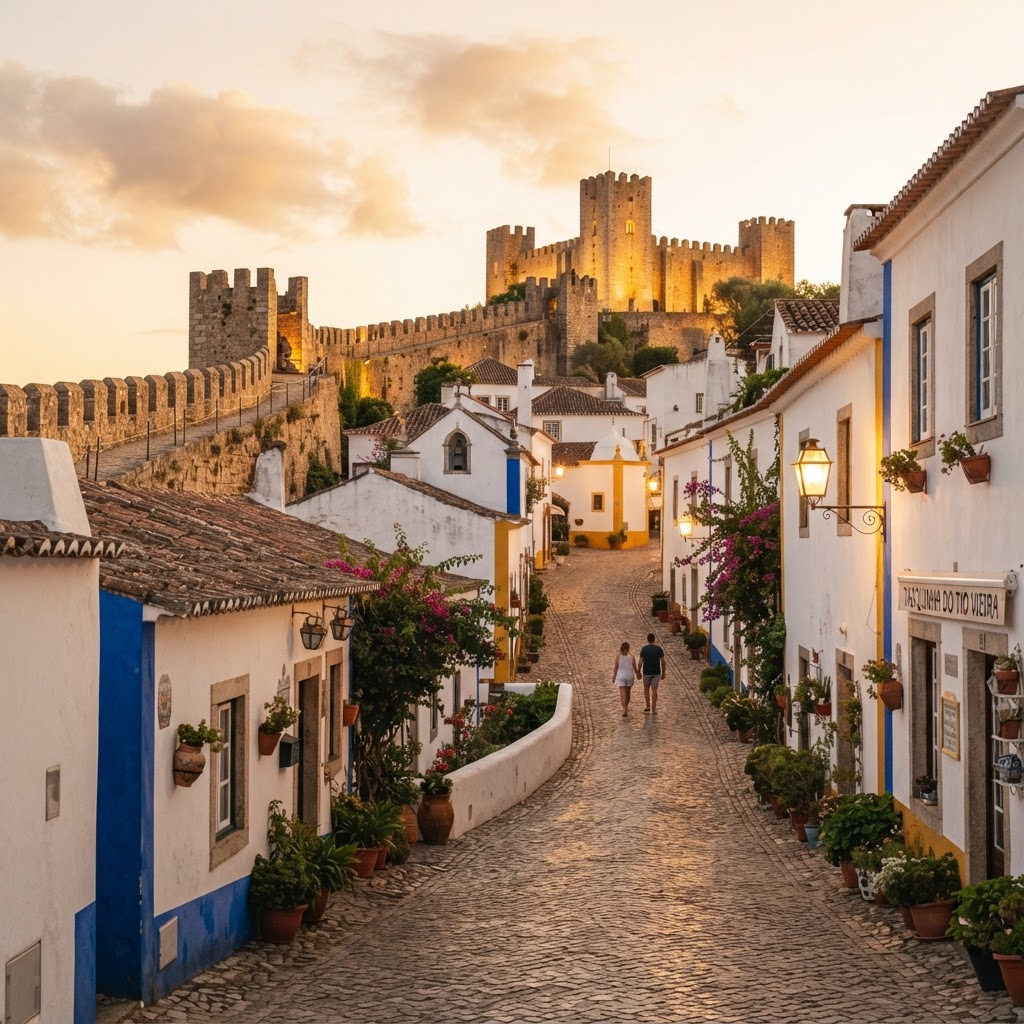
Óbidos, Portugal
Portugal
Ramparts, whitewashed lanes, and quiet evenings after the tour coaches depart
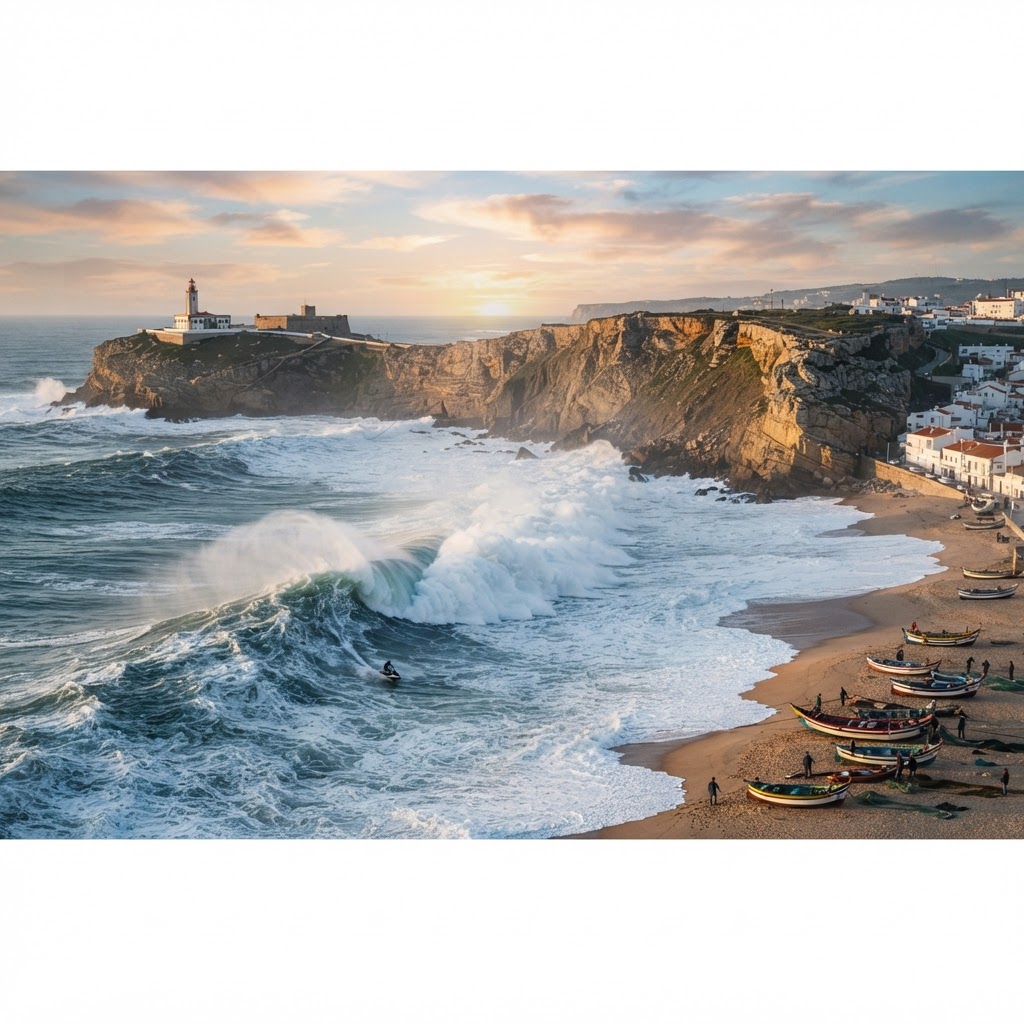
Nazaré, Portugal
Portugal
Colossal Atlantic surf, dramatic clifftops, and enduring maritime traditions
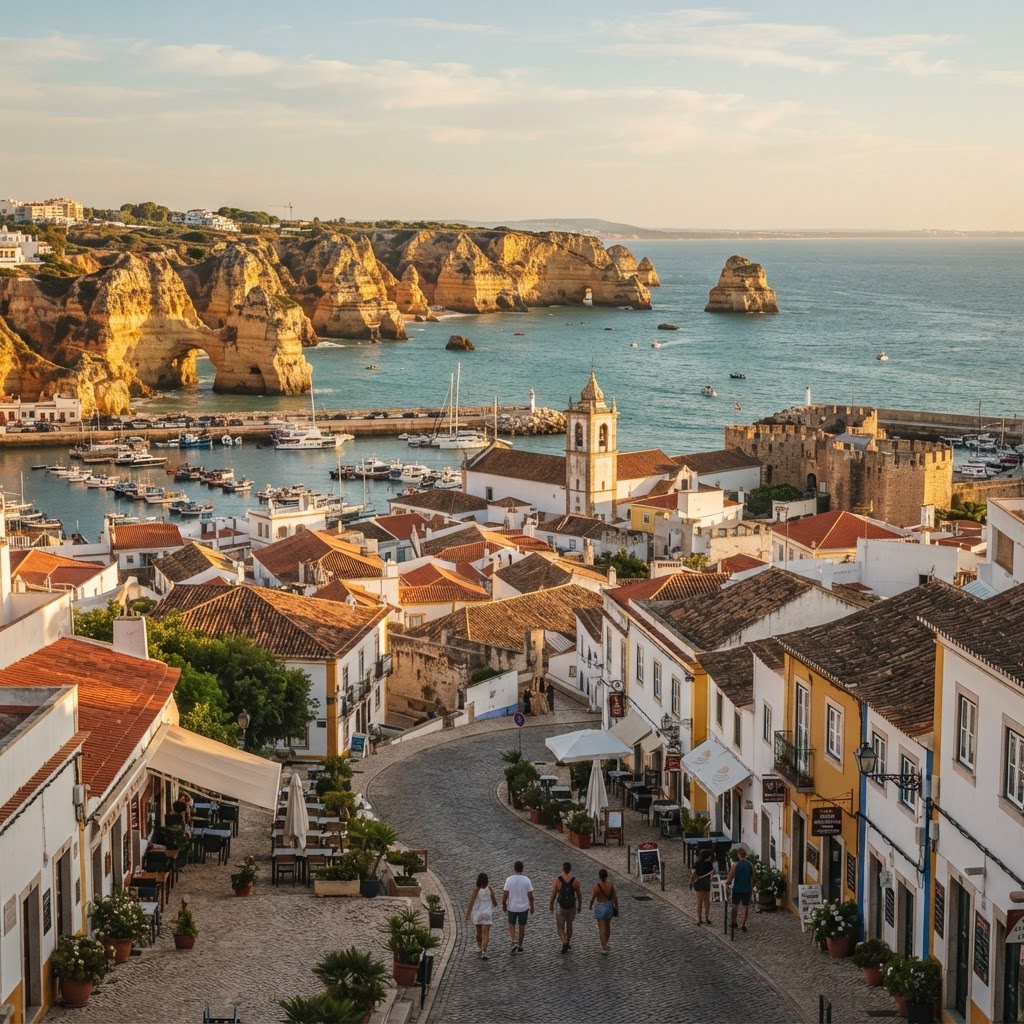
Lagos, Portugal
Portugal
Golden sea stacks, maritime history, and the Algarve’s most walkable coastal hub.
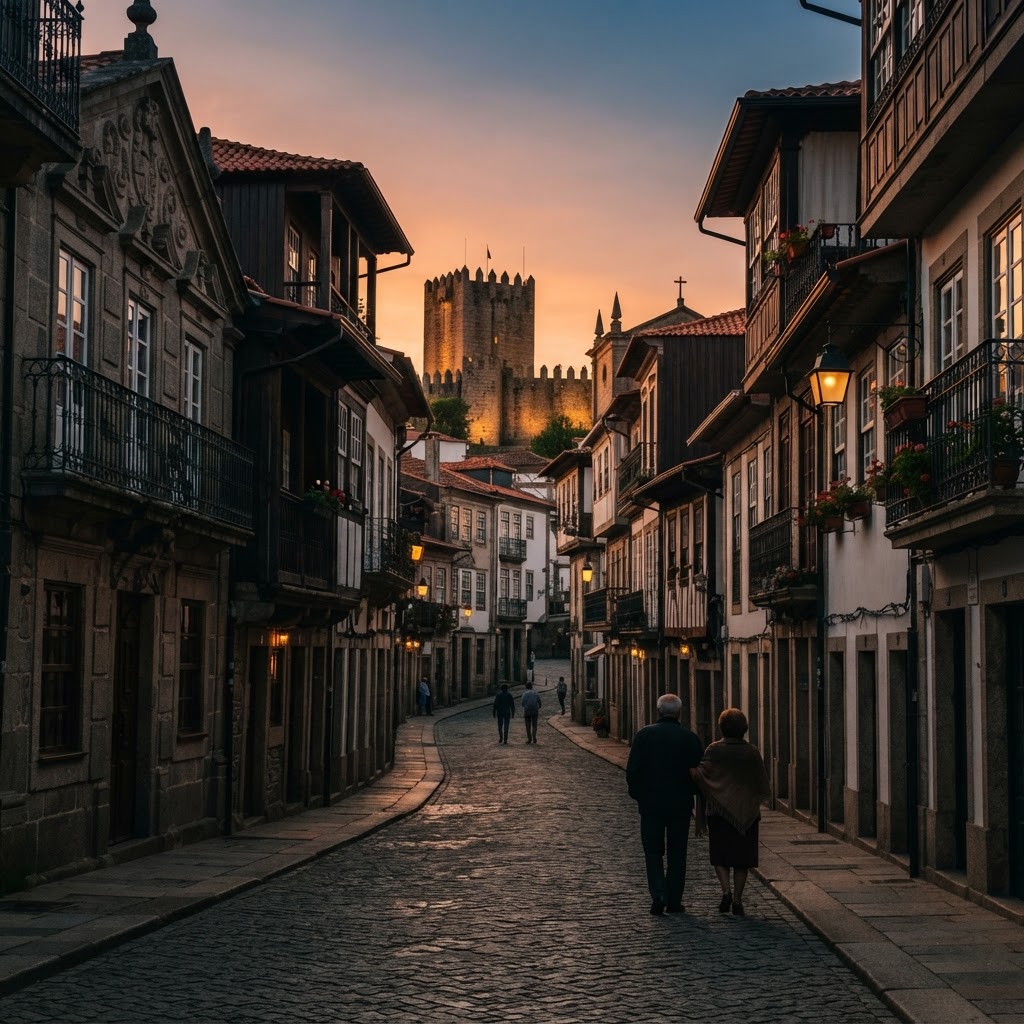
Guimarães, Portugal
Portugal
The granite-and-timber cradle of Portuguese nationhood, best experienced when day-trippers depart.
Readymade itineraries
Start from a tested template — then make it yours.
Ready to book
Lock in your Douro Valley trip
Everything in one place. We may earn a small commission — it never costs you more.
Plan a trip to Douro Valley
Pick a length and we'll build a day-by-day plan around how you travel — neighborhoods clustered, budget-aware, and editable.
Get better at planning trips like this
Occasional notes on planning smarter — no spam, unsubscribe anytime.
Plan a trip to Douro Valley
Turn this guide into a day-by-day plan built around your pace, your group, and your budget.
Build my Douro Valley trip