Portugal
Guimarães, Portugal
The granite-and-timber cradle of Portuguese nationhood, best experienced when day-trippers depart.
Plan & book
Sort your Guimarães, Portugal trip in one place.
We point you to the booking tools we'd actually use — live prices, no markup. Or let us build the day-by-day plan around you first, then book.
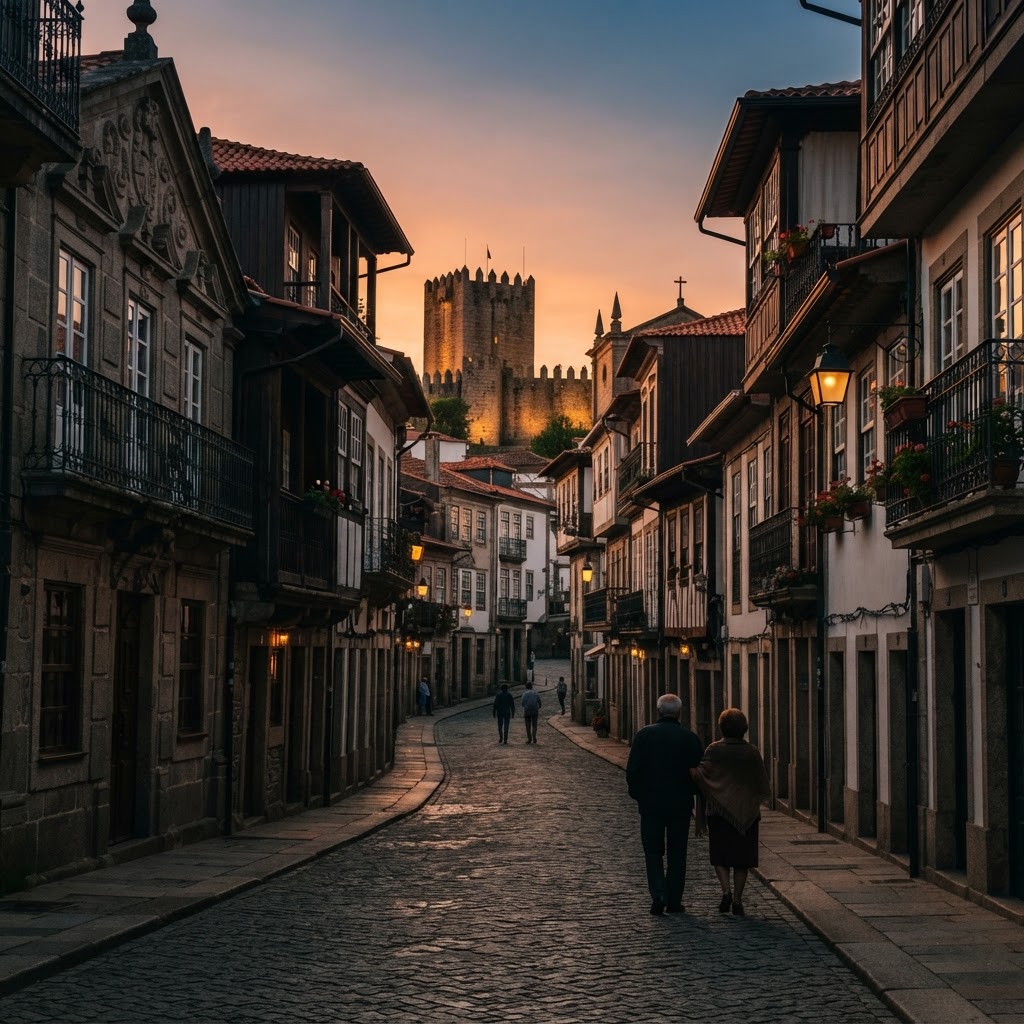
Guimarães proudly wears its status as the birthplace of Portugal, inscribed on its 10th-century ramparts as 'Aqui Nasceu Portugal.' Set in the verdant Minho province, this UNESCO World Heritage city pairs deep medieval foundational lore with an energetic university vibe. While thousands flood its granite plazas on day trips from Porto, staying overnight unlocks atmospheric stone alleys, rich regional Minho gastronomy, and unhurried evenings on Largo da Oliveira.
2 days (1 to 2 nights)
Best time
May to June or September to October for warm walking weather, vibrant terraces, and tranquil evenings.
Build your own trip with these prebuilt itineraries
Each one is a tested, day-by-day plan for Guimarães, Portugal — start here, then make it yours.
3 Days in Guimarães in Guimarães
Minho Slow Travel, Citânia Ruins & Green Valley Exploration
2 Days in Guimarães in Guimarães
Medieval Heritage, Penha Cable Car & Evening Atmosphere
1 Day in Guimarães in Guimarães
Cradle of the Nation Day Trip & Historic Core Highlights
Most tourists rush through Guimarães in four hours to check off the Castle and the Palace of the Dukes before racing back to Porto. The real reward belongs to those who linger: pedestrianized medieval alleys lit by lantern light, robust Vinho Verde paired with vitela assada in historic tasquinhas, and the serene sanctuary of Serra da Penha looming above.
Where to stay
Getting there
Getting around
Food & drink
What it costs
Things to do
Book tours & tickets in Guimarães, PortugalSkip it if
Skip it if you demand late-night mega-clubs, high-fashion designer shopping, or a beach holiday. Also skip overnight stays if you do not enjoy older historic walking towns, as the core activities center on heritage architecture and relaxed dining.
When to go
Summer brings hot interior Minho afternoons reaching past 30°C and thick bus tours from Porto, while winter in the northwest is notoriously rainy. Shoulder months offer pleasant walking temperatures, outdoor dining on Largo da Oliveira, and manageable visitor counts.
Spring (April to June)
Lush green gardens, pleasant walking weather, and comfortable terrace dining before high-summer coach tours arrive.
Summer (July to August)
Hot midday temperatures (up to 30–35°C) and busy central plazas from 11:00 to 17:00, but magical, cooler evenings after day-trippers return to Porto.
Autumn (September to October)
Crisp sunny days, harvest season across the surrounding Minho vineyards, and fewer crowds along the medieval alleys.
Winter (November to March)
Substantial Atlantic rainfall makes the granite cobblestones very slippery; low hotel prices, but short chilly daylight hours (5–12°C).
Neighborhoods
Where you stay shapes the trip. Here's how to think about it.
Centro Histórico (Largo da Oliveira & Praça de São Tiago)
Cobbled pedestrian plazas, Gothic arches, timber-framed facades, and lively al fresco dining.
Best for:First-timers, romantic getaways, and architecture enthusiasts
Don't miss:Sitting outside on Largo da Oliveira at dusk opposite the Padrão do Salado shrine with a glass of crisp regional Vinho Verde.
Colina Sagrada (Sacred Hill)
Stately, monument-rich ridge dominated by 10th-century ramparts, Romanesque stonework, and manicured lawns.
Best for:History buffs and morning walkers wanting peace before day-tripper crowds arrive
Don't miss:The Romanesque chapel of São Miguel do Castelo, traditionally cited as the baptismal site of King Afonso Henriques.
Largo do Toural & Alameda de São Dâmaso
Broad 18th-century transitional boulevard pairing local civic buzz, polished promenades, and traditional pastry shops.
Best for:Travelers who prefer flat, easy access to modern shops, taxis, and everyday bakeries
Don't miss:Snapping the famous 'Aqui Nasceu Portugal' crenellated wall tower just south of the main square.
Couros (Tanners' Quarter)
Industrial-heritage riverside enclave of granite tanning tanks, design spaces, and quiet creative energy.
Best for:Design lovers, photographers, and travelers who appreciate gritty historical conservation
Don't miss:The preserved outdoor granite tanning vats along the Rio de Couros that earned the area UNESCO extension status.
Monte da Penha
Bouldered, pine-and-oak hillside sanctuary offering breezy panoramas, mossy granite trails, and sanctuary quietude.
Best for:Nature lovers, hikers, and travelers seeking altitude to escape summer midday heat
Don't miss:Riding the Teleférico da Penha from the base gardens up through the granite cliffs to the Art Deco Santuário da Penha.
Destination intelligence
Updated 9/14/2026The structured record we plan every Guimarães, Portugal itinerary from.
Walkability
Exceptional inside the historic core. Entirely pedestrianized, though stone pavement can be uneven and slick in wet conditions.
Transit quality
High connectivity via Porto's suburban train line; regional buses connect cleanly to Braga. Within town, public transit is rarely needed except the mountain cable car.
Car needed
Not required if staying in town and visiting from Porto. A car is only recommended if using Guimarães as a base to venture into Peneda-Gerês or rural Minho vineyards.
Ideal duration
2 days (1 to 2 nights)
Minimum useful
6 hours (day trip from Porto)
Peak season
July to August (warmest weather reaching 30°C, crowded central squares, higher hotel rates).
Shoulder season
April to June and September to October (crisp pleasant walking temperatures, outdoor terraces open, manageable crowds).
Low season
November to March (rainy Atlantic spells in northern Minho, cooler evenings around 5–12°C, quietest streets).
Best for
Common mistakes
- Treating it as a combined half-day whirlwind alongside Braga; trying to squeeze both into six hours burns half your day in transit and robs you of both historic cores.
- Leaving on the late afternoon train back to Porto, missing the golden hour glow and evening dinner culture on Largo da Oliveira.
- Wearing smooth-soled dress shoes or heels on slick, rain-polished granite calçada cobblestones.
- Skipping Serra da Penha on clear days; the cable car ride provides panoramic vistas across the entire Ave valley.
Best nearby
See what a trip to Portugal actually costs. Travel Budget Co.
How to plan it
- Base yourself within the pedestrian ring (Largo da Oliveira or Rua de Santa Maria) so you can step directly into dinner without needing transportation.
- Do not bundle Guimarães and Braga into a single 8-hour day trip; give Guimarães a dedicated full day or an overnight stay to let its medieval pace land.
- Visit the Castelo de Guimarães and Paço dos Duques de Bragança right at 09:00 or after 16:30 to bypass the midday coach tour rush.
- Take the Teleférico da Penha in late afternoon to explore the giant mossy boulders of Monte da Penha, catching golden-hour light across the valley before descending.
- If you rent a car to explore the Minho countryside, leave it parked in the underground garages outside the medieval perimeter (like Largo da República do Brasil) rather than navigating the tight historic alleys.
Questions
More in Portugal
Óbidos, Portugal
Portugal
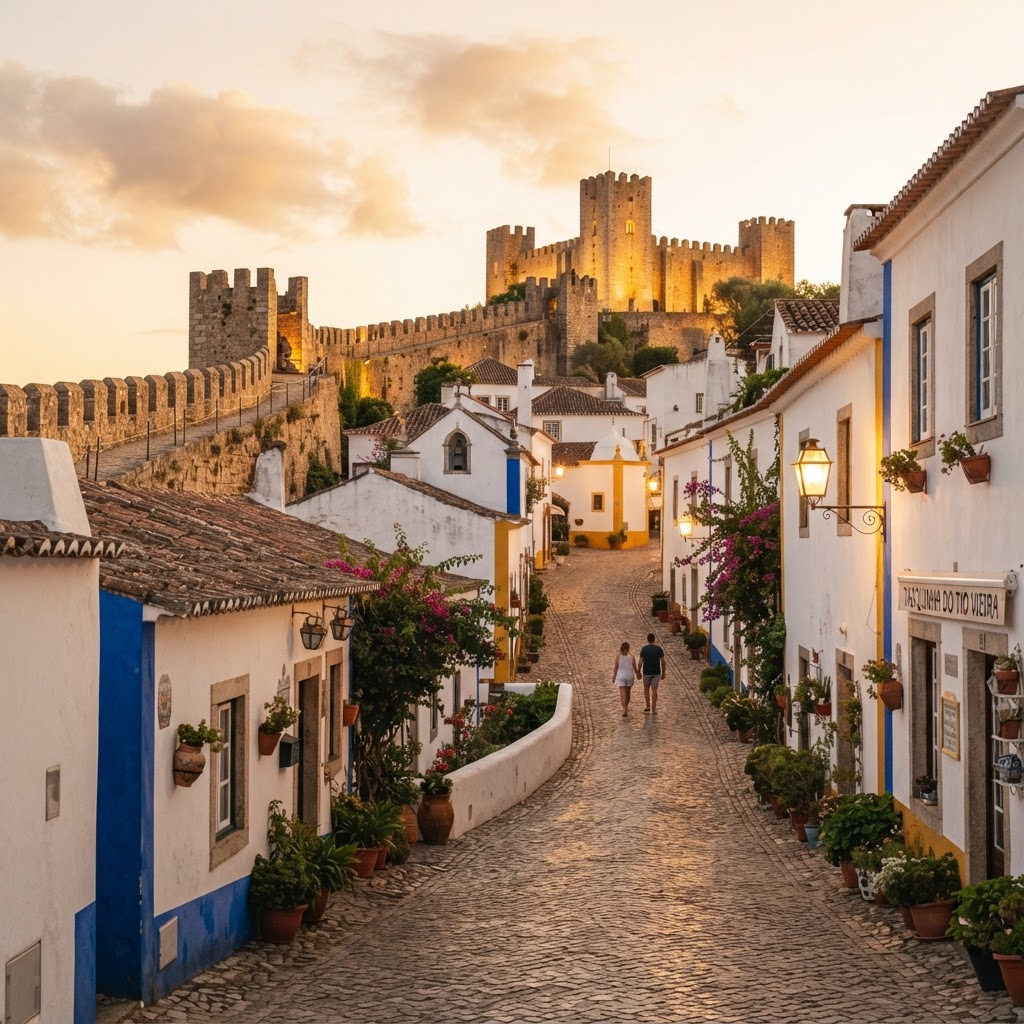
Ramparts, whitewashed lanes, and quiet evenings after the tour coaches depart
Nazaré, Portugal
Portugal
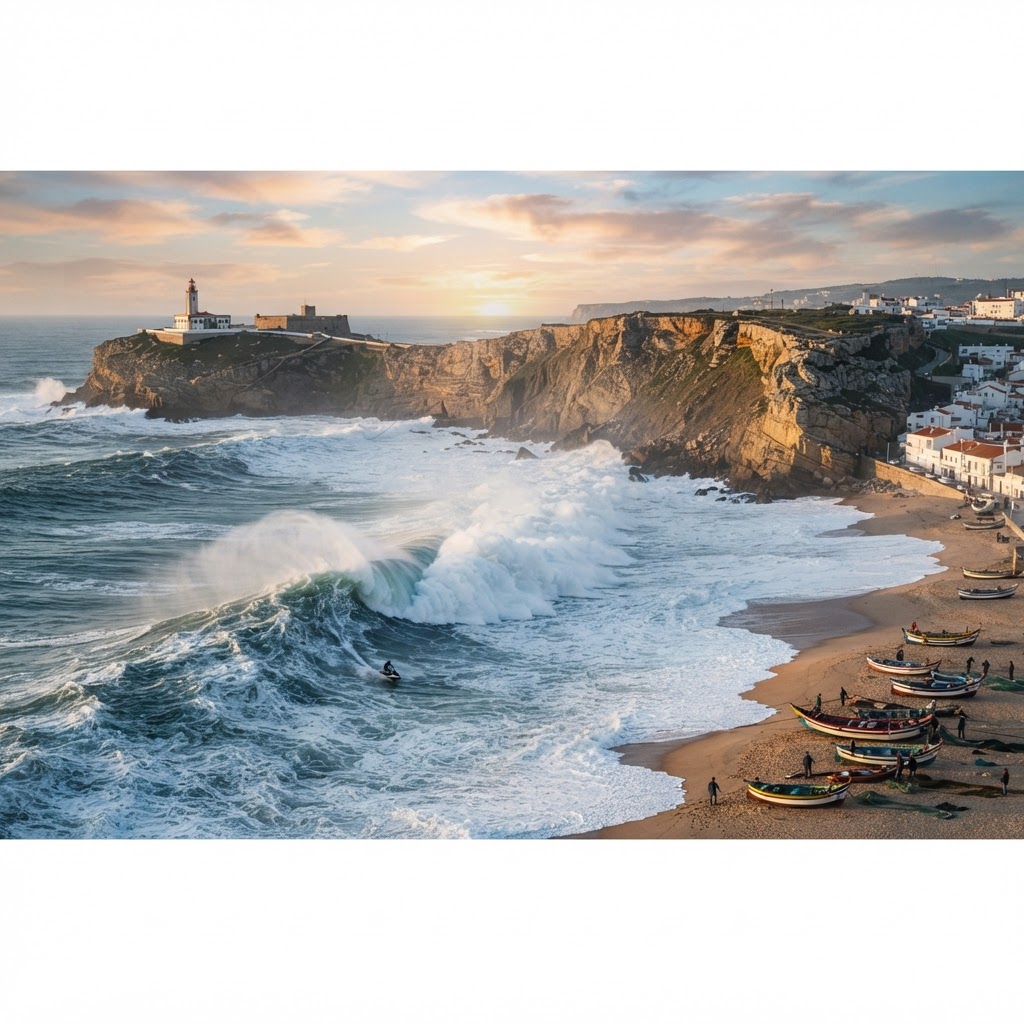
Colossal Atlantic surf, dramatic clifftops, and enduring maritime traditions
Lagos, Portugal
Portugal
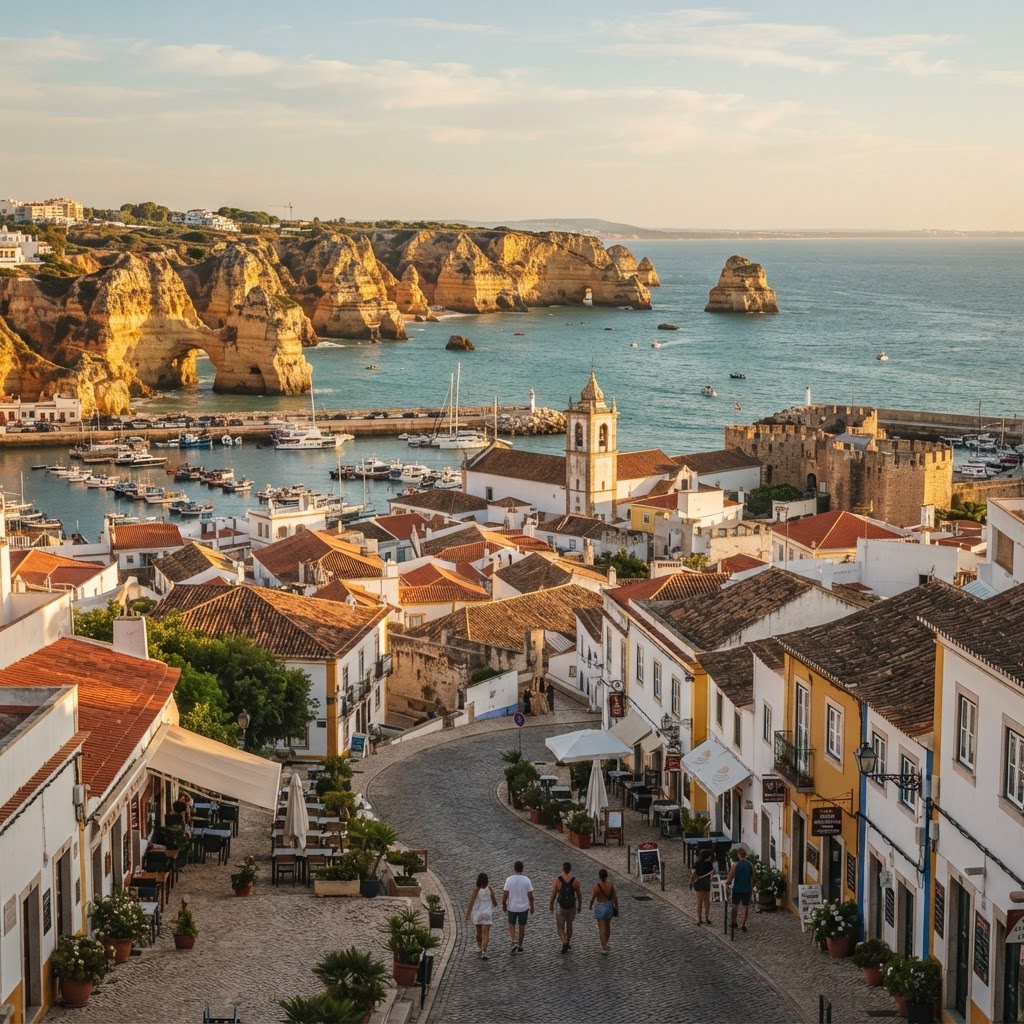
Golden sea stacks, maritime history, and the Algarve’s most walkable coastal hub.
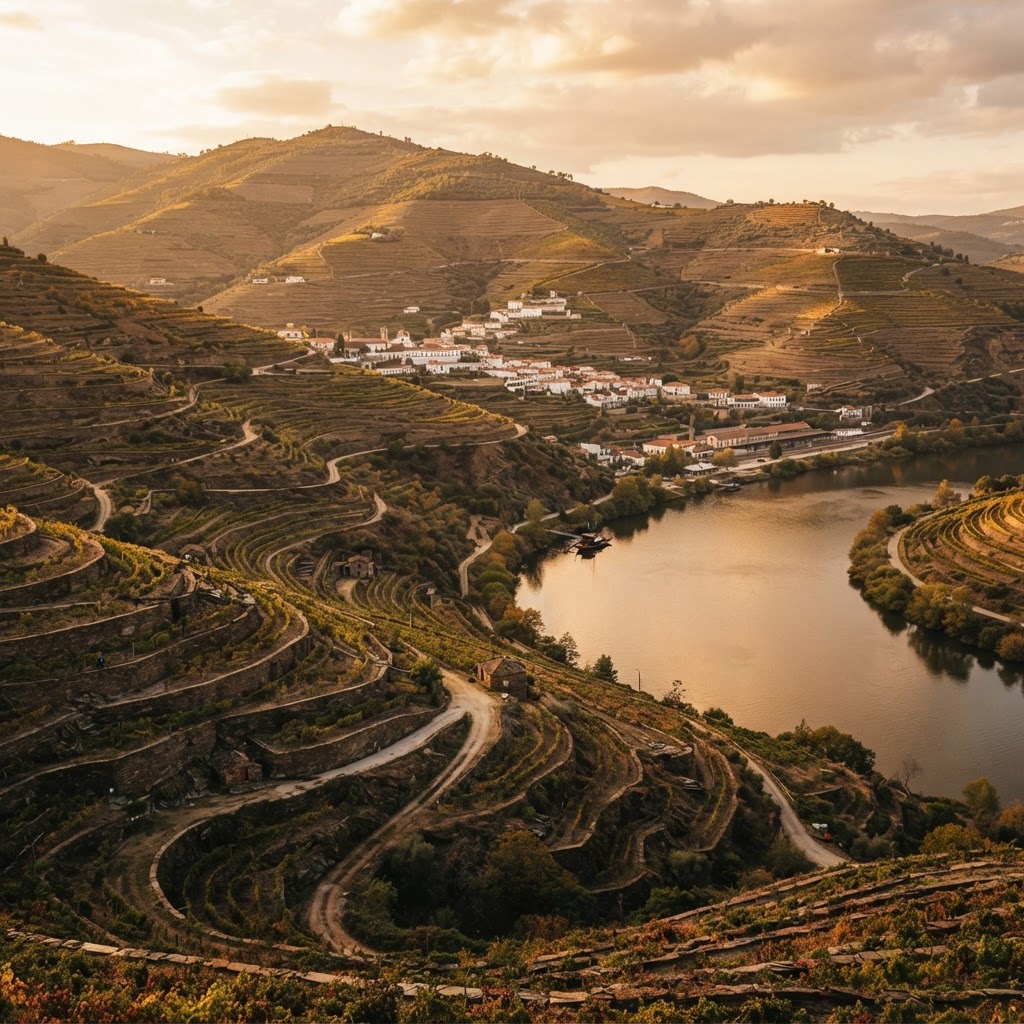
Douro Valley
Portugal
Carved slate terraces, old-vine field blends, and slow river rhythm.
Readymade itineraries
Start from a tested template — then make it yours.
Ready to book
Lock in your Guimarães, Portugal trip
Everything in one place. We may earn a small commission — it never costs you more.
Plan a trip to Guimarães, Portugal
Pick a length and we'll build a day-by-day plan around how you travel — neighborhoods clustered, budget-aware, and editable.
Get better at planning trips like this
Occasional notes on planning smarter — no spam, unsubscribe anytime.
Plan a trip to Guimarães, Portugal
Turn this guide into a day-by-day plan built around your pace, your group, and your budget.
Build my Guimarães, Portugal trip