Portugal
Nazaré, Portugal
Colossal Atlantic surf, dramatic clifftops, and enduring maritime traditions
Plan & book
Sort your Nazaré, Portugal trip in one place.
We point you to the booking tools we'd actually use — live prices, no markup. Or let us build the day-by-day plan around you first, then book.
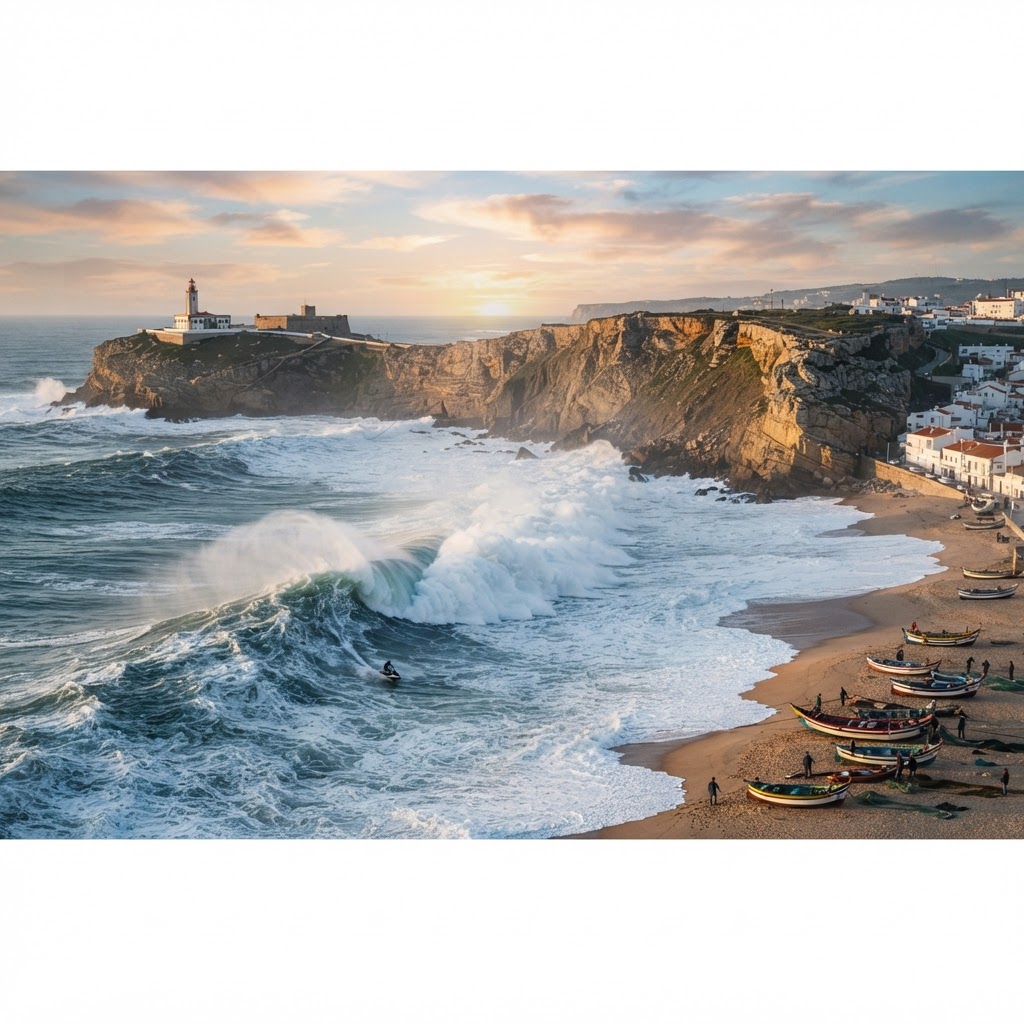
Set along Portugal's Silver Coast roughly 120 kilometers north of Lisbon, Nazaré is a tale of two elevations: a sun-drenched lower fishing village flanking a crescent beach and an imposing clifftop promontory overlooking the Atlantic's most fearsome winter swells. The presence of the deep underwater Nazaré Canyon channels oceanic energy into record-breaking waves at Praia do Norte, while down below, traditions like sun-drying fish on beach racks still survive alongside laid-back seafood taverns.
2 days
Best time
November to February for big-wave spectacle; May to June or September to October for warm-weather exploration without peak summer crush.
Build your own trip with these prebuilt itineraries
Each one is a tested, day-by-day plan for Nazaré, Portugal — start here, then make it yours.
3 Days: Silver Coast Hub & Historic Monasteries in Nazaré
Using Nazaré as a base to pair coastal cliff scenery with inland day trips to Alcobaça and Batalha
2 Days: Big Waves & Atlantic Maritime Heritage in Nazaré
Deep dive into surf culture at Praia do Norte, traditional drying-fish heritage, and leisurely coastal exploration
1 Day Highlights: Funicular, Sítio & Cliff Views in Nazaré
First-timer highlights focusing on the cliffside vistas, São Miguel Arcanjo fort, funicular ride, and traditional seafood taverns
Nazaré delivers one of nature’s most visceral spectacles: the gargantuan, skyscraper-high waves generated by the underwater Nazaré Canyon at Praia do Norte between November and February. Beyond the surfing world, it offers an authentic slice of Portuguese maritime culture where widows in traditional seven-layered petticoats dry mackerel on open sand racks, all linked by a vintage clifftop funicular with sweeping coastal views.
Where to stay
Getting there
Getting around
Food & drink
What it costs
Things to do
Book tours & tickets in Nazaré, PortugalSkip it if
Skip staying overnight if you expect vibrant late-night urban nightlife, upscale international boutique retail, or calm, warm resort waters for family paddling. Travelers without interest in coastal drama or traditional fishing culture may find a brief day trip on the way to Coimbra or Porto more than sufficient.
When to go
Summer delivers warm beach lounging and open seafood terraces but brings suffocating vehicular traffic and flat Atlantic seas. Winter brings electric surf energy and cheaper lodgings, though giant swells depend on unpredictable Atlantic storm systems and require flexible timelines.
Peak Summer (July to August)
Packed beachfronts, sun-seekers, heavy parking congestion, and calm water; book accommodations several months ahead.
Shoulder (May to June & September to October)
Pleasant coastal weather, easy restaurant reservations, warm daylight for coastal hikes, and mild surf without summer gridlock.
Big Wave Winter (November to March)
Raw Atlantic gales, damp air, quiet streets interrupted by electric monster swell days; low lodging costs except when major surf alerts drop.
Neighborhoods
Where you stay shapes the trip. Here's how to think about it.
Praia (Lower Town)
Bustling seaside grid of narrow whitewashed alleys, sun-dried fish racks, and beachfront marisqueiras
Best for:First-timers wanting walkability to restaurants and the calm crescent sand
Don't miss:The beachside open-air Seca do Peixe (fish-drying racks) along Avenida Manuel Remígio
Sítio
Dramatically perched clifftop sanctuary with windswept viewpoints and surf culture headquarters
Best for:Big-wave spectators, photographers, and travelers seeking sweeping panoramic ocean vistas
Don't miss:Walking down the lighthouse path to Forte de São Miguel Arcanjo overlooking Praia do Norte
Pederneira
Tranquil, residential historic cradle high above the bay with authentic local taverns and zero crowds
Best for:Quiet seekers, extended stays, and drivers wanting peaceful parking away from seaside noise
Don't miss:Sunset over the coastline from the peaceful terrace at Miradouro da Pederneira
Praia do Norte
Wild, rugged, pine-fringed coastal expanse dominated by roaring Atlantic swell and surf staging areas
Best for:Experienced surfers, wave-chasing purists, and coastal hikers
Don't miss:Watching the mechanics of the underwater Nazaré Canyon produce colossal breaker lines from the sand's edge
Destination intelligence
Updated 9/14/2026The structured record we plan every Nazaré, Portugal itinerary from.
Walkability
High within each level (Praia or Sítio); the steep 110-meter cliff dividing them is seamlessly bridged by the frequent municipal funicular.
Transit quality
Moderate: excellent intercity coach connections to Lisbon and Porto via FlixBus/Rede Expressos, but regional trains bypass the town center.
Car needed
Optional if staying solely within Nazaré, but highly recommended if using the town as a hub to tour the monasteries of Alcobaça and Batalha.
Ideal duration
2 days
Minimum useful
1 day
Peak season
July to August for traditional beachgoers; November to February for big-wave watchers and international surf photographers.
Shoulder season
May to June and September to October, offering warm weather, uncrowded promenades, and pleasant hiking conditions.
Low season
Late November through March (for general tourism), marked by Atlantic wind, intermittent rain, and lower lodging prices, but electric surf energy.
Best for
Common mistakes
- Expecting 80-foot waves on any random day: gigantic swells depend strictly on specific ocean winter storm systems and winds, requiring monitoring of surf forecasts 3–5 days ahead.
- Attempting to swim at Praia do Norte: the currents, undertows, and pounding surf here are lethal even on calm-looking days; casual swimming belongs strictly to sheltered areas on Praia da Nazaré in summer.
- Visiting purely as a rapid 1-hour bus tour photo stop, which skips the atmospheric back streets, seafood tascas, and sunset light over the cliff promontory.
Best nearby
See what a trip to Portugal actually costs. Travel Budget Co.
How to plan it
- Stay in Praia if you want late-night seafood dinners and morning café strolls on foot without riding the funicular home.
- Base yourself in Sítio if your main focus is tracking early-morning swell checks at Praia do Norte and visiting Forte de São Miguel Arcanjo.
- Do not cram Nazaré, Óbidos, Alcobaça, and Batalha into a single whirlwind day trip; dedicate at least one full evening to sleep by the ocean in Nazaré.
- Pack a windbreaker and compact binoculars year-round, as the Atlantic gusts at the Sítio cliffs are fierce even during sunny summer afternoons.
Questions
More in Portugal

Óbidos, Portugal
Portugal
Ramparts, whitewashed lanes, and quiet evenings after the tour coaches depart
Lagos, Portugal
Portugal
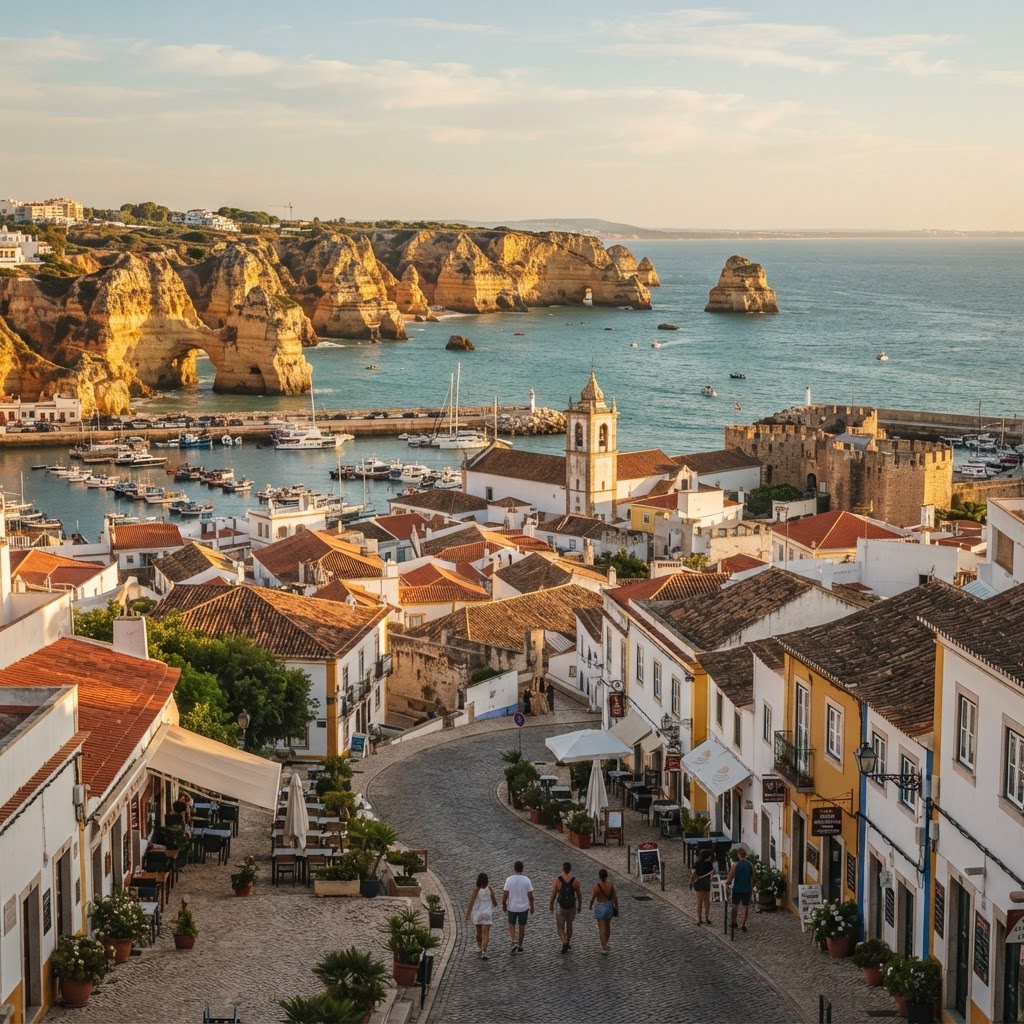
Golden sea stacks, maritime history, and the Algarve’s most walkable coastal hub.
Douro Valley
Portugal
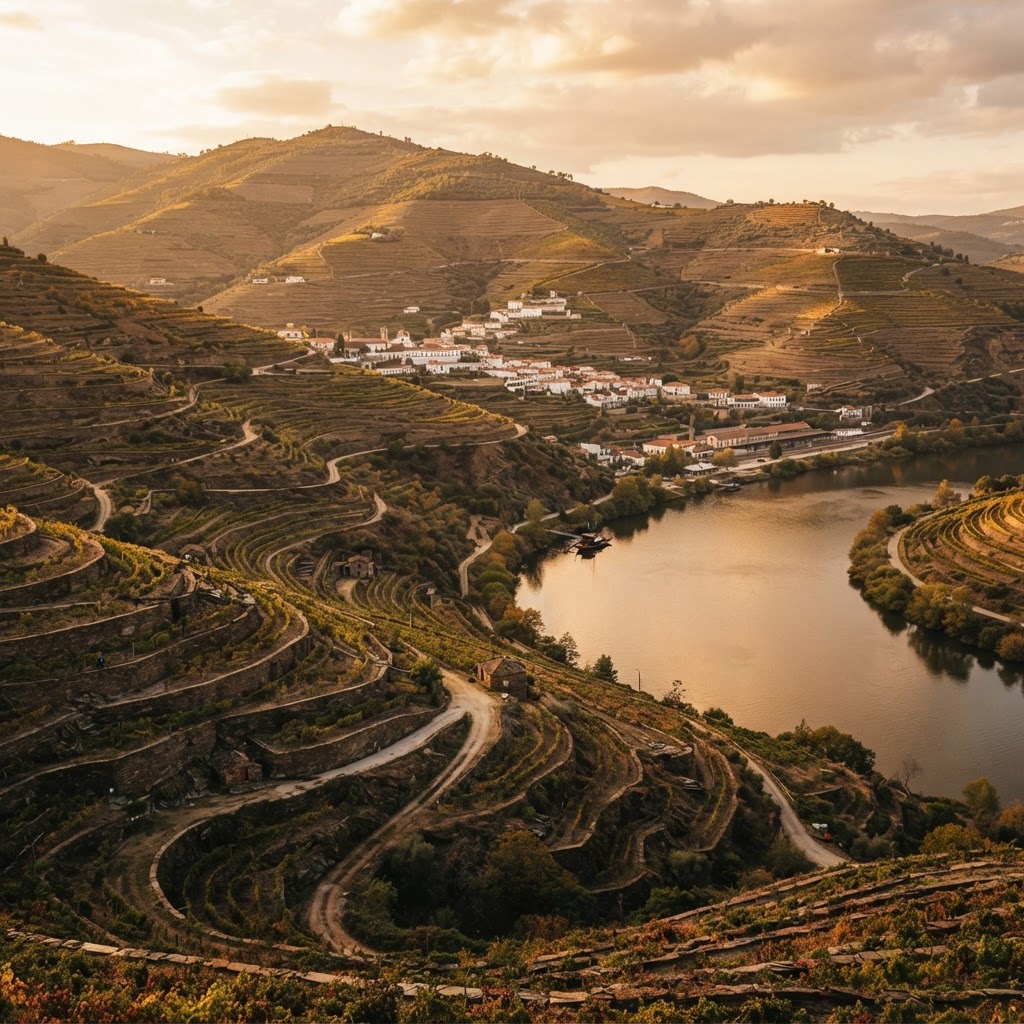
Carved slate terraces, old-vine field blends, and slow river rhythm.

Guimarães, Portugal
Portugal
The granite-and-timber cradle of Portuguese nationhood, best experienced when day-trippers depart.
Readymade itineraries
Start from a tested template — then make it yours.
Ready to book
Lock in your Nazaré, Portugal trip
Everything in one place. We may earn a small commission — it never costs you more.
Plan a trip to Nazaré, Portugal
Pick a length and we'll build a day-by-day plan around how you travel — neighborhoods clustered, budget-aware, and editable.
Get better at planning trips like this
Occasional notes on planning smarter — no spam, unsubscribe anytime.
Plan a trip to Nazaré, Portugal
Turn this guide into a day-by-day plan built around your pace, your group, and your budget.
Build my Nazaré, Portugal trip