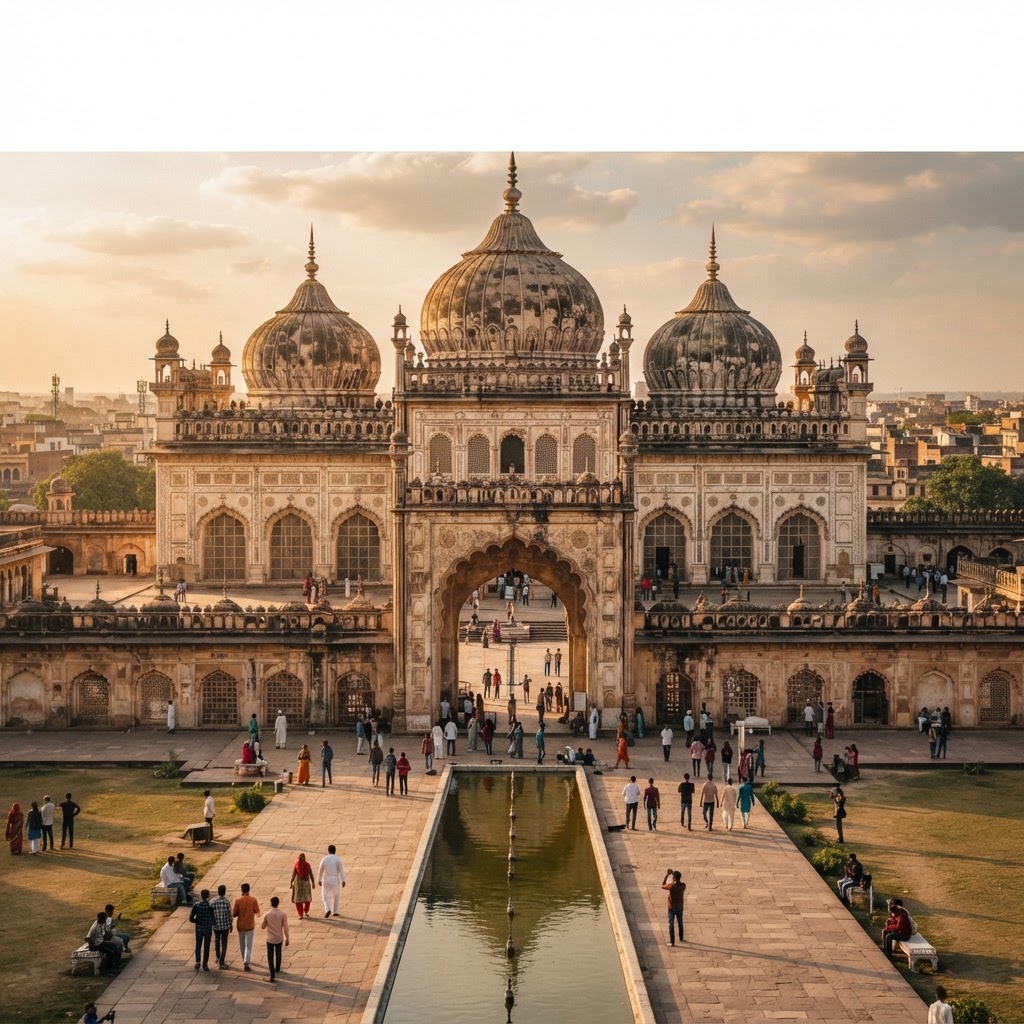
India
Lucknow
Awadhi court cuisine, monumental Mughal-Baroque architecture, and North India's slowest cultural stroll.
Plan & book
Sort your Lucknow trip in one place.
We point you to the booking tools we'd actually use — live prices, no markup. Or let us build the day-by-day plan around you first, then book.
Lucknow is Uttar Pradesh's sophisticated counterweight to Varanasi and Agra: a city built on the polite excesses, poetry, and refined kitchens of the 18th- and 19th-century Nawabs of Awadh. Instead of tourist-trap crush, it offers architectural feats like the self-supporting arched hall of Bara Imambara, the cannon-scarred ruins of the British Residency, and a culinary tradition where meat is braised for twelve hours into spiced velvet. It demands an appetite, a tolerance for narrow, sensory-heavy old bazaar streets, and an appreciation for slow urban texture over rushed sightseeing.
3 days
Build your own trip with these prebuilt itineraries
Each one is a tested, day-by-day plan for Lucknow — start here, then make it yours.
Go for one of the world's most sophisticated culinary traditions and unique Indo-Persian architecture unseen anywhere else on the subcontinent. Lucknow was spared the frantic, packaged Golden Triangle tourism loop, meaning its monuments are working public spaces and its food institutions—from Tunday Kababi's melt-in-the-mouth galouti to Raheem's morning nihari—still serve uncompromising, intensely crafted dishes at local everyday prices.
Where to stay
Getting there
Getting around
Food & drink
What it costs
Things to do
Book tours & tickets in LucknowSkip it if
Skip Lucknow if you want postcard-manicured tourist precincts, zero tolerance for dense North Indian street grit, or are on a strict quick Golden Triangle circuit (Delhi-Agra-Jaipur) and lack the 2-3 dedicated days needed to slow down and eat across its neighborhoods.
Destination intelligence
Updated 9/12/2026The structured record we plan every Lucknow itinerary from.
Walkability
Low overall, high within localized pockets like the Hazratganj promenade and inside enclosed monument campuses. Narrow old-city bazaars are vibrant on foot but chaotic.
Transit quality
Moderate to good. The Lucknow Metro Red Line cleanly covers airport-to-city corridors; elsewhere, plentiful electric and auto-rickshaws fill transit gaps effortlessly.
Car needed
No. Self-driving is highly discouraged due to dense congestion and tight lanes. App-based cabs and autorickshaws handle all transit needs effectively.
Ideal duration
3 days
Minimum useful
2 days
Peak season
October to March, bringing cool, sunny winter days (10°C–24°C) ideal for morning heritage walks and street eating.
Shoulder season
July to September, when monsoon rains cool the air but high humidity and periodic street waterlogging occur.
Low season
April to June, characterized by brutal North Indian summer heat exceeding 40°C–44°C (104°F–111°F).
Best for
Common mistakes
- Staying in far-flung Gomti Nagar or Shaheed Path without planning for the 30-40 minute traffic crawls into Old Lucknow monuments.
- Visiting Bara Imambara's labyrinth without an authorized guide, missing the acoustic whispering galleries and hidden vantage points.
- Booking trips in May or June, when temperatures routinely exceed 42°C (108°F), rendering heritage walks miserable.
- Expecting fiery, chili-heavy street food—Awadhi cuisine is built on gentle aroma, saffron, rose water, and complex whole spices, not raw chili heat.
- Renting a self-drive car, which creates immense stress navigating old city bottlenecks and parking dead-ends.
Best nearby
See what a trip to India actually costs. Travel Budget Co.
More in India
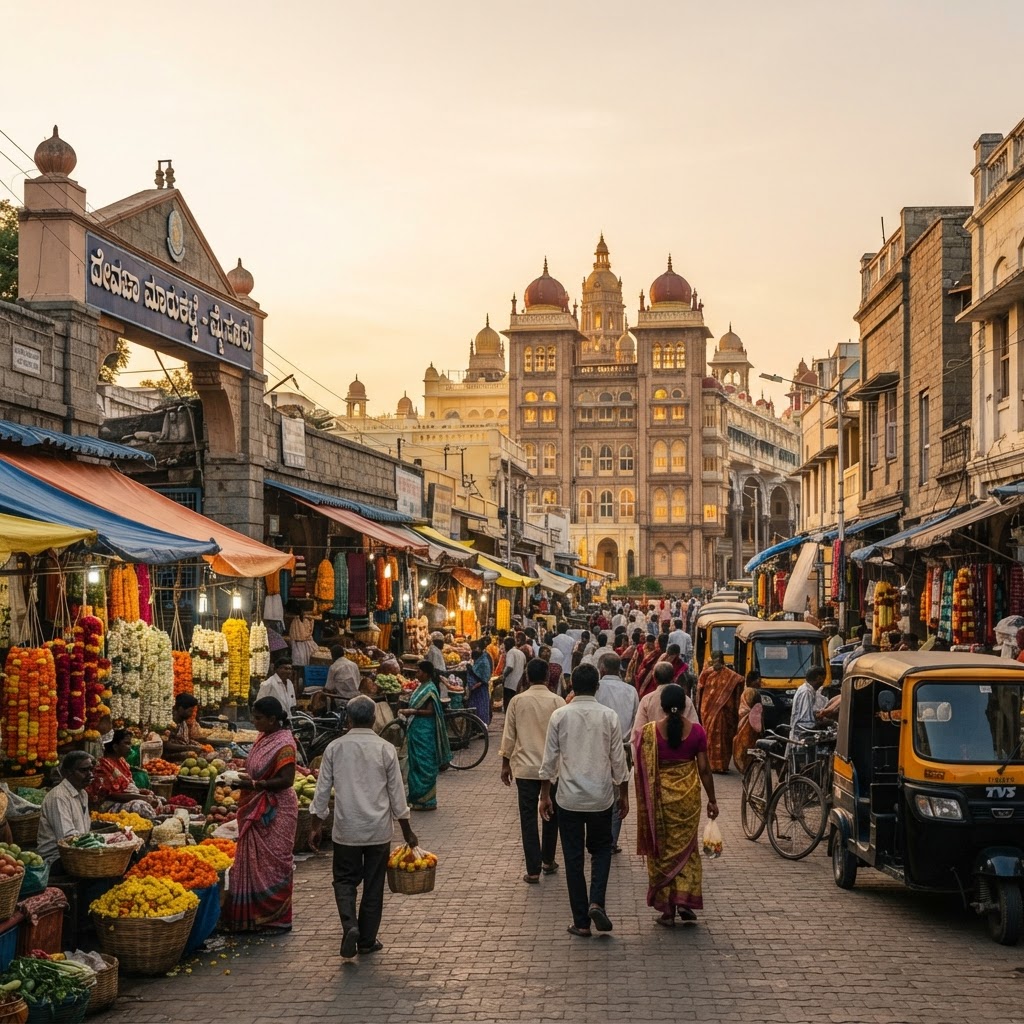
Mysore (Mysuru)
India
Wadiyar royal heritage, fragrant markets, and world-capital Ashtanga yoga minus metro sprawl.
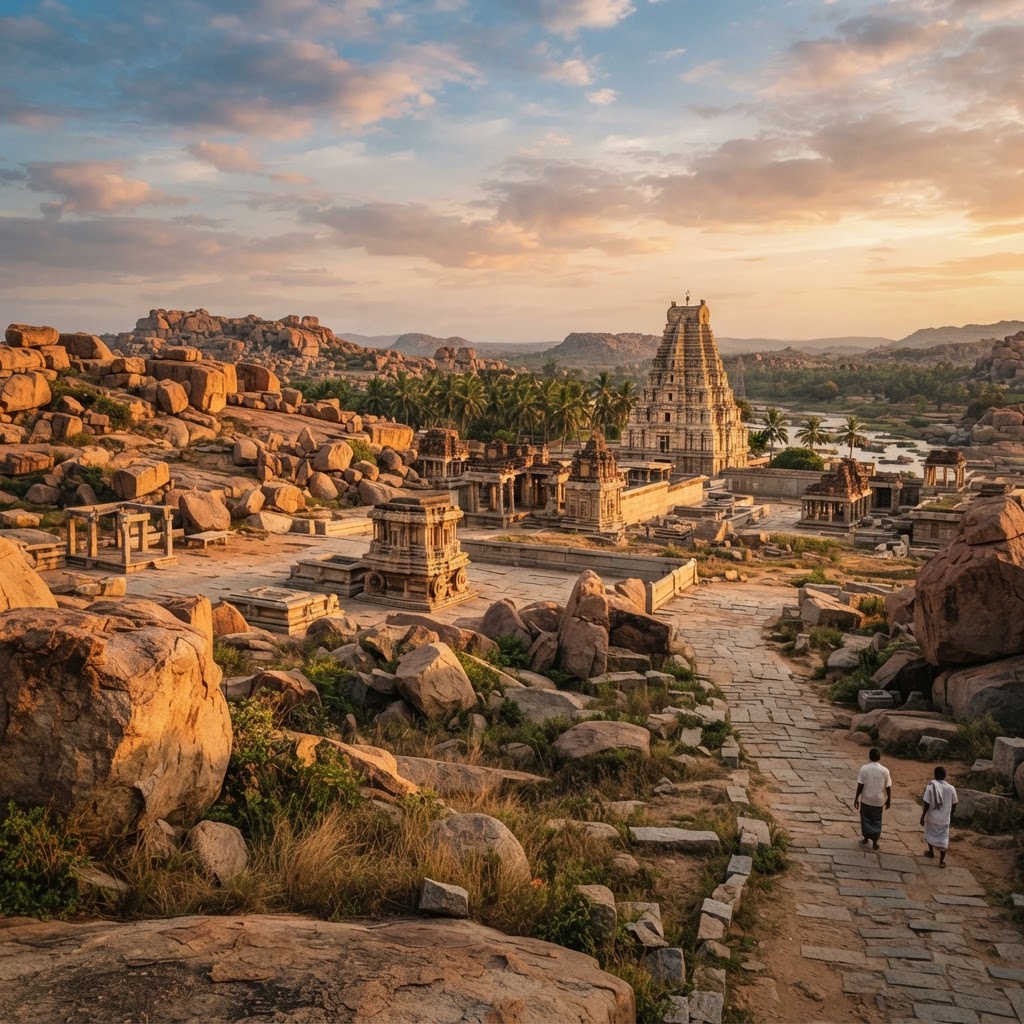
Hampi, India
India
A surreal expanse of granite boulders and ruined 14th-century Vijayanagara imperial monuments
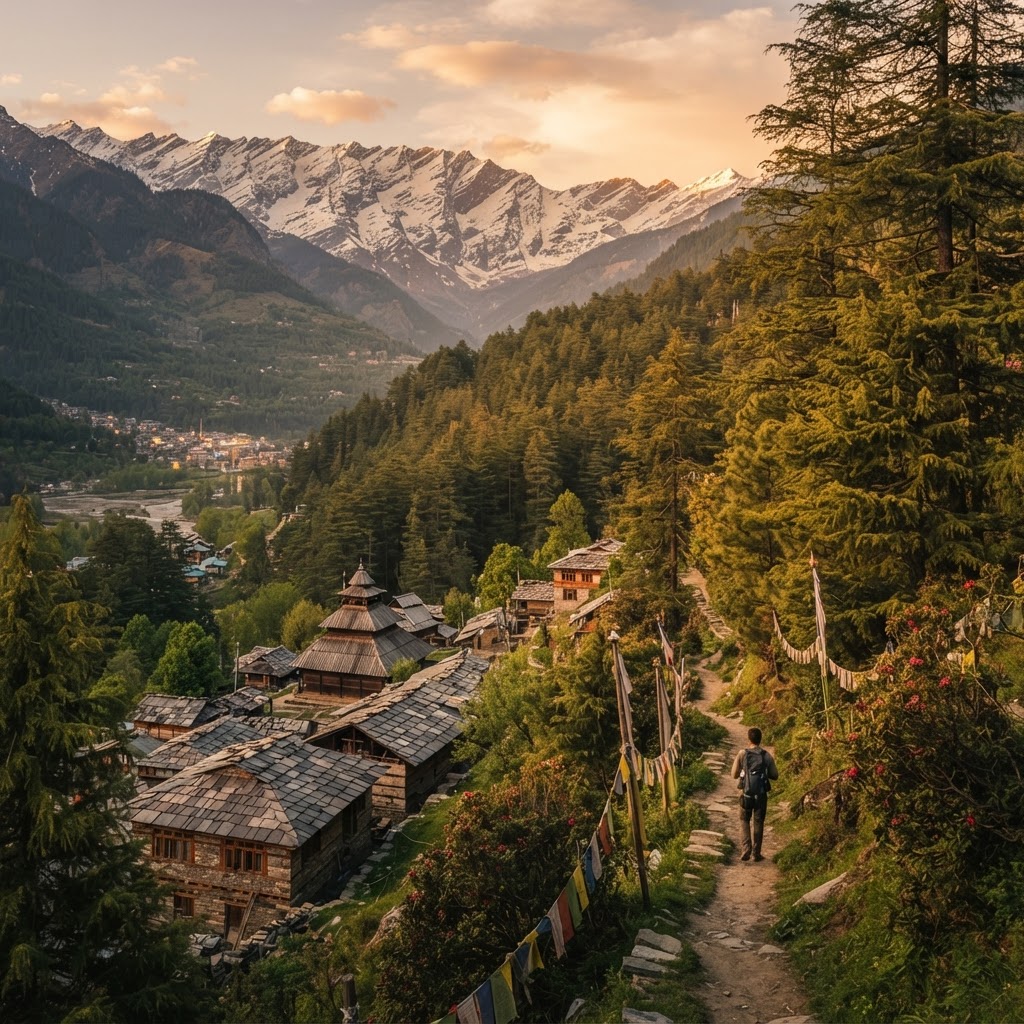
Manali, Himachal Pradesh
India
Beyond Mall Road gridlock lies pine-forested alpine trails and Himalayan high-pass gateways.
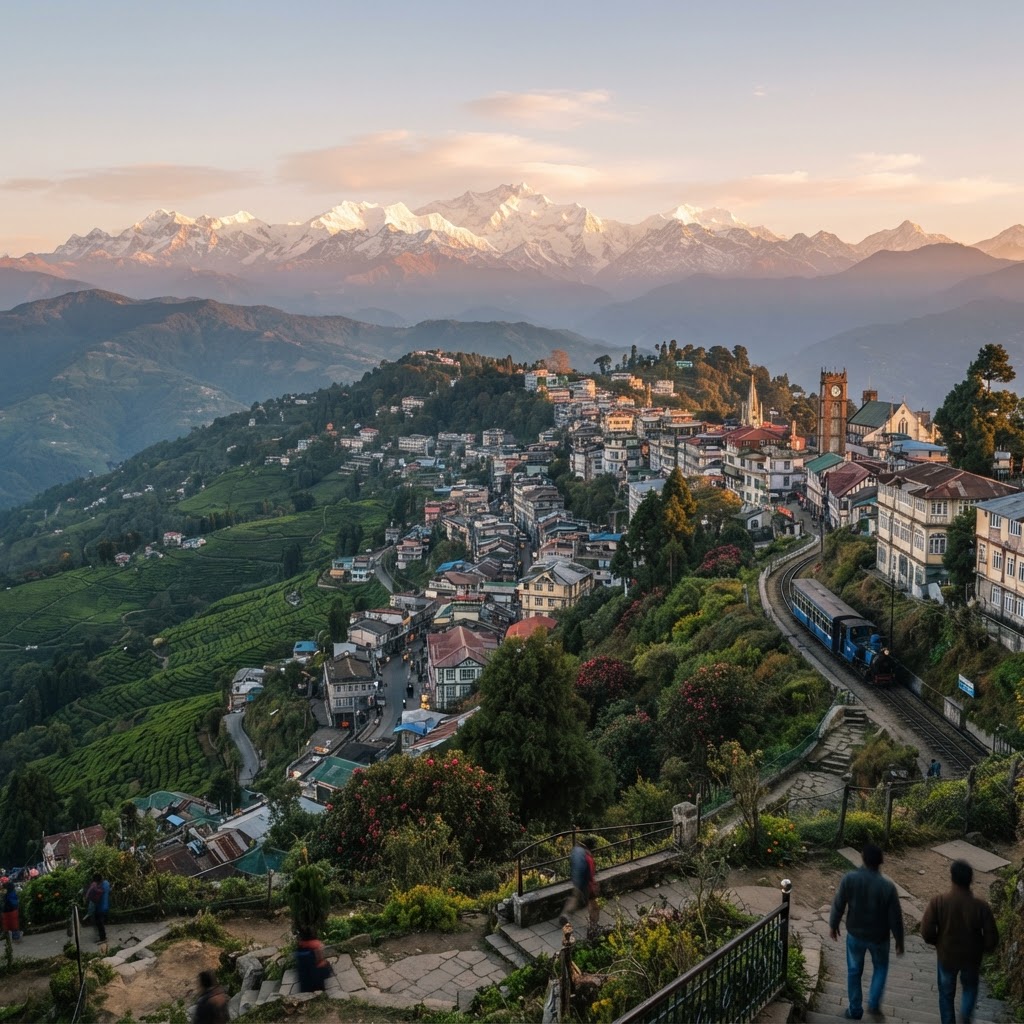
Darjeeling, West Bengal, India
India
Steep colonial ridge lines, first-flush tea estates, and dawn views of Kangchenjunga.
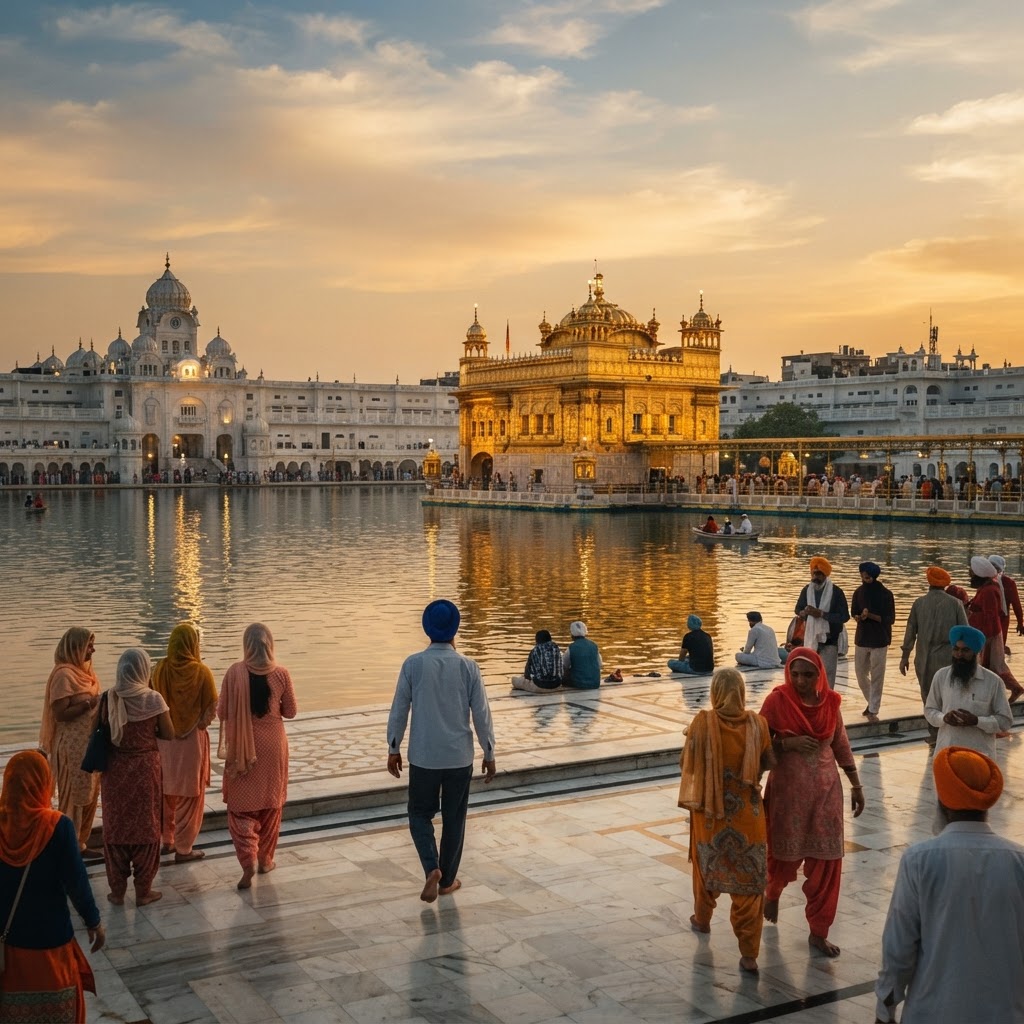
Amritsar, Punjab, India
India
The spiritual heart of Punjab, forged in sacred tradition, profound history, and unbeatable culinary culture.
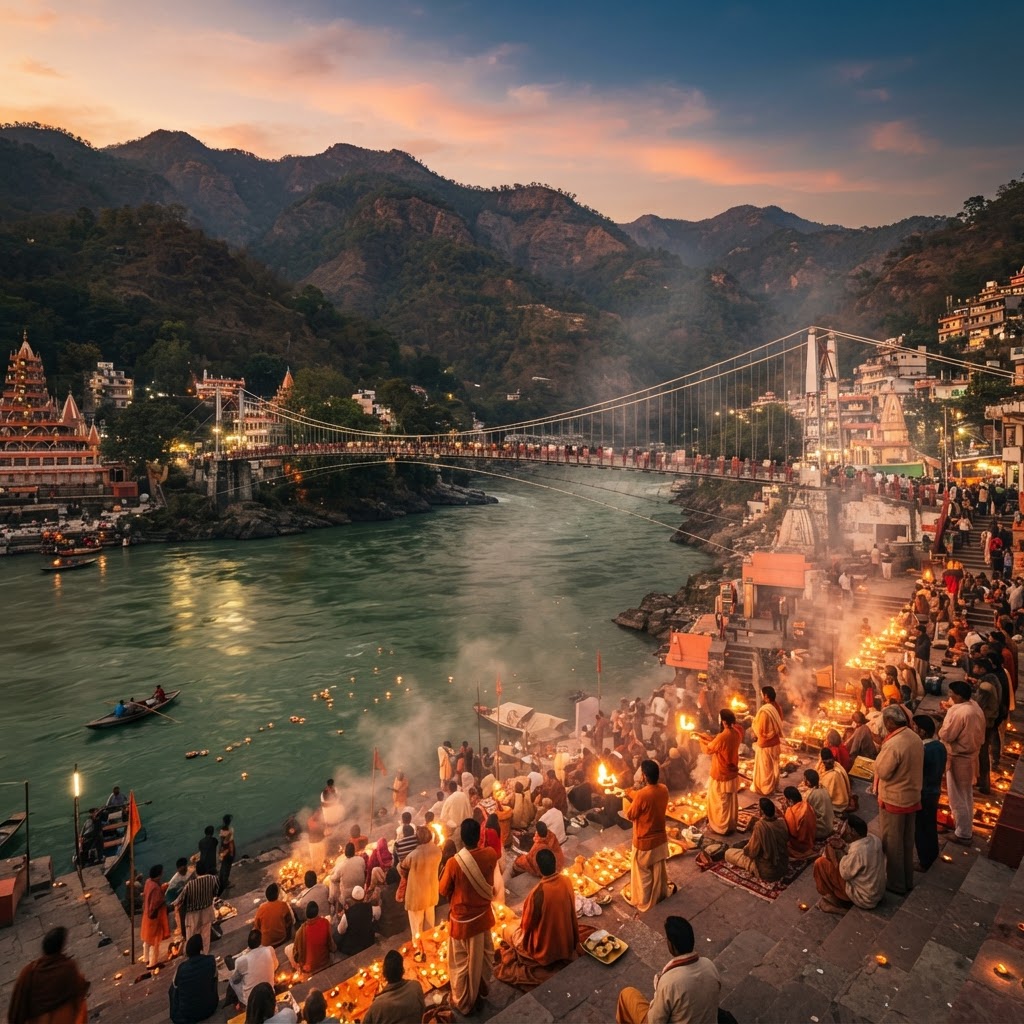
Rishikesh
India
Where Himalayan whitewater meets evening ashram chants on the Ganges
More in South Asia
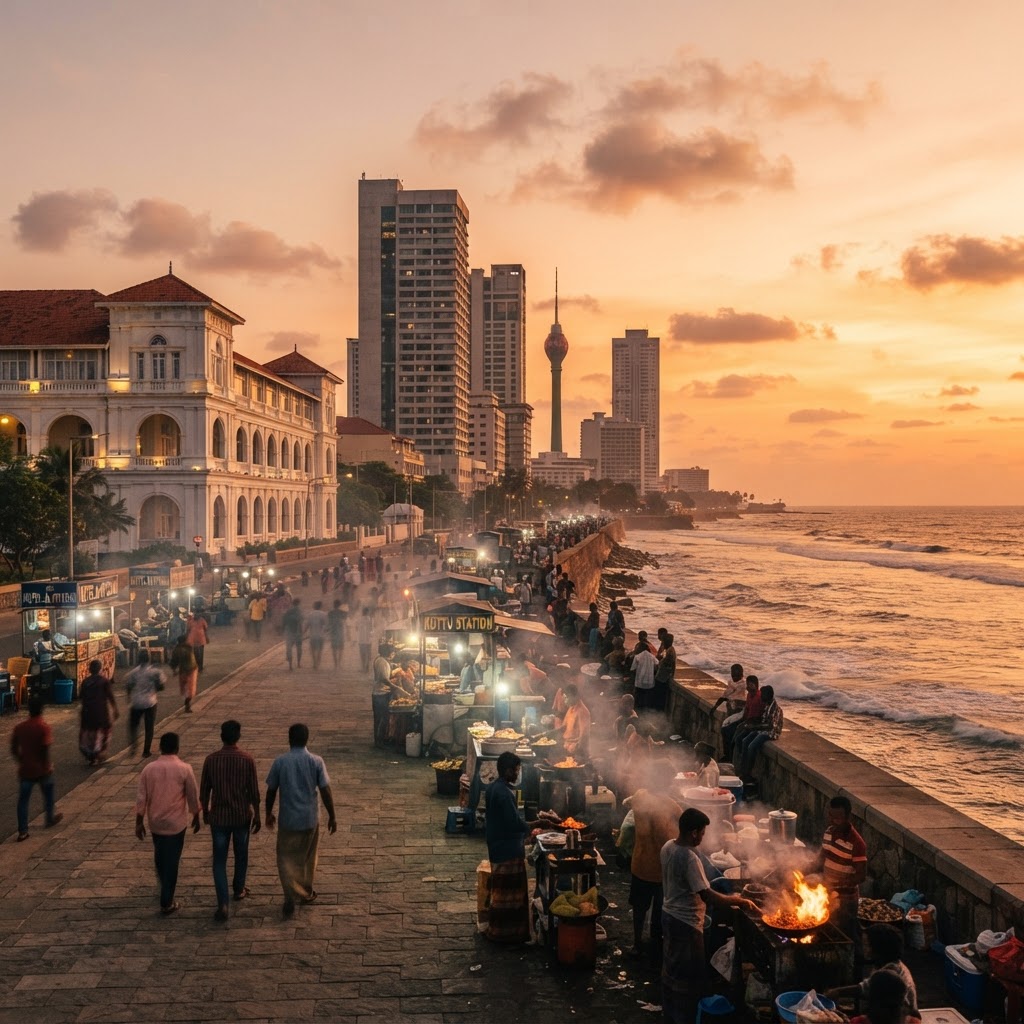
Readymade itineraries
Start from a tested template — then make it yours.
Ready to book
Lock in your Lucknow trip
Everything in one place. We may earn a small commission — it never costs you more.
Plan a trip to Lucknow
Pick a length and we'll build a day-by-day plan around how you travel — neighborhoods clustered, budget-aware, and editable.
Get better at planning trips like this
Occasional notes on planning smarter — no spam, unsubscribe anytime.
Plan a trip to Lucknow
Turn this guide into a day-by-day plan built around your pace, your group, and your budget.
Build my Lucknow trip