
Portugal
Lisbon, Portugal
Golden light, steep limestone calçadas, and hilltop miradouros over the Atlantic-fed Tagus.
Plan & book
Sort your Lisbon, Portugal trip in one place.
We point you to the booking tools we'd actually use — live prices, no markup. Or let us build the day-by-day plan around you first, then book.
Lisbon is built across seven unforgiving hills tumbling toward the wide Tagus estuary, pairing worn historic charm with vibrant contemporary dining and cafe culture. While its tiled facades and vintage trams draw heavy crowds, the city rewards travelers who walk steep side alleys, linger over petiscos, and respect its demanding geography rather than rushing through checklist sights.
4 days
Best time
Mid-April to late May and September to October provide the ideal sweet spot.
Build your own trip with these prebuilt itineraries
Each one is a tested, day-by-day plan for Lisbon, Portugal — start here, then make it yours.
3 Days in Lisbon for First-Time Visitors
3 days in lisbon first time
4 Days in Lisbon: Fado & Food
lisbon fado food itinerary
5 Days in Lisbon with Sintra & Cascais
lisbon sintra cascais 5 days
3 Days in Lisbon on a Budget (Solo)
lisbon budget solo itinerary
Few European capitals deliver Lisbon's dramatic topography, luminous Atlantic light, and layered cultural history at such high everyday quality. It offers world-class contemporary seafood, evocative Moorish quarters, open-air Gothic ruins, and effortless regional rail escapes to rugged Atlantic headlands and royal hill retreats.
Where to stay
Getting there
Getting around
Food & drink
What it costs
Things to do
Book tours & tickets in Lisbon, PortugalSkip it if
Skip or reconsider Lisbon if anyone in your group has significant mobility impairments, relies on strollers, or cannot handle frequent steep inclines over uneven, slippery cobblestones. If you need effortless, flat, stair-free strolling, consider Valencia or Amsterdam instead.
When to go
Lisbon's relentless limestone hills become punishing ovens in midsummer, exacerbated by massive peak cruise ship arrivals and inflated hotel tariffs. Spring and early autumn deliver crisp Atlantic breezes, manageable queues at key heritage sites, and soft golden light without the winter rains.
Shoulder (Apr–May & Sep–Oct)
Comfortable 20°C to 24°C temperatures, patio dining in full swing, and reasonable crowds make hill climbing a pleasure rather than an endurance test.
Peak (Jun–Aug)
Intense heat on shadeless stone viewpoints, packed trams, and peak room rates. June brings festive Santos Populares street parties, but requires booking months ahead.
Low (Nov–Feb)
Cool, changeable weather with bouts of Atlantic squalls; however, hotel rates plunge, museums are uncrowded, and sunny 15°C winter afternoons are frequent.
Neighborhoods
Where you stay shapes the trip. Here's how to think about it.
Alfama
Tangled medieval alleyways, echoing Fado taverns, and clotheslines fluttering beneath terracotta rooftops.
Best for:Romantic strolls, historic character, and evening tasca meals
Don't miss:Catching sunset from Miradouro de Santa Luzia before listening to authentic Fado at a quiet neighborhood taberna away from the cruise terminals.
Baixa
Ordered 18th-century grid architecture, grand river-facing plazas, and bustling pedestrian promenades.
Best for:First-timers who want flat walking and seamless transit connections
Don't miss:Walking through Arco da Rua Augusta directly out onto the expansive, sunlit stone of Praça do Comércio on the Tagus edge.
Chiado & Bairro Alto
Literary elegance, theater squares, and independent boutiques by day; spirited, crowded bar alleys by night.
Best for:Culture seekers, cocktail lovers, and boutique hotel basecamps
Don't miss:Browsing the shelves at Livraria Bertrand (the world's oldest operating bookstore) followed by a bica at historic Café A Brasileira.
Príncipe Real
Leafy garden squares, 19th-century palaces repurposed into concept stores, and sophisticated wine bars.
Best for:Design lovers, couples, and travelers wanting a stylish, residential pace
Don't miss:Exploring the concept shops inside Embaixada, a neo-Moorish palace, then relaxing under the giant cedar canopy in Jardim do Príncipe Real.
Belém
Monumental waterfront district defined by Manueline gothic stonework and maritime discovery landmarks.
Best for:Architecture fans, museum days, and serious pastry enthusiasts
Don't miss:Ordering warm, cinnamon-dusted custard tarts fresh from the ovens at Pastéis de Belém, paired with the cloisters of Mosteiro dos Jerónimos.
Destination intelligence
Updated 9/14/2026The structured record we plan every Lisbon, Portugal itinerary from.
Walkability
High physical walkability but exceptionally demanding topography; requires sturdy, grippy footwear due to steep grades and slick calçada pavement.
Transit quality
High: efficient metro system, extensive suburban CP train links to Sintra and Cascais, reliable ferry crossings, and plentiful inexpensive rideshares.
Car needed
No. A car is an active liability inside central Lisbon due to narrow medieval roads, steep hills, restricted traffic zones, and absent parking.
Ideal duration
4 days
Minimum useful
3 days
Peak season
June through August: hot summer temperatures, large cruise ship disembarkations, packed miradouros, and peak hotel pricing.
Shoulder season
April to May and September to October: warm, sunny days, comfortable walking temperatures, and moderate crowds.
Low season
November through February: cooler Atlantic weather and occasional rain, but minimal queues and excellent lodging rates.
Best for
Common mistakes
- Waiting an hour in line for the Santa Justa Elevator when you can access the same top viewing platform for free via the Carmo Convent square behind it
- Treating vintage Tram 28 as a sightseeing hop-on service instead of an overcrowded commuter line heavily targeted by pickpockets
- Wearing smooth-soled dress shoes or heels on polished Portuguese limestone pavement (calçada portuguesa), which turns slick as ice when dry and treacherous when wet
- Renting a car for your Lisbon stay, resulting in brutal hill navigation, non-existent parking, and stressful tight alleys
Best nearby
See what a trip to Portugal actually costs. Travel Budget Co.
How to plan it
- Don't try to walk the hills all day — use the metro, trams, and funiculars to get uphill, walk down.
- Eat like a local: lunch is the main meal, tascas do a cheap prato do dia (dish of the day).
- Book the tram 28 early in the morning to beat the crowds — or skip it and take a less-crowded route.
- Take a day trip: Sintra (45 min by train) is unmissable; Cascais for a beach afternoon.
- Eat a pastel de nata warm, twice a day, from different places. It's a research project worth doing.
Questions
More in Portugal
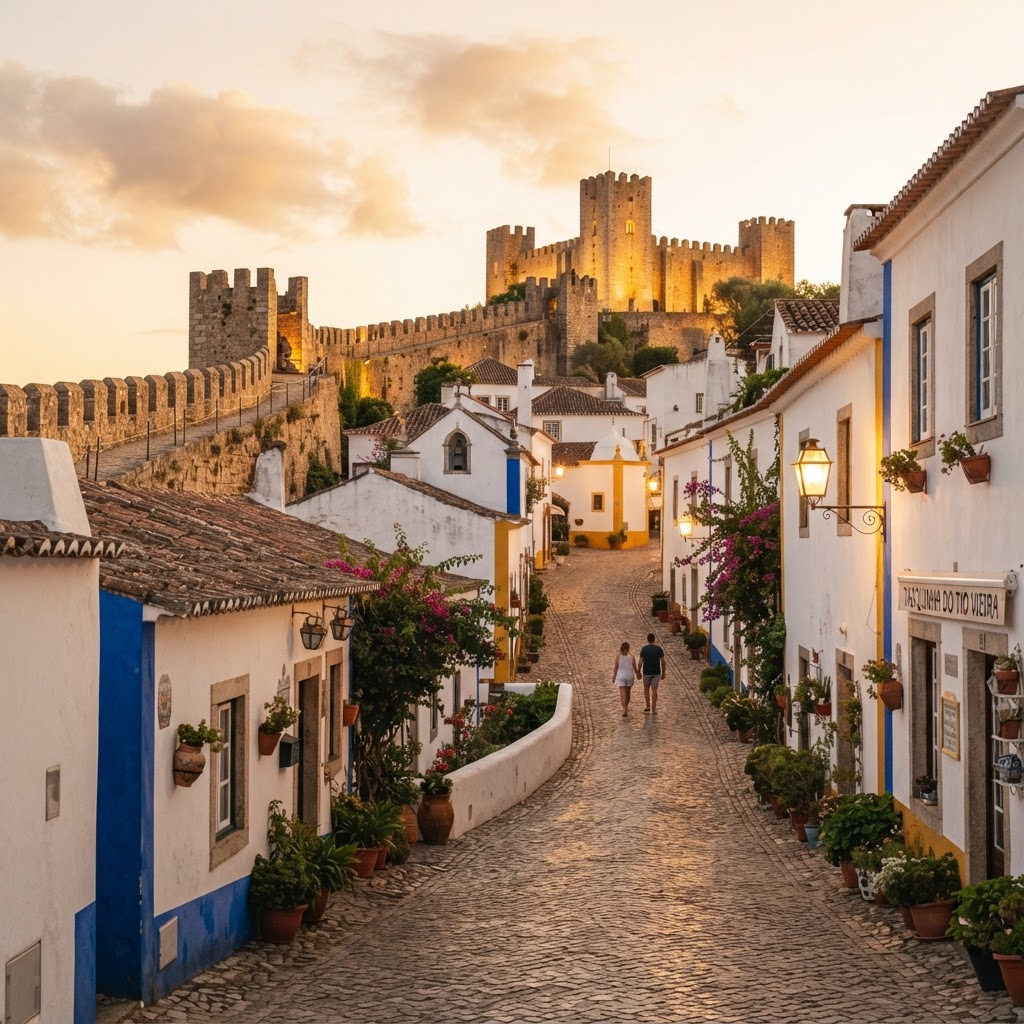
Óbidos, Portugal
Portugal
Ramparts, whitewashed lanes, and quiet evenings after the tour coaches depart
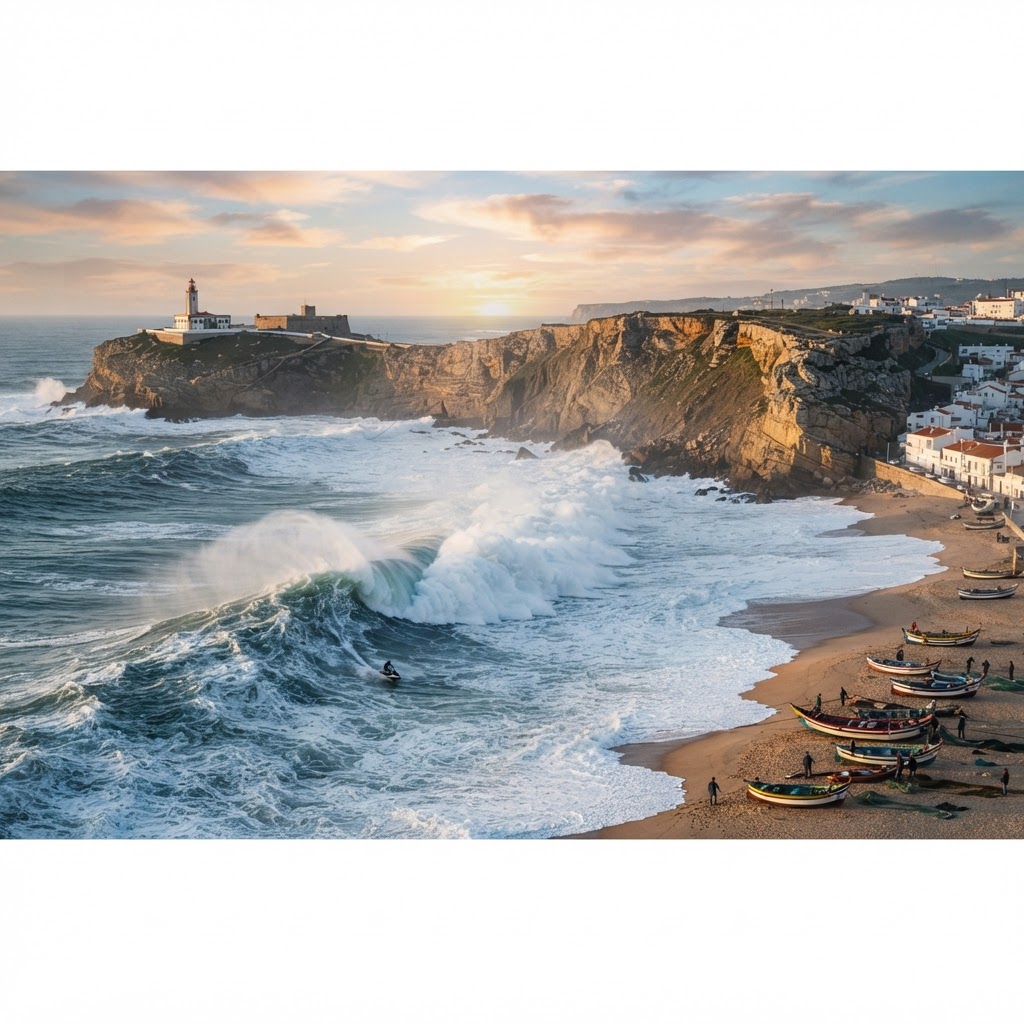
Nazaré, Portugal
Portugal
Colossal Atlantic surf, dramatic clifftops, and enduring maritime traditions
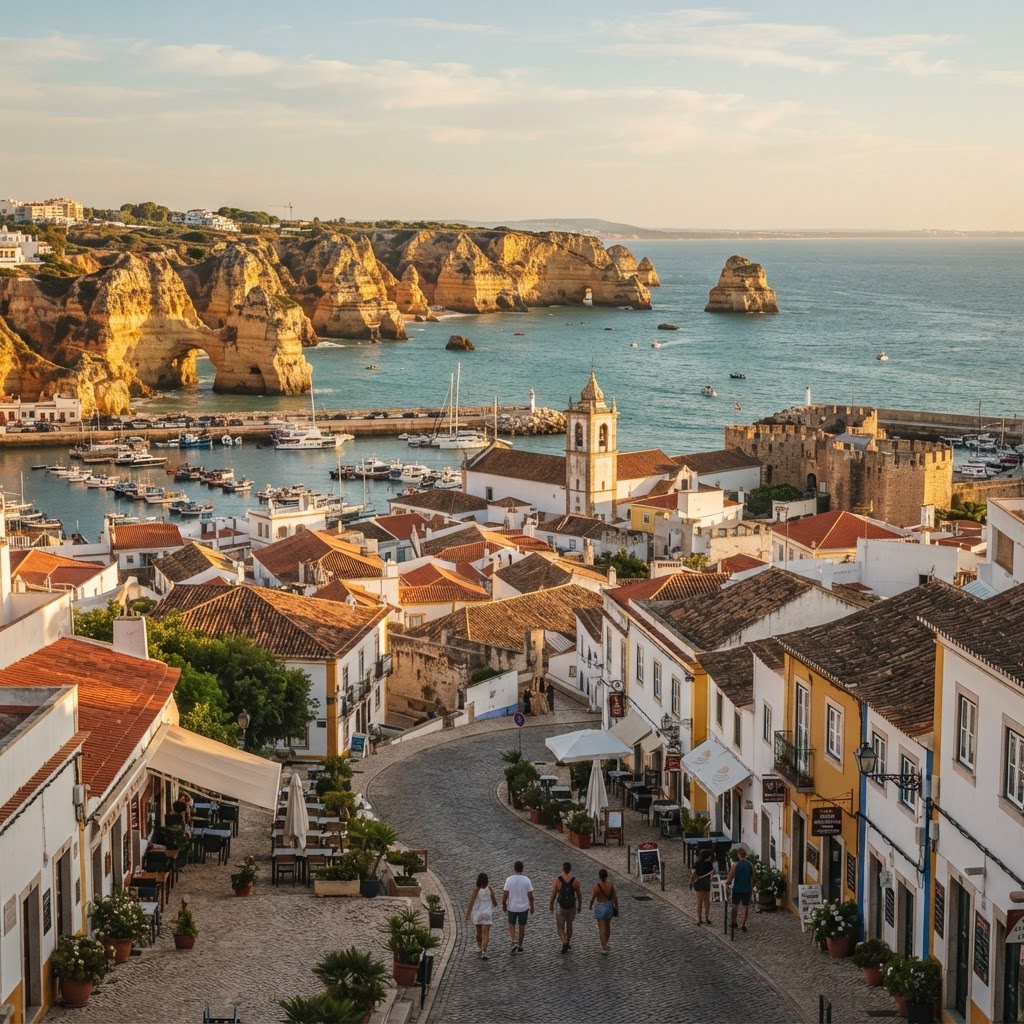
Lagos, Portugal
Portugal
Golden sea stacks, maritime history, and the Algarve’s most walkable coastal hub.
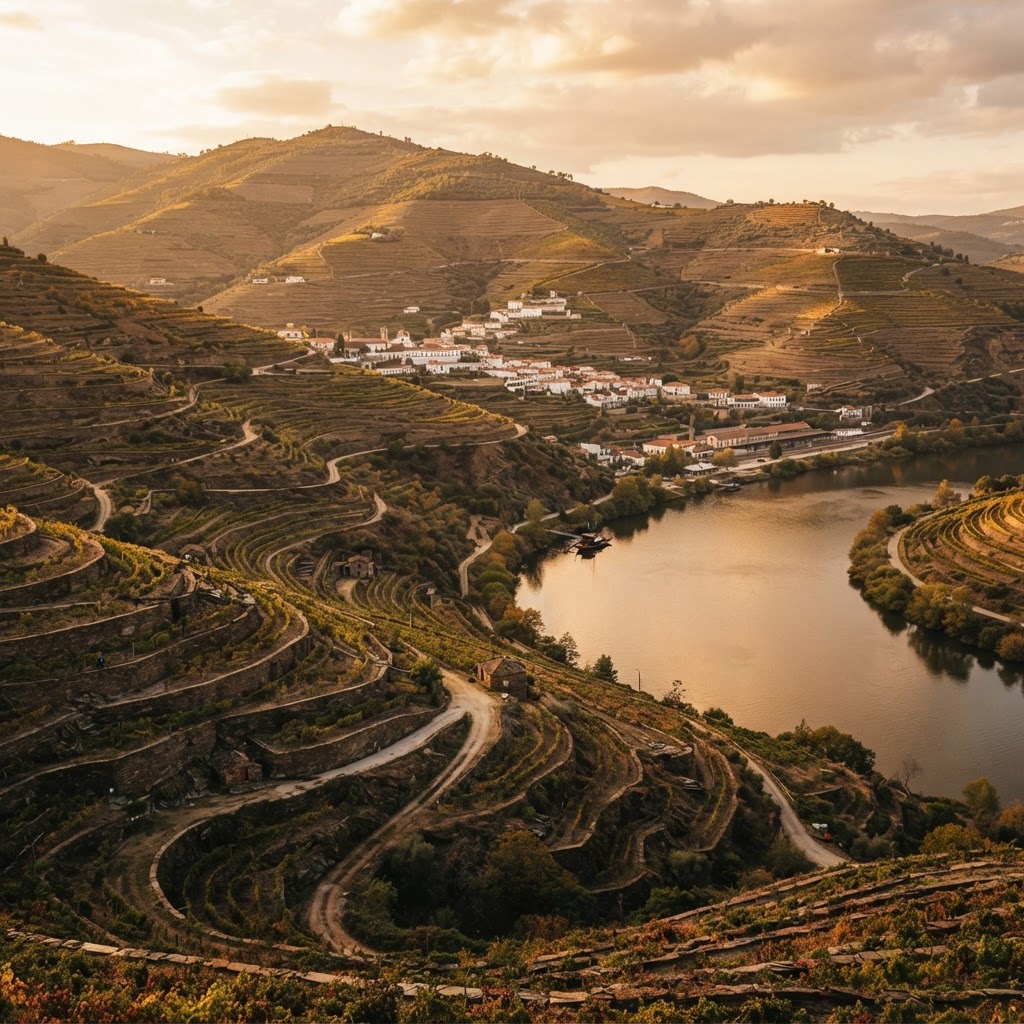
Douro Valley
Portugal
Carved slate terraces, old-vine field blends, and slow river rhythm.
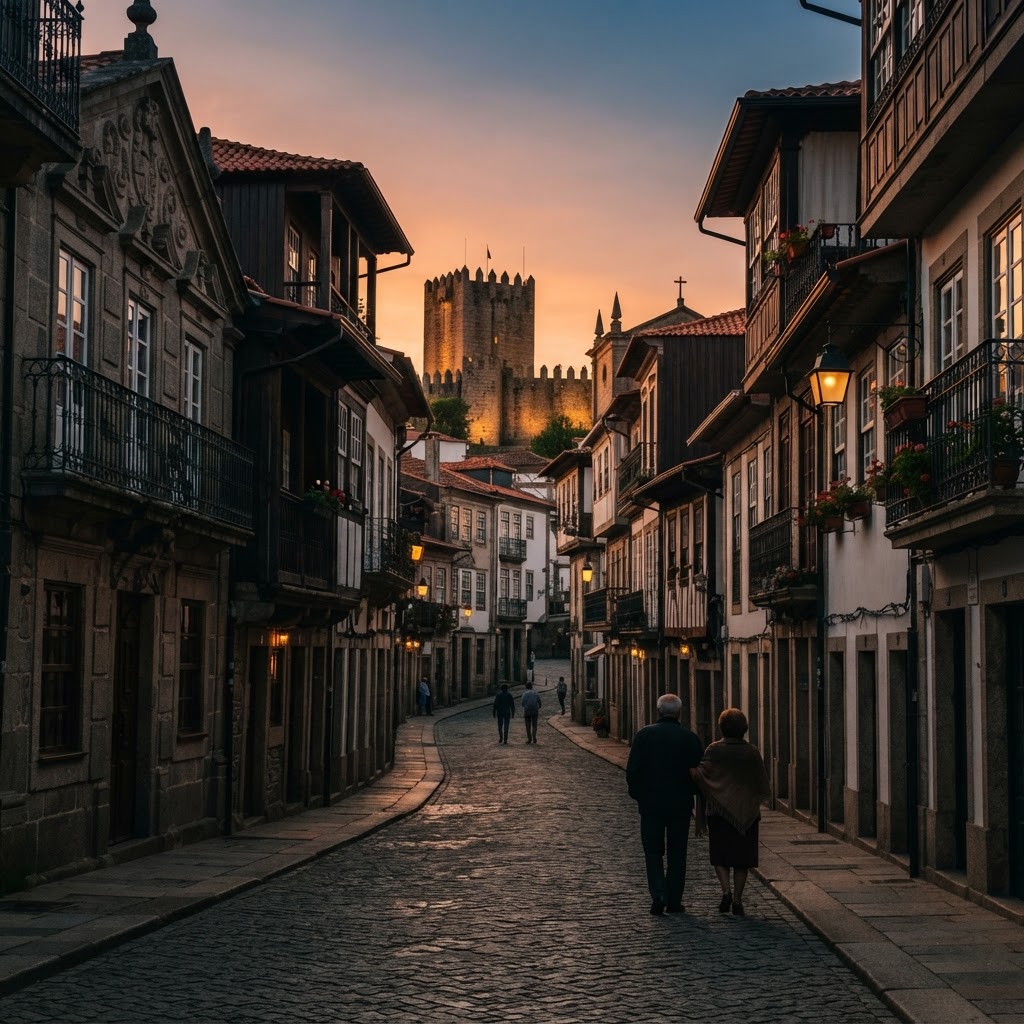
Guimarães, Portugal
Portugal
The granite-and-timber cradle of Portuguese nationhood, best experienced when day-trippers depart.
Readymade itineraries
Start from a tested template — then make it yours.
Ready to book
Lock in your Lisbon, Portugal trip
Everything in one place. We may earn a small commission — it never costs you more.
Plan a trip to Lisbon, Portugal
Pick a length and we'll build a day-by-day plan around how you travel — neighborhoods clustered, budget-aware, and editable.
Get better at planning trips like this
Occasional notes on planning smarter — no spam, unsubscribe anytime.
Plan a trip to Lisbon, Portugal
Turn this guide into a day-by-day plan built around your pace, your group, and your budget.
Build my Lisbon, Portugal trip