India
Jodhpur, India
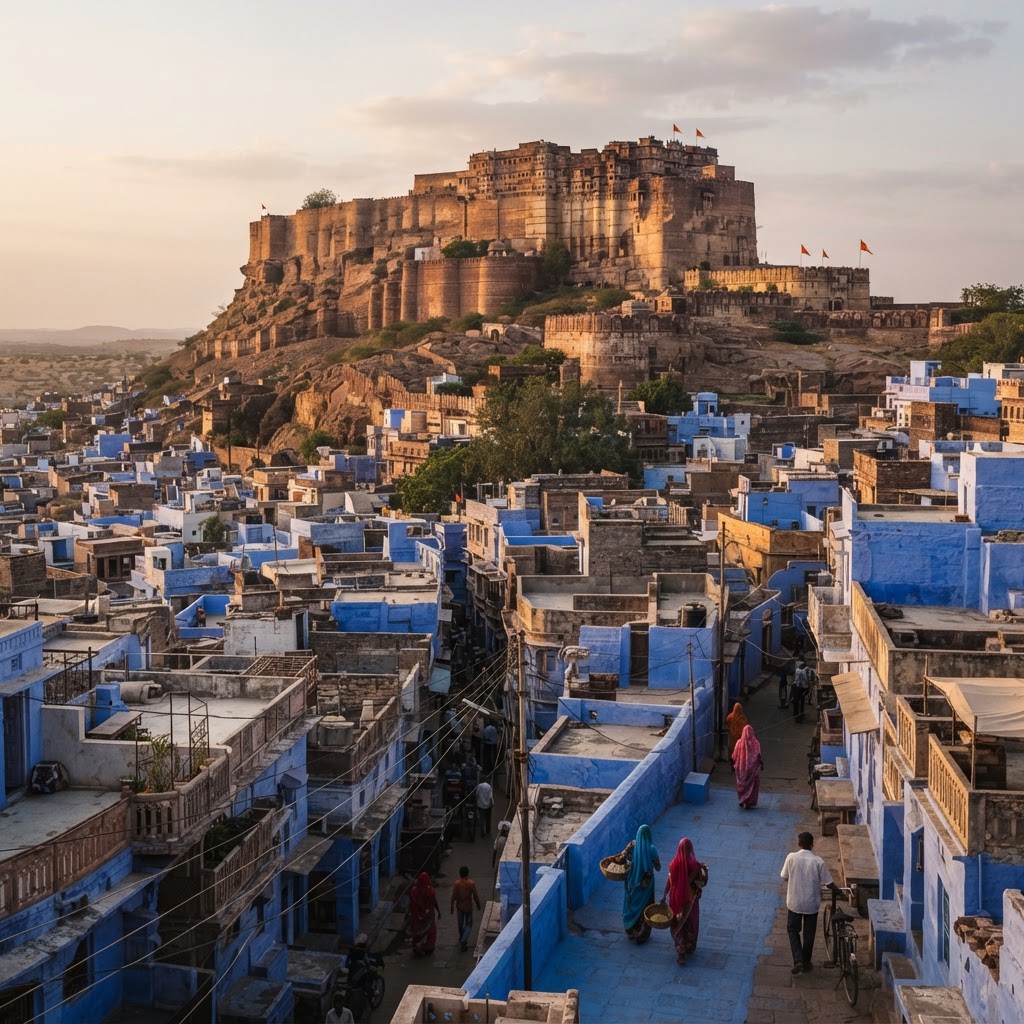
A dramatic medieval fortress reigning over labyrinthine indigo alleyways on the edge of the Thar.
Plan & book
Sort your Jodhpur, India trip in one place.
We point you to the booking tools we'd actually use — live prices, no markup. Or let us build the day-by-day plan around you first, then book.
Set on the doorstep of the Thar Desert, Jodhpur is defined by the massive cliff-top battlements of Mehrangarh Fort towering above an Old City bathed in copper sulfate-blue wash. It is a dense, sensory city of spice traders, stepwells, and Marwari culinary fire that rewards travelers who trade manicured tourist corridors for navigating winding lanes and living heritage.
2 to 3 days
Best time
November to February for dry, crisp desert days and manageable walking temperatures.
Build your own trip with these prebuilt itineraries
Each one is a tested, day-by-day plan for Jodhpur, India — start here, then make it yours.
4 Days in Jodhpur: Photography, Thar Outskirts & Village Culture in Jodhpur
A visual and cultural focus balancing golden-hour photography in the indigo alleys with day excursions to Bishnoi villages and the ancient ruins of Mandore.
3 Days in Jodhpur: Royal Heritage & Marwari Street Flavors in Jodhpur
A slower-paced deep dive pairing monumental architecture with authentic culinary exploration of fiery Marwari sweets, street eats, and traditional stepwells.
2 Days in Jodhpur: The Classic Fort & Blue City Highlights in Jodhpur
First-time essential exploration covering Mehrangarh Fort, Jaswant Thada, and navigating the winding lanes of Brahmpuri and Navchokiya on foot and by auto-rickshaw.
Mehrangarh Fort is legitimately one of the best-preserved and most architecturally imposing citadels in Asia, avoiding the hollowed-out museum atmosphere of lesser-kept ruins. Below it, the living, breathing alleyways of the Old City feature centuries-old restored stepwells like Toorji Ka Jhalra and rich culinary traditions that showcase the rugged soul of western Rajasthan far better than the state's more gentrified palace hubs.
Where to stay
Getting there
Getting around
Food & drink
What it costs
Things to do
Book tours & tickets in Jodhpur, IndiaSkip it if
Travelers requiring pristine, noise-free, highly manicured tourist bubbles, or those with significant mobility issues who cannot handle step slopes, cobblestone stairs, and congested alleyways.
When to go
Winter brings comfortable daytime highs around 24–27°C and crisp nights, making extensive walking through unshaded sandstone forts and lanes feasible. Shoulder months spike in humidity or pre-summer heat, while summer turns the city into an unlivable 42°C furnace by 11:00 AM.
Peak (October to March)
Clear blue skies and pleasant 20–28°C weather; expect fully booked boutique havelis, crowded fort ramparts, and peak accommodation rates.
Shoulder (July to September)
Sporadic monsoon showers bring desert greenery and lower rates, but humidity climbs and midday temperatures remain uncomfortably warm.
Low (April to June)
Brutal desert heat regularly exceeding 40–45°C; sightseeing is restricted to early dawn, with streets and shops shutting down for midday survival.
Neighborhoods
Where you stay shapes the trip. Here's how to think about it.
Navchowkiya
Quiet, labyrinthine residential lanes blanketed in deep indigo wash beneath the fort wall.
Best for:Street photographers, quiet explorers, and heritage seekers
Don't miss:Walking early morning toward Chandpole Gate before motorbike traffic fills the passages.
Clock Tower & Sardar Market (Ghanta Ghar)
Relentless, sensory merchant frenzy scented with red chili, cardamom, and hot frying oil.
Best for:Market shoppers, street food lovers, and central explorers
Don't miss:The intricately restored 18th-century geometric stone stairs at Toorji Ka Jhalra stepwell.
Brahmapuri
Historic, tightly packed Brahmin residential quarter climbing the rocky base of Mehrangarh.
Best for:Budget backpackers, traditional haveli stays, and fort views
Don't miss:Catching sunset from a crumbling haveli rooftop with Mehrangarh illuminated right above you.
Ratanada & Palace Road
Leafy, spacious colonial-era avenues removed from Old City honking and open sewers.
Best for:Families, luxury travelers, and light sleepers
Don't miss:Art Deco courtyards and manicured lawns surrounding Umaid Bhawan Palace.
Destination intelligence
Updated 9/14/2026The structured record we plan every Jodhpur, India itinerary from.
Walkability
Moderate in the Old City for able-bodied walkers, but roads are shared with motorbikes and cattle; impossible for strollers or wheelchairs.
Transit quality
Basic. No metro or light rail; navigation relies exclusively on ubiquitous auto-rickshaws, walking, and app-based taxis outside the core.
Car needed
No. A private car is an active disadvantage in the central historic zones and only useful for out-of-town day trips.
Ideal duration
2 to 3 days
Minimum useful
2 days
Peak season
October to March, bringing dry, warm days (20–28°C) and brisk, cool evenings ideal for outdoor sightseeing.
Shoulder season
July to September, when light monsoon rains knock down the worst of the summer heat, though humidity rises.
Low season
April to June, characterized by extreme desert heat often topping 40–45°C that shuts down outdoor activity by midday.
Best for
Common mistakes
- Expecting every house to be painted vibrant blue: Only specific clusters like Brahmpuri and Navchokiya retain the deep indigo plaster.
- Renting a rental car to drive inside the city: The Old City's passages are strictly navigable only by foot and narrow auto-rickshaws.
- Rushing Mehrangarh Fort in an hour: It is vast, intricate, and deserves a minimum of three hours to absorb the palace museum and exterior ramparts.
- Scheduling visits during peak summer (April to June): Thar desert heat regularly breaches 42°C (108°F), rendering daytime exploration nearly unbearable.
Best nearby
See what a trip to India actually costs. Travel Budget Co.
How to plan it
- Base yourself in Ratanada if uninterrupted sleep matters; stay near Toorji Ka Jhalra if you want to walk everywhere without hailing a rickshaw.
- Do not try to combine Mehrangarh Fort and Umaid Bhawan Palace into a rushed half-day; Mehrangarh alone requires 3 to 4 hours to appreciate properly.
- Pair Jodhpur with Jaisalmer via a 5-hour train, or take a scenic drive south to Udaipur stopping at the marble Jain temples of Ranakpur.
- Explore the blue residential quarters of Navchowkiya between 7:00 AM and 8:30 AM before market traders, scooter horns, and harsh overhead light take over.
- Pick up the official audio guide at Mehrangarh Fort's ticket gate; it is genuinely world-class and eliminates the need to negotiate with aggressive on-site guides.
Questions
More in India
Mysore (Mysuru)
India
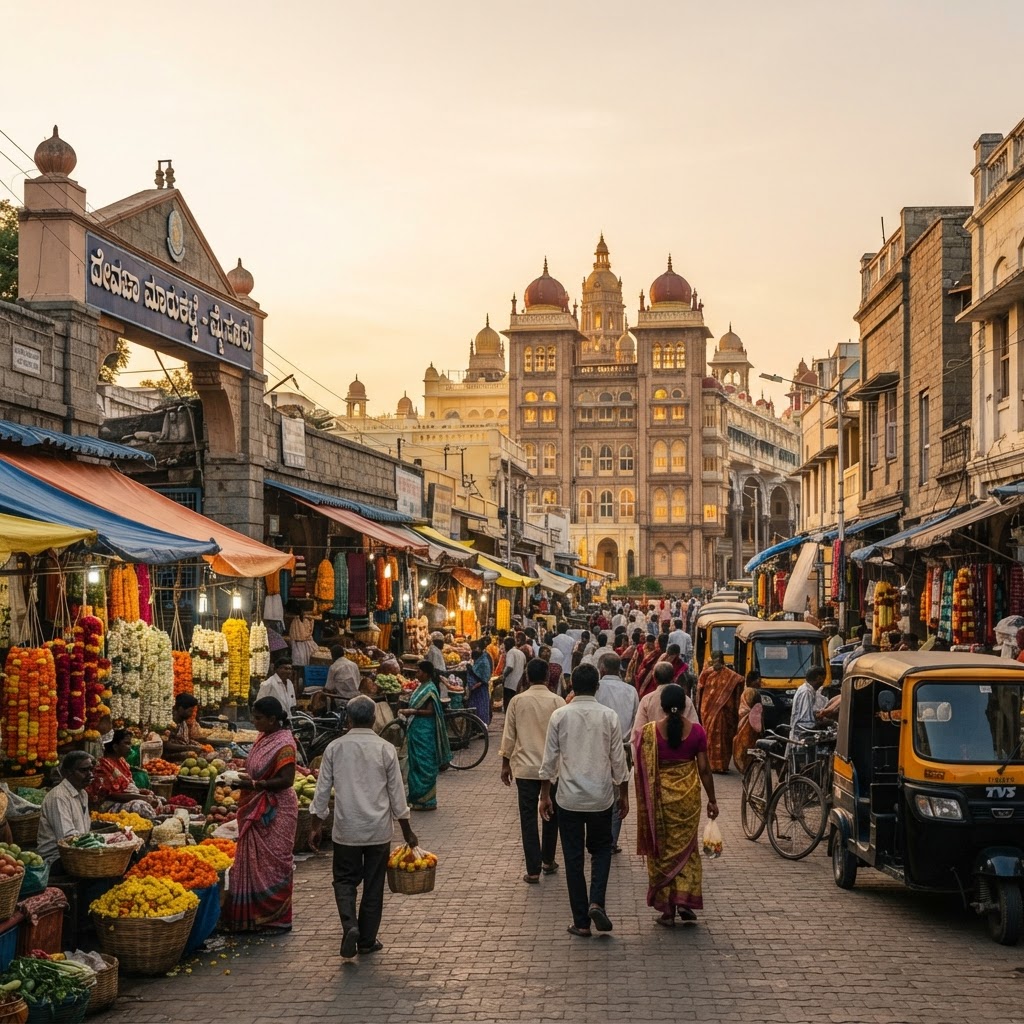
Wadiyar royal heritage, fragrant markets, and world-capital Ashtanga yoga minus metro sprawl.
Hampi, India
India
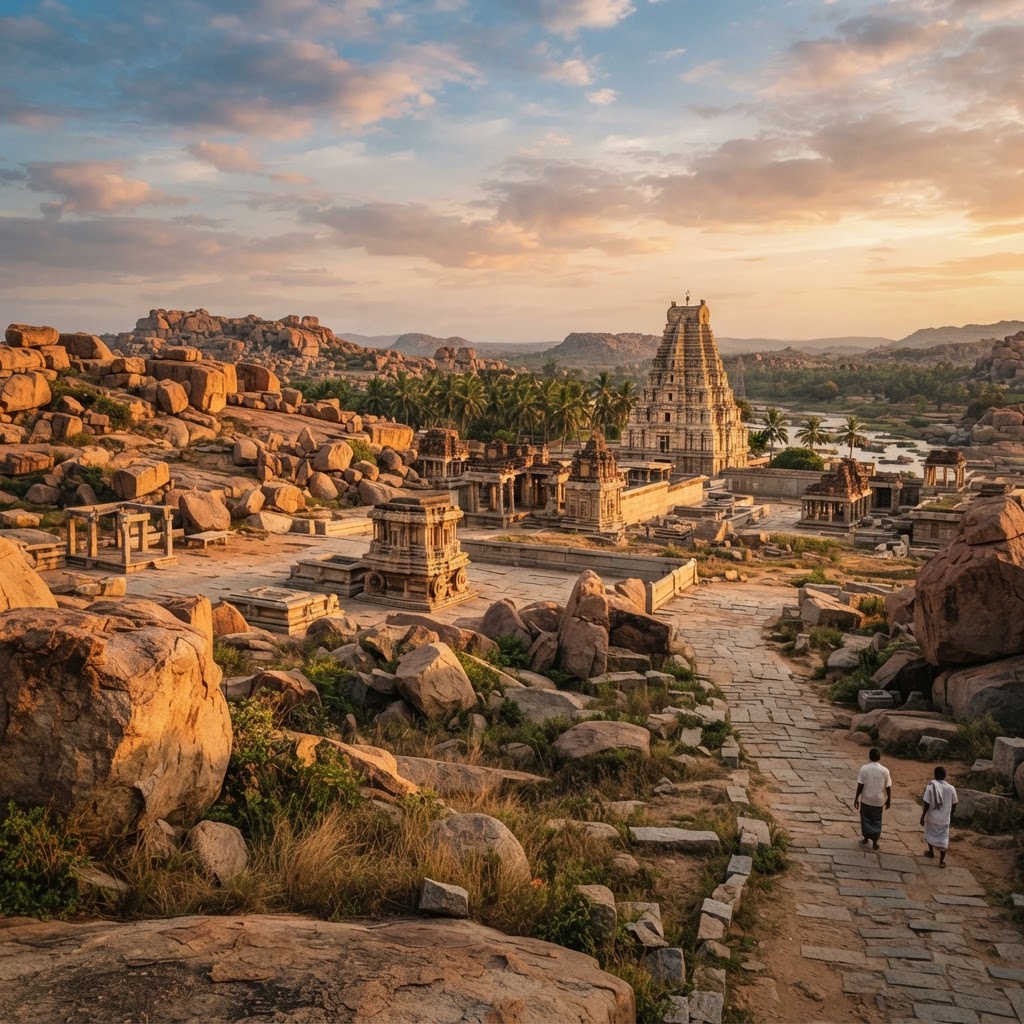
A surreal expanse of granite boulders and ruined 14th-century Vijayanagara imperial monuments
Manali, Himachal Pradesh
India
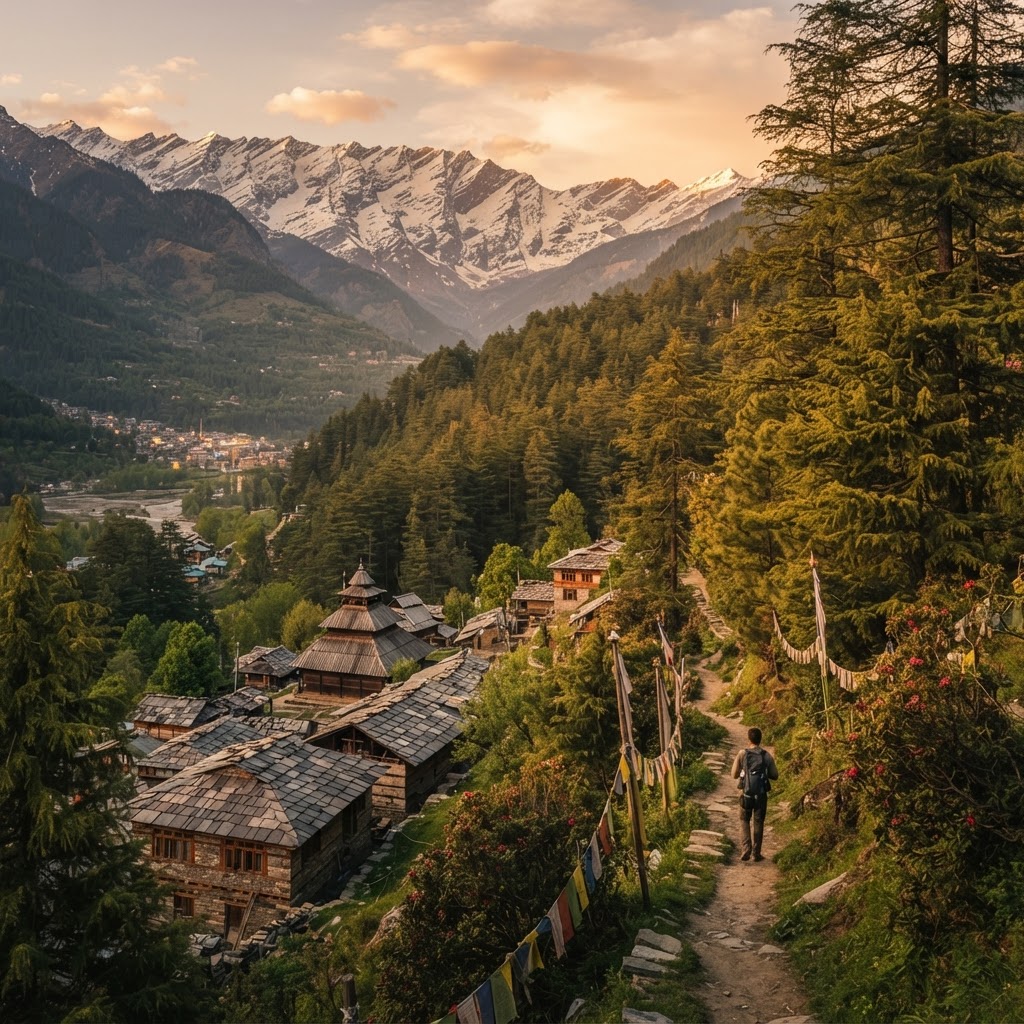
Beyond Mall Road gridlock lies pine-forested alpine trails and Himalayan high-pass gateways.
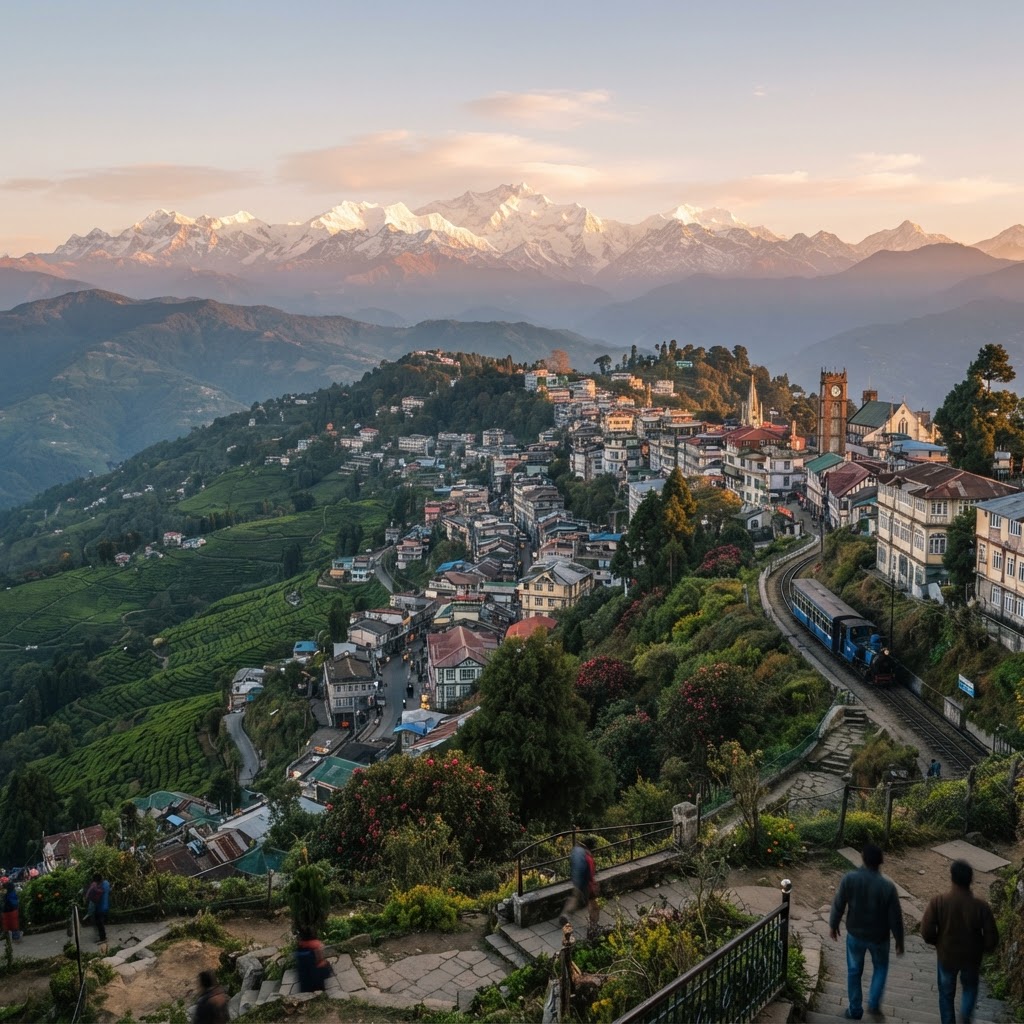
Darjeeling, West Bengal, India
India
Steep colonial ridge lines, first-flush tea estates, and dawn views of Kangchenjunga.
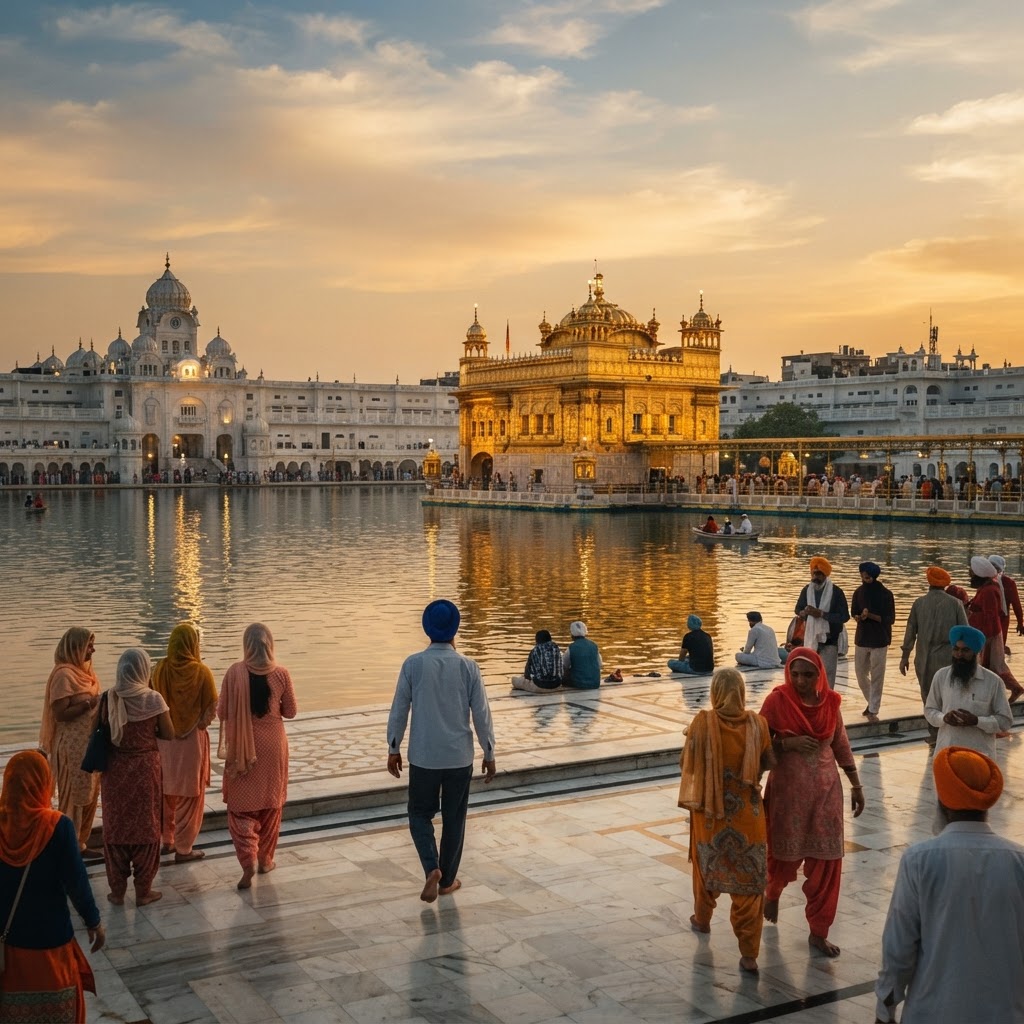
Amritsar, Punjab, India
India
The spiritual heart of Punjab, forged in sacred tradition, profound history, and unbeatable culinary culture.
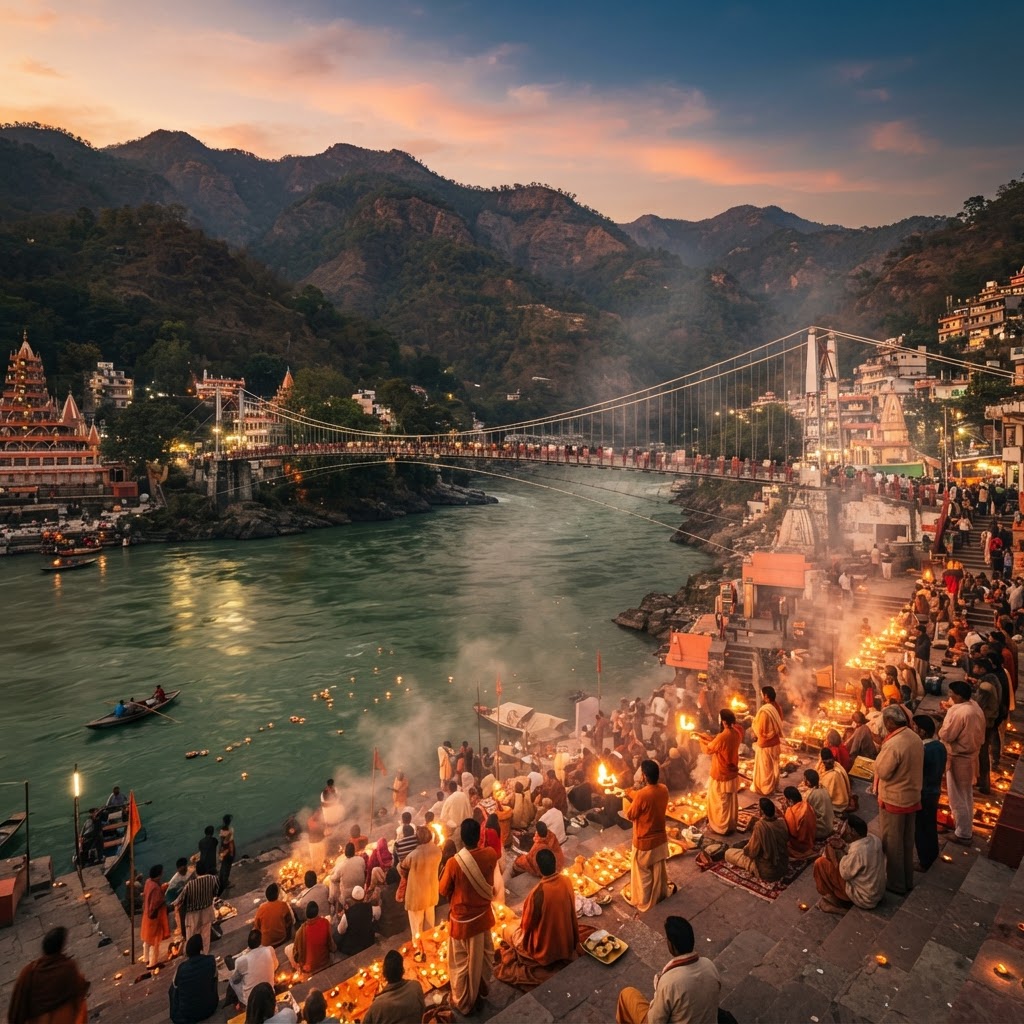
Rishikesh
India
Where Himalayan whitewater meets evening ashram chants on the Ganges
Readymade itineraries
Start from a tested template — then make it yours.
Ready to book
Lock in your Jodhpur, India trip
Everything in one place. We may earn a small commission — it never costs you more.
Plan a trip to Jodhpur, India
Pick a length and we'll build a day-by-day plan around how you travel — neighborhoods clustered, budget-aware, and editable.
Get better at planning trips like this
Occasional notes on planning smarter — no spam, unsubscribe anytime.
Plan a trip to Jodhpur, India
Turn this guide into a day-by-day plan built around your pace, your group, and your budget.
Build my Jodhpur, India trip