India
Jaisalmer, India
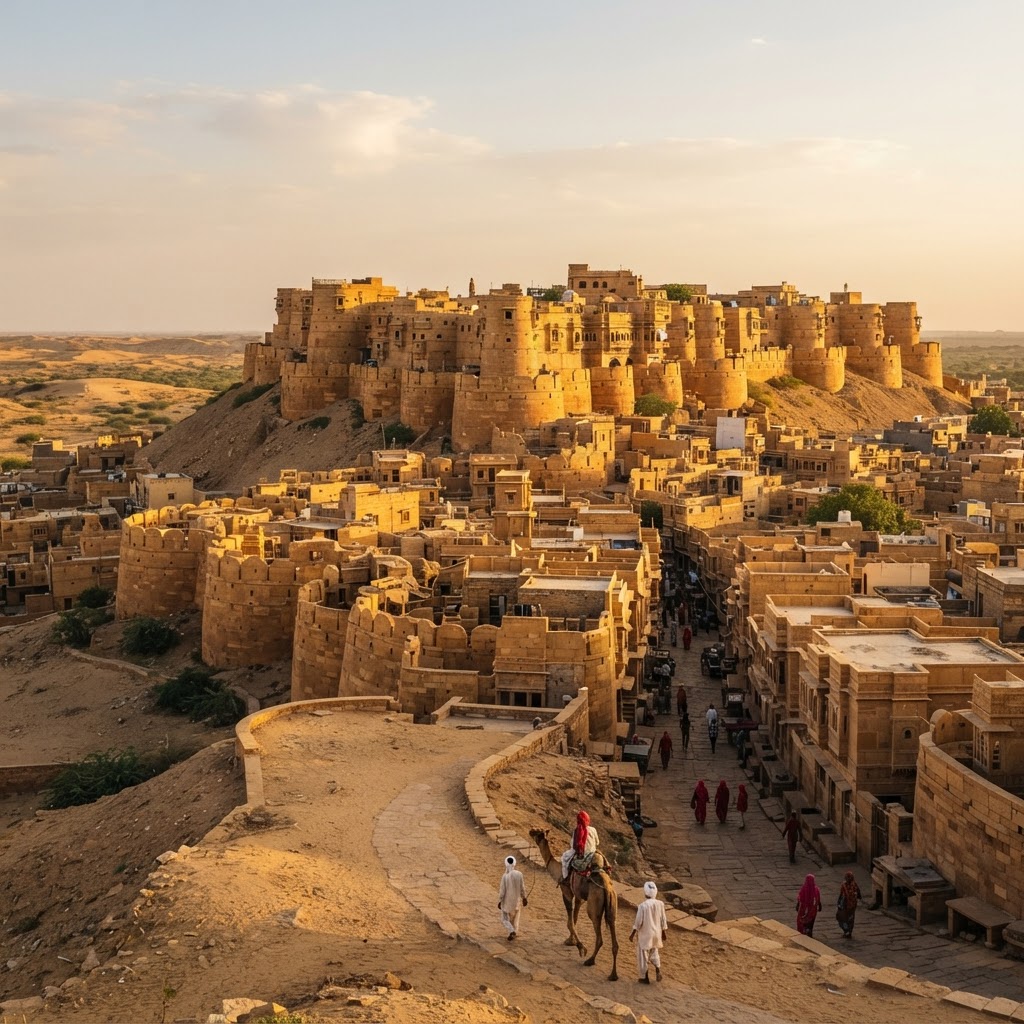
A golden sandstone citadel anchored on the edge of the Thar Desert.
Plan & book
Sort your Jaisalmer, India trip in one place.
We point you to the booking tools we'd actually use — live prices, no markup. Or let us build the day-by-day plan around you first, then book.
Perched on Trikuta Hill at the rim of the Thar Desert, Jaisalmer revolves around one of the world's few functioning 'living forts,' where multi-generational families, artisans, and temples operate within 12th-century defensive bastions. Beyond its golden sandstone architecture and merchant havelis, the city is Rajasthan's premier gateway to desert landscapes, though it demands deliberate discernment between authentic cultural encounters and over-commercialized dune camps.
3 days
Best time
November to February delivers crisp desert air, cold stargazing nights, and daytime sun mild enough for walking the bastions.
Build your own trip with these prebuilt itineraries
Each one is a tested, day-by-day plan for Jaisalmer, India — start here, then make it yours.
5 Days in Jaisalmer: Thar Desert Expeditions & Ghost Villages in Jaisalmer
Slower-paced deep dive exploring regional folklore, Kuldhara ruins, Bada Bagh cenotaphs, and ethical deep-dune safaris
3 Days in Jaisalmer: Living Fort to Thar Stargazing in Jaisalmer
First-timer highlights combining the living fort, intricate havelis, and a peaceful desert overnight
2 Days in the Golden City: Heritage, Havelis & Culinary Traditions in Jaisalmer
Concentrated cultural immersion focused on walkable living history, sandstone architecture, and Rajasthani cuisine
Jaisalmer delivers an urban and architectural texture fundamentally distinct from Jaipur or Udaipur. Its yellow sandstone edifices shift from soft cream at midday to brilliant amber by sunset, and its monumental fort is not a fenced museum but an inhabited urban core filled with 15th-century Jain temples. For travelers eager to experience the Thar's arid majesty without embarking on week-long camel caravans, Jaisalmer is the cultural benchmark.
Where to stay
Getting there
Getting around
Food & drink
What it costs
Things to do
Book tours & tickets in Jaisalmer, IndiaSkip it if
Skip Jaisalmer if your India itinerary is already tight (under 10 days) and struggling to fit Rajasthan's Golden Triangle—the transit detour to India's western tip eats a full day each way. Travelers with mobility limitations will also find the fort's steep, cobblestone grades and haveli staircases physically demanding.
When to go
Desert winters spare you the brutal Thar heat, but December and January bring peak domestic holiday crowds and steep luxury tent surcharges. Visiting in November or February secures comfortable temperatures (10–25°C) alongside moderate pricing and thinner queues at the havelis.
Peak (October to March)
Crisp desert nights dropping to 8°C and clear, sunlit days ideal for walking. Expect fully booked boutique havelis and crowded dune camps around New Year's and the February Desert Festival.
Shoulder (September & April)
September brings post-monsoon freshness with lingering humidity; April heats up dramatically past 38°C midday, though hotel rates drop by 30 to 50 percent.
Low (May to August)
Intense desert heat consistently exceeding 42°C makes daytime exploration dangerous. Many desert camps close entirely until autumn.
Neighborhoods
Where you stay shapes the trip. Here's how to think about it.
Inside Jaisalmer Fort (Sonar Qila)
Maze-like living citadel buzzing with multi-generational families, historic stone bastions, and rooftop terraces overlooking the plains.
Best for:Atmosphere seekers and history enthusiasts who pack light and can navigate steep cobblestones.
Don't miss:The interconnected group of 7 intricately carved 15th-century Jain Temples before the midday tour groups arrive.
Old Town (Outside Fort Gates)
Atmospheric, walkable streetscapes lined with traditional stone houses, artisan bazaars, and merchant mansions.
Best for:First-timers, architecture buffs, and travelers wanting rooftop views of the illuminated fort ramparts without the luggage haul.
Don't miss:Patwon Ki Haveli, a sprawling cluster of five interconnected merchant residences featuring lacy jharokha balconies.
Gadisar Lake Quarter
Placid lakeside promenades framed by ornamental yellow-sandstone chhatris, shrines, and water gates.
Best for:Couples, photographers, and travelers looking for a quieter, open-air pocket just a 15-minute walk from the bazaars.
Don't miss:Rowing a paddleboat past the Tilon Ki Pol gateway at sunrise when migratory birds gather.
Khuri & Desert Dunes Rim
Wind-sculpted golden desert sands flanked by traditional mud-and-thatch village homesteads and quiet stargazing perches.
Best for:Stargazers, landscape photographers, and travelers prioritizing peaceful desert isolation over crowded tourist shows.
Don't miss:Ditching the high-volume resort circuit at Sam Dunes to watch dusk fall over the calmer, pristine rippled sand ridges of Khuri.
Destination intelligence
Updated 9/14/2026The structured record we plan every Jaisalmer, India itinerary from.
Walkability
High within the Old Town and Fort, though hilly, uneven, and shared with cows, bikes, and pedestrians. Outside the walls, auto-rickshaws are essential.
Transit quality
Limited. There is no urban metro; local public transport relies on auto-rickshaws, regional buses, and intercity passenger trains.
Car needed
Not required in town. A car with private driver is recommended only for day trips to Bada Bagh, Kuldhara, and the Thar desert dunes.
Ideal duration
3 days
Minimum useful
2 days
Peak season
October to March. Cool desert evenings (8–18°C) and pleasant daytime sun make exploring fort ramparts and dunes comfortable.
Shoulder season
September and April. September brings post-monsoon freshness with thinning heat; April is scorching midday but offers reduced rates.
Low season
May to August. Extreme desert summer with temperatures topping 40–45°C. Sightseeing midday is practically impossible.
Best for
Common mistakes
- Booking cheap, noisy commercial camps in the Sam Sand Dunes, where loud generator-fueled DJ nights drown out the desert tranquility.
- Visiting between late April and July, when desert temperatures routinely surpass 42°C (108°F), halting all daytime sightseeing.
- Rushing through on an exhausting day trip from Jodhpur; the 5-hour drive each way leaves zero energy to absorb the city at sunset.
- Taking unvetted camel safaris without verifying animal welfare practices, ethical treatment, and licensed local operators.
Best nearby
See what a trip to India actually costs. Travel Budget Co.
How to plan it
- Book a hotel in the Old Town rather than inside the fort walls to avoid dragging rolling luggage over steep cobblestones and to preserve the citadel's fragile foundations.
- Pair Jaisalmer with Jodhpur: break up the 5-hour drive between them by stopping at the Osian temple complex or Pokhran.
- Do not book a desert safari blindly at the train station; vet the camp beforehand to ensure they take you to quieter dunes beyond commercialized Sam.
- Reserve dinner at 1st Gate Home Fusion or a rooftop facing the fort 2 days ahead during December and January to catch the fort illuminated at twilight.
- Visit Bada Bagh royal cenotaphs either at sunrise or an hour before sunset when the sandstone glows amber and harsh midday shadows disappear.
Questions
More in India
Mysore (Mysuru)
India
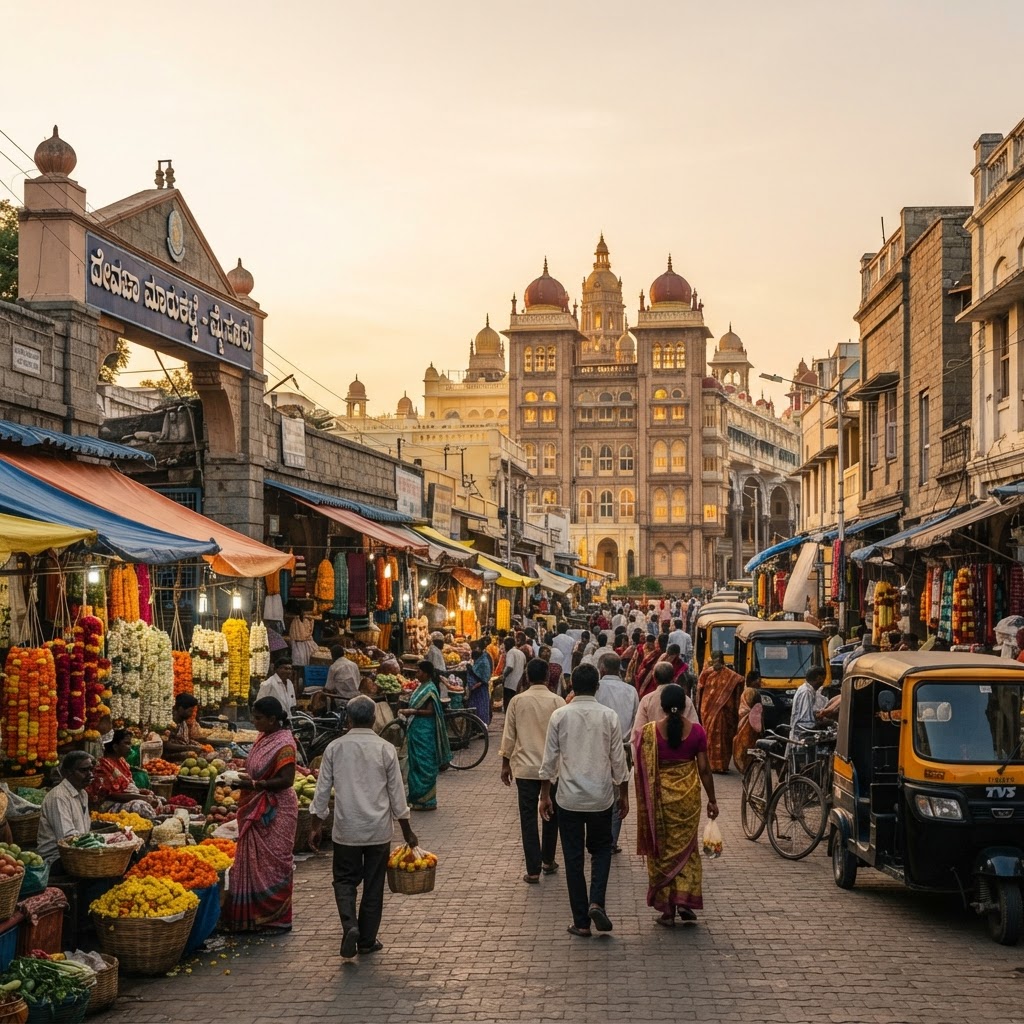
Wadiyar royal heritage, fragrant markets, and world-capital Ashtanga yoga minus metro sprawl.
Hampi, India
India
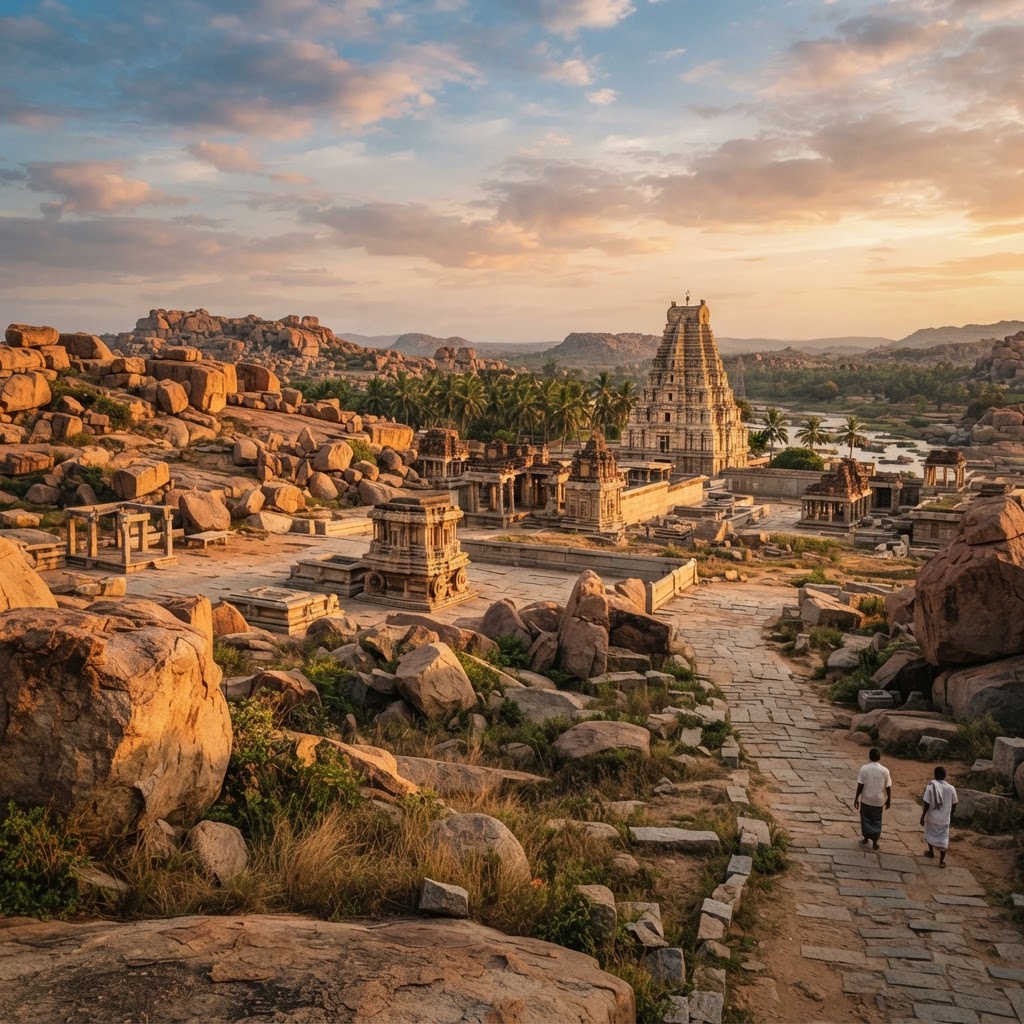
A surreal expanse of granite boulders and ruined 14th-century Vijayanagara imperial monuments
Manali, Himachal Pradesh
India
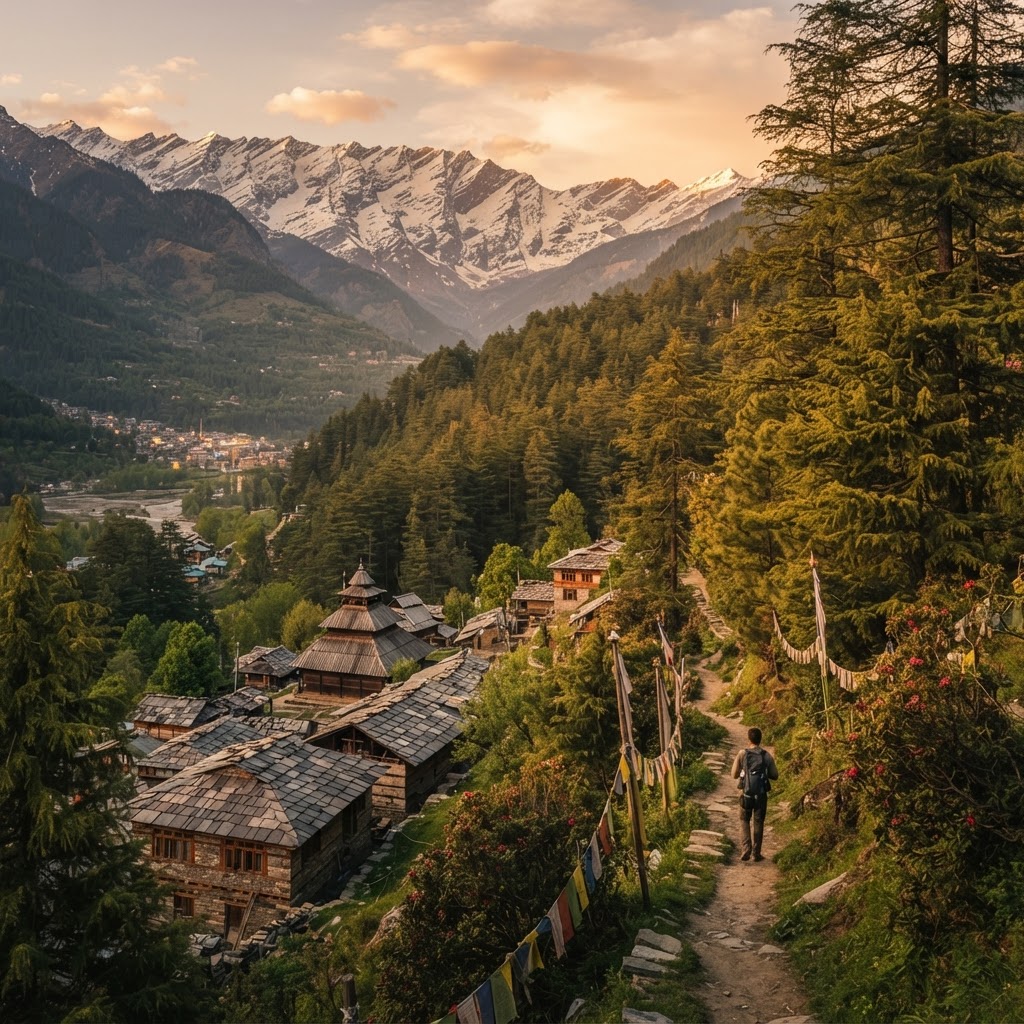
Beyond Mall Road gridlock lies pine-forested alpine trails and Himalayan high-pass gateways.
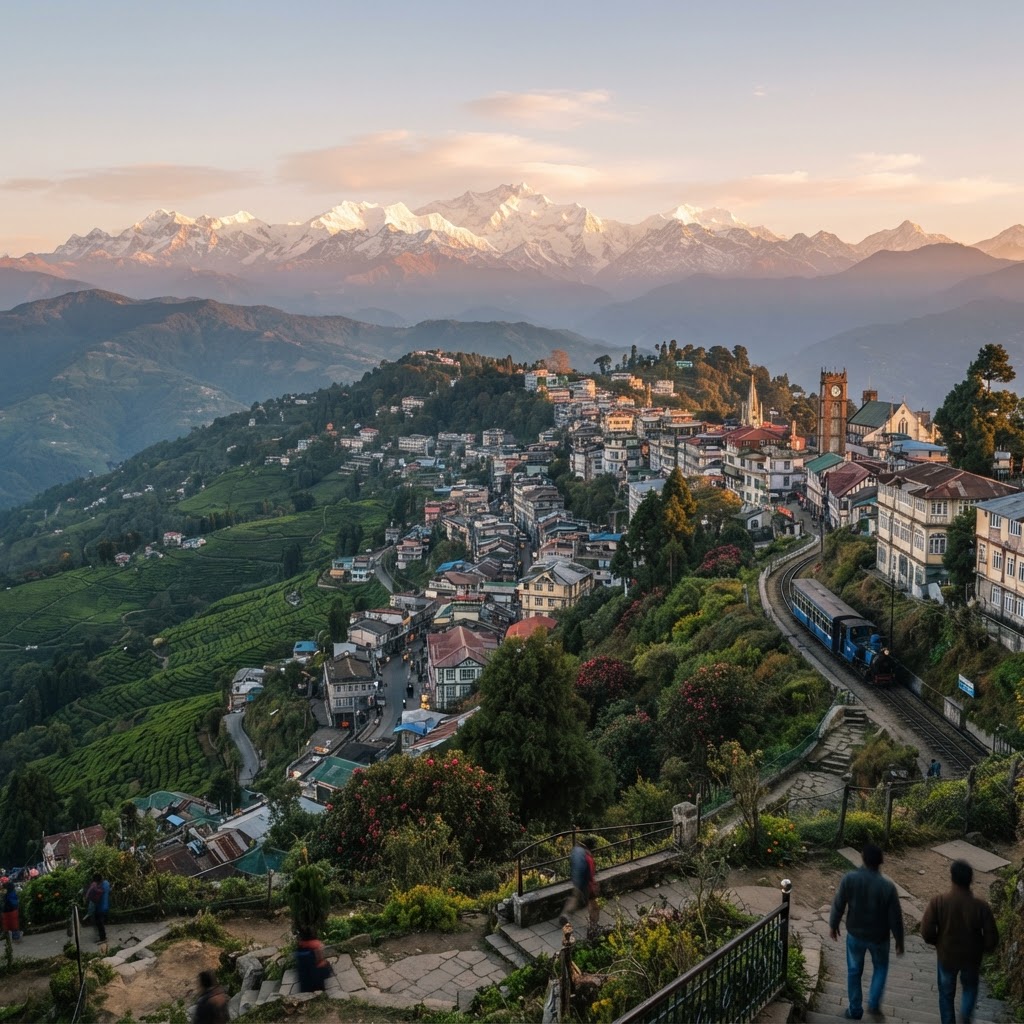
Darjeeling, West Bengal, India
India
Steep colonial ridge lines, first-flush tea estates, and dawn views of Kangchenjunga.
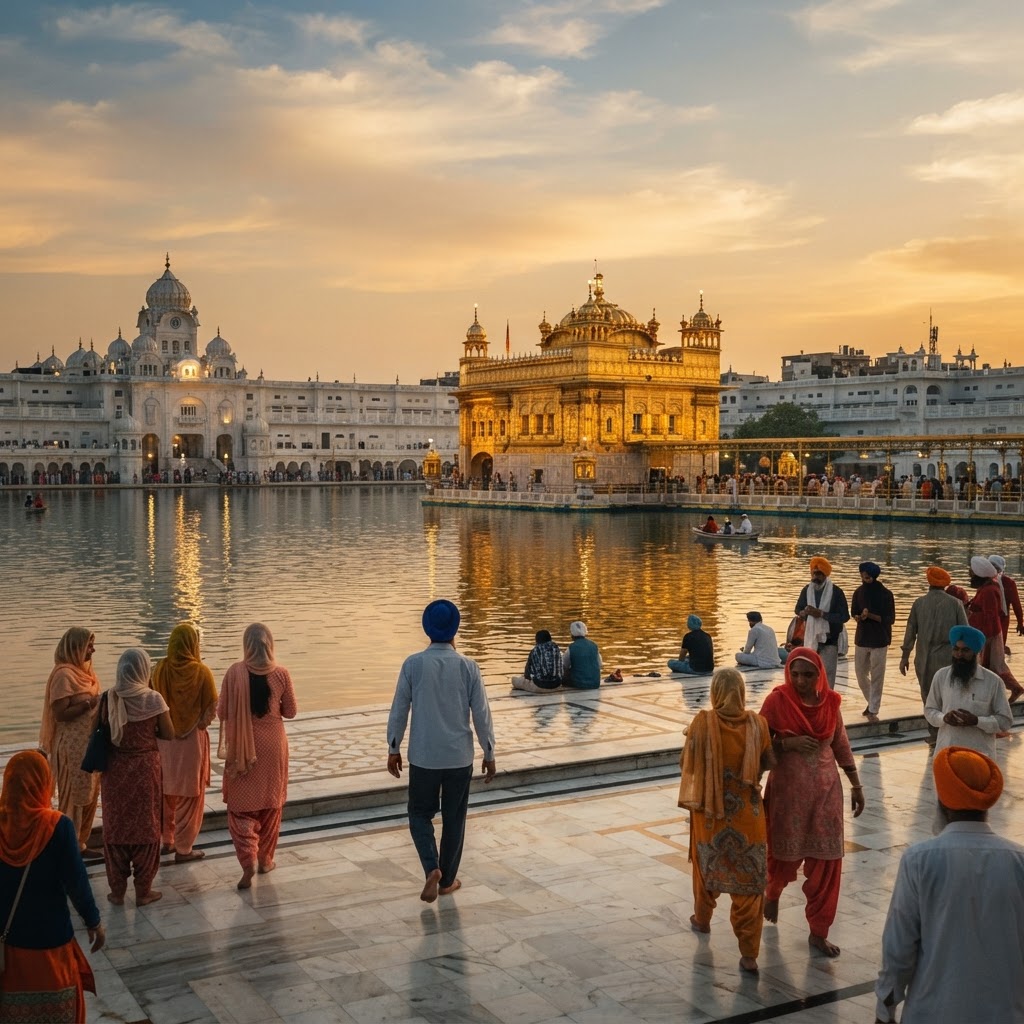
Amritsar, Punjab, India
India
The spiritual heart of Punjab, forged in sacred tradition, profound history, and unbeatable culinary culture.
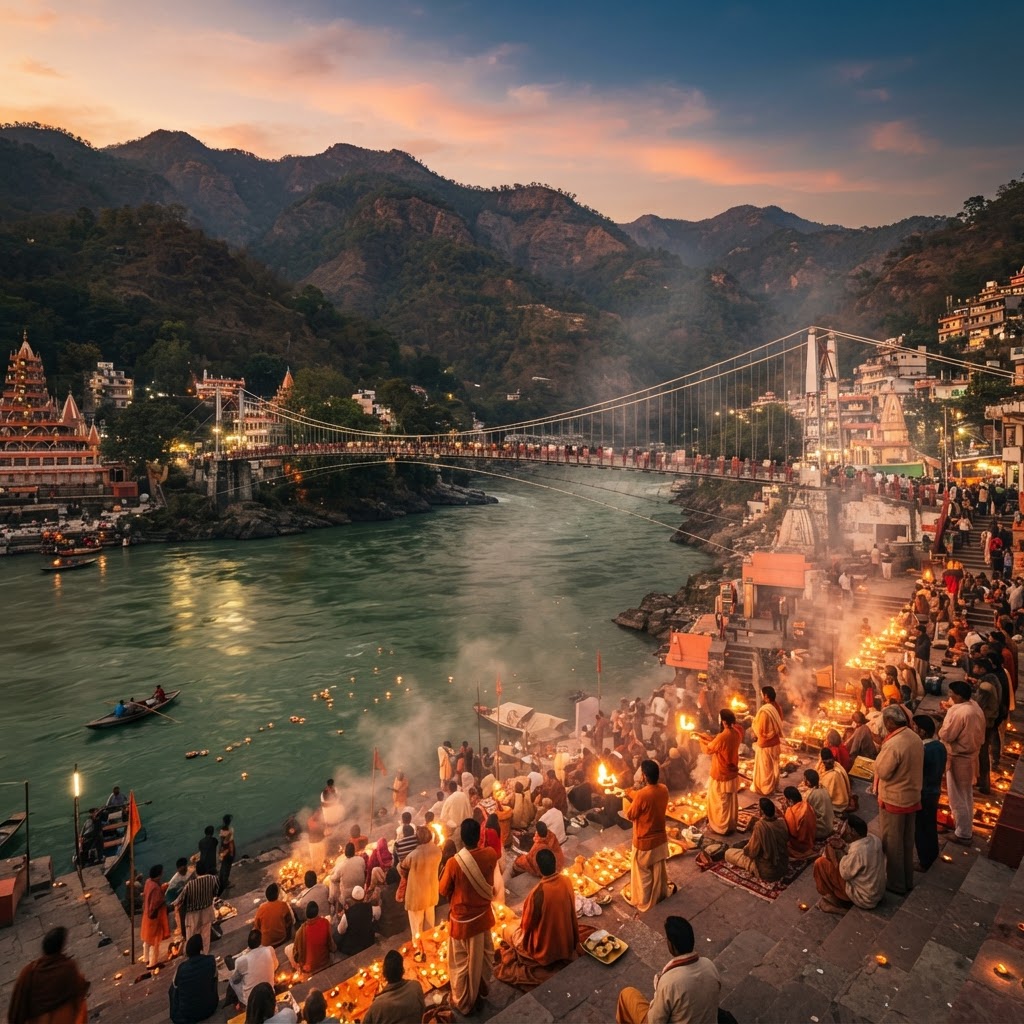
Rishikesh
India
Where Himalayan whitewater meets evening ashram chants on the Ganges
Readymade itineraries
Start from a tested template — then make it yours.
Ready to book
Lock in your Jaisalmer, India trip
Everything in one place. We may earn a small commission — it never costs you more.
Plan a trip to Jaisalmer, India
Pick a length and we'll build a day-by-day plan around how you travel — neighborhoods clustered, budget-aware, and editable.
Get better at planning trips like this
Occasional notes on planning smarter — no spam, unsubscribe anytime.
Plan a trip to Jaisalmer, India
Turn this guide into a day-by-day plan built around your pace, your group, and your budget.
Build my Jaisalmer, India trip