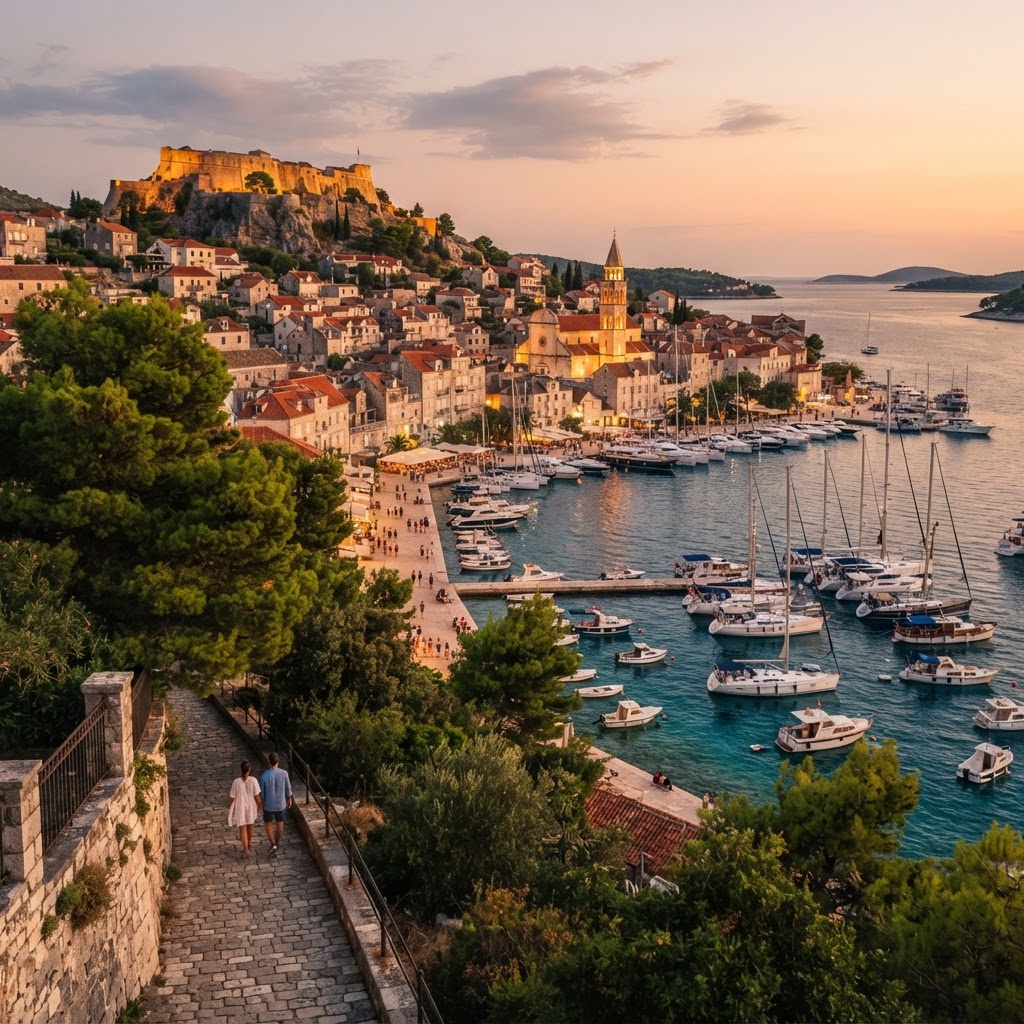
Croatia
Hvar
Venetian limestone, maritime pine coves, and world-class Adriatic sailing.
Plan & book
Sort your Hvar trip in one place.
We point you to the booking tools we'd actually use — live prices, no markup. Or let us build the day-by-day plan around you first, then book.
Hvar occupies a rare niche in the Adriatic: half glamorous yachting crossroads framed by Venetian palaces, half sun-baked agricultural refuge of lavender terraces, steep vineyards, and quiet stone hamlets. While July and August bring an energetic late-night harbor crowd, the true character of the island reveals itself on the pine-fringed coastal walking paths, the secluded pebbled coves of the southern shore, and the tranquil waterfront promenades of Stari Grad and Jelsa.
4 to 5 days
Best time
Mid-May to June and September to early October
Build your own trip with these prebuilt itineraries
Each one is a tested, day-by-day plan for Hvar — start here, then make it yours.
7 Days in Hvar: Slower Living & Coastal Adventure in Hvar
Active and relaxed pace featuring sea kayaking, coastal hiking, tranquil northern fishing harbors, and deep dives into ancient Greek UNESCO heritage
5 Days in Hvar: Island Road Trip & Wine Country in Hvar
Comprehensive island exploration combining Hvar Town glamour with a rental car to discover Stari Grad, Jelsa wineries, inland lavender villages, and southern coves
3 Days in Hvar: Historic Highlights & Pakleni Islands in Hvar
Car-free first timer focus on Hvar Town Venetian landmarks, coastal walks, and day-tripping the Pakleni archipelago by water taxi
Hvar delivers the pinnacle of Dalmatian island culture. It pairs dramatic 16th-century fortress viewpoints and high-end seafood dining with immediate access to pristine sailing routes around the Pakleni Islands. Beyond the harbor town, the island is threaded with ancient olive groves, UNESCO-protected plains, and dramatic coastal cliffs that reward travelers willing to leave the party strip behind.
Where to stay
Getting there
Getting around
Food & drink
What it costs
Things to do
Book tours & tickets in HvarSkip it if
Skip Hvar if you have severe mobility limitations, as both the historic center and coastal beaches involve countless steep stone stairs and rocky access paths. Also skip it in July and August if you cannot tolerate energetic nightlife and bustling harbor crowds, unless you base yourself entirely on the northern side in Stari Grad or Jelsa.
When to go
Shoulder months deliver daytime highs around 22–26°C and warm swimming water without July and August's inflated hotel tariffs, packed catamarans, and throbbing Riva nightlife crowds.
Peak (July to August)
Scorching temperatures topping 32°C, lively marina yacht parties, maxed-out hotel pricing, and mandatory advance bookings for catamarans and beach beds.
Shoulder (May to June & September to October)
The sweet spot: sea temperatures remain swimmable, restaurants and ferries run full schedules, and coastal walking trails are comfortable under manageable sunshine.
Low (November to April)
Most seaside konobas, beach bars, and boutique hotels close down; public catamarans run on skeletal winter timetables suited only to introspective writers and road cyclists.
Neighborhoods
Where you stay shapes the trip. Here's how to think about it.
Hvar Town (Stari Grad Hvar)
Limestone promenades, late-night Riva energy, and yacht marina buzz backed by Gothic-Renaissance palaces.
Best for:First-timers, nightlife lovers, and active island-hoppers who prioritize walkability and direct water taxi links.
Don't miss:The steep morning stair-climb to the Spanish Fortress (Fortica) for panoramic views over the harbor and Pakleni archipelago before midday heat sets in.
Stari Grad
Low-slung, atmospheric stone alleys, sleepy courtyards, and tranquil harbor dining steeped in 2,400 years of antiquity.
Best for:Couples, slow-travelers, and culture enthusiasts seeking quiet konobas away from the late-night dance scene.
Don't miss:Tvrdalj Castle, the 16th-century fortified summer villa of poet Petar Hektorović, complete with its seawater fishpond and walled Renaissance gardens.
Jelsa
Unpretentious fishing harbor rimmed with pine groves, gentle family swimming beaches, and authentic local wine cellars.
Best for:Families, relaxed retreats, and wine lovers looking for a calmer, self-contained seaside village base.
Don't miss:Tasting indigenous Bogdanuša and Plavac Mali varietals in the stone tasting cellars around Trg Hrvatskog Preporoda.
Vrboska
Quiet, canal-threaded inlet dubbed 'Little Venice', flanked by stone footbridges and working fishing boats.
Best for:Water-sports fans, cyclists, and couples who want coastal trails, windsurfing, and zero tourist clamor.
Don't miss:The 16th-century Church-Fortress of St. Mary of Mercy, built to defend the town against Ottoman fleet incursions.
Ivan Dolac & Sveta Nedilja
Sun-scorched southern coastal drama, sheer limestone cliffs dropping into deep turquoise water, and vertigo-inducing vineyards.
Best for:Adventurous road-trippers, climbers, and secluded beach seekers equipped with their own rental car.
Don't miss:Negotiating the narrow, one-lane stone tunnel of Pitve to reach the sheer Plavac Mali hillside vineyards and swimming off cliffside platforms.
Destination intelligence
Updated 9/14/2026The structured record we plan every Hvar itinerary from.
Walkability
High within town centers; challenging elevation. Hvar Town is completely walkable on foot but filled with long limestone staircases. Coastal trails are pedestrian-friendly, but reaching outer beaches requires water taxis, scooters, or cars.
Transit quality
Moderate. Island buses run several times daily between Hvar Town, Stari Grad, and Jelsa, aligned with main ferry arrivals. Water taxis offer efficient, frequent access to the Pakleni archipelago throughout the day.
Car needed
Not required if staying within Hvar Town and using catamarans and water taxis. Highly recommended for 1–2 days if you plan to explore remote southern coves, inland lavender villages, and northern coastal towns.
Ideal duration
4 to 5 days
Minimum useful
2 days
Peak season
July to August: High heat (30°C+), packed beach clubs, vibrant nightlife, premium lodging rates, and lively marinas.
Shoulder season
May to June and September to October: Ideal 22–27°C weather, warm sea temperatures, open restaurants, dramatically fewer crowds, and accessible ferry booking.
Low season
November to April: Cool and quiet. Most beach bars, seasonal restaurants, and boutique hotels close; public passenger catamarans operate on reduced winter timetables.
Best for
Common mistakes
- Never leaving Hvar Town and assuming the entire island is purely a crowded beach-club party scene.
- Bringing a rental car on the passenger catamaran instead of the Stari Grad vehicle ferry, or renting a large SUV that cannot navigate narrow village lanes.
- Wearing thin flip-flops on the smooth, polished limestone alleys and steep stone stairways.
- Failing to pre-book summer catamarans between Split, Hvar, and Dubrovnik, which routinely sell out days in advance.
Best nearby
How to plan it
- Base yourself in Hvar Town if you want immediate access to Pakleni water taxis and vibrant dining without driving; stay in Stari Grad or Jelsa if you favor quiet nights and konoba culture.
- Rent a small open motorboat directly from the Hvar Town harbor for a self-steered Pakleni Islands crossing—most local liveries do not require a formal license for modest engines if you have basic maritime common sense.
- Don't try to cram Hvar Town, the Blue Cave on Biševo, and Stari Grad into a single day; the offshore open-sea tours take 7–8 hours and leave you zero daylight to explore Hvar Island itself.
- Pair Hvar with Korčula or Vis via the inter-island passenger catamarans rather than backtracking through Split.
- Reserve dinner at inland peka spots (like Konoba Menego in town or Konoba Koba in Dubovica bay) at least 24 hours in advance so the octopus or veal can slow-roast under the iron bell for several hours.
Questions
More in Croatia
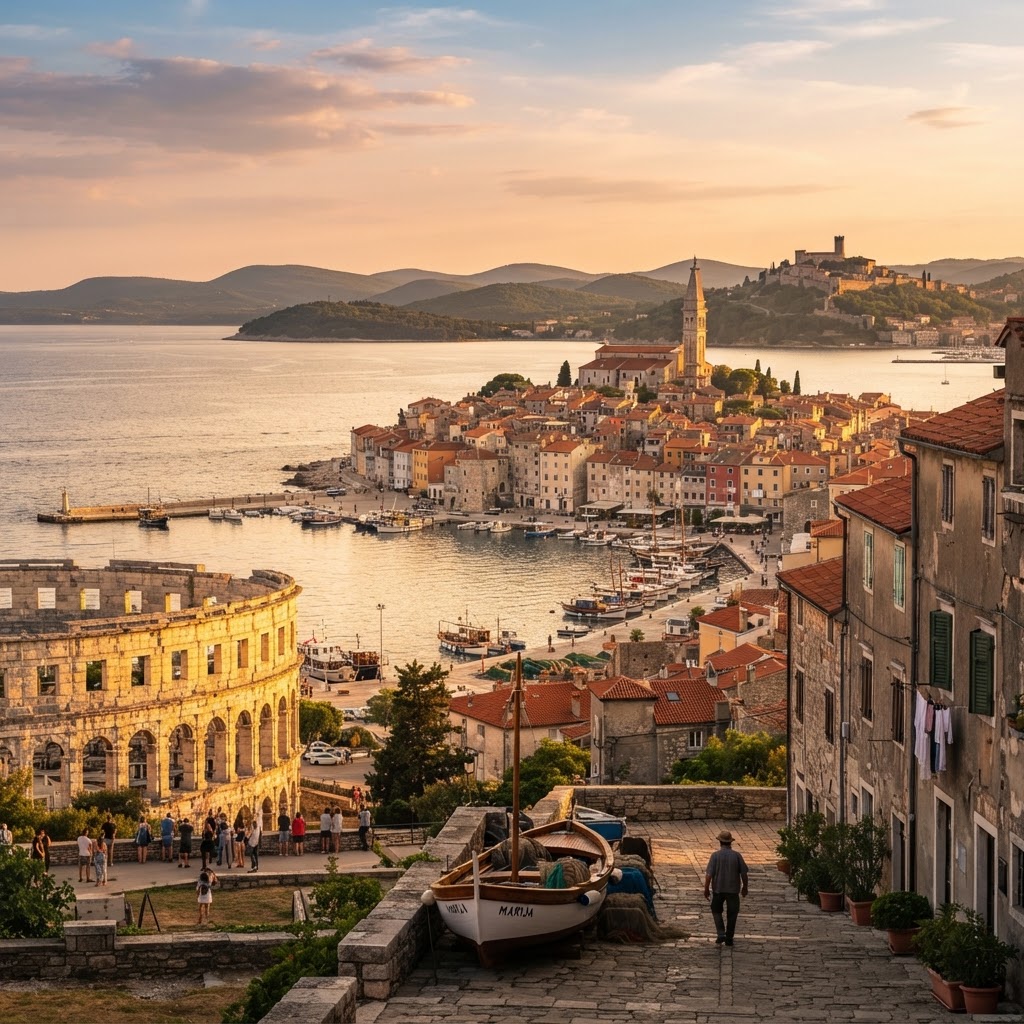
Istria
Croatia
Venetian fishing ports, Roman amphitheatres, and truffle-scented interior hill towns.
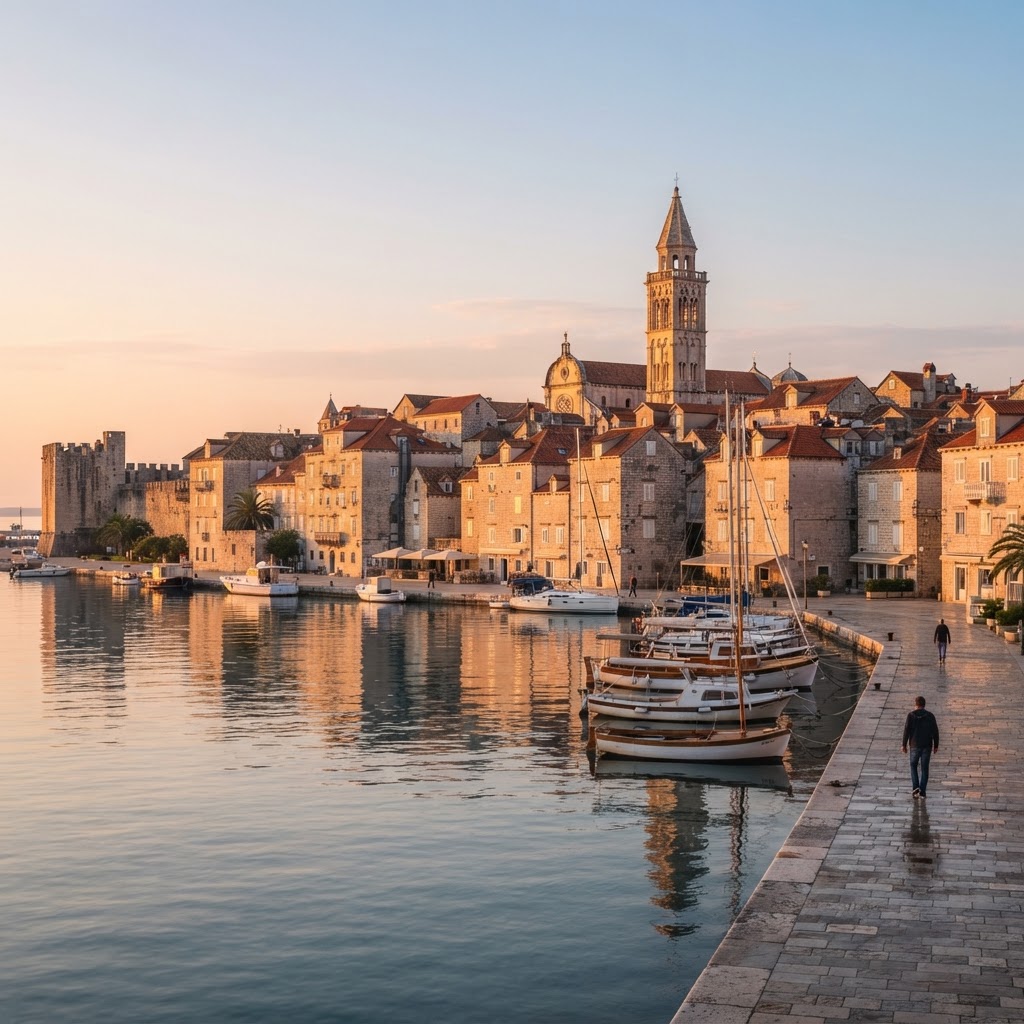
Trogir, Croatia
Croatia
A compact UNESCO-listed island fortress with Venetian stone, quiet mornings, and easy Adriatic access.
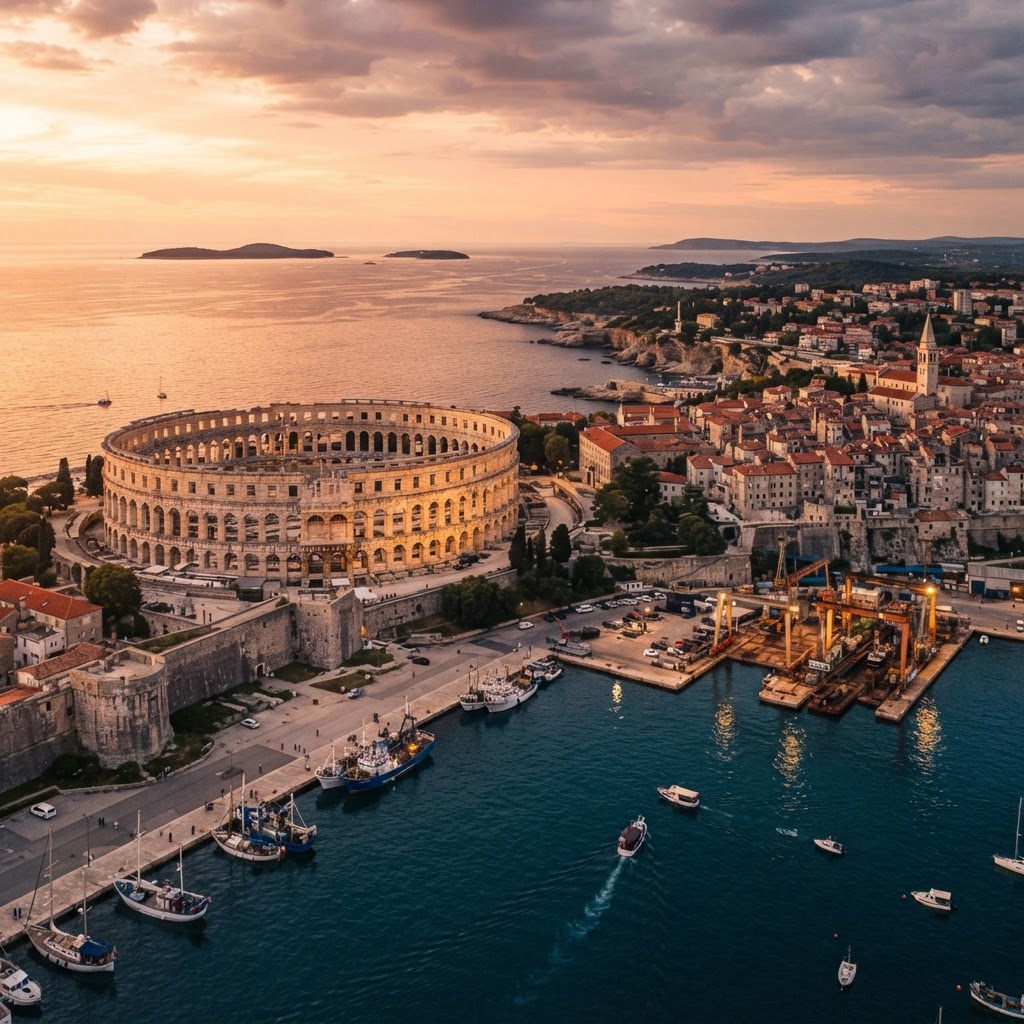
Pula, Croatia
Croatia
Roman engineering, rugged coves, and working-port authenticity anchor Istria's southern tip.
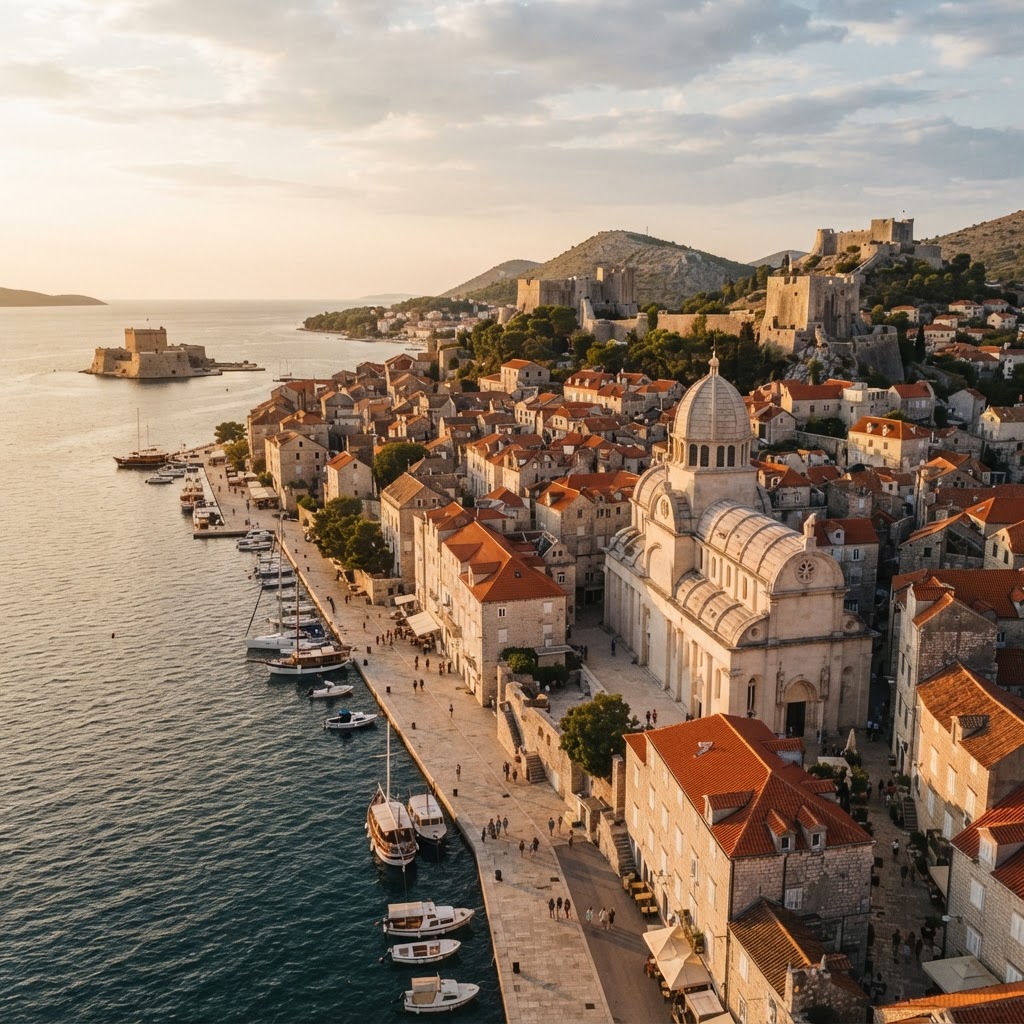
Šibenik
Croatia
Two UNESCO monuments, four Venetian fortresses, and zero cruise ship throngs.
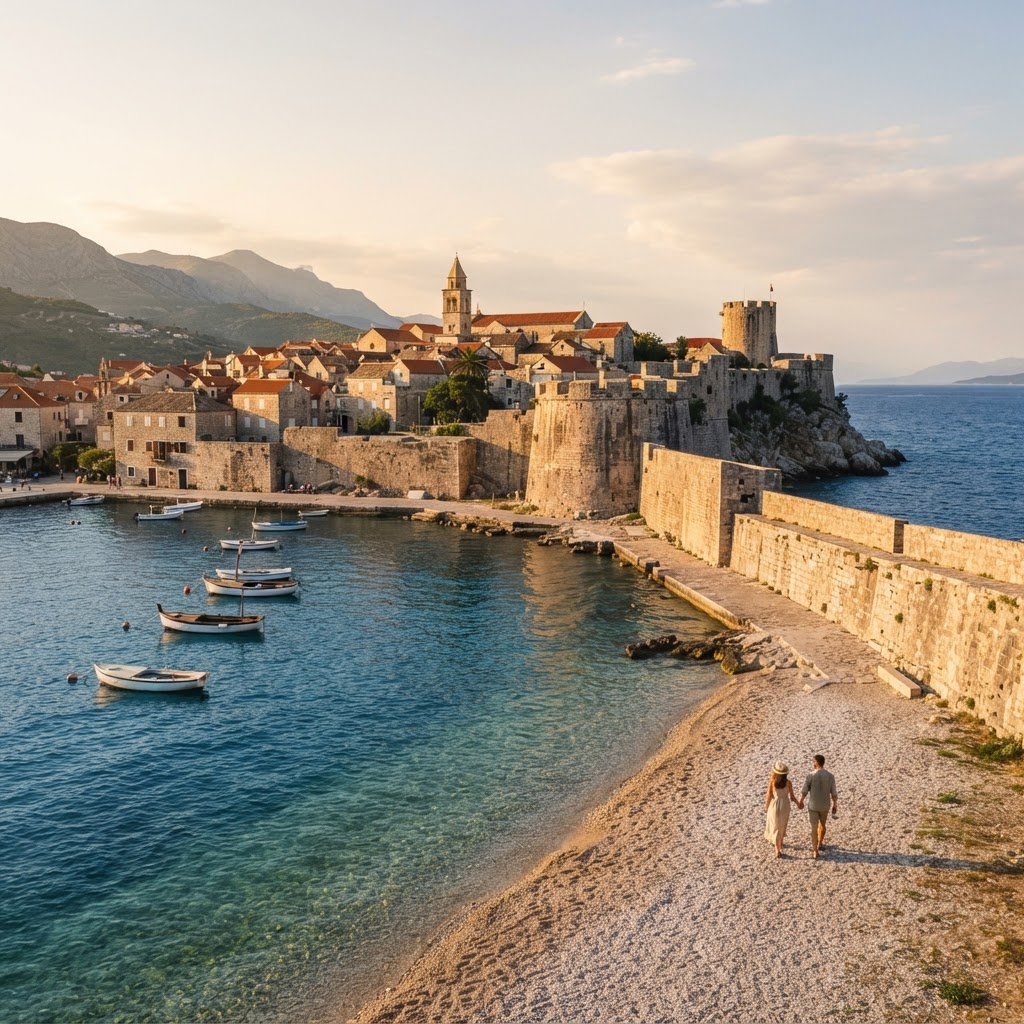
Korčula, Croatia
Croatia
Venetian stone ramparts, hyper-local indigenous wines, and secluded pebble coves without Hvar's party scene.
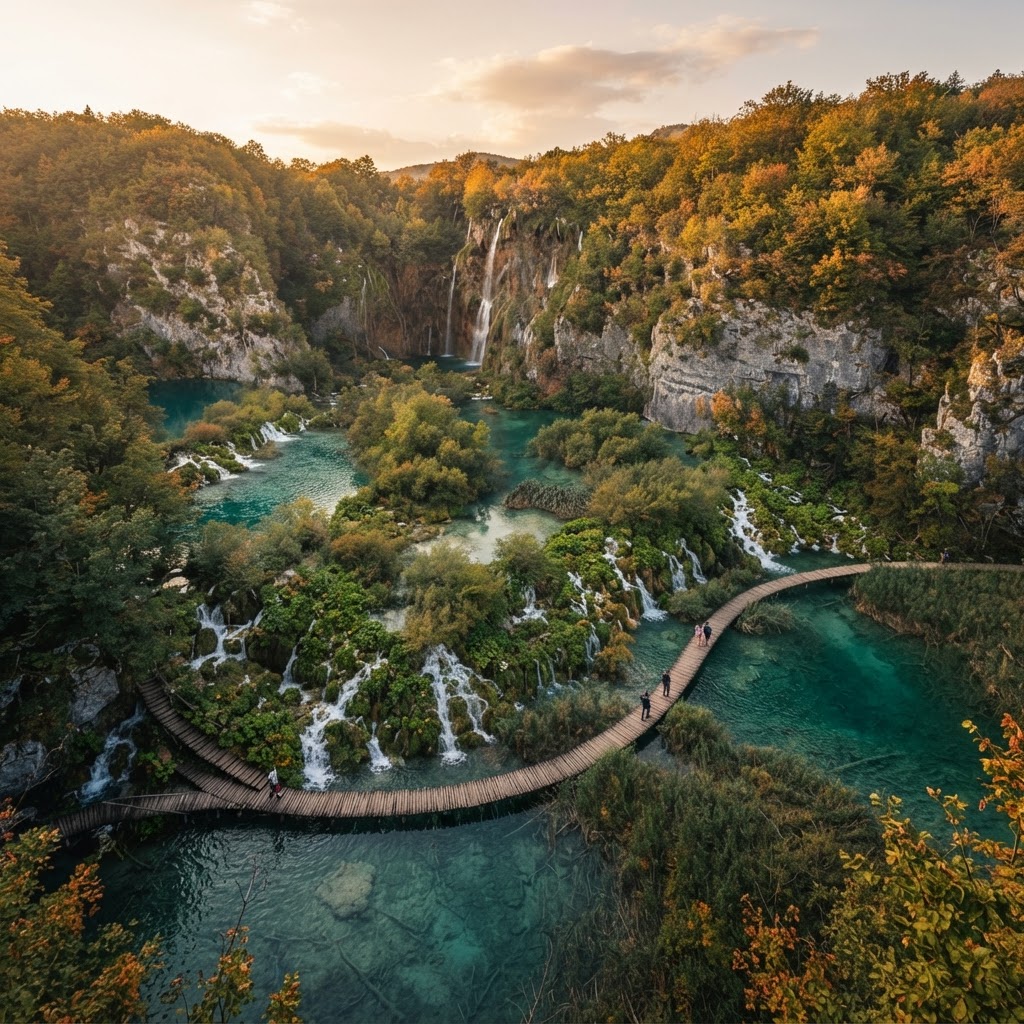
Plitvice Lakes
Croatia
Sixteen stepped travertine basins, cascading falls, and raw karst landscape.
Readymade itineraries
Start from a tested template — then make it yours.
Ready to book
Lock in your Hvar trip
Everything in one place. We may earn a small commission — it never costs you more.
Plan a trip to Hvar
Pick a length and we'll build a day-by-day plan around how you travel — neighborhoods clustered, budget-aware, and editable.
Get better at planning trips like this
Occasional notes on planning smarter — no spam, unsubscribe anytime.
Plan a trip to Hvar
Turn this guide into a day-by-day plan built around your pace, your group, and your budget.
Build my Hvar trip