
Italy
Florence
The cradle of the Renaissance packed into a walkable open-air museum.
Plan & book
Sort your Florence trip in one place.
We point you to the booking tools we'd actually use — live prices, no markup. Or let us build the day-by-day plan around you first, then book.
Florence concentrates more monumental Renaissance art and architectural ambition per square meter than any city on earth. Built along the Arno and framed by Tuscan hills, it operates as both an intimate living neighborhood and a world-class cultural capital. While intense visitor density can overwhelm the central corridor between the Duomo and the Uffizi, crossing the river or stepping just ten minutes off the primary spine reveals a deeply textured local life anchored by historic bottegas, spirited piazza aperitivi, and hearty Tuscan cooking.
4 days
Best time
Mid-March to April or late October to early November for crisp walking weather and humane museum crowds.
Build your own trip with these prebuilt itineraries
Each one is a tested, day-by-day plan for Florence — start here, then make it yours.
2 Days in Florence for First-Time Visitors
2 days in florence first time
3 Days in Florence for Art Lovers
florence art itinerary uffizi accademia
4 Days in Florence with Tuscany Day Trips
florence tuscany day trips itinerary
3 Days in Florence for Food & Wine
florence food wine itinerary
Florence is the epicenter of the Italian Renaissance, offering immediate proximity to defining masterworks by Michelangelo, Brunelleschi, and Botticelli within a compact, easily walked footprint. Beyond the monumental museum corridors, it serves as the culinary and transit hub of Tuscany, granting effortless access to historic wine bars, artisanal leather workshops, and regional train lines linking medieval hill towns.
Where to stay
Getting there
Getting around
Food & drink
What it costs
Things to do
Book tours & tickets in FlorenceSkip it if
Skip staying overnight if your main goal is exploring the remote rural vineyards and dirt roads of the Val d'Orcia or Chianti—base directly in a Tuscan countryside agriturismo instead to avoid city traffic and parking logistics. Travelers who detest dense pedestrian crowds or require total tranquility should avoid Florence during peak summer.
When to go
Summer in the Arno basin turns suffocatingly hot and fills the narrow stone streets with peak cruise and tour groups. Late fall and early spring preserve outdoor cafe culture while letting you view Giotto and Botticelli without three-deep museum scrums.
Peak (May–September)
High room rates, suffocating 35°C (95°F) stone heat in July/August, and mandatory months-in-advance museum bookings.
Shoulder (March–April & October–early November)
Pleasant walking temps, brisk evenings, and vibrant restaurant life; Easter week spikes briefly to peak levels.
Low (Late November–February)
Cold, damp drizzle and shorter daylight, but rock-bottom luxury hotel rates and empty galleries outside the holiday weeks.
Neighborhoods
Where you stay shapes the trip. Here's how to think about it.
Oltrarno (Santo Spirito & San Frediano)
Artisan workshops, vibrant evening aperitivo piazzas, and authentic neighborhood life across the river.
Best for:Repeat visitors, couples, food lovers, and travelers staying 3+ days
Don't miss:Pre-dinner spritz in Piazza Santo Spirito followed by browsing the antique and leather studios along Via Maggio.
Santa Croce & Sant'Ambrogio
Energetic, walkable blend of historic architecture, working-class food markets, and student-friendly enotecas.
Best for:First-timers wanting central sights without tourist-bubble sterile pricing
Don't miss:The morning produce and tripe stalls at Mercato di Sant'Ambrogio, followed by the Giotto frescoes in the Basilica di Santa Croce.
San Giovanni (Duomo Core)
High-octane Renaissance grandeur dominated by dense tourist corridors and monumental marble facades.
Best for:Fast 24-hour stopovers wanting every headliner within a 5-minute radius
Don't miss:Early morning access to Museo dell'Opera del Duomo before tour groups choke the square.
Santa Maria Novella
Practical transit-hub edge transitioning toward manicured riverfront squares and upscale boutique hotels.
Best for:Travelers using Florence as a day-trip rail hub for Tuscany or Bologna
Don't miss:The 14th-century pharmacy Officina Profumo-Farmaceutica di Santa Maria Novella on Via della Scala.
San Marco & Santissima Annunziata
Quieter, slightly academic residential streets featuring wide porticoed piazzas and lower room rates.
Best for:Budget-conscious travelers, families wanting quiet nights, and museum purists
Don't miss:Fra Angelico's quiet monastic cell frescoes inside the Museo Nazionale di San Marco.
Destination intelligence
Updated 9/14/2026The structured record we plan every Florence itinerary from.
Walkability
Exceptional. The historic core measures roughly 2 kilometers across; nearly every primary sight, dining hub, and cultural institution is reachable on flat cobblestone streets in under 25 minutes.
Transit quality
Good. High-speed rail connections at Santa Maria Novella are stellar, supplemented by modern airport tram lines (T1 and T2) and local city buses for outlying areas.
Car needed
Not recommended and actively counterproductive. The historic center is protected by strict ZTL camera enforcement, street parking is non-existent, and pedestrian traffic dominates.
Ideal duration
4 days
Minimum useful
2 days
Peak season
May through September. Characterized by high heat, soaring accommodation rates, and heavy tourist density along the Duomo-to-Ponte Vecchio corridor.
Shoulder season
March to April and October to early November. The best balance of comfortable walking weather, manageable crowds, and operational outdoor dining.
Low season
Late November through February (excluding Christmas and New Year). Low hotel rates and quiet museum halls, though days are shorter and temperatures can feel crisp and damp.
Best for
Common mistakes
- Failing to pre-book timed admission tickets for the Uffizi, Accademia, and Duomo dome months in advance, resulting in hours lost in ticket lines or total sell-outs.
- Driving a rental car into the city center, triggering automatic and costly ZTL (Zona a Traffico Limitato) traffic camera fines.
- Scheduling three major art museums on the same day, leading to mental exhaustion and museum fatigue before afternoon dinner.
- Dining at restaurants with glossy photo menus and aggressive hosts right around Piazza del Duomo instead of walking 7 minutes outward into Sant'Ambrogio or San Frediano.
Best nearby
See what a trip to Italy actually costs. Travel Budget Co.
How to plan it
- Book the Brunelleschi Dome climb for morning and pair it with the Museo dell'Opera del Duomo, but save the Uffizi for a late afternoon slot (around 16:30) when tour groups thin out.
- Base yourself in Santo Spirito or Santa Croce if staying 3 or more nights; pick Santa Maria Novella only if catching 07:00 regional trains into Lucca or Venice.
- Do not cross the Ponte Vecchio between 11:00 and 17:00; walk across Ponte Santa Trinita instead for clear river photos and half the pedestrian congestion.
- Reserve trattoria dinners at least 1 to 2 weeks ahead if you want authentic bisteccherie like Buca Lapi, Trattoria Mario, or Cibrèo rather than tourist-trap pasta shops.
- Pair Michelangelo's David at the Accademia with a quiet wander up to the cemetery and Romanesque facade of San Miniato al Monte at golden hour instead of packing your day with three consecutive galleries.
Questions
More in Italy
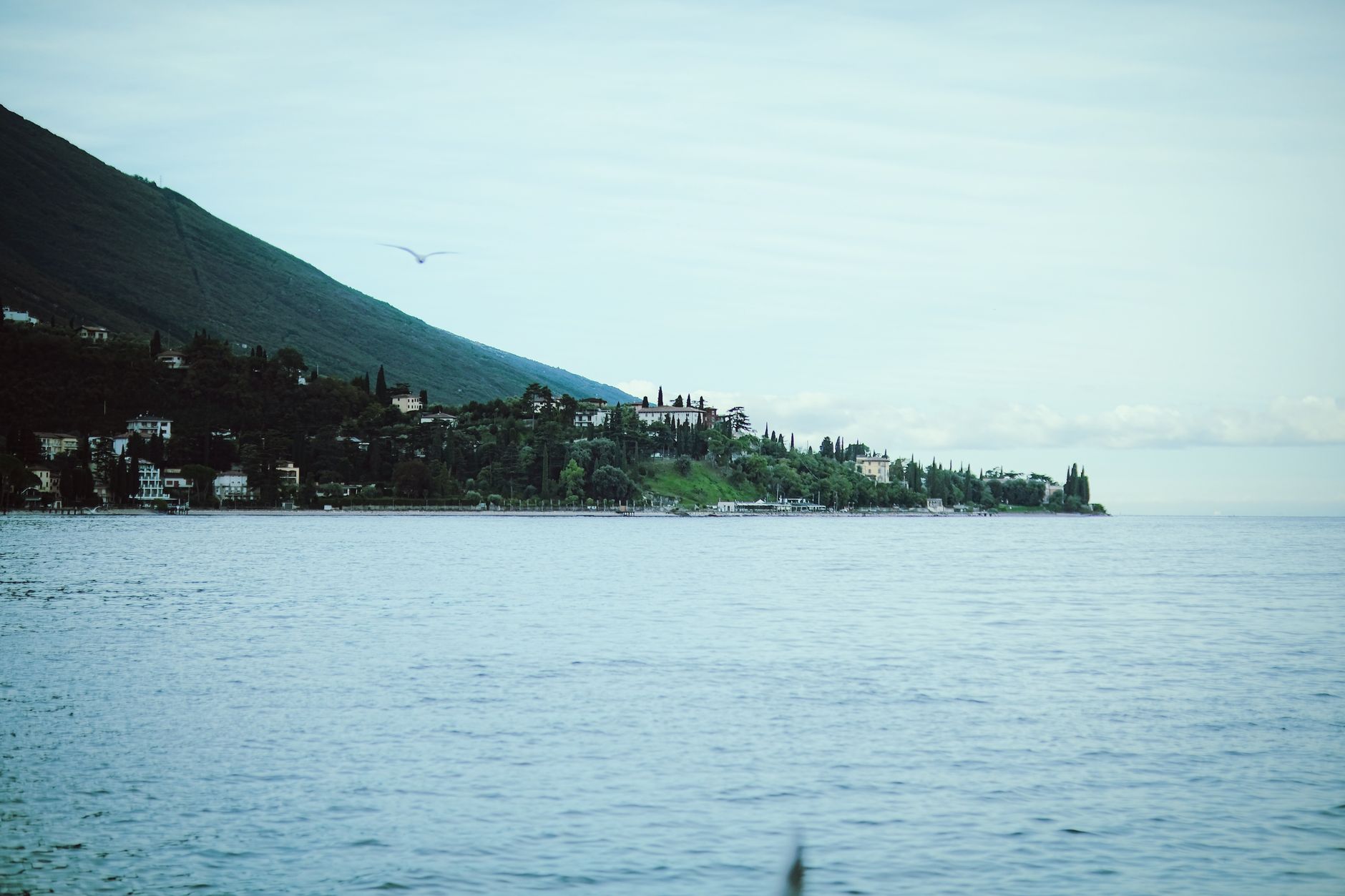
Lake Garda
Italy
Fjord-like northern crags, southern olive groves, and lake life without the Como theater
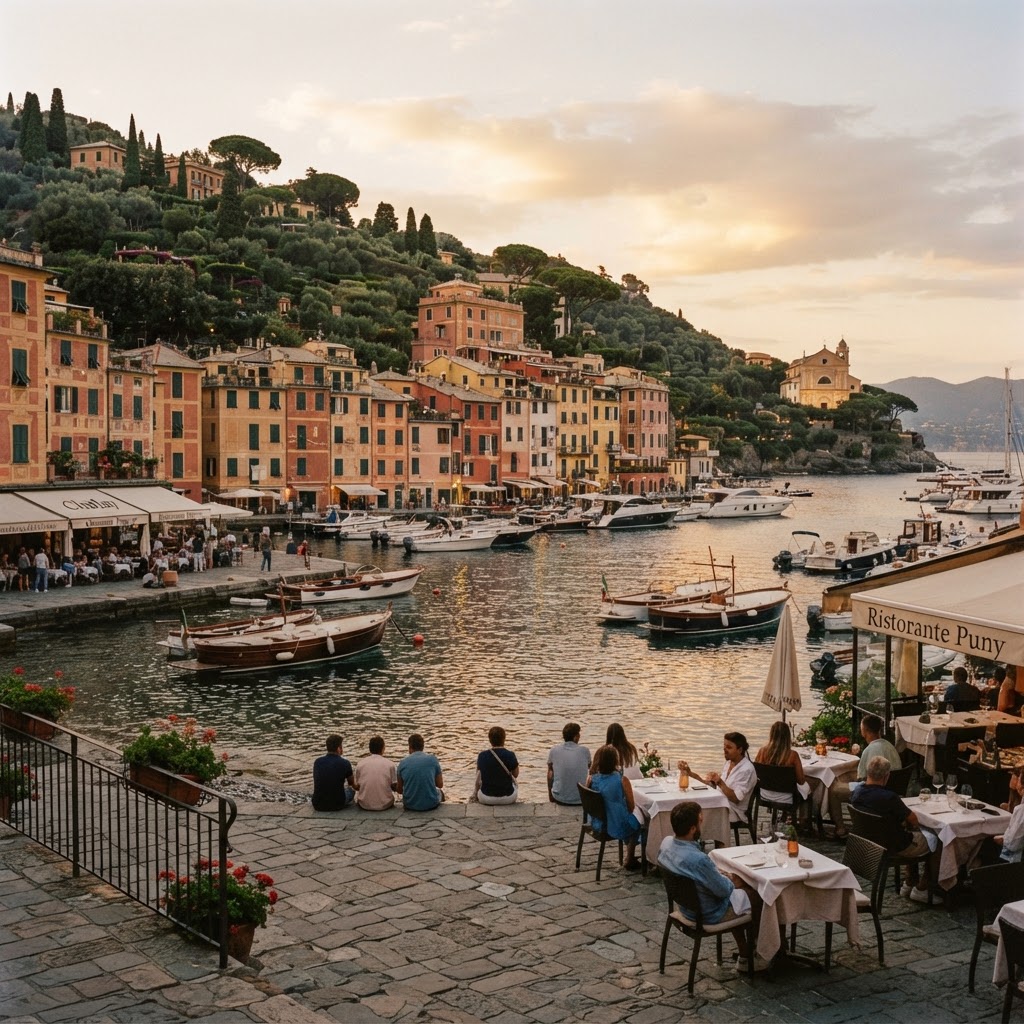
Portofino
Italy
A pocket-sized Riviera cove where lingering beats sightseeing.
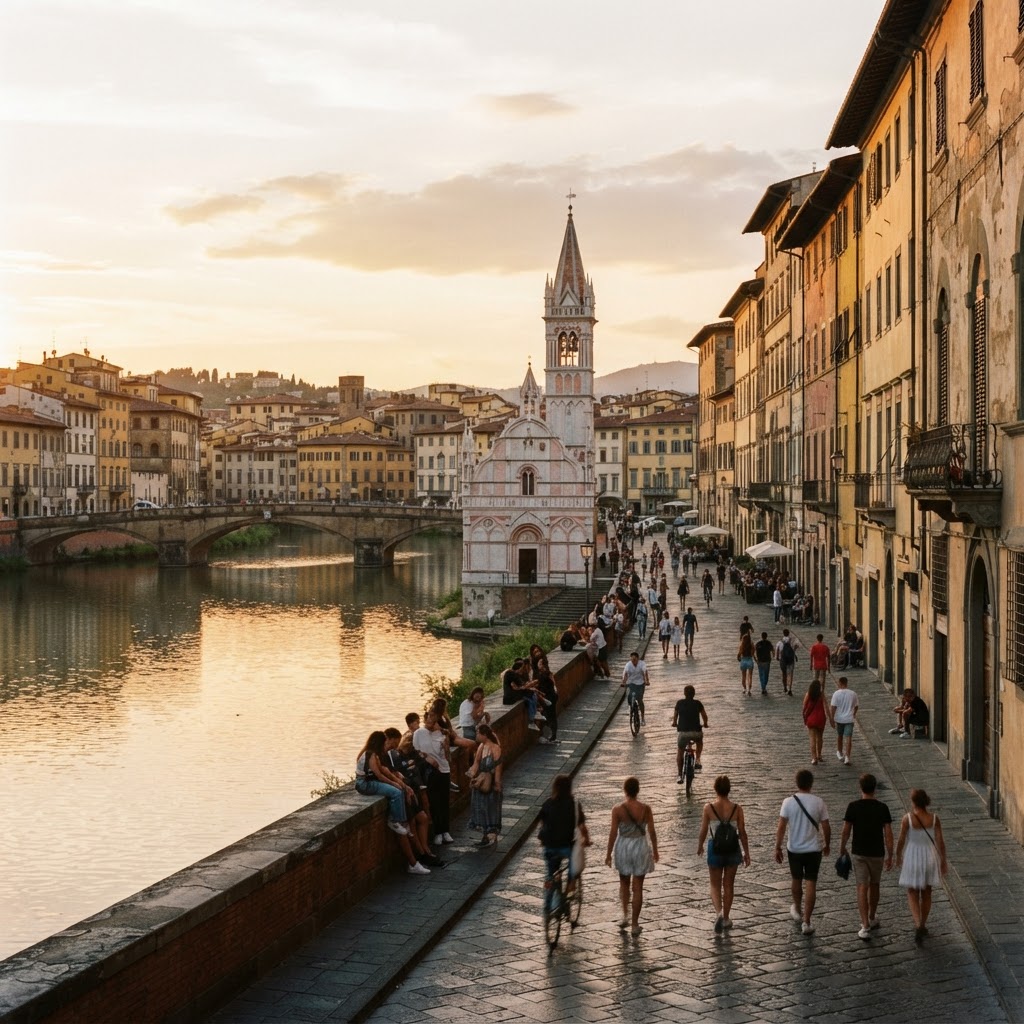
Pisa
Italy
Beyond the leaning marble: a lively university city of riverside palaces and quiet piazzas.
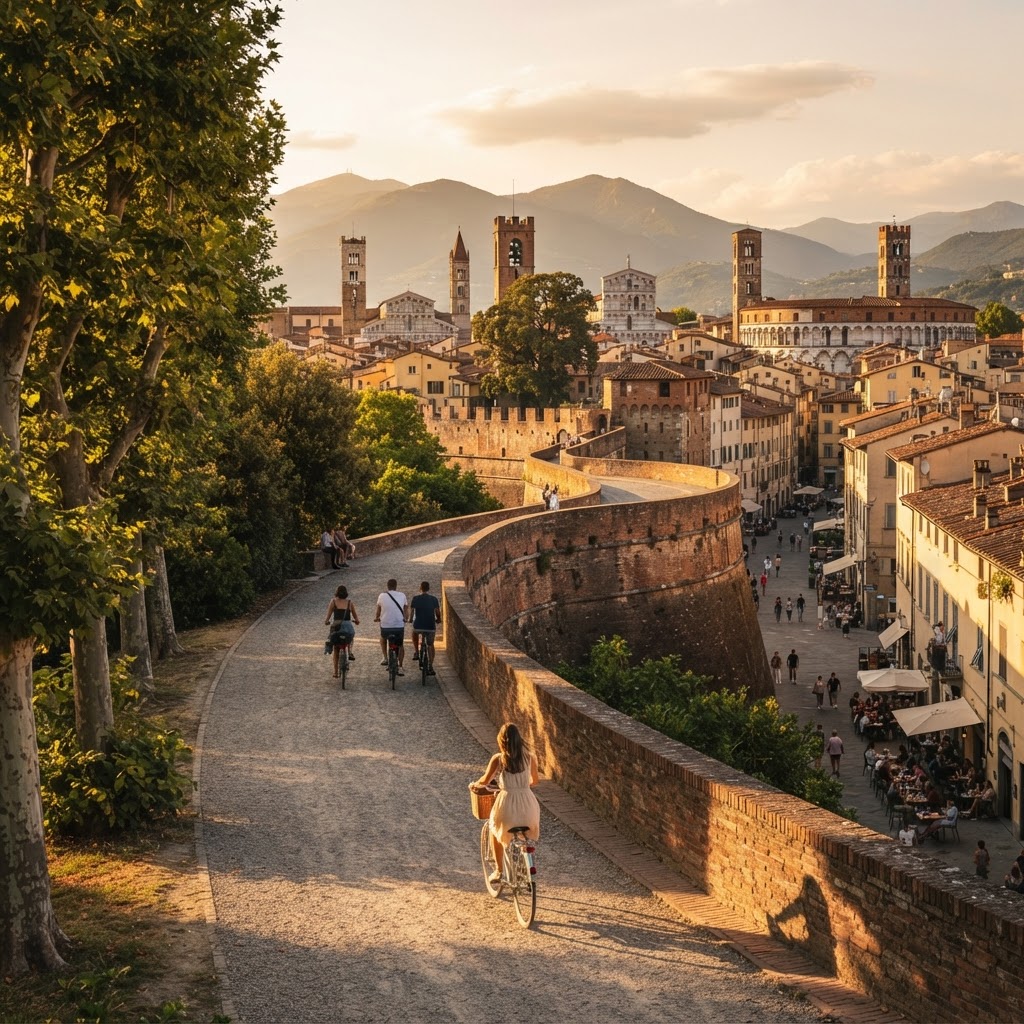
Lucca, Italy
Italy
A graceful, walled Tuscan oasis made for cycling ramparts and unhurried aperitivi.
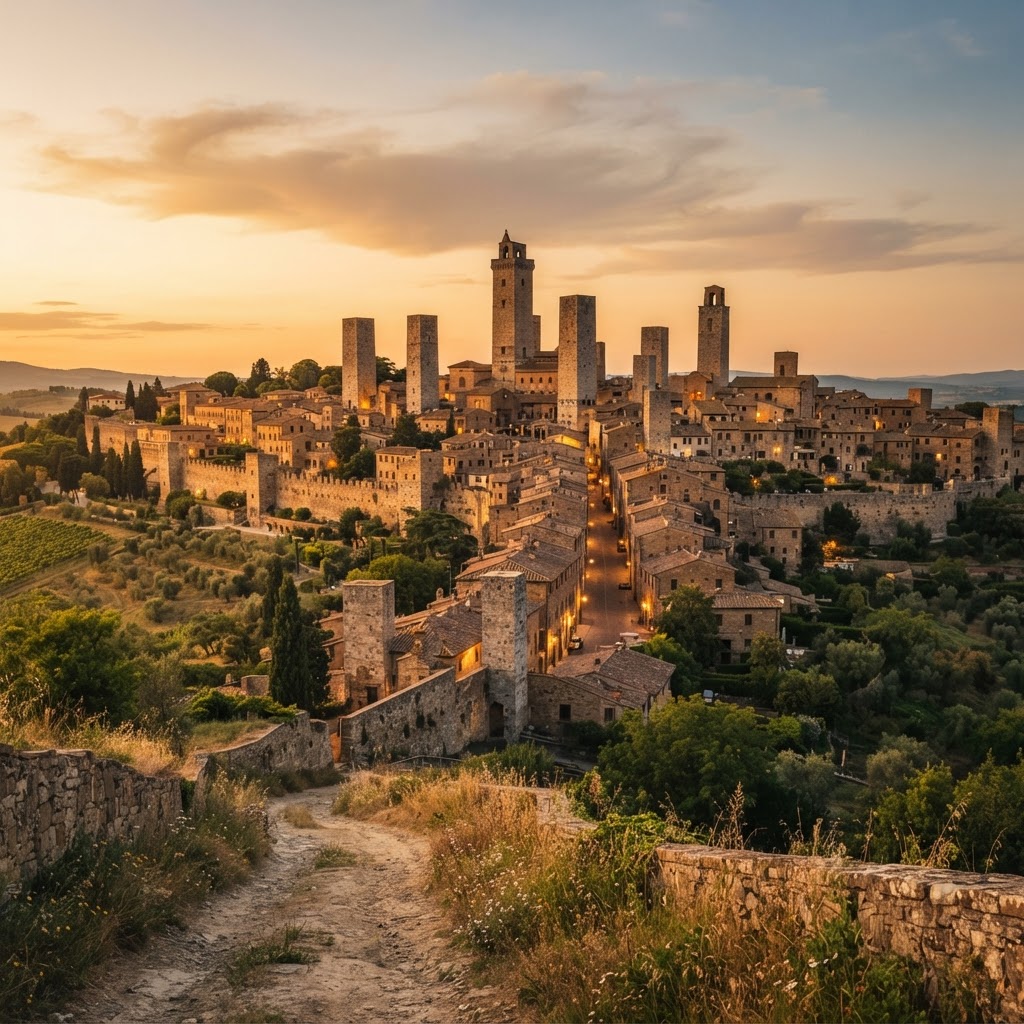
San Gimignano
Italy
Tuscany's medieval Manhattan, magical only when the day-trippers vanish
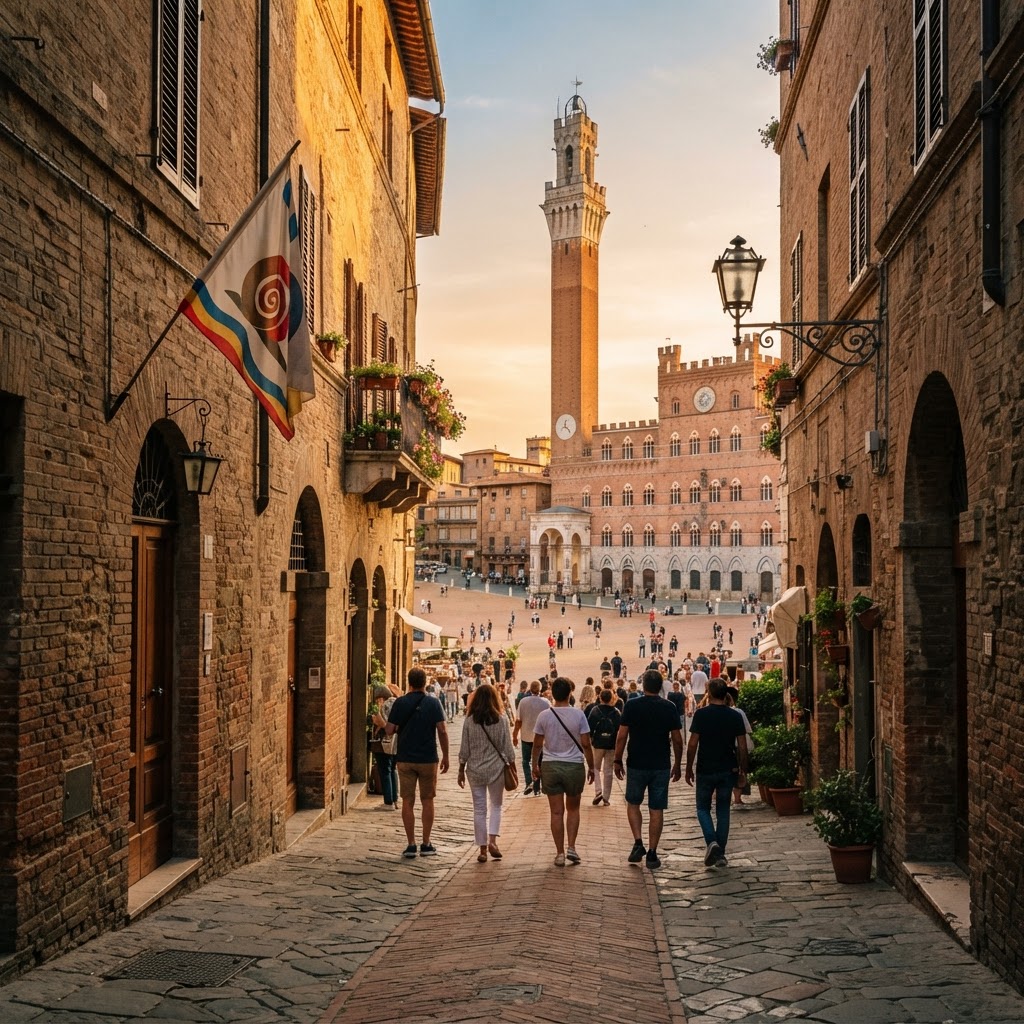
Siena, Tuscany, Italy
Italy
Gothic brick alleys, neighborhood contrada pride, and Italy's most dramatic medieval square
Readymade itineraries
Start from a tested template — then make it yours.
Ready to book
Lock in your Florence trip
Everything in one place. We may earn a small commission — it never costs you more.
Plan a trip to Florence
Pick a length and we'll build a day-by-day plan around how you travel — neighborhoods clustered, budget-aware, and editable.
Get better at planning trips like this
Occasional notes on planning smarter — no spam, unsubscribe anytime.
Plan a trip to Florence
Turn this guide into a day-by-day plan built around your pace, your group, and your budget.
Build my Florence trip