Portugal
Évora
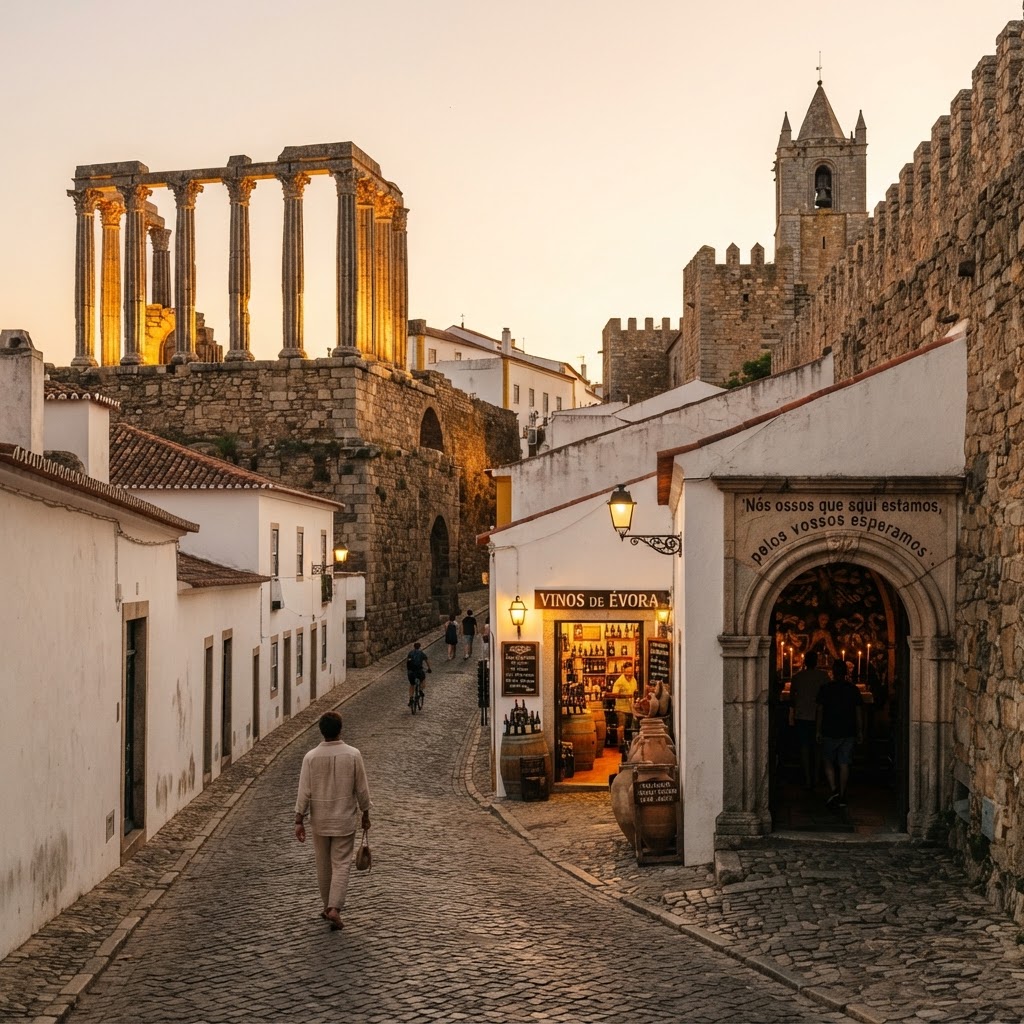
Roman columns, macabre bone chapels, and unhurried Alentejano wine cellars inside medieval walls.
Plan & book
Sort your Évora trip in one place.
We point you to the booking tools we'd actually use — live prices, no markup. Or let us build the day-by-day plan around you first, then book.
Perched on the rolling plains of the Alentejo 83 miles east of Lisbon, Évora is Portugal's open-air archaeological timeline. Behind its 14th-century ramparts lie Corinthian Roman columns, a fortress-like Gothic cathedral, and the chilling 16th-century Capela dos Ossos, all anchored by a sleepy, student-fueled café culture.
2 to 3 days
Best time
Mid-April through May, or late September through October.
Build your own trip with these prebuilt itineraries
Each one is a tested, day-by-day plan for Évora — start here, then make it yours.
4 Days of Megaliths & Whitewashed Hill Towns in Évora
Road-tripping through ancient standing stones, cork forests, and border fortress villages
3 Days of Alentejo Wine, Cork & Gastronomy in Évora
Epicurean focus on bold regional wines, estate visits like Cartuxa, and traditional pork and bread cookery
2 Days of Monuments & Medieval Alentejo in Évora
Historic core walk, Roman ruins, Chapel of Bones, and atmospheric evening tascas
Évora trades coastal resort bustle for dry-cured presunto, rustic clay-pot stews, and 2,000 years of layered Iberian history. Staying overnight unlocks the whitewashed streets after Lisbon day-trippers vanish, giving you leisurely access to regional Adega cellars, UNESCO-grade architecture, and dark starlit Alentejo evenings.
Where to stay
Getting there
Getting around
Food & drink
What it costs
Things to do
Book tours & tickets in ÉvoraSkip it if
Skip Évora if you require beach access, coastal breezes, or high-energy late-night nightlife; the Alentejo interior moves at a slow, pastoral cadence that frustrates fast-paced checklist travelers.
When to go
Spring blankets the plains in wildflowers and brings crisp, breezy walking weather, while autumn delivers the grape harvest without the oppressive inland summer furnace. In July and August, temperatures frequently breach 40°C (104°F), emptying the streets between noon and 6:00 PM.
Peak (June–August)
Scorching inland heat and heavy daytime bus tours from Lisbon; pack linen, sightsee exclusively before 11:00 AM or after sunset, and insist on air-conditioned lodging.
Shoulder (April–May & September–October)
The prime window; expect daytime highs around 20–25°C (68–77°F), outdoor dining on the plazas, comfortable megalith trail walks, and full regional winery operations.
Low (November–February)
Crisp, cold nights and occasional heavy rain, but empty historic alleys and easy restaurant tables; ideal for cozying up over rich lamb stews and robust red wines.
Neighborhoods
Where you stay shapes the trip. Here's how to think about it.
Praça do Giraldo & Historic Core
The sun-bleached, arcade-lined civic heart where student café chatter echoes off whitewashed Manueline facades.
Best for:First-timers, short stays, and travelers who prioritize stepping out directly into tascas and bakeries without needing a car.
Don't miss:Taking an evening bica under the arches of Praça do Giraldo before walking up Rua 5 de Outubro to browse cork artisans.
Acropolis / Sé & Roman Quarter
Dignified, granite-cobbled, and quiet once daytime tour buses leave, surrounded by two millennia of architectural strata.
Best for:History obsessives, architecture buffs, and anyone looking for evocative early-morning walks past ancient stone.
Don't miss:The rooftop terrace of the Sé de Évora for sweeping views over terracotta tiles to the golden Alentejo plains.
Mouraria & Aqueduto das Águas de Prata
Quiet, residential, and charmingly eccentric, where 16th-century aqueduct arches are built directly into living room walls.
Best for:Slow travelers, repeat visitors, and anyone wanting a quieter residential slice of the old town away from tour groups.
Don't miss:Wandering down Rua do Cano to see two-story whitewashed houses wedged snugly beneath the granite aqueduct arches.
Portas de Moura & São Francisco
Southern gateway balancing somber ecclesiastical history with lush green municipal gardens and aristocrat-built mansions.
Best for:Curious cultural walkers and families who need easy proximity to both major monuments and shaded park benches.
Don't miss:The Renaissance marble globe fountain in Largo das Portas de Moura, surrounded by Moorish-influenced Mudéjar battlements.
Rural Outskirts / Canaviais & Graça do Divor
Expansive cork oak montados, whitewashed monastery estates, and unhurried vineyard estates under massive night skies.
Best for:Road-trippers, wine collectors, and travelers seeking estate-level comfort with easy driving access into the old town.
Don't miss:A sunset estate tasting of Antão Vaz and Alicante Bouschet at Adega Cartuxa or Fitapreta.
Destination intelligence
Updated 9/14/2026The structured record we plan every Évora itinerary from.
Walkability
High within the walled historic core, though surfaces consist of uneven calçada cobblestones and moderate inclines.
Transit quality
Moderate; direct train and express bus links connect directly to Lisbon, but regional bus transit between rural Alentejo villages is infrequent.
Car needed
Not needed for the city center, but required if you intend to explore surrounding vineyards, cork estates, Almendres Megaliths, and border castle villages.
Ideal duration
2 to 3 days
Minimum useful
1 night / 2 days
Peak season
June through August: hot and dry, with heavy daytime bus tours, though evenings remain pleasantly lively.
Shoulder season
April to May and September to October: the sweet spot of wild blooms or grape harvest, comfortable walking temperatures, and moderate crowds.
Low season
November through February: crisp, cool, and occasionally damp, offering empty historic lanes and low accommodation rates, though some country estates close.
Best for
Common mistakes
- Visiting purely as a three-hour daytime bus tour from Lisbon and missing the quiet, illuminated evening streets and long tasca dinners.
- Attempting to navigate or park a rental car within the maze-like, pedestrian-heavy inner city walls instead of using exterior parking lots.
- Visiting in July or August without planning around brutal 40°C (104°F) Alentejo midday heat.
- Showing up to Adega Cartuxa for a wine tasting without booking days in advance.
Best nearby
See what a trip to Portugal actually costs. Travel Budget Co.
How to plan it
- Base yourself inside the walls if you want car-free evening dinners; stay at an outlying herdade or convent estate only if you have a rental car and prioritize pool downtime over street life.
- Schedule your visit to the Roman Temple and Sé de Évora for 8:30 AM before tour coaches arrive from Lisbon around 10:30 AM.
- Pair Évora with a morning drive out to Cromeleque dos Almendres, taking the unpaved rural road slowly to preserve your rental car's tires.
- Combine an afternoon day trip to the whitewashed hilltop village of Monsaraz with pottery shopping in nearby São Pedro do Corval.
- Book small-table dinner spots like Botequim da Mouraria at least one week in advance, especially for Friday and Saturday seatings.
Questions
More in Portugal
Óbidos, Portugal
Portugal
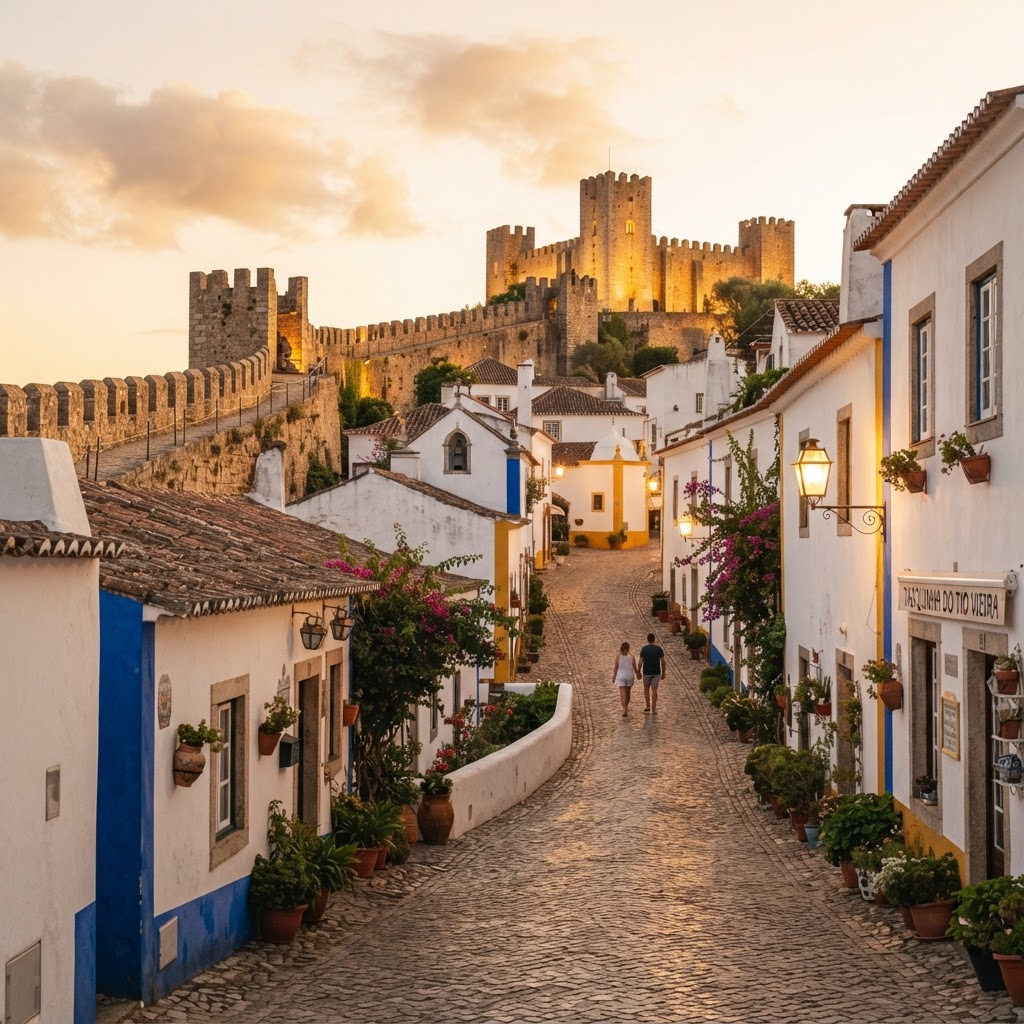
Ramparts, whitewashed lanes, and quiet evenings after the tour coaches depart
Nazaré, Portugal
Portugal
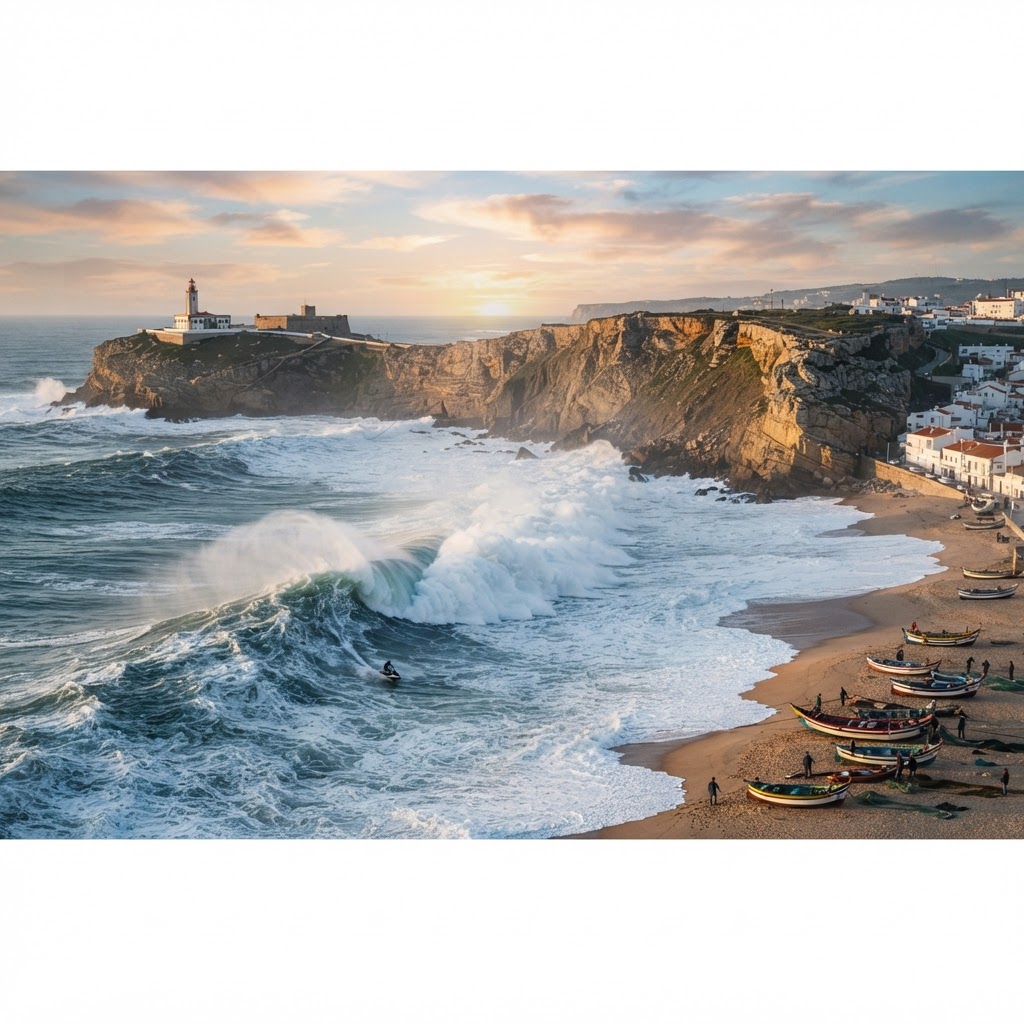
Colossal Atlantic surf, dramatic clifftops, and enduring maritime traditions
Lagos, Portugal
Portugal
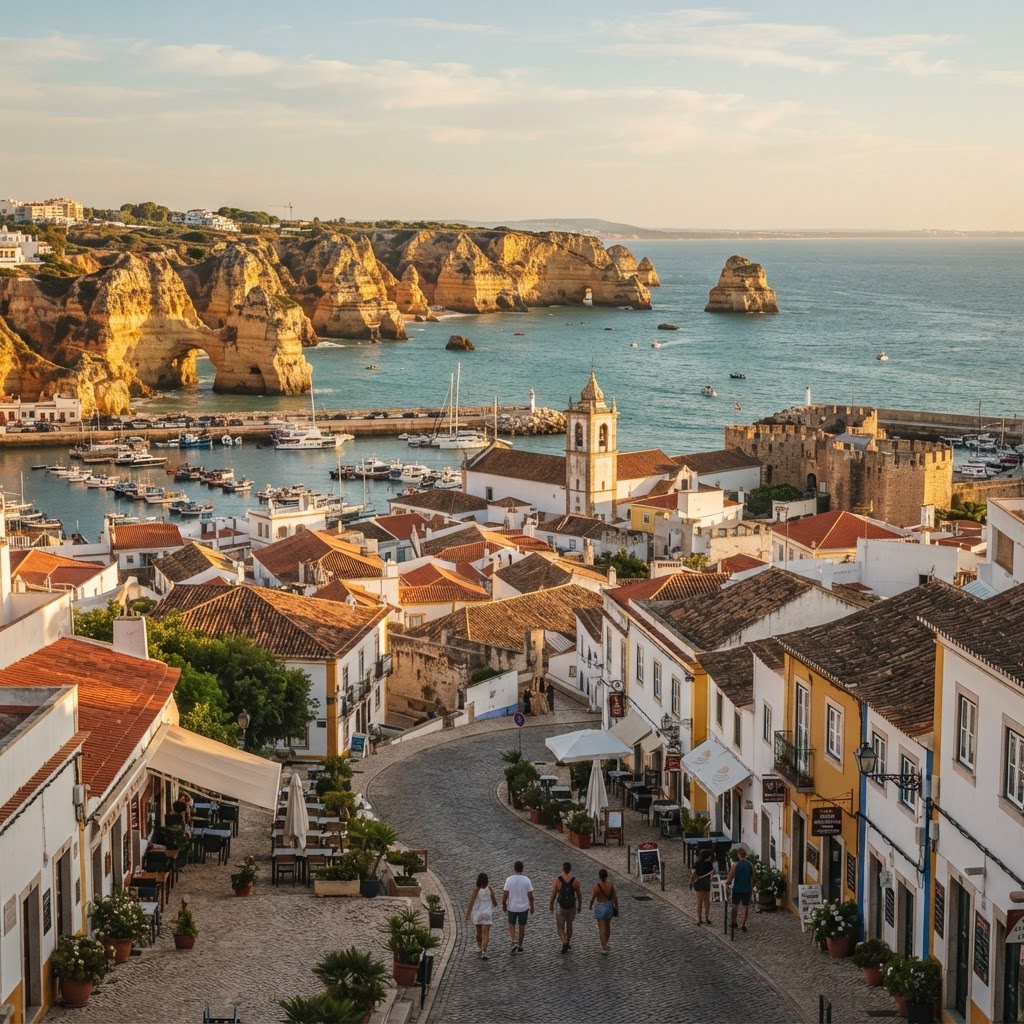
Golden sea stacks, maritime history, and the Algarve’s most walkable coastal hub.
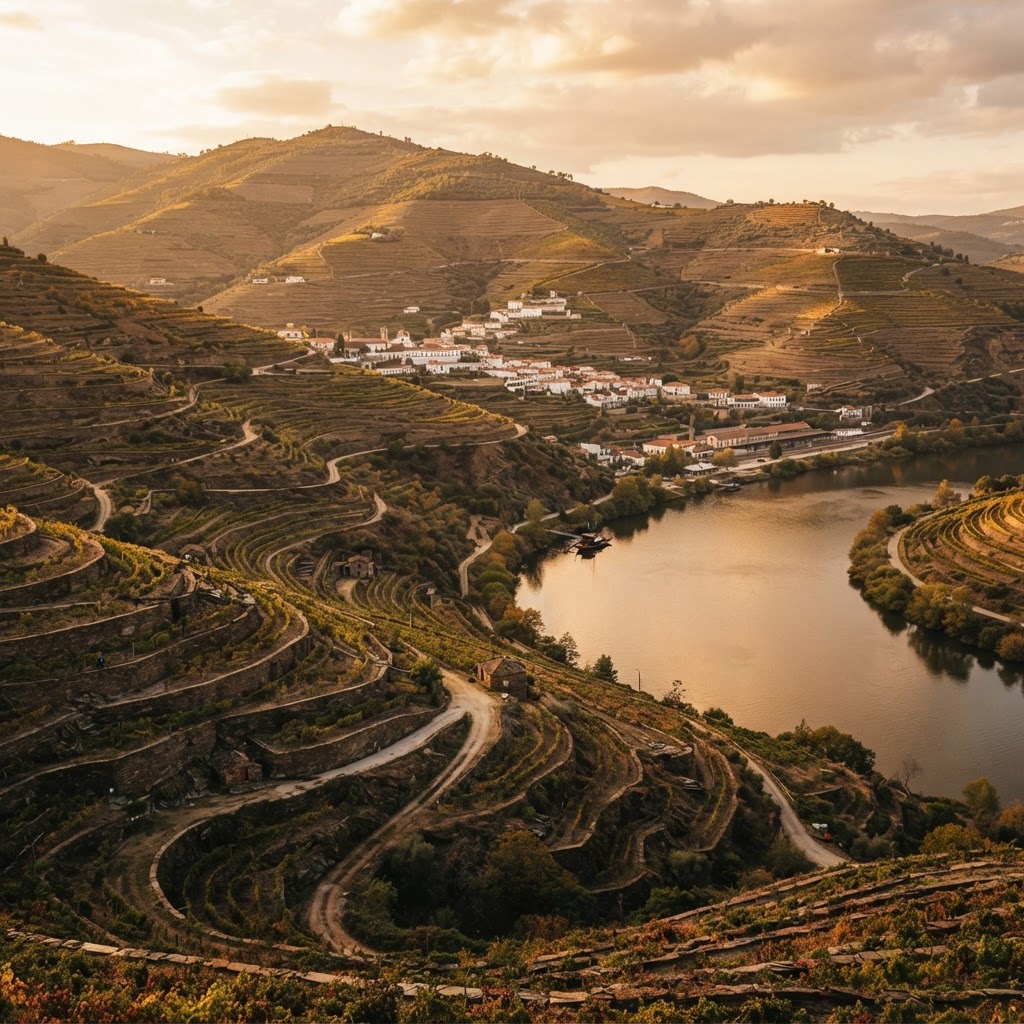
Douro Valley
Portugal
Carved slate terraces, old-vine field blends, and slow river rhythm.
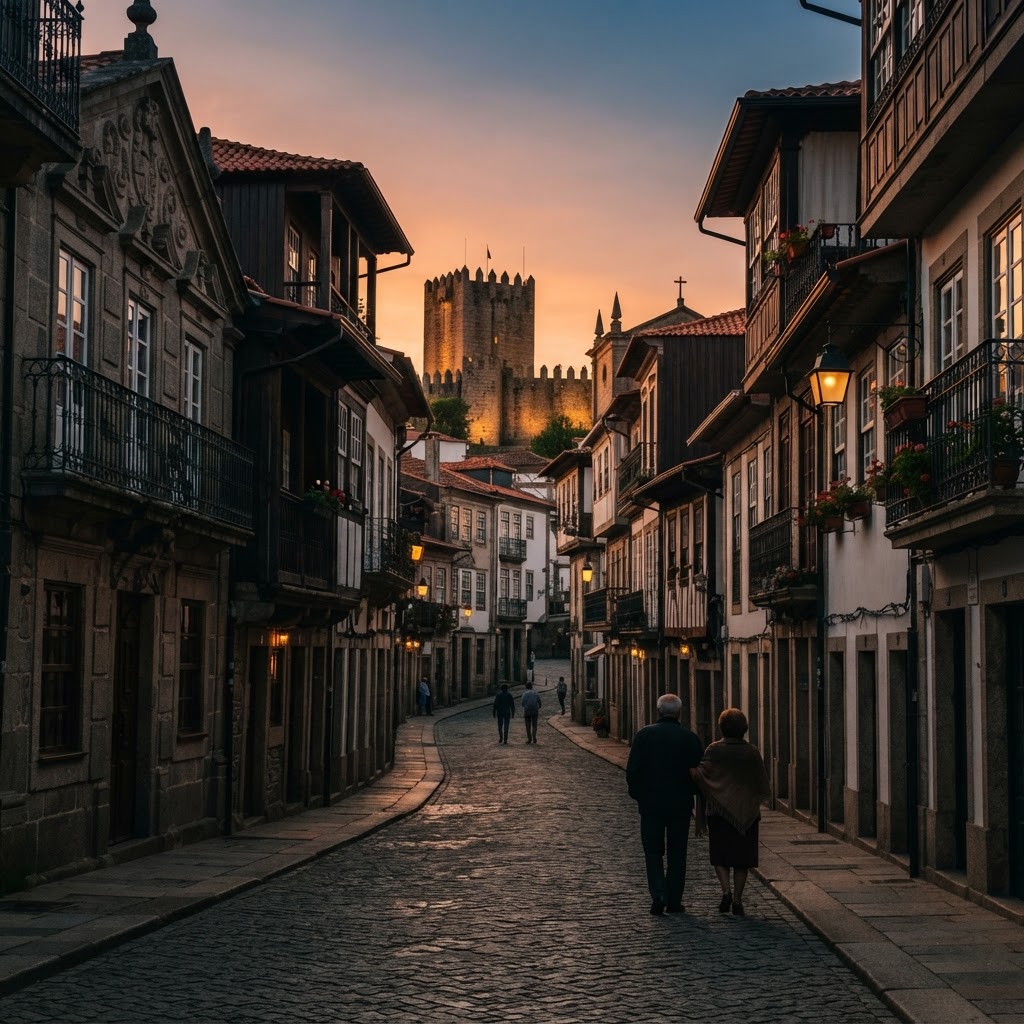
Guimarães, Portugal
Portugal
The granite-and-timber cradle of Portuguese nationhood, best experienced when day-trippers depart.
Readymade itineraries
Start from a tested template — then make it yours.
Ready to book
Lock in your Évora trip
Everything in one place. We may earn a small commission — it never costs you more.
Plan a trip to Évora
Pick a length and we'll build a day-by-day plan around how you travel — neighborhoods clustered, budget-aware, and editable.
Get better at planning trips like this
Occasional notes on planning smarter — no spam, unsubscribe anytime.
Plan a trip to Évora
Turn this guide into a day-by-day plan built around your pace, your group, and your budget.
Build my Évora trip