Italy
Dolomites (Val Gardena & Cortina d'Ampezzo), Italy Itinerary: How Many Days + Sample Plans
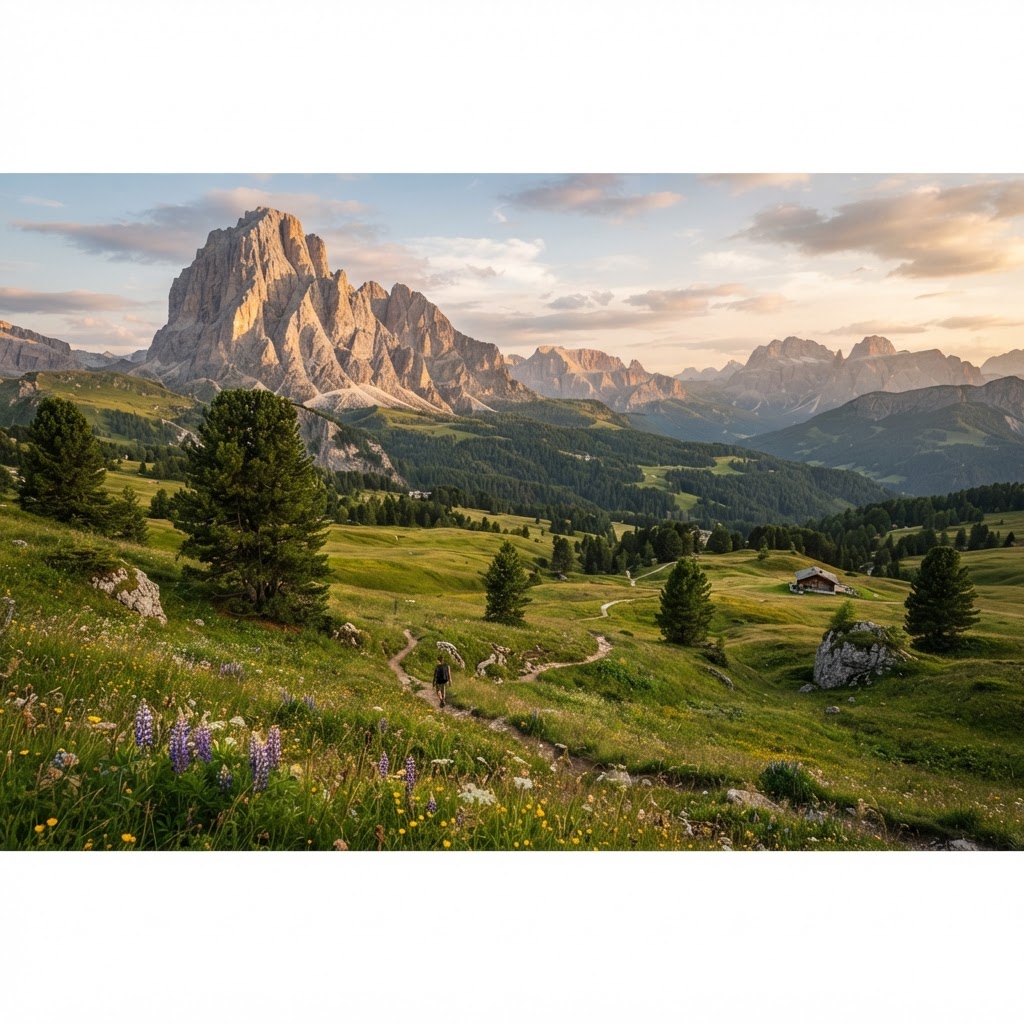
Pale limestone spires, high alpine rifugi, and two completely different mountain cultures divided by winding passes.
Traveler rating
Loved by alpine hikers looking for multi-day hut-to-hut treks with warm beds and hot food.
Plan & book
Sort your Dolomites (Val Gardena & Cortina d'Ampezzo), Italy trip in one place.
We point you to the booking tools we'd actually use — live prices, no markup. Or let us build the day-by-day plan around you first, then book.
Pick your trip length
How many days do you need in Dolomites (Val Gardena & Cortina d'Ampezzo), Italy?
Each of these opens a full day-by-day plan you can make your own.
- 2 days — Two days — the essentials, no rushing.
- 3 days — Three days — the icons plus one neighborhood.
- 4 days — Four days — a full city without sprinting.
- 5 days — Five days — room for a day trip.
- 7 days — A week — the city at a human pace.
- With Kids trip — Shorter days, earlier dinners, what to skip.
- For Couples trip — Two-person pacing with evenings built in.
- Solo trip — A plan that works well on your own.
- Food trip — Meals and markets as the anchors.
- Outdoors trip — Nature, walks and open air.
- Culture trip — History, museums and the streets around them.
The Dolomites are not a single national park you can casually loop in a weekend; they are a massive UNESCO-protected mountain system split across provinces and languages. In the west, South Tyrol's Val Gardena pairs German-Ladin efficiency, immaculate cable car networks, and rolling high pastures like Alpe di Siusi. In the east, Veneto's Cortina d'Ampezzo offers Italian resort glamour beneath the sheer, jagged monoliths of Tre Cime di Lavaredo and Cinque Torri. Navigating the region requires picking your base with ruthless precision: mountain pass drives take twice as long as Google Maps predicts, and trying to see both sides from one hotel guarantees you spend half your daylight behind slow-moving camper vans.
6-7 days
Best time
Mid-September to early October for golden larches and crowd-free trails, or mid-January to late February for peak Dolomiti Superski coverage.
Build your own trip with these prebuilt itineraries
Each one is a tested, day-by-day plan for Dolomites (Val Gardena & Cortina d'Ampezzo), Italy — start here, then make it yours.
5 Days Western Dolomites Highlights in Dolomites (Val Gardena & Cortina)
Val Gardena base, Seceda ridge, Alpe di Siusi alpine meadows, and Sella Pass drive
7 Days Iconic Dolomites Circuit in Dolomites (Val Gardena & Cortina)
Cross-region itinerary linking Ortisei and Cortina, Tre Cime di Lavaredo, and Lago di Braies
10 Days Ultimate Alpine Trekking & Passes in Dolomites (Val Gardena & Cortina)
Comprehensive road and trail tour including rifugio overnight stays, Marmolada, and Cinque Torri
Go for vertical limestone topography found nowhere else on earth, where 3,000-meter pale peaks shoot directly out of emerald rolling meadows. The infrastructure is unmatched: you can link high-altitude traverses without carrying heavy gear because well-run mountain huts (rifugi) serve hot canederli, regional Lagrein, and fresh strudel at 2,500 meters. Between modern ski connections on the Sellaronda and accessible via ferrata routes forged in World War I, it is the premier alpine hiking and winter sports destination in Europe.
Where to stay
Getting there
Getting around
Food & drink
What it costs
Skip it if
Skip the Dolomites if your idea of an Italian vacation is relaxing on sun-drenched coastal piazzas, wandering historic art museums, or sipping cheap spritzes without physical exertion. It is also not worth adding if you only have 24-48 hours between Venice and Florence: the transit overhead will eat your entire trip, leaving you exhausted with just a windshield view. Travelers with severe car sickness or anxiety regarding steep drop-offs on mountain roads will also find transit between valleys genuinely stressful.
When to go
Summer brings all lifts and rifugi into service, but July and August bring choking pass traffic and 7:00 AM full trailhead lots. Late September delivers stable high-pressure blue skies, cool hiking temps, and empty ridgelines, though some cable cars begin closing by the first week of October.
Peak (July–August & Christmas–mid-March)
Trails and ski carousels run at full throttle, but hotel prices surge, 3-to-7-night minimum stays apply, and toll roads like Tre Cime back up for hours before 7:30 AM.
Shoulder (June & September–early October)
June delivers blooming alpine meadows and melting snowpack; September brings crisp air, golden autumn larches, easier trailhead parking, and no hotel minimums.
Low (April–May & mid-October–November)
The quiet freeze-thaw void: over 90% of cable cars, rifugi, and valley restaurants shut completely for maintenance, and pass roads can encounter sudden ice.
Neighborhoods
Where you stay shapes the trip. Here's how to think about it.
Ortisei (St. Ulrich)
Pastel-hued South Tyrolean village buzz with polished pedestrian streets and dual cableway access right from town.
Best for:Car-free hikers, families, and first-timers wanting walk-to-lift convenience.
Don't miss:The Mont Sëuc gondola straight up to the rolling pastures of Alpe di Siusi, followed by Tyrolean speck dumplings at Tubladel.
Selva di Val Gardena (Wolkenstein)
High-energy alpine outpost ringed by jagged walls, directly plugged into the Sellaronda mountain circuit.
Best for:Serious winter skiers, road cyclists, and hikers wanting doorstep access to Passo Gardena and Passo Sella.
Don't miss:Walking into the dramatic entrance of Vallunga (Langental) beneath sheer limestone faces before the afternoon crowds arrive.
Santa Cristina
Quiet, traditional Ladin agricultural village centered between Ortisei and Selva without the resort bustle.
Best for:Travelers prioritizing tranquility, authentic rifugi access, and slightly lower lodging rates in Val Gardena.
Don't miss:The Col Raiser chairlift climbing directly beneath the tooth-like Odle peaks for a hike to Rifugio Firenze.
Cortina d'Ampezzo Town Center
Classic Italian mountain glamour marked by fur-trimmed evening passeggiate along Corso Italia and dramatic amphitheater peaks.
Best for:Design lovers, shoppers, Italian food purists, and travelers prioritizing evening dining over early morning lift lines.
Don't miss:An early evening aperitivo along Corso Italia sipping a Hugo spritz, facing the pink twilight glow on Mount Cristallo.
San Vito di Cadore
Unpretentious Veneto valley living, offering a peaceful residential rhythm just down the road from Cortina.
Best for:Budget-conscious drivers and families who want Eastern Dolomites scenery without Cortina resort pricing.
Don't miss:The quiet dawn stroll along the shore of Lago di Mosigo with the sheer massif of Mount Antelao mirrored in the water.
Destination intelligence
Updated 10/6/2026The structured record we plan every Dolomites (Val Gardena & Cortina d'Ampezzo), Italy itinerary from.
Walkability
Low overall for valley-to-valley travel, but high within individual town centers like Ortisei and Cortina. Village cores are pedestrianized, though daily exploration requires cable cars, buses, or driving.
Transit quality
High in South Tyrol (Val Gardena), where the regional pass links buses and gondolas cleanly. Moderate in Veneto (Cortina), where regional buses are less frequent and car transit is more practical.
Car needed
Recommended for eastern trailheads (Passo Giau, Tre Cime), but optional if basing strictly in Val Gardena's lift-connected towns with the South Tyrol Guest Pass.
Ideal duration
6-7 days
Minimum useful
3-4 days
Peak season
Mid-July to late August for summer alpine hiking; Christmas through mid-March for winter skiing on the Dolomiti Superski circuit.
Shoulder season
June (wildflowers blooming, lifts opening, lingering high-pass snow) and September through early October (crisp air, golden larches, dramatically thinner crowds).
Low season
Mid-April to late May and mid-October to late November, when ski lifts and cable cars close, rifugi shut, and roads often face freeze-thaw slush.
Best for
Common mistakes
- Treating the Dolomites as a single base: Trying to see Tre Cime and Seceda from one hotel means spending 4+ hours daily navigating switchback mountain passes behind tour buses.
- Underestimating summer pass traffic: Mountain roads like Passo Gardena, Passo Sella, and Passo Giau move slowly; calculating travel time by flat highway metrics will ruin your schedule.
- Arriving without trail-head parking reservations: Lago di Braies and the toll road to Rifugio Auronzo (Tre Cime) cap vehicle access in peak summer and require weeks-ahead booking or very early arrival before 7:30 AM.
- Visiting during May or November: These are dead shoulder months when cable cars close for maintenance, rifugi shut down, and trails are either impassably muddy or slushy with unskiable snow.
- Relying solely on credit cards at high rifugi: Cellular signal drops above 2,200 meters; always carry €50-€100 in cash for trailside lunches, hut drinks, or emergency transfers.
Best nearby
Deeper country context: Dolomites (Val Gardena & Cortina d'Ampezzo), Italy in the Italy Field Guide.
See what a trip to Italy actually costs. Travel Budget Co.
How to plan it
- Split your stay 50/50 between Val Gardena (west) and Cortina d'Ampezzo (east) if staying 6 nights or longer—never attempt to commute across the passes daily.
- If traveling car-free, base entirely in Ortisei: you can reach Seceda, Alpe di Siusi, and Resciesa directly by walking from your hotel to the village gondolas.
- Hit popular trailheads like Tre Cime di Lavaredo and Passo Pordoi before 7:30 AM or after 3:30 PM; daytime arrivals between 9:00 AM and 2:00 PM mean full parking lots and gridlock.
- Check individual summer lift operating dates before committing to June or October trips, as many cableways shut down precisely on the third weekend of September.
- Opt for half-board (breakfast and dinner included) when booking traditional alpine hotels or rifugi, as high-pass dinners require driving hazardous switchbacks in pitch darkness.
Questions
More in Italy
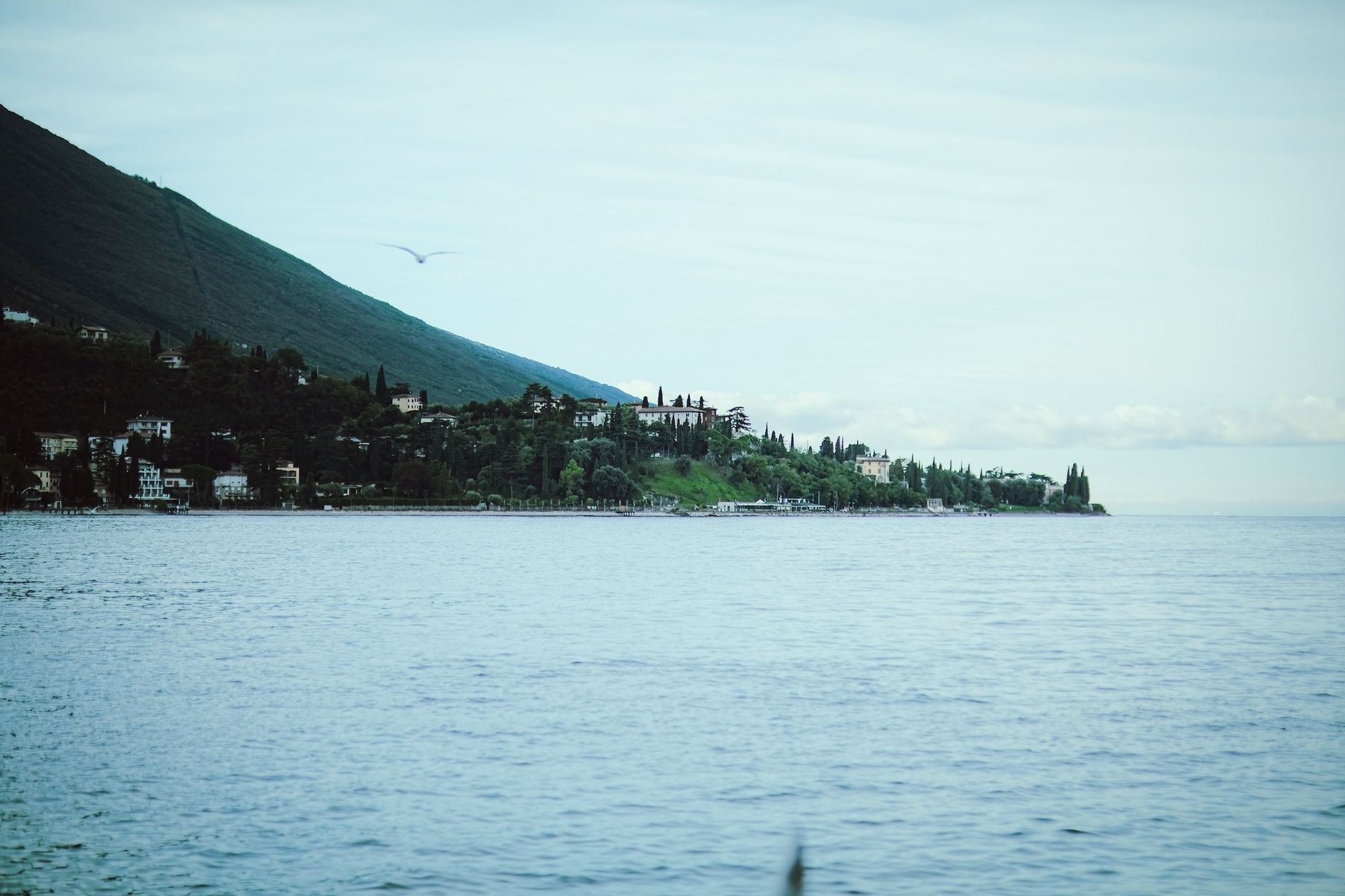
Lake Garda
Italy
Fjord-like northern crags, southern olive groves, and lake life without the Como theater
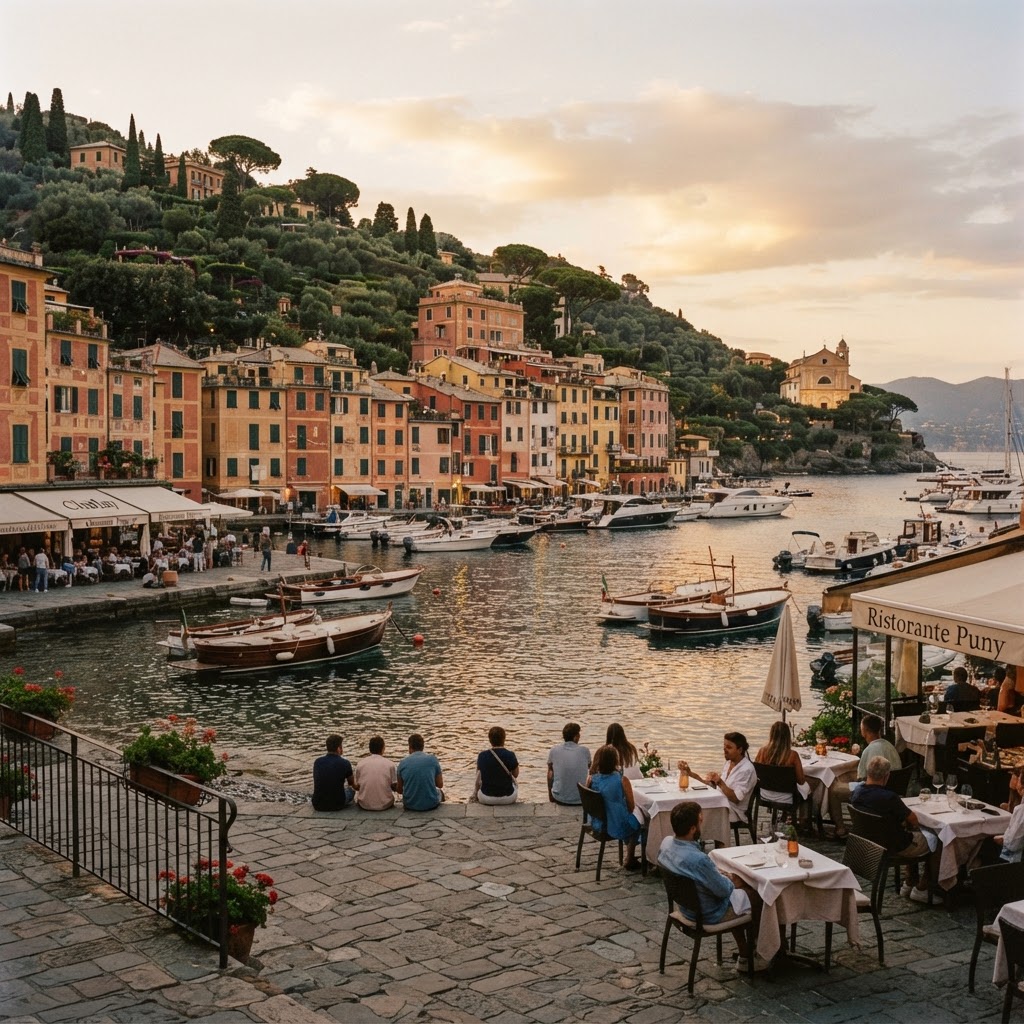
Portofino
Italy
A pocket-sized Riviera cove where lingering beats sightseeing.
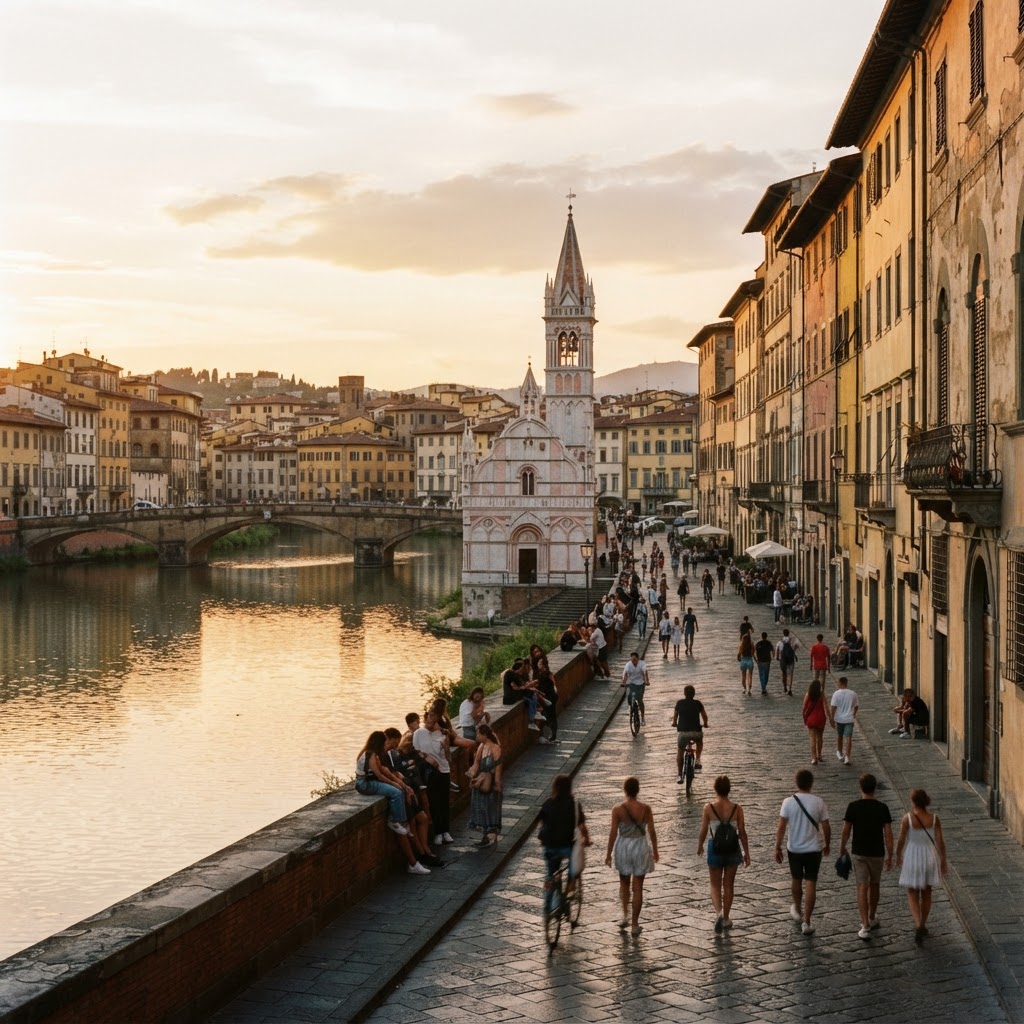
Pisa
Italy
Beyond the leaning marble: a lively university city of riverside palaces and quiet piazzas.
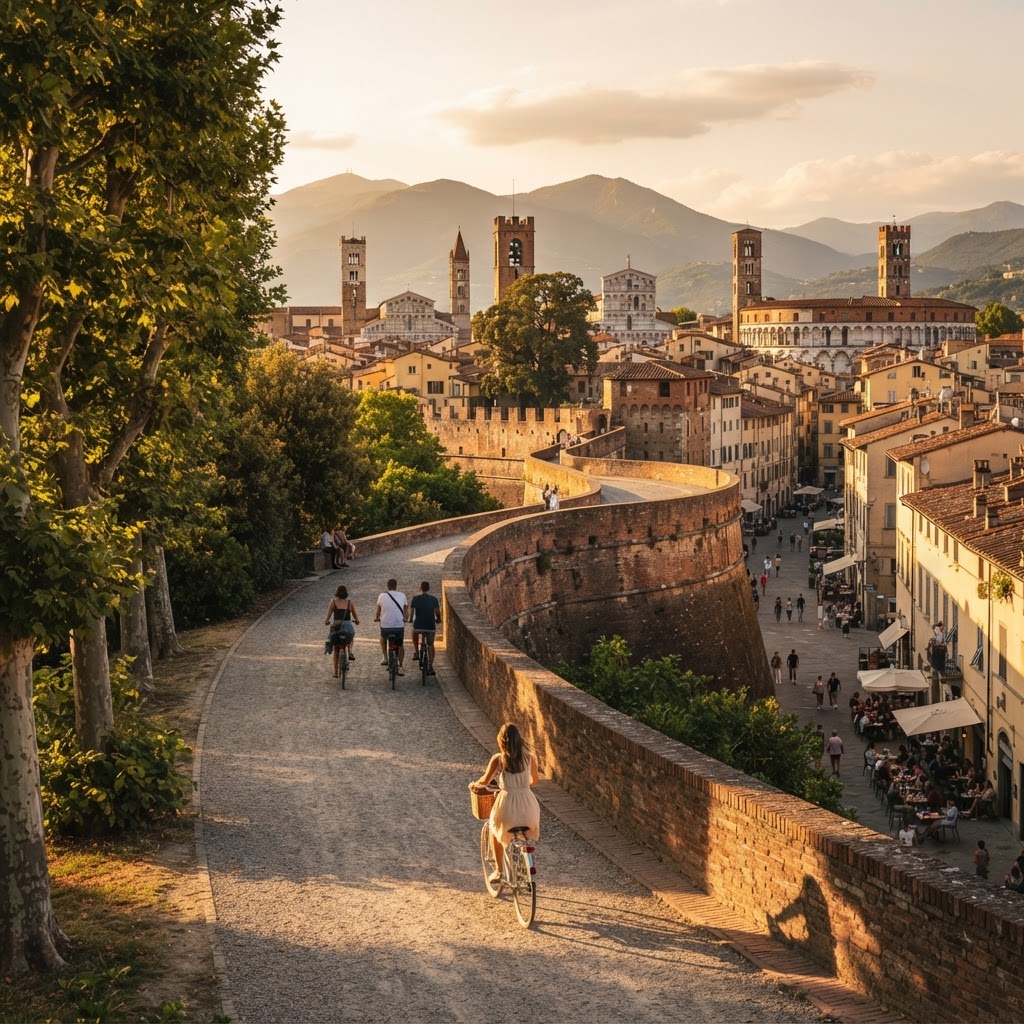
Lucca, Italy
Italy
A graceful, walled Tuscan oasis made for cycling ramparts and unhurried aperitivi.
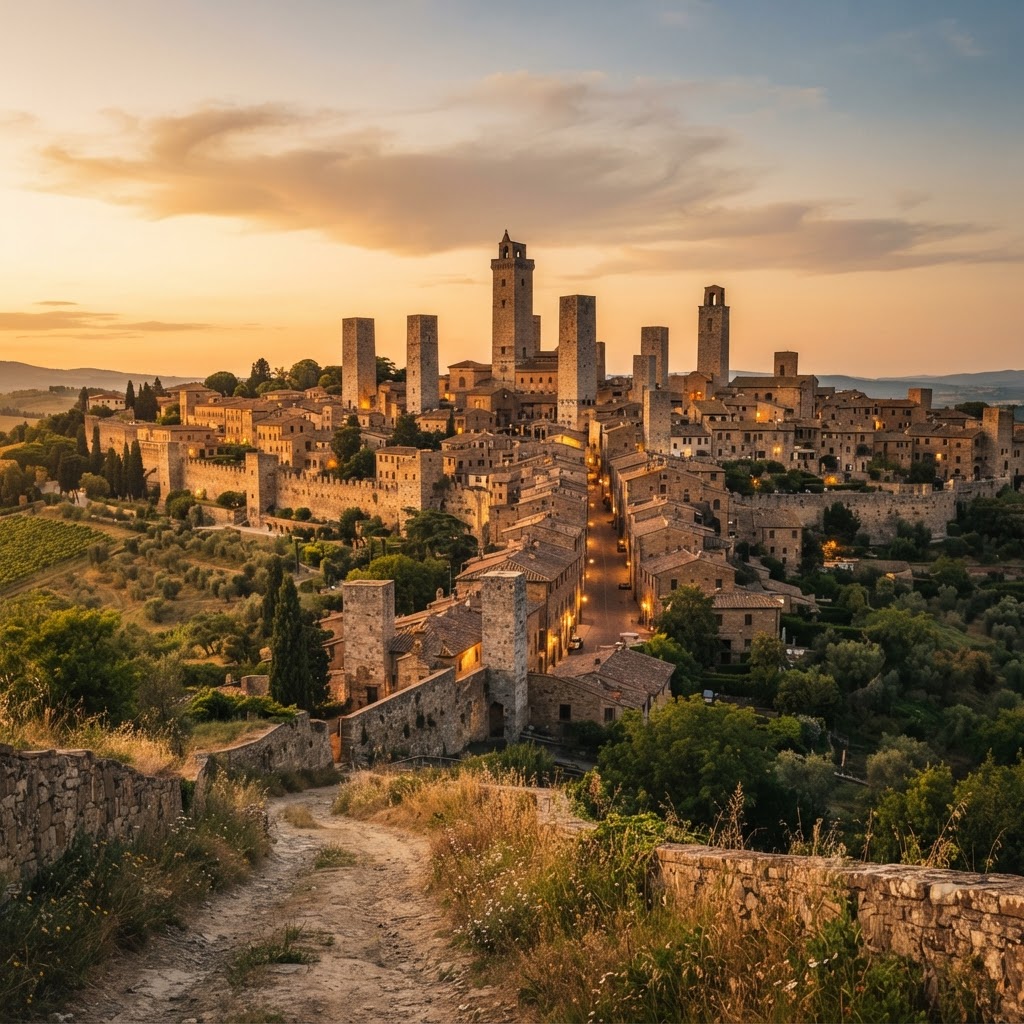
San Gimignano
Italy
Tuscany's medieval Manhattan, magical only when the day-trippers vanish
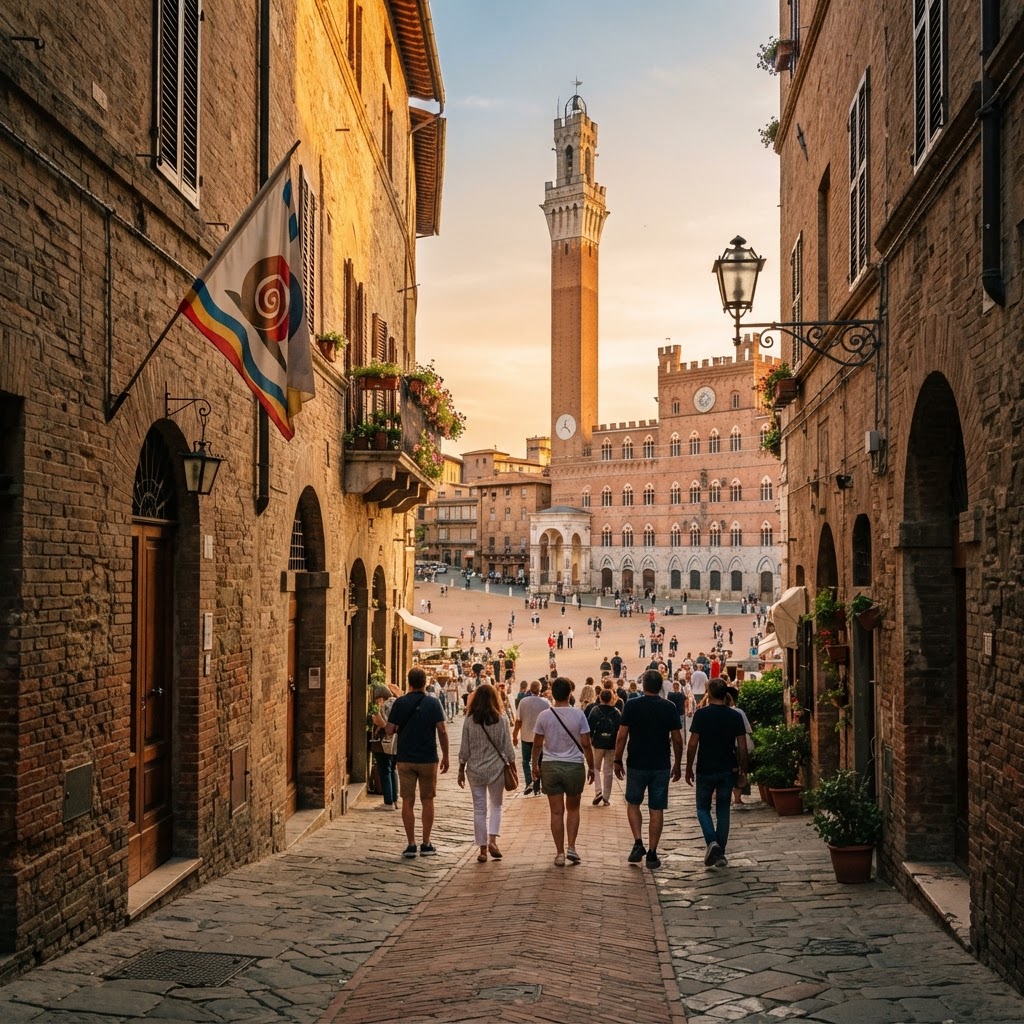
Siena, Tuscany, Italy
Italy
Gothic brick alleys, neighborhood contrada pride, and Italy's most dramatic medieval square
Readymade itineraries
Start from a tested template — then make it yours.
Ready to book
Lock in your Dolomites (Val Gardena & Cortina d'Ampezzo), Italy trip
Everything in one place. We may earn a small commission — it never costs you more.
Plan a trip to Dolomites (Val Gardena & Cortina d'Ampezzo), Italy
Pick a length and we'll build a day-by-day plan around how you travel — neighborhoods clustered, budget-aware, and editable.
Get better at planning trips like this
Occasional notes on planning smarter — no spam, unsubscribe anytime.
Plan a trip to Dolomites (Val Gardena & Cortina d'Ampezzo), Italy
Turn this guide into a day-by-day plan built around your pace, your group, and your budget.
Build my Dolomites (Val Gardena & Cortina d'Ampezzo), Italy trip