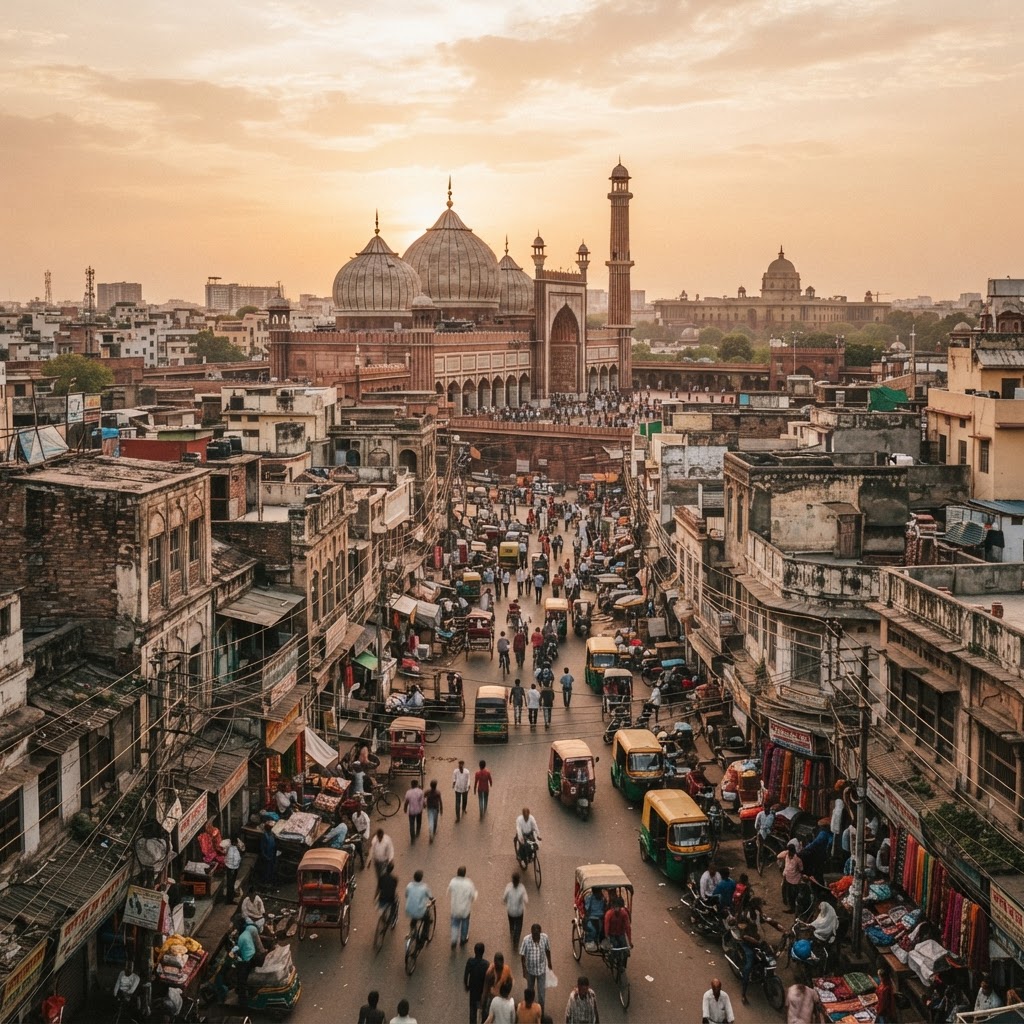
India
Delhi Itinerary: How Many Days + Sample Plans
A complex, intense palimpsest of medieval empires and modern political power.
Traveler rating
Loved by architectural historians and monument hunters.
Plan & book
Sort your Delhi trip in one place.
We point you to the booking tools we'd actually use — live prices, no markup. Or let us build the day-by-day plan around you first, then book.
Pick your trip length
How many days do you need in Delhi?
Each of these opens a full day-by-day plan you can make your own.
- 2 days — Two days — the essentials, no rushing.
- 3 days — Three days — the icons plus one neighborhood.
- 4 days — Four days — a full city without sprinting.
- 5 days — Five days — room for a day trip.
- 7 days — A week — the city at a human pace.
- With Kids trip — Shorter days, earlier dinners, what to skip.
- For Couples trip — Two-person pacing with evenings built in.
- Solo trip — A plan that works well on your own.
- Food trip — Meals and markets as the anchors.
- Outdoors trip — Nature, walks and open air.
- Culture trip — History, museums and the streets around them.
Delhi is rarely loved at first breath, but it rewards patience and boundary-setting faster than almost any mega-city on earth. Built across layers of eight successive capitals, it sprawls from the dense Mughal labyrinth of Old Delhi to the quiet, tree-canopied avenues designed by Edwin Lutyens and the design boutiques of South Delhi. It is loud, unapologetically sensory, and logistically demanding, but beneath the diesel fumes and street bustle sits an astonishing wealth of preserved tombs, vibrant faith institutions, and a culinary heritage spanning centuries of royal and migrant traditions.
4 days
Best time
Mid-February to March and late October to early November offer the ideal balance of crisp daylight and breathable air.
Build your own trip with these prebuilt itineraries
Each one is a tested, day-by-day plan for Delhi — start here, then make it yours.
5 Days in Delhi: Arts, Textiles & Living History in Delhi
Slower exploration of craft museums, Lodhi art district, Sufi shrines, and boutique shopping
4 Days in Delhi: The Complete Heritage Route in Delhi
Classic first-timer balance of historic monuments, Lutyens architecture, and vibrant bazaars
2 Days in Delhi: Culinary & Street Life in Delhi
Old Delhi food walks, spice markets, and Mughal culinary traditions
Go for the architectural density and living history. Few cities allow you to compare a 12th-century minaret (Qutub Minar), a 16th-century Mughal precursor to the Taj Mahal (Humayun's Tomb), and an active community kitchen serving tens of thousands daily (Gurudwara Bangla Sahib) in a single afternoon. Delhi's food scene—from Old Delhi's kebab alleys to South Delhi's modern pan-Indian dining—is unmatched on the subcontinent.
Where to stay
Getting there
Getting around
Food & drink
What it costs
Things to do
Book tours & tickets in DelhiSkip it if
Travelers with severe respiratory vulnerabilities or asthma should avoid Delhi from late October to January due to heavy winter smog. Anyone looking for a calm, pedestrian-only, leisurely wander without sensory overstimulation should bypass Delhi and fly directly into smaller cultural hubs like Udaipur or Kochi.
When to go
Winter brings comfortable daytime wandering, but peak particulate air pollution spikes severely from mid-November through January. Visiting on the shoulders of winter gives you warm sunshine without suffocating smog inversions or scorching desert heat.
Peak (October to March)
Comfortable 18°C–25°C daytime weather for outdoor ruins, but pack N95 masks for heavy winter smog and book luxury heritage hotels months in advance.
Shoulder (April & September)
April brings dry heat crossing 38°C, while September brings post-monsoon humidity; manageable if you restrict sightseeing to early mornings and late afternoons.
Low (May to August)
Brutal dry heat exceeding 42°C in May–June gives way to flooding monsoon rains in July–August; expect bargain hotel rates but exhausting logistics.
Neighborhoods
Where you stay shapes the trip. Here's how to think about it.
Lodhi Colony & Khan Market
Tree-shaded government bungalows, wide pavements, open-air street murals, and high-end literary bookshops.
Best for:First-timers, architecture walks, upscale boutique shopping, and cafe hoppers.
Don't miss:The massive public murals across Lodhi Art District, followed by a walk to Bahrisons Booksellers and lunch at Town Hall in Khan Market.
Old Delhi (Shahjahanabad)
Relentless sensory overload of tangled overhead wires, spice barrows, cycle rickshaws, and 17th-century Mughal grandeur.
Best for:Culinary historians, street food lovers, antique hunters, and street photographers.
Don't miss:Climbing the southern minaret of Jama Masjid in the morning before weaving through Khari Baoli, Asia's largest spice wholesale market.
Hauz Khas Village & Deer Park
14th-century madrasa ruins directly abutting indie boutiques, cocktail bars, and an expansive forested deer lake.
Best for:Independent shopping, young travelers, heritage strolls, and evening drinks.
Don't miss:The sunset view over the water reservoir from the stone arcades of Firuz Shah's tomb complex.
Connaught Place (CP)
Colonnaded Georgian whitewashed circles orbiting central gardens, packed with vintage underground markets and corporate bustle.
Best for:Transit convenience, central city exploring, budget-to-midrange bases, and heritage bakeries.
Don't miss:Stepping down into Agrasen ki Baoli, a dramatic 14th-century stepwell hidden mere blocks from the outer circle.
Sundar Nagar & Nizamuddin
A leafy, quiet mid-century residential colony of antiquarians neighboring one of South Asia's most significant Sufi sanctums.
Best for:Culture seekers, fine handicraft buyers, and landscape architecture enthusiasts.
Don't miss:Late-afternoon walks through the restored Mughal gardens of Sunder Nursery, followed by Thursday evening Sufi qawwalis at Nizamuddin Dargah.
Destination intelligence
Updated 10/6/2026The structured record we plan every Delhi itinerary from.
Walkability
Low. While self-contained neighborhoods like Lodhi Colony, Khan Market, and Sundar Nagar are pedestrian-friendly, wide arterial roads, heavy traffic, and broken sidewalks make cross-city walking impossible.
Transit quality
High. The Delhi Metro is world-class, safe, reliable, and clean, featuring dedicated women's carriages and extensive coverage across the National Capital Region.
Car needed
None. Do not rent a car to drive yourself. Use the Delhi Metro for arterial runs, Uber/Ola for air-conditioned door-to-door trips, and auto-rickshaws for short hops.
Ideal duration
4 days
Minimum useful
2 days
Peak season
October to March. Cool, pleasant daytime temperatures make monument exploring comfortable, though November to January sees heavy particulate smog.
Shoulder season
April and September. April brings sharp daytime heat, while September transitions out of the monsoon with lingering humidity and occasional rainfall.
Low season
May to August. Sweltering, dry summer heat reaching over 40°C (104°F) in May and June gives way to torrential monsoon rains and humidity in July and August.
Best for
Common mistakes
- Treating Delhi purely as a transit sprint for the Golden Triangle and spending only 12 jet-lagged hours in a car.
- Believing touts outside the New Delhi Railway Station or Red Fort who claim ticket offices or sites are closed.
- Trying to walk long distances across arterial roads instead of using the Metro and auto-rickshaws.
- Visiting in late November through December without checking air quality index (AQI) levels and preparing N95 masks.
Best nearby
See what a trip to India actually costs. Travel Budget Co.
How to plan it
- Anchor your mornings in Old Delhi before 10:00 AM to explore Jama Masjid and spice alleys before crowd congestion peaks, then retreat south by early afternoon.
- Dedicate one uninterrupted afternoon to the Nizamuddin corridor: pair Humayun's Tomb with the botanical landscapes and tomb pavilions of Sunder Nursery.
- Do not group Qutub Minar and Old Delhi into the same afternoon; they sit at opposite ends of the city and crossing will burn two hours in traffic.
- Reserve tables at high-demand dining rooms like Indian Accent or Bukhara at least three to four weeks ahead of your trip dates.
- Keep your airport departure buffer generous: allow at least 90 minutes to reach Terminal 3 from South Delhi during evening peak rush hours.
Questions
More in India
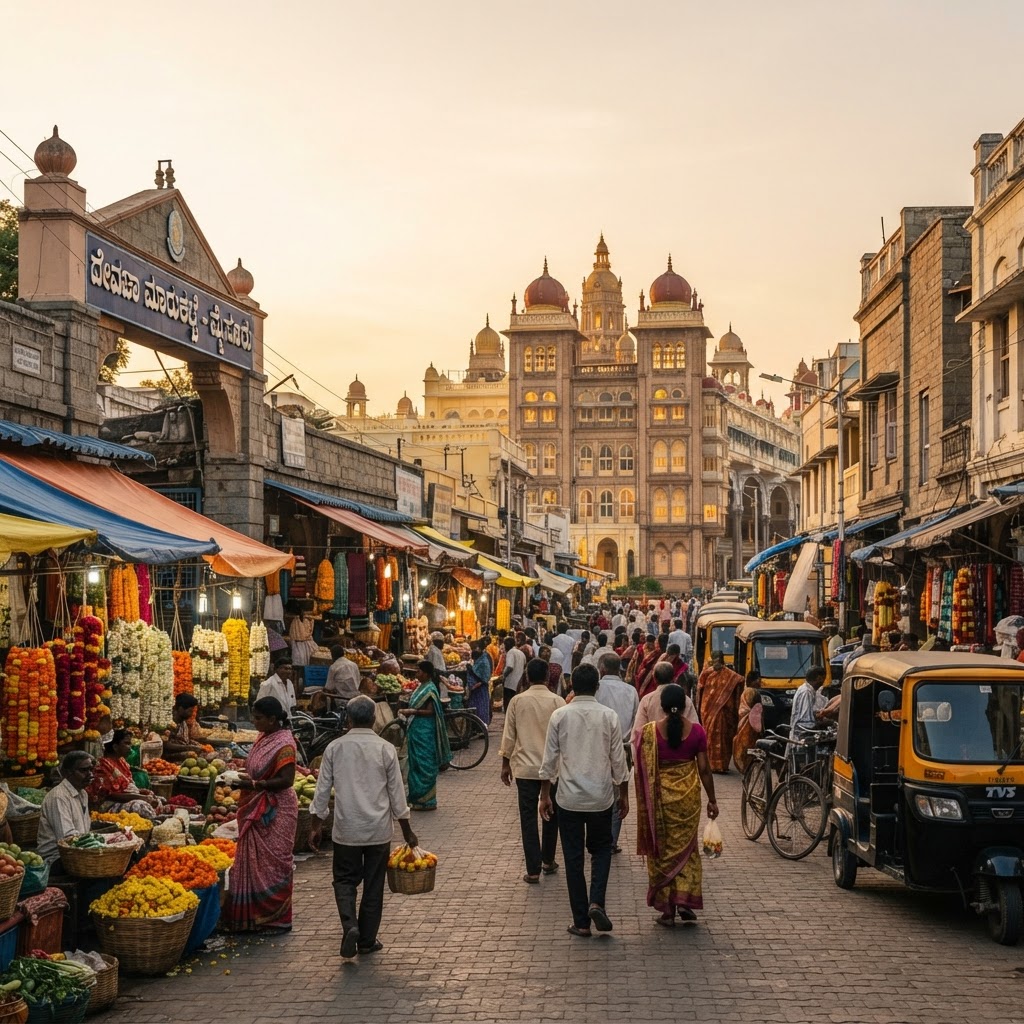
Mysore (Mysuru)
India
Wadiyar royal heritage, fragrant markets, and world-capital Ashtanga yoga minus metro sprawl.
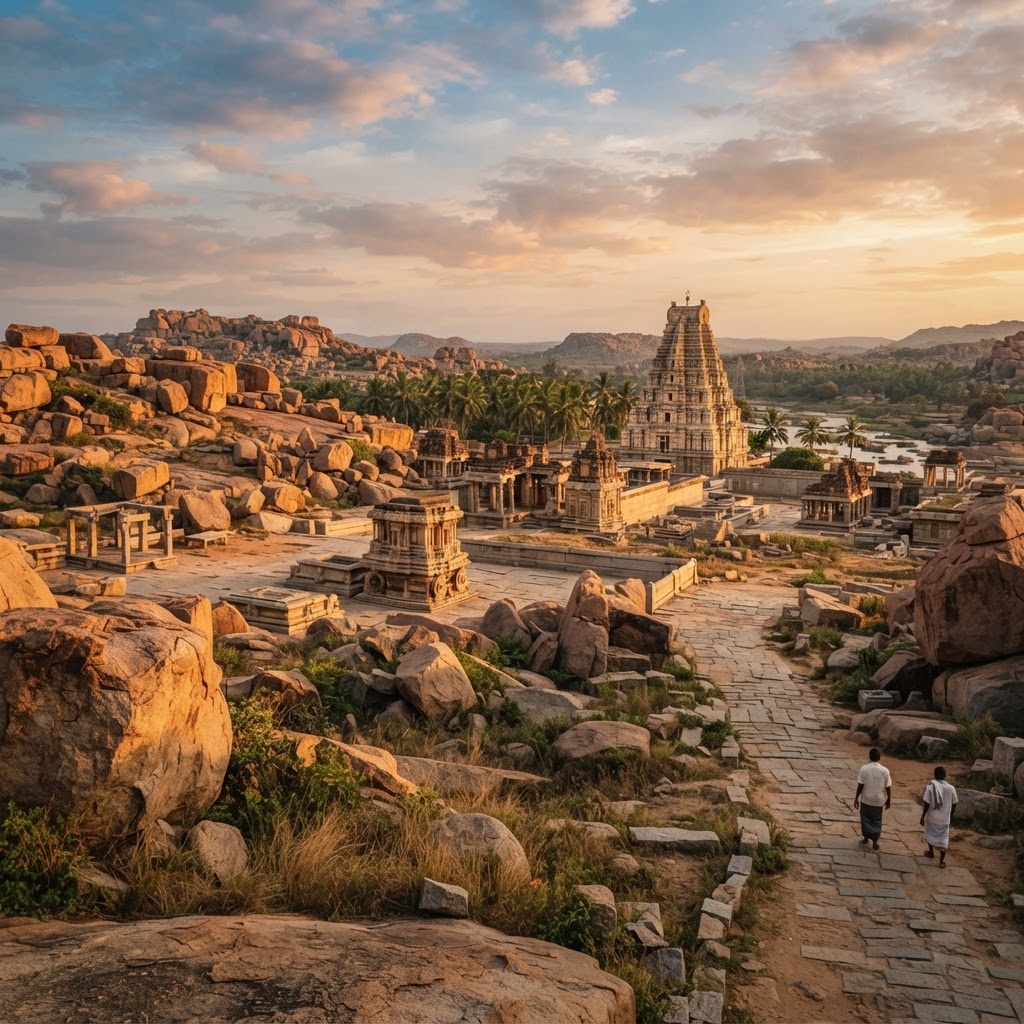
Hampi, India
India
A surreal expanse of granite boulders and ruined 14th-century Vijayanagara imperial monuments
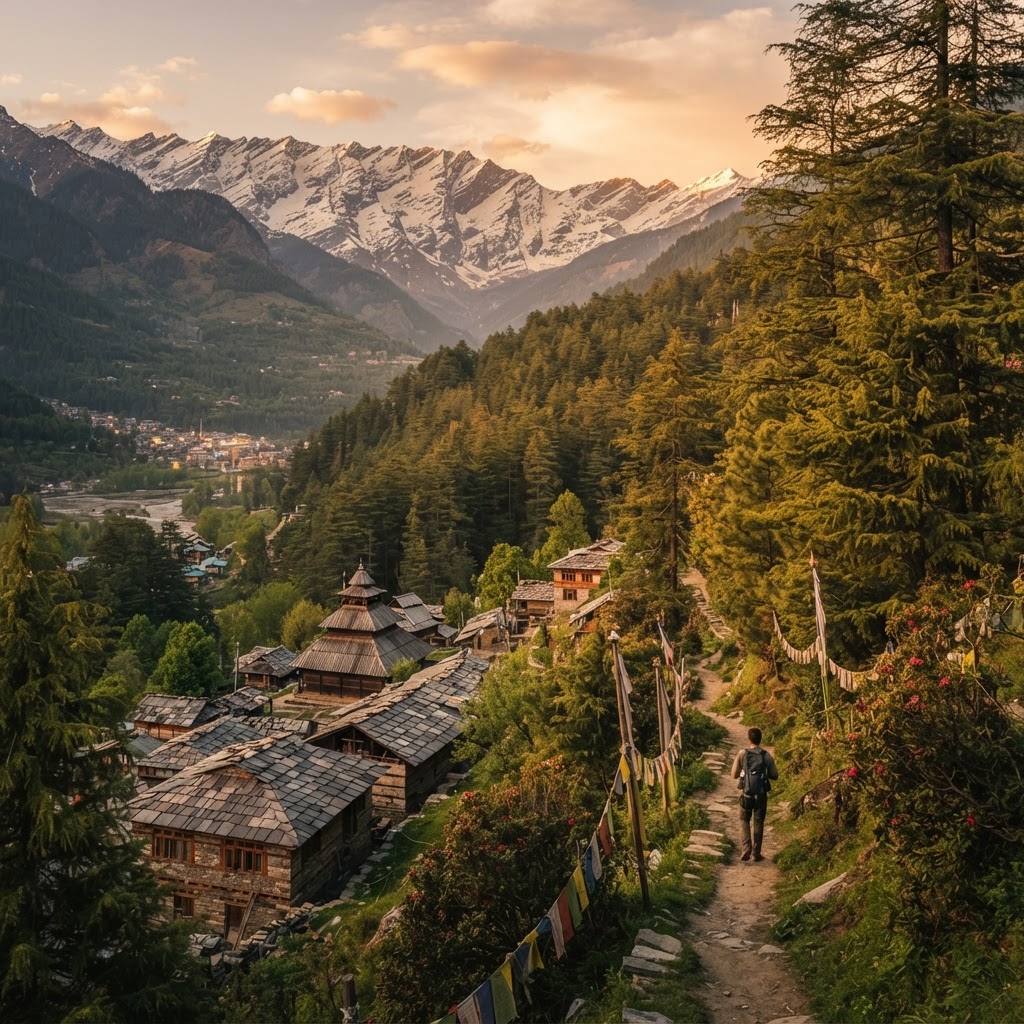
Manali, Himachal Pradesh
India
Beyond Mall Road gridlock lies pine-forested alpine trails and Himalayan high-pass gateways.
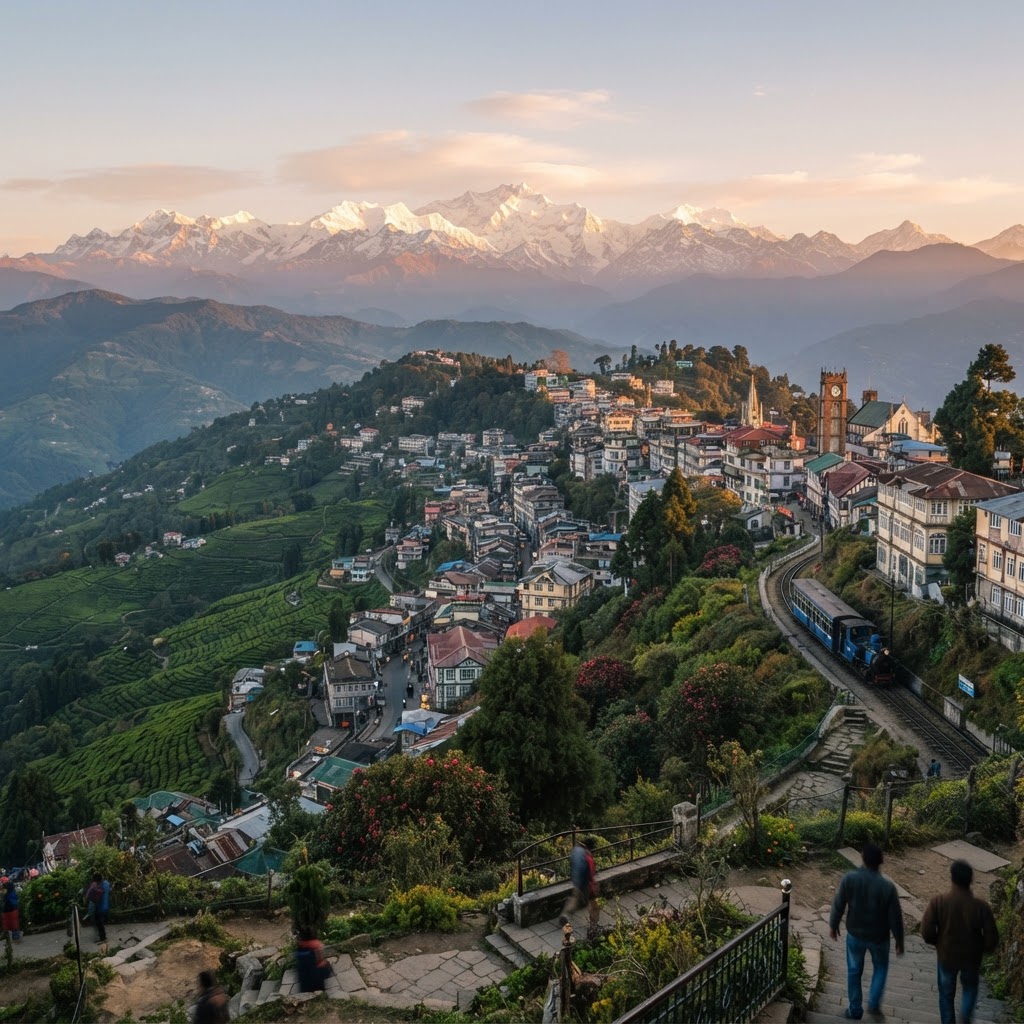
Darjeeling, West Bengal, India
India
Steep colonial ridge lines, first-flush tea estates, and dawn views of Kangchenjunga.
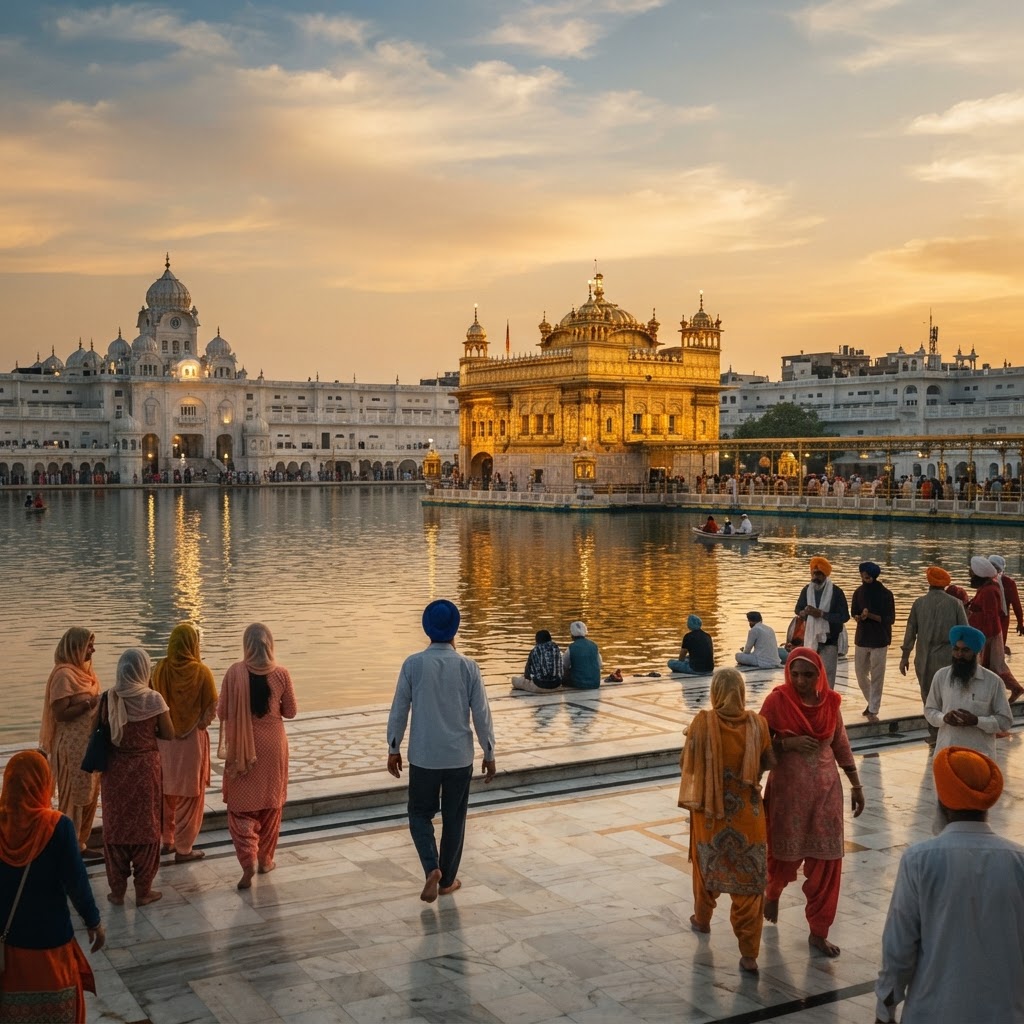
Amritsar, Punjab, India
India
The spiritual heart of Punjab, forged in sacred tradition, profound history, and unbeatable culinary culture.
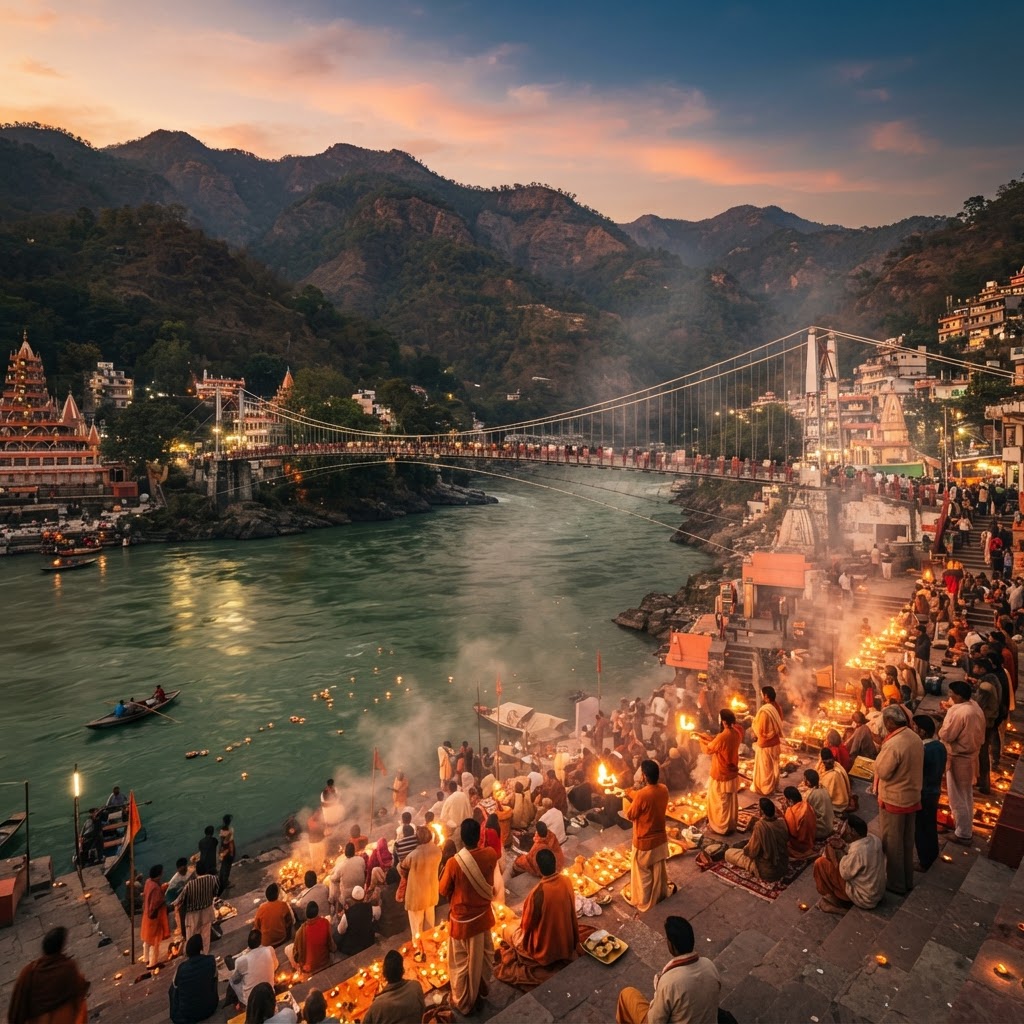
Rishikesh
India
Where Himalayan whitewater meets evening ashram chants on the Ganges
More in South Asia
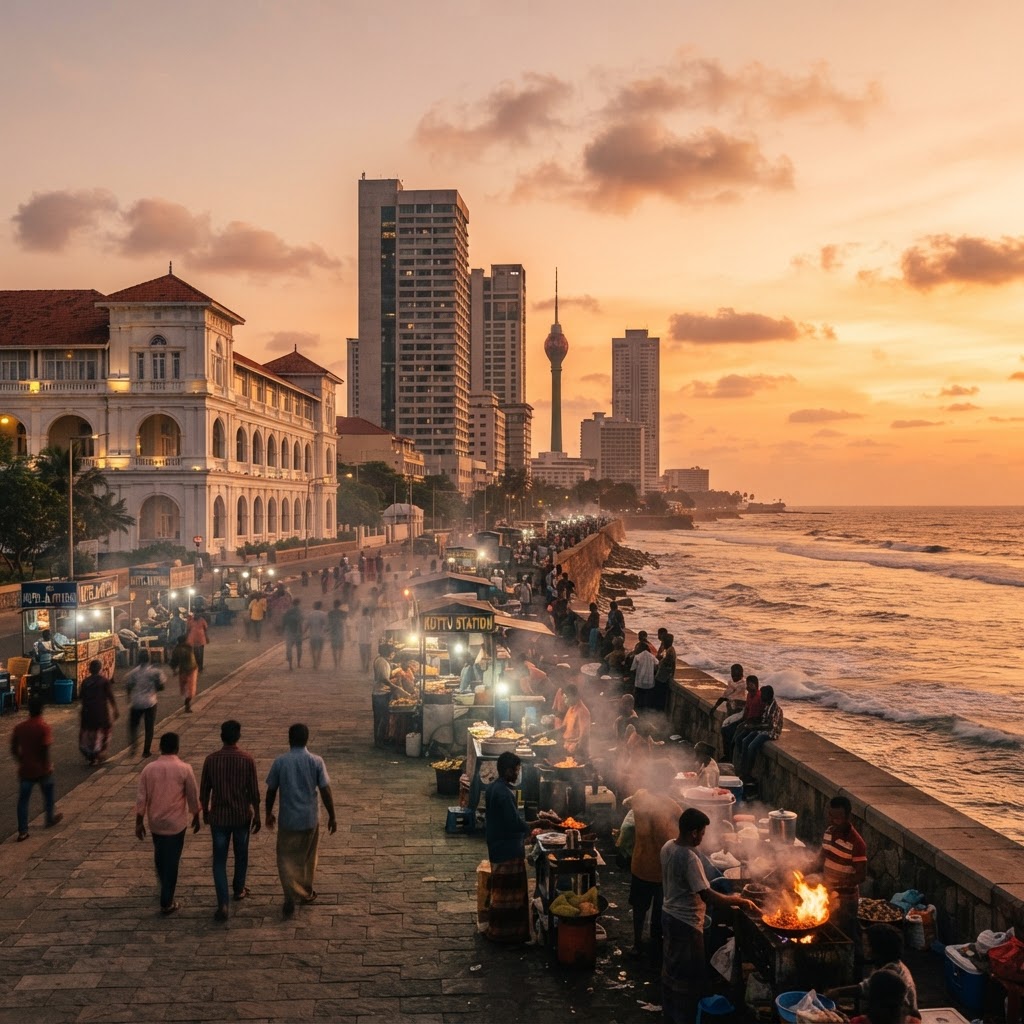
Readymade itineraries
Start from a tested template — then make it yours.
Ready to book
Lock in your Delhi trip
Everything in one place. We may earn a small commission — it never costs you more.
Plan a trip to Delhi
Pick a length and we'll build a day-by-day plan around how you travel — neighborhoods clustered, budget-aware, and editable.
Get better at planning trips like this
Occasional notes on planning smarter — no spam, unsubscribe anytime.
Plan a trip to Delhi
Turn this guide into a day-by-day plan built around your pace, your group, and your budget.
Build my Delhi trip