Portugal
Coimbra, Portugal
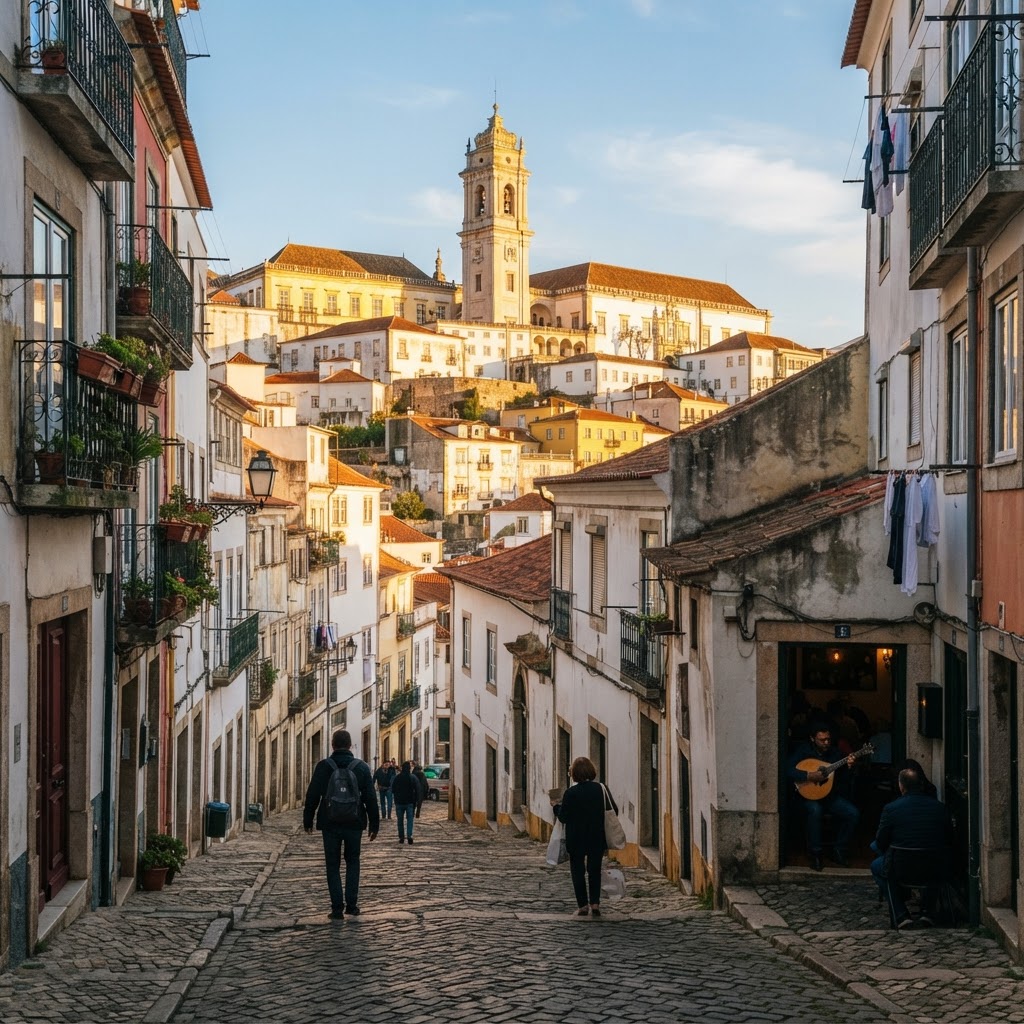
Portugal's scholastic capital of steep stone alleys, baroque grandeur, and melancholic fado
Plan & book
Sort your Coimbra, Portugal trip in one place.
We point you to the booking tools we'd actually use — live prices, no markup. Or let us build the day-by-day plan around you first, then book.
Perched above the Rio Mondego, Coimbra was Portugal's medieval capital and remains its academic heart. Anchored by one of Europe's oldest universities, the city trades the polished internationalism of Lisbon and Porto for evocative scholastic tradition, gothic monasteries, and melancholic serenades. Between the hilltop academic quarter of Alta and the lively riverside alleys of Baixa, Coimbra delivers an unfiltered slice of Portuguese intellectual history.
2 days
Best time
Mid-spring (April to May) or early autumn (October).
Build your own trip with these prebuilt itineraries
Each one is a tested, day-by-day plan for Coimbra, Portugal — start here, then make it yours.
Go for the Biblioteca Joanina—an opulent baroque library guarded by colony-sheltering bats—and the city's haunting, male-voiced Coimbra Fado, sung in vaulted stone venues rather than tourist taverns. It is the best place in Portugal to experience living medieval tradition untethered from heavy resort tourism.
Where to stay
Getting there
Getting around
Food & drink
What it costs
Things to do
Book tours & tickets in Coimbra, PortugalSkip it if
Skip Coimbra if your priority is beach resort relaxation, sleek modern nightlife, or flat, effortless walking without steep climbs. Travelers with severe mobility issues will find Alta challenging even with taxis.
When to go
Spring and early autumn offer temperatures around 18–22°C ideal for conquering severe stone inclines, with active student life fueling evening fado. Summer bakes the exposed limestone, and university holidays leave the historic academic quarters strangely deserted.
Peak (May to September)
Early May explodes during the Queima das Fitas academic festival with parades and booked-out hotels; July and August bring intense heat, heavy day-tripper crowds, and quiet campuses as students depart.
Shoulder (March to April & October to November)
The prime sweet spot. Moderate temperatures for steep walks, energetic term-time student atmosphere, and manageable lines at the Joanina Library.
Low (December to February)
Chilly, rain-slicked cobblestones and shorter daylight hours, but minimal crowds at monuments and cheap boutique hotel rates.
Neighborhoods
Where you stay shapes the trip. Here's how to think about it.
Baixa (Cidade Baixa)
Flat, bustling commercial riverfront of tiled pedestrian alleys, pastry counters, and old-world squares.
Best for:First-timers, travelers arriving by rail, and anyone avoiding steep climbs with luggage
Don't miss:Espresso and a pastel de Santa Cruz beneath the vaulted ceiling of Café Santa Cruz on Praça 8 de Maio.
Alta (Upper Old Town)
Steep scholastic citadel of cobbled alleys, medieval arches, student dorms (repúblicas), and university landmarks.
Best for:History purists, architecture buffs, and fit travelers who want pure academic atmosphere on their doorstep
Don't miss:The Sé Velha (Old Cathedral) plaza at dusk when student guitarists practice acoustic Coimbra fado.
Santa Clara
Leafy, tranquil south bank of the Rio Mondego with panoramic uphill skyline views and gothic ruins.
Best for:Road trippers needing hotel parking, luxury seekers, and families wanting open gardens away from student bars
Don't miss:The half-submerged gothic arches of the Mosteiro de Santa Clara-a-Velha and a drink at Quinta das Lágrimas.
Praça da República & Celas
Energetic civic hub bordered by leafy municipal parks, student beer bars, and modern residential avenues.
Best for:Budget travelers, night owls wanting genuine student nightlife, and long-term explorers
Don't miss:The shaded fountains and azulejo benches of Jardim da Sereia (Parque de Santa Cruz) just off the main plaza.
Destination intelligence
Updated 9/14/2026The structured record we plan every Coimbra, Portugal itinerary from.
Walkability
High within distinct zones, but strenuous between them due to severe vertical elevation changes and slick cobblestones.
Transit quality
Moderate; Coimbra-B provides superb regional rail links, while local buses and elevators efficiently handle cross-city transit.
Car needed
Not required. A car is an active liability inside central Coimbra; only rent one if departing on rural day trips to Buçaco, the Schist Villages, or Conímbriga.
Ideal duration
2 days
Minimum useful
1 day
Peak season
May to September. Warm, dry weather and high tourism, along with major student celebrations like Queima das Fitas in May.
Shoulder season
March to April and October to November. Mild weather, active academic life with fewer tourist tour buses, and comfortable walking temperatures.
Low season
December to February. Chilly, rainier days and quiet university breaks, though historic sites remain uncrowded.
Best for
Common mistakes
- Treating Coimbra merely as a rushed 2-hour train layover, which misses the evening atmosphere and traditional fado.
- Failing to reserve a timed entry slot in advance for the Joanina Library, resulting in long waits or sold-out access.
- Attempting to drive or navigate rental cars into the narrow, labyrinthine alleys of Alta.
- Packing heavy wheeled luggage while booking accommodations halfway up the Quebra-Costas hill without planning for transit or taxis.
- Wearing slick or unsupportive footwear on steep, polished calçada portuguesa stone streets.
Best nearby
See what a trip to Portugal actually costs. Travel Budget Co.
How to plan it
- Stay in Baixa near Largo da Portagem if rolling luggage from the station; choose Santa Clara only if arriving by car with hotel parking.
- Reserve your Biblioteca Joanina morning entry before 10:00 AM to explore the Upper University complex before tour buses roll in from Lisbon.
- Pair Coimbra with the Roman mosaic ruins at Conímbriga (16 km south) via a 30-minute regional bus or taxi rather than trying to cram in Aveiro on the same day.
- Attend a seated fado performance at Fado ao Centro around 6:00 PM before dinner, rather than hunting for dinner-show tourist traps in the lower town.
- Use the Elevador do Mercado to ascend from the market area to the upper botanical gardens to save your knees for the descent.
Questions
More in Portugal
Óbidos, Portugal
Portugal
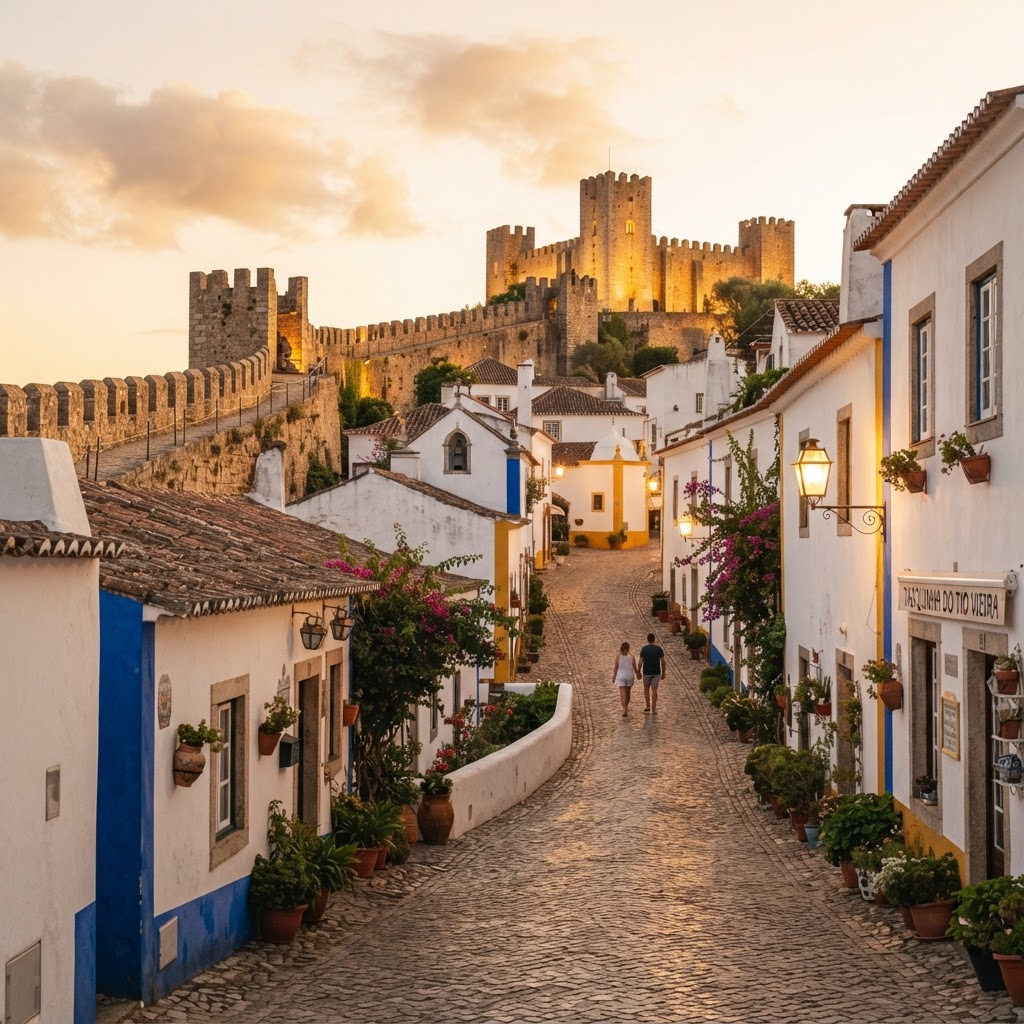
Ramparts, whitewashed lanes, and quiet evenings after the tour coaches depart

Nazaré, Portugal
Portugal
Colossal Atlantic surf, dramatic clifftops, and enduring maritime traditions
Lagos, Portugal
Portugal
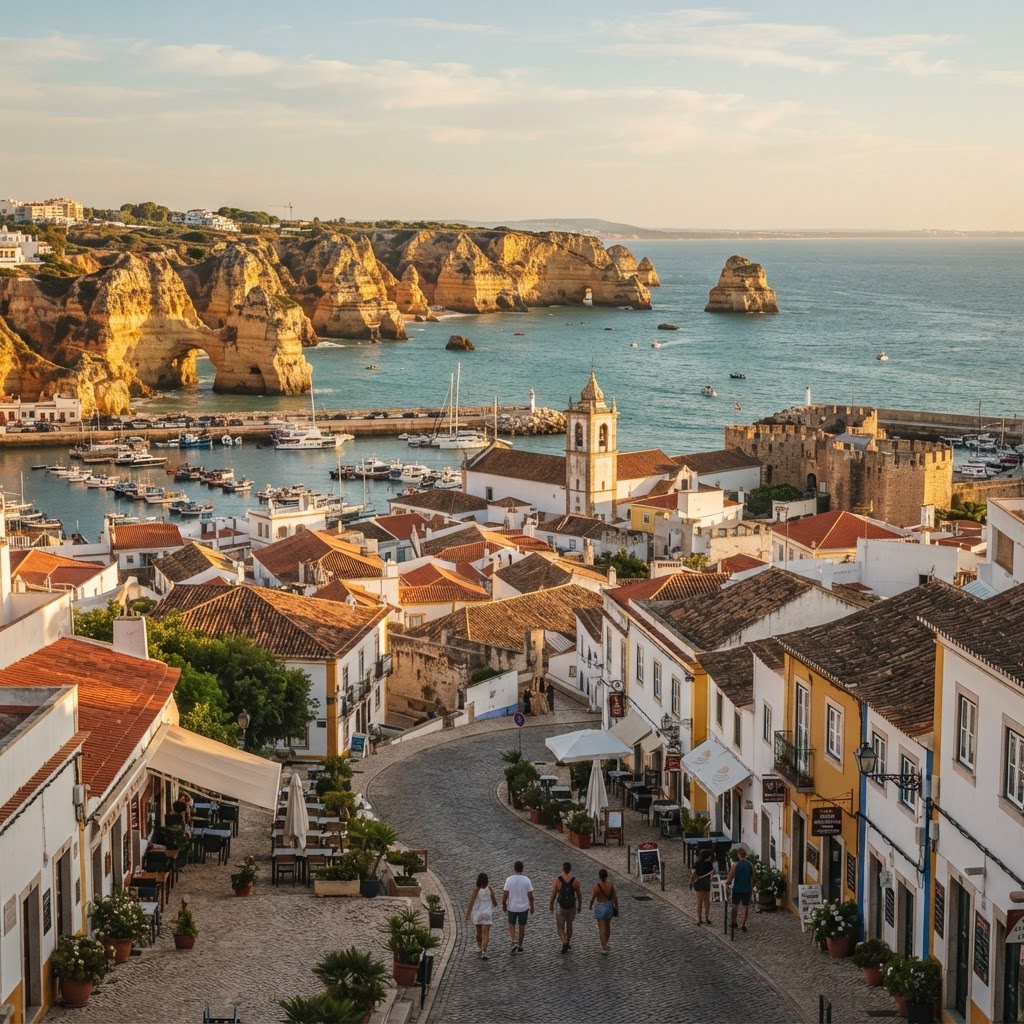
Golden sea stacks, maritime history, and the Algarve’s most walkable coastal hub.
Douro Valley
Portugal
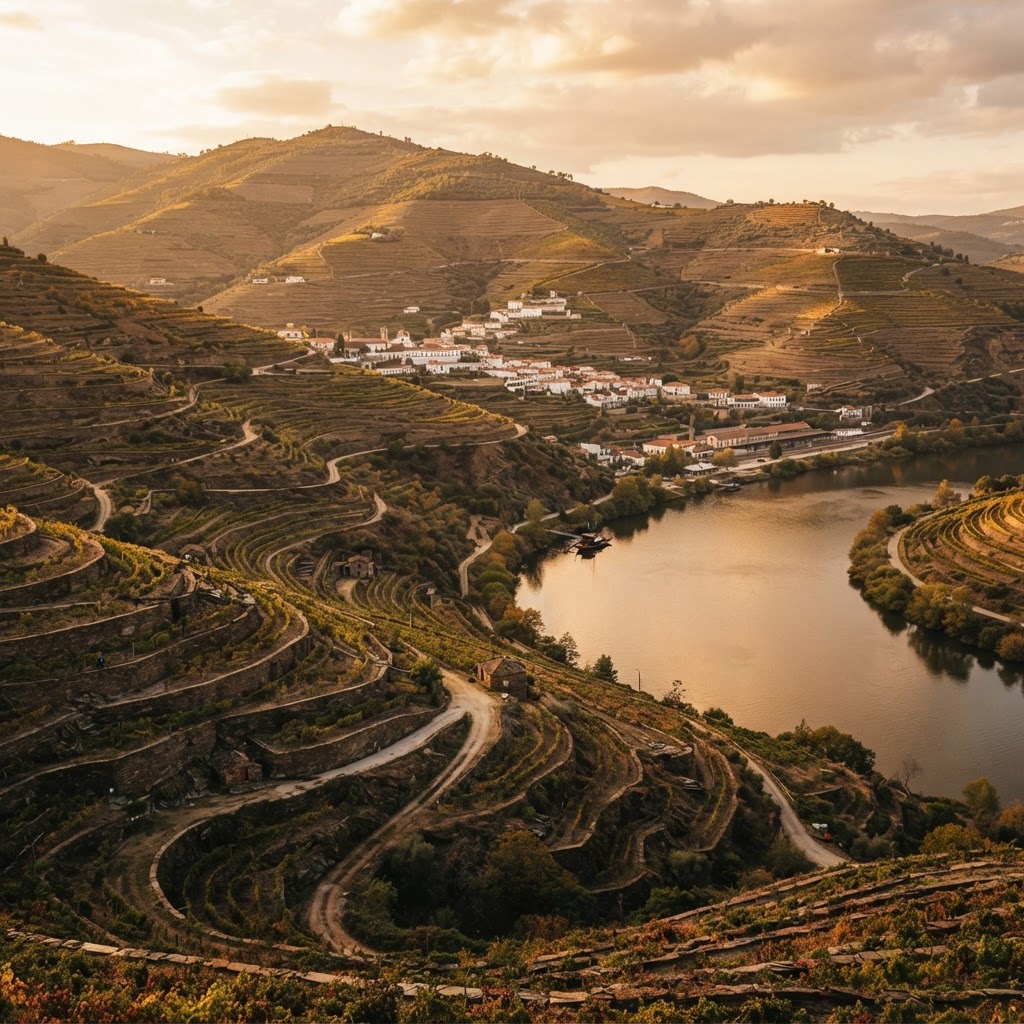
Carved slate terraces, old-vine field blends, and slow river rhythm.
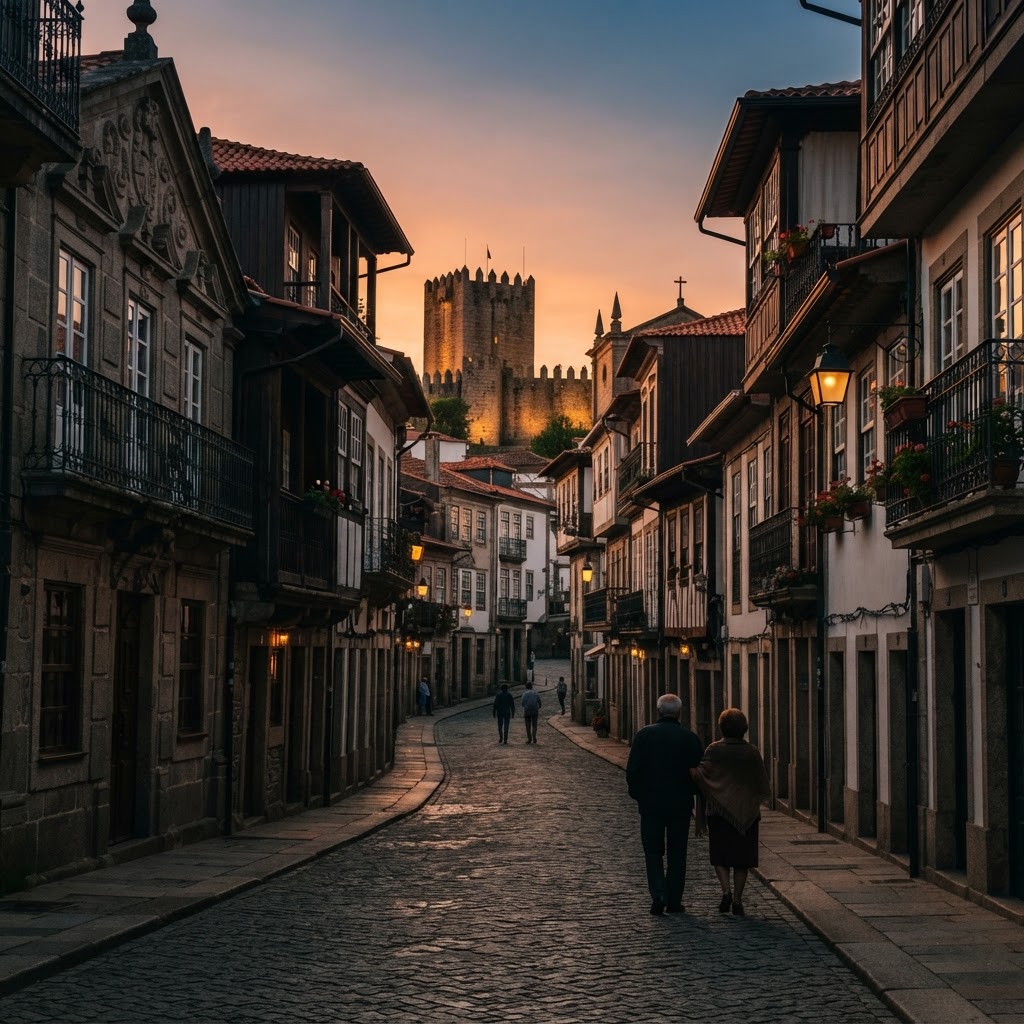
Guimarães, Portugal
Portugal
The granite-and-timber cradle of Portuguese nationhood, best experienced when day-trippers depart.
Readymade itineraries
Start from a tested template — then make it yours.
Ready to book
Lock in your Coimbra, Portugal trip
Everything in one place. We may earn a small commission — it never costs you more.
Plan a trip to Coimbra, Portugal
Pick a length and we'll build a day-by-day plan around how you travel — neighborhoods clustered, budget-aware, and editable.
Get better at planning trips like this
Occasional notes on planning smarter — no spam, unsubscribe anytime.
Plan a trip to Coimbra, Portugal
Turn this guide into a day-by-day plan built around your pace, your group, and your budget.
Build my Coimbra, Portugal trip