
Italy
Civita di Bagnoregio, Italy
An eroding hilltop relic connected to the modern world by a single footbridge
Plan & book
Sort your Civita di Bagnoregio, Italy trip in one place.
We point you to the booking tools we'd actually use — live prices, no markup. Or let us build the day-by-day plan around you first, then book.
Perched on a crumbling pinnacle of volcanic tuff and clay high above the Valle dei Calanchi, Civita di Bagnoregio earned its moniker as 'la città che muore' (the dying city). Accessible solely by a steep 300-meter pedestrian footbridge from the modern gateway town of Bagnoregio, this ancient Etruscan settlement has less than a dozen permanent year-round residents. By midday it teems with day-trippers from Rome and Orvieto; by dusk, the day-trippers depart across the bridge, returning the cobblestone alleys and quiet piazzas to an eerie, suspended stillness.
How long
1 night (arrive late afternoon, sleep inside the historic village, depart late morning)
Build your own trip with these prebuilt itineraries
Each one is a tested, day-by-day plan for Civita di Bagnoregio, Italy — start here, then make it yours.
Go for the sheer drama of its topography: standing on a fading spur of tufa rock flanked by eroded canyon badlands, entered through an Etruscan archway after crossing a bridge over thin air. Overnighting here gives you rare solitary access to a living medieval open-air relic without coach tours.
Where to stay
Getting there
Getting around
Food & drink
What it costs
Skip it if
Skip staying or visiting if you have severe mobility limitations, knee trouble, or depend on wheelchairs, as the long, steep bridge incline and uneven cobblestones cannot be bypassed. Skip as a multi-night base if you want lively nightlife or effortless daily car excursions.
Destination intelligence
Updated 9/13/2026The structured record we plan every Civita di Bagnoregio, Italy itinerary from.
Walkability
10/10 within the village boundaries, but requires high physical stamina to ascend the steep 300-meter access footbridge.
Transit quality
Fair: train connection requires stopping at Orvieto and coordinating with scheduled Cotral regional buses to Bagnoregio.
Car needed
Recommended for convenience and exploring the surrounding Tuscia region, though public bus from Orvieto is feasible on weekdays.
Ideal duration
1 night (arrive late afternoon, sleep inside the historic village, depart late morning)
Minimum useful
3 hours (a brisk crossing, town loop, and a glass of local wine)
Peak season
May through September: warm weather, maximum day-tour volume, bustling trattorie, and crowded photography spots.
Shoulder season
April and October to early November: crisp weather, brilliant light over the calanchi badlands, and fewer crowds on the footbridge.
Low season
December through February: cold, frequent low-lying mist and winds across the valley, minimal foot traffic, with many interior businesses closed midweek.
Best for
Common mistakes
- Arriving with heavy wheeled suitcases expecting taxi drop-off at your hotel door across the bridge
- Visiting in the middle of a hot summer day (11:00 to 15:00) when tour crowds peak and the unshaded bridge walk is blistering
- Relying on weekend Cotral buses without double-checking sparse Sunday return schedules to Orvieto
- Assuming dinner options will remain open late in the low season without an advance reservation
Best nearby
See what a trip to Italy actually costs. Travel Budget Co.
More in Italy
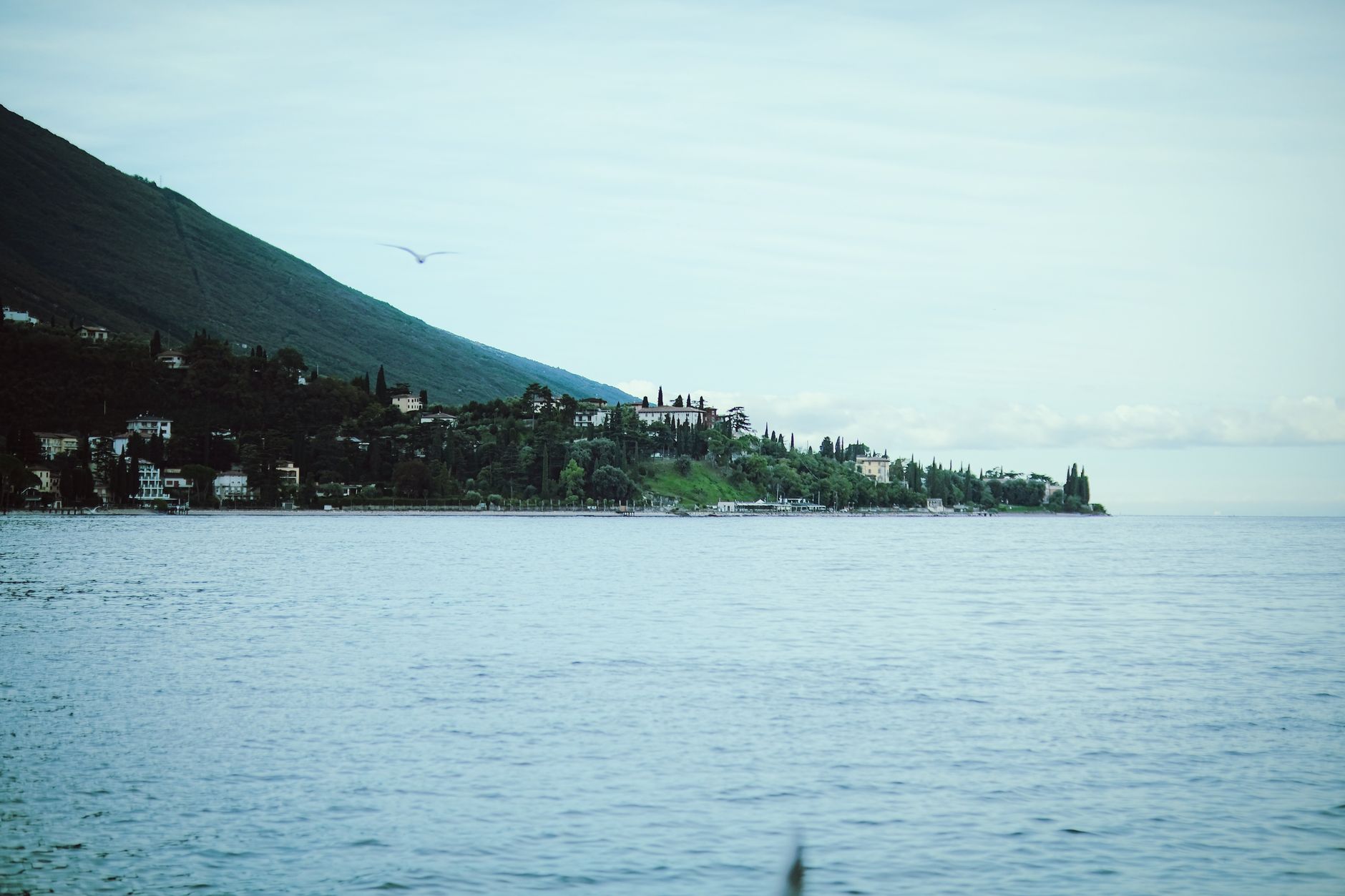
Lake Garda
Italy
Fjord-like northern crags, southern olive groves, and lake life without the Como theater
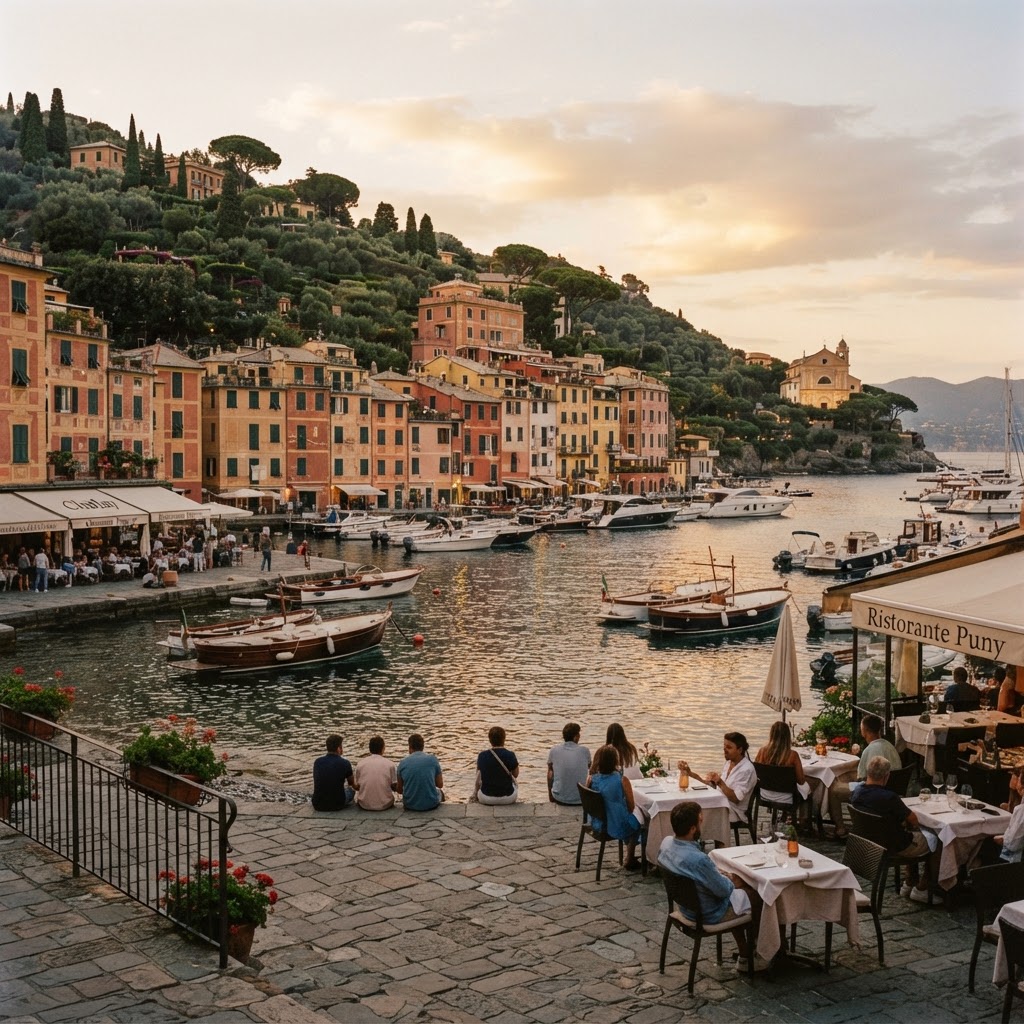
Portofino
Italy
A pocket-sized Riviera cove where lingering beats sightseeing.
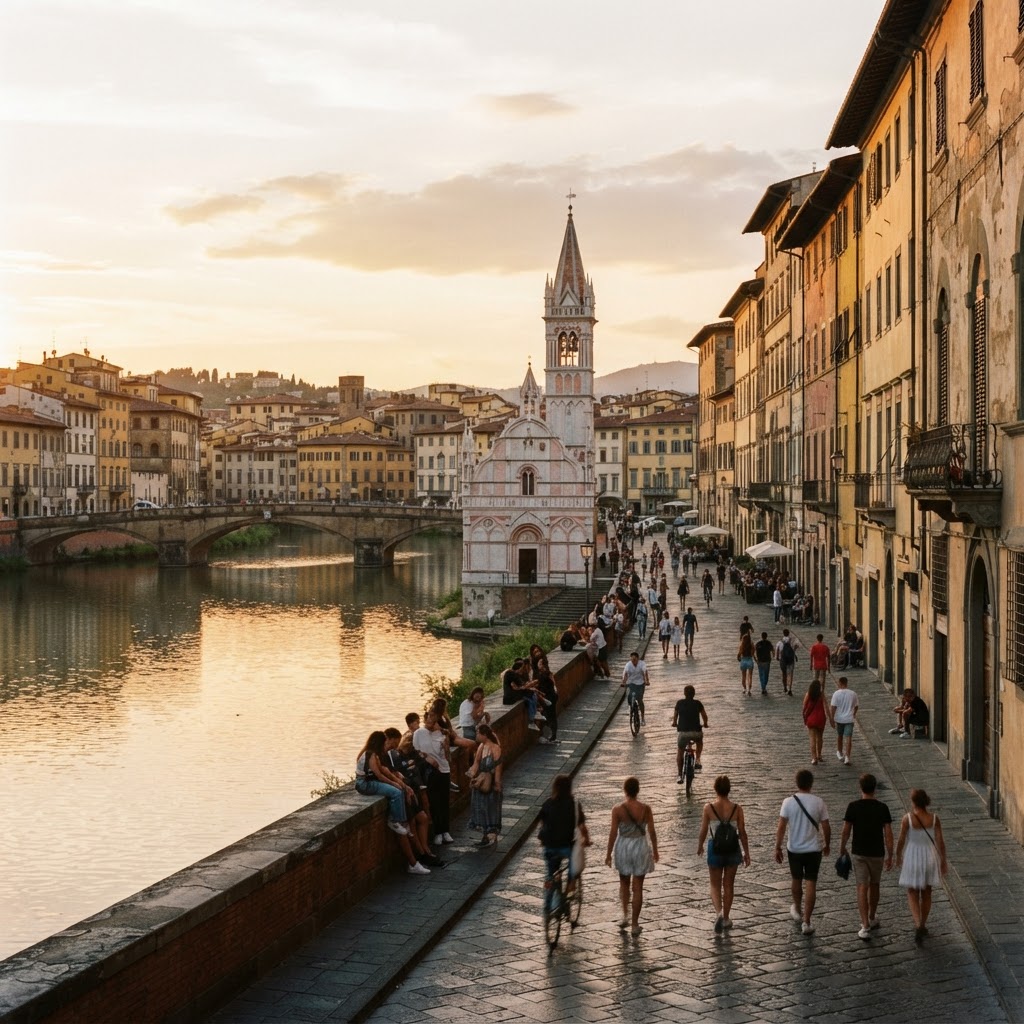
Pisa
Italy
Beyond the leaning marble: a lively university city of riverside palaces and quiet piazzas.
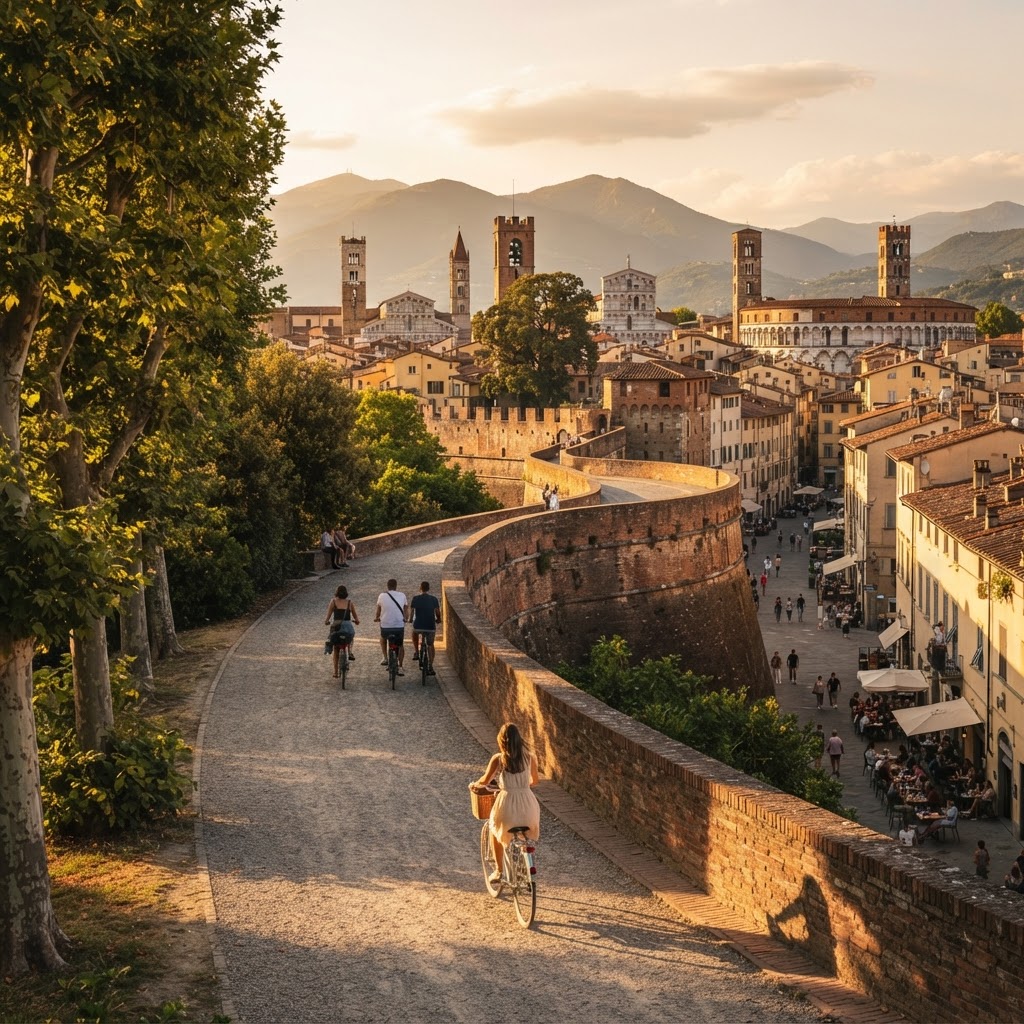
Lucca, Italy
Italy
A graceful, walled Tuscan oasis made for cycling ramparts and unhurried aperitivi.
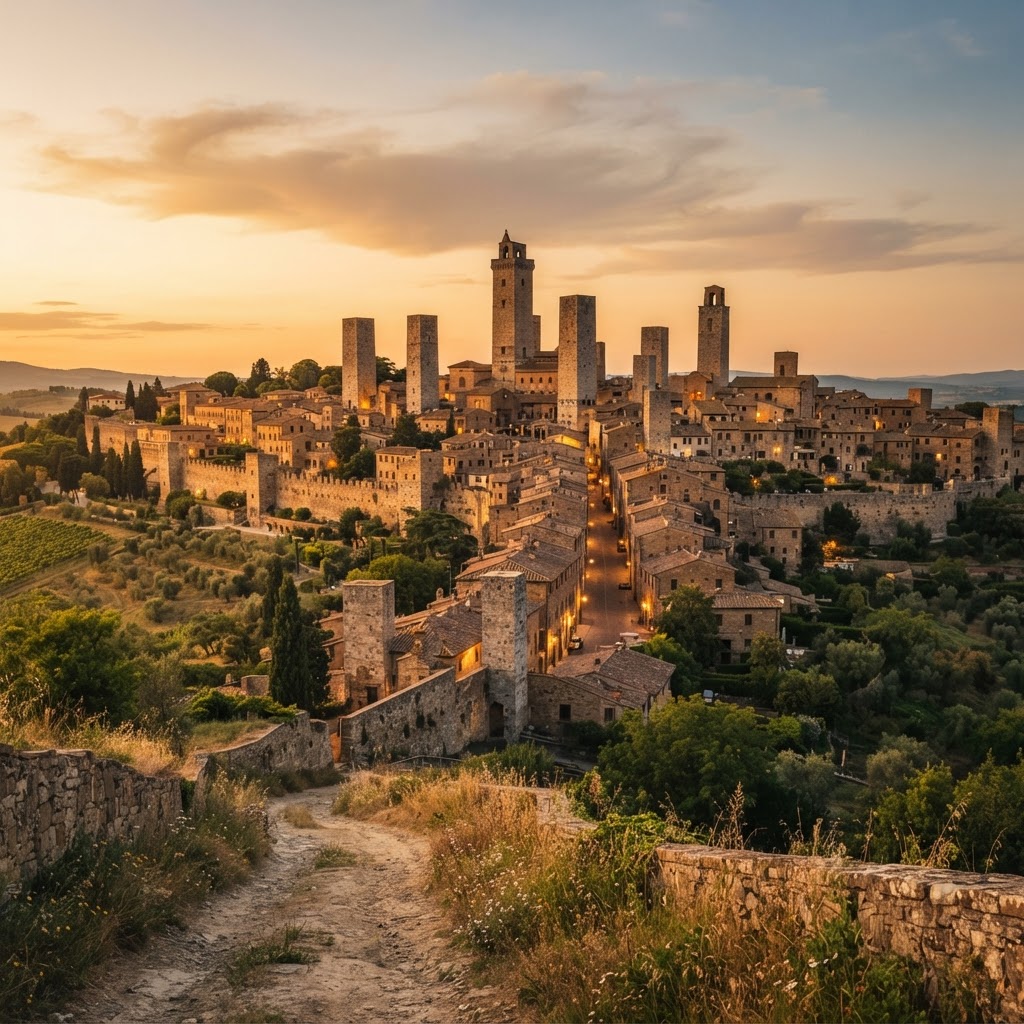
San Gimignano
Italy
Tuscany's medieval Manhattan, magical only when the day-trippers vanish
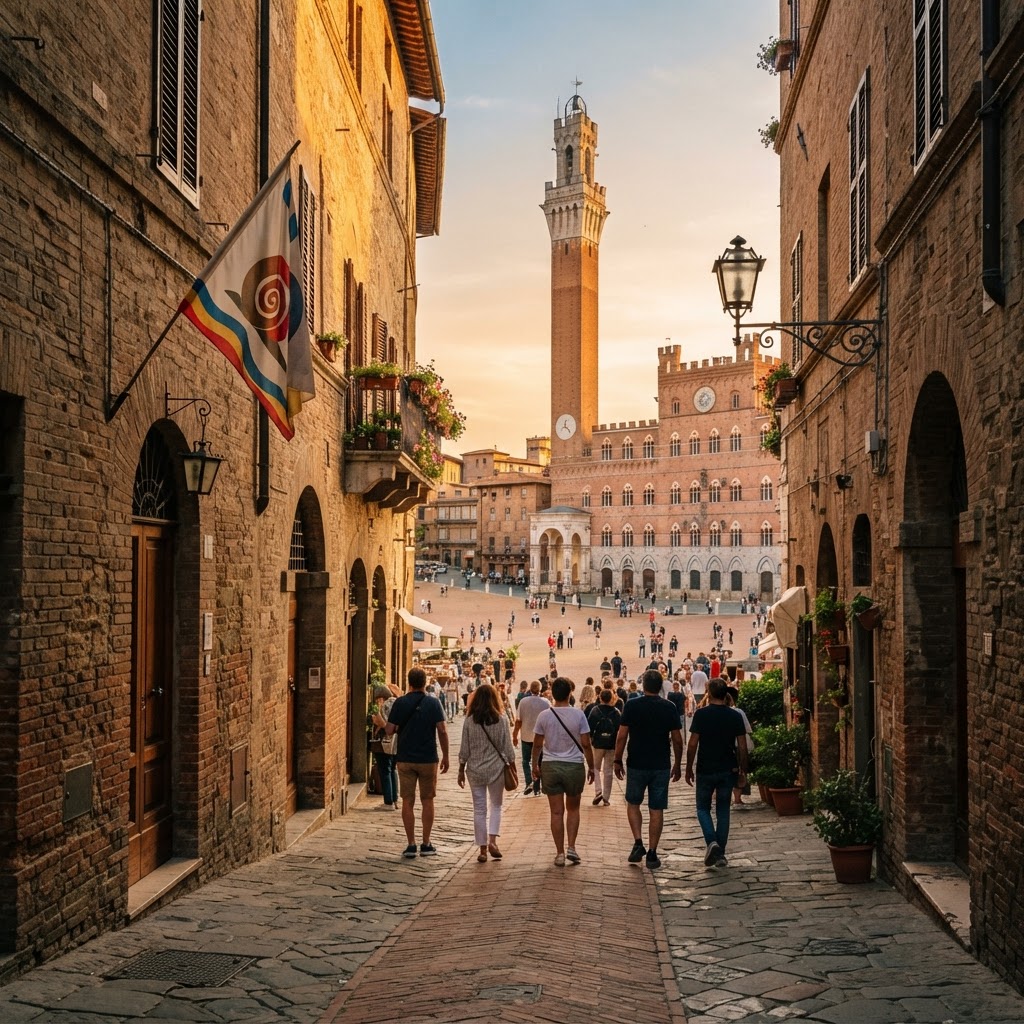
Siena, Tuscany, Italy
Italy
Gothic brick alleys, neighborhood contrada pride, and Italy's most dramatic medieval square
Readymade itineraries
Start from a tested template — then make it yours.
Ready to book
Lock in your Civita di Bagnoregio, Italy trip
Everything in one place. We may earn a small commission — it never costs you more.
Plan a trip to Civita di Bagnoregio, Italy
Pick a length and we'll build a day-by-day plan around how you travel — neighborhoods clustered, budget-aware, and editable.
Get better at planning trips like this
Occasional notes on planning smarter — no spam, unsubscribe anytime.
Plan a trip to Civita di Bagnoregio, Italy
Turn this guide into a day-by-day plan built around your pace, your group, and your budget.
Build my Civita di Bagnoregio, Italy trip