
Belgium
Brussels Itinerary: How Many Days + Sample Plans
Brussels is chocolate, beer, and grand squares — underrated and easy, with Europe's best bar scene.
Traveler rating
Loved by food lovers.
Plan & book
Sort your Brussels trip in one place.
We point you to the booking tools we'd actually use — live prices, no markup. Or let us build the day-by-day plan around you first, then book.
Pick your trip length
How many days do you need in Brussels?
Each of these opens a full day-by-day plan you can make your own.
- 2 days — Two days — the essentials, no rushing.
- 3 days — Three days — the icons plus one neighborhood.
- 4 days — Four days — a full city without sprinting.
- 5 days — Five days — room for a day trip.
- 7 days — A week — the city at a human pace.
- With Kids trip — Shorter days, earlier dinners, what to skip.
- For Couples trip — Two-person pacing with evenings built in.
- Solo trip — A plan that works well on your own.
- Food trip — Meals and markets as the anchors.
- Outdoors trip — Nature, walks and open air.
- Culture trip — History, museums and the streets around them.
Brussels is more than the EU capital — the Grand Place, comic-strip murals, and a bar culture built on Trappist beers. Eat moules-frites, drink gueuze, and skip to Bruges or Ghent for a day.
2–3 days
Best time
May to June or September to October
Budget
€90–160 per person per day at mid-range.
Build your own trip with these prebuilt itineraries
Each one is a tested, day-by-day plan for Brussels — start here, then make it yours.
5 Days in Brussels: The Belgian Basecamp
Brussels as a hub for day trips to Bruges, Ghent, and Antwerp to experience the broader region.
3 Days in Brussels: Art and Architecture Focus
Deep dive into Art Nouveau heritage, the Comics Art Museum, and Fine Arts Museums.
2 Days in Brussels: The Classic Highlights
First-time visitor focused on Grand-Place, Manneken Pis, and chocolate shops.
Brussels pairs monumental European grandeur with unpretentious culinary indulgence. Beneath the gold leaf of the Grand-Place lies an intricate urban landscape of Art Nouveau townhouses, centuries-old lambic fermentation traditions, and an internationally driven art scene. It functions both as an intimate, neighborhood-focused capital and the most convenient transit springboard to Flanders and Wallonia.
Where to stay
Getting there
Getting around
Food & drink
What it costs
Things to do
Book tours & tickets in BrusselsSkip it if
Skip Brussels as a standalone weeklong trip if you demand a pristine fairy-tale canal aesthetic throughout—Bruges or Ghent deliver that compact charm far better. Brussels is an edgy, layered administrative and residential metropolis with gritty pockets that rewards travelers who enjoy exploring diverse neighborhoods rather than postcard-only streets.
When to go
Spring and early autumn hit the sweet spot: comfortable walking weather in the 60s, outdoor beer terraces operating at full tilt, and fewer summer tour bus crowds clogging the cobblestones around Grand-Place.
Peak (July–August & December)
Summer brings outdoor music festivals and late twilight on terrace squares, but heavy tour groups and peak hotel prices; December draws huge crowds for the Plaisirs d'Hiver Christmas markets and Grand-Place light shows.
Shoulder (April–June & September–October)
The ideal window. Blooming parks at Cinquantenaire, pleasant temperatures for walking, open seasonal gardens like the Royal Greenhouses of Laeken in spring, and manageable restaurant reservations.
Low (November & January–March)
Cold, overcast, and frequent drizzle, but room rates drop significantly. Exceptional time for cozying into wood-paneled Trappist brown bars and exploring major art museums without lines.
Neighborhoods
Where you stay shapes the trip. Here's how to think about it.
Grand-Place & Central Quarter
Grand cobblestone alleys, 17th-century guildhalls, and bustling tourist foot traffic.
Best for:First-timers and short 48-hour layovers
Don't miss:The gold-leaf architecture of Grand-Place at night and artisanal pralines inside the glass-canopied Galeries Royales Saint-Hubert.
Sainte-Catherine & Dansaert
Hip Flemish design boutiques, lively terrace cafes, and historic quayside seafood bistros.
Best for:Foodies, independent shoppers, and craft beer drinkers
Don't miss:Fresh North Sea croquettes or oysters at a counter on Place Sainte-Catherine, followed by natural wine along Rue Antoine Dansaert.
Sablon
Polished, historic Upper Town elegance lined with antique showrooms, upscale chocolatiers, and leafy squares.
Best for:Couples, museum-goers, and boutique-hotel seekers
Don't miss:Browsing the weekend open-air antique market on Place du Grand Sablon, bookended by visits to master chocolatiers Pierre Marcolini and Neuhaus.
Les Marolles
Working-class Brussels heritage meeting gritty, bohemian vintage shops and retro brown bars.
Best for:Bargain hunters, architecture lovers, and travelers wanting local character
Don't miss:The morning flea market on Place du Jeu de Balle, followed by a ride up the Poelaert glass elevator for views across the lower city.
Ixelles & Châtelain
Leafy Art Nouveau townhouses, curated wine bars, and leisurely brunch terraces favored by expats and locals.
Best for:Slow travelers, return visitors, and residential cafe culture
Don't miss:The vibrant Wednesday open-air food market on Place du Châtelain and a walk through the Victor Horta Museum.
Money & essentials
Currency
Euro (EUR). Cards widely accepted; cash for small bars.
Language
French and Dutch (both official). English widely spoken.
Safety
Generally safe; exercise routine urban vigilance against pickpocketing around Bruxelles-Midi and Bruxelles-Nord rail hubs and crowded tourist hot spots.
Budget range
€90–160 per person per day at mid-range.
Tipping
Service and VAT are legally included in restaurant checks; leaving small change or 5–10% for attentive table service is customary but optional.
How to plan it
- Stay in Sablon or Sainte-Catherine if you want walkable dining and boutique energy without the tourist clutter right outside Grand-Place.
- Do not rent a car for regional exploring; Belgian intercity rail connects Brussels Central to Ghent in 35 minutes and Bruges in under an hour without parking headaches.
- Book the Horta Museum at least two weeks in advance online, as entry slots into the architect's preserved Art Nouveau townhouse are strictly capped.
- Pair your Brussels stay with Ghent rather than trying to cram both Ghent and Bruges into a single day trip.
- Check museum opening schedules carefully: many premier cultural institutions, including the Royal Museums of Fine Arts and the Magritte Museum, close on Mondays.
Questions
More in Belgium
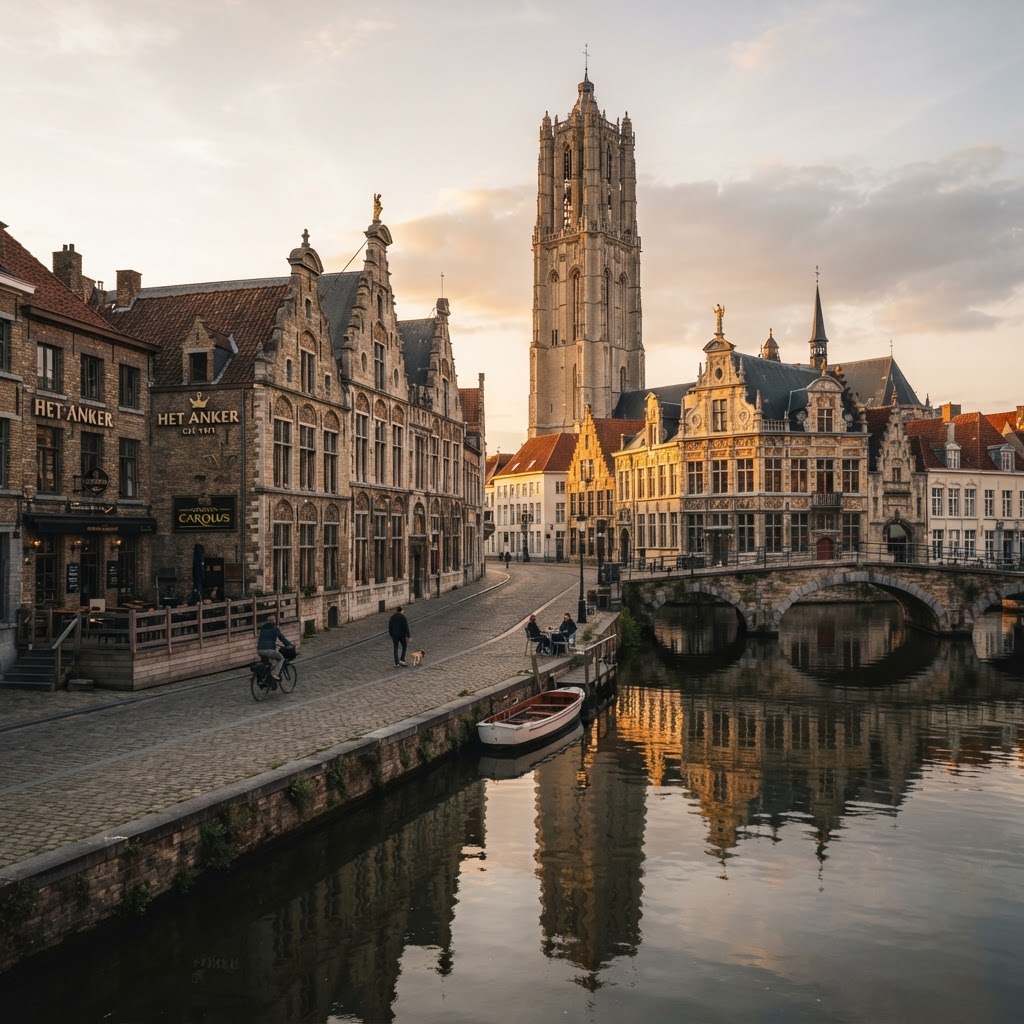
Mechelen, Belgium
Belgium
Flemish Renaissance heritage, world-class carillon culture, and canal-side breweries without the tourist circus
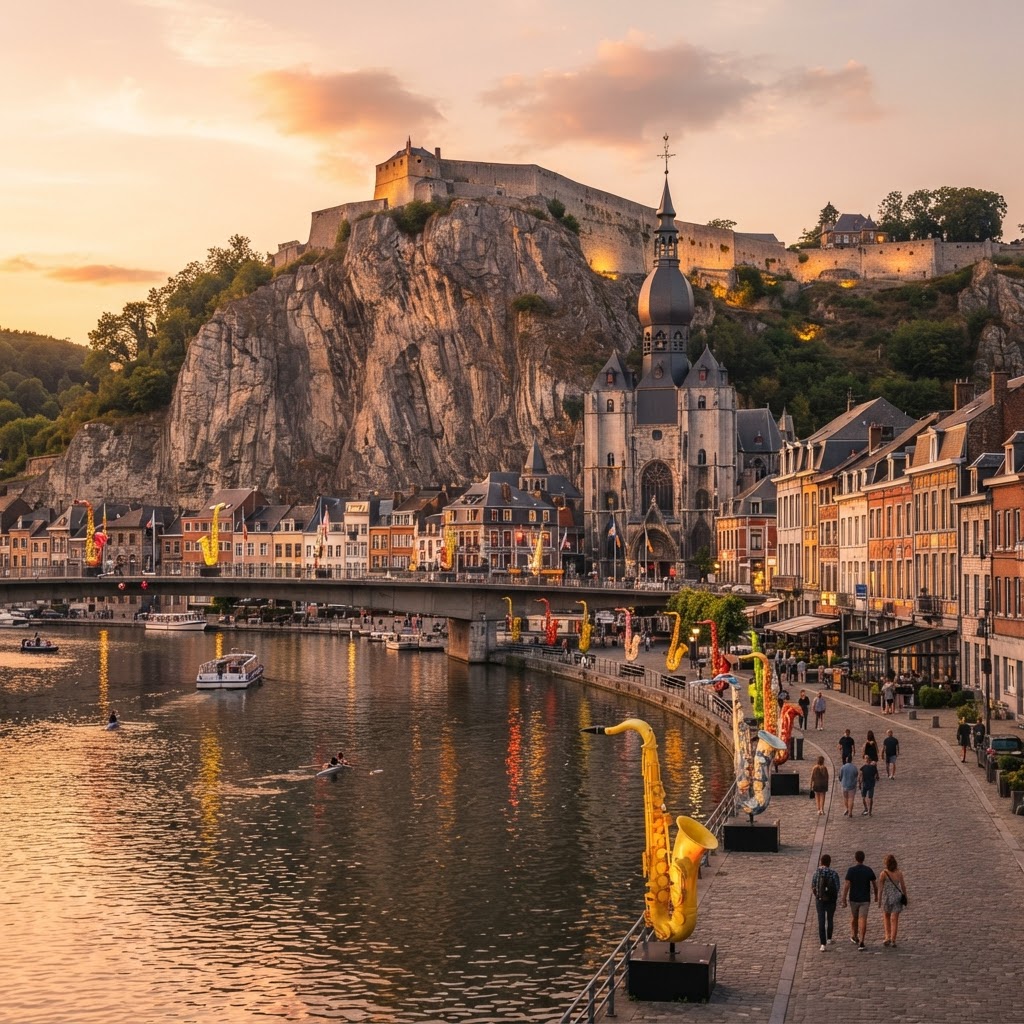
Dinant
Belgium
Sheer limestone cliffs, saxophone lore, and dramatic Meuse riverfront vistas.
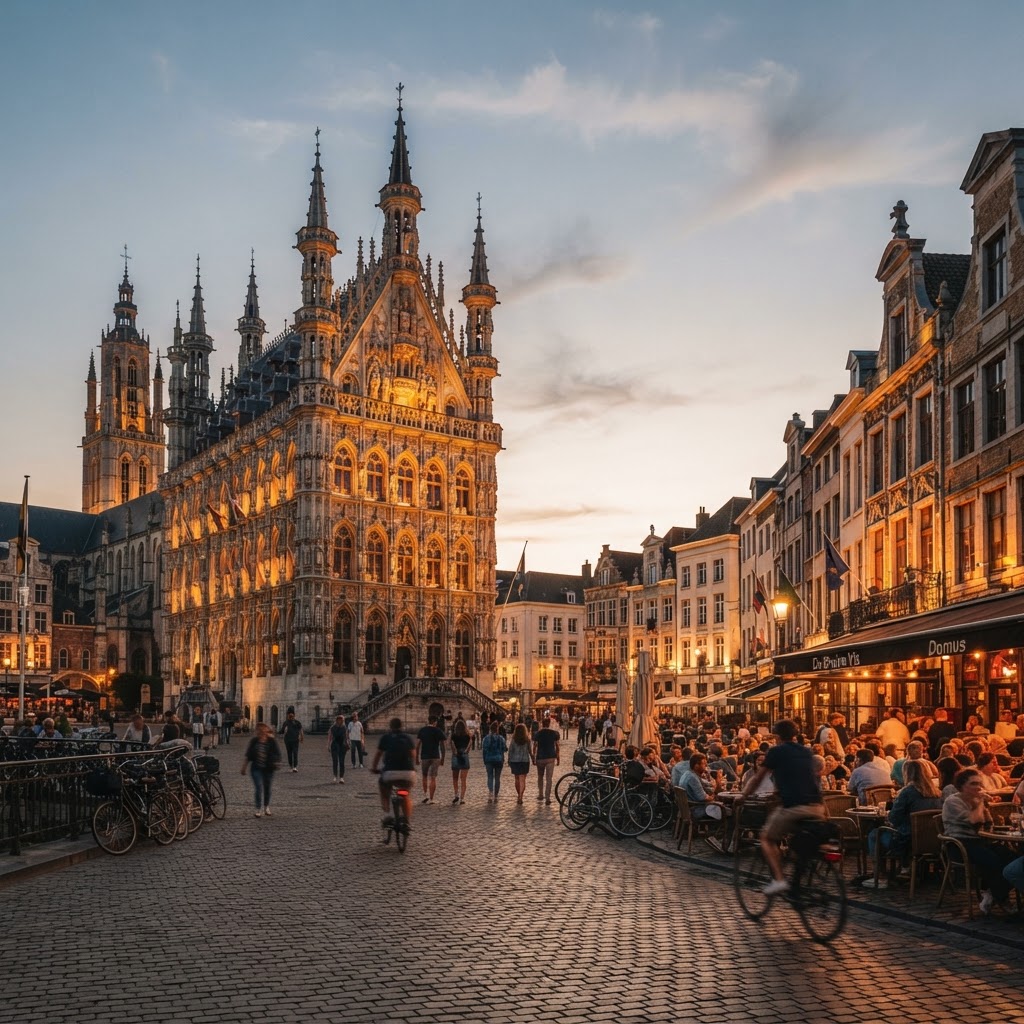
Leuven
Belgium
Flemish Gothic grandeur meets vibrant university energy, quiet beguinages, and Belgium's brewing capital.
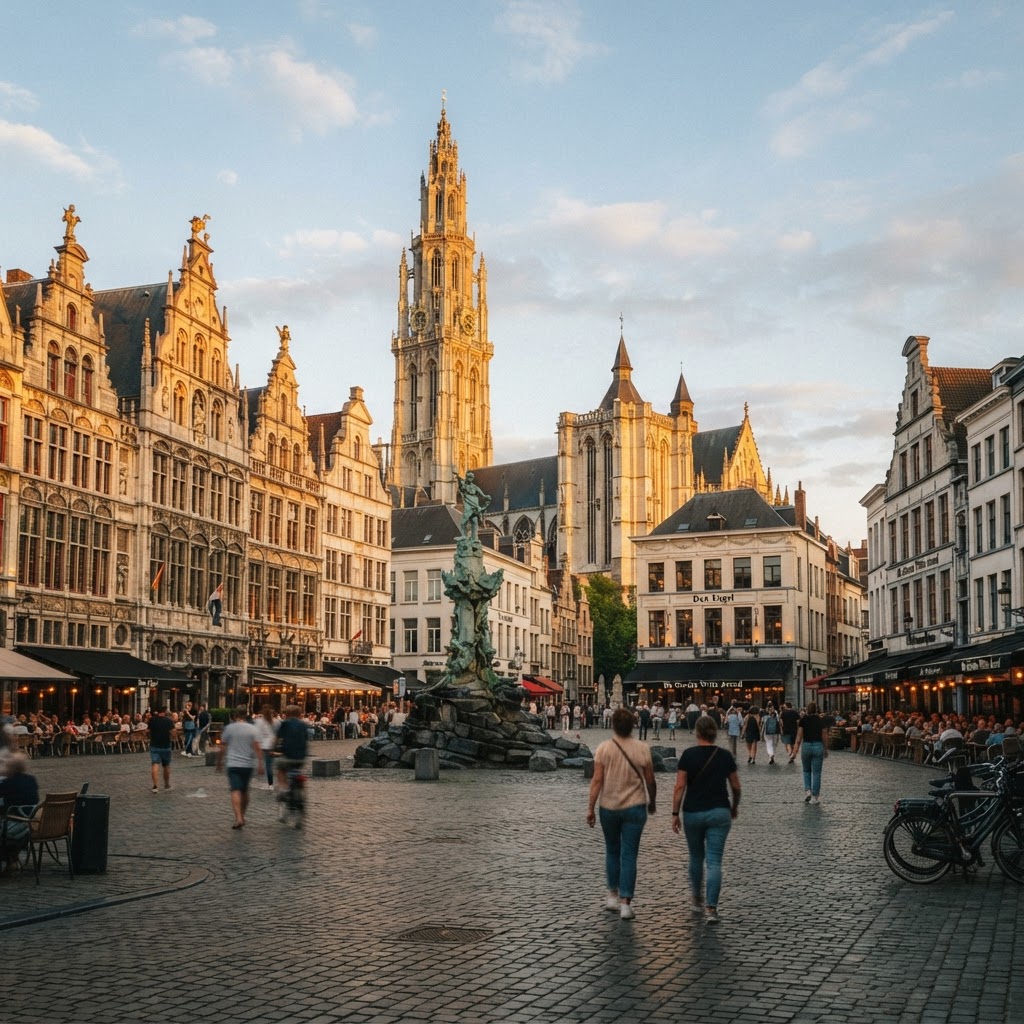
Antwerp
Belgium
Europe’s confident capital of cutting-edge fashion, Old Masters, and portside cool
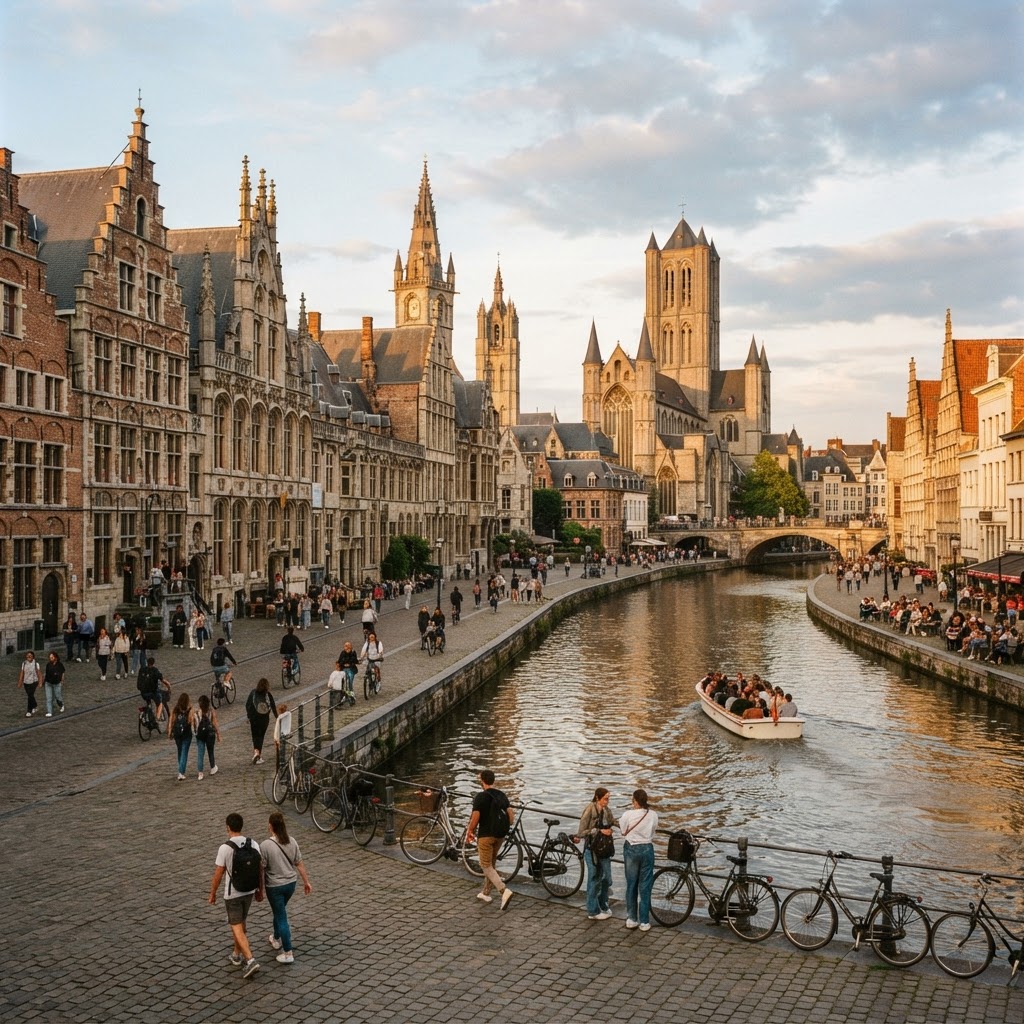
Ghent, Belgium
Belgium
Flemish medieval grandeur charged by modern student grit and car-free streets.
Readymade itineraries
Start from a tested template — then make it yours.
Ready to book
Lock in your Brussels trip
Everything in one place. We may earn a small commission — it never costs you more.
Plan a trip to Brussels
Pick a length and we'll build a day-by-day plan around how you travel — neighborhoods clustered, budget-aware, and editable.
Get better at planning trips like this
Occasional notes on planning smarter — no spam, unsubscribe anytime.
Plan a trip to Brussels
Turn this guide into a day-by-day plan built around your pace, your group, and your budget.
Build my Brussels trip