Belgium
Leuven
Flemish Gothic grandeur meets vibrant university energy, quiet beguinages, and Belgium's brewing capital.
Plan & book
Sort your Leuven trip in one place.
We point you to the booking tools we'd actually use — live prices, no markup. Or let us build the day-by-day plan around you first, then book.
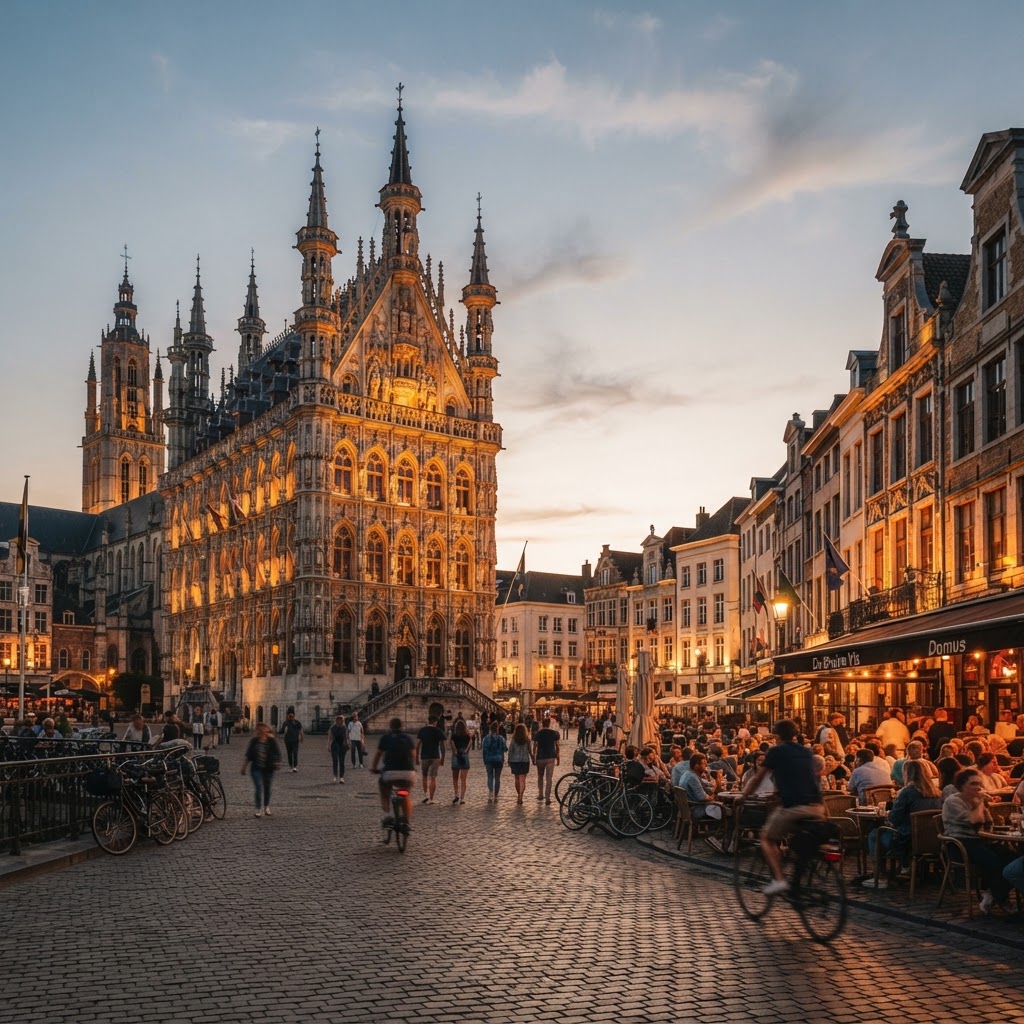
Just 25 minutes east of Brussels by direct train, Leuven is home to the world's oldest surviving Catholic university (KU Leuven, founded in 1425) and the global headquarters of Stella Artois. Unlike tourist-heavy Bruges or business-centric Brussels, Leuven strikes an effortless balance between genuine academic vigor, serene historic enclosures, and an electric café culture anchored around the Oude Markt. It delivers world-class art and intricate Brabantine Gothic architecture in a compact, cycle-centric city center where history feels lived-in rather than curated for tour buses.
2 to 3 days
Best time
May to June and September to October offer the sweet spot of mild walking weather, vibrant outdoor dining, and full university atmosphere.
Build your own trip with these prebuilt itineraries
Each one is a tested, day-by-day plan for Leuven — start here, then make it yours.
3 Days in Leuven: Monasteries, Brewing & Living History in Leuven
In-depth historical immersion featuring Park Abbey, centuries of brewing heritage, and the electric café culture of the Oude Markt.
2 Days in Leuven: Classic Gothic Heritage & Beguinages in Leuven
First-time cultural highlights focusing on Brabantine Gothic architecture, Flemish Primitive art, and peaceful UNESCO beguinages on foot.
1 Day in Leuven: The Essential Walking Tour in Leuven
A high-impact, day-trip exploration of the Town Hall, St. Peter's Church, and the Great Beguinage, capped with a terrace drink.
Leuven provides the quintessential Flemish town experience without the theme-park crowds of Bruges. You come for the jaw-dropping stonework of the 15th-century Stadhuis, Dieric Bouts' 'The Last Supper' preserved in the exact church it was painted for (Sint-Pieterskerk), the peaceful, cobblestoned lanes of the Groot Begijnhof, and an unrivaled beer culture that spans historic abbey breweries to the bustling outdoor terraces of the Oude Markt.
Where to stay
Getting there
Getting around
Food & drink
What it costs
Things to do
Book tours & tickets in LeuvenSkip it if
Skip Leuven if your Belgium itinerary already demands ticking off the canals of Bruges and the fashion warehouses of Antwerp in under 48 hours, or if you require non-stop high-energy nightlife during university summer breaks. If you want canal boat tours or major international corporate shopping streets, Ghent or Antwerp will suit you better.
When to go
Leuven's soul is tied to KU Leuven; visiting while classes run gives you the legendary café energy of the Oude Markt without the dead heat of July. Midsummer is pleasantly uncrowded but quieter as 40,000 students leave, while autumn frames the parks and beguinages in vivid colors.
Peak (May–September)
Terraces spill out across every plaza, cycling routes are in peak condition, and summer music events take over, though July and August have fewer students and occasional hot spells.
Shoulder (April & October)
Crisp autumn foliage at Abdij van Park, lively semester starts, brisk cycling weather, and zero crowds at M Leuven and Sint-Pieterskerk.
Low (November–February)
Grey, damp, and chilly, but elevated by atmospheric interior brown cafés, the December Christmas market at Ladeuzeplein, and student pub culture in full swing.
Neighborhoods
Where you stay shapes the trip. Here's how to think about it.
Historisch Centrum & Grote Markt
Grand Brabantine Gothic stone facades, busy pedestrian lanes, and continuous civic pulse.
Best for:First-timers, architecture buffs, and weekend culture trippers
Don't miss:The 236 facade statues of the 15th-century Stadhuis and Dieric Bouts' 'The Last Supper' inside Sint-Pieterskerk.
Groot Begijnhof & Dijle South
Cobblestoned quiet, brick-and-sandstone canalside cottages, and contemplative tranquility.
Best for:Couples, photographers, and travelers seeking quiet evenings away from student revelry
Don't miss:Crossing the brick bridges over the split canals of the river Dijle inside the UNESCO-listed 13th-century beguinage.
Oude Markt & University Quarter
High-octane café terraces dubbed 'Europe's longest bar', buzzing bookshops, and academic grandeur.
Best for:Beer lovers, solo travelers, and night owls
Don't miss:Climbing the 300 steps of the University Library tower on Monseigneur Ladeuzeplein for views across Flemish Brabant.
Vaartkom
Industrial-chic canal waterfront featuring repurposed grain silos, creative studios, and craft food halls.
Best for:Foodies, design travelers, and repeat visitors
Don't miss:Craft beers and seasonal dining at De Hoorn, the historic industrial site where Stella Artois was first brewed.
Heverlee & Abdij van Park
Expansive pastoral grounds, monastic stillness, fish ponds, and woodlands just beyond the ring road.
Best for:Walkers, cyclists, and families wanting green space
Don't miss:The extraordinary high-relief 3D stucco ceilings in the refectory and library of the 12th-century Abdij van Park (PARCUM).
Destination intelligence
Updated 9/14/2026The structured record we plan every Leuven itinerary from.
Walkability
Exceptional. The historic core is completely walkable and largely pedestrian-only, with all primary sights located within a 15-minute radius of the Grote Markt.
Transit quality
High. While intra-city transit is rarely needed due to walking distances, De Lijn buses are efficient, and Leuven's train station is a major junction offering rapid connections across Belgium.
Car needed
No. A car is an active liability due to the city's strict inner-ring traffic-calming circulation plan, limited car parks, and pedestrian zones.
Ideal duration
2 to 3 days
Minimum useful
1 full day
Peak season
May through September, alongside late September when the academic semester resumes with street fairs and lively student energy.
Shoulder season
April and October, offering crisp walking weather, vivid autumn leaves in the Dijle valley, and active university life without midsummer heat.
Low season
November through February (excluding the December Christmas market and light festivals), characterized by overcast skies, chilly days, and indoor museum-and-café hopping.
Best for
Common mistakes
- Treating Leuven as a 3-hour afternoon pit stop from Brussels, missing the evening atmosphere on Oude Markt and the illuminated Gothic architecture.
- Driving a car into the historic center; Leuven's strict circulation plan, one-way loops, and pedestrian zones make driving and parking a frustrating, costly headache.
- Assuming the town is quiet year-round: during summer university breaks (July–August), student life empties out and the town assumes a sleepier, gentler pace, whereas term-time weekends are lively.
- Arriving at Park Abbey without checking inside opening hours; while the grounds are open daily, the Parcum museum and heritage refectory have specific ticketed hours.
Best nearby
How to plan it
- Base yourself within a 10-minute walk of Grote Markt or near the Groot Begijnhof; avoid staying right above the Oude Markt unless you plan to sleep with earplugs until 3 AM.
- Rent a bicycle from the Leuven train station (Fietspunt) to reach both Abdij van Park to the southeast and Arenberg Castle in Heverlee in under 15 minutes each.
- Pair your visit with Mechelen or Brussels via direct rail (15 to 25 minutes), rather than trying to cross the country to Ghent or Bruges on the same day.
- Reserve Friday or Saturday dinner tables on Muntstraat or in Vaartkom at least one week in advance, especially during the university term.
- Time your visit to Sint-Pieterskerk between 11:00 and 15:00 when natural light illuminates Dieric Bouts' Flemish Primitive panels in the chancel.
Questions
More in Belgium
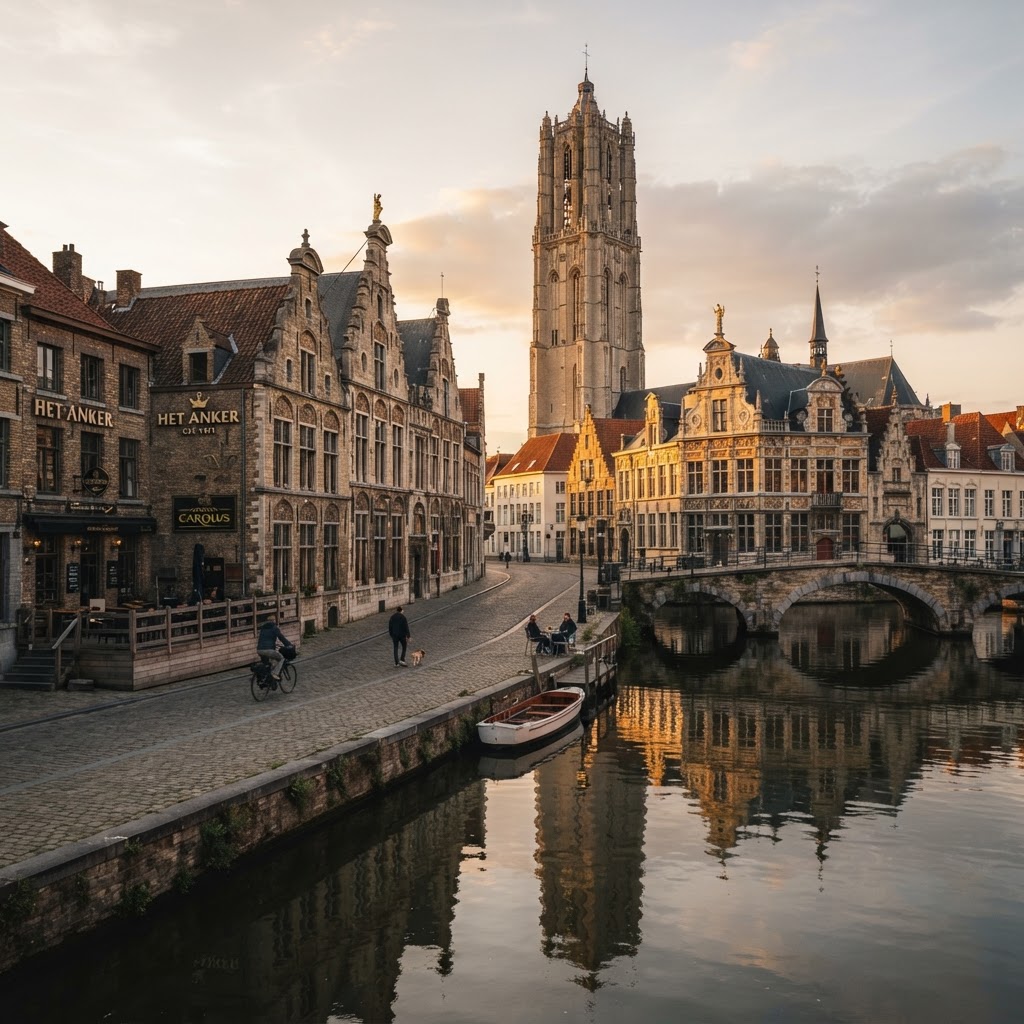
Mechelen, Belgium
Belgium
Flemish Renaissance heritage, world-class carillon culture, and canal-side breweries without the tourist circus
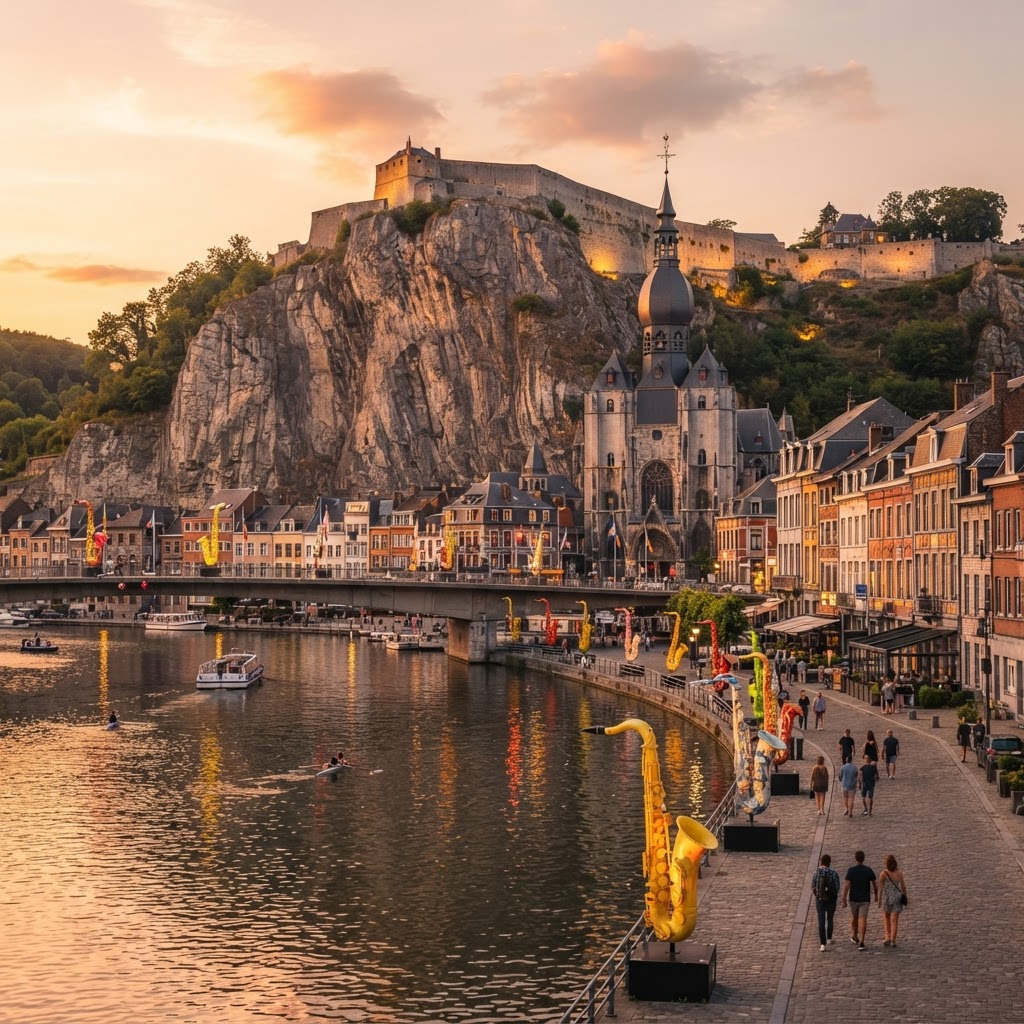
Dinant
Belgium
Sheer limestone cliffs, saxophone lore, and dramatic Meuse riverfront vistas.
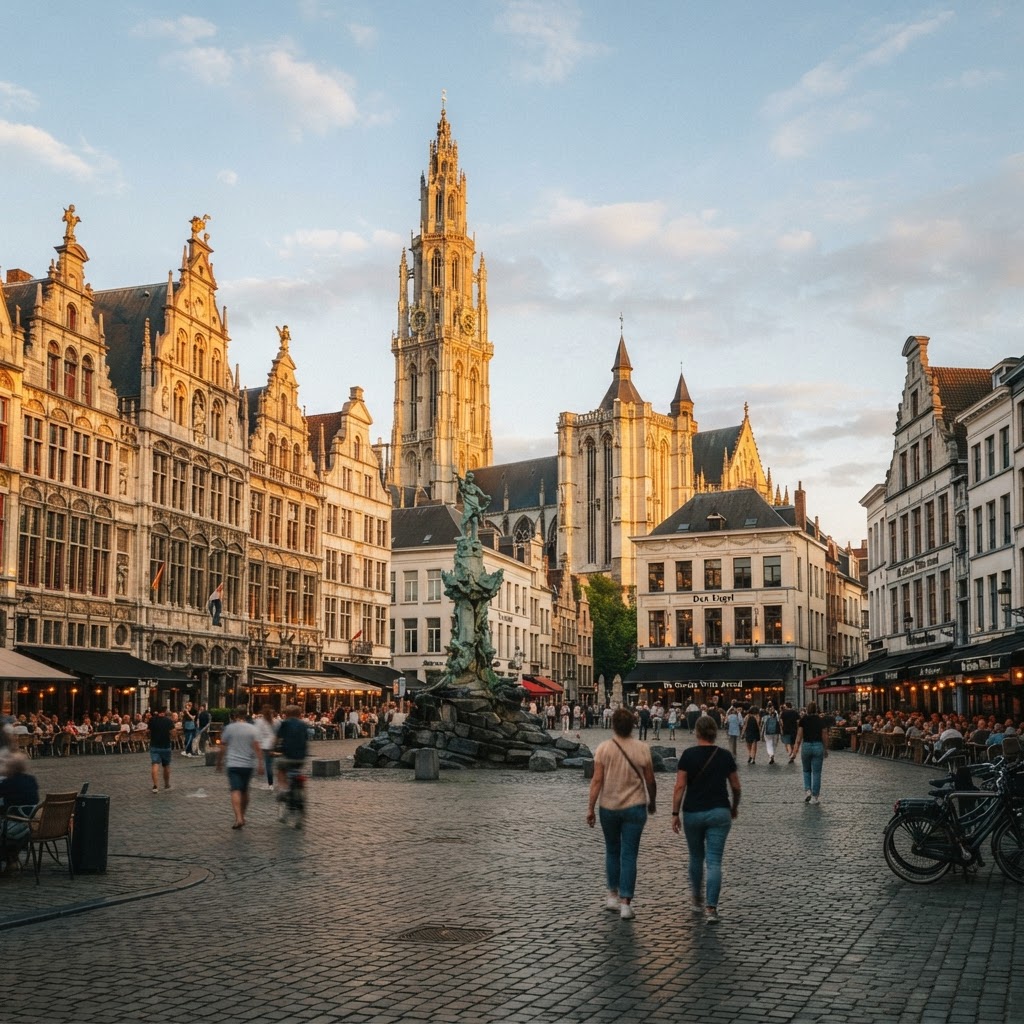
Antwerp
Belgium
Europe’s confident capital of cutting-edge fashion, Old Masters, and portside cool
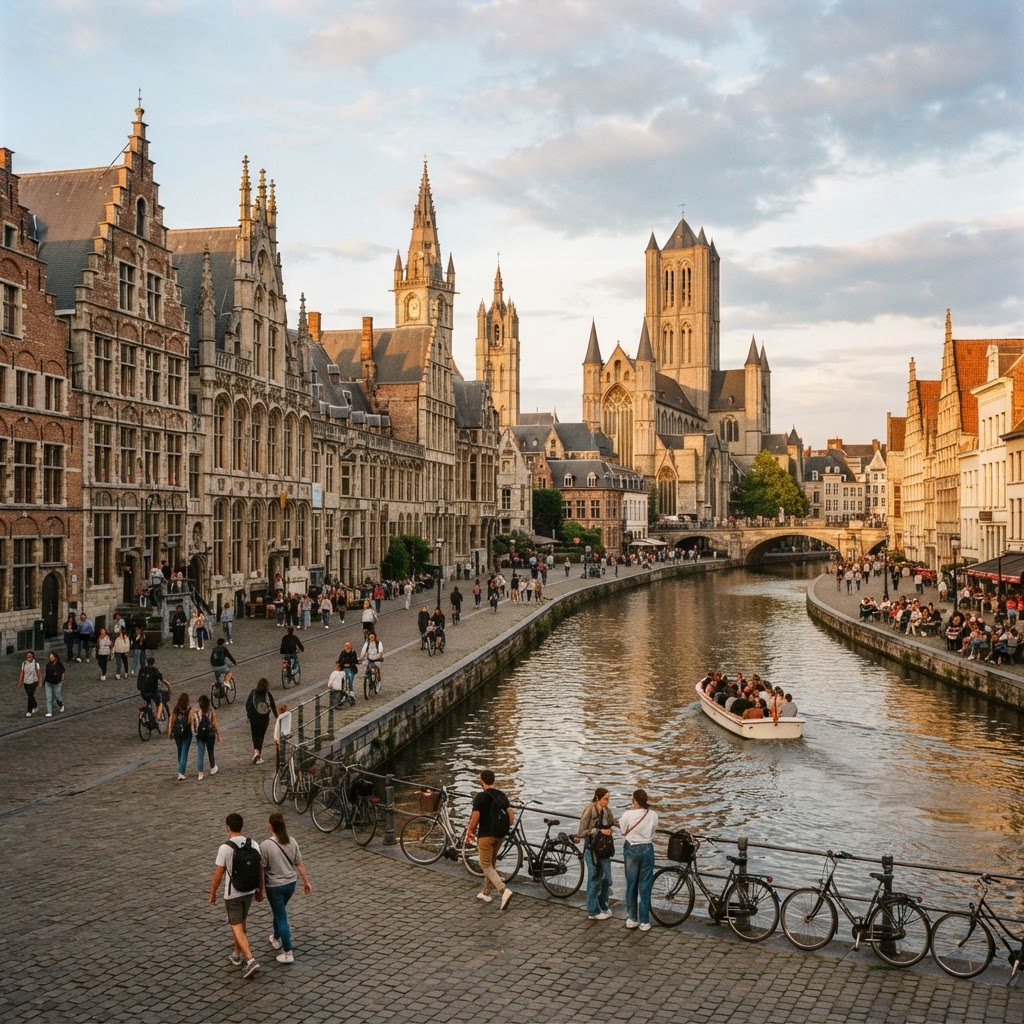
Ghent, Belgium
Belgium
Flemish medieval grandeur charged by modern student grit and car-free streets.
Readymade itineraries
Start from a tested template — then make it yours.
Ready to book
Lock in your Leuven trip
Everything in one place. We may earn a small commission — it never costs you more.
Plan a trip to Leuven
Pick a length and we'll build a day-by-day plan around how you travel — neighborhoods clustered, budget-aware, and editable.
Get better at planning trips like this
Occasional notes on planning smarter — no spam, unsubscribe anytime.
Plan a trip to Leuven
Turn this guide into a day-by-day plan built around your pace, your group, and your budget.
Build my Leuven trip