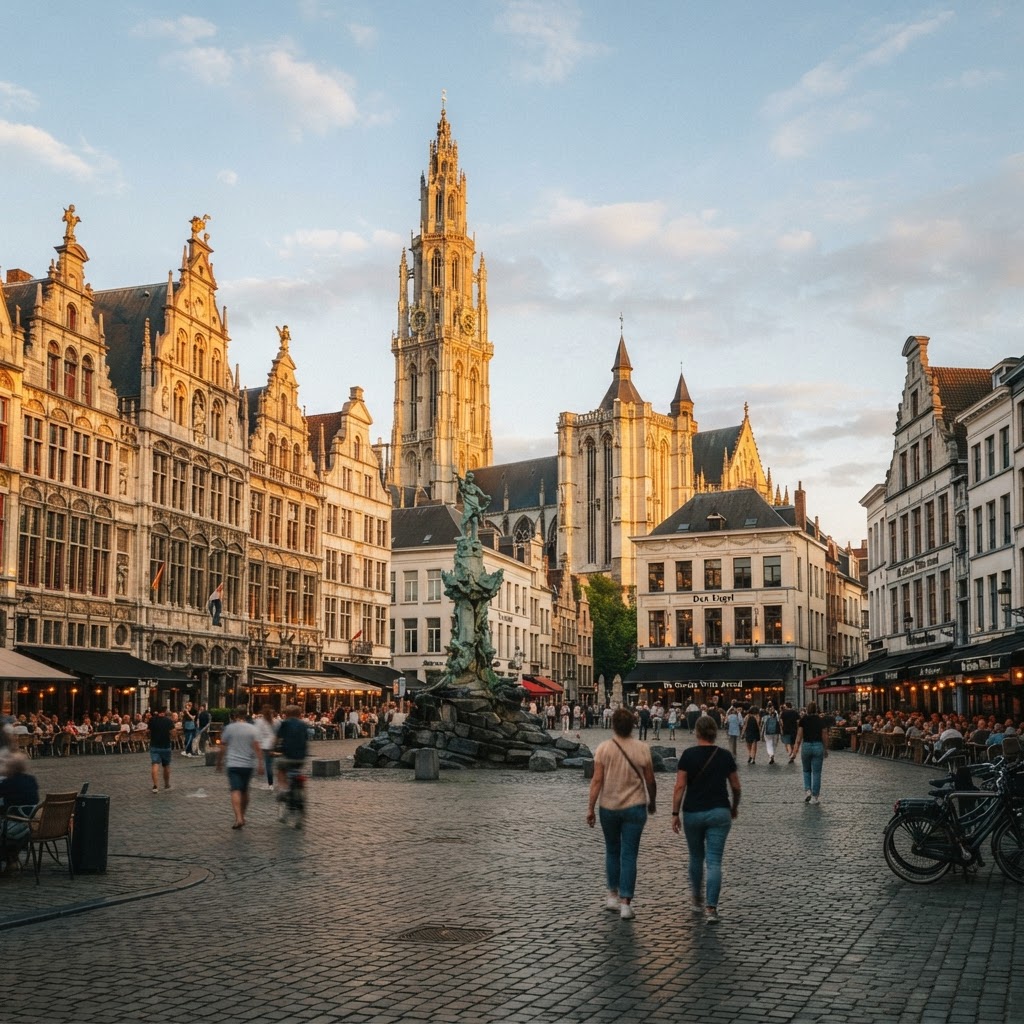
Belgium
Antwerp
Europe’s confident capital of cutting-edge fashion, Old Masters, and portside cool
Plan & book
Sort your Antwerp trip in one place.
We point you to the booking tools we'd actually use — live prices, no markup. Or let us build the day-by-day plan around you first, then book.
Antwerp trades the postcard-frozen sentimentality of Bruges and the bureaucratic sprawl of Brussels for razor-sharp urban culture. Straddling the Scheldt River, this Flemish metropolis balances a monumental diamond trade and Europe's second-largest port with the high-concept fashion legacy of the Antwerp Six and the Baroque legacy of Peter Paul Rubens. It is a working creative engine: world-class museums, restored warehouses, and cobbled alleys coexist with boundary-pushing dining and design shops.
3 days
Best time
May to June and September to October for long, comfortable walking days and vibrant sidewalk terrace life without peak summer crowds.
Build your own trip with these prebuilt itineraries
Each one is a tested, day-by-day plan for Antwerp — start here, then make it yours.
5 Days in Antwerp & Flanders by Rail in Antwerp
Slow-paced exploration using Antwerp as a car-free rail base for deep culinary, design, and regional day-trip discovery
3 Days in Antwerp in Antwerp
The definitive classic itinerary covering Old Town heritage, contemporary port architecture in Het Eilandje, and the Cogels-Osylei Art Nouveau district
2 Days of Fashion, Design & Flemish Masters in Antwerp
First-time culture and fashion highlights exploring MoMu, historic Old Town, and the trendsetting Het Zuid neighborhood
Antwerp delivers the most balanced urban experience in Belgium: deep 16th-century history coupled with actual modern vitality. Come here for peerless collections at the KMSKA and the UNESCO-listed Plantin-Moretus museum, Flemish Renaissance architecture without Disneyfied tour bus jams, an outstanding drinking culture centering on local Bolleke ale, and some of the finest independent fashion and dining in northwestern Europe.
Where to stay
Getting there
Getting around
Food & drink
What it costs
Things to do
Book tours & tickets in AntwerpSkip it if
Skip Antwerp if you are only after an open-air medieval museum fantasy with canal-boat photo ops at every turn—head straight to Bruges or Ghent instead. It is also not ideal for road-trippers demanding drive-up hotel parking or travelers uncomfortable with the grit, graffiti, and contemporary bustle of a working European port city.
When to go
Spring and early autumn hit the sweet spot between manageable hotel prices, comfortable walking weather, and active museum exhibition calendars. Summer brings long daylight hours but heavy weekend congestion around the Grote Markt, while deep winter is damp, gray, and has short daylight hours, outside of December's holiday market buzz.
Peak (June to August & December)
High terrace energy, cultural open-air events, and holiday market crowds in December; expect peak hotel rates and booked-out restaurants on weekends.
Shoulder (April to May & September to October)
Pleasant cycling weather, crisp light for architecture walking tours, and full access to museum programs without summer bus tours.
Low (November & January to February)
Cold, overcast, and damp; museum hours can be shorter, but room rates drop significantly and galleries are blissfully empty.
Neighborhoods
Where you stay shapes the trip. Here's how to think about it.
Het Zuid (The South)
Grand Haussmann-style boulevards lined with contemporary art galleries, upscale concept stores, and sun-soaked cafe terraces.
Best for:Design lovers, art gallery hoppers, and travelers who prioritize dining and drinks over proximity to the train station.
Don't miss:The Royal Museum of Fine Arts Antwerp (KMSKA) followed by an aperitif at the bustling terraces along Leopold de Waelplaats.
Historic Center & Fashion District (Nationalestraat)
Medieval guildhalls and cobbled alleys colliding directly with avant-garde designer flagships.
Best for:First-time visitors who want maximum walkability to Old Master paintings and flagship retail.
Don't miss:Browsing MoMu (Fashion Museum) and Dries Van Noten's flagship store Het Modepaleis, then ducking down the hidden 16th-century Vlaeykensgang alley.
Het Eilandje (The Little Island)
Reclaimed industrial docklands defined by red-brick warehouses, modern houseboats, and water views.
Best for:Architecture fans, seafood lovers, and travelers seeking a modern, airy portside atmosphere.
Don't miss:The panoramic 360-degree rooftop view from the MAS (Museum aan de Stroom), accessible even when exhibition floors are closed.
Zurenborg
A quiet, leafy residential enclave showcasing dramatic Belle Époque and Art Nouveau architecture centered around a vibrant neighborhood square.
Best for:Architecture photographers, slow travelers, and anyone wanting dinner away from tourist lanes.
Don't miss:Walking Cogels-Osylei to study the eccentric fin-de-siècle facades, followed by dinner under the fairy lights at Dageraadplaats.
Theater District (Quartier Latin)
Cultured, boutique-heavy pocket centered on botanical gardens and antique shops.
Best for:Shoppers seeking niche perfume houses, weekend market visitors, and travelers who want calm within a 10-minute walk of everything.
Don't miss:A peaceful detour through the historic Den Botaniek (botanical garden) on Leopoldstraat and Saturday grazing at the exotic market on Theaterplein.
Destination intelligence
Updated 9/14/2026The structured record we plan every Antwerp itinerary from.
Walkability
High
Transit quality
High
Car needed
No
Ideal duration
3 days
Minimum useful
1 day
Peak season
June through August, plus December for the winter markets; expect warmer terrace weather, long evenings, but higher hotel rates and weekend crowds.
Shoulder season
April to May and September to October; offers the ideal balance of manageable crowds, pleasant walking temperatures, and active cultural exhibitions.
Low season
November through February (excluding Christmas/New Year); cold, damp, and overcast, with shorter daylight hours, but minimal hotel rates and uncrowded galleries.
Best for
Common mistakes
- Treating Antwerp merely as a 4-hour luggage-storage stopover between Brussels and Amsterdam instead of giving it an overnight stay.
- Renting a car, which is hampered by strict Low Emission Zone (LEZ) rules, confusing one-way streets, and steep garage costs.
- Staying out on Sunday and Monday without checking museum and restaurant hours, as many independent boutiques, galleries, and top dining spots close both days.
- Only visiting the Grote Markt and missing out on the distinct contemporary energy of Het Zuid and Het Eilandje.
Best nearby
How to plan it
- Stay in Het Zuid if you care more about morning flat whites, late gallery afternoons, and wine bars than being adjacent to the train station.
- Pair Antwerp with Ghent or Bruges via direct 40- to 60-minute Belgian Rail (SNCB/NMBS) connections instead of changing hotels every night.
- Don't try to cover the Red Star Line Museum in Het Eilandje and the KMSKA in Het Zuid on foot in the same morning; they sit at opposite poles of the city's waterfront axis.
- Book Plantin-Moretus Museum time slots online in advance to guarantee entry to the world's oldest surviving printing presses without standing in ticket lines on Vrijdagmarkt.
- Rent a Velo-Antwerpen city bike for the 15-minute pedal out to Middelheim Open Air Sculpture Museum rather than taking multiple transit transfers.
Questions
More in Belgium
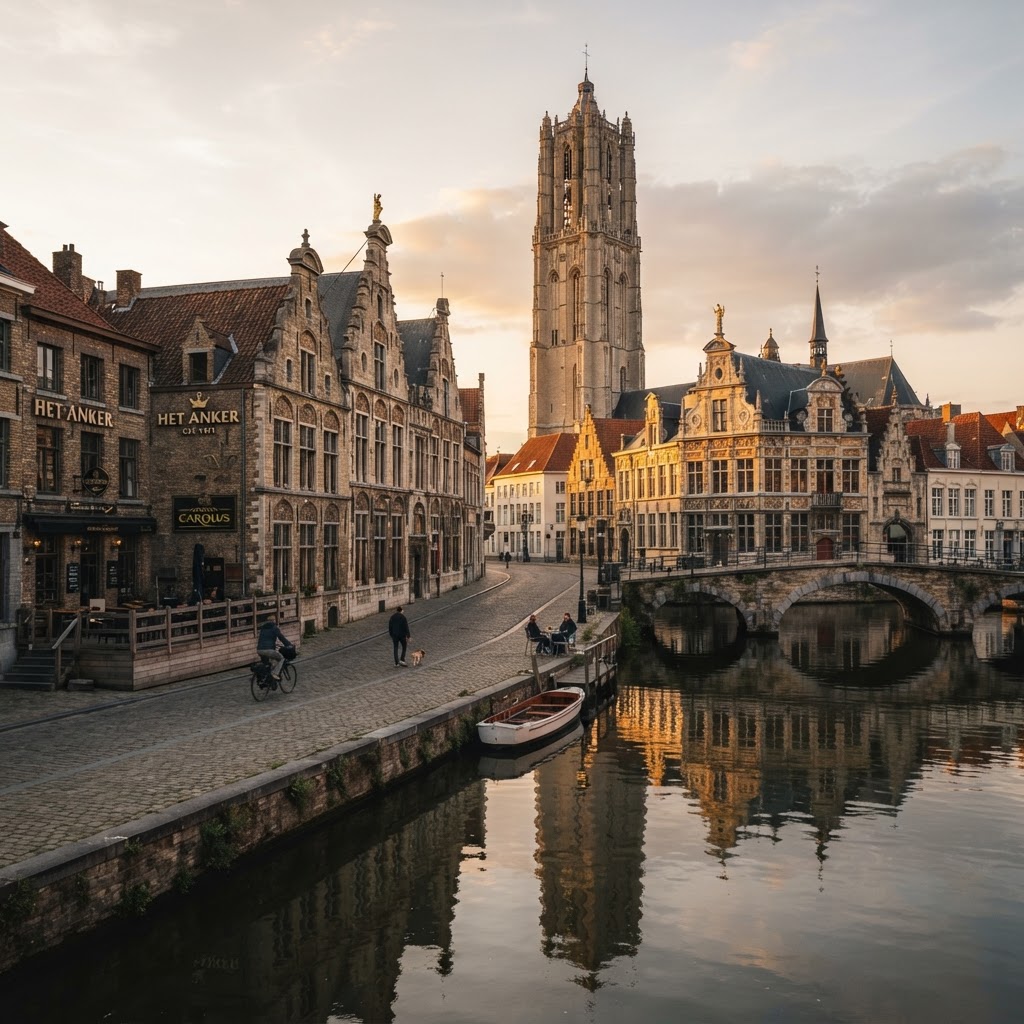
Mechelen, Belgium
Belgium
Flemish Renaissance heritage, world-class carillon culture, and canal-side breweries without the tourist circus
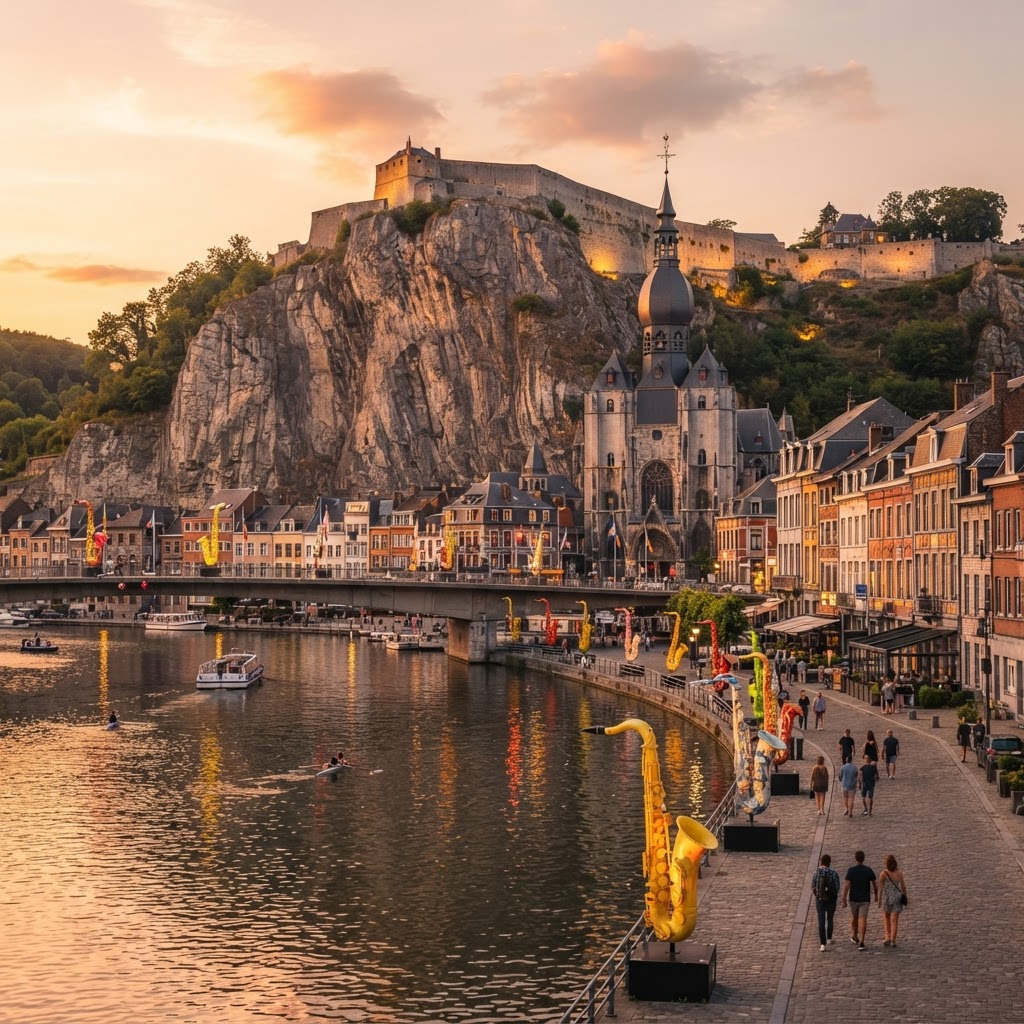
Dinant
Belgium
Sheer limestone cliffs, saxophone lore, and dramatic Meuse riverfront vistas.
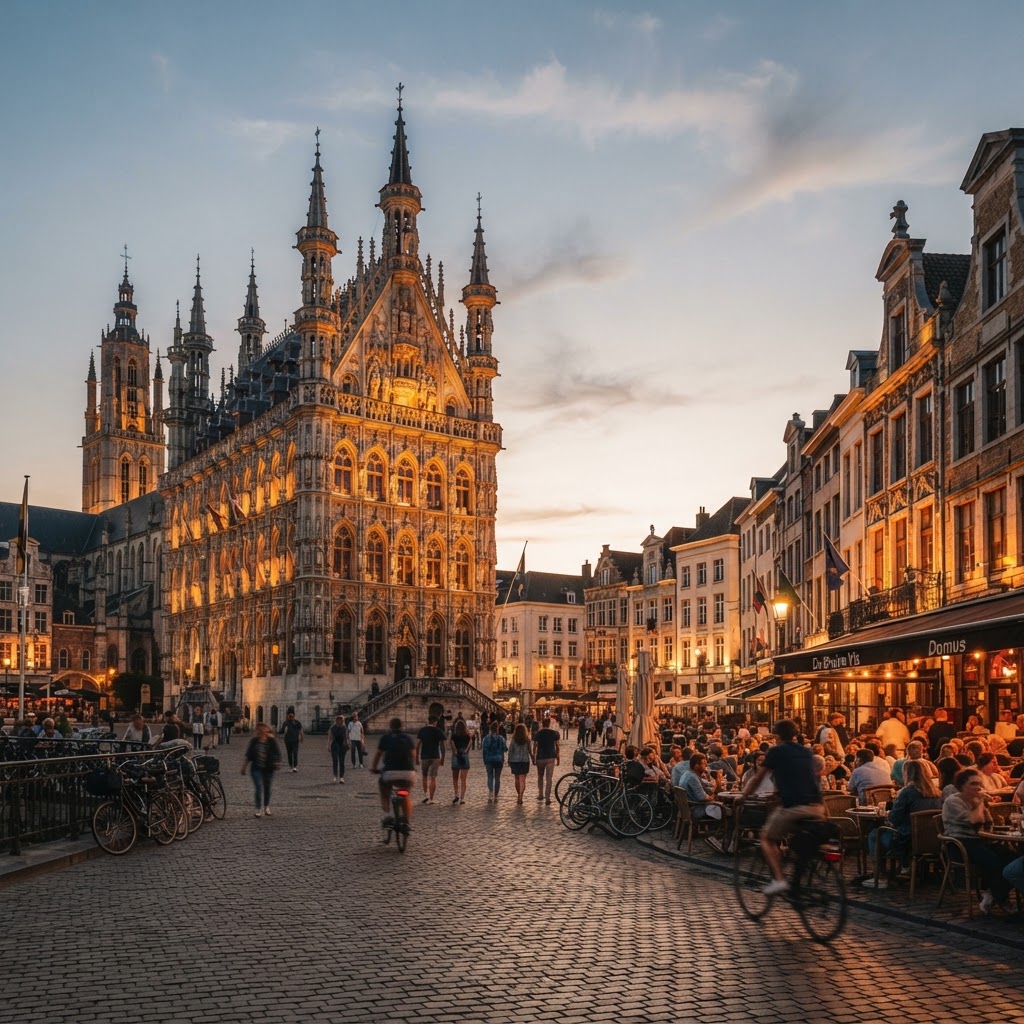
Leuven
Belgium
Flemish Gothic grandeur meets vibrant university energy, quiet beguinages, and Belgium's brewing capital.
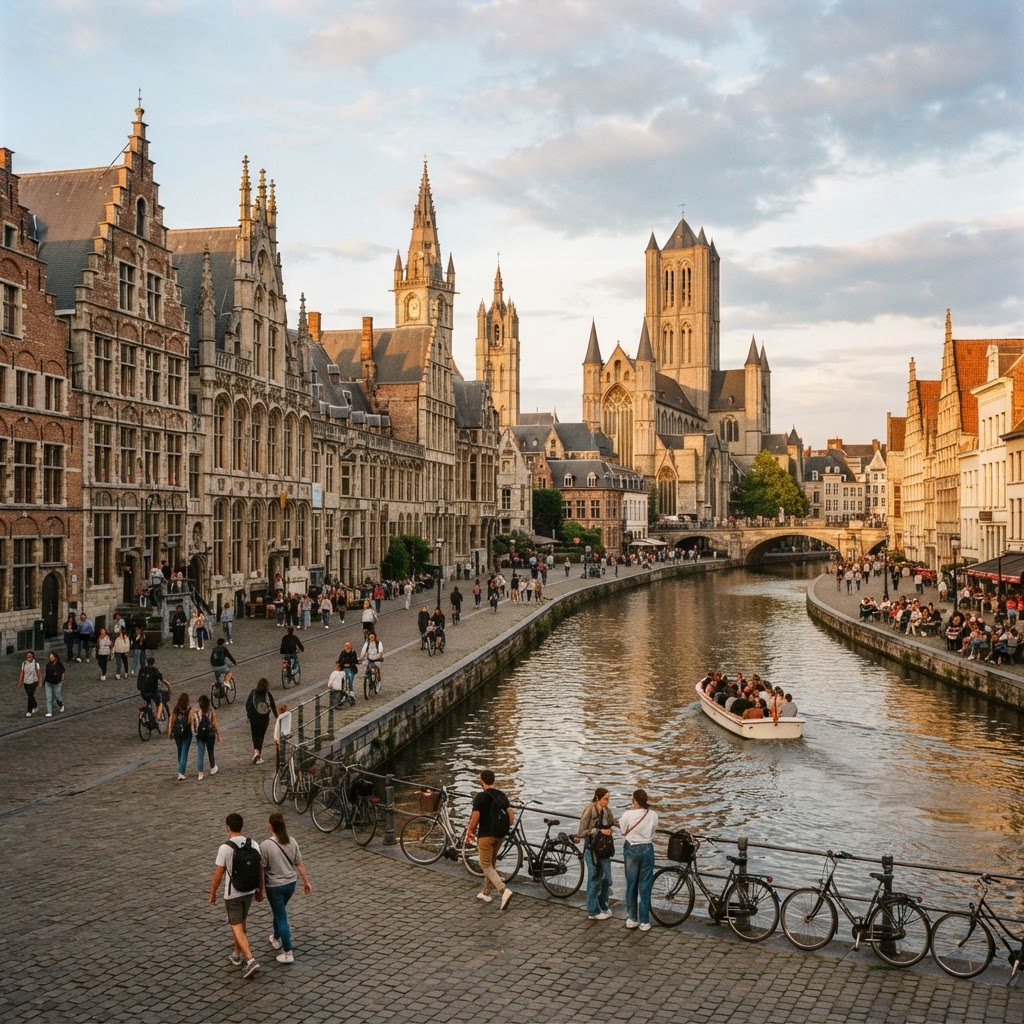
Ghent, Belgium
Belgium
Flemish medieval grandeur charged by modern student grit and car-free streets.
Readymade itineraries
Start from a tested template — then make it yours.
Ready to book
Lock in your Antwerp trip
Everything in one place. We may earn a small commission — it never costs you more.
Plan a trip to Antwerp
Pick a length and we'll build a day-by-day plan around how you travel — neighborhoods clustered, budget-aware, and editable.
Get better at planning trips like this
Occasional notes on planning smarter — no spam, unsubscribe anytime.
Plan a trip to Antwerp
Turn this guide into a day-by-day plan built around your pace, your group, and your budget.
Build my Antwerp trip