Belgium
Dinant
Sheer limestone cliffs, saxophone lore, and dramatic Meuse riverfront vistas.
Plan & book
Sort your Dinant trip in one place.
We point you to the booking tools we'd actually use — live prices, no markup. Or let us build the day-by-day plan around you first, then book.
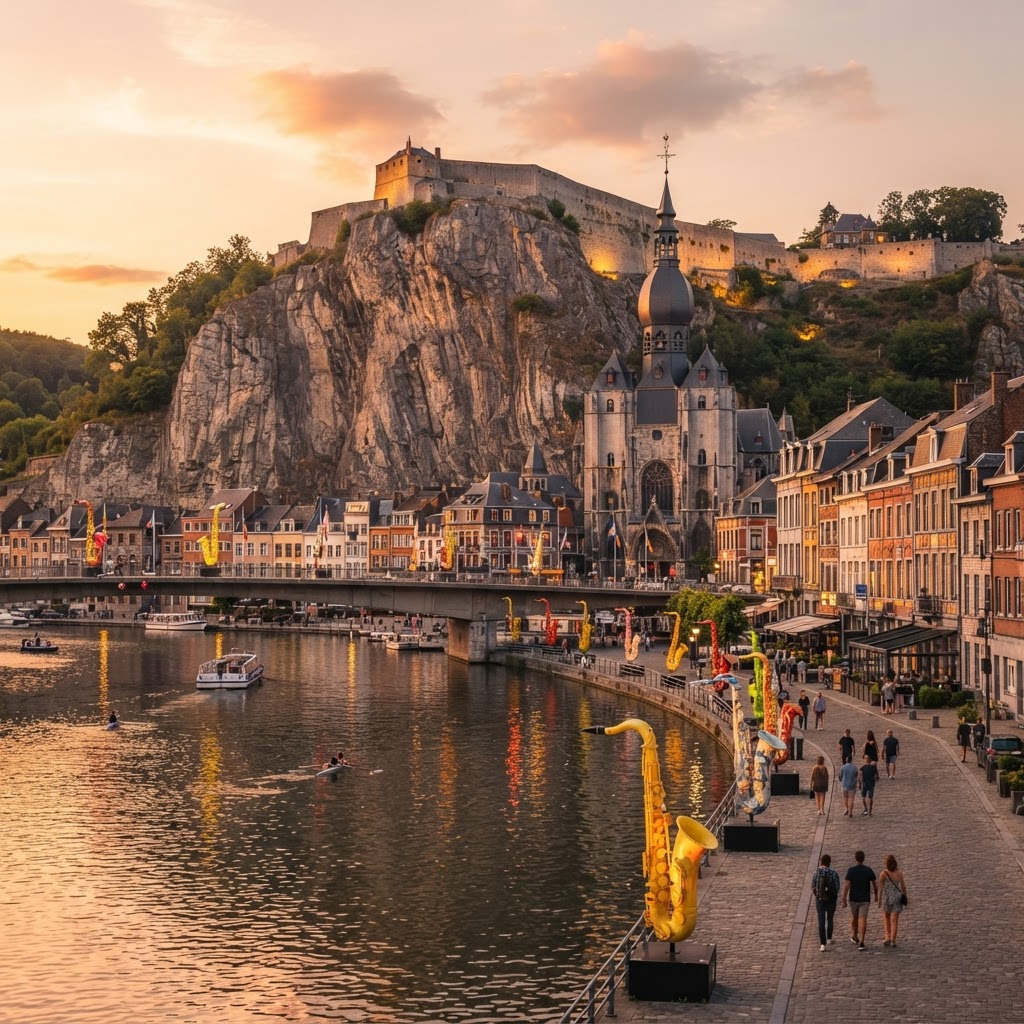
Pinned dramatically between the dark waters of the River Meuse and vertical limestone palisades, Dinant is Wallonia's most striking postcard. Best known as the birthplace of Adolphe Sax and home to a cliff-top fortress, this compact linear town offers sheer geography that contrasts sharply with the flat, canal-laced cities of Flanders.
How long
1 full day (or 1 night if pairing with Lesse kayaking and nearby châteaux)
Best time
Mid-May through June, and September
Build your own trip with these prebuilt itineraries
Each one is a tested, day-by-day plan for Dinant — start here, then make it yours.
3 Days in Dinant: Ardennes Nature & Hidden Abbeys in Dinant
A relaxed road-trip base exploring Dinant's cliffside center, local brewing abbeys, limestone caves, and scenic Meuse valley viewpoints
2 Days in Dinant: River Valley & Châteaux in Dinant
Active outdoors and regional heritage combining kayaking down the Lesse river with rental car visits to Château de Vêves and Freÿr
1 Day in Dinant: Saxophones & Citadel in Dinant
Classic town highlights on foot, covering the riverside, Collegiate Church, Citadel fortress, and Adolphe Sax heritage without needing a car
Dinant delivers arguably the single most theatrical urban panorama in Belgium: the Gothic Collégiale Notre-Dame with its pear-shaped bulbous bell tower backed directly against a sheer rock wall crowned by the Citadelle. Beyond the view, it serves as the natural gateway to the Upper Meuse Valley and the wooded hiking trails, caves, and kayak routes of the Belgian Ardennes.
Where to stay
Getting there
Getting around
Food & drink
What it costs
Things to do
Book tours & tickets in DinantSkip it if
Skip Dinant if you demand high-energy nightlife, extensive art galleries, or extensive high-street shopping, or if you only have a short 3-day weekend in Belgium where Flanders highlights (Ghent, Bruges, Antwerp) remain your primary priority.
When to go
You balance open river excursions and pleasant walking weather against the crushing midsummer tour coach congestion and boat queues.
Peak (July to August)
Vibrant and warm with maximum river traffic, full kayak operations on the Lesse, and the August 15th Bathtub Regatta, but narrow riverfront sidewalks choke with day-trippers and Citadel queues surge.
Shoulder (May to June & September to October)
The sweet spot; crisp hiking weather, gorgeous autumn foliage reflecting off the limestone cliffs in October, manageable parking, and open outdoor cafe terraces.
Low (November to March)
Quiet and atmospheric with misty river canyons, but chilly; the Citadel cable car operates on reduced schedules (often weekends only outside school holidays), and scenic boat cruises mostly shut down.
Neighborhoods
Where you stay shapes the trip. Here's how to think about it.
Centre-Ville & Collégiale
Dramatically hemmed between sheer limestone palisades and the Meuse, packed with brasseries, bakeries, and saxophone monuments.
Best for:First-timers, photographers, and short-stay travelers
Don't miss:Climbing the 408 stone steps (or taking the cable car) behind Collégiale Notre-Dame de Dinant straight up to the Citadel.
Rive Gauche (Gare & Quai de l'Amour)
The quieter western riverbank facing the postcard cliff face, anchored by the railway station and panoramic waterside promenades.
Best for:Train arrivals, photographers wanting unobstructed views of the cliffs, and budget travelers
Don't miss:Walking across the Pont Charles-de-Gaulle to photograph the iconic reflection of the bulbous church spire against the water.
Saint-Médard & Rocher Bayard
Southern gateway where the Meuse gorge narrows drastically into an imposing 40-meter needle-thin rock cleft.
Best for:Road-trippers, cyclists, and geology enthusiasts
Don't miss:Driving or cycling straight through the narrow fissure of Rocher Bayard along the N92 river road.
Anseremme
Outdoor recreation hub at the confluence of the Lesse and Meuse rivers, dominated by boathouses, kayaks, and riverside terraces.
Best for:Active adventurers, paddlers, and hikers tackling the Haute-Meuse trails
Don't miss:Landing here after the classic 12-kilometer kayak run down the Lesse river from Houyet.
Destination intelligence
Updated 9/14/2026The structured record we plan every Dinant itinerary from.
Walkability
High in the core town center; everything along the riverfront and main streets is accessible on foot within 15 minutes.
Transit quality
Moderate; very reliable hourly rail links to Namur and Brussels, but limited local bus connections to outlying castles and rural Ardennes villages.
Car needed
Not required for Dinant town itself, but highly recommended if expanding your trip to nearby castles (Freÿr, Vêves) and regional Ardennes valleys.
Ideal duration
1 full day (or 1 night if pairing with Lesse kayaking and nearby châteaux)
Minimum useful
4 hours
Peak season
July to August (warm weather, Lesse kayak season, lively riverside terraces, and the annual August Bathtub Regatta).
Shoulder season
May to June and September to October (crisp weather, vibrant autumn foliage against the limestone cliffs, and minimal crowds).
Low season
November to March (chilly, quiet, reduced transit/cruises, and limited weekday attraction hours).
Best for
Common mistakes
- Biting directly into a Couque de Dinant like a normal cookie and risking dental damage instead of snapping off small fragments to suck on slowly.
- Over-allocating multiple nights in Dinant proper without a car; the town itself can be thoroughly explored in a single afternoon.
- Visiting on a weekday between November and March when river boats, kayak operators, and many small museums have truncated hours or closed completely.
- Renting a car just to visit the town center, where parking along Rue Grande is notoriously tight and completely redundant given the central train station.
Best nearby
How to plan it
- Park at the top of the Citadel hill (near the military cemetery) rather than searching for limited street spots along the narrow Meuse quays.
- If taking the train, purchase your combined Citadel and cable car ticket right at the base behind Collégiale Notre-Dame to save time.
- Pair Dinant with the 12-kilometer kayak run from Houyet to Anseremme for a complete mix of active landscape and town sightseeing in a single weekend.
- Leave town for dinner: Dinant's riverfront brasseries cater heavily to daytime tour traffic, so head to nearby Bouvignes-sur-Meuse or Namur for higher culinary standards.
- Combine Dinant with an afternoon at Château de Freÿr's formal gardens, located just 6 kilometers south along the N92 river road.
Questions
More in Belgium
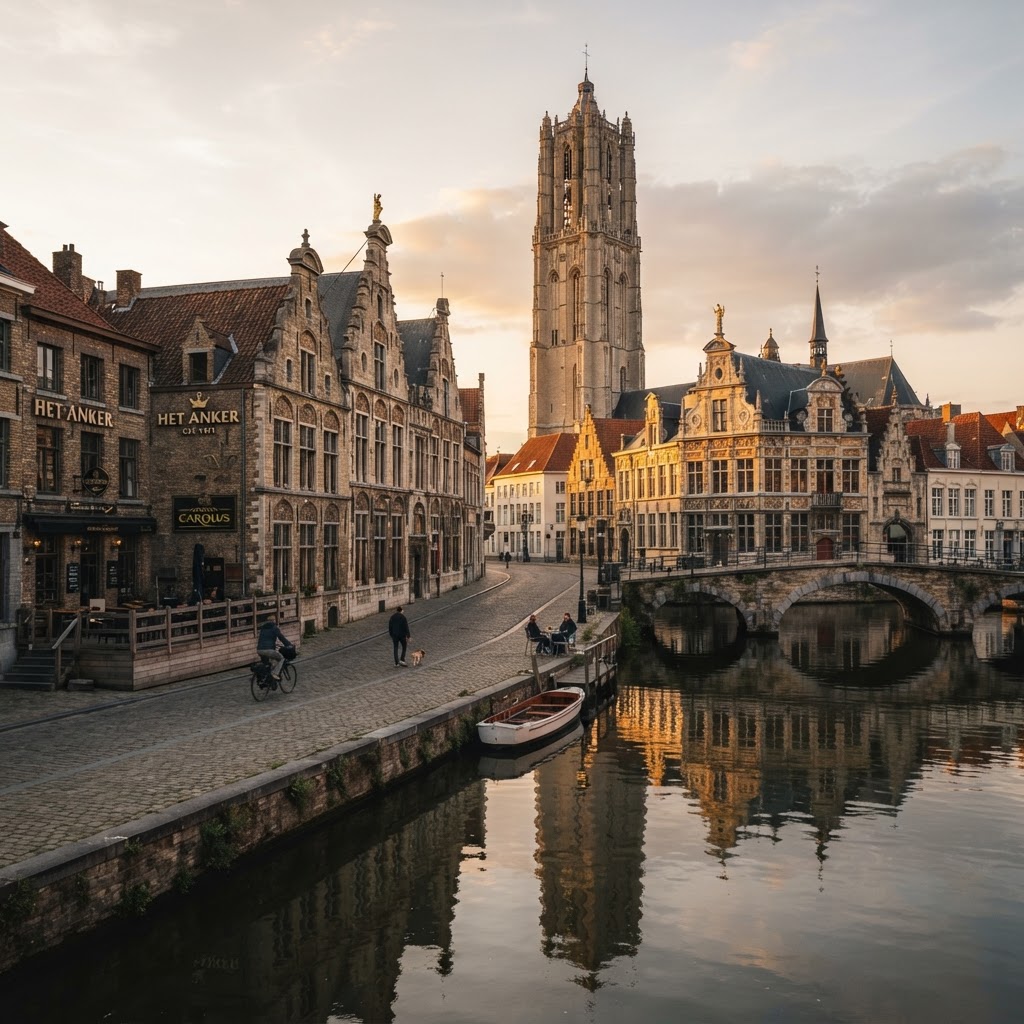
Mechelen, Belgium
Belgium
Flemish Renaissance heritage, world-class carillon culture, and canal-side breweries without the tourist circus
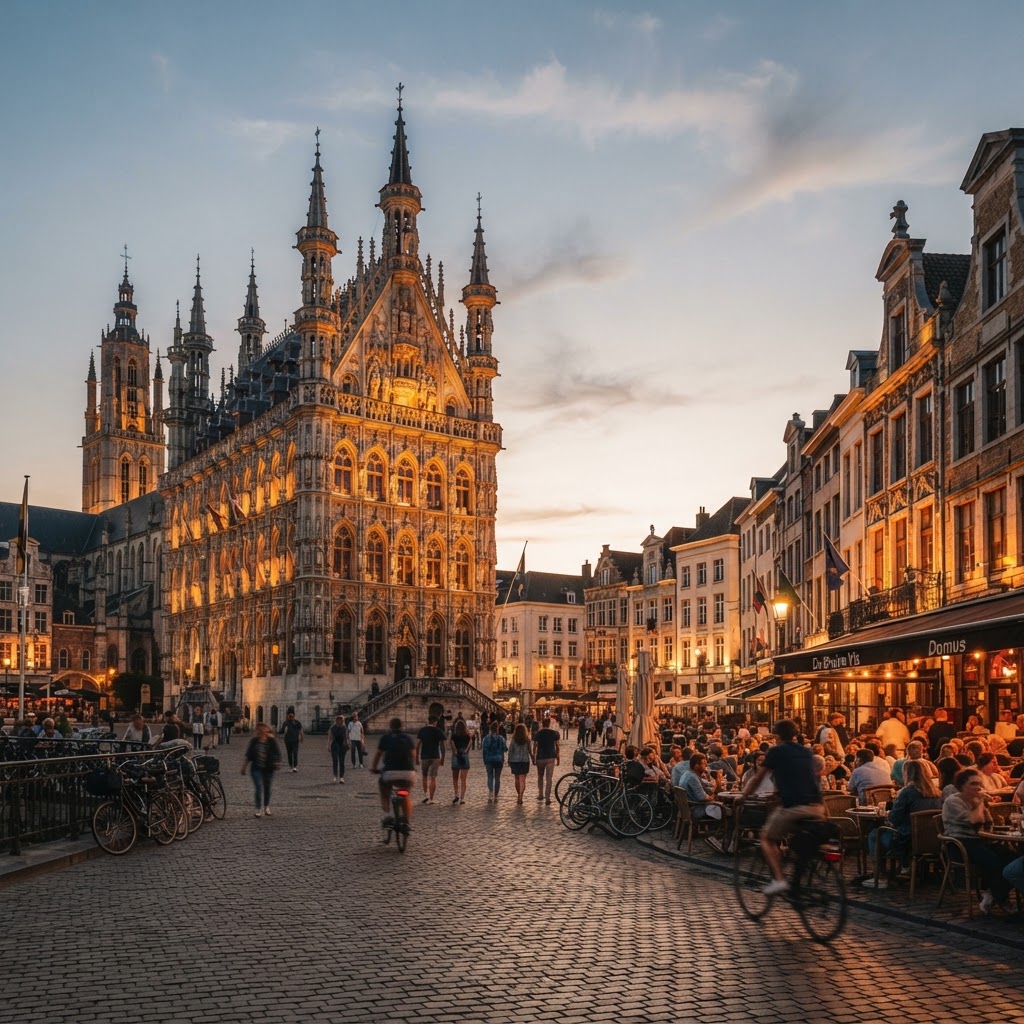
Leuven
Belgium
Flemish Gothic grandeur meets vibrant university energy, quiet beguinages, and Belgium's brewing capital.
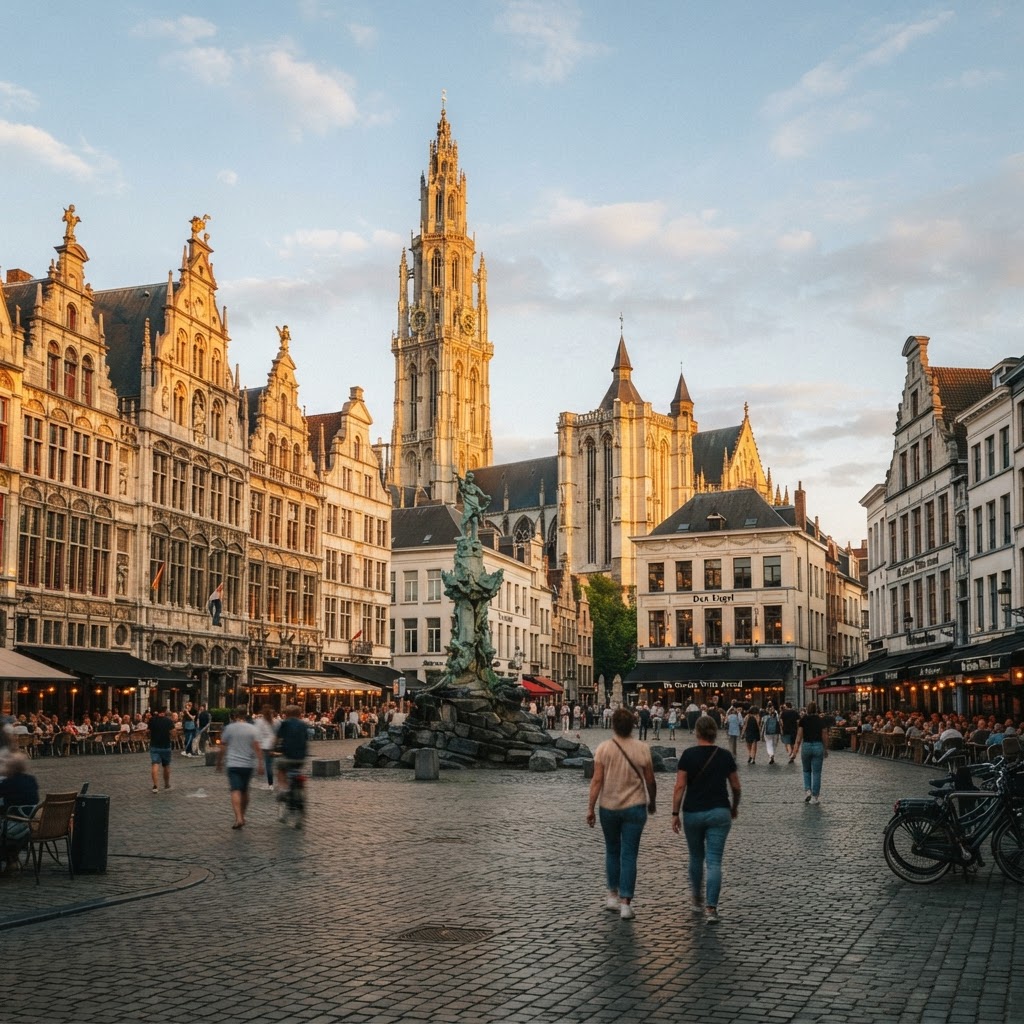
Antwerp
Belgium
Europe’s confident capital of cutting-edge fashion, Old Masters, and portside cool
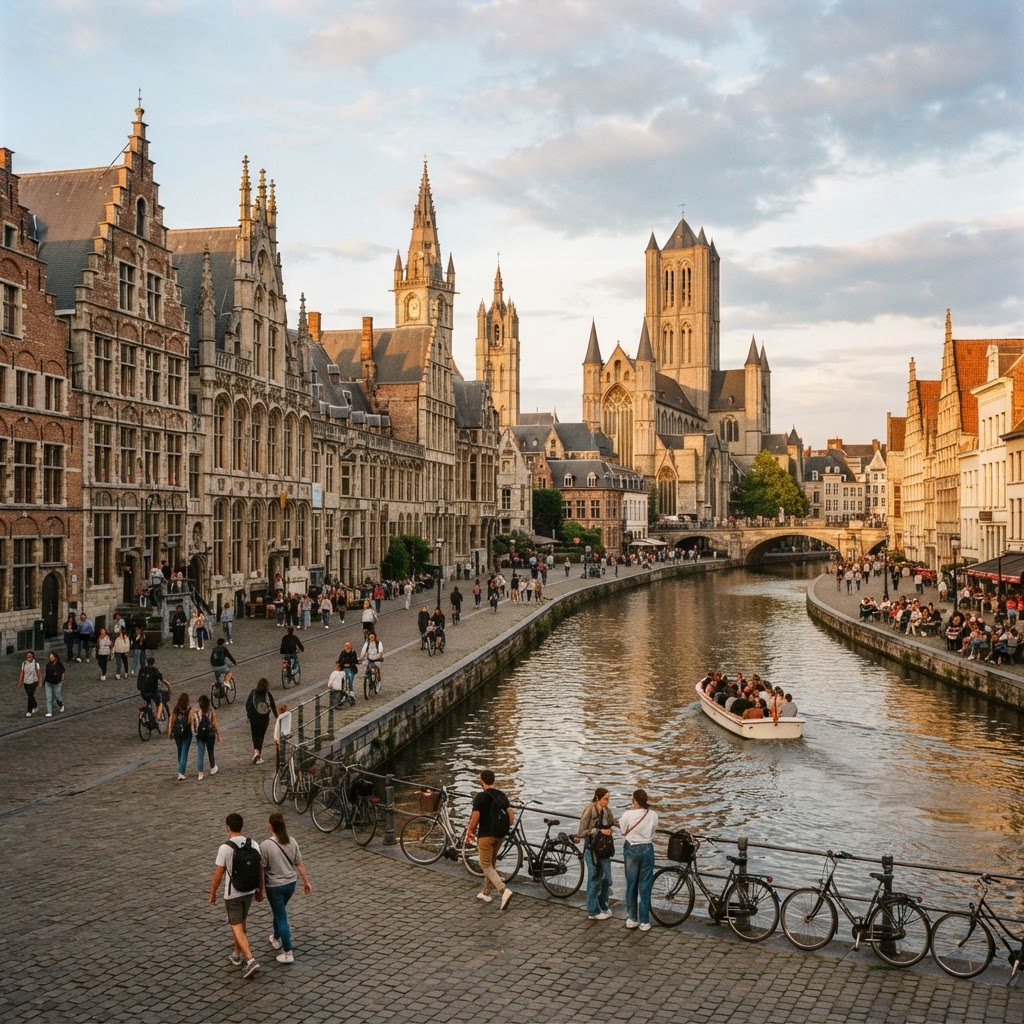
Ghent, Belgium
Belgium
Flemish medieval grandeur charged by modern student grit and car-free streets.
Readymade itineraries
Start from a tested template — then make it yours.
Ready to book
Lock in your Dinant trip
Everything in one place. We may earn a small commission — it never costs you more.
Plan a trip to Dinant
Pick a length and we'll build a day-by-day plan around how you travel — neighborhoods clustered, budget-aware, and editable.
Get better at planning trips like this
Occasional notes on planning smarter — no spam, unsubscribe anytime.
Plan a trip to Dinant
Turn this guide into a day-by-day plan built around your pace, your group, and your budget.
Build my Dinant trip