Belgium
Ghent, Belgium
Flemish medieval grandeur charged by modern student grit and car-free streets.
Plan & book
Sort your Ghent, Belgium trip in one place.
We point you to the booking tools we'd actually use — live prices, no markup. Or let us build the day-by-day plan around you first, then book.
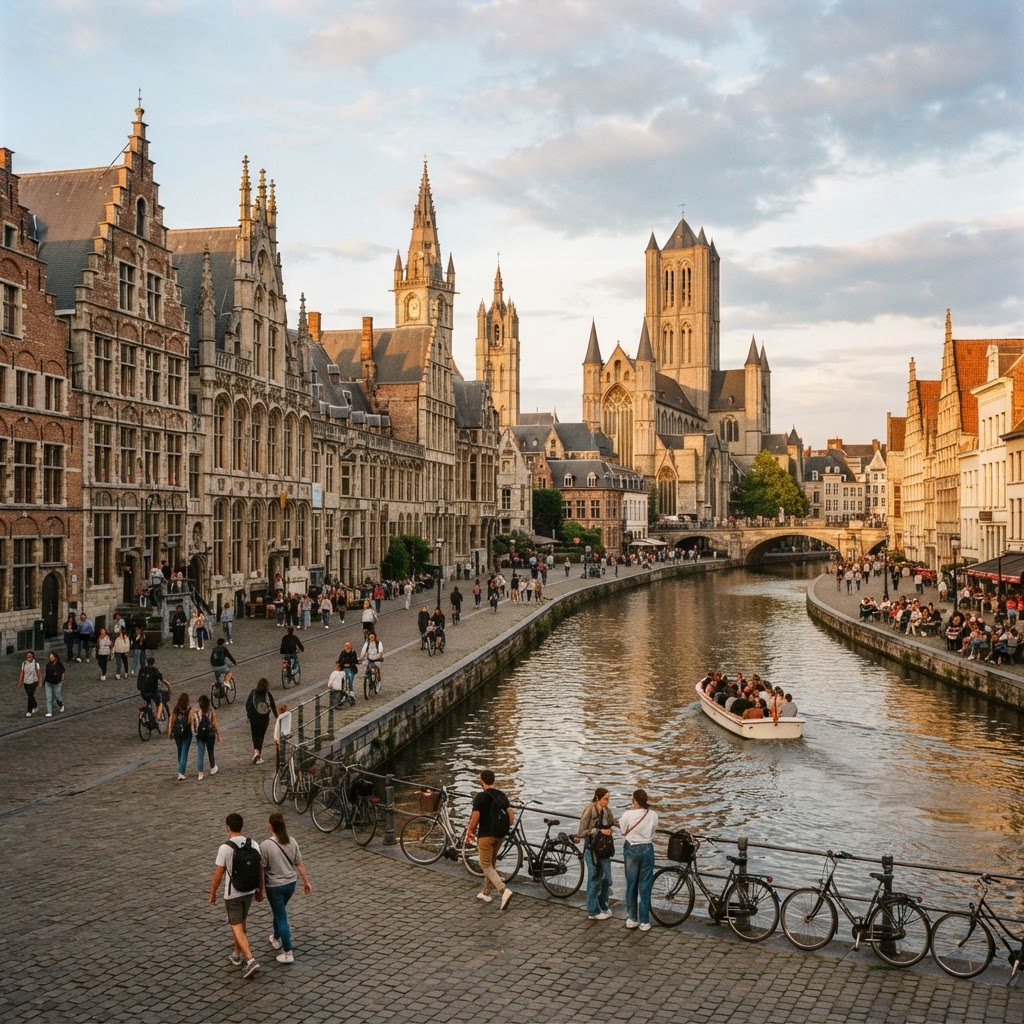
Ghent splits the difference between Brussels' administrative scale and Bruges' open-air museum freeze. Anchored by the junction of the Lys and Scheldt rivers, it is a bustling university city that wraps massive 14th-century guildhalls, a moated castle, and Northern Renaissance masterpieces around a genuinely local rhythm. Because the historic core banned through-traffic in 2017, the city belongs to cyclists, canal-side café regulars, and pedestrians rather than tour buses.
2 to 3 days
Best time
May to June and September to October for optimal weather, lively student terrace energy, and manageable queues.
Build your own trip with these prebuilt itineraries
Each one is a tested, day-by-day plan for Ghent, Belgium — start here, then make it yours.
4 Days in Ghent: Slow Arts, Design & Neighborhood Immersion in Ghent
A slower-paced creative and neighborhood exploration taking in contemporary design museums, university enclaves, and quiet canal quarters
3 Days in Ghent: Culinary Heritage & Beer Culture in Ghent
Deep dive into culinary hotspots, historic Patershol bistros, craft beer taverns, and local artisan markets
2 Days in Ghent: Essential Art & Historic Quays in Ghent
First-time architectural and cultural highlights featuring the Van Eyck Altarpiece, Gravensteen fortress, and illuminated canal strolls
Ghent offers genuine atmospheric grit alongside world-class art without being hollowed out by souvenir shops. Sitting along the Graslei at twilight or climbing the Belfry rewards you with sweeping views of the three medieval towers (St. Nicholas' Church, the Belfry, and St. Bavo's Cathedral), yet the streets below remain populated by university students and Flemish residents rather than day-trippers. It also houses Jan and Hubert van Eyck's 1432 'Adoration of the Mystic Lamb' in Sint-Baafskathedraal, arguably the most influential panel painting in Northern European history.
Where to stay
Getting there
Getting around
Food & drink
What it costs
Things to do
Book tours & tickets in Ghent, BelgiumSkip it if
Skip Ghent if your priority is a pastoral, postcard-perfect village aesthetic with horse carriages; Bruges delivers that specific fairytale far better. It is also not suited for road-trippers intent on parking at the hotel entrance or travelers with mobility restrictions who cannot manage uneven medieval cobblestones and tram-track crossings.
When to go
Summer brings canal weather, but July's 10-day Gentse Feesten overtakes the core with millions of festival-goers and booked-out hotels. Shoulder seasons offer mild walking days, uncrowded access to the Van Eyck altarpiece, and an authentic local university atmosphere.
Peak (July to August)
Warm weather and active canal-side quays; mid-July Gentse Feesten shuts down normal sightseeing and packs lodging months in advance.
Shoulder (April to June & September to October)
Crisp sunny days, university cafes in full swing, pleasant terrace seating along the Graslei, and reliable room availability.
Low (November to March)
Chilly, damp, and short daylight hours, but peaceful museum visits, low hotel rates, and charming winter markets around Sint-Baafsplein in December.
Neighborhoods
Where you stay shapes the trip. Here's how to think about it.
De Kuip (Historic Core)
Grand pedestrianized medieval center dominated by stone guildhalls, soaring spires, and canal promenades.
Best for:First-timers, short weekenders, and travelers wanting historic sights immediately outside their doorstep.
Don't miss:The Adoration of the Mystic Lamb inside Sint-Baafskathedraal and sunset views across the Leie from Sint-Michielsbrug.
Patershol
Tight cobblestone labyrinth of 17th-century weaver cottages turned cozy culinary hub.
Best for:Food-focused travelers, boutique accommodation seekers, and evening dining crawls.
Don't miss:Dinner along Oudburg followed by a traditional local draft at 't Velootje or Het Waterhuis aan de Bierkant.
Prinsenhof & Oud Begijnhof
Quiet residential canals and quiet brick alleys, devoid of day-tripper crowds.
Best for:Travelers seeking tranquil townhouse stays, architecture lovers, and quiet morning strolls.
Don't miss:Wandering along the leafy Lieve canal and visiting the walled quiet of the Elisabethbegijnhof.
Kunstenkwartier & Sint-Pieters
Energetic university and museum district with broad tree-lined streets, casual cafes, and student sprawl.
Best for:Solo travelers, museum lovers, budget diners, and proximity to Gent-Sint-Pieters railway station.
Don't miss:The terrace gardens of Sint-Pietersabdij and the fine arts collection at MSK Ghent.
Oude Dokken & Dok-Noord
Post-industrial docklands transformed into craft breweries, street art, and modern urban waterfront.
Best for:Craft beer obsessives, contemporary culture seekers, and travelers returning for a second visit.
Don't miss:Tasting experimental small-batch beers straight from the source at Dok Brewing Company.
Destination intelligence
Updated 9/14/2026The structured record we plan every Ghent, Belgium itinerary from.
Walkability
Exceptional. The historic core is one of Europe's largest continuous car-free pedestrian zones, meaning every major site is reachable within a 15-minute walk.
Transit quality
High. The De Lijn tram and bus network operates clean, frequent service directly linking both major train stations into the center.
Car needed
Never. A car is an active hindrance due to strict circulation sectors, low-emission camera enforcement, and lack of central parking.
Ideal duration
2 to 3 days
Minimum useful
1 day (overnight strongly advised)
Peak season
July to August (warm canal-side weather; mid-July hosts the 10-day Gentse Feesten when 2 million people visit and central lodging sells out).
Shoulder season
April to June and September to October (crisp weather, vibrant university semester energy, shorter queues at Sint-Baafs, and pleasant outdoor terrace dining).
Low season
November to March (cool, grey, and drizzly; quieter museums, lower hotel rates, and a cozy winter market around Sint-Baafsplein in December).
Best for
Common mistakes
- Treating Ghent as a 3-hour midday rail stop between Brussels and Bruges, missing the dramatic lighting of the quays after dark when crowds vanish.
- Renting a car or attempting to navigate Ghent's circulation plan by automobile; inner zones enforce strict permits, low-emission fines, and physical pedestrian barriers.
- Showing up to Sint-Baafskathedraal without a timed-entry ticket for the Van Eyck Altarpiece during peak weekends and being turned away.
- Overlooking dinner reservations on Friday and Saturday nights; top independent bistros in Patershol have only a dozen tables and book weeks out.
- Accidentally booking a hotel next to Gent-Dampoort or Sint-Pieters station under the assumption it is central; stations sit a 25-minute walk outside the canal core.
Best nearby
How to plan it
- Base yourself in Patershol or De Kuip if you want car-free doorstep access to evening dining and canal views.
- Pair Ghent with a day trip to Bruges (25 minutes by train), using Ghent as your quieter, more authentic overnight hub.
- Pre-book the Sint-Baafskathedraal Mystic Lamb entry slot at 09:30 or after 16:30 to bypass tour groups.
- Skip the overpriced canal boat queues on sunny mid-afternoons; hire a self-drive electric boat or grab a bench on the Graslei with bakery picnic goods instead.
- Reserve your dinner tables in Patershol 1 to 2 weeks ahead, as the best neighborhood bistros seat fewer than 30 guests.
Questions
More in Belgium
Mechelen, Belgium
Belgium
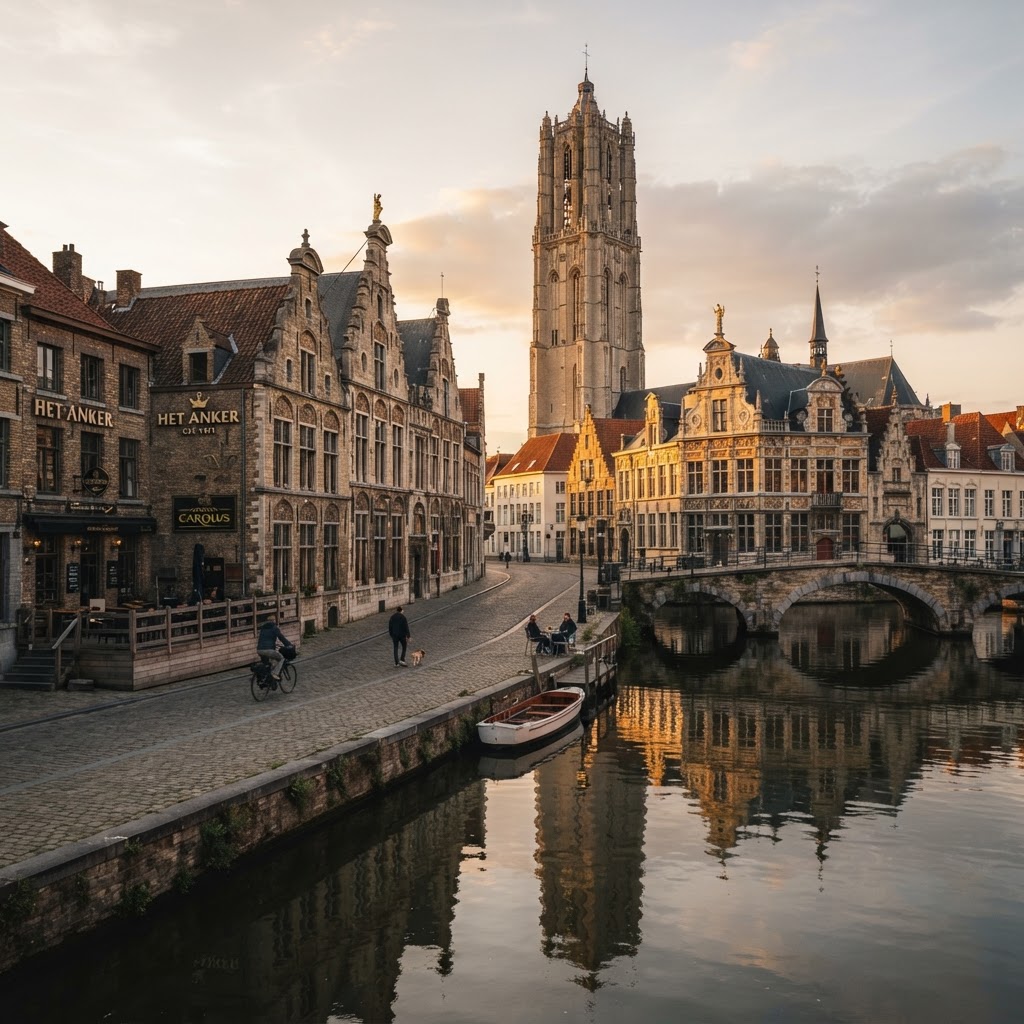
Flemish Renaissance heritage, world-class carillon culture, and canal-side breweries without the tourist circus
Dinant
Belgium
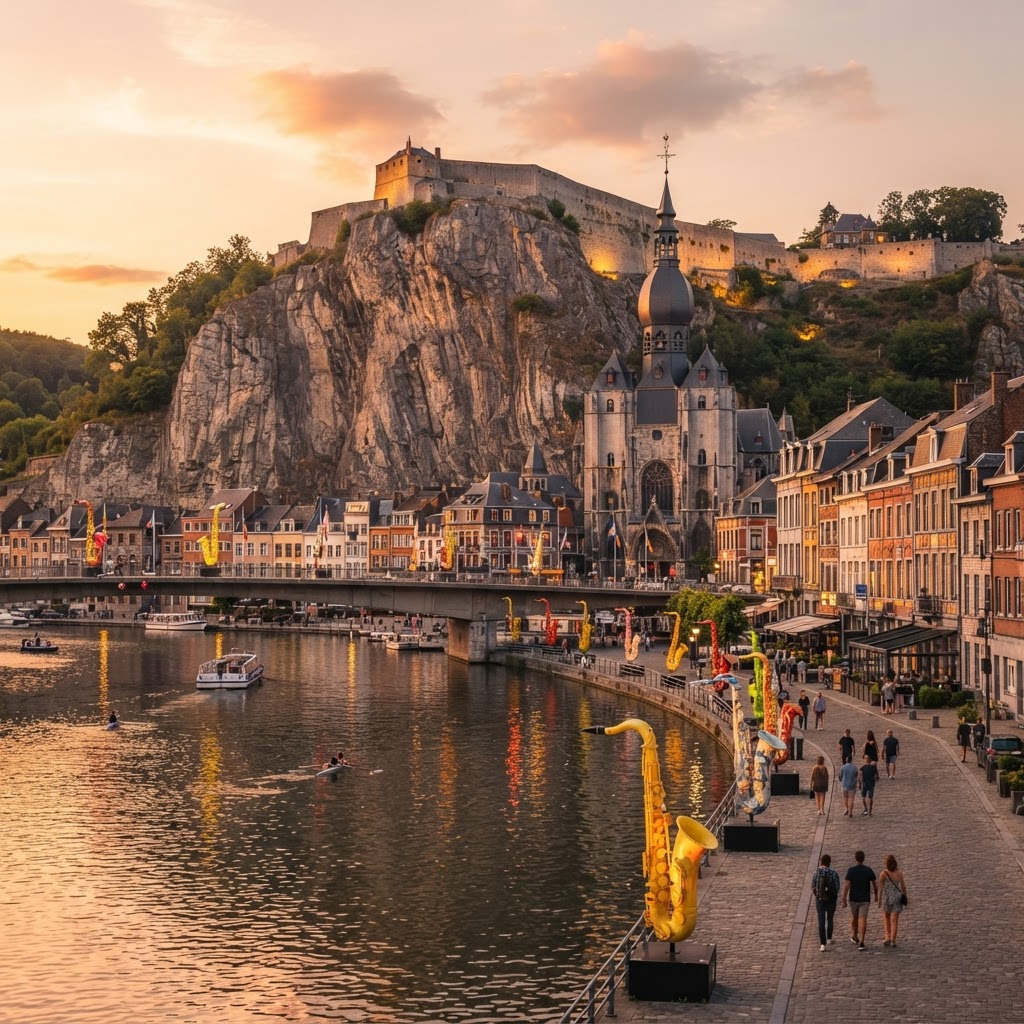
Sheer limestone cliffs, saxophone lore, and dramatic Meuse riverfront vistas.
Leuven
Belgium
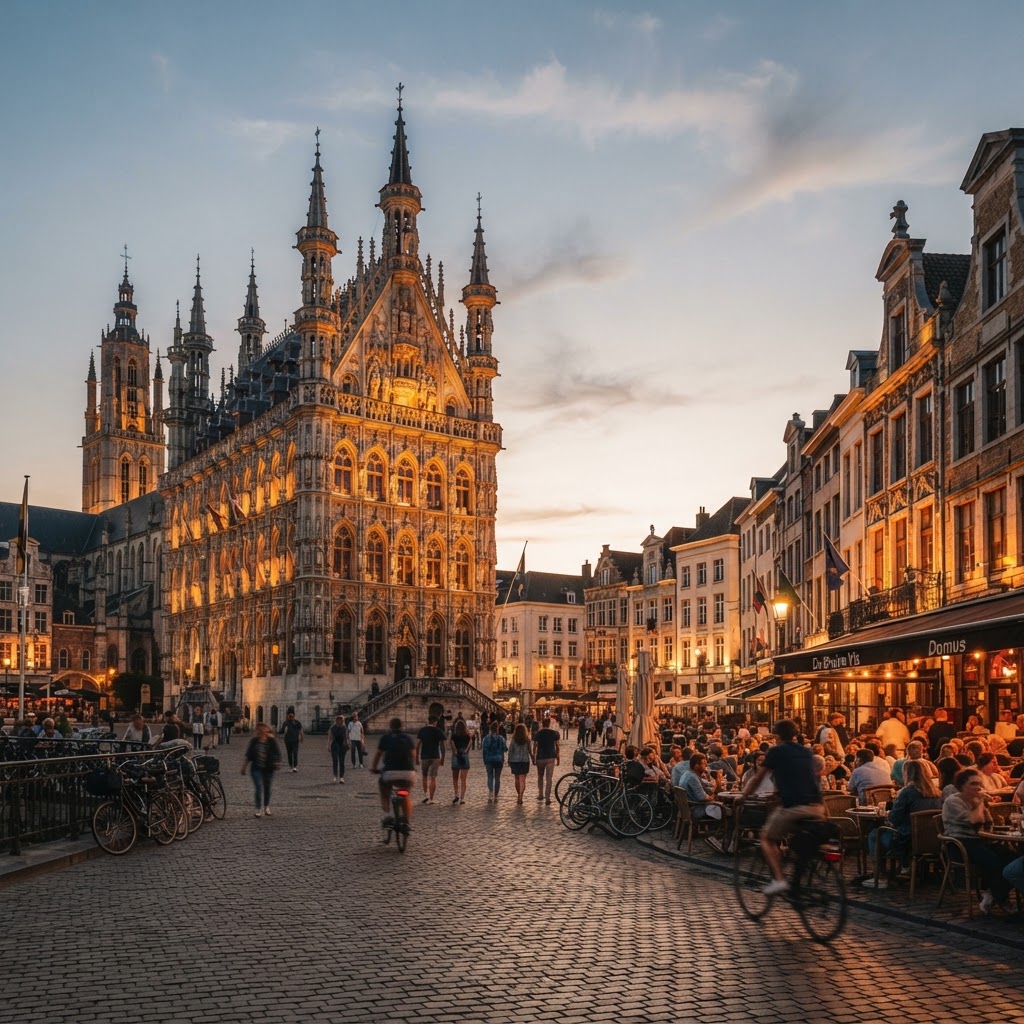
Flemish Gothic grandeur meets vibrant university energy, quiet beguinages, and Belgium's brewing capital.
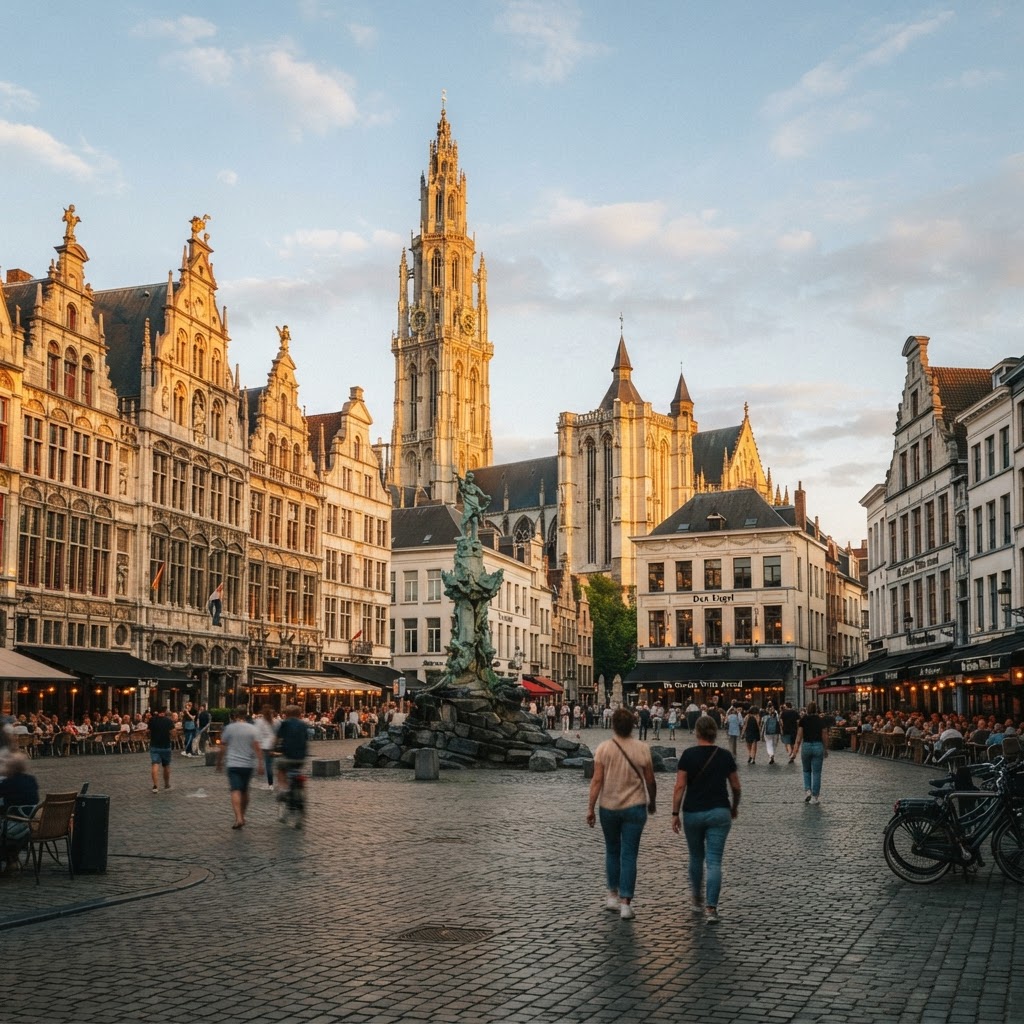
Antwerp
Belgium
Europe’s confident capital of cutting-edge fashion, Old Masters, and portside cool
Readymade itineraries
Start from a tested template — then make it yours.
Ready to book
Lock in your Ghent, Belgium trip
Everything in one place. We may earn a small commission — it never costs you more.
Plan a trip to Ghent, Belgium
Pick a length and we'll build a day-by-day plan around how you travel — neighborhoods clustered, budget-aware, and editable.
Get better at planning trips like this
Occasional notes on planning smarter — no spam, unsubscribe anytime.
Plan a trip to Ghent, Belgium
Turn this guide into a day-by-day plan built around your pace, your group, and your budget.
Build my Ghent, Belgium trip