Belgium
Bruges, Belgium
Gothic canals, early Netherlandish masters, and atmospheric quiet after the day-trippers depart.
Plan & book
Sort your Bruges, Belgium trip in one place.
We point you to the booking tools we'd actually use — live prices, no markup. Or let us build the day-by-day plan around you first, then book.
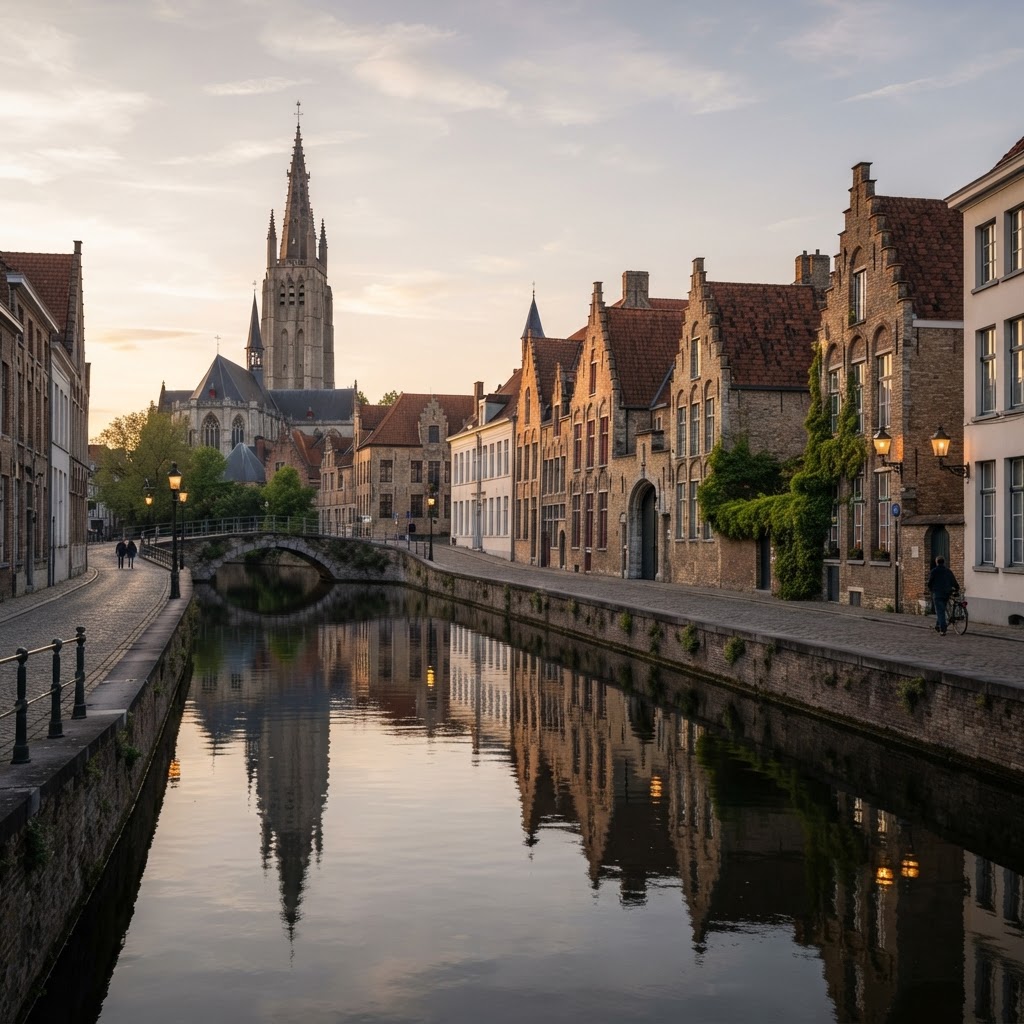
Bruges is an impeccably preserved medieval trading powerhouse whose historic core sits within an egg-shaped moat of canals. While daytime crowds can make the Markt feel like an open-air museum set piece, the city transforms entirely after 5:00 PM when excursion coaches leave for Brussels. Staying overnight reveals its authentic rhythm: foggy evening reflections off the Dijver, echoing footfalls on wet cobblestones, world-class Flemish Primitive oil paintings, and centuries-old taprooms pouring complex Trappist ales.
2 to 3 days
Best time
Mid-April to May or mid-September to October for crisp canal reflections, manageable foot traffic, and decent daylight.
Build your own trip with these prebuilt itineraries
Each one is a tested, day-by-day plan for Bruges, Belgium — start here, then make it yours.
3 Days in Bruges: Flemish Masters & Culinary Heritage in Bruges
Culture and gastronomic depth focusing on Netherlandish art, bean-to-bar chocolatiers, and historic cellar breweries
1 Day in Bruges: Romantic Twilight & Quiet Waterways in Bruges
An atmospheric overnight escape designed to experience the historic center after the day-trippers depart
2 Days in Bruges: Historic Core & Canal Magic in Bruges
First-time essential highlights, early morning crowd-free canals, and medieval masterpieces
Bruges preserves intact Gothic urbanism at a scale few European cities can match. Go not just to photograph the classic swans and stepped-gabled houses, but to stand inches from Jan van Eyck's translucent oil layers at the Groeningemuseum, hear the 47-bell carillon echo from the Belfry over silent brick alleys, and sip spontaneous-fermentation beer in dark wooden cellars that have been operating since the Renaissance.
Where to stay
Getting there
Getting around
Food & drink
What it costs
Things to do
Book tours & tickets in Bruges, BelgiumSkip it if
Skip Bruges if your travel style demands high-energy contemporary nightlife, cutting-edge modern architecture, or sprawling transit-connected urban neighborhoods; the town settles into quiet stillness by 10:00 PM. Travelers looking for grit, working industrial city life, and large university crowds will find nearby Ghent or Antwerp far more rewarding.
When to go
Summer brings suffocating day-tripper bottlenecks around Rozenhoedkaai and inflated hotel prices, while deep winter suffers damp Atlantic chill and sub-5:00 PM sunset cutoffs. Shoulder seasons deliver comfortable walking weather and let you experience the canal quays in relative solitude.
Peak (June–August & December weekends)
Expect dense crowds around the Markt, lines at canal boat docks, and top hotel rates. December trades warmer weather for fairy lights and the Winter Glow market, but weekends get severely congested.
Shoulder (April–May & September–October)
The sweet spot. Spring brings blooming carpets of daffodils to the Beguinage courtyard, while autumn paints the Dijver canal trees gold with brisk, pleasant walking weather.
Low (January–March)
Cold, grey, and frequent sea drizzles with some restaurants closed on mid-week days. However, hotel rates plunge, streets empty out by 6:00 PM, and museum galleries are yours alone.
Neighborhoods
Where you stay shapes the trip. Here's how to think about it.
Historisch Centrum (Burg & Markt)
Grand Gothic public squares, towering belfries, and heavy midday foot traffic giving way to quiet, floodlit facades by night.
Best for:First-timers who want landmark access immediately on their doorstep.
Don't miss:The Basilica of the Holy Blood on Burg Square, particularly the Romanesque lower chapel of St. Basil, viewed early before tour groups amass.
Sint-Anna (Saint Anne)
Tranquil residential streets of whitewashed brick houses, working lace heritage, and historic local brown cafes.
Best for:Travelers seeking total calm, neighborhood dining, and an authentic residential pace.
Don't miss:A draught Rodenbach sour ale in the wood-paneled snug of Cafe Vlissinghe, operating on Blekersstraat since 1515.
Sint-Gillis (Saint Giles)
An unhurried artisan pocket along northern canals, filled with independent studios, bakery counters, and zero excursion buses.
Best for:Art lovers and slow travelers wanting scenic canal walkways without selfie sticks.
Don't miss:A peaceful morning walk along the willow-fringed Potterierei canal bank looking across to the Convent of the Potterie.
Ezelstraat Quarter
Lively, bohemian street corridor lined with indie record stores, vintage shops, craft taprooms, and affordable bistros.
Best for:Solo travelers, younger duos, and budget-conscious dining.
Don't miss:The medieval Donkey Gate (Ezelpoort) at the canal ring edge, followed by a visit to De Bierboom bottle shop.
Magdalena & Minnewater
Green, willow-draped watersides, Gothic monastic courtyards, and quiet park greens.
Best for:Couples wanting scenic romance and travelers requiring quick, flat walking access to the rail terminal.
Don't miss:The enclosed courtyard of the Ten Wijngaerde Princely Beguinage in the morning light before silence rules are broken by afternoon tours.
Destination intelligence
Updated 9/14/2026The structured record we plan every Bruges, Belgium itinerary from.
Walkability
Exceptional. The historic canal ring is compact, largely car-restricted, and flat, making walking the optimal and most efficient way to get around.
Transit quality
High-efficiency rail connections via SNCB station at the edge of the historic core; within the old town, public transit is minimally necessary due to small distances.
Car needed
Strictly no. A car is an expensive liability with perimeter parking charges and extensive pedestrianized zones.
Ideal duration
2 to 3 days
Minimum useful
1 full day (must include an overnight)
Peak season
June through August, plus weekends in December for the historic Winter Glow holiday markets.
Shoulder season
April to May (blooming daffodils at the Begijnhof) and September to October (crisp air, golden trees along Dijver canal, manageable crowds).
Low season
January to early March (cold, damp, and short daylight hours, but peaceful streets and discounted hotel rates).
Best for
Common mistakes
- Visiting strictly as a midday rail excursion from Brussels, which confines your visit to the peak hours of midday crowds and misses the best hours when the canal paths are empty.
- Eating at the brasseries lining the Markt and Burg, where menus are overpriced, aggressively marketed, and rarely serve high-quality Flemish food.
- Renting a car to drive into Bruges; the inner historic district features severe access restrictions, expensive parking garages, tight pedestrian zones, and one-way loops.
- Wearing thin-soled shoes or heels on rough, 500-year-old cobblestones.
- Taking horse-drawn carriage tours without cash or assuming all small chocolate shops craft their own confections on-site.
Best nearby
How to plan it
- Book an overnight stay instead of doing a day trip from Brussels; the authentic, mist-over-cobblestone atmosphere only happens between 6:00 PM and 9:00 AM.
- Pair Bruges with a direct 25-minute train hop to Ghent for an edgier, contemporary contrast, rather than spending more than three nights exclusively in Bruges.
- Schedule your Groeningemuseum or Belfort visit for 9:30 AM right at opening to view Jan van Eyck's canvases or ascend the tower stairs before queues back up.
- Skip dining at restaurants with laminated pictorial menus directly ringing the Markt; walk five minutes north into Sint-Gillis or east to Langestraat for better culinary quality at half the price.
- Rent a bicycle for an afternoon to follow the tree-lined canal pathway out to the historic village of Damme (6 km) when historic center foot traffic feels overwhelming.
Questions
More in Belgium
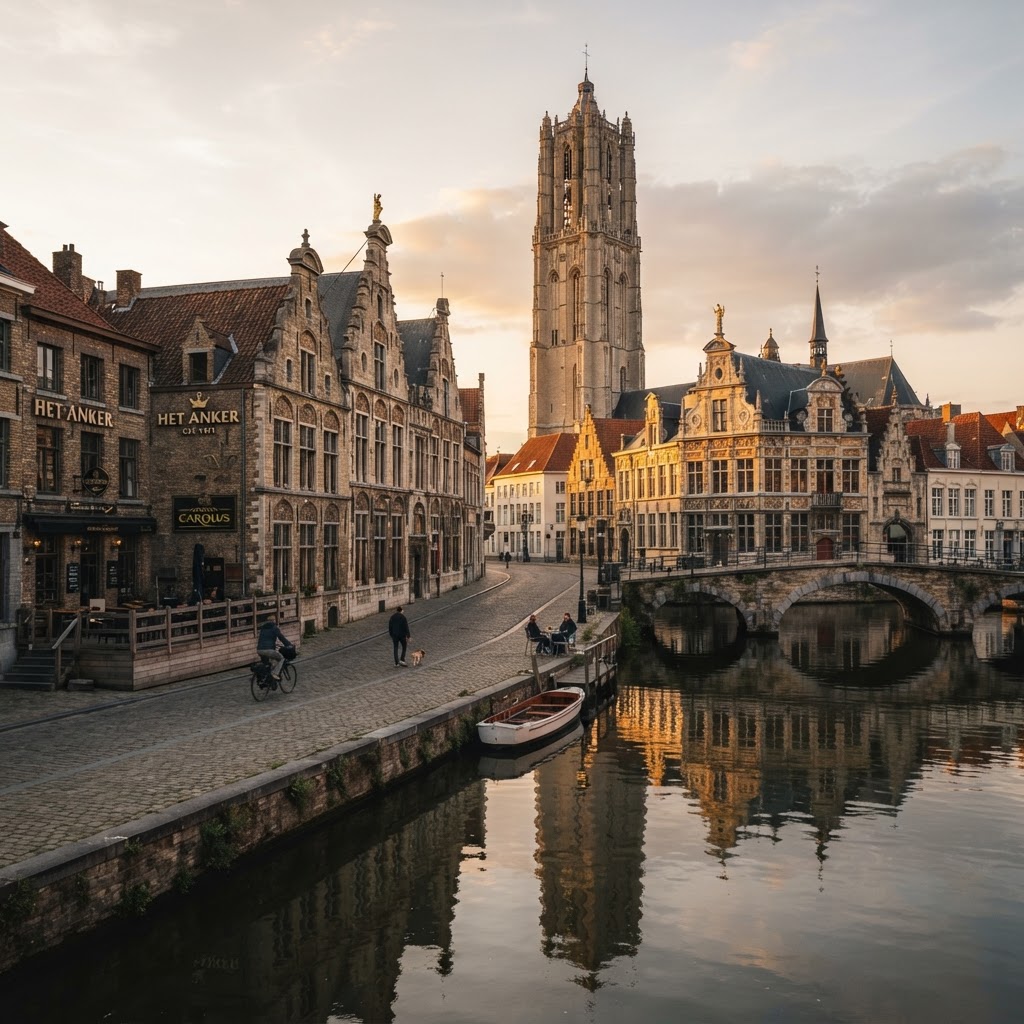
Mechelen, Belgium
Belgium
Flemish Renaissance heritage, world-class carillon culture, and canal-side breweries without the tourist circus
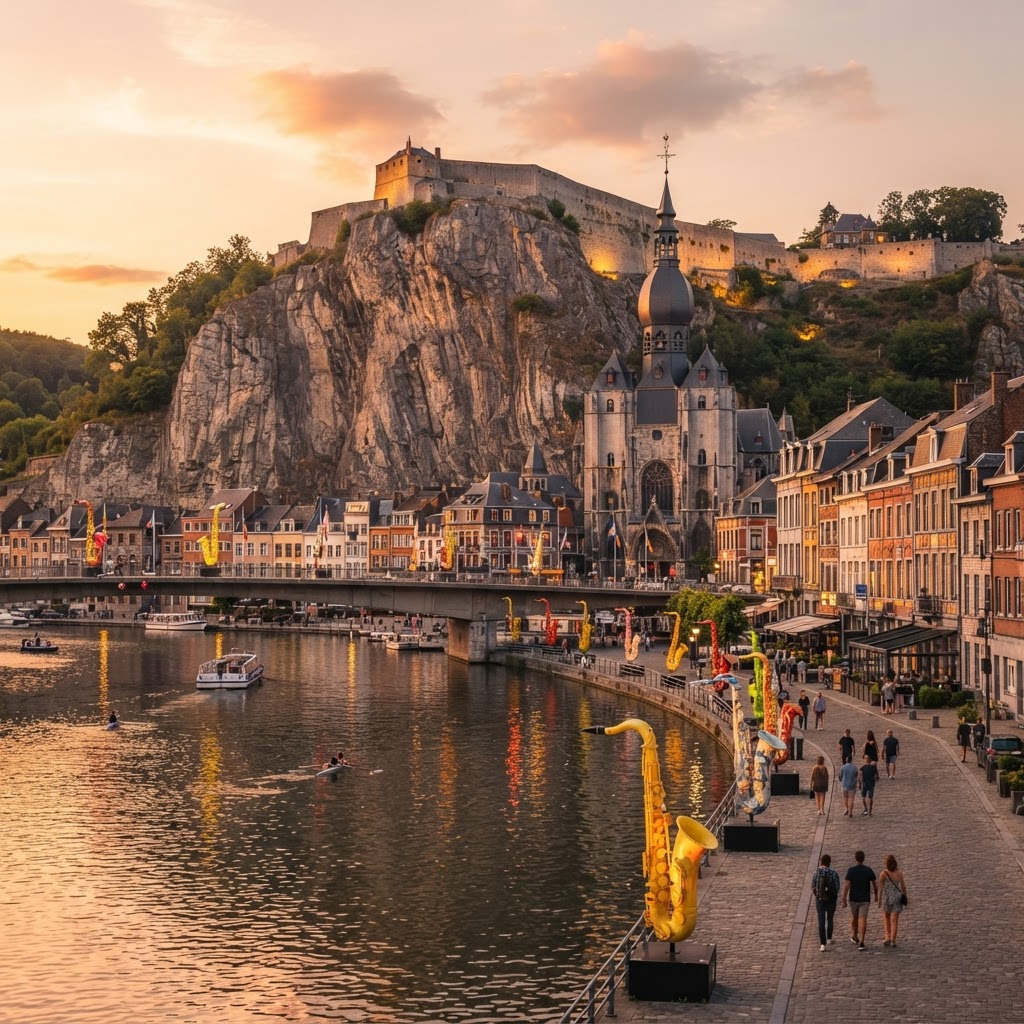
Dinant
Belgium
Sheer limestone cliffs, saxophone lore, and dramatic Meuse riverfront vistas.
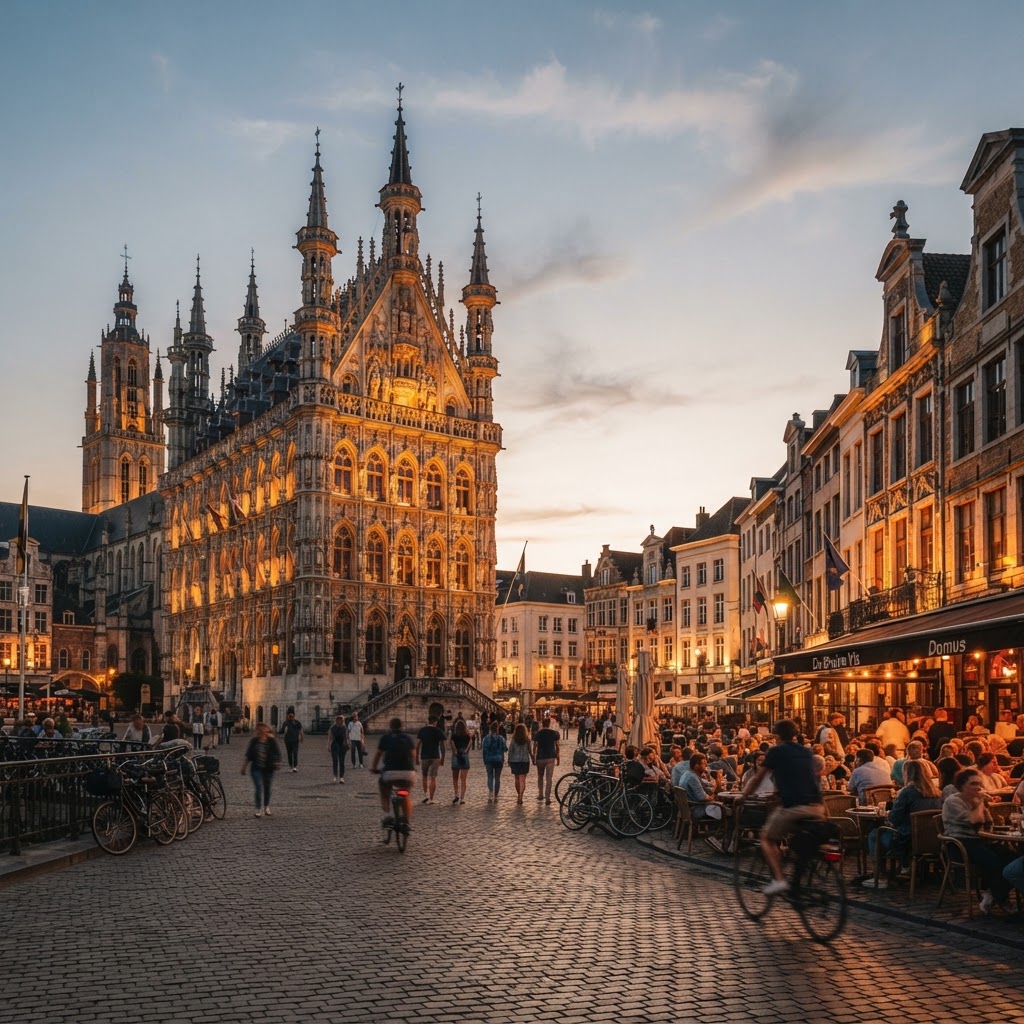
Leuven
Belgium
Flemish Gothic grandeur meets vibrant university energy, quiet beguinages, and Belgium's brewing capital.
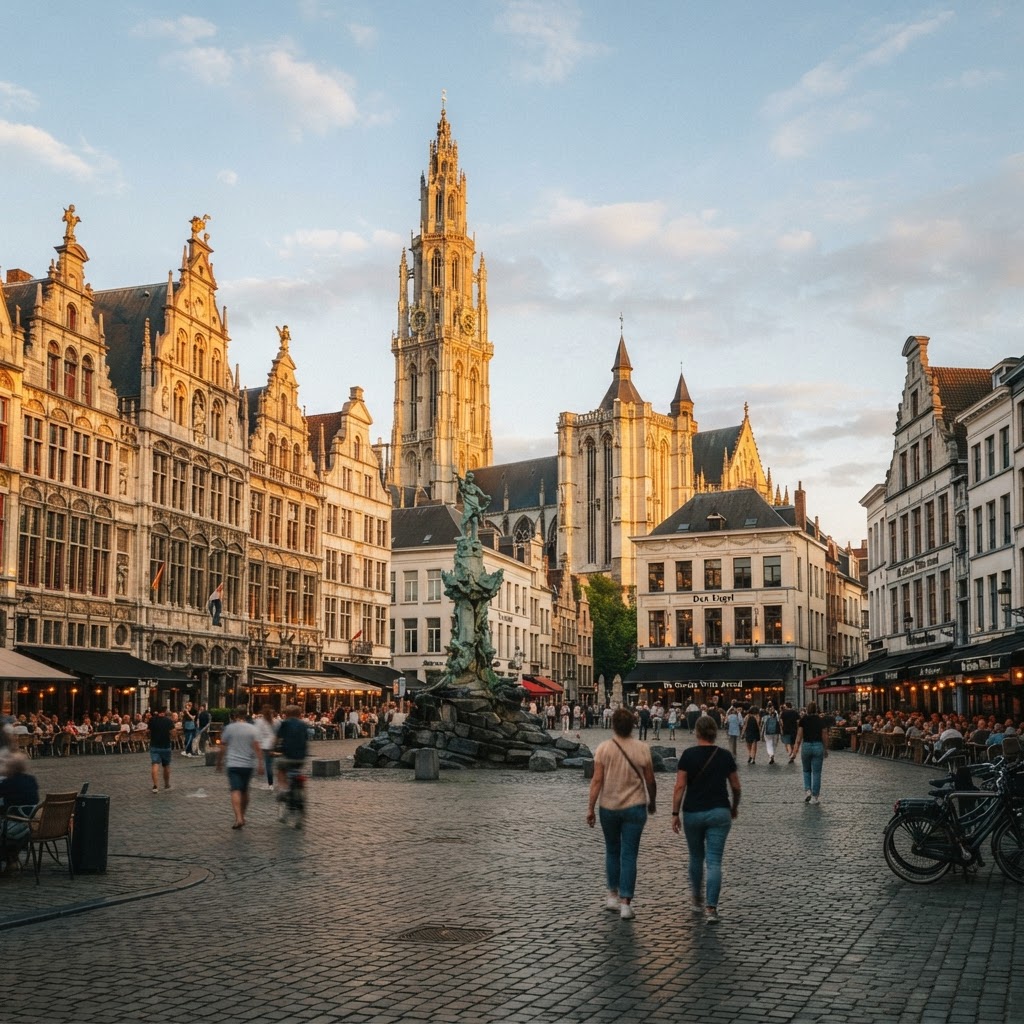
Antwerp
Belgium
Europe’s confident capital of cutting-edge fashion, Old Masters, and portside cool
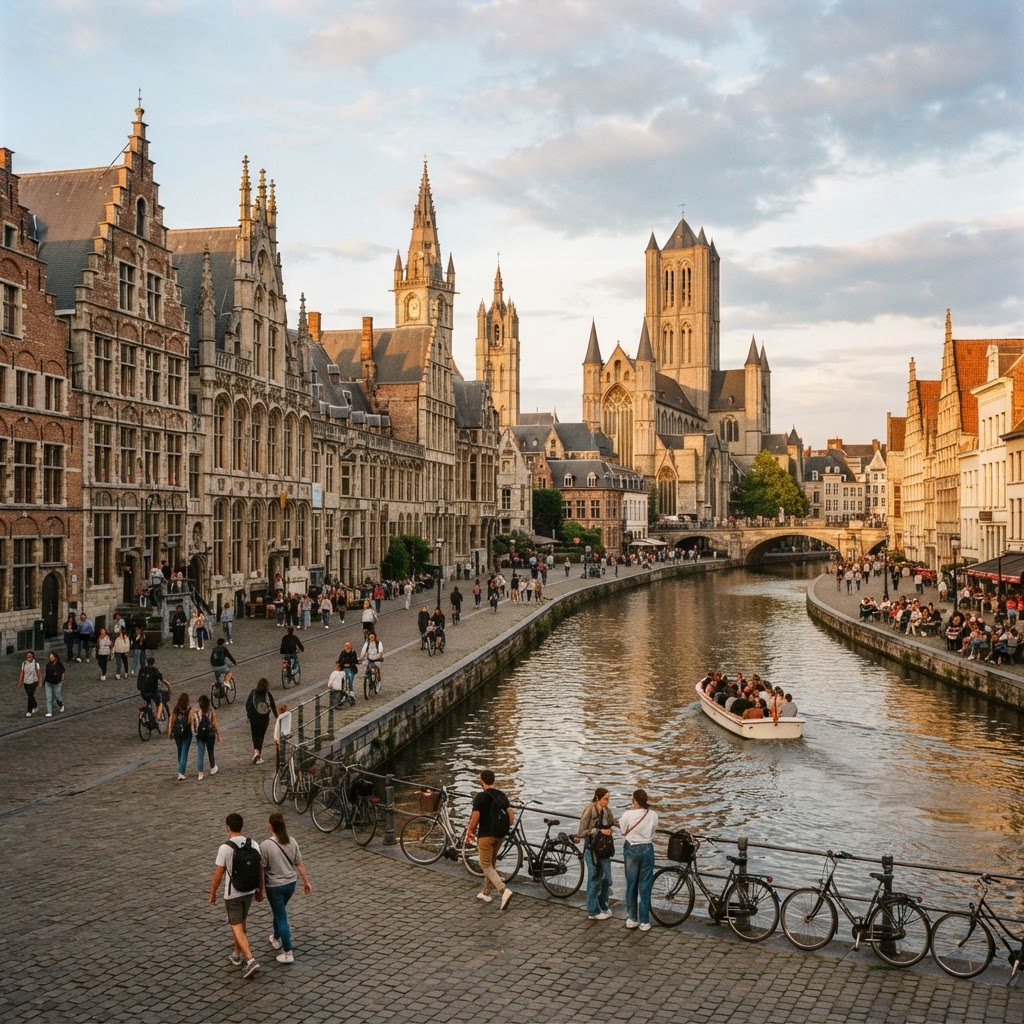
Ghent, Belgium
Belgium
Flemish medieval grandeur charged by modern student grit and car-free streets.
Readymade itineraries
Start from a tested template — then make it yours.
Ready to book
Lock in your Bruges, Belgium trip
Everything in one place. We may earn a small commission — it never costs you more.
Plan a trip to Bruges, Belgium
Pick a length and we'll build a day-by-day plan around how you travel — neighborhoods clustered, budget-aware, and editable.
Get better at planning trips like this
Occasional notes on planning smarter — no spam, unsubscribe anytime.
Plan a trip to Bruges, Belgium
Turn this guide into a day-by-day plan built around your pace, your group, and your budget.
Build my Bruges, Belgium trip