Portugal
Braga, Portugal
Baroque grandeur meets university pulse in Portugal's spiritual cradle
Plan & book
Sort your Braga, Portugal trip in one place.
We point you to the booking tools we'd actually use — live prices, no markup. Or let us build the day-by-day plan around you first, then book.
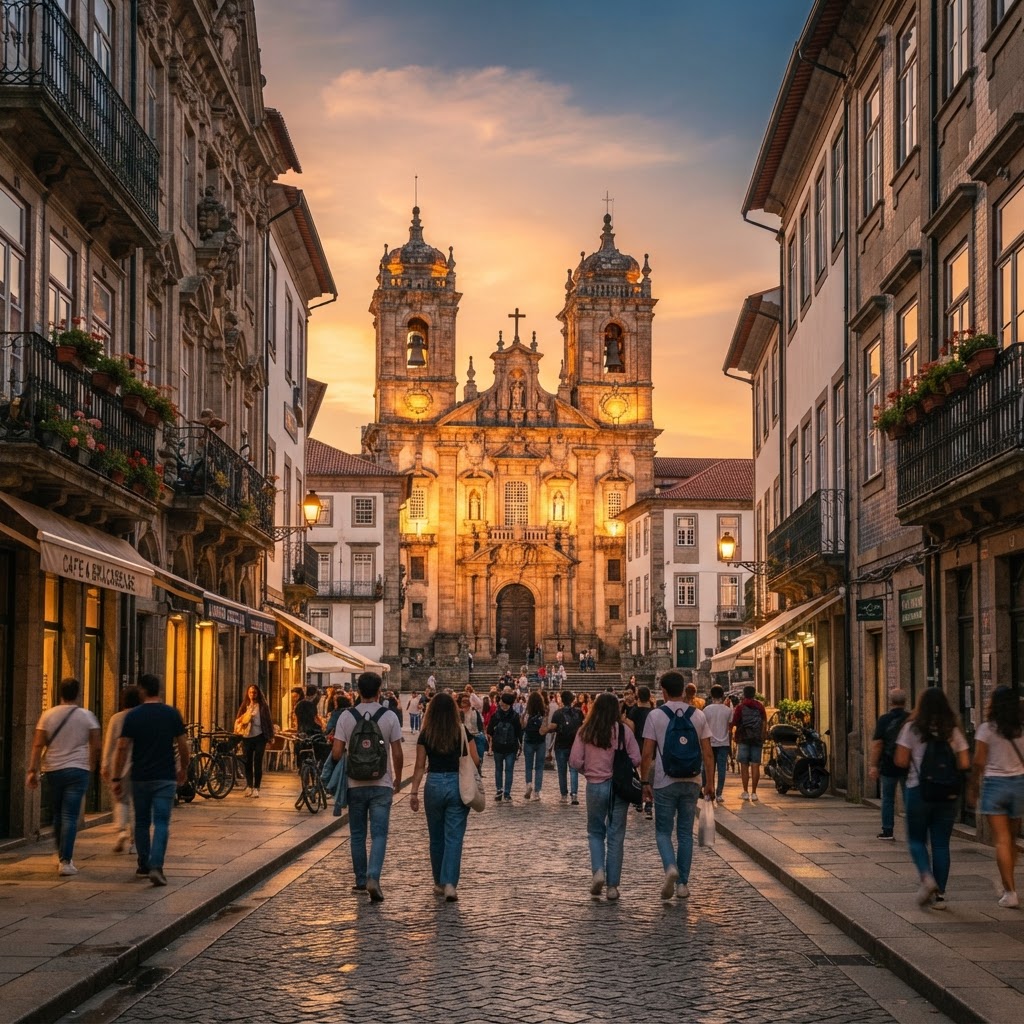
Known historically as Bracara Augusta under Roman rule and long revered as the religious capital of Portugal, Braga balances solemn sacred heritage with the kinetic energy of a major university town. While day-trippers rush through the Sé and take a selfie at Bom Jesus do Monte, staying overnight reveals quiet cobblestone squares lined with cafe terraces, outstanding Minho regional cuisine, and dramatic 18th-century Baroque architecture by André Soares.
2 days
Best time
May to June or September to mid-October for mild walking weather, blooming parterres, and active cafe culture.
Build your own trip with these prebuilt itineraries
Each one is a tested, day-by-day plan for Braga, Portugal — start here, then make it yours.
3 Days in Braga: Slow Living & Northern Sanctuary Escapes in Braga
Relaxed cultural stay including hilltop sanctuaries like Sameiro, ancient chapels, and leisurely evening café culture
2 Days in Braga: Historic Immersion & Minho Flavors in Braga
Balanced exploration of Roman heritage, opulent palaces, tranquil gardens, and traditional Minho gastronomy
1 Day in Braga: Baroque Highlights & Sacred Hills in Braga
Essential historic center monuments, Sé de Braga, and an afternoon at Bom Jesus do Monte via the historic water-powered funicular
Braga offers the depth of Portugal's oldest city paired with modern livability and none of the theme-park feel found in parts of Lisbon or Porto. The architectural continuum is astonishing: Roman ruins tucked beneath buildings, the country's oldest cathedral, high-Baroque azulejo facades like Palácio do Raio, and Bom Jesus do Monte's monumental staircase carved into the forested hillside.
Where to stay
Getting there
Getting around
Food & drink
What it costs
Things to do
Book tours & tickets in Braga, PortugalSkip it if
Skip Braga if your northern Portugal trip is strictly under four days (focus exclusively on Porto and the Douro Valley), or if you demand high-energy nightlife, beach access, or are burnt out on religious architecture and historic stone churches.
When to go
Spring and early autumn offer comfortable 18°C–24°C days for climbing the monumental staircases at Bom Jesus without the sweltering valley heat of July and August or the heavy Atlantic rainfall common to Minho winters.
Peak (Semana Santa, late May Romana festival, and June to August)
Expect large crowds and high lodging rates during Holy Week and the late-June Festas de São João; summers are hot, sunny, and lively, though less sweltering than central Portugal.
Shoulder (April to May and September to October)
Ideal balance of pleasant temperatures and manageable visitor numbers, with blooming gardens at Jardim de Santa Bárbara in spring and wine harvest atmosphere in autumn.
Low (November to March)
Frequent Atlantic rains and cool days around 8°C–14°C; crowds disappear and boutique hotels drop rates sharply, but outdoor sanctuary visits require flexible timing between showers.
Neighborhoods
Where you stay shapes the trip. Here's how to think about it.
Sé & Centro Histórico
Cobblestone alleys, historic squares, and sidewalk cafe seating framed by Manueline and Baroque facades.
Best for:First-time visitors who want to walk everywhere and stay within 500 meters of the main monuments and wine bars.
Don't miss:Taking an evening bica at A Brasileira after exploring the cloisters of the Sé de Braga.
Cividade & Maximinos
Ancient Roman ruins blending into a relaxed residential quarter with local tascas and small bakeries.
Best for:History buffs and travelers wanting quiet side streets within a 5-minute walk of the core.
Don't miss:The subterranean Roman Thermae of Maximinos (Termas Romanas do Alto da Cividade).
São Victor
Lively local quarter balancing classic 18th-century churches with community pastry shops and leafy green plazas.
Best for:Travelers seeking authentic Minho neighborhood life, neighborhood bakeries, and easy bus links to Bom Jesus.
Don't miss:Grabbing a morning pastry near Praça da Senhora-a-Branca before heading out to the eastern hillside sanctuaries.
Gualtar & Lamaçães
Modern, energetic university enclave dominated by student bars, affordable eateries, and wide avenues.
Best for:Budget-focused solo travelers, digital nomads, and visitors prioritizing cheap eats over historic charm.
Don't miss:The craft beer taps and student-filled terrace tables near the Universidade do Minho campus.
Destination intelligence
Updated 9/14/2026The structured record we plan every Braga, Portugal itinerary from.
Walkability
high
Transit quality
medium
Car needed
no
Ideal duration
2 days
Minimum useful
1 day
Peak season
June through August, plus Semana Santa (Holy Week before Easter), bringing warm weather, religious pageantry, and high festival crowds.
Shoulder season
April to May and September to October, offering pleasant walking temperatures, garden blooms, grape harvest activity, and manageable crowds.
Low season
November through March, characterized by frequent Atlantic rainfall and cool gray days, though historic sites remain open and hotel rates drop significantly.
Best for
Common mistakes
- Rushing through on a combined rushed day-trip that tries to do both Guimarães and Braga in six hours, leaving no time to actually absorb the atmosphere or visit Bom Jesus properly.
- Renting a car for a Braga-only visit and battling narrow historic one-way streets, bollards, and restricted parking.
- Arriving at the Sé de Braga between 12:30 and 14:30 when interior chapels and the treasury museum close for lunch.
- Missing the 1882 water-counterbalanced funicular at Bom Jesus, assuming you must either hike all 577 steps or take a cab to the top.
Best nearby
See what a trip to Portugal actually costs. Travel Budget Co.
How to plan it
- Stay within a 700-meter radius of the Sé de Braga to keep all dinners, cafes, and museums within an easy walk.
- Pair Braga with Guimarães on consecutive days, but sleep in Braga—the train between them takes under an hour by bus/train, and Braga offers a broader restaurant roster.
- Do not try to combine Bom Jesus, Sameiro, and the historic center on a half-day rush; the hillside sanctuaries deserve half a day on their own.
- Book accommodations at least 4 to 6 months ahead if your dates touch Holy Week (Semana Santa) or the Festas de São João in late June.
- Time your visit to Palácio dos Biscainhos before 16:30, as the 18th-century Baroque residential gardens close earlier than public city parks.
Questions
More in Portugal
Óbidos, Portugal
Portugal
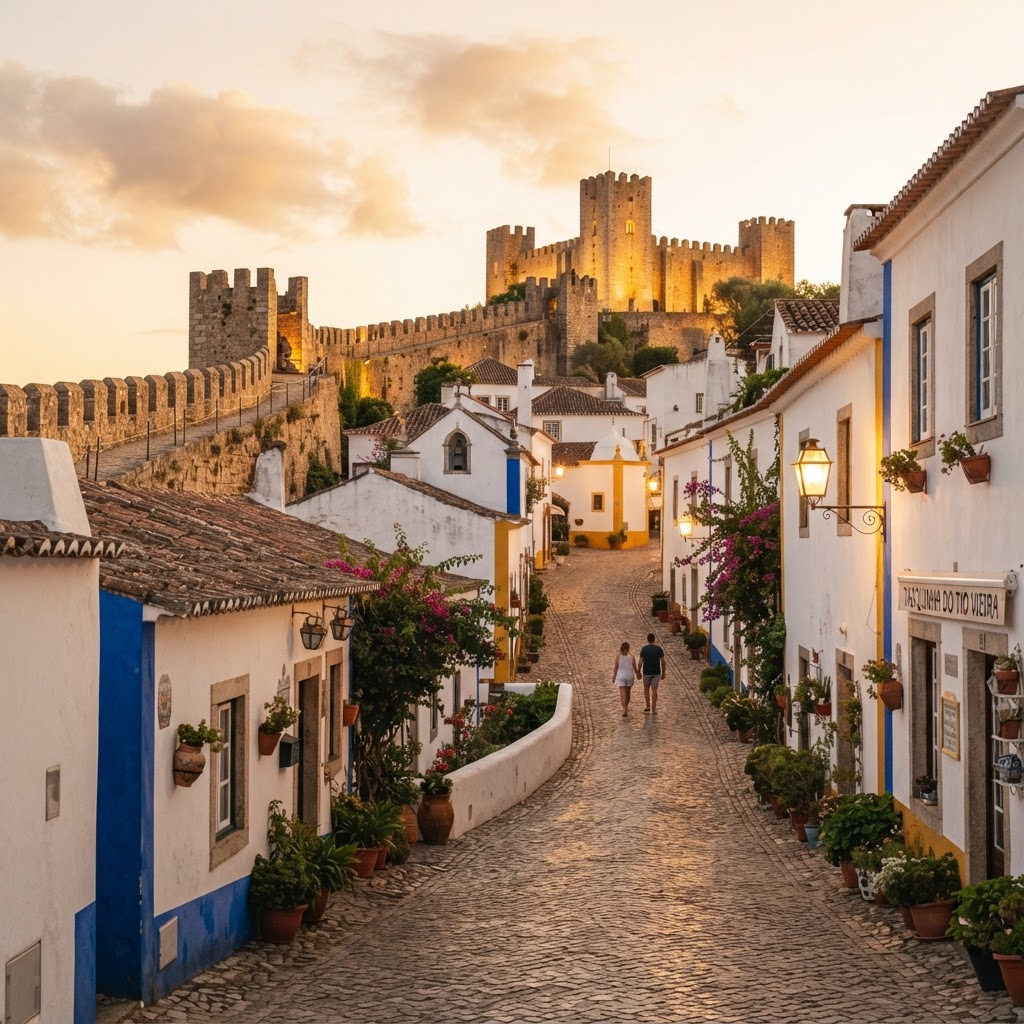
Ramparts, whitewashed lanes, and quiet evenings after the tour coaches depart
Nazaré, Portugal
Portugal
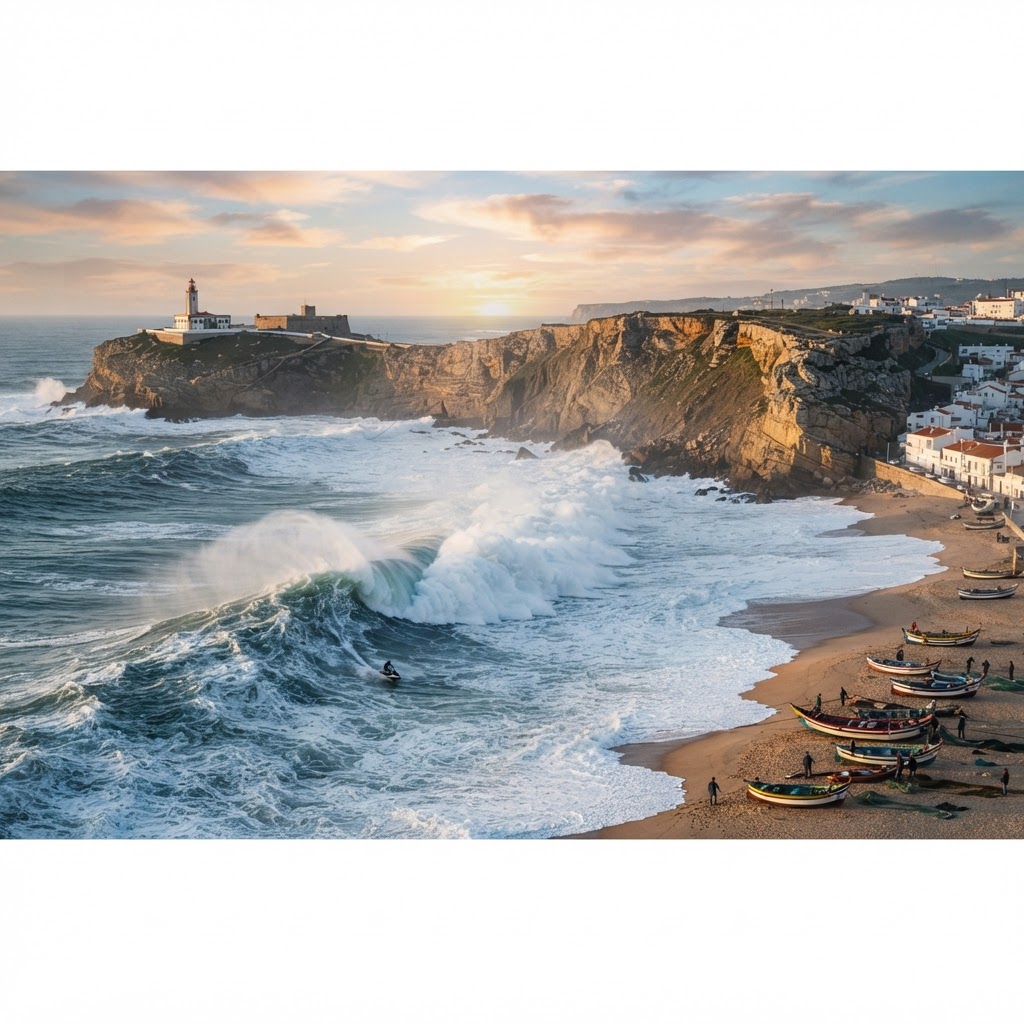
Colossal Atlantic surf, dramatic clifftops, and enduring maritime traditions
Lagos, Portugal
Portugal
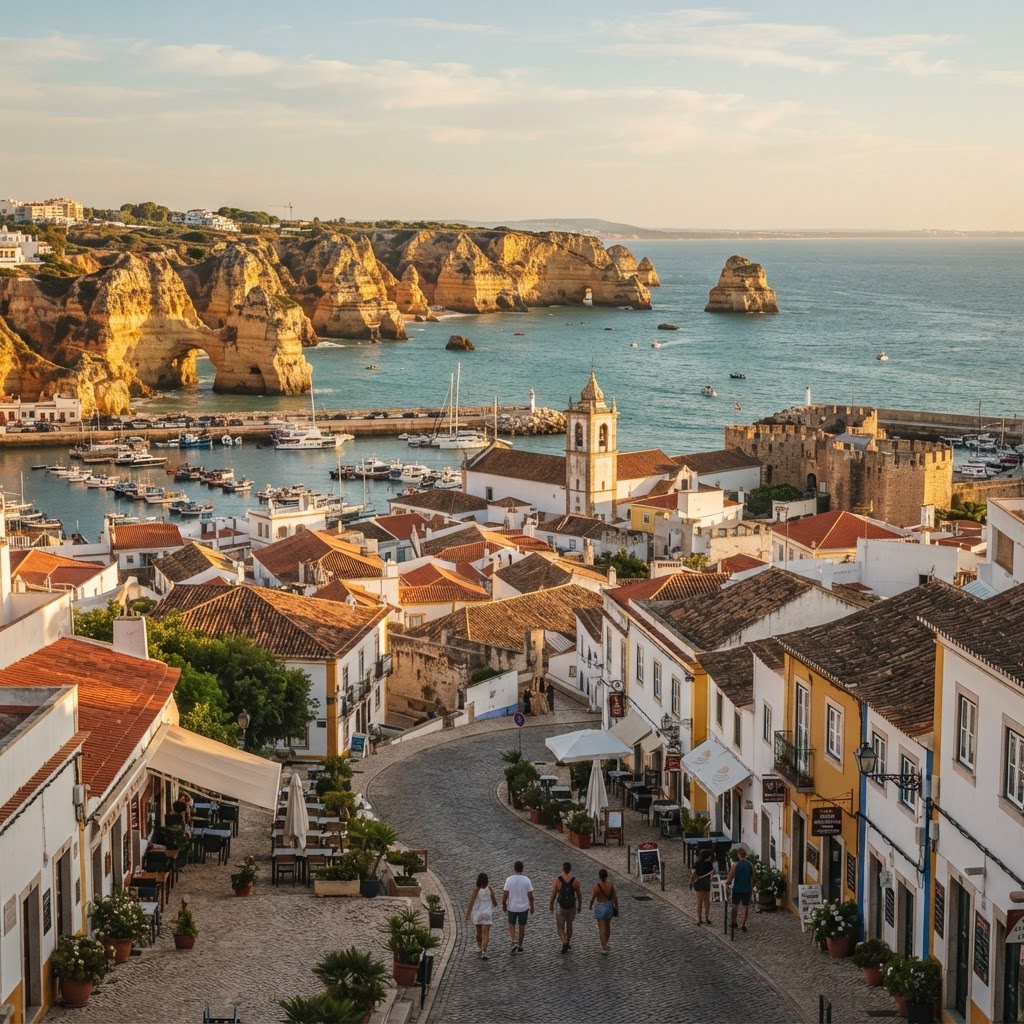
Golden sea stacks, maritime history, and the Algarve’s most walkable coastal hub.
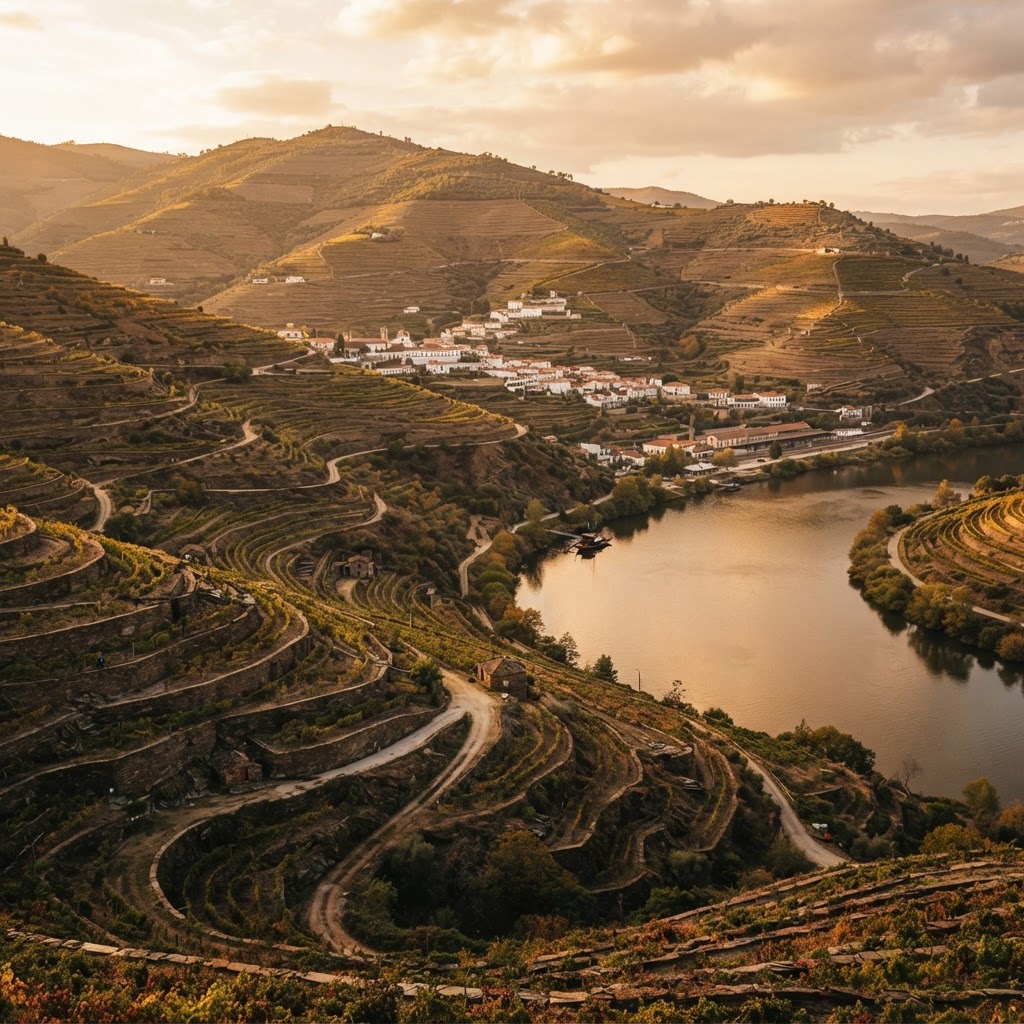
Douro Valley
Portugal
Carved slate terraces, old-vine field blends, and slow river rhythm.
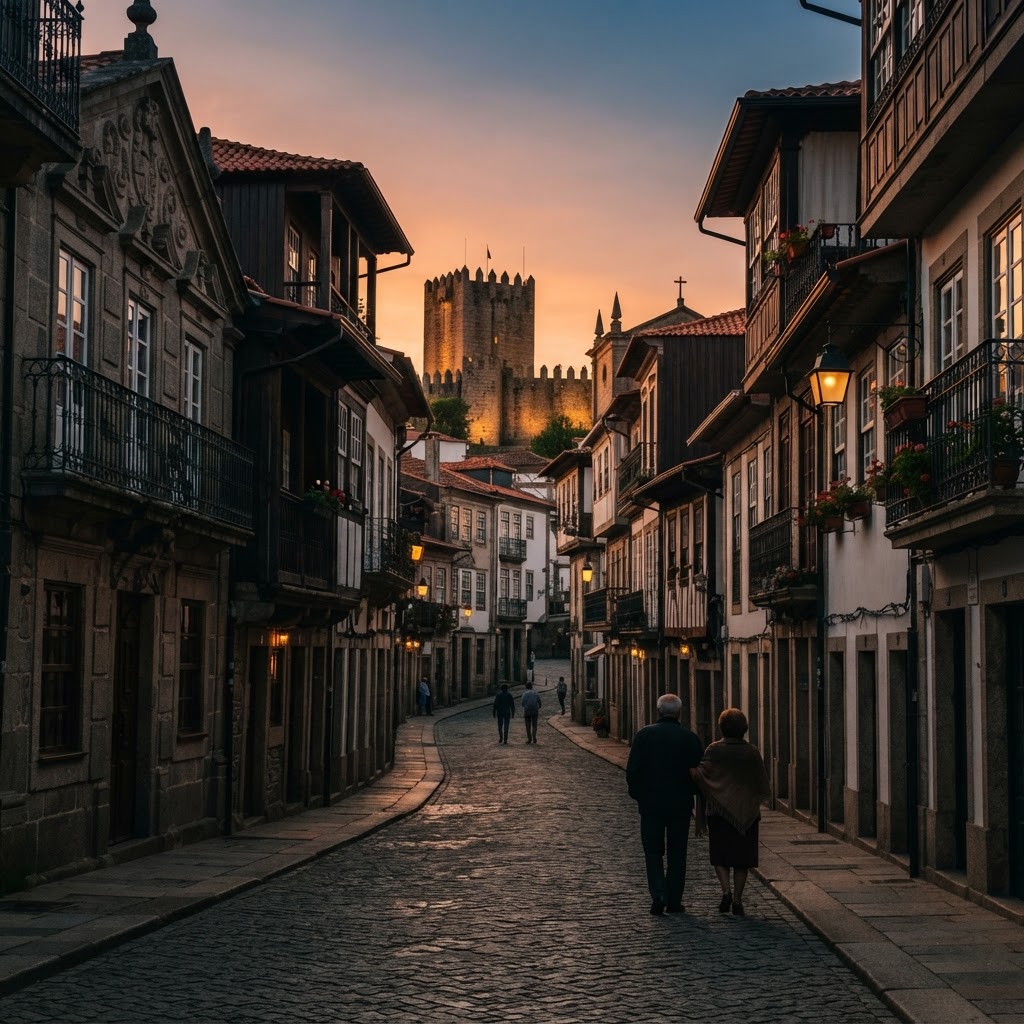
Guimarães, Portugal
Portugal
The granite-and-timber cradle of Portuguese nationhood, best experienced when day-trippers depart.
Readymade itineraries
Start from a tested template — then make it yours.
Ready to book
Lock in your Braga, Portugal trip
Everything in one place. We may earn a small commission — it never costs you more.
Plan a trip to Braga, Portugal
Pick a length and we'll build a day-by-day plan around how you travel — neighborhoods clustered, budget-aware, and editable.
Get better at planning trips like this
Occasional notes on planning smarter — no spam, unsubscribe anytime.
Plan a trip to Braga, Portugal
Turn this guide into a day-by-day plan built around your pace, your group, and your budget.
Build my Braga, Portugal trip