
Italy
Bologna Itinerary: How Many Days + Sample Plans
Bologna is Italy's food capital — tortellini, porticoes, and a university older than most countries.
Traveler rating
Loved by food lovers.
Plan & book
Sort your Bologna trip in one place.
We point you to the booking tools we'd actually use — live prices, no markup. Or let us build the day-by-day plan around you first, then book.
Pick your trip length
How many days do you need in Bologna?
Each of these opens a full day-by-day plan you can make your own.
- 2 days — Two days — the essentials, no rushing.
- 3 days — Three days — the icons plus one neighborhood.
- 4 days — Four days — a full city without sprinting.
- 5 days — Five days — room for a day trip.
- 7 days — A week — the city at a human pace.
- With Kids trip — Shorter days, earlier dinners, what to skip.
- For Couples trip — Two-person pacing with evenings built in.
- Solo trip — A plan that works well on your own.
- Food trip — Meals and markets as the anchors.
- Outdoors trip — Nature, walks and open air.
- Culture trip — History, museums and the streets around them.
Bologna is what Italians mean by 'il grasso' (the fat one) — the country's best food city, with porticoed streets and the world's oldest university. Eat ragù where it was invented and walk to the Two Towers.
2–3 days
Best time
Late September through October, when harvest yields hit menus and the heavy summer humidity dissipates.
Budget
€80–150 per person per day at mid-range. Great food value.
Build your own trip with these prebuilt itineraries
Each one is a tested, day-by-day plan for Bologna — start here, then make it yours.
5 Days: The Emilia-Romagna Hub
Using Bologna as a base for day trips to nearby cities like Modena, Parma, and Ravenna to experience the wider regional culture.
3 Days: Culinary Deep Dive
A food-centric exploration of the capital of Italian gastronomy, including market visits, pasta-making classes, and surrounding Emilia-Romagna food production tours.
2 Days: First-Time Essentials
A focused highlights tour covering the historic city center, iconic medieval towers, and the famous porticoes.
Bologna preserves an everyday Italian rhythm that heavily touristed neighbors have traded for souvenir kiosks. Its sheltered stone arcades connect medieval civic palaces to markets brimming with culatello, mortadella, and parmigiano-reggiano. As the home of the Western world's oldest university, it balances ancient academic architecture with a fiery culinary culture that treats lunch as an art form.
Where to stay
Getting there
Getting around
Food & drink
What it costs
Things to do
Book tours & tickets in BolognaSkip it if
Skip it if your ideal Italian vacation requires seaside beaches, dramatic alpine peaks, or ticking off iconic postcard monuments like the Colosseum; Bologna is a working regional capital built around strolling, dining, and understated civic history.
When to go
Spring and autumn provide comfortable temperatures for walking miles under stone arcades. Summer in the Po Valley turns suffocatingly humid, while many independent trattorias shut entirely for Ferragosto in August.
Spring (March to May)
Mild days, blooming parks, and outdoor café seating on the piazzas, though April rain can pop up.
Summer (June to August)
Muggy Po Valley heat, high hotel rates in June, and widespread closures in August as locals head to the coast.
Autumn (September to November)
The culinary peak featuring white truffles, mushrooms, and regional wine releases; ideal weather until November fogs set in.
Winter (December to February)
Chilly and shrouded in characteristic nebbia (fog), but hotel rates drop and steaming tortellini in brodo tastes best.
Neighborhoods
Where you stay shapes the trip. Here's how to think about it.
Quadrilatero & Piazza Maggiore
Buzzing, historic core anchored by open piazzas and medieval market alleys.
Best for:First-timers and short weekenders wanting doorstep access to iconic sights.
Don't miss:Browsing fresh pasta stalls along Via Drapperie and grabbing mortadella with tigelle at Mercato di Mezzo.
Santo Stefano
Refined, cobblestoned sanctuary lined with Renaissance palazzi and quiet enoteche.
Best for:Couples, architecture buffs, and anyone seeking peaceful nights away from late crowds.
Don't miss:The complex of the Seven Churches (Complesso di Santo Stefano) on Piazza Santo Stefano.
Zona Universitaria (Via Zamboni & San Vitale)
Gritty, energetic student hub draped in political graffiti, bookshops, and cheap spritzes.
Best for:Night owls, budget travelers, and lovers of raw urban street culture.
Don't miss:An afternoon espresso or evening draft beer among students on Piazza Giuseppe Verdi.
Ghetto Ebraico (Jewish Ghetto)
Intimate, tangled network of covered alleys, independent boutiques, and bistros.
Best for:Travelers seeking central charm with fewer crowds and artisanal storefronts.
Don't miss:Strolling the narrow arches of Via dei Giudei and Via dell'Inferno before aperitivo.
Bolognina
Working-class rail hub evolving into an edgy, multicultural food-and-arts enclave.
Best for:Repeat visitors, curious eaters, and travelers prioritizing train station proximity.
Don't miss:Dining at Mercato Ritrovato or browsing contemporary street art around the former train yards.
Saragozza & Costa
Leafy residential calm framing the beginning of the hillside sanctuary porticoes.
Best for:Active walkers, longer stays, and travelers escaping the dense medieval street grid.
Don't miss:Stepping under the 666 continuous portico arches beginning at Porta Saragozza toward San Luca.
Money & essentials
Currency
Euro (EUR). Cards accepted; cash for small trattorie.
Language
Italian. English in tourist areas.
Safety
Very safe; standard street smarts apply around late-night train station plazas.
Budget range
€80–150 per person per day at mid-range. Great food value.
Tipping
Not mandatory; a coperto (cover charge) is standard on your bill, but rounding up or leaving €1–€2 per person for exceptional service is appreciated.
Deeper country context: Bologna in the Italy Field Guide.
See what a trip to Italy actually costs. Travel Budget Co.
How to plan it
- Stay in Santo Stefano or near Piazza Maggiore to walk to all dinner reservations within 10 minutes without touching a taxi.
- Do not order 'spaghetti bolognese' anywhere; look for 'tagliatelle al ragù' or 'tortellini in brodo' made with fresh egg pasta.
- Devote your afternoon to the 3.8-kilometer covered trek along the Portico di San Luca, and catch the San Luca Express tourist bus back down if knees ache.
- Pair Bologna with a morning train to Modena (20 minutes away) for traditional balsamic vinegar tastings rather than booking an overpriced coach tour.
- Plan museum and shop visits around the mid-afternoon riposo, when smaller artisan shops close between roughly 1:00 PM and 4:00 PM.
Questions
More in Italy
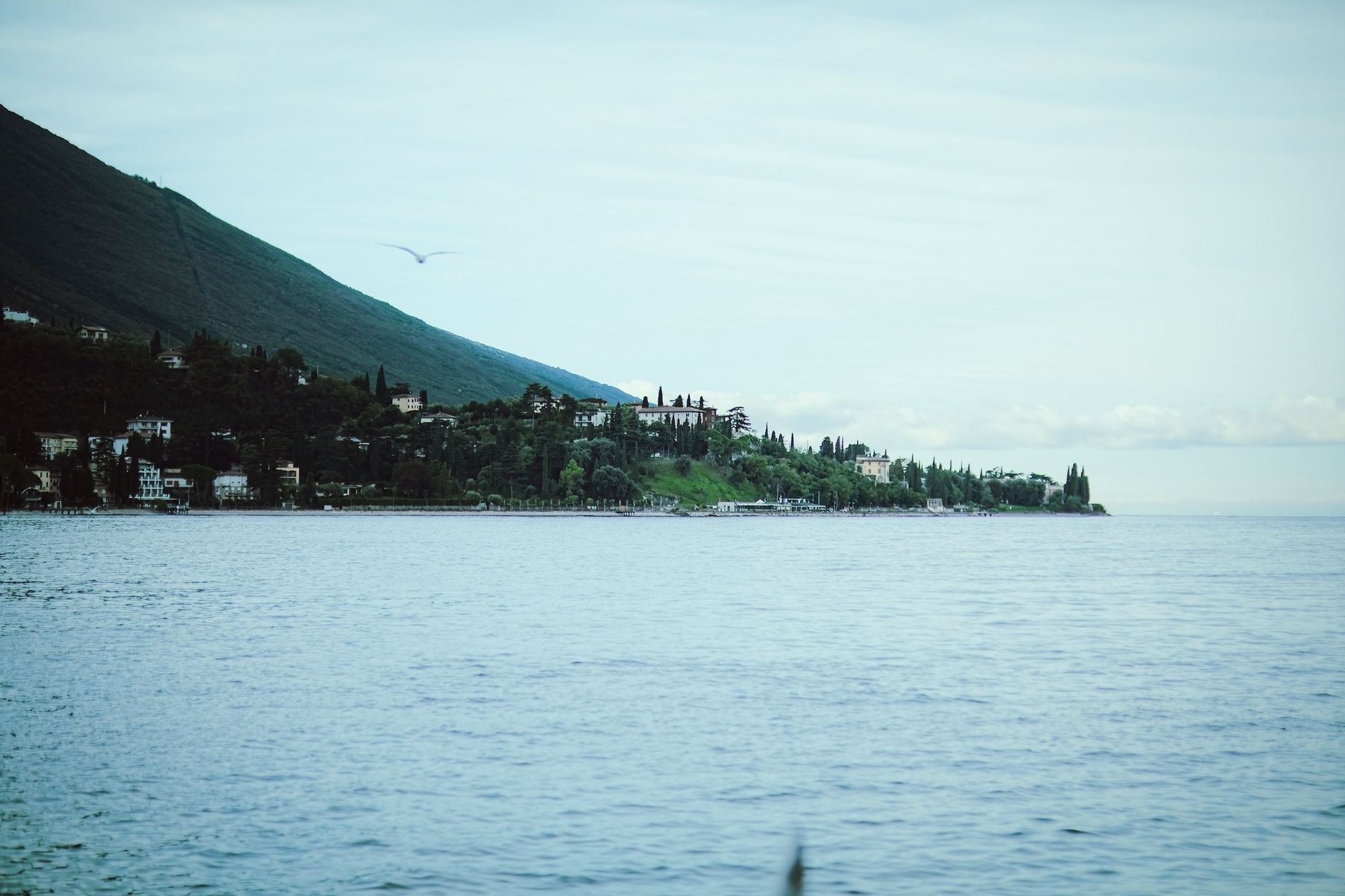
Lake Garda
Italy
Fjord-like northern crags, southern olive groves, and lake life without the Como theater
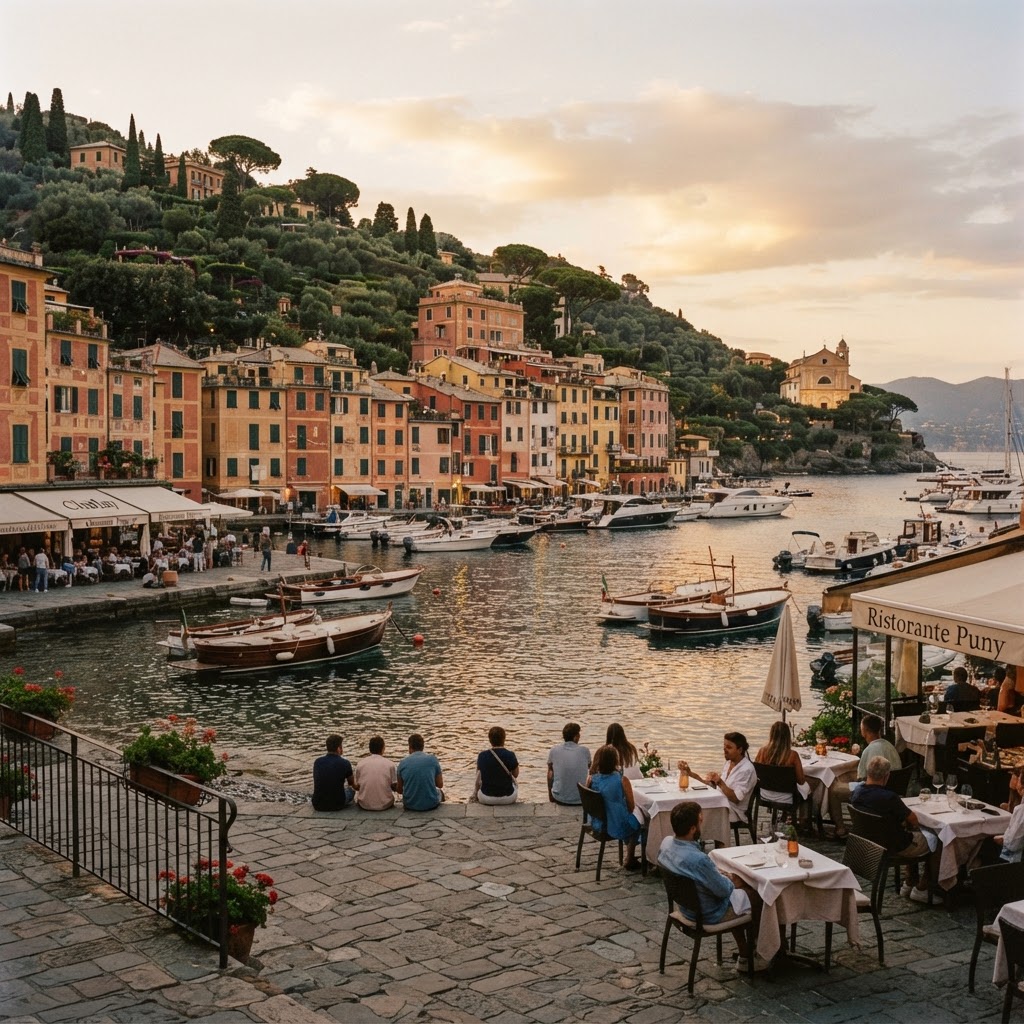
Portofino
Italy
A pocket-sized Riviera cove where lingering beats sightseeing.
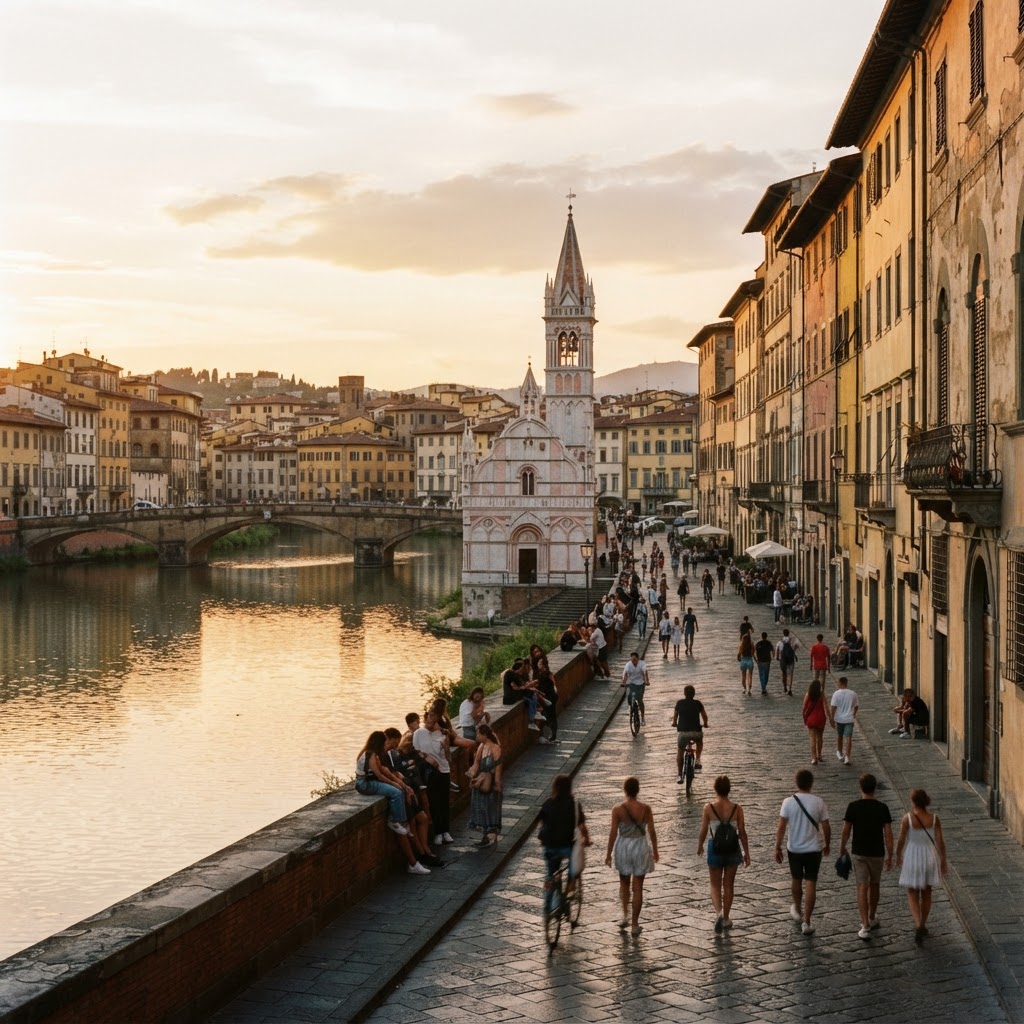
Pisa
Italy
Beyond the leaning marble: a lively university city of riverside palaces and quiet piazzas.
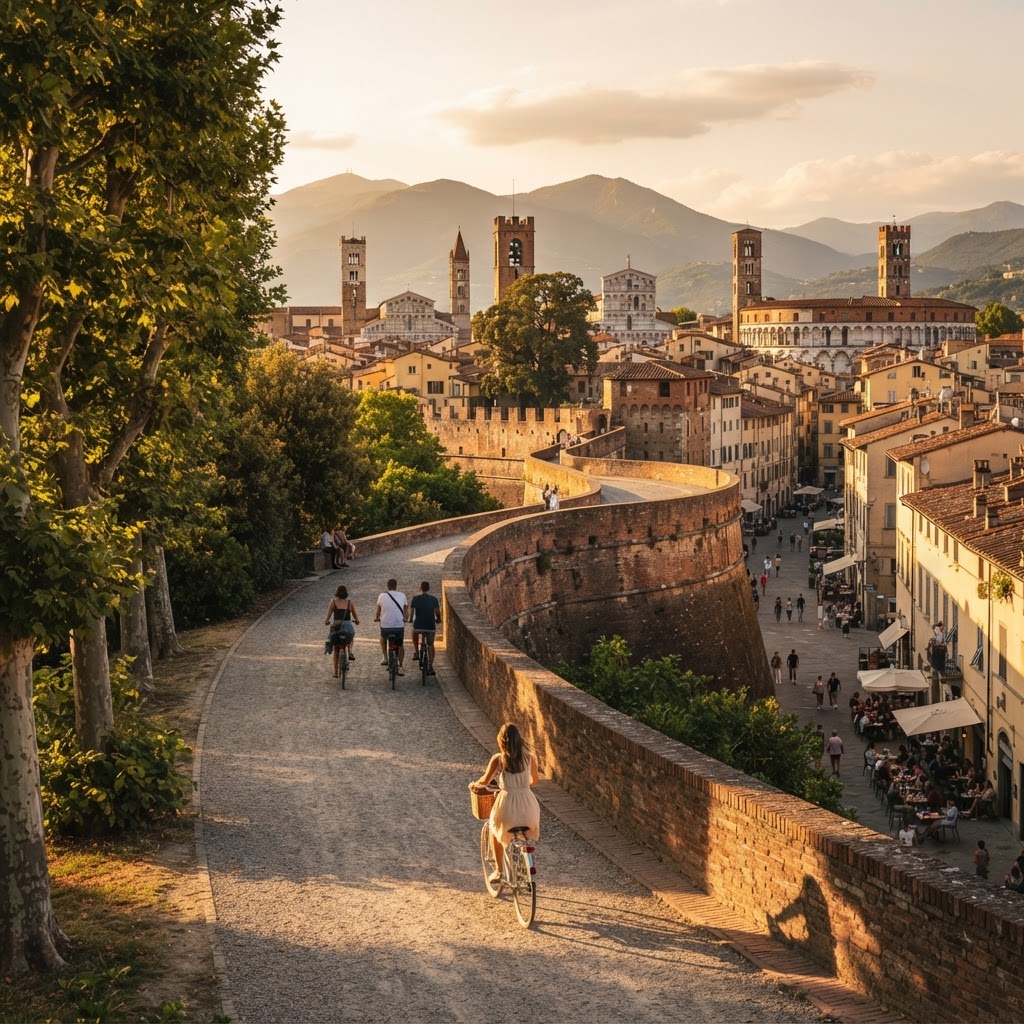
Lucca, Italy
Italy
A graceful, walled Tuscan oasis made for cycling ramparts and unhurried aperitivi.
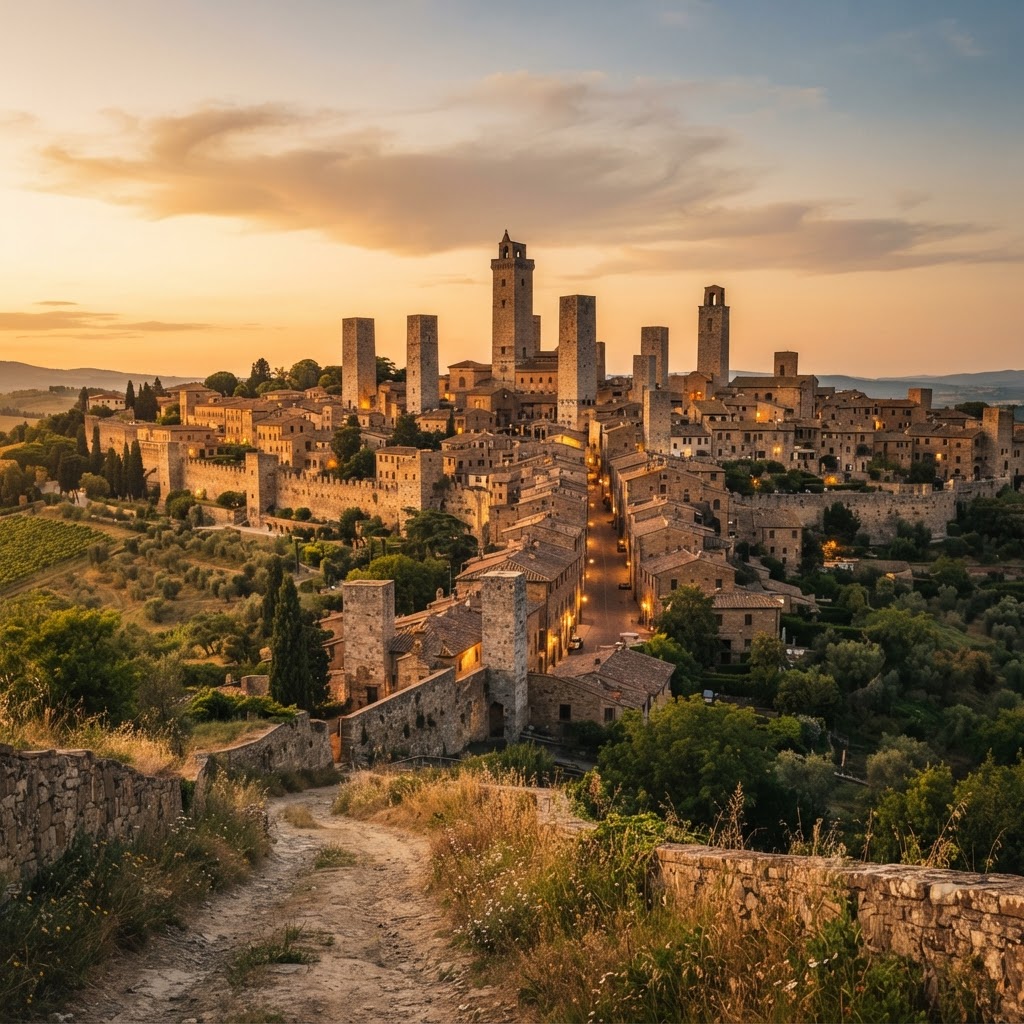
San Gimignano
Italy
Tuscany's medieval Manhattan, magical only when the day-trippers vanish
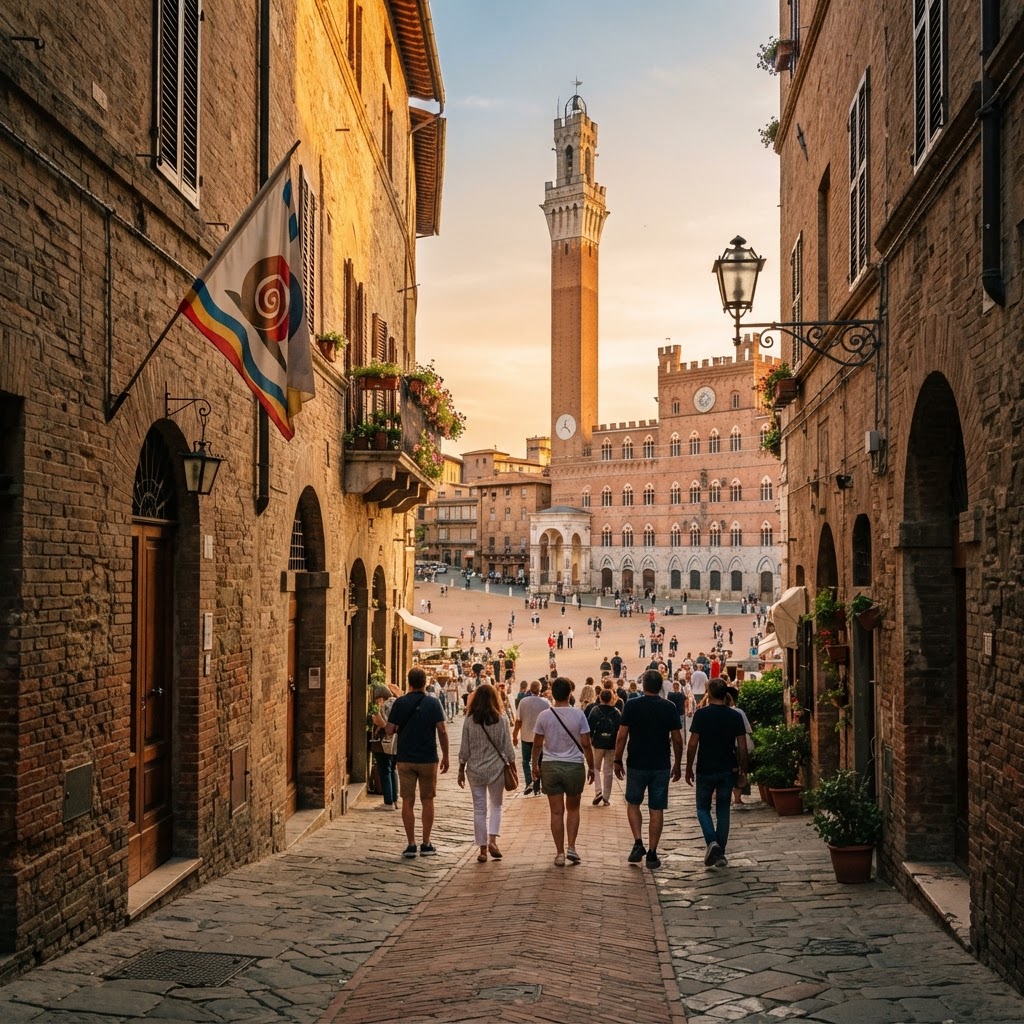
Siena, Tuscany, Italy
Italy
Gothic brick alleys, neighborhood contrada pride, and Italy's most dramatic medieval square
Readymade itineraries
Start from a tested template — then make it yours.
Ready to book
Lock in your Bologna trip
Everything in one place. We may earn a small commission — it never costs you more.
Plan a trip to Bologna
Pick a length and we'll build a day-by-day plan around how you travel — neighborhoods clustered, budget-aware, and editable.
Get better at planning trips like this
Occasional notes on planning smarter — no spam, unsubscribe anytime.
Plan a trip to Bologna
Turn this guide into a day-by-day plan built around your pace, your group, and your budget.
Build my Bologna trip