Italy
Bari, Italy
Puglia's energetic Adriatic capital of fiery pasta, grand seafronts, and medieval alleys.
Plan & book
Sort your Bari, Italy trip in one place.
We point you to the booking tools we'd actually use — live prices, no markup. Or let us build the day-by-day plan around you first, then book.
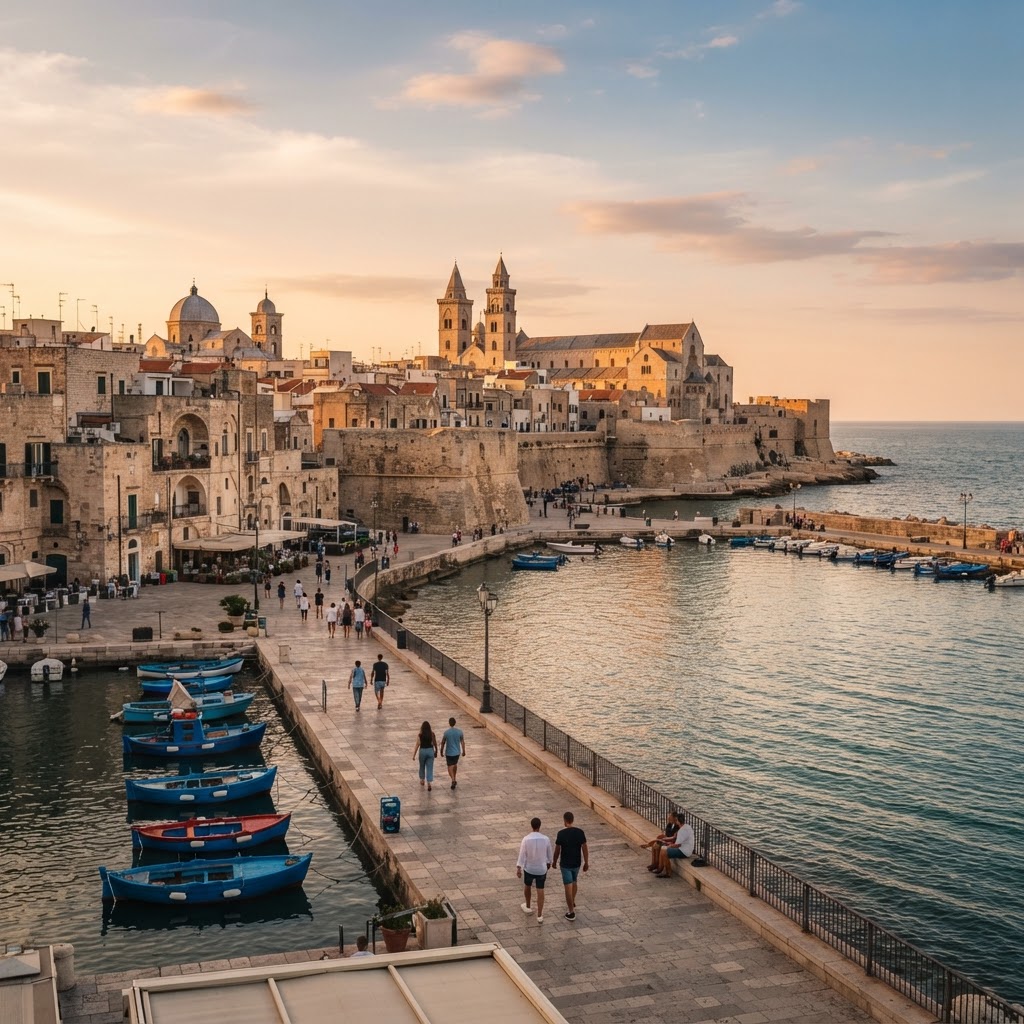
Bari is Southern Italy without the curated gloss. The capital of Puglia balances a historic walled peninsula where matriarchs roll pasta on front stoops with the stately 19th-century boulevards of the Murat district. Often relegated to a transit hub for ferry hops to Greece or drives into the Valle d'Itria, Bari commands attention as an authentic, working Adriatic port bursting with street food, raw seafood traditions, and an electric coastal rhythm.
2 to 3 days
Best time
May to June or September to October for warm Adriatic sunshine, manageable temperatures, and uncrowded trains.
Build your own trip with these prebuilt itineraries
Each one is a tested, day-by-day plan for Bari, Italy — start here, then make it yours.
4 Days in Bari: The Central Puglia Rail Hub in Bari
Using high-connectivity rail for day trips while returning to Bari's lively evening dining scene
3 Days in Bari: Street Food & Culinary Deep Dive in Bari
Hyper-regional culinary trail focusing on raw seafood, orecchiette, and spaghetti all'assassina
2 Days in Bari: Old Town Highlights & Culture in Bari
First-timer highlights, Romanesque architecture, and vibrant street life in Bari Vecchia
Go to experience an unapologetically functional southern Italian port city that hasn't surrendered its soul to tourism. Bari delivers one of the Mediterranean's finest street food scenes—anchored by charred spaghetti all'assassina and fresh focaccia barese—alongside Romanesque architectural marvels and Italy's longest seafront promenade.
Where to stay
Getting there
Getting around
Food & drink
What it costs
Things to do
Book tours & tickets in Bari, ItalySkip it if
Skip staying in Bari if your Puglia vacation revolves around rural masseria retreats, secluded sandy coves, or the trulli-studded hills of the Valle d'Itria, where small countryside villages like Locorotondo or coastal towns like Monopoli provide a quieter setting.
When to go
Summer brings stifling 35°C heat, packed regional trains to beach towns, and swarms of Adriatic ferry crowds. Late spring and early autumn deliver pleasant 22°C to 26°C weather, optimal dining conditions along the lungomare, and standard pricing across boutique accommodations.
Peak (July–August)
High heat, humid nights, and packed coastal traffic; lodging prices soar and city restaurants frequently close for Ferragosto holidays.
Shoulder (April–June, September–October)
Optimal balance: swimming weather extends through October, regional rail routes run reliably, and street life thrives without suffocating crowds.
Low (November–March)
Crisp Adriatic winds and cooler temperatures, but zero tourist congestion and an intensely local atmosphere centered on regional food.
Neighborhoods
Where you stay shapes the trip. Here's how to think about it.
Bari Vecchia (San Nicola)
A medieval labyrinth of whitewashed alleyways where front doors open directly onto dining tables and drying laundry.
Best for:Atmosphere seekers, street food fans, and travelers wanting historical immersion right outside their door.
Don't miss:Via Arco Basso in the late morning to watch local women hand-roll fresh orecchiette on wooden screens.
Murat (Borgo Murattiano)
Stately 19th-century grid layout packed with pedestrian shopping strips, lively aperitivo bars, and grand neoclassical facades.
Best for:First-time visitors, rail travelers, and anyone prioritizing polished dining and seamless logistics.
Don't miss:An evening passeggiata down pedestrianized Via Sparano da Bari ending at Teatro Petruzzelli.
Madonnella
A quiet residential seaside quarter characterized by dramatic 1930s rationalist architecture and authentic neighbourhood food joints.
Best for:Beach lovers and travelers seeking a calmer, local base slightly outside the tourist core.
Don't miss:Grabbing fresh foccacia barese and watching the Adriatic sunset from the public beach at Pane e Pomodoro.
Libertà
A gritty, multicultural, and energetic district west of the center with bustling daily street markets and pocket boutique stays.
Best for:Budget travelers, adventurous eaters, and visitors seeking modern boutique guest houses away from tour groups.
Don't miss:The sprawling morning produce and local cheese stalls at Mercato Coperto Manifattura Tabacchi.
Destination intelligence
Updated 9/14/2026The structured record we plan every Bari, Italy itinerary from.
Walkability
High
Transit quality
High
Car needed
No
Ideal duration
2 to 3 days
Minimum useful
1 full day
Peak season
July to August (hot temperatures, coastal crowds, packed Adriatic ferries)
Shoulder season
April to June and September to October (optimal weather, lively street life, comfortable walking)
Low season
November to March (cool sea winds, fewer daylight hours, minimal foreign crowds)
Best for
Common mistakes
- Treating Bari solely as an airport transfer hub without spending at least 24 hours exploring the old town and dining scene.
- Renting a car while staying in the city center where narrow ZTL zones and aggressive parking enforcement create unnecessary headaches.
- Assuming Bari Vecchia is dangerous; a decades-old reputation for petty crime has been transformed through major urban renewal, though normal street sense applies.
- Missing out on spaghetti all'assassina by arriving at renowned spots like Al Sorso Preferito without a reservation or well past lunchtime.
Best nearby
See what a trip to Italy actually costs. Travel Budget Co.
How to plan it
- Stay in the Murat district if you want seamless daily rail day-trips without dragging luggage over old town cobblestones.
- Pair Bari with Matera: regional FAL (Ferrovie Appulo Lucane) trains run directly from Bari Centrale to Matera Centrale in roughly 1 hour and 45 minutes.
- Do not try to visit the Valle d'Itria towns (Locorotondo, Martina Franca, Alberobello) and the coast on the same day without a private driver; regional connections run on separate lines and eat up transit time.
- Reserve evening tables for spaghetti all'assassina at least 3 days in advance, as the high-heat cast-iron preparation is cooked to order and top kitchens book out fast.
- Time your visit to Molo San Nicola for 9:30 to 11:00 AM to see local fishermen sell and prepare raw octopus and urchins right by their wooden boats.
Questions
More in Italy
Lake Garda
Italy
Fjord-like northern crags, southern olive groves, and lake life without the Como theater
Portofino
Italy
A pocket-sized Riviera cove where lingering beats sightseeing.
Pisa
Italy
Beyond the leaning marble: a lively university city of riverside palaces and quiet piazzas.
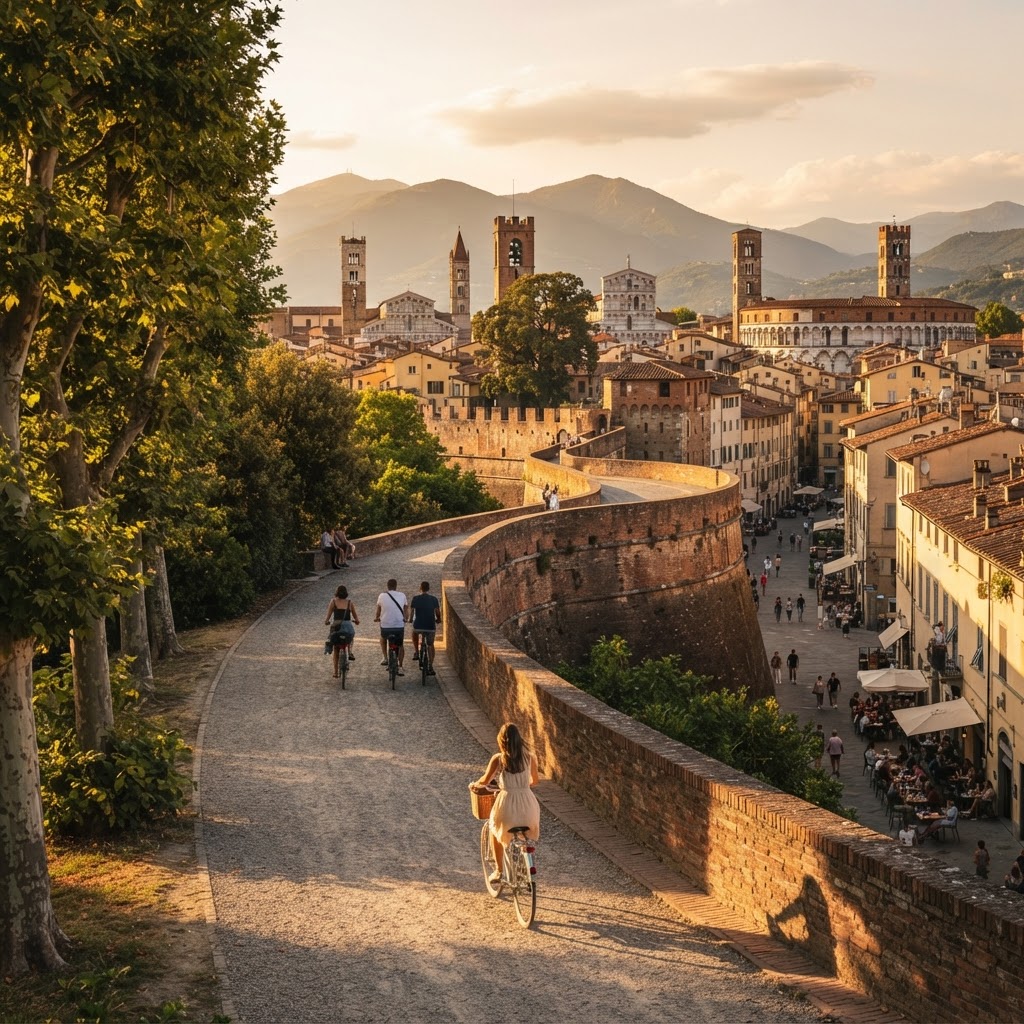
Lucca, Italy
Italy
A graceful, walled Tuscan oasis made for cycling ramparts and unhurried aperitivi.
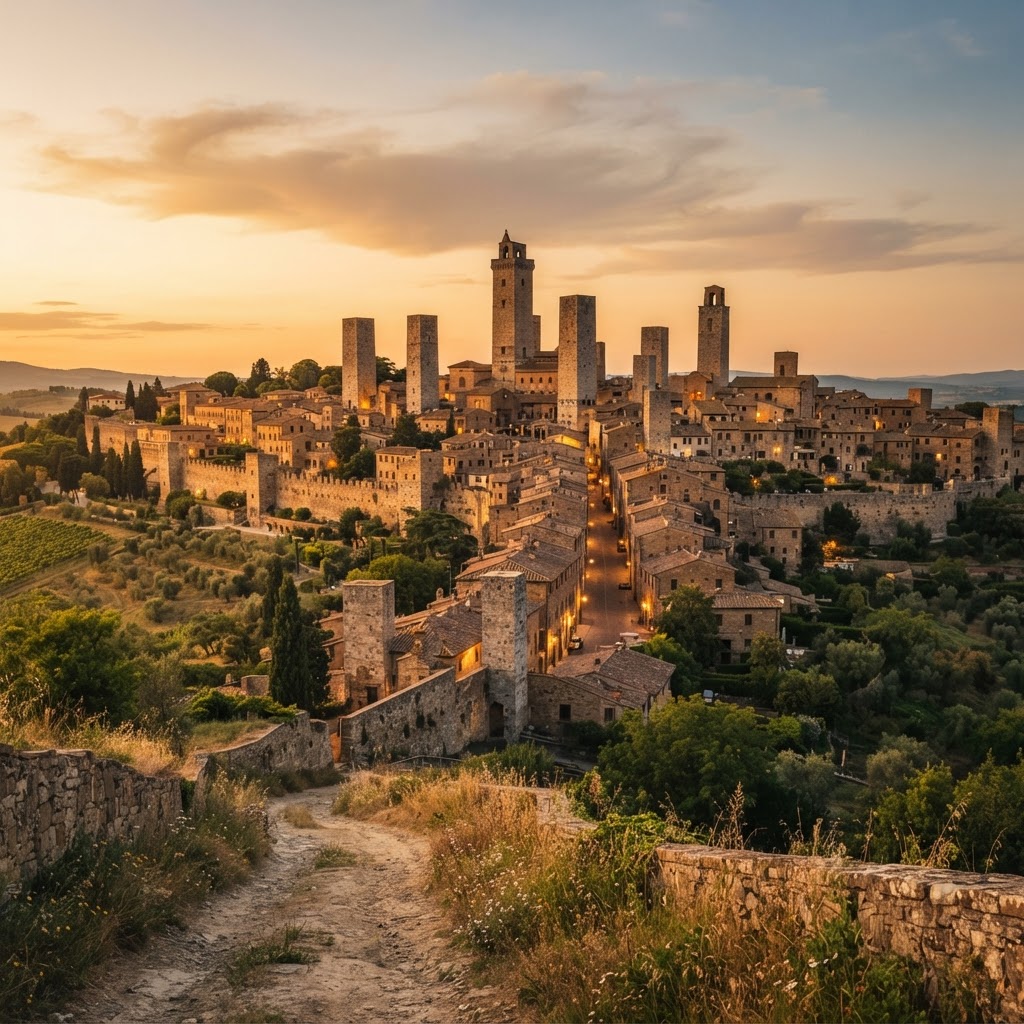
San Gimignano
Italy
Tuscany's medieval Manhattan, magical only when the day-trippers vanish
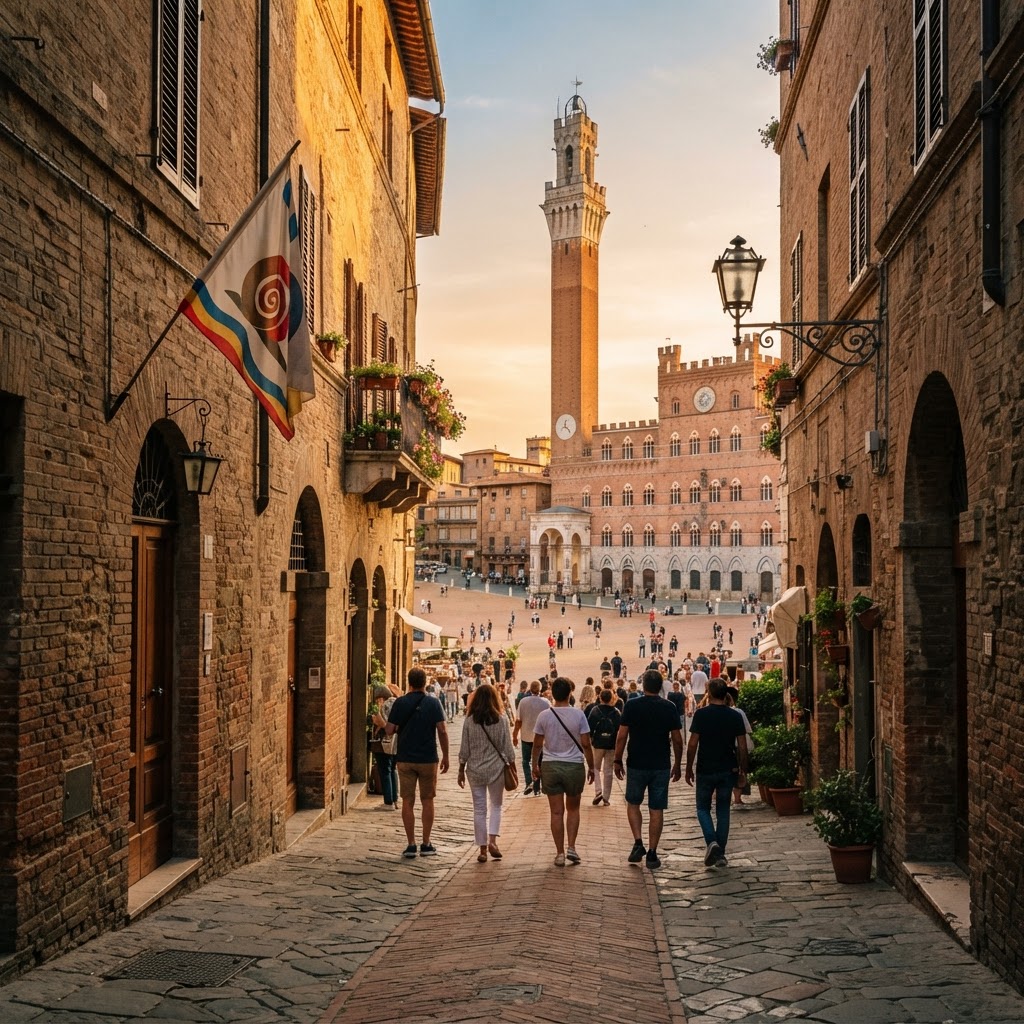
Siena, Tuscany, Italy
Italy
Gothic brick alleys, neighborhood contrada pride, and Italy's most dramatic medieval square
Readymade itineraries
Start from a tested template — then make it yours.
Ready to book
Lock in your Bari, Italy trip
Everything in one place. We may earn a small commission — it never costs you more.
Plan a trip to Bari, Italy
Pick a length and we'll build a day-by-day plan around how you travel — neighborhoods clustered, budget-aware, and editable.
Get better at planning trips like this
Occasional notes on planning smarter — no spam, unsubscribe anytime.
Plan a trip to Bari, Italy
Turn this guide into a day-by-day plan built around your pace, your group, and your budget.
Build my Bari, Italy trip