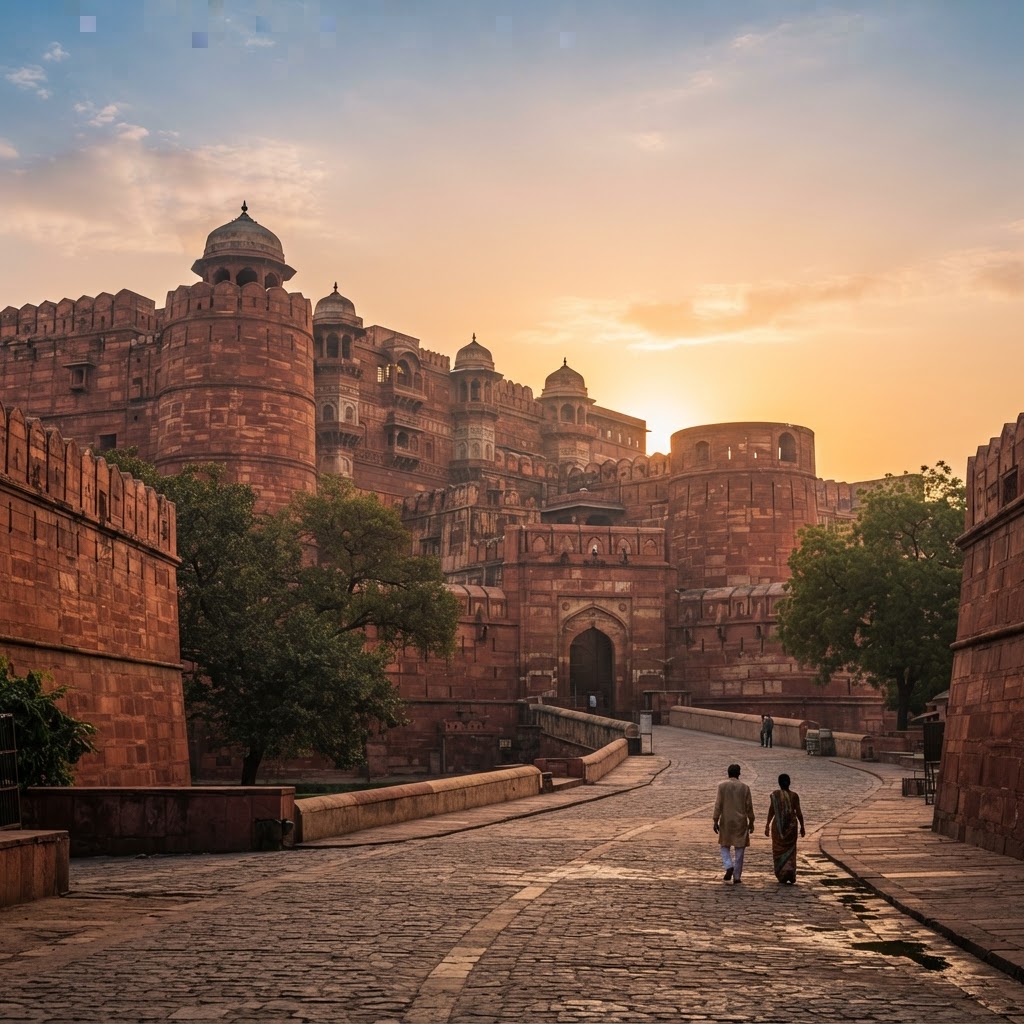
India
Agra, India
The grand seat of Mughal power, best unlocked at sunrise before the day-trippers arrive.
Plan & book
Sort your Agra, India trip in one place.
We point you to the booking tools we'd actually use — live prices, no markup. Or let us build the day-by-day plan around you first, then book.
Agra is often treated as a hurried checklist stop on the Golden Triangle, but rushing through in four midday hours strips it of its majesty. For over two centuries, this city on the Yamuna River served as the heart of the Mughal Empire, leaving behind monumental red-sandstone citadels, intricate marble inlays, and gardens calculated around symmetry. To experience Agra properly, travelers must stay overnight to catch the Taj Mahal at dawn, navigate the sprawling ramparts of Agra Fort, and cross the Yamuna to see where it all began.
2 days
Build your own trip with these prebuilt itineraries
Each one is a tested, day-by-day plan for Agra, India — start here, then make it yours.
3 Days of Mughal Empire Heritage in Agra
An in-depth historical deep dive extending beyond the city to Fatehpur Sikri and rural Yamuna river viewpoints
2 Days in Agra in Agra
The classic first-timer experience balancing dawn photography, lesser-known heritage tombs, and local street cuisine
1 Day Agra Express in Agra
Whirlwind Mughal highlights designed for train travelers hitting the Taj Mahal and Agra Fort without midday crowds
Beyond the world-famous white dome, Agra offers an unmatched concentration of imperial Mughal architecture within a compact perimeter. Staying overnight allows you to experience the Taj Mahal at dawn before tour buses arrive from Delhi, study the intricate precursors like the Tomb of I'timad-ud-Daulah, and explore Akbar's deserted royal capital at Fatehpur Sikri without scorching heat or dense midday crowds.
Where to stay
Getting there
Getting around
Food & drink
What it costs
Things to do
Book tours & tickets in Agra, IndiaSkip it if
Skip Agra if you cannot tolerate aggressive touts, chaotic traffic, and heavy vendor pressure outside heritage sites, or if you only have one single spare afternoon from Delhi—the rushed travel time will leave you exhausted rather than inspired.
Destination intelligence
Updated 9/13/2026The structured record we plan every Agra, India itinerary from.
Walkability
Poor. Sidewalks are disjointed, street crossings are chaotic, and tout concentration is intense around gate perimeters. Only the pedestrianized heritage eco-zones immediately surrounding the Taj Mahal gates are walkable.
Transit quality
Moderate. There is a developing metro line, but visitors primarily rely on pre-booked chauffeured cars, Uber/Ola, and local auto-rickshaws. Fast high-speed rail connects cleanly to Delhi and Jaipur.
Car needed
Chauffeur recommended; self-driving not recommended. Renting a self-drive car is dangerous in chaotic city traffic, but hiring an affordable private air-conditioned car and driver for monument hops is the gold standard.
Ideal duration
2 days
Minimum useful
1 night / 2 days
Peak season
October to March. Cool, comfortable daytime temperatures (18°C–25°C), though morning smog is prevalent during December and January.
Shoulder season
February–March and September–October. Clearer skies, moderate temperatures, and smaller tour crowds compared to mid-winter.
Low season
April to June (extreme dry heat regularly exceeding 42°C/108°F) and July to August (heavy monsoon downpours and high humidity).
Best for
Common mistakes
- Attempting Agra as a rushed day trip from Delhi, which delivers you to monuments during harsh midday glare alongside peak bus crowds.
- Scheduling a Friday visit to see the Taj Mahal, when the monument complex is strictly closed to the general public for prayers.
- Visiting in late December or January expecting clear dawn photography, when dense winter smog and ground fog frequently obscure views until 10:00 AM.
- Accepting 'special marble factory tour' detours from unregulated auto-rickshaw drivers or unsolicited guides near monument gates.
Best nearby
See what a trip to India actually costs. Travel Budget Co.
More in India
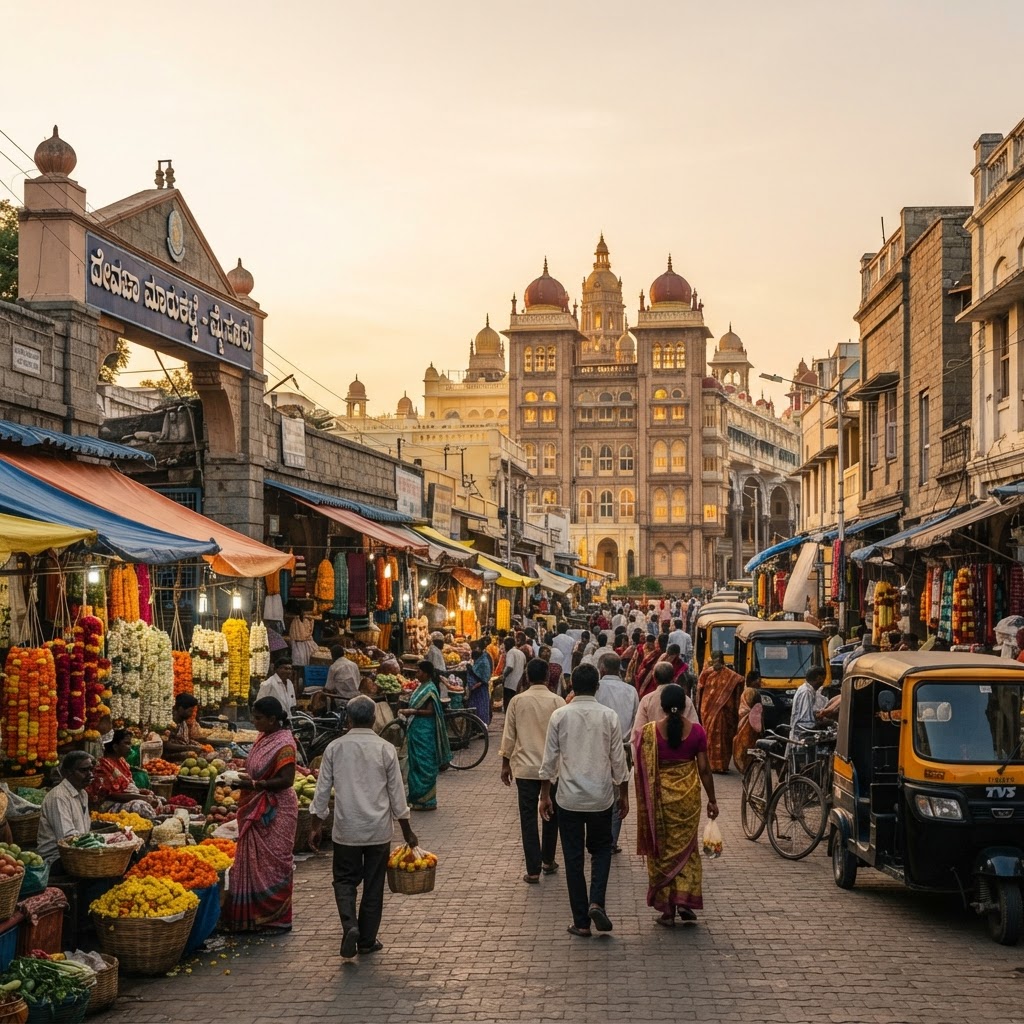
Mysore (Mysuru)
India
Wadiyar royal heritage, fragrant markets, and world-capital Ashtanga yoga minus metro sprawl.
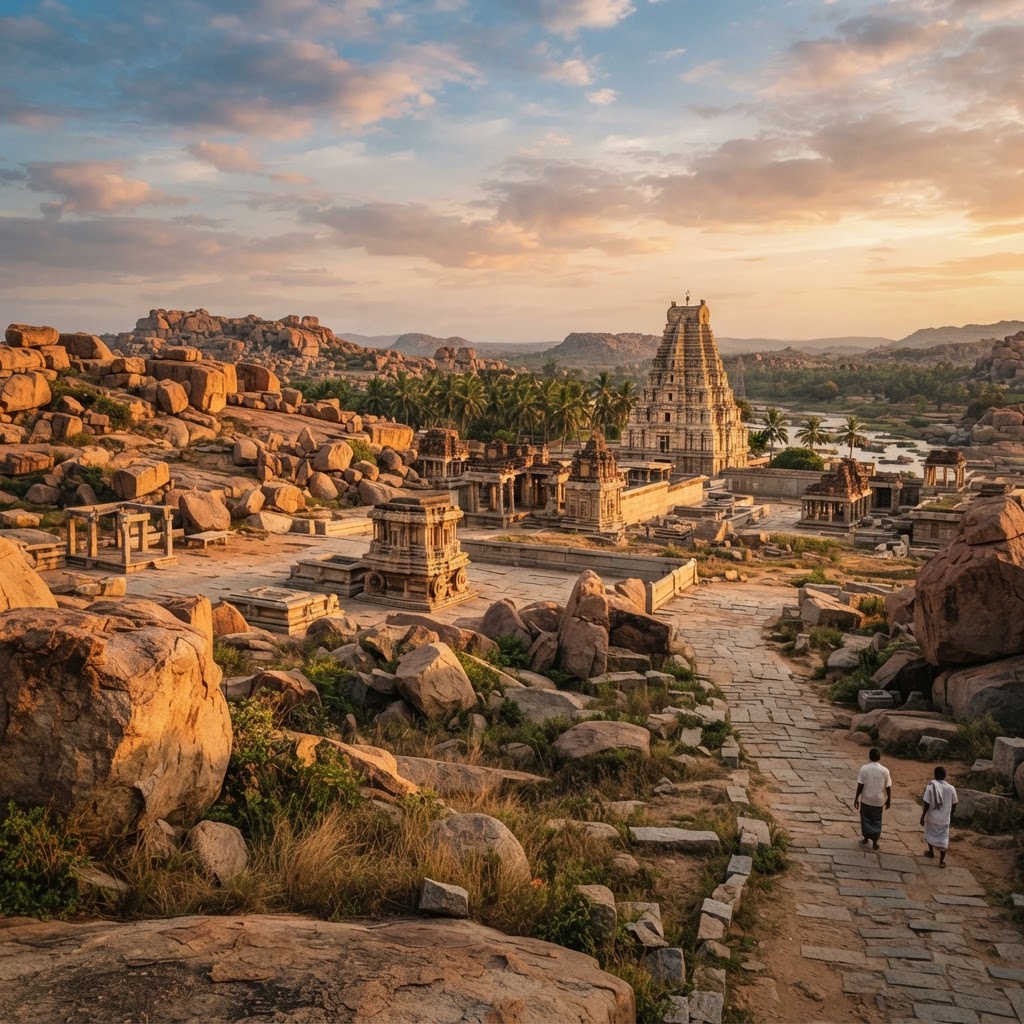
Hampi, India
India
A surreal expanse of granite boulders and ruined 14th-century Vijayanagara imperial monuments
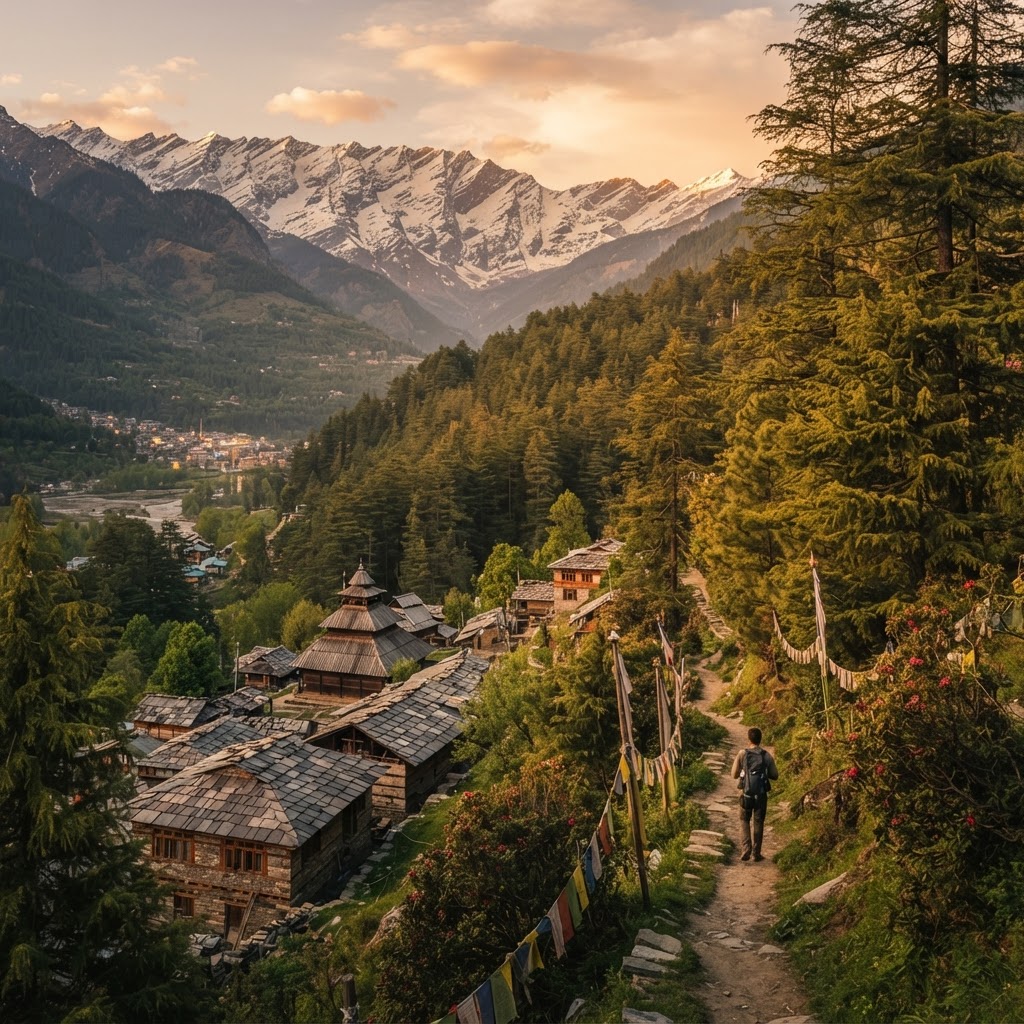
Manali, Himachal Pradesh
India
Beyond Mall Road gridlock lies pine-forested alpine trails and Himalayan high-pass gateways.
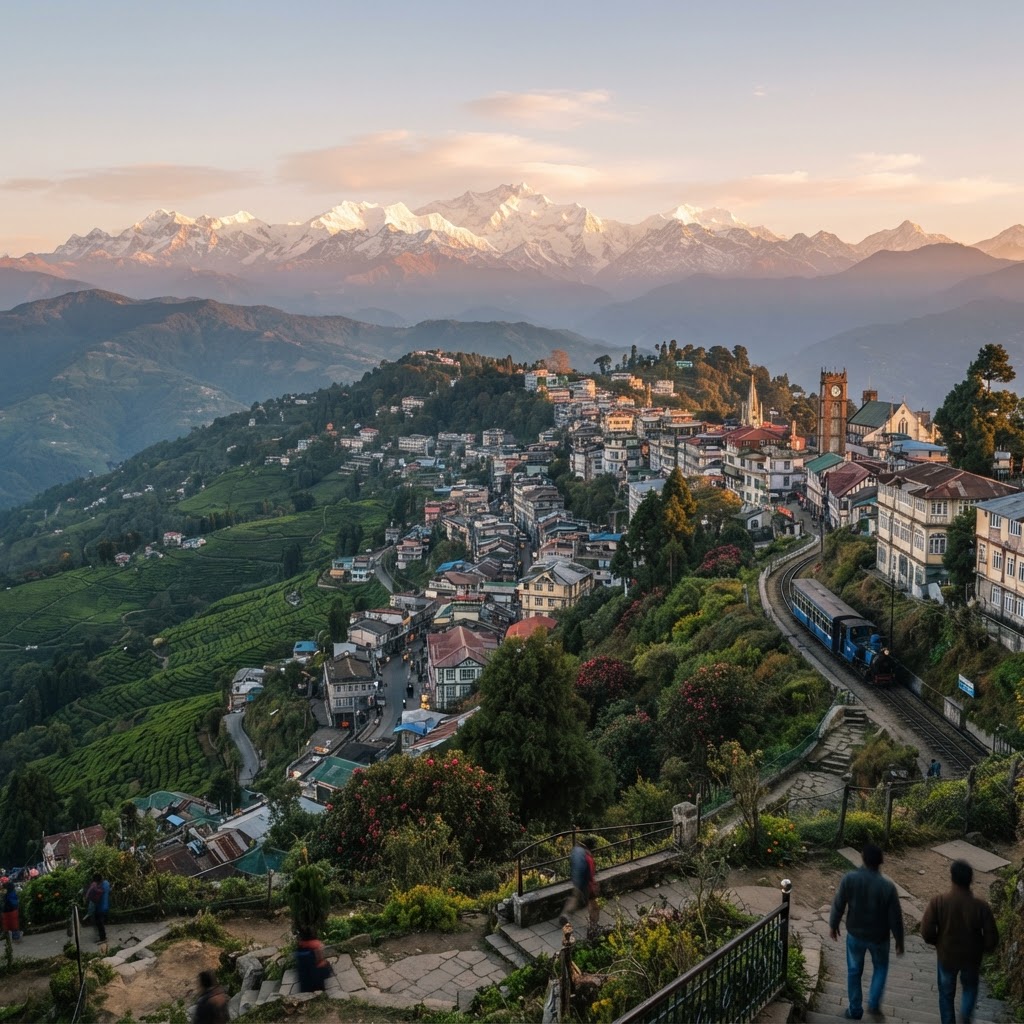
Darjeeling, West Bengal, India
India
Steep colonial ridge lines, first-flush tea estates, and dawn views of Kangchenjunga.
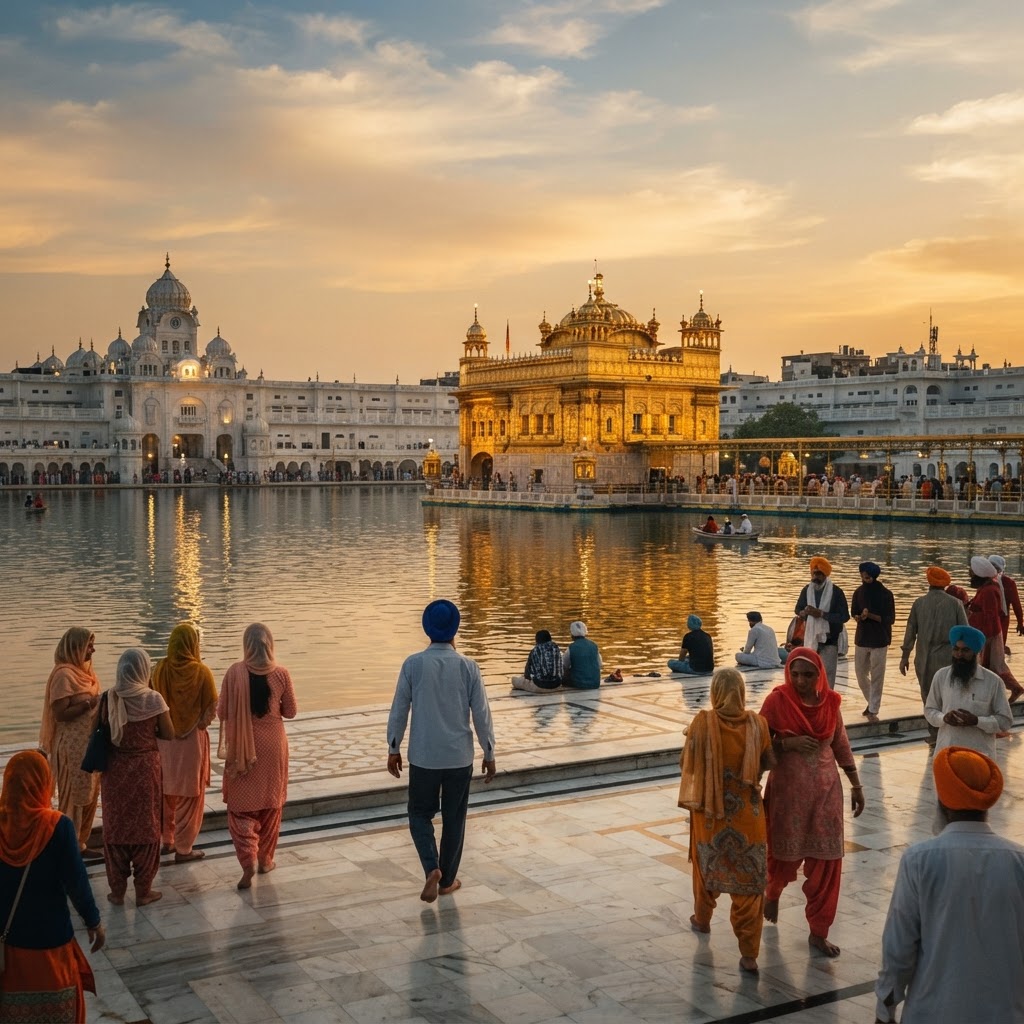
Amritsar, Punjab, India
India
The spiritual heart of Punjab, forged in sacred tradition, profound history, and unbeatable culinary culture.
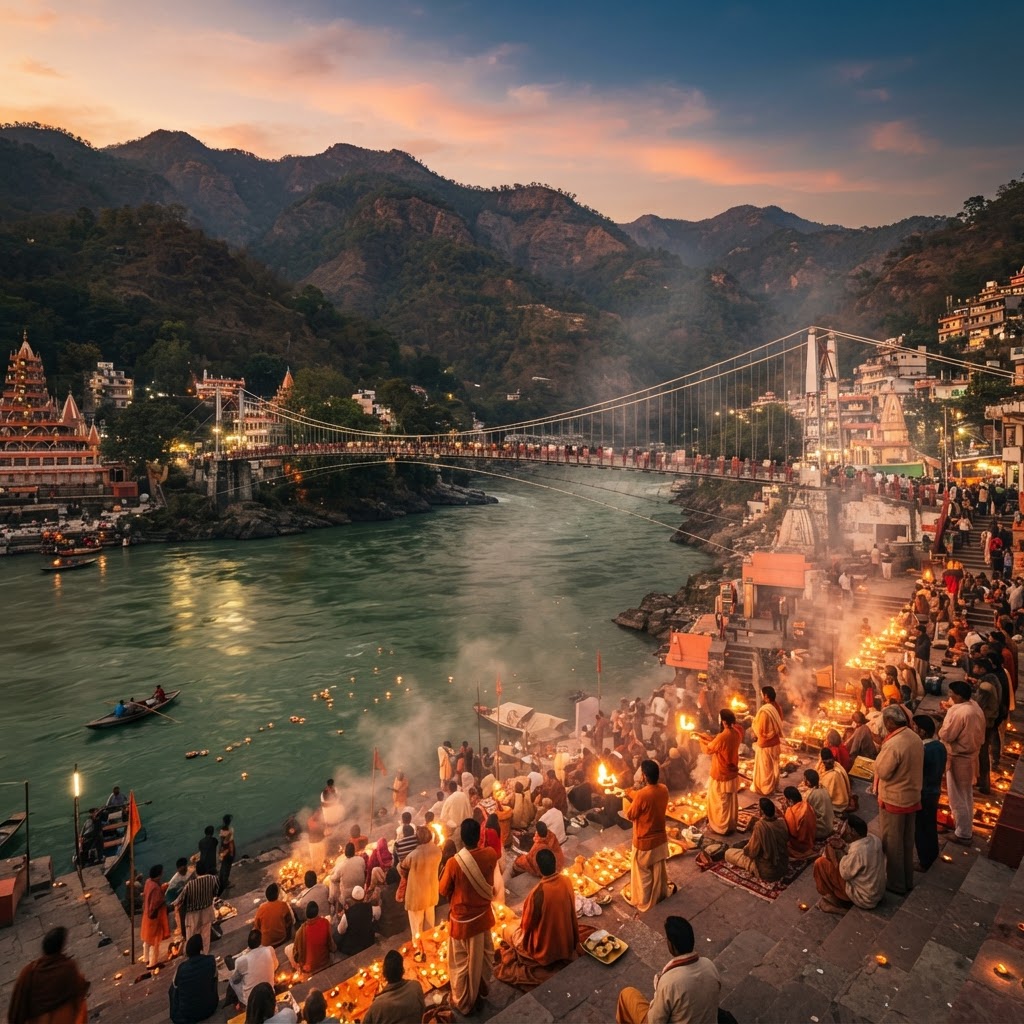
Rishikesh
India
Where Himalayan whitewater meets evening ashram chants on the Ganges
Readymade itineraries
Start from a tested template — then make it yours.
Ready to book
Lock in your Agra, India trip
Everything in one place. We may earn a small commission — it never costs you more.
Plan a trip to Agra, India
Pick a length and we'll build a day-by-day plan around how you travel — neighborhoods clustered, budget-aware, and editable.
Get better at planning trips like this
Occasional notes on planning smarter — no spam, unsubscribe anytime.
Plan a trip to Agra, India
Turn this guide into a day-by-day plan built around your pace, your group, and your budget.
Build my Agra, India trip