Poland
Zakopane, Poland
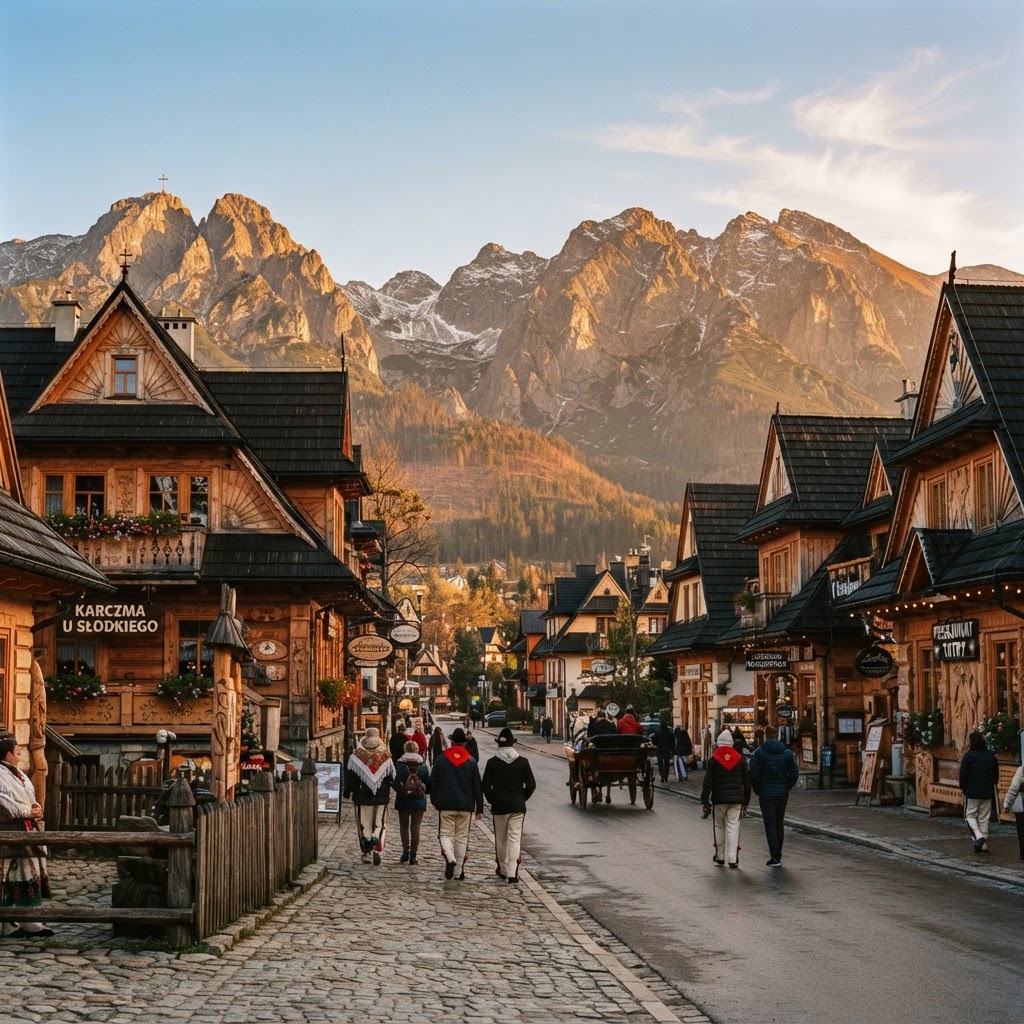
Tatra granite peaks, wood-carved Podhale architecture, and hearty alpine tradition.
Plan & book
Sort your Zakopane, Poland trip in one place.
We point you to the booking tools we'd actually use — live prices, no markup. Or let us build the day-by-day plan around you first, then book.
Perched beneath the jagged limestone and granite crests of the High Tatras, Zakopane is Poland's winter capital and premier mountain springboard. It balances raw alpine drama with distinctive Podhale highland culture, showcased in intricate timber-carved chalets, hearty sheep cheeses, and traditional folk music. While its central boulevard can suffer from commercial kitsch and heavy weekend crowds, a short walk toward Kuźnice or the national park valleys reveals pristine glacial cirques, historic trails, and quiet mountain character.
3 to 4 days
Best time
September to early October for crisp alpine air, golden larch foliage, and drastically thinner trail crowds.
Build your own trip with these prebuilt itineraries
Each one is a tested, day-by-day plan for Zakopane, Poland — start here, then make it yours.
4 Days in Zakopane: Serious Day Hiking & Ridge Treks in Zakopane
Strenuous outdoor adventure exploring high-elevation Tatra passes, glacial valleys, and mountain refuges by minibus
3 Days in Zakopane: Classic Highlights & High Tatras in Zakopane
First-time alpine introduction balancing iconic peaks, wooden architecture, and central cultural traditions
2 Days in Zakopane: Highlander Culture & Thermal Retreat in Zakopane
Leisurely cultural getaway focusing on Podhale folk heritage, regional culinary traditions, and geothermal hot springs
Go for direct access to the High Tatras—some of Central Europe's most dramatic hiking—paired with distinct 19th-century timber architecture invented by Stanisław Witkiewicz. Unlike sterile modern ski resort hubs, Zakopane retains deeply rooted Górale traditions, mountain huts serving sour rye soup over open hearths, and trailheads located right at the town's edge.
Where to stay
Getting there
Getting around
Food & drink
What it costs
Things to do
Book tours & tickets in Zakopane, PolandSkip it if
Skip Zakopane if you are seeking a quiet, sleepy, untouched alpine village; the town center is heavily commercialized with wax museums, souvenir stalls, and large crowds. Also skip if you dislike walking uphill or lack interest in outdoor activities, as the town's indoor museum offerings can easily be exhausted in a single afternoon.
When to go
Summer brings massive domestic congestion on trails and mountain roads, while mid-winter fills the town with ski holidaymakers. The early autumn window delivers dry granite scrambles, manageable temperatures, and reliable minibus transit without peak-season gridlock.
Peak (Jul–Aug & late Dec–Feb)
Summer brings intense trail queues on chain-assisted routes like Giewont and packed parking; winter delivers bustling ski runs and crowded taverns, especially during Polish school holidays.
Shoulder (May–Jun & Sep–mid-Oct)
Early autumn is the gold standard for hiking; late spring features blooming crocuses in western valleys, though high-altitude cols retain melting snow into June.
Low (Nov & late Mar–Apr)
Transitional mud seasons: mountain refuges reduce services, high trails turn to slush and ice, and cold rain makes the town center feel dreary.
Neighborhoods
Where you stay shapes the trip. Here's how to think about it.
Centrum & Krupówki
Bustling, pedestrianized tourist boulevard flanked by folk taverns, market stalls, and buskers.
Best for:first-timers wanting everything within a short stroll
Don't miss:The historic wooden cemetery and Church of Our Lady of Częstochowa at Pęksowy Brzyzek.
Kuźnice
Rugged alpine gateway surrounded by pine forest, cable car lines, and rushing mountain streams.
Best for:serious day hikers and peak baggers
Don't miss:Taking the 1930s aerial cable car up to Kasprowy Wierch before the summit crowds arrive.
Kościelisko
Pastoral highland valley of rolling green meadows, traditional timber homesteads, and unobstructed views of Giewont.
Best for:families and travelers seeking quiet pastoral views
Don't miss:Starting an early morning walk into the mouth of the Kościeliska Valley directly from the village edge.
Bystre & Jaszczurówka
Leafy, residential foothill district showcasing refined Witkiewicz-style timber architecture.
Best for:architecture enthusiasts and travelers avoiding street vendors
Don't miss:The Jaszczurówka Chapel (Kaplica Najświętszego Serca Jezusa), a masterclass in carved wooden Podhale design.
Destination intelligence
Updated 9/14/2026The structured record we plan every Zakopane, Poland itinerary from.
Walkability
High in the compact central district and valley trailheads, though reaching different mountain starting points requires local minibuses or trail connections.
Transit quality
Moderate: robust and frequent private minibus routes serve every trailhead, though the town lacks a modern light-rail system and regional roads face seasonal traffic.
Car needed
Not recommended: local parking at trailheads is strictly regulated and requires advance permits; local minibuses and taxis handle trailhead transfers far more smoothly.
Ideal duration
3 to 4 days
Minimum useful
2 days
Peak season
Mid-December through late February for winter sports; July through August for high-altitude summer trekking.
Shoulder season
May to June and September to mid-October, offering cooler temperatures, vibrant foliage, fewer crowds, and open hiking trails.
Low season
November and late March to April, when snow is slushy, high-elevation trails are dangerously icy or closed, and many seasonal cabins shutter.
Best for
Common mistakes
- Driving a personal car to popular trailheads like Palenica Białczańska without booking mandatory online parking slots days in advance, resulting in being turned away at the access road.
- Booking hotels directly on Krupówki Street expecting a serene mountain village retreat, only to face street performers, crowds, and thumping bar noise.
- Underestimating Tatra mountain weather and undertaking exposed high-ridge trails (like Orla Perć or Giewont) in casual sneakers without rain layers or checking TOPR mountain rescue alerts.
- Visiting Morskie Oko mid-day during July or August, turning what should be a pristine alpine hike into a congested asphalt march alongside thousands of day-trippers.
- Buying generic 'serki górskie' (cow milk cheese) in winter thinking it is authentic certified sheep's milk oscypek, which is produced strictly from May through autumn.
Best nearby
See what a trip to Poland actually costs. Travel Budget Co.
How to plan it
- Base yourself in Kuźnice or near the train station if early trail access matters more than late-night dining.
- Skip driving to Morskie Oko entirely; catch the private minibuses lined up outside the Zakopane train station for a stress-free drop-off at Palenica Białczańska.
- Avoid scheduling Giewont on a sunny weekend afternoon; the single-file chain scramble near the summit creates bottlenecks that can leave you waiting on exposed rock for an hour.
- Reserve Termy Chochołowskie for late afternoon on your hardest hiking day rather than dedicating a full daytime slot to it.
- Combine Villa Koliba and the wooden cemetery at Pęksowy Brzyzek on a rainy morning when Tatra ridge hikes are scrubbed due to weather.
Questions
More in Poland
Toruń
Poland
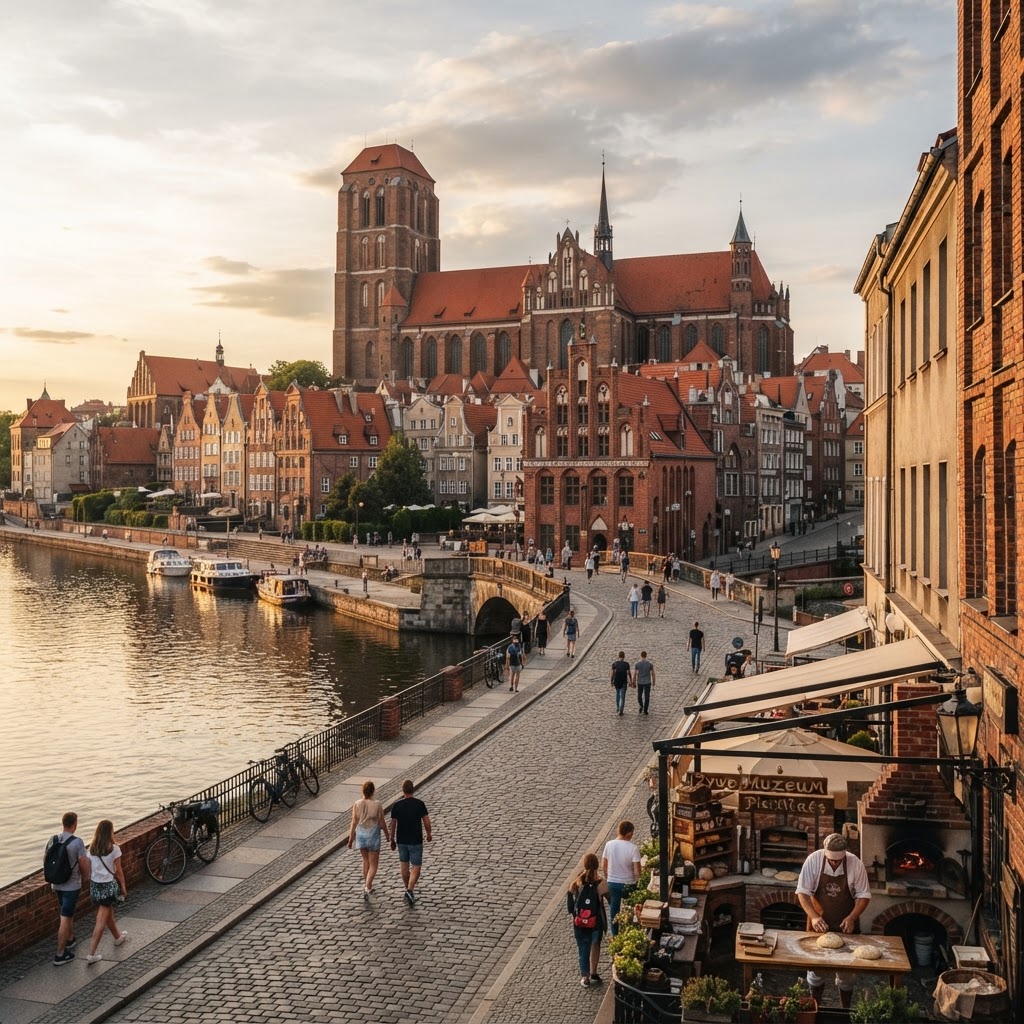
Authentic Gothic brick, living confectionery guildcraft, and the birthplace of Copernicus on the Vistula.
Poznań
Poland
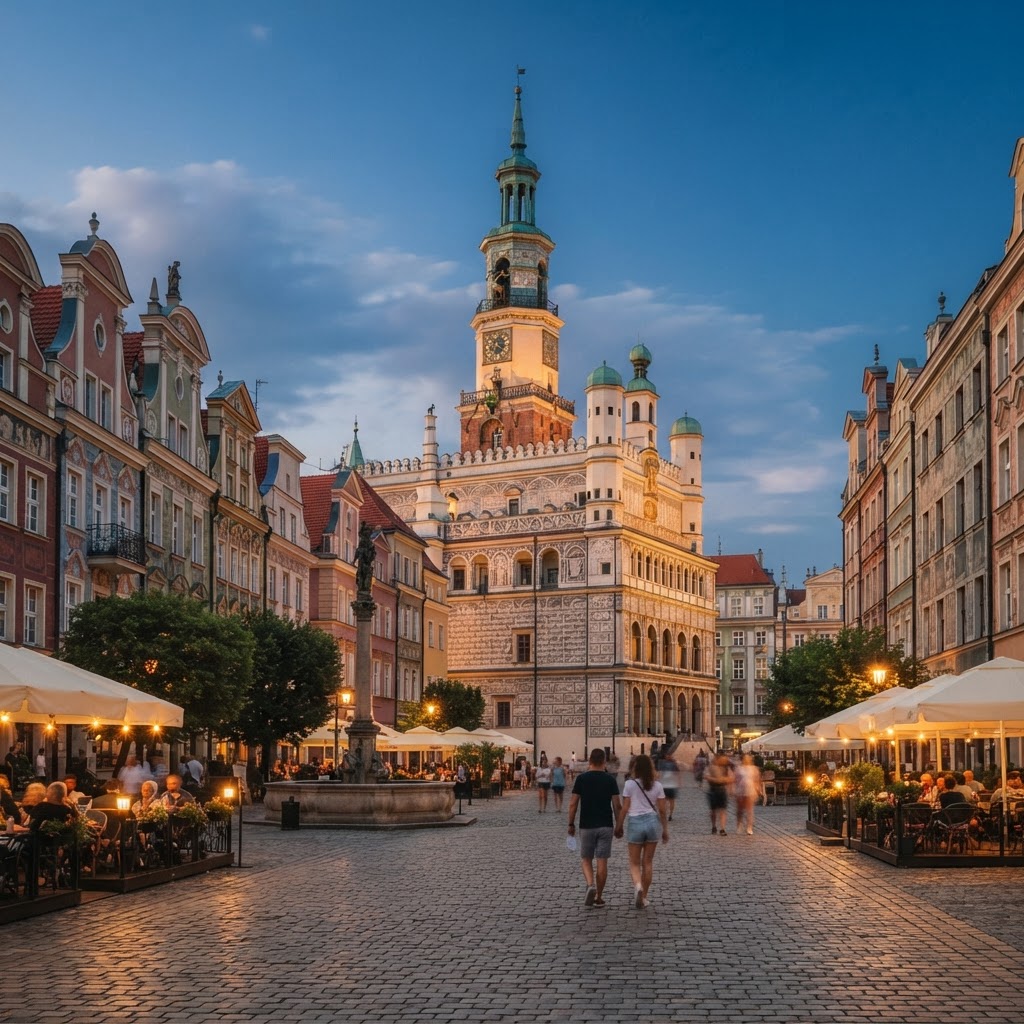
Renaissance elegance, bohemian Art Nouveau streets, and Poland's cradle of statehood.
Wrocław
Poland
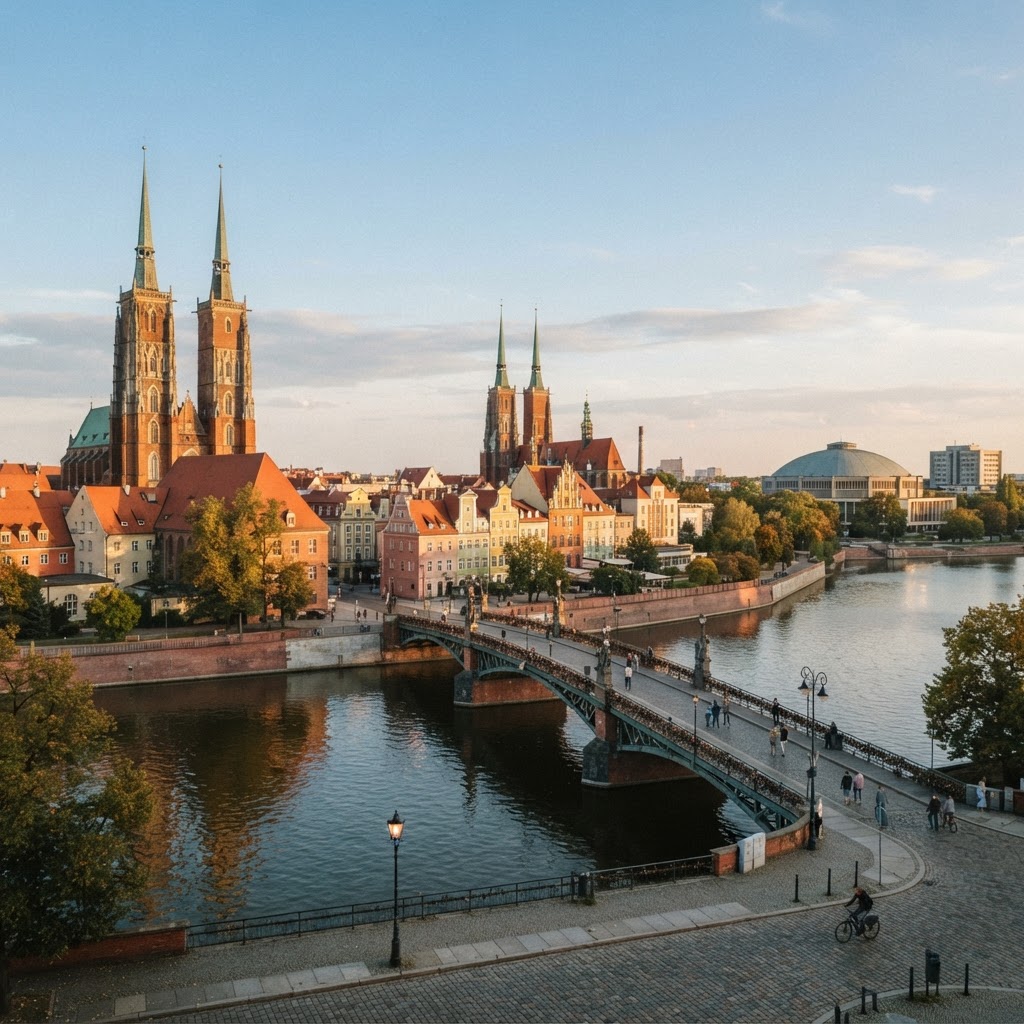
Gothic spires, modernist landmarks, and island footbridges minus the tourist crushes of Kraków.
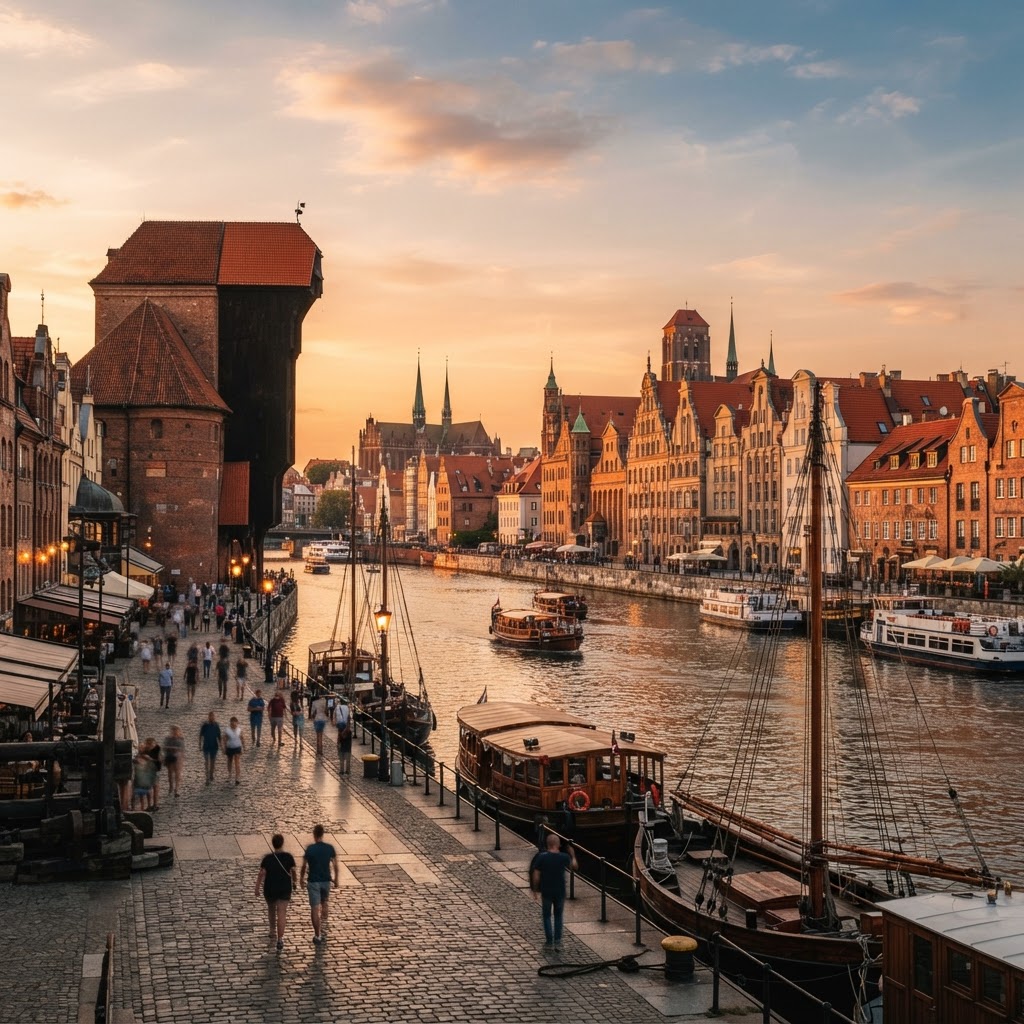
Gdańsk
Poland
Hanseatic brick architecture, maritime grit, and Poland's most compelling twentieth-century history.
Readymade itineraries
Start from a tested template — then make it yours.
Ready to book
Lock in your Zakopane, Poland trip
Everything in one place. We may earn a small commission — it never costs you more.
Plan a trip to Zakopane, Poland
Pick a length and we'll build a day-by-day plan around how you travel — neighborhoods clustered, budget-aware, and editable.
Get better at planning trips like this
Occasional notes on planning smarter — no spam, unsubscribe anytime.
Plan a trip to Zakopane, Poland
Turn this guide into a day-by-day plan built around your pace, your group, and your budget.
Build my Zakopane, Poland trip